Home Blog Page 4

‘I will always reflect humility, integrity, honour’ – Onuigbo declares Abia Senatorial ambition

0

Speech by Rep. Sir Sam Ifeanyichukwu Onuigbo FCIS, FNIM, KJW (Odozi obodo Gburugburu) declaring his intention to contest for the Abia Central Senatorial Seat in the Senate of Federal Republic of Nigeria on the platform of All Progressives Congress (APC) in the 2027 National Assembly election on Friday, March 20, 2026, at Odoziobodo Hills Obuohia Obi Ibere, Ikwuano LGA, Abia State

Time to Invest Experience in Renewed Hope.

My dear good people of Abia Central Senatorial District, it is with great sense of responsibility and historical imperative that I stand here before you to declare my intention to contest the Abia Central Senatorial seat in the Senate of the Federal Republic of Nigeria in next year’s general election.
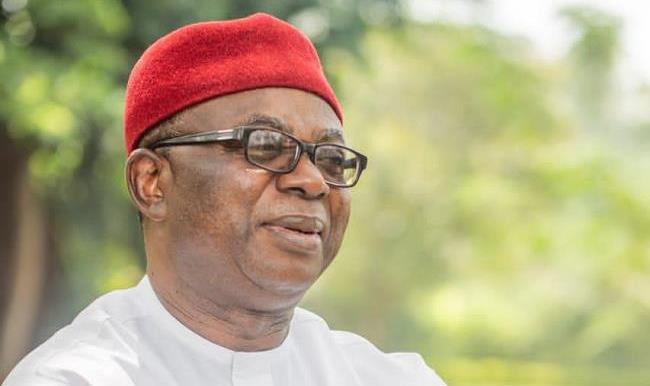
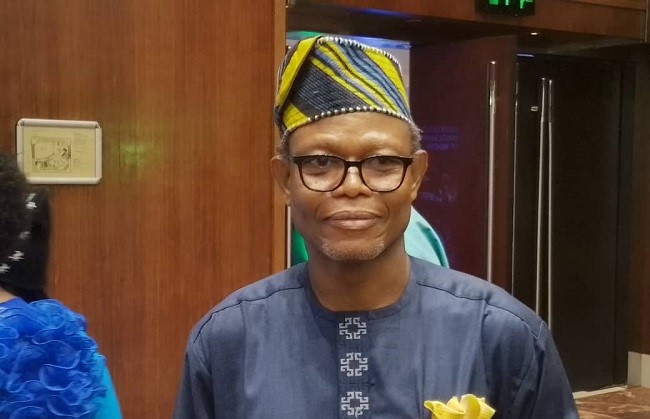
Sam Onuigbo
Rep. Sam Onuigbo

I have consulted with my immediate family, friends and associates on this historic decision. This gathering of my extended political family and leaders of our great party, the APC, is part of this ongoing conversation to engender commonality of understanding and ensure that we embark on this journey as a united family.

 Right from my early life journey, I have always dedicated my attention on how to render service. This is supported by the motto of my organisation; Odoziobodo which is Service to Humanity.

This knack for leadership through humble service found concrete expression in my nearly 18 years of unbroken and meritorious service with the US Embassy (Consulate General) in Lagos.

 That diplomatic environment was the precursor to my community development vision and the actions that followed. It was there that I was first elected in December 1991 and inaugurated in February 1992 to represent quality people at the US Mission to Nigeria like the great people of Abia Central.

Recall that I had my humble beginnings around this Odozi Obodo Hills – not far from this spot. I hunted rats, squirrels and other animals in the surrounding bush. It was also here that I trekked a total of 12 kilometres a day going and returning from school, felt the pain of doing so and wondered what the future would hold. Never did I know at the time that these experiences would crystalise or mould my understanding of life, and the drive to be of service to humanity.

That experience led to my decision to attract some classroom blocks to my alma mater , Community Primary School Obuohia Obi Ibere, from the United States’ Consulate.

Although the construction of classroom blocks was not the equivalent of constituency projects, that effort came as part of sustained advocacy and pressure on the US Embassy to ease the congestion of Primary School children in my local community.

 I also conceived the plan to attract to my community a secondary school to ease the suffering of future generation of students and overcome the suffering of trekking more than 12 kilometres in their bid to access secondary education like I did during my time. I brought US Ambassador in Nigeria to lay the foundation of Ambassador’s College in this village. This College has stood the test of time, and it is still standing today to the glory of God.

Apart from the classroom blocks and secondary school I attracted to the community, my 18 years’ stint as a staff of the United States Consulate in Lagos helped me to hone skills in public policy, as well as hands-on experience in diplomatic, legislative, and policy leadership experience across governance and international cooperation.

With due respect, I make bold to say that riding on these unparalleled skills acquired at the US Embassy in various positions of Supervisory Fraud Prevention Specialist, I was privileged to serve Abia State meritoriously as Commissioner for Lands & Survey (2011–2012) and Finance (2012–2013), respectively.

My journey towards excellence in public service also led me to Special Adviser on Public Affairs to the Honourable Speaker of the House of Representatives during the 6th National Assembly.

As God will have it, at about this time in 2015, I was elected to represent the good people of Ikwuano/Umuahia North and Umuahia South Federal Constituency in the House of Representatives for two consecutive terms (2015–2019; 2019–2023). To date, I was the representative to have been re-elected in this great federal constituency. 

In 2020, when some people decided to play god, I identified myself with the dire need for progressive politics and moved from Peoples Democratic Party (PDP) to the All Progressives Congress (APC). It was a great show of political foresight, because in recent times, most of those who celebrated impunity in PDP have found their way into APC or somewhere else. I feel vindicated, not only because these power mongers have seen what I saw like John the Baptist, but above all, that the present times and season dictate that honour should be placed beyond political expediency. 

By declaring for the Senate contest, I wish to assure you, my people; that I will always reflect humility, integrity, honour and diligence in the work of representing you. I have shown myself a good ambassador to our community, state and people by the string of excellent record of achievements in my previous assignments.

For instance, today, the singular signature legislation that catapulted Nigeria into global reckoning in sustainability was sponsored by me, your son. As a result of that unique achievement, many domestic and international organisations have recognised me with various honours and awards.

I say these with every sense of modesty, but most importantly to put it on record that the mandate I seek as your Senator is not for selfish aggrandisement. 

Rather, I feel elated that I am not only doubly qualified to serve our zone as Senator, but also confident to bring you honour and accomplished representation. I am bold to say that my journey to the Nigerian Senate is to invest my rich experience and reflect hope as enacapsulated in the Renewed Hope Agenda of our leader, President Bola Ahmed Tinubu GCFR.

I wish to state that the consolidation of the Renewed Hope Agenda is predicated on the preponderance of qualitative lawmakers in the 11th National Assembly. Consequently, Abia State, as God’s Own State, cannot afford to send intellectual Lilliputs, or persons of doubtful pedigree to the next star-studded National Assembly being envisaged by Nigerian nation led by President Tinubu and Nigerians.

What this calls for is that only those that have been tried, tested and not found wanting, either in character, carriage and comportment deserve your support to represent Abia Central Senatorial Zone in the 11th Senate. 

Let me use this opportunity to thank the leaders and members of Abia Central chapter of APC for supporting me to fly the party’s flag in 2023. I commend you immensely for that stalwart, because it confers on me the right of first refusal and defending champion in the forthcoming Senatorial poll come January 8, 2027.   

I have continued to engage in issues of national and international importance to buttress the fact that I possess the strong voice and network to represent Abia Central Senatorial Zone in the Red Chamber come June 2027.

My excellent people of Abia Central, while the coming election season provides opportunity for many individuals to show up in search of your mandate, please do well to base your consideration on proven track records on personal integrity and sense of responsible performance.

If supported to represent our zone in the Senate, I will ensure that every ward, state constituency and local government will serve as fulcrum of representation through a seamless constituency consultation strategy.

I have produced a small magazine to serve as a brief outline of what I have been able to do in the past, believing accountability should be the watchword of every ing more than 12 kilometres in their bid to access educational facility.

Apart from the classroom blocks and secondary school I also attracted a Secondary School to my community to ease the pain of students who had trek 12 kilometres to and from school every schoolday, my 18 years’ stint as a staff of the United States Consulate General in Lagos helped me to hone skills in public policy, as well as hands-on experience in diplomatic, legislative, and policy leadership experience across governance and international cooperation. 

With due respect, I make bold to say that riding on these unparalleled skills acquired at the US Embassy in various positions of Supervisory Fraud Prevention Specialist, I was privileged to serve Abia State meritoriously as Commissioner for Lands & Survey (2011–2012) and Finance (2012–2013), respectively.

My journey towards excellence in public service also led me to Special Adviser on Public Affairs to the Honourable Speaker of the House of Representatives during the 6th National Assembly.

As God will have it, at about this time in 2015, I was elected to represent the good people of Ikwuano/Umuahia North and Umuahia South Federal Constituency in the House of Representatives for two consecutive terms (2015–2019; 2019–2023). To date, I was the only representative to have been re-elected in this great federal constituency. 

 In 2020, when some people decided to play god, I identified myself with the dire need for progressive politics and moved from Peoples Democratic Party (PDP) to the All Progressives Congress (APC). It was a great show of political foresight, because in recent times, most of those who celebrated impunity in PDP have found their way into APC or elsewhere. I feel vindicated, not only because these power mongers have seen what I saw like John the Baptist, but above all, that the present times and season dictate that honour should be placed beyond political expediency. 

By declaring for the Senate contest, I wish to assure you, my people; that I will always reflect humility, integrity, honour and diligence in the work of representing you. I wish to restate that I will continue to run on my principle of EAR – Effectiveness, Accessibility, and Responsiveness. I have shown myself a good ambassador to our community, state and people by the string of excellent record of achievements in my previous assignments.

I have listed below just a few of the projects that I facilitated to our federal constituency and state when I represented the people of great Ikwuano/Umuahia North and Umuahia South Federal Constituency. 

Additionally, in my two terms in the House of Representatives, I moved critical motions for the benefits of my constituents and wider Nigerians. I attracted and executed many projects in Ikwuano/Umuahia North/South Federal Constituency of Abia State. The communities that were impacted by these projects are here today and can testify. Such projects included:

● Rehabilitation of the failed sections of the Umuahia-Ikwuano-Ikot Ekpene federal road in December 2016 to April, 2017;

● The ongoing total reconstruction of the Umuahia-Ikwuano-Ikot Ekpene federal road awarded in 2019;

● The facilitation of the design of the Umuahia-Umudike 16 Kilometres Dualization Project with an interchange (flyover) from Amachara to Ossa Ibeku;

● Facilitation of the construction of a Federal Secretariat to Abia State after 34 years of its creation;

● Erosion control work at Ukwudara Amankwo Ezeleke, Amachara, Umuopara in Umuahia South LGA;

● Erosion control works at Okweukwu Oboro-Obuohia Road in Ikwuano LGA;

● Major electricity project at Usaka and so many other projects that can be verified. 

The restoration in 2025 of the delisted Management Sciences Courses from Michael Okpara University of Agriculture Umudike (MOUAU) since 2016/2017

Additionally, today, the singular signature legislation that catapulted Nigeria into global reckoning in sustainability was sponsored by me, your son. As a result of that unique achievement, many domestic and international organisations have recognised me with various honours and awards.

I say these with every sense of modesty, but most importantly to put it on record that the mandate I seek as your Senator is not for selfish aggrandisement. 

Rather, I feel elated that I am not only doubly qualified to serve our zone as Senator, but also confident to bring you honour and accomplished representation. I am bold to say that my journey to the Nigerian Senate is to invest my rich experience and reflect hope as enacapsulated in the Renewed Hope Agenda of our leader, President Bola Ahmed Tinubu GCFR.

I wish to state that the consolidation of the Renewed Hope Agenda is predicated on the preponderance of qualitative lawmakers in the 11th National Assembly. Consequently, Abia State, as God’s Own State, cannot afford to send intellectual Lilliputs, or persons of doubtful pedigree to the star-studded National Assembly being envisaged by Nigerians and President Tinubu.

What this calls for is that only those that have been tried, tested and not found wanting, either in character, carriage and comportment deserve your support to represent Abia Central Senatorial Zone in the 11th Senate. 

Let me use this opportunity to thank the leaders and members of Abia APC, especially Abia Central chapter of our great party for supporting me to fly the party’s flag in 2023. I commend you immensely for that stalwart, because it confers on me the right of first refusal and defending champion in the forthcoming Senatorial poll come January 8, 2027.   

 I have continued to engage in issues of national and international importance to buttress the fact that I possess the strong voice and network to represent Abia Central Senatorial Zone in the Red Chamber come June, 2027.

 My excellent people of Abia Central, while the coming election season provides opportunity for many individuals to show up in search of your mandate, please do well to base your consideration on proven track records on personal integrity and sense of responsible performance.

After nearly 27 years of unbroken democratic dispensation, Nigerians should be able to elect leaders who deserve to lead them based on their verifiable track records of genuine and transparent accomplishments. 

If supported to represent our District in the Senate, I will ensure that every ward, state constituency and local government will serve as fulcrum of representation through a seamless constituency consultation strategy.

I have produced a small magazine to serve as a brief outline of what I have been able to do.
RDI urges govts to adopt gender-responsive strategies in water sector

Renevlyn Development Initiative (RDI), an environmental non-governmental organisation, has called on the federal and state governments to adopt gender-responsive approaches in tackling Nigeria’s water challenges.

The organisation made the call in a statement by its Project Officer, Tracy Ohovwore, on Saturday, March 21, in Lagos to mark the 2026 World Water Day, commemorated annually on March 22.

Ohovwore said the call aligns with this year’s theme, “Water and Gender,” and its campaign slogan, “Where water flows, equality grows,” which highlights the link between water access and gender equality.

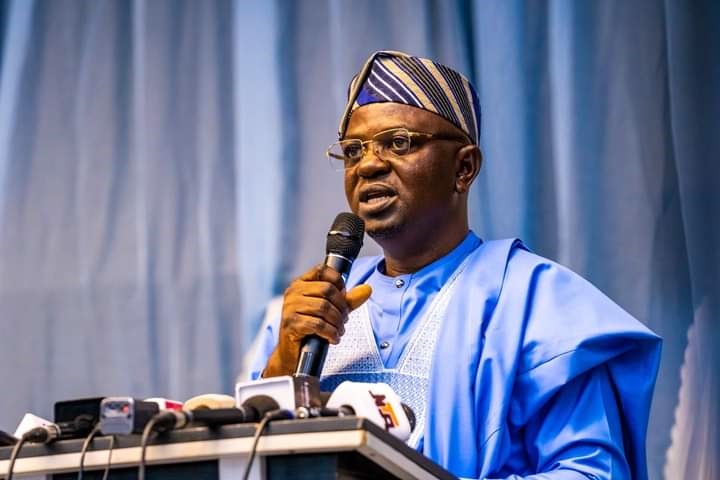
Prof. Joseph Utsev
Prof. Joseph Utsev, Minister of Water Resources and Sanitation

She noted that the global commemoration, led by UN Women and UNICEF, underscored how water inequality disproportionately affects women and girls.

According to her, the 2026 theme reflects the realities faced by women and girls in Nigeria and across the Global South, particularly the physical and mental strain associated with sourcing water.

She said in many communities, women and girls bear the burden of water scarcity.

“The daily drudgery women and the girl child contend with due to dry taps in their communities is real.

“This situation is not limited to rural areas alone; it is also prevalent in cities like Lagos and Abuja,” she said.

Ohovwore added that the situation exposes women and girls to risks and, in many cases, deprives the girl-child of access to education.

She noted that lack of access to water affects women’s hygiene, increasing their vulnerability to diseases.

Ohovwore said it aligned with global recommendations that women and girls should be placed at the centre of water solutions to achieve key Sustainable Development Goals, including Goal 5 on gender equality and Goal 6 on clean water and sanitation.

She urged governments at all levels to move beyond rhetoric and adopt deliberate, gender-sensitive policies covering water governance, management, and infrastructure development.

By Fabian Ekeruche

Recycling to hit $4.5trn globally by 2030 – Expert

0

The President, Association of Waste Managers of Nigeria, Dr Olugbenga Adebola, says global recycling economy will reach $4.5 trillion by 2030.

Adebola, who disclosed this in an interview on Saturday, March 21, 2026, in Lagos, said the projection highlights vast investment opportunities in recycling and circular economy, especially for rapidly growing cities like Lagos.

He described waste management as capital-intensive, requiring huge investments across bins, collection logistics, and processing infrastructure such as material recovery and waste-to-energy facilities.

Olugbenga Adebola
Mr. Olugbenga Adebola, President of Association of Waste Managers of Nigeria (AWAMN)

According to him, high inflation, rising fuel costs, and expensive financing significantly increase operational costs for investors in the sector.

He noted that recycling infrastructure demands higher upfront investment but offers long-term economic and environmental benefits compared to landfill management.

“Waste is not a social service. Investors must recover costs within a reasonable timeframe,” he said.

Adebola stressed that effective waste collection and segregation remain critical to achieving a functional circular economy.

He disclosed that private operators in Lagos have created over 26,000 jobs, spanning formal and informal sectors, including waste pickers and recyclers.

The expert added that efforts were ongoing to formalise thousands of informal waste workers to improve livelihoods and efficiency.

On environmental impact, he warned that poor waste disposal contributes to flooding, groundwater pollution, and microplastic contamination in oceans.

He said recycling helps reduce environmental degradation and promotes sustainability across urban centres.

Adebola, however, said Nigeria’s major challenge lies not in policy formulation but weak enforcement and poor implementation.

He urged regulators, including Lagos Waste Management Authority, to strengthen monitoring and enforcement mechanisms.

He called for enabling policies such as long-term concessions, infrastructure support payments, and cost-reflective tariffs to attract investment.

Adebola also advocated enforcement of the polluter-pays principle to ensure financial sustainability in the sector.

He stressed the need for public awareness campaigns to change perception and encourage viewing waste as a valuable resource.

On future prospects, he described Nigeria’s rising population as an opportunity to harness increased waste generation for economic value.

Adebola recommended waste traceability systems to ensure accountability among generators and operators.

He identified key challenges as high interest rates, lack of green financing, policy inconsistency, and bureaucratic bottlenecks.

Adebola commended the Lagos State Governor, Mr Babajide Sanwo-Olu, for the ongoing reforms and urged other states to prioritise sustainable waste management.

He reiterated that waste should be treated as a resource capable of driving economic growth and environmental sustainability.

By Fabian Ekeruche

International Day of Forests: NCF seeks urgent protection of Nigeria’s diminishing forests

The Nigerian Conservation Foundation (NCF) has decried the continued depletion of Nigeria’s forests as the world commemorates the International Day of Forests, calling for an urgent practical solution to save the country’s most critical natural asset. 

This year’s International Day of Forests theme, “Forests and Economies,” underscores the critical role forests play not only in environmental sustainability but also in driving livelihoods, economic resilience, and national development.

Nigeria’s forests are in a critical state of decline, marked by one of the highest deforestation rates in the world. The country loses an estimated 400,000 hectares of forest annually, driven largely by illegal logging, agricultural expansion, and urbanisation.

Forest ecosystems
Forest ecosystems

Over the past three decades, the country has lost nearly 90% of its forest cover, leaving only a fraction of its original forest landscape intact. Today, less than 10% of the country’s original forest cover remains, highlighting the urgent need for large-scale restoration and sustainable forest management interventions.

A significant proportion of Nigerians rely on fuelwood and charcoal for daily energy needs, placing immense pressure on remaining forest reserves. Beyond energy, forests support agriculture, regulate water systems, and provide raw materials and income for millions, particularly in underserved communities. Yet, despite their immense economic value, forests remain one of the most undervalued natural assets in Nigeria’s development planning.

Despite ongoing efforts from government and various stakeholders pushing for stronger measures, significant challenges remain. Illegal logging, weak enforcement of environmental regulations, increasing demand for land and energy, and limited investment in restoration continue to drive forest loss across the country. Without urgent and coordinated action, the long-term economic and ecological costs could be severe.

Dr. Joseph Onoja, Director General of NCF, said, “We all know and agree that forests are vital for life on Earth, producing oxygen and absorbing carbon dioxide, which helps combat climate change. They host most of the planet’s land biodiversity, regulate water cycles, protect soil, and provide essential resources like timber, food, medicine, and livelihoods for millions.

“The question remains: why are we destroying the very systems that sustain us? Isn’t it our duty to protect the lungs of our planet and preserve the natural beauty that’s been gifted to us? We would be doing ourselves a great service if we left the forest alone and stopped the criminal and indiscriminate exploitation of our forests that’s causing irreversible environmental damage.”

NCF has implemented a range of interventions aimed at reversing forest loss and promoting sustainable livelihoods, such as the Green Recovery Nigeria Programme – a flagship national initiative aimed at restoring Nigeria’s forest cover to 25% by 2047. In 2025 alone, NCF with support from its partners planted 265,561 trees across various ecosystems.

Other initiatives include community-based forest management programmes, biodiversity conservation efforts, forest reserve project management and strategic partnerships with government and the private sector to promote sustainable land use practices while creating alternative livelihood opportunities that reduce dependence on unsustainable forest exploitation.

NCF calls on government at all levels to strengthen forest governance, enforce existing environmental laws, and increase budgetary allocations for forest conservation and restoration. The Foundation urges the private sector to invest in sustainable practices and nature-based solutions as nature provides essential resources, regulates climate, and supports agriculture, tourism, and innovation, making it crucial for businesses.

Communities and individuals are encouraged to play their part by supporting tree planting initiatives, adopting sustainable resource use practices, and raising awareness about the importance of forest conservation. 

NCF reaffirms its commitment to working with all stakeholders to ensure that forests continue to provide ecological and economic benefits for present and future generations.

Dangote Refinery: How Nigeria’s petrol prices remain among world’s lowest

0

Nigeria has retained one of the lowest petrol prices globally despite recent increases driven by geopolitical tensions in the Middle East, with industry data pointing to the stabilising role of Dangote Petroleum Refinery & Petrochemicals in cushioning the domestic market.

According to GlobalPetrolPrices.com, petrol in Nigeria currently averages $0.88 (N1,191.39) per litre, significantly below the global average of $1.32 (N1,787.08) per litre, based on an exchange rate of N1,353.85 to the dollar. This places Nigeria among the more affordable fuel markets globally, even as international prices continue to rise.

Dangote Refinery
Dangote Refinery

Across key markets, petrol prices are notably higher, with the United States at $1.075 (N1,455.39), India at $1.095 (N1,482.47), and South Africa at $1.189 (N1,609.73) per litre. Prices rise further in advanced economies, including the United Kingdom at $1.874 (N2,537.11), France at $2.152 (N2,913.49), and Germany at $2.343 (N3,172.07), while Hong Kong records as high as $3.967 (N5,370.72) per litre.

Nigeria also compares favourably within the West African region, where petrol prices are higher in Togo at $1.192 (N1,613.79), Benin at $1.218 (N1,648.99), Ghana at $1.240 (N1,678.77) and Cameroon at $1.478 (N2,000.99) per litre.

Analysts attribute this relative stability to the growing impact of Dangote Petroleum Refinery & Petrochemicals, which has helped moderate domestic price volatility by absorbing a significant portion of the global cost pressures while ensuring consistent product availability. This intervention has become particularly critical as many countries face supply disruptions, rationing and sharp price spikes following the escalation of tensions in the Middle East.

A key insight from the data is that very few countries globally sell petrol below $1 (N1,353.85) per litre without some form of state intervention.

According to GlobalPetrolPrices, most countries with pump prices under the $1 threshold operate fuel subsidies, price controls, or regulated pricing mechanisms to shield consumers from international market volatility. In contrast, Nigeria operates a fully deregulated downstream market following subsidy removal in 2023, meaning domestic prices are directly influenced by global crude movements and foreign exchange dynamics.

Despite Nigeria’s transition to a deregulated market following subsidy removal in 2023, Dangote refinery has continued to act as a buffer for the economy. While domestic petrol prices have risen by about 35 to 40 per cent since the onset of the crisis, this increase remains lower than in several other markets, with countries such as Cambodia and Vietnam recording hikes of over 67% and 49% respectively.

Industry observers note that without the scale and capacity of Dangote Refinery, Nigeria would have been far more exposed to global supply shocks, potentially resulting in higher pump prices, foreign exchange pressures and widespread product shortages. Instead, local refining has strengthened supply security, moderated price increases and reinforced Nigeria’s position as one of the more stable fuel markets globally at a time of global instability.

Govt working to improve security in all parts of Nigeria – Information minister

The Minister of Information and National Orientation, Alhaji Mohammed Idris, has urged Nigerians to remain calm as the Federal Government is working hard to bring security to all parts of the country.

Idris said this while speaking with newsmen shortly after observing Jumaat prayer at Yahaya Road Mosque in Kaduna on Friday, March 20, 2026.

The minister, who decried multiple bomb explosions across Maiduguri, the Borno State capital, pledged that such incidents would not be allowed to happen again.

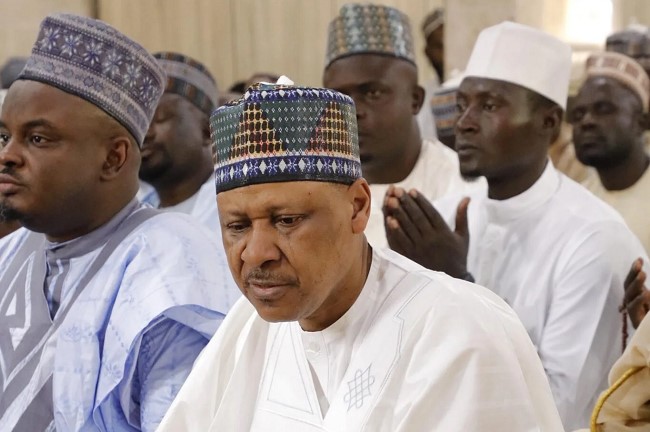
Mohammed Idris
Minister of Information and National Orientation, Alhaji Mohammed Idris

“Indeed, our country is challenged as government is working hard to ensure that it brings security to all parts of this country.

“We have witnessed what has happened, especially in Borno State.

“We pray to Allah to make this be the last one, as government is working seriously to ensure that there is no repeat of that kind of incidents.

“We must also be very prayerful, and we must work together to ensure that all the challenges that we have in this country go away,” he said.

Idris urged all Muslims and non-Muslims to come together in the interest of the development and unity of the country.

“Our message is consistent with the message of President Bola Tinubu.

“He has urged all Nigerians to be steadfast, to take the lessons of Ramadan, and to continue to do all the good deeds of Ramadan and continue with them even after the month of Ramadan.

“It is important for all of us to take the lessons of Ramadan and ensure that we pray for our country, leaders, and all the people of Nigeria so that we can have a prosperous Nigeria beyond our expectation.”

According to Idris, this is a time for reflection for all Nigerians.

“We pray that all of us will really look at this moment and see the need for unity, for progress, and for the development of our country.

“Nigeria is indeed taking its rightful place. The country is respected more than ever before on the international scene.

“The reforms that the president has instituted, as challenging as they are, are meant for the benefit of all Nigerians,” he said.

The minister said that all hands must be on deck for the unity of the country.

“As we gain respect in the international arena, we also hope and pray for unity around our country,” he said.

Speaking earlier, Alhaji Garba Ibrahim, Chairman of Yahaya Road Mosque, urged Muslim faithful to imbibe the spirit of discipline, honesty, and the fear of Allah as taught by the Imam.

“Now, what the Imam has said, we have to imbibe the spirit of discipline, honesty, and the fear of Allah.

“As he mentioned again, the last Eid here, there were some people who pray Eid here, but today they have gone.

“None of them will never come back again. One day it will be our turn. So, we have to perform our obligations as the Sunnah of our Prophet Muhammad taught us to do.

“We have to lay a legacy for our children and grandchildren. And that is what is called discipline in Islamic Ummah,” he said.

By Deji Abdulwahab

Group felicitates Nkiruka Maduekwe on appointment as Abia NEWWAP coordinator

The Foundation for Environmental Rights Advocacy & Development (FENRAD), a civil society organisation committed to environmental justice, climate resilience and sustainable development, has congratulated Dr. Nkiruka Chidia Maduekwe on her appointment as the State Project Coordinator of the Nigeria Erosion and Watershed Management Project (NEWWAP), Abia State Chapter.

Dr Maduekwe is the immediate past Director, National Council on Climate Change (NCCC)

According to FENRAD, Maduekwe’s emergence at this critical time reflects a strategic commitment by the administration of Dr. Alex Otti to strengthen institutional capacity in addressing the persistent environmental challenges confronting Abia State, particularly gully erosion, land degradation, and the increasing impacts of climate change on vulnerable communities.

Dr. Nkiruka Chidia Maduekwe
Dr. Nkiruka Chidia Maduekwe with staffers at Abia State NEWMAP

FENRAD says it recognises the vital role of NEWWAP in mitigating ecological threats, safeguarding livelihoods, and promoting sustainable watershed management.

“We are confident that Dr. Maduekwe’s wealth of experience, professionalism, and dedication to service will further reposition the project towards achieving impactful and measurable outcomes across the state.

“We also commend the outgoing Acting Project Coordinator, Mr. Onyenweaku Prince C., for his leadership during the transition phase and for laying a solid foundation for the continued implementation of the project,” submitted Comrade Nelson Nnanna Nwafor, Executive Director of FENRAD.

FENRAD says it underscores the importance of transparency, accountability, and community engagement in the execution of NEWWAP programmes, adding: “We urge the new leadership to prioritise inclusive stakeholder participation, especially among communities most affected by erosion and environmental degradation.”

The group added: “Furthermore, we call for strengthened collaboration between NEWWAP, the Abia State Ministry of Environment under the leadership of Philmon Asonye Ogbonna, civil society organisations, and development partners to ensure the delivery of sustainable, climate-resilient solutions.

“FENRAD remains committed to supporting policies and initiatives that promote environmental protection, human rights, and sustainable development. We look forward to working closely with Dr. Maduekwe and her team in advancing environmental governance and protecting the ecological future of Abia State.”

Foundation empowers women to encourage economic growth

0

The MSBON Foundation, a non-profit organisation, has given a variety of entrepreneurial skills to 100 women and young people as part of its effort to promote economic development in Nigeria.

According to the organisation, the exercise was motivated by the belief that when people collaborate, everyone can benefit and ensure a better environment.

The founder of the foundation, Miss Chikodi Nwanisobi, said in her speech on Wednesday, March 18, 2026, to commemorate the 2026 International Women’s Day (IWD) celebration her organisation hosted at the Abuja Children’s Home in Karu, that the programme was inspired by this year’s theme, “Skill to Income”, which was designed to promote transformational philanthropy.

MSBON Foundation
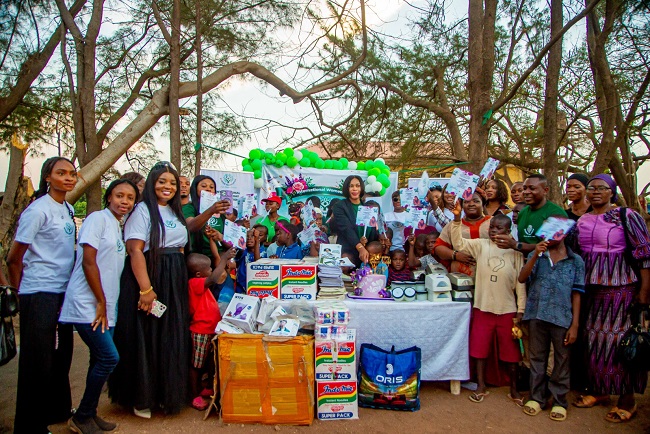
Participants at the 2026 International Women’s Day (IWD) celebration hosted by the MSBON Foundation at the Abuja Children’s Home in Karu, Abuja

“I would say what is significant to me is transformational giving—not just giving and letting go, but giving in a way that transforms lives, income, skills, and, most importantly, wellness and healthcare,” she said.

Nwanisobi explained that the beneficiaries were trained in petroleum jelly (Vaseline) production, soap making, disinfectants, handwash, and air fresheners to enable them to become financially independent.

She continued by saying that her organisation selected those skill sets because they are focused on helping these individuals apply the knowledge they have gained to generate revenue.

“We have come to a point where it is not just about having a home; the home needs to start developing and fending for itself,” which is why she and her team were on the ground to equip them to turn skills into income.

The philanthropist underlined the need for empowerment initiatives that go beyond training and include mentorship and sustainability, calling for collaborative efforts to empower women, as it was noted that government alone cannot achieve inclusive growth.

“I am calling on everyone, no matter how little; let’s reach out to our communities and empower our women, girls, and even boys, because we can do better when we collectively come together,” she stated.

Barr. Ada okolocha, who is a member of the MSBON Foundation, referred to the IWD as a reminder of women’s potential to surpass and grow beyond conventional duties.

According to her, it is a day women are reminded that they can be whatever they want to be and that the era of being confined to the kitchen is over.

She expressed displeasure over declining values among some young women, warning that beauty is not enough.

“When I speak, you should see substance,” she asserts.

The lawyer advocated for sensitisation of women in order to restore values, stating that “we are beginning to lose our identity and who we truly are.”

Mrs. Evelyn Madu, Assistant Director, Women Development, Federal Ministry of Women Affairs, said that women’s empowerment is crucial to the development of the country because a woman’s empowerment empowers the nation as a whole, and a girl’s empowerment empowers a household.

Madu disclosed that the government is implementing policies to enhance women’s participation in governance and socio-economic activities.

“We are advocating for more seats for women in governance so that their voices can be heard, because if you are not there when your matter is being discussed, others will take decisions on your behalf,” she said.

In the same vein, the Administrator of Abuja Children’s Home, Mrs Quincy Patrick, said access remains key to effective empowerment, especially for vulnerable groups.

According to Patrick, bringing the programme into the home helped remove obstacles that frequently prevent people from taking advantage of these opportunities because, although empowerment is a broad concept, society needs access to empowerment.

“By bringing this programme here, barriers have been removed and access improved,” she hinted.

Government, corporate, media, and civil society representatives were present at the event. The organisation demonstrated their dedication to empowering people through humanitarian aid by providing the orphanage with food, sanitary pads, 10 diffusers for hand wash and sanitisers, books, safety kits, and toiletries.

By Etta Michael Bisong, Abuja

Middle East conflict: How to ease oil price pressures on consumers, by report

0

The International Energy Agency (IEA) on Friday, March 20, 2026, set out a range of demand-side actions that governments, businesses and households can take to alleviate the economic impacts on consumers of the disruptions to oil markets stemming from the war in the Middle East.

The conflict has triggered the largest supply disruption in the history of the global oil market, with shipping through the Strait of Hormuz, which normally carries around 20% of global oil consumption, reduced to a trickle. Around 20 million barrels per day of crude oil and oil products typically transit the Strait.

IEA
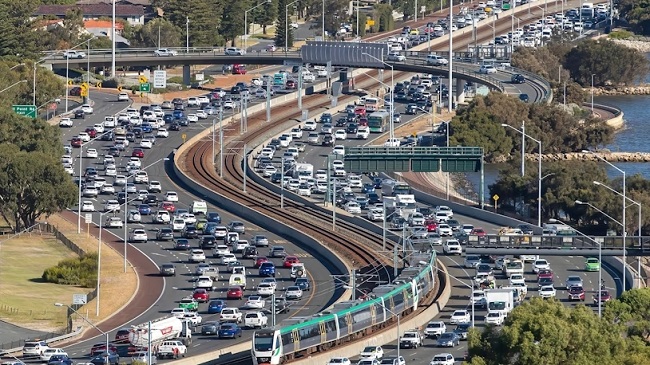
A shift from private cars to buses and trains is one of the options put forward to reduce oil demand

The loss of these flows has tightened markets significantly, pushing crude oil prices above $100 per barrel and driving even sharper increases in refined products such as diesel, jet fuel and liquefied petroleum gas (LPG).

Restoring transit through the Strait of Hormuz remains essential to stabilise global energy markets. In the meantime, countries are acting on both supply and demand. On March 11, IEA member countries agreed to release 400 million barrels of oil from emergency reserves – the largest stock draw in the Agency’s history. However, supply-side measures alone cannot fully offset the scale of the disruption. Addressing demand is a critical and immediate tool to reduce pressure consumers by improving affordability and supporting energy security.

A new IEA report identifies 10 measures that can be implemented quickly by governments, businesses and households. These actions focus primarily on road transport, which accounts for around 45% of global oil demand, but also cover aviation, cooking and industry. Widespread adoption, where possible, would amplify their global impact and help cushion the shock.

“The war in the Middle East is creating a major energy crisis, including the largest supply disruption in the history of the global oil market. In the absence of a swift resolution, the impacts on energy markets and economies are set to become more and more severe,” said IEA Executive Director, Fatih Birol.

Birol added: “As the global energy authority, the IEA is doing everything we can to support the stability of energy markets. We have recently launched the largest ever release of IEA emergency oil stocks – and I am in close contact with key governments around the world, including major energy producers and consumers, as part of our international energy diplomacy.

“In addition to this, today’s report provides a menu of immediate and concrete measures that can be taken on the demand side by governments, businesses and households to shelter consumers from the impacts of this crisis. It draws on the IEA’s decades of expertise in this field and highlights measures that have been proven to work in practice in different contexts. I believe it will be of use to governments around the world, in both advanced and developing economies, in these challenging times.”

In road transport, a combination of behavioural and policy measures can deliver rapid savings. Many of these measures have been implemented in the past and are again being considered in several countries. Working from home where possible reduces fuel demand for commuting, while lowering highway speed limits by at least 10 kilometres per hour cuts fuel use across both passenger vehicles and freight.

Encouraging a shift from private cars to public transport, alongside measures such as alternating private vehicle access in large cities, can further reduce congestion and fuel consumption. Additional gains can be achieved through car sharing and more efficient driving practices, as well as improved efficiency in freight and delivery operations.

Beyond road transport, targeted actions can ease pressure on fuels that are particularly constrained. A reduction in air travel where alternatives exist can significantly lower demand for jet fuel. Measures to shift LPG use away from transport and towards essential applications, such as cooking, can help protect vulnerable households. At the same time, encouraging the uptake of alternative clean cooking solutions where feasible can reduce reliance on LPG and avoid a return to more polluting fuels that harm people’s health.

Industry also has an important role to play. In countries where LPG supplies are under pressure, facilities may be able to switch from LPG to alternative feedstocks such as naphtha. This can free up LPG supply for urgent uses – and can be complemented by short-term efficiency and maintenance measures that can deliver additional reductions in oil consumption.

Governments can lead by example through public sector measures, regulatory action and targeted incentives while ensuring that support for consumers is timed appropriately and focused on those most in need. Experience from previous crises shows that well-targeted support mechanisms are more effective and fiscally sustainable than broad-based subsidies.

While the demand-side measures highlighted in the report cannot match the scale of disrupted supply, they can play a meaningful role in lowering costs for consumers, reducing markets strains and preserving fuels for essential uses until normal flows resume.

The IEA also published an overview of all demand-related policy measures that have been announced by governments since the start of the crisis. This shows many countries are already acting to protect consumers through conservation and financial measures similar to those discussed in the report.

Immediate actions to reduce demand:

1. Work from home where possible
Displaces oil use from commuting, particularly where jobs are suitable for remote work.

2. Reduce highway speed limits by at least 10 km/h
Lower speeds reduce fuel use for passenger cars, vans and trucks.

3. Encourage public transport
A shift from private cars to buses and trains can quickly reduce oil demand.

4. Alternate private car access to roads in large cities on different days
Number-plate rotation schemes can reduce congestion and fuel-intensive driving.

5. Increase car sharing and adopt efficient driving practices
Higher car occupancy and eco-driving can lower fuel consumption quickly.

6. Efficient driving for road commercial vehicles and delivery of goods
Better driving practices, vehicle maintenance and load optimisation can cut diesel use.

7. Divert LPG use from transport
Shifting bi-fuel and converted vehicles from LPG to gasoline can preserve LPG for cooking and other essential needs.

8. Avoid air travel where alternative options exist
Reducing business flights can quickly ease pressure on jet fuel markets.

9. Where possible, switch to other modern cooking solutions
Encouraging electric cooking and other modern options can reduce reliance on LPG.

10. Leverage flexibility with petrochemical feedstocks and implement short-term efficiency and maintenance measures
Industry can help free up LPG for essential uses while reducing oil consumption through quick operational improvements.

COP30 Presidency releases Executive Report, outlines next steps to accelerate global climate implementation

The COP30 Presidency on Thursday, March 19, 2026, released the Executive Report of the United Nations Climate Change Conference held in Belém, last November, outlining the key political, normative, and implementation outcomes and the commitments that will guide the Presidency’s work in the months ahead to sustain momentum for global climate action.

COP30 marked a decisive moment for international climate cooperation. The conference brought together delegations from nearly every country in the world and resulted in the adoption of 56 decisions by consensus, reaffirming Parties’ commitment to advancing global climate action. More than a single event, the COP was conceived as part of a continuous process of mobilisation to translate international commitments into tangible results for people and the planet.

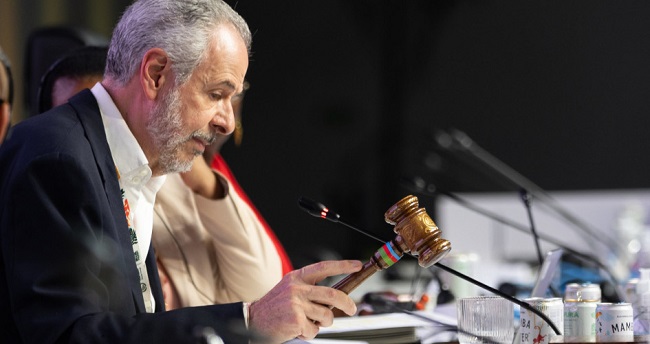
André Corrêa do Lago
André Corrêa do Lago, COP30 President. Photo credit: Kiara Worth | UN Climate Change

As part of this effort, the COP30 Presidency committed to developing Roadmaps designed to support the implementation of decisions and guide global engagement in key strategic areas.

These include:

  • The COP30 Presidency Roadmap for Transitioning Away from Fossil Fuels in a Just, Orderly and Equitable Manner, which will compile evidence, identify opportunities, and support international dialogue on pathways for this transition.
  • COP 30 Presidency Roadmap for Halting and Reversing Deforestation and Forest Degradation by 2030, reinforcing the role of forests in climate action and sustainable development.

The Presidency is also continuing work to consolidate the Baku to Belém Roadmap, aimed at mobilizing US$1.3 trillion in climate finance, enabling the implementation of the Paris Agreement’s goals, particularly in developing countries.

Another central priority is advancing the adaptation agenda, fostering dialogue among governments, financial institutions, and other stakeholders to expand financing and support the implementation of concrete adaptation actions across regions.

COP30 also strengthened the role of the Global Climate Action Agenda and launched the Global Implementation Accelerator, initiatives designed to mobilise governments, the private sector, cities, and civil society to accelerate the implementation of national climate commitments and adaptation plans.

For the COP30 Presidency, the outcomes achieved in Belém demonstrate that international cooperation remains essential to addressing climate change. At the same time, they reaffirm that climate conferences are milestones within a much broader process that requires the continued engagement of governments, businesses, civil society institutions, and communities worldwide.

“As we prepare for the next rounds of dialogue and for close collaboration on the road to Antalya, we invite you to read this report not only as a record of what has been achieved, but also as a call to sustain momentum, honor our shared responsibilities, and carry forward the spirit of mutirão that Belém inspired.

“The decisions adopted at the conference should serve as catalysts for economic transformation, for building more resilient societies, and for restoring ecosystems. The journey continues – and it will require the commitment of us all,” said André Corrêa do Lago, COP30 President, and Ana Toni, COP30 CEO.