31.7 C
Lagos
Wednesday, December 24, 2025
Home Blog Page 3

AfDB: Liberia secures GEF approval for mercury-reduction project in gold mining sector

0

The Global Environment Facility (GEF) has approved a transformative project developed by the Environmental Protection Agency (EPA) of Liberia and supported by the African Development Bank Group to reduce mercury pollution from artisanal and small-scale gold mining (ASGM).

The project, with $7.67 million in GEF financing and an additional $24.57 million in indicative co-financing from the Bank Group, will help build a safer, cleaner, and more sustainable gold mining sector in Liberia.

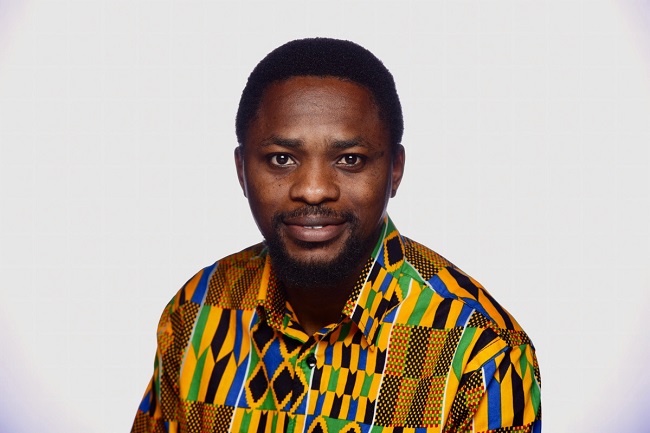
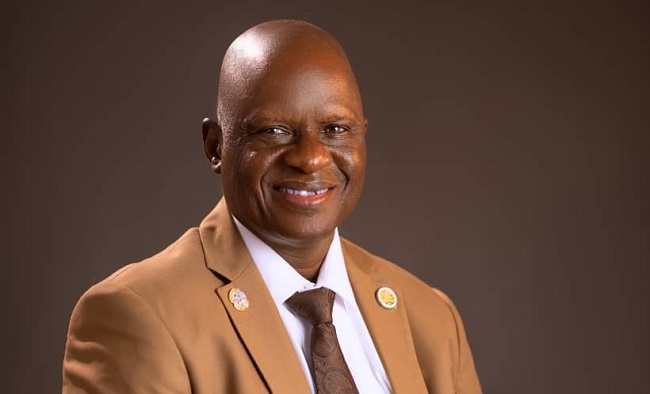
Emmanuel K. Urey Yarkpawolo
Dr. Emmanuel K. Urey Yarkpawolo, Executive Director of Liberia’s EPA of Liberia

The initiative marks Liberia’s entry into the planetGOLD programme, a global effort supported by the GEF that has already assisted more than 20 countries in reducing mercury use while improving environmental health and livelihoods. The project advances planetGOLD’s global strategy, which focuses on strengthening policy and regulatory frameworks, expanding financial inclusion, promoting mercury-free technologies, and cultivating partnerships across government, communities, and the private sector.

It also builds on the African Development Bank’s Institutional Support for Enhanced Domestic Revenue Mobilisation and Reform Implementation Project, which is helping to improve transparency and governance in Liberia’s mining sector.

“This is a powerful example of programmatic incrementality,” says Anthony Nyong, Bank Group Director for Climate Change and Green Growth. “The foundations established through the African Development Bank’s institutional support are now being expanded into a full-scale environmental and socio-economic transformation of Liberia’s mining sector. It proves that development and environmental protection can go hand-in-hand.”

“The approval of this project marks a significant milestone in our efforts to reduce mercury pollution worldwide,” says Carlos Manuel Rodríguez, outgone CEO and Chairperson of the Global Environment Facility. “By supporting a comprehensive approach that combines policy reform, technology, and community engagement, we are helping Liberia lead the way toward a cleaner, safer, and more sustainable gold mining sector.”

“This approval is a major victory for the people and environment of Liberia,” said Dr. Emmanuel K. Urey Yarkpawolo, Executive Director of Liberia’s EPA of Liberia. “By tackling mercury pollution at its source, we are protecting our miners, safeguarding our rivers and forests, and building a cleaner and more prosperous gold mining sector. This project moves Liberia closer to a future where economic growth and environmental protection go hand in hand in fulfillment of our NDC 3.0.”

Mercury contamination from gold mining poses severe risks to human health, water sources, soil, and ecosystems across Liberia. The largely informal nature of artisanal mining has also contributed to deforestation, biodiversity loss, and economic instability, leaving miners with limited access to formal markets and sustainable practices.

The project will deliver tangible benefits, including:

  • Reduction of 50 metric tons of mercury over five years
  • Restoration of 10,000 hectares of degraded land
  • Avoidance of 148,000 metric tons of CO₂ emissions
  • Safer working conditions and improved livelihoods for 20,000 people, including 12,000 women.

Through formalisation, access to finance, clean technologies, and community engagement, this project positions Liberia to fulfill its commitments under the Minamata Convention on Mercury and contributes to Sustainable Development Goals on climate, health, biodiversity, and decent work.

As part of the broader planetGOLD+ initiative, Liberia will gain from regional and global collaboration, including peer learning opportunities and access to a proven network of innovative practices from other GEF-supported countries. This collective approach not only strengthens the scalability and sustainability of national efforts but also accelerates global progress toward eliminating mercury from gold supply chains.

Fully aligned with Liberia’s commitments under the Minamata Convention on Mercury, the project marks a pivotal step toward building a mercury-free gold sector that balances environmental stewardship with inclusive and sustainable economic development.

NJ Ayuk: A stronger Africa requires stronger investment policies

0

Investor confidence in Algeria’s energy sector is climbing. The country – already one of Africa’s most active oil and gas producers – has seen even more momentum in 2025.

In October, Algeria’s national oil company, Sonatrach, announced a $5.4 billion partnership with Saudi Arabia’s Midad Energy to explore and develop new fields in the Illizi Basin. The government has also entered advanced talks with ExxonMobil and Chevron on a groundbreaking framework that would give US companies access to Algeria’s vast natural gas reserves – a first in the nation’s history. Earlier this year, Sonatrach and China’s Sinopec signed a Memorandum of Understanding (MoU) to jointly assess and potentially develop resources in the Gourara and Berkine-Est basins.

Crude oil
Oil and gas exploration

These agreements are not emerging in a vacuum. They reflect the deliberate reforms Algeria has enacted in recent years: simplifying business registration, establishing special economic zones, improving contract transparency, and signaling a stronger commitment to international partnership. As a result, the country is drawing a diverse roster of major players, from Eni and Equinor to TotalEnergies.

Algeria’s progress offers a timely lesson for African nations with petroleum resources. Africa’s oil and gas sector will require billions in new investment over the next decade, yet securing capital has become more difficult. As noted in the African Energy Chamber’s (AEC) “State of African Energy: 2026 Outlook Report,” Western financial institutions continue to retreat from fossil-fuel financing, and many investors remain cautious about perceived risks in emerging markets.

The governments that confront these challenges by adopting investor-friendly policies and strengthening governance will be the ones to realise the key benefits of oil and gas, including energy security, job creation, and broader economic growth.

Algeria shows what is possible when reforms align with clear investment objectives. Other countries that have taken similar steps, such as Angola and Nigeria, are also seeing renewed activity. But this cannot remain limited to a handful of markets. The resources are here. The opportunities are here. Now is the time to act.

The Opportunity Is Enormous. The Capital Isn’t

Africa certainly doesn’t lack opportunity – it has an abundance of it. The continent holds an estimated 125 billion barrels of proven oil reserves and roughly 625 trillion cubic feet of natural gas as of 2025. These are not abstract numbers; they represent jobs, infrastructure, and prosperity waiting to be unlocked.

According to our outlook report, Africa’s overall hydrocarbon production is projected to hold steady at around 11.4 million barrels of oil equivalent per day (MMboe/d). But maintaining – let alone expanding – that output requires continuous investment. Wells decline. Infrastructure ages. New discoveries must be developed. Without consistent capital inflows, Africa risks leaving its wealth in the ground.

And while our outlook points to encouraging signs of renewed spending – particularly in countries like Namibia, Angola, and Mozambique – the continent remains far from reaching its full investment potential. The AEC estimates that the continent faces an annual energy finance gap between $31.5 billion and $45 billion. External investment is expected to average roughly $35 billion per year between 2020 and 2030 – a level that will not deliver the production growth Africa needs to meet rising domestic demand or strengthen export capacity.

Investment Won’t Come Without Reform

Whether Africa can increase production hinges on several factors, but few are more important than governments’ ability to offer investment terms that meet industry needs. Oil and gas projects demand massive upfront capital – often in the hundreds of millions or even billions of dollars – and investors are keenly aware of the risks associated with frontier markets. These risks include political instability, abrupt regulatory changes, contract uncertainty, weak infrastructure, and security concerns. On top of that, private-sector financiers continue to face global pressure to channel capital toward renewable energy rather than fossil fuels.

If African countries want to compete for scarce investment dollars, they must demonstrate that their markets are stable, predictable, and commercially attractive.

One of the greatest deterrents to investors is slow or unpredictable regulatory approval processes. Lengthy permitting timelines, unclear requirements, or frequent policy changes can stall projects and undermine returns. Governments must streamline approvals and establish transparent regulatory frameworks with firm timelines. Fast, direct communication channels between regulators and companies also make an enormous difference in reducing delays.

A proven approach is the creation of one-stop regulatory agencies that consolidate multiple approvals under one roof. Equatorial Guinea has implemented a system that allows investors to establish a business within a week, and Angola recently launched a one-stop center for local content compliance in the oil and gas sector. These reforms dramatically reduce friction and make markets far more competitive.

Equally important is ensuring strong governance and transparency. Stable fiscal regimes, predictable contract terms, and anti-corruption measures help de-risk projects and give investors the confidence to commit long-term capital. Countries such as Nigeria and Ghana have emphasised clear rules, transparent licensing processes, and improved sector governance as central pillars of their investment strategies – and these efforts are widely recognised as strengthening investor trust.

The Green Energy Gap Africa Cannot Afford

Ironically, even as global institutions push investors to prioritize renewable energy, Africa is experiencing a significant green-energy investment shortfall.

Our outlook report addresses this problem: “Africa’s renewable energy sector holds the potential to reshape the power landscape and enhance energy security for millions. However, given Africa is the second most populous continent in the world, the scale of investment in the renewable energy sector remains significantly behind that of other global initiatives.

“Between 2020 and 2025, Africa invested $34 billion in clean power technologies, with 52% directed towards solar power and 25% towards onshore wind. Despite this investment, Africa’s share of global investments is projected to be just 1.5% in 2025.”

Just like the fossil-fuel financing gap, this shortfall is tied directly to investor risk perceptions. As the report explains, Africa continues to lag other regions because its energy markets are seen as high risk, marked by political instability, regulatory uncertainty, inadequate infrastructure, policy reversals, corruption concerns, and burdensome bureaucracy. Limited access to capital and high interest rates compound these challenges.

African governments must adopt policies that counter these concerns. The same reforms that draw investment into oil and gas – transparent rules, predictable contract terms, streamlined approvals, and stable fiscal regimes – will also increase investor confidence in solar, wind, hydrogen, and other green energy sources.

Strengthening renewable-energy financing is urgent, particularly because one of the power sources with the greatest potential to support Africa’s long-term energy security and economic growth is also among the costliest to develop: nuclear energy.

To grasp the scale of the challenge, consider that Africa plans to spend around $105 billion to build 15,000 MW of new nuclear power capacity by 2035. Egypt’s 4,800 MW project on the continent is expected to cost nearly $29 billion alone.

Yet the potential benefits of nuclear power cannot be overstated. As our report says, “Nuclear offers a unique advantage: it delivers stable baseload power, crucial for replacing fossil fuel generation and for stabilising grids that increasingly depend on intermittent renewable sources.” Without that stability, Africa risks unreliable supply as less-predictable solar and wind take on larger shares of the energy generation mix.

And while traditional nuclear infrastructure requires massive upfront capital, new small modular reactor technologies offer “smaller, more flexible project scales and lower capital requirements,” our report notes. For example, a microreactor with 10–20 MW output can cost between $50 million and $300 million, while a 300 MW SMR might cost around $900 million to $1 billion, much less than conventional nuclear plants.

For African countries seeking long-term, low-carbon energy security, encouraging nuclear investment will be worth the effort. But Africa cannot fully unlock its renewable-energy potential – or its nuclear potential – without creating a policy environment in which investors feel confident financing long-term, capital-intensive projects.

A Call for the World Bank to Step Up

Even with growing private-sector participation, Africa will need far greater financial support to develop its oil and gas resources, scale renewables, and build the foundation for a viable nuclear sector. Private capital alone cannot meet the scale of Africa’s energy needs.

This is why the AEC continues to call on the World Bank to end its 2017 ban on financing upstream oil and gas projects, a policy adopted in response to global concerns about greenhouse gases and climate change. Africa cannot eliminate its widespread energy poverty without responsibly developing its natural gas resources.

Gas-to-power projects offer one of the fastest and most affordable pathways to expanding electricity access, providing the reliable baseload supply needed to power households, industries, and growing cities. And at a time when renewable-energy investment remains far below required levels, revenues from oil and gas can help finance the long-term transition to cleaner energy sources.

The AEC welcomes the World Bank’s decision to lift its ban on financing nuclear energy, as well as its ongoing review of restrictions surrounding natural gas exploration and production. But review is no longer enough. The pace of change must match the urgency of Africa’s energy crisis.

Population growth is accelerating faster than our electrification efforts, meaning every incremental gain is being swallowed by demographic realities. Africa needs the capital to expand access to electricity rapidly and at scale – not in 10 or 20 years, but now. By maintaining its prohibition on upstream oil and gas financing, the World Bank is unintentionally contributing to prolonged energy poverty, limiting Africa’s ability to industrialise and undermining progress toward a balanced and sustainable energy future.

Lifting this ban would not undermine global climate goals. On the contrary, it would support Africa’s responsible use of natural gas as a transition fuel, while enabling the continent to invest in renewables, storage, and nuclear power – the technologies that will power Africa for generations to come. What Africa needs from the World Bank is not hesitation, but partnership.

I would add that the AEC is not the only voice calling for change. The United States government has also urged the World Bank to reconsider its restrictions. As US President Donald Trump’s administration recently noted, multilateral development banks cannot fulfil their core mandates if the World Bank continues to restrict natural-gas financing.

“An all-of-the-above energy strategy that provides for the financing of upstream gas would be a positive step towards reconnecting the World Bank, and all other multilateral development banks, to their core missions of economic growth and poverty reduction,” a spokesperson for the US Treasury Department told the Financial Times.

A Decisive Moment

Africa’s energy future will not be secured through rhetoric or cautious half-measures. It will be secured by creating the conditions that allow investment to flow – conditions that give global partners the confidence to support our oil and gas resources, expand our renewable-energy capacity, and build the nuclear infrastructure that can anchor our long-term energy security.

If African governments embrace reform rather than stagnation and if institutions like the World Bank commit to partnership instead of prohibition, Africa can end energy poverty, drive industrialisation, and give millions the reliable power they need to thrive. Africa’s future depends on what we choose to do today.

NJ Ayuk is Executive Chairman, African Energy Chamber 

GCF: Strengthening Thailand’s climate adaptation capacity with Readiness support

0

The Asian Disaster Preparedness Centre (ADPC) and the Thai Department of Disaster Prevention and Mitigation (DDPM), with support from the Department of Climate Change and Environment (DCCE) and the Green Climate Fund (GCF), hosted a national consultation workshop in Bangkok to identify Thailand’s climate adaptation gaps and needs.

The three-day workshop was organised under the GCF-funded Readiness project, Enhancing Thailand’s Capacity for Climate Adaptation through Risk-informed Anticipatory Actions to Flood and Drought, which was designed to strengthen Thailand’s ability to anticipate and respond to climate-induced disasters through improved climate surveillance, enhanced early warning systems, comprehensive climate vulnerability assessments and other evidence-based measures.

GCF
Participants at the national consultation workshop in Bangkok

More than 50 experts from government departments and international organisations collaborated in a series of workshop sessions structured around Thailand’s National Adaptation Plan and the ASEAN Anticipatory Action Framework. The workshop facilitated cross-sector coordination, identified systemic gaps for priority investment, and developed six climate-resilient project concepts for potential future financing. This multisector process moved from conceptual discussion to practical, actionable planning.

“The climate reality in Thailand is shifting. As communities in the South face severe flooding, our goal is to leave this workshop with concrete ideas that can become funded projects – projects that bring resilience to the Thai people,” said Aslam Perwaiz, Executive Director of ADPC.

Saharat Wongsakulwiwat, Deputy Director-General of DDPM, underlined lessons learned from previous disasters: “The recent floods are lessons we must not ignore. Disaster management across the ‘before, during and after’ phases may sound simple, but in practice, it is incredibly challenging. This workshop is our step in identifying gaps and strengthening national readiness at all stages.”

The Green Climate Fund’s Readiness support helps countries to strengthen their institutional capacities, governance mechanisms, and programming frameworks towards long-term climate action.

Hemant Mandal, GCF’s Regional Director for Asia and the Pacific, said: “With the recent floods in Thailand, and in Indonesia, Malaysia and Sri Lanka, we are reminded yet again that climate change is making disasters more severe, frequent and unpredictable. Strengthening early warning systems with impact-based forecasting and promoting adaptation policies on a sustainable basis is not just critical – it is the foundation for protecting lives and livelihoods, and for building resilience.”

Health sector reforms restoring trust, industrial harmony – Pate

0

The Coordinating Minister of Health and Social Welfare, Prof. Muhammad Pate, says ongoing reforms are restoring confidence in Nigeria’s health system while addressing longstanding grievances of health workers.

Pate stated this on Sunday, December 21, 2025, in a broadcast posted on his verified X handle, @muhammadpate, where he reflected on decades of challenges faced by health professionals.

The broadcast also reflected the progress recorded in the last two and a half years of his administration as a minister.

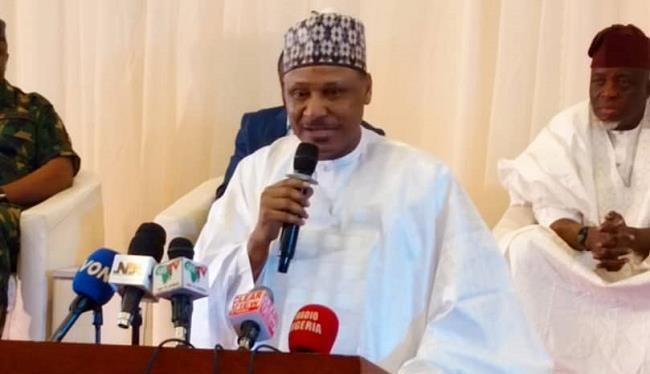
Muhammad Ali Pate
Muhammad Ali Pate, the Coordinating Minister of Health & Social Welfare

He acknowledged that, for years, health workers served Nigerians under difficult conditions with limited recognition, noting that successive governments failed to provide an enabling environment for the sector’s best talents to thrive.

“Under the compassionate leadership of President Bola Tinubu, we acknowledge that successive governments did not always provide the enabling environment for our best talents to thrive,” he said.

Pate said poor implementation of commitments in the past led to widespread dissatisfaction among health workers.

The minister particularly mentioned dissatisfied members as the Nigerian Medical Association (NMA), the Joint Health Sector Unions (JOHESU), and the National Association of Nigerian Nurses and Midwives (NANNM).

According to him, this informed the administration’s deliberate focus on cultivating industrial harmony through constructive engagement with stakeholders and direct attention to both legacy and current challenges.

“In spite of recent disruptions by a small segment of health workers, the overwhelming majority of Nigeria’s capable health workforce have continued to report for duty, serving our people with dedication, care, and innovation,” Pate said.

The minister said that while not all inherited challenges had been fully resolved, unprecedented progress had been achieved under President Tinubu’s leadership through transparent negotiations with health sector unions.

He disclosed that the retirement age for clinically skilled health workers had been increased from 60 to 65 years, outstanding arrears from 2023 to date paid, and a new hazard allowance currently being processed.

Pate added that over N10 billion owed under the 2025 Medical Residency Training Fund had been fully settled.

He also said that salary relativity adjustments under the Consolidated Health Salary Structure (CONHESS) and the Consolidated Medical Salary Structure (CONMESS) were being assured and institutionalised.

He explained that other longstanding demands of the three major health sector union blocs were being addressed through Collective Bargaining Agreement negotiations convened by the Secretary to the Government of the Federation.

According to him, the process involves union leadership and relevant government officials and is progressing toward a conclusion acceptable to health workers and the citizens they serve.

He said data showed growing public confidence in the health system in spite of what he described as “minor industrial distractions by a very small minority,” with over 90 per cent of union demands already met.

He revealed that Nigeria recorded an average of 10 million hospital visits across all levels of care in the second quarter of 2024, rising to nearly 40 million visits by the second quarter of 2025.

“This represents almost a fourfold increase in a single quarter,” he said.

Pate also cited figures from the Central Bank of Nigeria showing a 52 per cent reduction in foreign exchange accessed for external medical tourism since the inception of the administration in 2023.

He added that health facilities across the country were witnessing increased patronage by foreigners seeking medical care in Nigeria, signalling a gradual reversal of medical tourism.

The minister said citizen perception surveys conducted between 2023 and 2025 showed rising confidence in the health system.

This is with overall system confidence put at 55 per cent, confidence in government’s ability to manage health emergencies at 67 per cent, and patient satisfaction at 74 per cent.

“As we continue building systems that serve all Nigerians regardless of status or income, we are healing a once-fractured ecosystem and restoring public trust,” Pate said.

He added that the progress recorded in the health sector demonstrated Nigeria’s capacity to turn crisis into opportunity, transform liabilities into assets and place citizens at the centre of national renewal.

By Folasade Akpan

Heirs Energies seals $750m financing agreement with Afreximbank

0

Heirs Energies Ltd. has sealed a $750 million financing agreement with the African Export-Import Bank (Afreximbank).

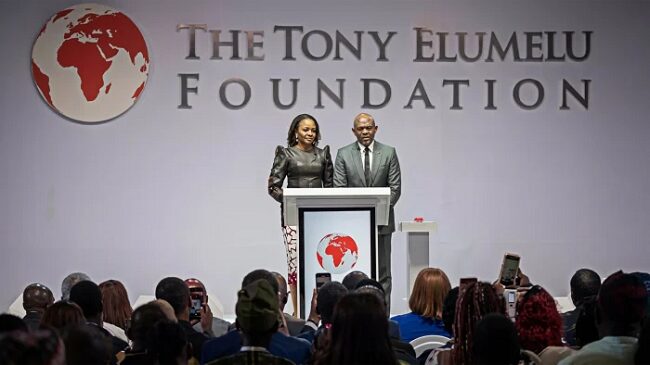
The agreement was signed by Mr. Tony Elumelu, the Chairman of Heirs Holdings, and Dr George Elombi, the President and Chairman of the Board of Directors, Afreximbank, in Abuja on Saturday, December 20, 2025.

It aims to boost the company’s drive for energy efficiency.

Heirs Energies
Mr. Tony Elumelu, the Chairman of Heirs Holdings (left), and Dr George Elombi, the President and Chairman of the Board of Directors, Afreximbank, isigning the agreement

Elumelu described the agreement as a clear manifestation of Africa’s capital working for African businesses.

He commended Afreximbank for supporting the growth of African businesses, describing it as the most impactful and catalytic financial institution in Africa.

He urged African business leaders to always endeavour to retain the confidence of financial institutions that support their investments.

“Afreximbank has grown the capacity and the boldness to support African business. And that is what I say to my fellow private sector leaders, when financial institutions support you, the least you owe them is to perform.

“You encourage them to do more for you and for others also. And that is very important,” he said.

The Afreximbank President, Dr George Elombi, said that the bank was committed to supporting businesses in Africa to grow.

According to Elombi. Afreximbank is currently working on an energy bank which will handle most of this energy portfolio.

“We will put tremendous capital into this and and we will ensure that it is also as good and innovative as Afreximbank itself has been so that we can continue to support that sector ,” he said.

Samuel Nwanze, the Executive Director and Chief Financial Officer for Heirs Energy, said that the $750 million funding was meant to scale the company.

Nwanze said that the plan was to grow the business both organically and inorganically.

“What we are doing with this financing is to position the company for the next phase of growth that we are pursuing.

“We are looking at the potential we see in this asset. We think this asset can do up to 100,000 barrels of crude oil per day from the current capacity of about 55,000 barrels.

“We are working towards getting to about 100,000 barrels of oil over the next three years and also to deliver about 250 million scopes of gas,” he said.

Nwanze said that the main aim of Heirs Holdings going into the oil and gas business is to drive the energy sufficiency for the country.

“Anywhere where we see the opportunity to acquire more assets that will help us achieve that global vision is what we intend to do,” he said.

He said that the facility from Afreximbank was in two legs.

According to him, one is refinancing of existing debt.

“We are structuring what we call a reserve-based lending facility. So, basically, because we have grown the capacity of the assets, we are getting additional money.

“The additional money we are getting, we are going to use to pursue growth. And then we will use some of the money for the purpose of refinancing our existing debt,” he said.

By Kadiri Abdulrahman

Women in Energy applauds Tinubu’s appointment of Oritsemeyiwa Eyesan as NUPRC chief executive

0

The Women in Energy Network (WIEN), an advocate for gender balance in energy sector leadership, has commended President Bola Ahmed Tinubu for appointing Oritsemeyiwa Eyesan as Chief Executive of the Nigerian Upstream Petroleum Regulatory Commission (NUPRC).

In a statement congratulating Eyesan, WIEN President, Mrs. Eyono Fatayi-Williams, said the appointment is both inspiring and historic, noting that it aligns with the organisation’s mission to advance female leadership and expand opportunities for women across the energy value chain.

She described the appointment as a strong signal of inclusive and forward-looking leadership, stressing that Eyesan’s professional credentials and track record make her well suited for the role.

Oritsemeyiwa Amanorisewo Eyesan
Mrs. Oritsemeyiwa Amanorisewo Eyesan

WIEN noted that Eyesan is the first woman in Nigeria’s history to lead the country’s upstream petroleum regulatory agency, calling the development a significant milestone for gender representation in the energy sector.

Eyesan is an Economics graduate of the University of Benin (UNIBEN) with over three decades of experience at the Nigerian National Petroleum Company (NNPC) and its subsidiaries. She retired in November 2024 after serving as Executive Vice President, Upstream, where she provided strategic oversight of Nigeria’s upstream petroleum operations.

Her career spans key leadership roles including Chief Strategy and Sustainability Officer and Group General Manager, Corporate Planning and Strategy. In these positions, she led the development of NNPC Limited’s Sustainability Framework, strengthened financial discipline, improved cost efficiency, guided mergers and acquisitions policy, and coordinated long-term corporate strategy, budgeting, and capital allocation. She also played a central role in engaging government institutions on capital budgets and national development plans.

One of her notable achievements was leading the commercial dispute resolution of the Escravos Gas-to-Liquid (EGTL) project, which resolved legacy cost issues and secured multi-million-dollar revenues for NNPC and Nigeria.  

Mrs. Fatayi-Williams said Eyesan’s appointment reflects the federal government’s commitment to stronger governance, inclusive leadership, and a more diverse executive pipeline. She added that appointing a technocrat of Eyesan’s calibre demonstrates a clear resolve to build a modern, resilient regulatory framework for the petroleum industry.

She expressed confidence that Eyesan’s depth of experience would support the government’s drive for transparency, efficiency, and excellence in upstream petroleum regulation, while pledging WIEN’s continued support for women in energy leadership.

Also reacting, WIEN’s Executive Secretary, Asanimo Omezi, described the appointment as a major step forward for gender inclusion and future-ready leadership in Nigeria’s energy sector.

“Eyesan’s appointment is a clear commitment to building a more diverse and inclusive leadership structure,” Omezi said. “We are proud of what this represents for women across the industry and remain committed to ensuring they have the support, visibility, and opportunities needed to rise.”

Nigeria: Digital economy revenue to top $18.30bn by 2026

0

Managing Director/CEO, Arthur Stevens Asset Management Limited, Mr. Olatunde Amolegbe, has projected that Nigeria’s digital economy revenue will reach $18.30 billion by 2026, as against $5.09 billion in 2019 and $9.97 billion in 2021.

Delivering the keynote paper at the Business Journal Annual Lecture 2025 in Lagos, Amolegbe said: “Nigeria’s digital economy is undergoing rapid transformation, positioning the country as one of Africa’s leading technology-driven markets. Global trends show the digital economy accounted for $11.5 trillion (15.5% of global GDP) in 2016, with projections to reach 25% by 2026. Aligned with this momentum, the Digital Economy for Africa (DE4A) initiative, anchored on inclusivity, homegrown innovation, collaboration and transformational scale, supports Africa’s vision of achieving full digital enablement by 2030.”

BJ 2025 Lecture
L-R: Garba Kurfi, Managing Director/CEO, APT Securities and Funds Limited; Prince Cookey, Publisher/Editor-in-Chief, Business Journal Media Group; Olatunde Amolegbe, Managing Director/CEO, Arthur Stevens Asset Management Limited and Keynote Speaker; Prof. Anthony Kila, Pro- Chancellor, Michael and Cecilia Ibru University/Chairman of the Occasion; Tony Epelle, Managing Consultant/CEO, Samuelson Advisory Partners Limited and Dotun Oladipo, Managing Editor, The Eagle Online, during the Business Journal Annual Lecture 2025 on the theme: ‘AI & Digital Economy: Projecting the Future of Economic Growth in Nigeria’ in Lagos

Amolegbe added that Nigeria leads Africa in start-up investment and hosts five unicorns: Interswitch, Flutterwave, OPay, Andela and Moniepoint, reflecting robust private-sector innovation, while Internet penetration reached 107 million users in early 2025, driven by mobile-first access, which now accounts for over 90% of connectivity nationwide.

He said key sectors such as telecommunications already contribute significantly, with 9.20% added to real Gross Domestic Product (GDP) in Q2 2025 while Fintech and digital payments are expanding rapidly, powered by the NIP network, forward-leaning regulations and increased consumer adoption across banking channels.

Speaking on the theme: “AI & Digital Economy: Projecting the Future of Economic Growth in Nigeria”, Amolegbe insisted that disruptive technologies, social media, streaming platforms, blockchain and Artificial Intelligence (AI) are reshaping Nigeria’s socio-economic landscape.

“Nigeria has demonstrated early adoption, including the launch of its central bank digital currency, the eNaira in 2021.”

The keynote speaker said major economic opportunities exist in agriculture, health, education, infrastructure and energy; sectors still lagging in technological innovation.

“AI can improve yields, strengthen healthcare delivery, expand digital learning, support smarter infrastructure planning and accelerate Nigeria’s transition to smarter and cleaner energy systems. Nigeria’s path to AI-driven digital growth is supported by strong demographics, emerging policy interventions such as NITDA’s AI Strategy and expanding connectivity through eight submarine cables totaling over 40 Tbps in capacity.”

He warned, however, that to fully unlock the economic value in AI and digital economy, Nigeria must strengthen governance, talent pipelines, digital infrastructure and regional collaboration.

Key Gaps:

Infrastructure Deficit in Rural Regions

As of August 2025, Nigeria’s broadband penetration stands at about 48.81%, well below the 70% target of the National Broadband Plan (2020–2025). Although over 45% of the population lives in rural areas, only around 23% of rural communities have internet access, highlighting a significant digital divide and widespread exclusion from digital opportunities.

Slow Policy Harmonisation and Regulatory Bottlenecks

Despite a 2020 agreement to cap Right-of-Way (RoW) fees at ₦145 per meter, some states now charge as much as ₦9,477 per meter (e.g., Ogun State), raising operating costs for telecom firms to a record ₦5.85 trillion in 2024 – a key factor slowing infrastructure rollout and AI adoption.

Low Adoption of Automation in Manufacturing, Agriculture and Public Services

In Nigeria’s manufacturing industry, only about 18% of firms have fully implemented AI or automation tools, while around 43% of surveyed companies report having no automation at all. In agriculture, less than 1% of farming households own tractors, and only 6% of arable land is irrigated, indicating a very low level of mechanisation and automation adoption.

Enablers of AI-driven Digital Growth in Nigeria:

Demographics

220M+ population (Over 50% smartphone penetration by 2025); diaspora remittances fueling tech.

Policy

NITDA’s AI Strategy – NITDA has established itself as a link connecting local innovators with global technology influencers. A recent instance is the NITDA–Google AI Fund, which assists ten Nigerian startups with funding and technical support.

Infrastructure

Nigeria is home to eight active submarine cables, which provide over 40 terabits per second (Tbps) of international connectivity capacity landing at its shores.

Private Sector

Nigeria is home to eight active submarine cables, which provide over 40 terabits per second (Tbps) of international connectivity capacity landing at its shores.

“Nigeria stands at a pivotal moment where digital transformation, powered by AI and disruptive technologies can accelerate long-term economic growth and global competitiveness. The foundations for this transformation, including youthful demographics, expanding connectivity, vibrant private-sector innovation and emerging regulatory frameworks are already established.

“Realising this potential requires a co-ordinated, ethical and investment-driven national strategy that aligns public-sector policy with private-sector innovation. Strengthening talent development, building digital infrastructure, promoting responsible AI governance and fostering regional collaboration will be critical. With the right investments and policy direction, Nigeria can scale its digital economy, enhance productivity across key sectors, create millions of jobs and position itself as a continental leader in the AI-powered global digital economy.”

GEF approves $372m in funding to tackle environmental challenges worldwide

0

The Global Environment Facility (GEF) has announced the approval of more than $372 million in new funding to implement 36 innovative programmes and projects aimed at addressing urgent environmental challenges across Africa, Asia, Europe, and Latin America and the Caribbean.

These projects span the GEF Trust Fund, the Least Developed Countries Fund (LDCF), the Special Climate Change Fund (SCCF), and the Global Biodiversity Framework Fund (GBFF).

The new initiatives approved at the funds’ Council meetings are designed to protect and manage hundreds of millions of hectares of critical ecosystems, mitigate greenhouse gas emissions, and empower civil society and Indigenous Peoples to deliver sustainable, inclusive environmental solutions.

Claude Gascon
Claude Gascon, Interim CEO and Director of Strategy and Operations, GEF

The funding package allocates $291 million from the GEF Trust Fund, $49 million from the LDCF, $3 million from the SCCF, and $29 million from the GBFF.

These investments will support integrated responses to biodiversity loss, climate change, and pollution, with a special focus on illegal, unreported, and unregulated fishing; protection and sustainable management of marine habitats; reduction of mercury and persistent organic pollutants; and the advancement of regenerative agriculture and landscape restoration. The initiatives will also foster policy coherence and integrated planning across government, promoting improved environmental outcomes.

The projects approved since July 2022 are expected to mobilise $8.50 in co-finance for every GEF dollar overall, including $8.1 billion from private sources. Blended finance operations are set to achieve a 19-to-1 co-financing ratio, highlighting the catalytic role of GEF grant resources in mobilizing public and private capital at scale.

The Council meetings this week emphasised the central role of civil society organisations and Indigenous Peoples and local communities in shaping initiatives and delivering results on the ground, particularly through GBFF programming that incorporates community stewardship, sustainable livelihoods, and rights-based approaches. Projects funded by the LDCF and SCCF showcase how ecosystem restoration, inclusive governance, and community empowerment can build resilience in highly vulnerable Least Developed Countries and Small Island Developing States.

The GEF Council also announced the departure of GEF Chief Executive Officer and Chairperson, Carlos Manuel Rodríguez, following his notification that he will step down from GEF leadership effective immediately. The GEF Council has appointed Claude Gascon, GEF Director of Strategy and Operations, as interim CEO.

During the LDCF/SCCF Council, contributors announced new pledges totaling nearly $39 million in additional support for the funds, reflecting continued donor confidence in the GEF’s adaptation financing. Contributions from Belgium (EUR 5.95 million), Germany (EUR 10 million), Ireland (EUR 5 million), and Sweden (SEK 130 million) will help scale country-driven resilience solutions in the world’s most vulnerable countries.

Representatives of the GEF’s 186 member countries reviewed progress toward 2022-2026 targets, focusing on delivery, efficiency, and inclusive partnerships. According to the latest Monitoring Report, in the past four years, the GEF has cumulatively:

  • Mitigated over one billion tonnes of greenhouse gas emissions – equivalent to taking about 217 million cars off the road for a year.
  • Supported conservation and sustainable management of 118 million hectares of protected areas on land, an area twice the size of Kenya.
  • Placed 15 million hectares of land and ecosystems under restoration and brought 44 million hectares of production landscapes under sustainable land management.
  • Eliminated 60,000 tonnes of chemicals of global concern that pose a major risk to human health.

“The progress made towards achieving our targets reflects an unprecedented record of delivery, scale, and ambition,” said Claude Gascon, GEF Director of Strategy and Operations. “The GEF’s demonstrated efficiency, effectiveness and ambitious modernisation efforts position us to be the preferred vehicle to scale up funding and impact.”

Looking ahead to the next funding cycle (GEF-9), set to begin in July 2026, the meeting highlighted proposals aimed at making the process even more streamlined and effective. The efforts are part of a larger push to boost efficiency, fairness, flexibility, and accessibility throughout the GEF partnership.

These initiatives are currently under discussion among donor countries and partners as part of the ongoing GEF replenishment negotiations for GEF-9. The current four-year cycle (GEF-8) totaling $5.3 billion for grants and blended finance ends in June 2026. The next round of negotiations will take place January 19-20 in Bonn, Germany.

The process will culminate at the Eighth GEF Assembly in Uzbekistan in June 2026, where stakeholders will take stock of progress and set the direction to 2030. The Assembly will showcase how the new funding will accelerate progress on biodiversity conservation, land restoration, reduction of chemical pollution, and climate resilience by transforming key economic systems to achieve sustainable and lasting results at scale.

CITES CoP20: ICCWC showcases global collaboration to combat wildlife crime

0

The 20th meeting of the Conference of the Parties to the Convention on International Trade in Endangered Species of Wild Fauna and Flora (CoP20) took place in Samarkand, Uzbekistan, from November 24 to December 5, 2025. CoP20 marked a significant moment for global wildlife conservation and international cooperation.

Bringing together governments, enforcement authorities, technical experts, and conservation organisations, it served as a major platform for shaping the future of wildlife trade regulation.

Over three consecutive days, the International Consortium on Combating Wildlife Crime (ICCWC) and its partners hosted thematic side events in the margins of CoP20. These events were designed to highlight different dimensions of the Consortium’s global response to wildlife crime: impact, data, and forensics. 

ICCWC
ICCWC side event at CITES CoP20

This year also marked 15 years of ICCWC, a milestone anniversary that gave special significance to the Consortium’s presence at this 20th World Wildlife Conference. The side events served not only to highlight current initiatives, but also to reflect on how far ICCWC has come, working with and supporting Parties in strengthening global enforcement capacity since 2010. This included the evolution of ICCWC’s tools, partnerships and achievements and reinforces the commitment of its partner organisations to continue supporting Parties in their efforts to combat wildlife crime.

The three side events drew strong engagement from Parties and observers, reflecting broad interest in ICCWC’s work aiding governments with enhancing their criminal justice systems to tackle wildlife crime.

CITES Secretary-General, Ivonne Higuero, said: “The ICCWC events at CITES CoP20 offered a valuable moment to highlight how Parties are making real, measurable progress in tackling wildlife crime. They showed the strength that comes from working together, sharing information, and building on reliable data to guide enforcement efforts- all of which directly support the goals of the CITES Strategic Vision. With continued support from ICCWC, Parties are increasingly equipped to confront the sophisticated criminal networks that threaten wildlife. This collective effort will remain essential as we work to stop these crimes worldwide.”

ICCWC’s Impact: Showcasing Global Successes

The first ICCWC side event showcased the real-world impact of ICCWC’s support and Parties efforts at national level, specifically by Madagascar, Mexico, New Zealand, Nigeria and South Africa. Representatives from Mexico, New Zealand and South Africa jointly presented their coordinated efforts that led to the arrest of an internationally wanted wildlife trafficker.

Tapua Hori, Principal Compliance Officer – Wildlife, Department of Conservation, New Zealand, noted: “Disrupting wildlife trafficking networks is not the work of one nation but of many united in purpose; persistent offenders will not relent but neither shall we; through intelligence, cooperation, and unwavering resolve we shall safeguard life’s diversity for generations yet to come.” 

Through showcasing the achievements of the 2025 Wildlife Inter-Regional Enforcement (WIRE) Forum and those of Operation Thunder 2025, ICCWC partners examined how the Consortium’s tools, capacity-building activities, and strategic guidance have helped countries strengthen their cooperation to solve wildlife crime cases, dismantle trafficking networks, and promote long-term institutional resilience.

Discussions emphasised the importance of integrated enforcement approaches, bringing together customs, police, environmental authorities, and judicial actors, and showcased the breadth of ICCWC’s work across governance strengthening, inter-agency collaboration, and intelligence-led operations.

Data for Enforcement: Value, Sources, Experiences and Tools

This second side event focused on the central role of data in detecting, understanding, and effectively responding to wildlife crime. Participants explored how high-quality data, whether from seizures, research, online monitoring, or intelligence, can be transformed into meaningful insights that can guide enforcement action and policy decisions. The session highlighted the importance of consistent reporting to continuously expand the CITES Illegal Trade Database and demonstrated how data analyses can reveal trafficking routes, species under pressure, and emerging criminal methodologies.

The discussion underscored how data-driven enforcement enables earlier interventions, more strategic resource allocation, and stronger international cooperation. Representatives from Namibia and New Zealand, alongside ICCWC partner agencies contributed case examples showing how data that is reported under CITES is being used to shape enforcement priorities and strengthen national and transboundary responses.

Forensics – A CITES Tool: Wildlife Forensic Techniques Supporting Law Enforcement and CITES Compliance

The third side event highlighted the rapidly expanding field of wildlife forensics and its essential role in supporting both law enforcement and CITES implementation. The session demonstrated how forensic methods, such as DNA analysis for species identification and origin determination, provide the scientific evidence needed to build strong cases for court, trace trafficking networks, and verify the legality of wildlife and timber in trade.

Participants discussed the growing importance of accessible forensic capacity, including new portable tools that enable frontline officers to gather reliable evidence even in resource-limited settings. The event also showcased how forensic data contributes to broader intelligence efforts, offering insights into criminal supply chains, helping authorities target high-risk areas and contributing to bringing criminals involved to justice.

Contributions came from national laboratories, research institutions, non-governmental organisations and ICCWC partner organisations. It illustrated the collective progress being made to expand global forensic capability.

Ross McEwing, United Nations Office on Drugs and Crime Programme Officer and Wildlife Forensics Lead, said: “Countries can learn from the phased approach taken by Uganda to build sustainable wildlife DNA forensic capacity to tackle wildlife and forest crime. The laboratory started undertaking casework in 2022 and has since supported more than 150 wildlife investigations.”

ICCWC Document 16.4 at CoP20

In addition to the three side events, on 25 November, CITES Parties discussed document CoP20 Doc. 16.4 on the International Consortium on Combating Wildlife Crime, which highlighted progress made by Parties to combat wildlife crime with ICCWC support and provided reporting on the implementation of CITES Decisions 19.26 and 19.27.

Parties also considered further decisions related to ICCWC, including calling for additional feedback to ensure ICCWC support continues to be targeted where it is most needed and encouraging further financial support to the Consortium to continue its engagement with Parties up to 2030. This will be done through the 2027–2030 ICCWC Strategic Action Plan, which contributes to implementing the ICCWC Vision 2030.

A Strong Presence and a Unified Message

Through its side events, ICCWC demonstrated that tangible progress is being made in the fight against wildlife crime, but also that continued investment and coordinated action will be key to conserving the world’s most vulnerable species in the years ahead. ICCWC’s presence at CITES CoP20 underscored a unified message: collaboration, science, data and evidence-based enforcement remain essential to working towards a world free of wildlife crime.

47.1m Nigerians free of elephantiasis, river blindness – Minister

0

Minister of State for Health and Social Welfare, Dr Iziaq Salako, has said that about 47.1 million Nigerians no longer require treatment for lymphatic filariasis (elephantiasis) and onchocerciasis (river blindness).

Salako made the disclosure on Thursday, December 18, 2025, in Abuja at the close-out ceremony of the BLON Project, which delivered Nigeria’s largest-ever assessments for the two diseases across 13 states.

According to the minister, the project was designed to close a major gap in Nigeria’s elimination roadmap for lymphatic filariasis and onchocerciasis and received $4.9 million in funding from the Gates Foundation.

BLON Project
Dignitaries at the close-out ceremony of the BLON Project, in Abuja

“Nigeria has exceeded its disease-control targets for these two neglected tropical diseases and conducted significantly more assessments than originally planned,” Salako said.

He explained that although many implementation units had met World Health Organisation thresholds for stopping mass drug administration, they lacked resources to carry out the required disease-specific assessments.

“Previous partner-led efforts were fragmented and costly, making nationwide scale-up difficult,” he added.

Salako said the challenge prompted a partnership between the Federal Ministry of Health and Social Welfare, Sightsavers, Christian Blind Mission International, Helen Keller International, and MITOSATH to implement a coordinated and cost-effective assessment programme.

“The initiative was aimed at generating evidence to support the cessation of mass drug administration, strengthening health systems, and introducing replicable models that enhance efficiency and sustainability,” he said.

The minister noted that although the project began in 2022 as a 17-month intervention, it was extended at no additional cost and concluded in Sept. 2025 to ensure lasting impact.

“Nigeria has delivered beyond its targets.

“About 31.1 million people no longer require treatment for lymphatic filariasis, while 16 million people no longer need treatment for onchocerciasis, compared to the initial target of 27 million.

“We conducted 46 Pre-TAS, 116 TAS 1 and 3 epidemiological surveys, and one breeding-site assessment. By implication, Nigeria achieved 148 per cent of LF assessments and 150 per cent of onchocerciasis assessments,” Salako said.

Salako also said the project strengthened the health system by upgrading and building capacity in four laboratories – UniOsun, TCC Lab, NIMR Lab, and ABU Lab – leading to ISO 15189 accreditation.

“Sixty-five laboratory technicians were trained on standardised blood collection, while more than 300 personnel were trained as card readers, data recorders, and field sample collectors,” he said.

In addition, he noted that staff were trained on sample transportation using certified third-party logistics, while annual work-plan harmonisation meetings and filariasis transmission survey quantification were conducted.

Sightsavers Nigeria Country Director, Prof. Joy Shuaibu, said the programme’s achievement went beyond healthcare cost savings.

“The remarkable achievement is that 31 million Nigerians will no longer be required to take medication to prevent blindness,” she said.

“This allows people to live productive lives and engage in economic activities. It is not just about stopping ivermectin treatment, but about empowering communities.”

On sustainability, Shuaibu said partners were seeking additional funding to expand the programme nationwide.

Fatai Oyediran, National Coordinator for Neglected Tropical Diseases at the ministry, said the project strengthened laboratory capacity, data management, and disease assessment.

“Some of the achievements that will remain our legacy are the standard operating procedures we have adopted for future assessments.

“Four laboratories have been accredited to international ISO 15189 standards, and policies on sample retention and disposal have been developed to guide future implementation,” Oyediran said.

Oyediran appealed for an extension of the project, saying, “We want another series of these projects and more laboratories brought on board.”

The close-out ceremony also featured panel discussions on ov/lf assessments, Nigeria’s elimination roadmap, and awards to individuals and organisations for their support in project implementation.

By Justina Auta

×