27.5 C
Lagos
Wednesday, December 31, 2025
Home Blog Page 4

SERAP sues governors, Wike ‘over failure to account for N14trn fuel subsidy savings’

0

Socio-Economic Rights and Accountability Project (SERAP) has filed a lawsuit against Nigeria’s governors and the Minister of the Federal Capital Territory, Abuja, Mr. Nyesom Wike, “over their failure to account for the spending of the N14 trillion fuel subsidy savings they collected from Federation Account Allocation Committee (FAAC) allocations, including details of projects executed with the money, and the completion reports on the projects.”

The suit followed reports that the 36 governors and the FCT minister have collected trillions of naira from FAAC allocations as fuel subsidy savings since mid-2023. But the increased allocations have not translated into improved access to quality healthcare and education for poor and vulnerable Nigerians.
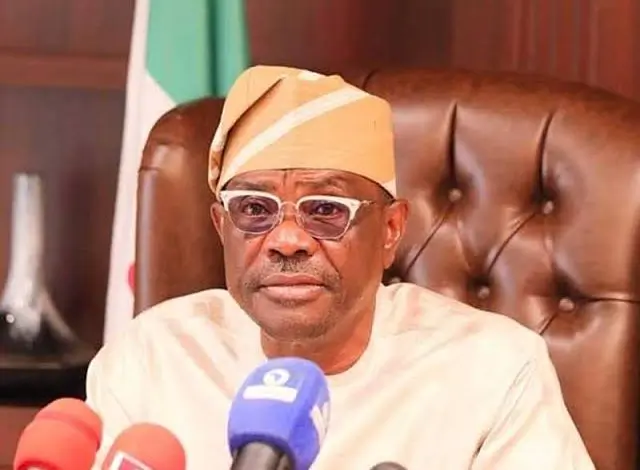
Nyesom Wike
Minister of FCT, Nyesom Wike

In the suit number FHC/L/MSC/1424/2025 filed Friday, December 26, 2025, at the Federal High Court, Lagos, SERAP is asking the court to “direct and compel the governors and Mr. Wike to disclose the details of the spending of the increased FAAC allocations being savings from the removal of fuel subsidy in May 2023.”

SERAP is also asking the court to “compel the governors and Mr. Wike to disclose details and the location of the projects executed, if any, with the increased FAAC allocations from the savings from the removal of fuel subsidy.”

In the suit, SERAP is arguing that, “Nigerians ought to know in what manner public funds including fuel subsidy savings, are spent by the governors and FCT minister.”

According to SERAP, “The constitutional principle of democracy also provides a foundation for Nigerians’ right to know the spending details of the money collected from the savings from the removal of fuel subsidy.”

SERAP is arguing that, “Citizens’ right to know promotes openness, transparency, and accountability that is in turn crucial for the country’s democratic order.”

SERAP is also arguing that, “There is a legitimate public interest for the governors and the FCT minister to urgently explain how they have spent the money they have so far collected from the subsidy savings.”

SERAP said, “Opacity in the spending of the increased FAAC allocations from fuel subsidy savings collected by the governors and Mr Wike would continue to have negative impacts on the fundamental interests of the citizens.”

SERAP is also arguing that, “The savings from the removal of fuel subsidy ought to be spent solely for the benefit of the poor and vulnerable Nigerians who are bearing the brunt of the removal. Transparency in the spending of the money would help to avoid a morally repugnant result of double jeopardy on these Nigerians.”

The suit filed on behalf of SERAP by its lawyers, Oluwakemi Agunbiade and Valentina Adegoke, reads in part: “There is a significant risk of mismanagement or diversion of funds linked to the increased FAAC allocations collected by the states and FCT.

“The spending details of the money collected by several states and the FCT from fuel subsidy savings have been mostly shrouded in secrecy.

“Millions of poor and vulnerable Nigerians have not benefited from the trillions of naira collected by the governors and FCT minister from as a result of the subsidy savings. Nigerians continue to face a worsening poverty crisis.

“Several states are also reportedly spending public funds which may include fuel subsidy savings to fund unnecessary travels, buy exotic and bulletproof cars and generally fund the lavish lifestyles of politicians.

“There are continuing reports of widespread poverty, underdevelopment and lack of access to public goods and services in several states.

“Directing and compelling states and FCT to disclose the details of the spending of the money collected as fuel subsidy savings would allow Nigerians to scrutinise them, and to public officials to account on the spending of public funds.

“The states and FCT may have failed to transparently and accountably manage the allocations collected from the fuel subsidy savings.

“Nigerians have the right to know how their states and FCT are spending the savings from the removal of fuel subsidy as part of their human right to information.

“Combating the corruption epidemic in the spending of the money collected would alleviate poverty, improve access of Nigerians to basic public services, and enhance the ability of states and FCT to effectively and efficiently discharge their responsibilities.

“The Federation Account Allocation Committee (FAAC) in 2024 distributed N28.78 trillion from the removal of subsidy on petrol to the three tiers of government, representing a 79 per cent increase from the previous year.

“State governments’ allocations increased by 45.5 per cent to N5.22 trillion. Monthly distributions in 2025 have reportedly exceeded N1.6 trillion.

“However, despite the increased allocations of public funds to states and FCT, millions of poor and socially and economically vulnerable Nigerians have not benefited from the savings.

“Many states reportedly owe civil servants’ salaries and pensions. Several states continue to borrow to pay salaries. Millions of Nigerians resident in several states and the FCT continue to be denied access to basic public services.

“Several years of allegations of corruption and mismanagement in the spending of public funds by several states and entrenched impunity of perpetrators have undermined public trust and confidence in governments at all levels.

“Section 15(5) of the Nigerian Constitution 1999 (as amended) requires public institutions to abolish all corrupt practices and abuse of power. Section 16(2) of the Nigerian Constitution further provides that, ‘the material resources of the nation are harnessed and distributed as best as possible to serve the common good.

“Section 13 of the Nigerian Constitution imposes clear responsibility on public institutions including states and FCT to conform to, observe and apply the provisions of Chapter 2 of the constitution.

“Nigeria has made legally binding commitments under the UN Convention against Corruption to ensure accountability in the management of public resources. Articles 5 and 9 of the Convention also impose legal obligations on states and FCT to ensure proper management of public affairs and public funds.

“The Supreme Court in a groundbreaking judgment declared that the Freedom of Information Act ‘is applicable and applies to the public records in the Federation’, including those relating to the spending of the subsidy savings kept by states and FCT.

“With the landmark judgment, the Supreme Court has made clear that state governors can no longer hide under their unfounded claim that the Freedom of Information Act does not apply to them.”

No date has been fixed for the hearing of the suit.
Africa Water Vision 2063 and Policy adoption, main highlight for 2025 – AMCOW

As we come to an end of 2025, this is a perfect moment to look back at the final milestone year for the Africa Water 2025.

For us, the adoption of the Africa Water Vision 2063 and Policy, at the 14th General Assembly of the Governing Council of the African Ministers’ Council on Water (AMCOW) – hosted by the Republic of Senegal, is the main highlight for 2025. The Vision and Policy – of a water secure and resilient Africa with safe sanitation for all – is not merely aspirational. It is a blueprint for action within the context of assuring water security in pursuit of the goals of AU’s Agenda 2063.

AMCOW
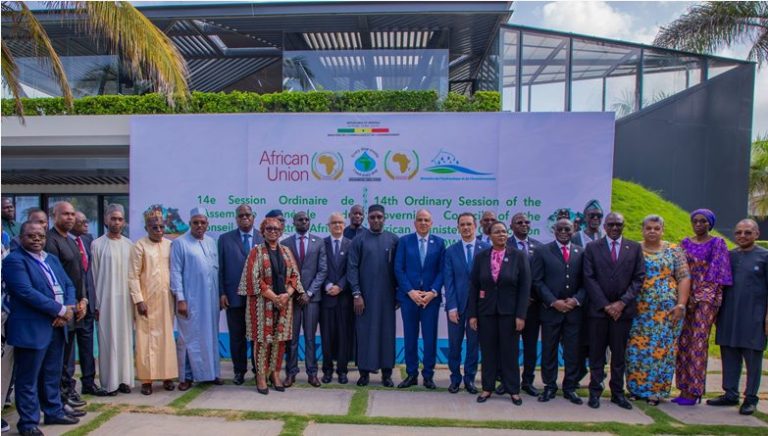
Delegates at the 14th Ordinary Session of the Governing Council of AMCOW, which held on September 29, 2025, in Dakar, the Republic of Senegal

The Africa Water Vision 2063 and Policy seeks to deliver on a set of eight vision statements, namely. 

  1. Universal access to safely managed water, sanitation and hygiene services
  2. Sustainable water availability for transformed economies and growing, prosperous populations facing greater climate uncertainty
  3. A thriving blue economy sustainably leverages Africa’s marine resources to drive prosperity, climate resilience, ecosystem protection and well-being
  4. Water governance systems, institutions and transformative leadership grounded in international water law and the principles of subsidiarity, accountability and transparency
  5. Water basins recognise as shared natural assets for enhancing regional integration, peace, social inclusion and political stability
  6. People, economies, and ecosystems are resilient and adequately protected from risks of natural and man-made water-related disasters
  7. Human capital development, technological empowerment and adaptive learning meet the requirements for effective management of Africa’s natural resources base
  8. Investment into legitimised and integrated water information systems supporting science-based decision making for climate resilience and raising the profile of water management and sanitation in national systems for economic planning, investment and financial allocation

The process of formulating the Post-2025 Africa Water Vision and Policy is traced back to the 2022 WASSMO Report when an eight-step roadmap was outlined and adopted.

In February, as a part of the step to ensure high-level political ownership of the vision and commitment to its implementation, the African Union Commission appointed the Reference Group and Sherpas. The main task of the Reference Group was to advise on the central tenets and provide leadership to build broad political consensus on the new Africa Water Vision and Policy. At the technical level, the Reference Group was supported by a team of Sherpas who commenced their work with the formulation of for thematic papers to inform consultations.

Later in February, with strong support from Member States and the AUC, we secured landmark decisions on water and sanitation. During the 38th Ordinary Session of the Assembly, held from February 15 to 16 in Addis Ababa, Ethiopia, the Assembly of the Heads of State and Government of the Union took decisions:

  1. Assembly/AU/Dec.912(XXXVIII) adopting “Assuring Sustainable Water Availability and Safe Sanitation Systems to Achieve the Goals of Agenda 2063” as the African Union Theme of the year 2026.
  2. Assembly/AU/Dec.931(XXXVIII) acknowledging the Republic of Zambia’s leadership to host, from May 27 to 29, 2025, the third African Implementation and Partnership Conference on water and sanitation (PANAFCON-3).

In March and April, AMCOW Statutory Meetings of the Technical Advisory and Technical Experts Committees and Partners provided a platform for consultations at the sub-regional level. These meetings assured the involvement and contribution of all Member States in formulating the new vision and policy.

Prior to the statutory meetings, AMCOW officially welcomed the Republic of Senegal as its new President, on March 3, marking an important transition in advancing Africa’s water and sanitation goals. The Republic of Senegal assumed the presidency from the Arab Republic of Egypt for a two-year term, until 2027. In his inaugural address, His Excellency Dr. Cheikh Tidiane Dieye, as the President of AMCOW, reaffirmed Senegal’s commitment to drive progress to achieve water and sanitation sector targets.

AMCOW’s leadership changes extended to its Executive Committee and Technical Advisory Committee, with Senegal taking a leading role. Egypt took over the role of chair of the Africa Water Facility (AWF) Governing Council. AWF is an AMCOW initiative hosted by the African Development Bank.

The third African Implementation and Partnership on Water (PANAFCON-3) convened from May 27 to 29, 2025, in Lusaka, Republic of Zambia, provided a platform for reviewing the initial draft of the Africa Water Vision 2063 and Policy. PANAFCON-3 reached consensus on the vision and policy goals. Collectively, political leadership undertook to promote the principles of valuing water and the circular sanitation economy to assure sustainable water availability and safe sanitation systems to achieve the goals of Agenda 2063.

In June, PANAFCON-3 outcomes informed an iterated version of the draft Africa Water Vision 2063 and Policy that was shared with Member States in July.

The months of July and August were dedicated to finalising the Africa Water Vision 2063 and Policy. To ensure continued input in finalising the draft vision and policy, virtual Member States’ meetings were conducted on July 24, 2025, and August 7, 2025. Further, a session on the draft Africa Water Vision 2063 and Policy was convened during the Africa Water Investment Summit, held from August 13 to 15, 2025, in Cape Town, Republic of South Africa. The main objective of the session was to create awareness on the vision and policy.

In September, our energy and focus were devoted to preparation of the 14th General Assembly of AMCOW hosted from September 27 to 29 in Dakar, the Republic of Senegal. Apart from adopting the new Vision and Policy, the General Assembly also approved:

  1. the AMCOW Business Plan 2026 – 2030 to provide a strategic framework for ensuring AMCOW’s financial stability and long-term institutional sustainability;
  2. the AMCOW Strategic Operational Plan 2026 – 2030 which positions AMCOW as a proactive, influential, and practical institution in efforts to achieve water security and sustainable sanitation outcomes in Africa; and,
  3. the Strategic Programme on Groundwater for Water Security and Resilience in Africa 2026 – 2033 to accelerate implementation of APAGroP.

In October, we participated at the 6th Ordinary Session of the Specialised Technical Committee (STC) on Agriculture, Rural Development, Water and Environment (ARDWE) of AUC held from October 21 to 24, in Addis Ababa, Ethiopia. At the STC, AMCOW submitted the Africa Water Vision 2063 and Policy as well as the 2024 Annual Report of the Commission on the implementation of the July 2008 Assembly Declaration on the Sharm El Sheikh Commitments for Accelerating the Achievement of Water and Sanitation Goals in Africa.  Consequently, the 6th STC on ARDWE took several decisions related to water and sanitation, as follows:

  1. Took note of the Africa Water Vision 2063 and Policy as adopted by the Sectoral Ministerial Committee on Water and Sanitation (AMCOW) to provide strategic guidance to the resilience building within the water and sanitation sector
  2. Further, took note the 2024 Annual Report of the Commission on the implementation of the July 2008 Assembly Declaration on the Sharm El Sheikh Commitments for Accelerating the Achievement of Water and Sanitation Goals in Africa (Assembly/AU/ Decl.1 (XI)). The report provides the agreed situation analysis and the baseline information for the Africa Water Vision 2063 and Policy.
  3. Recommended the Africa Water Vision 2063 and Policy for endorsement by the 39th Ordinary Session of the Assembly of Heads of State and Government: (i) as a continental implementation framework for achieving the goals of Agenda 2063; and, (ii) as Africa’s Common Position and input to the UN 2026 Water Conference to accelerate the implementation of SDG 6. 
  4. Tasked the AMCOW Secretariat, working with the AUC; AfDB; AWF; and the United Nations Economic Commission for Africa (UNECA), and in consultation with Member States to: (i) to develop the First Implementation Plan 2026-2033 of the Africa Water Vision 2063 and Policy (FIP 2026-33) to launch efforts to realise the vision by 2063. And (ii) to organise – on the margins of the 2026 African Development Bank Annual Meeting – an International Conference on Financing the Africa Water Vision 2063 and Policy Implementation Plan 2026-2033.
  5. Requested the President of the African Development Bank to facilitate the hosting of the International Conference on Financing the Africa Water Vision 2063 and Policy on the margins of the Bank’s Annual Meetings in 2026.
  6. Further requested the AU Commission to facilitate the launch of the Africa Water Vision 2063 and Policy at the 39th Ordinary Session of the Assembly of African Heads of State and Government in February 2026.
  7. Requested the AU Commission in collaboration with the AMCOW Secretariat and the African Development Bank to organise for the launch the Africa Water Vision 2063 and Policy Implementation Plan (2026 – 2033) at the International Financing Conference to be hosted on the margins of the AfDB’s Annual Meetings in 2026 for the purpose of mobilising resources.
  8. Requested Member States to: (i) domesticate the Africa Water Vision 2063 and Policy into their national frameworks to facilitate implementation; and (ii) work with Regional Economic Communities to ensure standardisation and harmonisation.

We closed the month of October with an announcement of AMCOW’s appointment as a Regional Coordinator of the 11th World Water Forum Regional Process for Africa. The World Water Council appointed regional processes coordinating institutions for Africa, the Americas, Arab as well as Asia and the Pacific regions. The appointment was based on proven experience, collaboration capacity, and strong commitment to advancing regional perspectives in global water dialogue. AMCOW has always ensured stronger engagement of the AUC, AfDB and members states as well as partners in the preparation for the World Water Forum series.

In November, together with the African Union Commission, through the Directorate of Sustainable Environment and Blue Economy, we convened the 6th African Water and Sanitation Partners’ Coordination Platform (PCP) meeting. The meeting received updates from different eight clusters co-leads on the activities undertaken since 5th Ordinary Session of PCP. The meeting reviewed the draft Action Framework for the Implementation of the AU Theme for 2026 “Assuring Sustainable Water Availability and Safe Sanitation Systems to Achieve the Goals of Agenda 2063”.

A calendar of activities to commemorate the AU Theme for 2026 was also agreed by the partners. One of the key outcomes of the PCP was an agreement to establish a Task Team to facilitate the formulation of a draft First Implementation Plan 2026 – 2033 for the new Africa Water Vision 2063 and Policy.

Finally, in December, we closed the year with our participation at different high-level events at continental and global levels. These include the XIX World Water Congress convened by the International Water Resources Association (IWRA) from December 1 to 5 in Marrakech, Morocco and the International Water Association (IWA) Water and Development Congress and Exhibition 2025 from December 8 to 12 in Bangkok, Thailand. AMCOW used these events to present and create awareness on the new Africa Water Vision 2063 and Policy.

As we conclude the year, we would like to express our gratitude to AUC, through the Directorate of Sustainable Environment and Blue Economy, for the leadership provided in the process of formulating the new vision and policy. The achievements in this year were as a result of the tremendous support and invaluable contributions from:

  1. Excellences the President, Vice Presidents, and Members of the council of Ministers.
  2. the Member States that availed the data used to prepare the knowledge and information materials shared during the events convened.
  3. the African Development Bank through the Africa Water Facility (AWF); the United Nations Economic Commission for Africa; the United States State Department through USAID; Gates Foundation (GF); the European Union and the German Federal Ministry of Economic Development and Cooperation through GIZ; the Global Environmental Facility through the FAO and IWMI; African Civil Society Network on Water and Sanitation (ANEW), AUDA-NEPAD Network of Water Centres of Excellence; the Embassy of Finland in Zambia, the Federal Institute for Geosciences and Natural Resources (BGR), the Limpopo Watercourse Commission (LIMCOM), National Water Supply and Sanitation Council (NWASCO), SARO Agro Industrial Limited, SNV, Sanitation and Water for All (SWA), UNESCO, UNICEF, WaterAid; Wonderful Group, Zambia National Commercial Bank (ZANACO), Zambia Sugar, the Zambezi watercourse Commission (ZAMCOM); and the Zambezi Water Authority (ZRA)

 We are now looking forward to 2026, starting with the business of the Union to commemorate the AU Theme for 2026 “Assuring Sustainable Water Availability and Safe Sanitation Systems to Achieve the Goals of Agenda 2063”. The 39th Ordinary Session of the Assembly sets the stage for consideration and endorsement of the Africa Water Vision 2026 and Policy.

As we implement the activities in 2026, we will continue counting on the leadership and support of Member States and the collective ability with partners towards “A Water Secure and Resilient Africa with Safe Sanitation for All”.

By AMCOW Secretariat

How Big Food turns holidays into a public health trap

0

Festive periods occupy a strategic place in the marketing calendars of Big Food corporations. National and religious holidays such as Christmas, New Year, Easter, Eid-el-Fitr and Eid-el-Kabir provide predictable moments of heightened consumption, social gathering and emotional openness.

Food and beverage advertising during these periods does not merely promote products. It systematically aligns ultra-processed foods (UPFs) and sugary drinks with socially valued ideas of celebration, convenience and family cohesion.

Across broadcast media, households are routinely depicted marking festive moments with bottles and cans of sugary drinks, otherwise known as Sugar-Sweetened Beverages (SSBs), presented as a natural accompaniment to communal meals.

Humphrey Ukeaja
Humphrey Ukeaja

Digital platforms extend this logic, with social-media influencers framing UPFs such as instant noodles and similar products as appropriate festive purchases or gifts. Outdoor advertising reinforces the message through slogans that equate celebration itself with branded, processed consumption.

Behind these images and cheerful scenes lies a coordinated commercial effort to expand sales and market dominance at the expense of consumers. For instance, in 2023, four of Nigeria’s most profitable beverage firms were also among the top ten spenders on advertising in the country. This sustained marketing investment has helped position Nigeria as one of the world’s largest beverages markets, while normalising soft drinks as part of everyday consumption.

The public health implications of this strategy are inseparable from its commercial success. The same advertising power that normalises frequent consumption also enables Big Food corporations to expand their reach particularly to children, adolescents, and young adults. Products that are high in sugar, salt, and unhealthy fats, nutritionally poor and heavily processed are consistently framed as affordable, convenient and suitable for daily consumption. Marketing narratives of celebration and ease thus function as conduits through which unhealthy dietary patterns are legitimised.

Over time, these patterns reshape consumer and household habits. Children grow up or learn to associate junk food with rewards, fun, and festivity. Similarly, parents facing economic pressure increasingly interpret ultra-processed foods as practical solutions rather than compromises. Traditional foods prepared from fresh ingredients and rooted foods are displaced by packaged alternatives designed for speed and shelf longevity. Meals lose their social and cultural depth and become acts of hurried consumption.

Few notice the trap being set.

The result is a worrying nutrition transition away from traditional, wholesome diets toward unhealthy dietary patterns that fuel the country’s rising burden of noncommunicable diseases (NCDs) such as hypertension, diabetes, cardiovascular disease, and kidney failure. No fewer than 30,000 Nigerians die annually from diabetes alone. The World Health Organisation (WHO) estimates that around 250 Nigerians die daily from diet-related NCDs. Overall, NCDs now account for almost 30 percent of annual deaths in the country, placing enormous strain on families and an already fragile health system.

Many public health experts and advocates now describe the situation as a public health emergency requiring urgent healthy food policies to protect public health and strengthen the health sector.

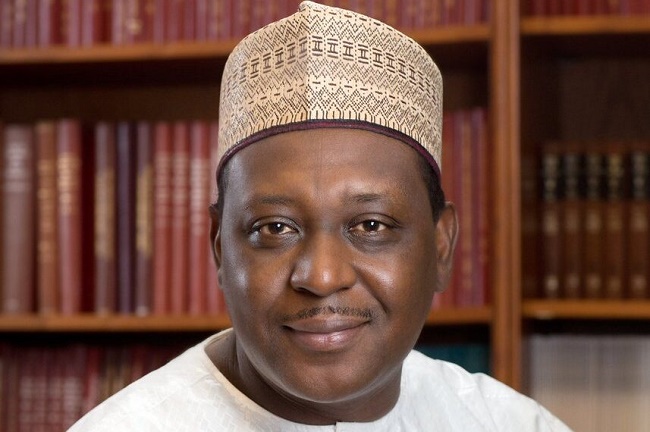
It is against this backdrop that the Senate’s public hearing on increasing the Sugar-Sweetened Beverage tax, with proposals to earmark the revenue for public-health interventions, becomes critically important. Supported by the Coordinating Minister of Health and Social Welfare, Professor Muhammad Ali Pate, the initiative represents a necessary step towards protecting population health.

At its current rate of N10 per litre, Nigeria’s SSB tax is far too weak to discourage excessive consumption. Evidence from countries such as Mexico shows that taxes set at 20–50 per cent of retail price can significantly reduce sugary-drink intake and contribute to lower rates of obesity and other NCDs. When properly earmarked, such revenue can strengthen primary healthcare, support nutrition education and fund long-term disease-prevention programmes.

Even so, taxation alone cannot address the full scope of the problem.

Nigeria must also adopt mandatory Front-of-Pack (FOP) nutrition labelling on ultra-processed foods, allowing consumers to quickly identify products high in sugar, sodium or unhealthy fats. Such clear and visible warnings are especially important during festive periods, when marketing pressure is at its peak and purchasing decisions are emotionally driven.

Restrictions on junk food marketing to children are equally urgent. This includes banning cartoon characters on packaging, prohibiting promotions in schools and child-focused events, and limiting festive giveaways aimed at young audiences. Countries such as Chile have implemented these measures with measurable success, significantly reducing children’s exposure to unhealthy food marketing.

Individual choices will always play a role. Traditional beverages can replace sugary drinks. Homemade snacks can displace packaged alternatives. Freshly prepared meals can reclaim space at the table.

But personal responsibility has limits.

Families cannot reasonably be expected to outsmart billion-naira marketing campaigns designed to exploit moments of faith, celebration and togetherness. When unhealthy products are cheaper, more visible and more aggressively promoted than nutritious food, the playing field is fundamentally unequal.

This is why decisive public policy is essential. Strengthening the SSB tax, introducing Front-of-Pack labelling and restricting junk-food marketing to children are not punitive measures; they are evidence-based tools to correct market failures and protect public health.

Nigeria already carries a heavy and growing burden of diet-related diseases. Without urgent action, today’s festive excesses will become tomorrow’s medical emergencies, paid for by families, communities and an overstretched health system.

Our holidays should nourish our bodies as much as they uplift our spirits. Government has both the authority and the obligation to ensure that corporate profit does not come at the expense of children’s health.

By Humphrey Ukeaja, healthy food advocate and Industry Monitoring Officer at Corporate Accountability and Public Participation Africa (CAPPA)

Nigeria’s health sector gains amid strikes

0

Nigeria’s health sector in 2025 recorded notable progress in infrastructure, emergency care, insurance expansion, and service utilisation, yet persistent strikes by doctors, nurses, and allied health workers exposed unresolved labour tensions threatening reforms.

Under the Health Sector Renewal Investment Initiative, the Federal Government commissioned oncology centres, expanded emergency services, improved immunisation coverage, and cleared several legacy arrears owed to health workers, signaling significant investment in healthcare reform.

In spite of these gains, waves of strikes disrupted federal hospital services, left patients stranded, and highlighted deep-rooted tensions between authorities and health sector unions, exposing the fragile nature of reforms even with investment and policy advances.

Mohammed Ali Pate
Prof. Mohammed Ali Pate, Coordinating Minister of Health and Social Welfare

In practice, 2025 was marked by repeated industrial actions, with several unions halting hospital operations, making labour disputes the defining feature of the year, even as reforms and infrastructure improvements continued across the country.

One of the most consequential disruptions came from the Nigerian Association of Resident Doctors (NARD), which launched an indefinite nationwide strike on Nov. 1 over unresolved welfare and structural issues affecting federal health institutions.

After 29 days of paralysis in tertiary hospitals, NARD suspended the strike following a series of conciliatory meetings with the Federal Government, signaling temporary resolution but leaving critical issues still unaddressed in hospitals.

NARD National President, Dr Mohammad Suleiman, announced the suspension on Nov. 29 after an extraordinary National Executive Council meeting, citing a Memorandum of Understanding that outlined the status of the association’s 19-point demands.

Suleiman explained the suspension was conditional: “The NEC resolved to suspend the strike for four weeks to allow room for dialogue, while ensuring follow-up on implementation of pending welfare and structural demands,” he said.

Promotion arrears remained unpaid because Chief Medical Directors and Managing Directors had not completed compilations, though a four-week deadline was agreed between Nov. 30 and Dec. 31 for clearing outstanding salary obligations.

On specialist allowances, directives from the Office of the Head of the Civil Service and the National Salaries, Incomes and Wages Commission were expected to initiate implementation, signaling partial progress while systemic delays persisted across federal institutions.

The MoU also covered failed or omitted payments for the 25/35 per cent review and accoutrement allowances, while upgrading eligible residents continued following the release of the Post-Assessment Tool, addressing long-standing financial grievances.

Interim directives were issued to curb excessive call duties and limit “obnoxious clauses” in locum engagements, with committees reviewing policies expected to submit comprehensive recommendations within two months to improve doctors’ work conditions.

“The countdown for the four weeks shall start on Monday and serve as a daily reminder to Nigerians and the Federal Government to use this window fully and justly,” Suleiman warned.

On Sept. 15, resident doctors in the Federal Capital Territory embarked on an indefinite strike following a seven-day warning strike beginning Sept. 8, citing unpaid salaries, delayed promotions, poor infrastructure, and severe manpower shortages.

ARD President, Dr George Ebong, noted hospitals were overstretched and under-equipped, with some doctors handling up to 60 patients overnight, highlighting operational pressures that exacerbated strikes and strained patient care throughout the year.

Members of the National Association of Nigerian Nurses and Midwives (NANNM) staged a seven-day warning strike on July 30 over decades-old welfare, allowances, and career progression demands, signaling broad dissatisfaction across health sector cadres.

Allied health workers followed, with the Joint Health Sector Unions declaring an indefinite nationwide strike on Nov. 14 over a 12-year delay in implementing the adjusted Consolidated Health Salary Structure (CONHESS), intensifying sector-wide unrest.

The Nigeria Labour Congress backed the industrial action on Dec. 2, warning of escalation if demands were ignored, showing coordinated pressure from organised labour on the government to address systemic failures in healthcare.

Beyond unions, faith-based and professional groups expressed concerns over the ethical and human cost of strikes, with the Islamic Medical Association of Nigeria warning that patients often bear the heaviest burden.

Health analyst, Dr Francis Ayomo, noted strikes had “very bad and very negative” impacts on health outcomes, leaving patients to either seek private care, resort to informal providers, or self-medicate with potential life-threatening consequences.

Ayomo said recurring strikes reflected failure to address human resource issues sustainably, criticising authorities for implementing temporary fixes without post-mortem reviews, perpetuating cycles of unrest and undermining healthcare progress across Nigeria.

Government officials acknowledged the scale of the problem.

Minister of State for Health, Dr Iziaq Salako, warned that recurring strikes threatened Universal Health Coverage goals, stressing dialogue as the preferred path while addressing root causes.

Coordinating Minister of Health, Prof. Muhammad Pate, noted ongoing reforms were restoring confidence and addressing longstanding grievances, citing measures under President Tinubu’s administration to improve working conditions and clear arrears owed to healthcare workers.

Pate highlighted progress including raising retirement age for skilled workers, clearing 2023 arrears, processing new hazard allowances, and settling more than N10 billion owed under the 2025 Medical Residency Training Fund, demonstrating tangible government commitment.

He added that CONHESS and CONMESS salary relativity adjustments were being institutionalised, while Collective Bargaining Agreement negotiations with NMA, JOHESU, and NANNM continued, reflecting a multi-pronged approach to resolving labour tensions in the sector.

For patients like Blessing Yakubu, referred to federal hospitals during strikes, reforms remained fragile.

“We had to borrow money for private clinics because we had no choice,” she said, illustrating persistent gaps in service delivery.

As Nigeria closes 2025, progress in healthcare is evident, yet unresolved labour disputes remain.

Citizens warn that until agreements move from paper to practice, each strike suspension risks being a temporary “quick fix” rather than lasting solution.

By Folasade Akpan, News Agency of Nigeria (NAN)

Anambra community urges govt to tackle erosion displacing residents

0

Residents of Enugwu-Nanka Village in Orumba North Local Government Area (LGA) of Anambra State have sought government’s intervention to address the worsening gully erosion threatening the community.

The residents also seek reprieve from the World Bank and relevant environmental stakeholders, in a bid to prevent continuous destruction of lives and properties in the area.

Chairman of the Enugwu-Nanka Erosion and Flood Control Committee, Chief Emmanuel Osele, told newsmen that the erosion had displaced over 200 families, while houses worth billions of naira had collapsed into the gullies.

Gully erosion
Gully erosion at Enugwu-Nanka Village in Orumba North Local Government Area (LGA) of Anambra State

“Several buildings, farmlands, access roads linking the village with neighbouring Amakor and Ubahu communities, as well as critical infrastructure, are at risk, if urgent action was not taken.

“The community and individuals have embarked on various self-help measures, including tree planting, construction of drainages and catchment pits, to mitigate the damage.

“We also warned residents against cutting down trees in erosion-prone areas, but to no avail.

“We are therefore calling on the Federal and Anambra State Governments, to urgently intervene in the worsening gully erosion threatening our community,” he said

Reacting, a resident of the community, Nze Joshua Obinwa, whose house is threatened by the erosion, said that the problem had lingered for decades.

Obinwa, an octogenarian, said that the menace had also displaced many old people from their ancestral homes; he consequently, joined in the call for governments intervention.

Another member of the community, Mr. Alexander Nwafete, also lamented that over 1,000 plots of land had been lost to the erosion, with severe effects on socio-economic activities.

He also begged government to save residents from dangers posed by the erosion.

Meanwhile, the Vice Chairman of Ubahu Village, Nze James Ezeilo, raised concerns over emerging erosion sites around the Uhuabor axis near the boundary between Enugwu-Nanka and Ubahu villages.

He attributed the development to a runoff from neighbouring communities and urged government to take decisive steps aimed at addressing the problem.

By Lucy Osuizigbo-Okechukwu

A breakthrough on plastic pollution remains within reach – Andersen

0

At the resumed fifth session of the United Nations Environment Assembly (UNEA), in February 2022, the world came together and made a commitment: to end plastic pollution, including in the marine environment.

Since then, six meetings have been convened and, throughout this process, global momentum has surged. This is no small achievement. We have made progress. But further dialogue, diplomacy and time are needed to complete negotiations and deliver on the promise of resolution 5/14. 

Yes, there was real hope that the process could be concluded at the second part of the fifth session of the Intergovernmental Negotiating Committee (INC-5.2). But agreement proved elusive after 10 intense days. Given the high stakes and high hopes, there was an understandable sense of unmet expectations and disappointment.

Plastic waste pollution

Now, as we collectively assess what has been achieved since the initial resolution, allow me to highlight three important factors that we would be well advised not to lose sight of: 

First, these negotiations unfolded amid geopolitical complexities, economic challenges and multilateral strains. These external factors created and continue to create real difficulties. 

Second, ending plastic pollution is a complex and far-reaching task that affects many countries in many diverse ways. 

Third, all comparable negotiations for other agreements took much longer than the three and a half years we have been at it.

At the same time, I believe that there were real advances at INC-5.2. Delegations went deeper than ever into all areas of the draft text. We saw constructive proposals, increased clarity on positions and growing convergence on several key elements of a possible treaty.

Yes, divisions remain regarding scope, production, plastic products, finance and decision making. And more work is needed on the balance between globally binding rules and national measures. But we have seen all countries reaffirm their commitment to stay at the table and build on the progress made. Ultimately, no country wants the environmental, economic and health impacts of plastic pollution. 

UNEP’s commitment to supporting Member States deliver on UNEA resolution 5/14 remains unwavering. And let me emphasize that we will do this by continually raising the standards of how we serve Member States in this process.

Now, as we look ahead, a path needs to be found to enable Member States to recalibrate the process. 

First, the INC will convene for a one-day resumed session (INC-5.3) on February 7, 2026, in Geneva. This meeting will be administrative in nature and focus on the election of officers, including a new Chair. Let me take this opportunity to acknowledge former INC Chair, Ambassador Luis Vayas Valdivieso, whose leadership brought us to this important point. And of course, the leadership of Ambassador Meza Cuadra until INC-3.

Naturally, a one-day meeting has heavy financial implications. We provided the Bureau with other feasible options and are now organising the meeting, taking all cost-saving measures possible.

Under a new Chair, the Committee will chart a path to the subsequent session. My plea to Member States is to use the intersessional period to make meaningful substantive progress. This will require carefully designing this period to help narrow remaining gaps.

Building consensus will take time, persistence and, crucially, ongoing dialogue – not only with those who share similar positions but with those who do not, so viable landing zones can emerge. I strongly encourage Member States to continue this informal engagement. As a Member-State driven process, continued transparency will be key to ensure trust, legitimacy and collective ownership of the path forward. 

I am mindful that all of this will need time, but science tells us that time is not unlimited. So, let us try to move briskly, but carefully. I firmly believe that countries can still come together and deliver a treaty for the ages that sends a clear and impactful global signal. And with it, move the world closer to an end to plastic pollution.

By Inger Andersen, Under-Secretary-General of the United Nations and head of the United Nations Environment Programme (UNEP)

Sanwo-Olu unveils towering 32-foot Eyo monument in Lagos

0

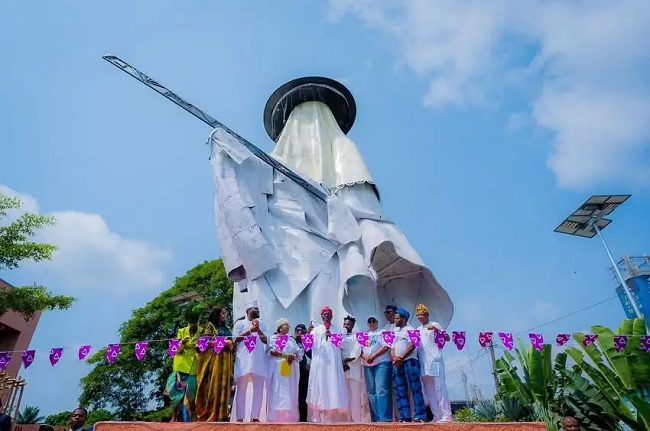
Gov. Babajide Sanwo-Olu of Lagos State has unveiled the 32-foot Eyo Monument at John Randle Centre for Yoruba Culture and History, in Lagos, describing it as a symbol of culture and identity.

Sanwo-Olu said that the unveiling, though simple, represents a significant and wholesome cultural experience in celebration of the Eyo Adimu Orisa Festival.

He said that the monument reflects the depth of Lagos’ cultural heritage, and reaffirmed the state’s position as a cradle of culture and tradition.

Eyo Monument
Gov. Babajide Sanwo-Olu unveils the 32-foot Eyo Monument

“This unveiling is simple, yet very significant; It is a wholesome experience that celebrates the Eyo Adimu Orisa Festival and what it represents to Lagos and our people,” he said

Sanwo-Olu commended the creator of the monument, Mr. Dotun Popoola, for using his artistic skills to project Lagos as a symbol of culture, creativity and history

He said that the state government would continue to support initiatives that preserve, promote and showcase Lagos’ rich cultural heritage to residents and visitors alike.

In his welcome address, the Chief Executive Officer of the Centre, Mr. Qudus Onikeku, said that the 32-foot monument mounted on a six-foot base, was designed to tell the story and history of Eyo in Lagos State.

Onikeku said that the centre also planned to produce a documentary film on the Eyo festival to further document and preserve its cultural significance.

According to him, the documentary will feature a respected custodian of Yoruba culture in the state, Erelu Abiola Dosumu.

He said that the monument and the planned documentary aligned with the centre’s mandate to serve as a hub for cultural education, preservation and creative expression

Reacting, the Erelu Kuti IV of Lagos, Erelu Abiola Dosumu, commended Sanwo-Olu for his contributions to the preservation and celebration of Lagos’ cultural heritage and traditions.

Dosumu also praised the governor, for his proactive approach to infrastructural development across the state, adding that cultural development thrived best in an environment supported by strong infrastructure.

Earlier, the creator of the Eyo Monument, Mr. Dotun Popoola, said that the almost 40-foot statue was conceived as a commitment to the promotion of culture and tradition.

Popoola thanked the Lagos State Government for the opportunity and support to execute the project, describing the monument as a tribute to the enduring legacy of the Eyo tradition.

According to him, the artwork is intended to inspire pride, cultural consciousness and continuity among present and future generations.

By Aderonke Ojediran

Tinubu hails $1.1bn financing for Lagos-Calabar coastal highway

0

President Bola Tinubu has praised the Federal Ministry of Finance for successfully closing a $1.126 billion financing package for Phase 1, Section 2 of the Lagos-Calabar Coastal Highway.

This is contained in a statement issued by Presidential spokesperson, Mr. Bayo Onanuga, on Friday, December 26, 2025, in Lagos.

Tinubu also commended the Ministries of Finance and Works, alongside the Debt Management Office, for their collaboration in concluding the landmark transaction.

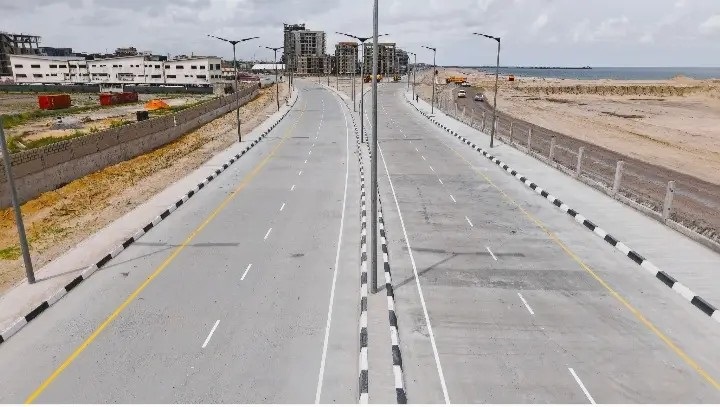
Lagos-Calabar Coastal Highway

“This is a major achievement, and closing this transaction means the Lagos–Calabar Coastal Highway will continue unimpeded.

“Our administration will continue to explore available funding opportunities to execute critical economic and priority infrastructural projects across the country,” the President said.

Phase 1, Section 2 of the highway covers about 55.7 kilometres, linking Eleko in Lekki to Ode-Omi, key economic corridors expected to enhance national trade efficiency and logistics connectivity.

The successful close follows the earlier $747 million financing secured for Phase 1, Section 1, underscoring the scalability and bankability of the Lagos–Calabar Coastal Highway project.

The financing was fully underwritten by First Abu Dhabi Bank and Afreximbank, with partial risk mitigation support from the Islamic Corporation for the Insurance of Investment and Export Credit (ICIEC).

It marks ICIEC’s largest transaction since Nigeria’s institutional and regulatory reforms, reflecting growing investor confidence in the country’s reformed investment climate.

SkyKapital served as Lead Financial Adviser, coordinating transaction structuring, lender engagement and execution, while Earth Active (UK) provided Environmental and Social advisory services.

The advisory ensured compliance with the IFC Performance Standards, the Equator Principles and international Environmental, Social and Governance best practices.

Hogan Lovells acted as International Legal Counsel, with Templars serving as Nigerian Legal Counsel on the transaction.

Describing the development as a defining moment, Minister of Finance and Coordinating Minister of the Economy, Mr. Wale Edun, said the funds would be deployed responsibly and within agreed timelines.

“The signing on Dec. 19, 2025, of the $1.126 billion financing for Phase 1, Section 2 of the Lagos–Calabar Coastal Road marks a defining moment in Nigeria’s infrastructure journey.

“Collectively, these transactions firmly establish the Lagos–Calabar Coastal Highway as one of the flagship projects of President Bola Ahmed Tinubu’s Renewed Hope agenda,” Edun said.

He stated that the facility represents the first fully underwritten transaction of such magnitude for a Nigerian road infrastructure project.

Construction of the highway is being executed by Hitech Construction Company Limited, whose early delivery of key road sections has attracted commendation from lenders.

In line with the Federal Government’s commitment to transparency, a comprehensive Value-for-Money assessment was conducted by the Ministry of Works and independently reviewed by GIBB.

The successful close of Phase 1, Section 2 signals increased market confidence and Nigeria’s capacity to translate reform-driven infrastructure vision into delivery.

By Muhyideen Jimoh

Natural Gas and Liquefied Natural Gas: Building a bridge to African energy security, prosperity

0

Africa is awakening to the power of its natural gas reserves, recognising that among its many resources, natural gas offers a reliable and expedient track to economic growth and energy independence.

In our “State of African Energy: 2026 Outlook Report,” the African Energy Chamber (AEC) details how the energy matrices of several gas-producing nations are pivoting from holding gas back as mainly an export product to building gas-centric domestic markets.

We regard this crossover not as some hopeful economic gamble, but as an essential step that all gas-producing nations on the continent must take if Africa is to benefit fully from its fossil fuel reserves and build up true self-reliance – without apology – just as the developed nations of the world did when it was their time.

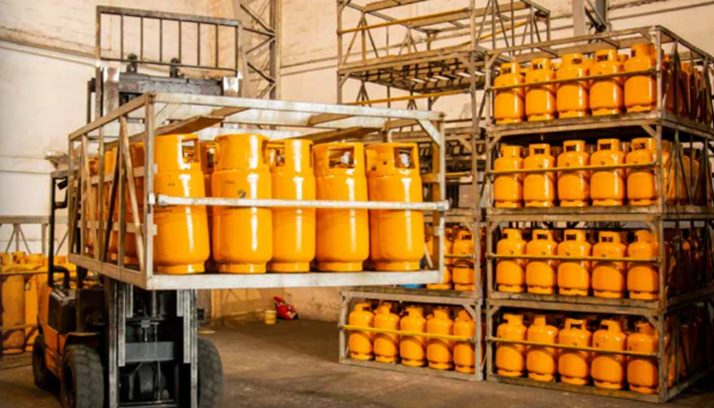
LPG
Liquefied petroleum gas (LPG)

As our report makes clear, domestic gas demand in Africa is ready to surge in the coming years, driven primarily by rising power needs. At this pivotal juncture, several African nations serve as prime case studies on how forward-looking investments in gas production can power whole industries, create new jobs, and stabilise grids in places where such improvements are desperately needed. Additionally, their stories exemplify how, amid a global energy transition, natural gas will serve as a bridge fuel that will power Africa into its own sustainable future.

Angola’s Gas Renaissance: From Exports to Domestic Growth

In Angola, the oil and gas sector has seen its economic footprint shrink over the last decade amid declining output. Regardless, Angolan policymakers are well aware of the vast untapped value in the country’s gas reserves, and recent industry moves reflect a commitment to realizing their potential.

Angola’s journey into the global gas arena began with the construction of the Angola LNG liquefied natural gas (LNG) facility in 2008. This transformed associated gas (gas found in wells alongside crude oil), which was previously flared or reinjected, into exportable LNG – slashing upstream emissions in the process.

The raw natural gas (or feedstock) that is processed and liquefied to produce LNG initially came from key offshore blocks operated by ExxonMobil, Total, and Eni/BP, and was augmented later with gas from other blocks operated by Eni/BP and Chevron. Though half of the associated gas produced in Angola today is still reinjected into wells to maintain pressure and enhance oil recovery, recent progress – like the December 2024 achievement of first gas from the Sanha Lean Gas project – aims to boost supply volumes to the Angola LNG plant.

Angola has also begun to pivot toward non-associated gas fields in areas like the Lower Congo basin. The New Gas Consortium, a joint venture headed up by Azule Energy, is targeting numerous developments on multiple blocks that are expected to ramp up LNG capacity by 2026.

Post 2010 exploration in the southern Kwanza Basin offshore led to giant non-associated gas discoveries. While exciting, we at AEC are frustrated that those finds remain stranded due to a lack of gas export infrastructure in the area and the high cost and difficulty of deepwater drilling where they’re located.

The Kaminho project, which targets condensate-rich pre-salt discoveries in the Cameia and Golfinho fields, is the first operation under development in block 20 of the Kwanza basin. Condensate/light oil recovery is the current priority at the site, and the extent of development will depend on the completion of the Kaminho floating production, storage, and offloading (FPSO) unit expected in 2028.

As our report speculates, the possibility of a network between Kaminho and the appraisal programs at the Lontra, Zalophus, and Bicuar fields in the same region could encourage development of gas transport infrastructure leading to Angola LNG at Soyo or central Angola.

The Angolan government seeks to expand its pipeline network, which may involve gas evacuation from Cameia-Golfinho to the coastal point of Caboledo and an onshore pipeline to Luanda and Soyo to satisfy local demand, but project costs and the necessary transportation tariffs are holding up investment. Funding for such developments could potentially come from upstream firms or international banks with added tax breaks to make them viable.

In the long term, gas blowdown operations at maturing oil fields in the Congo Fan could also supply Angola LNG, leveraging existing midstream infrastructure for extended production into the 2030s.

Domestically, Angola is allocating more gas to power generation, with supplies feeding the 750-megawatt (MW) Soyo combined-cycle gas turbine (CCGT) plant that has been balancing hydropower fluctuations since its start in 2018. But ambitions extend further: the Angola Gas Master Plan calls for fertilizer (ammonia) and methanol facilities by 2030, which would spur a massive increase in gas demand.

The proposed ammonia plant, set for construction in 2025 and operations by 2027, could demand up to 80 million cubic feet per day (MMcf/d) by 2035. Power expansions and conversions from oil will also drive demand, while opportunities in petrochemicals, direct gas exports, or mining electrification could diversify use.

By integrating LNG exports with local needs, Angola exemplifies how Africa can benefit from its resources while encouraging economic diversification and reducing dependence on imports.

Emerging LNG Exporters: Mauritania and Senegal’s Shared Success

Shifting north, Mauritania and Senegal have stepped into the LNG scene. They became exporters in 2025 with the Greater Tortue Ahmeyim (GTA) project, a shared deepwater startup. This cross-border venture, featuring subsea infrastructure, an FPSO, and a floating LNG (FLNG) unit, has already generated approximately 3,000 local jobs and engaged roughly 300 domestic companies.

In 2015, developers overcame unitization hurdles through discussion, arriving at equitable terms, including domestic gas obligations. The project reached a final investment decision (FID) and agreed to a FLNG model, inspired by proven tanker conversions that have kept costs competitive on previous projects despite deepwater challenges.

Future expansions could double output through low-cost vessel upgrades; however, our report cautions that market oversupply risks and pledges from Senegal’s new nationalist government to audit contracts may introduce additional risks.

Domestically, each country claims about 35 million standard cubic feet per day (MMscf/d) from the project – with delivery of Senegal’s portion going to the Saint-Louis CCGT for power generation expected in 2026. Infrastructure initiatives, like gas networks and a proposed 366 MW power plant in Cap de Biches, aim to electrify close to 500,000 homes. Beyond power, other uses in petrochemicals and fertilizers could broaden the economic impacts, demonstrating how LNG can facilitate other industries.

Country-level initiatives like these align with the broader continental trends also outlined in our 2026 Outlook report.

Harnessing Regional Power Pools for Continental Integration

As of 2025, Africa’s gross natural gas production is set to hit 331 billion cubic meters (bcm), led by the major producers: Algeria, Nigeria, and Egypt. Natural gas already powers 40% of the continent’s electricity, with North Africa’s 32% share doing most of the heavy lifting.

By 2050, gas-fired capacity could swell by more than 77 GW, yet its share of the total energy mix should stay around 40%. This demonstrates how gas can fill in as a transitional fuel during the expected growth in renewables, as well as its flexibility in supporting solar and wind during downtime.

Numerous nations are phasing out coal and oil – implementing gas-to-power in their national strategies while looking toward LNG imports or domestic sources. For instance, Nigeria has made gas-to-power a centerpiece of its master plan. South Africa’s plans emphasise converting gas to electricity during its coal retirement. Senegal aims to have 3 GW of gas-to-power in place by 2050, and Ghana and Tanzania have similar gas-powered ambitions.

Though challenges like infrastructure gaps, import vulnerabilities, and environmental concerns will surely arise, we at the AEC are confident that targeted investments can overcome them.

These efforts are amplified by regional power pools – collaborations that allow neighboring countries to connect to each other’s power grids. Five pools cover the continent:

  1. Southern African Power Pool (SAPP) leads as the most mature and serves as a model for strong interconnections and competitive trading.
  2. West African Power Pool (WAPP) has advanced cross-border links but grapples with regulatory and financial issues.
  3. Eastern Africa Power Pool (EAPP) is also making progress on interconnections despite political hurdles.
  4. Central African Power Pool (CAPP) is the furthest behind due to instability, limited infrastructure, and a lack of investment.
  5. North African Power Pool (NAPP) has arguably the most advanced infrastructure but limited trade as it has more of a focus on integration with European markets.

The African Single Electricity Market, an effort to combine these five pools into a single continental power market, has sights on full integration by 2040. Although barriers like physical distances and technological and political compatibility issues are expected, finding ways around these barriers could further unlock the potential of gas by linking exporters to importers and boosting access and cooperation.

“The State of African Energy” spells it out: Natural gas is a catalyst for African prosperity, not merely a commodity on the market. By expanding LNG and domestic uses, nations can drive growth, cut emissions, and assert their energy independence. As a transitional fuel, it offers a comfortable route to an eventual conversion to renewables and can ensure that no African is left in the dark during the process.

Africa deserves to thrive on the wealth of its own resources, and the developments outlined in our latest report prove that outcome is possible.

By NJ Ayuk, Executive Chairman, African Energy Chamber

Preserving Earth’s last sanctuaries: A call for urgent action on primary forests

0

From boreal forests near the Arctic Circle to dense tropical jungles south of the Equator, Earth’s last primary forests – ancient ecosystems that remain undisturbed by industrial activity – are vanishing. These forests, rich in biodiversity and unmatched in their carbon storage capacity, have a high degree of ecological integrity and are nature’s defence in the fight against climate change and species extinction. Yet they continue to fall, often quietly, cleared for short-term economic gain or degraded due to weak policy protections and underfunded conservation efforts

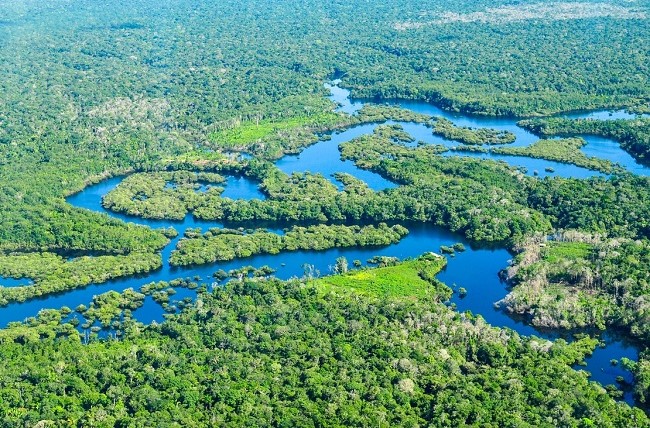
Amazon Rainforest
Amazon Rainforest. Photo credit: Neil Palmer / CIAT

Primary forests are the heart of the global climate and biodiversity agenda, underpinning key international agreements such as the Paris Agreement and the Kunming-Montreal Global Biodiversity Framework. These forests store dense carbon stocks while continuing to act as powerful carbon sinks. They also regulate water systems, reduce the risk of zoonotic disease, support livelihoods with essential resources, and provide irreplaceable habitat for countless species – many of them critically endangered and found nowhere else.

Over 80 percent of terrestrial biodiversity lives in forests, and primary forests host the highest concentrations of species: especially those that are endemic, endangered or both. Primary forests fulfil a host of ecological functions, and the loss of these ecosystems is permanent – no restoration plan can replicate the complexity and resilience of intact forest landscapes within a reasonable timeframe, if ever.

Since 2001, the world has lost at least 83 million hectares of tropical primary forest and 50 million hectares of intact boreal forest. In 2024 alone, tropical primary forest loss exceeded 6.7 million hectares, releasing more than 3.1 gigatonnes of CO into the atmosphere – slightly more than India’s fossil fuel emissions that year. This marks a doubling of loss from 2023 and the highest annual rate in two decades – an alarming reversal of hard-won progress.

Despite rising awareness, much of the global response remains misaligned and siloed. Although restoration efforts are extremely important to repairing functionality and restoring habitat in degraded areas and ought to be continually funded, these efforts should not be at the expense of preventing further deforestation and degradation of the primary forests that remain.

We cannot plant our way out of deforestation: prevention is more effective, more cost-efficient and ecologically far superior

A fundamental shift is needed in both policy and finance frameworks concerned with forest ecosystem integrity which sustains primary forests. The Convention on Biological Diversity (CBD), through the Kunming-Montreal Global Biodiversity Framework (GBF), aims to protect 30% of the planet by 2030, and countries are striving to make progress towards this target. Fortunately, the CBD took critical steps both in Montreal and in Cali to integrate a clear and strong ecosystem integrity mandate into the GBF in Goal A, and Targets 1, 2, 8 and 12. Of course, the comprehensive focus on ecosystem integrity in the GBF by definition includes primary forests, but it is important to recognise this explicitly in the CBD at COP17.

The financial commitments made through CBD by countries earlier this year represent a critical milestone, but unless primary forests are explicitly prioritised in national strategies, we are sadly liable to continue seeing significant deforestation and degradation, as was the case in 2024. Similarly, the financial commitments made at UNFCCC COP29 represent an important step towards accelerating action to combat climate change – but primary forest conservation remains an overlooked solution within climate dialogues.

Where primary forests remain, governments must integrate primary forest protection into their international commitments and back those promises with legally binding safeguards, robust monitoring, enforceable protections, policy coherence and elimination of harmful incentives. In parallel, global finance must evolve. Current funding models fall short in prioritising conservation efforts with the highest ecological returns – leaving primary forests underfunded and exposing biodiversity, climate and communities to avoidable harm.

Beyond just a new policy, safeguarding primary forests demands an evolution of mindset: environmental protection isn’t a barrier to economic growth – it’s a value-add, a long-term investment in resilience, stability and prosperity of the planet.

These ecosystems are not liabilities to be cleared or degraded for development – they are assets, already delivering high-value ecological services that underpin healthy societies and healthy economies.

Innovative financial mechanisms can help close this gap. Redirecting climate finance toward avoided deforestation strategies, including payments to communities for ecosystem services and sovereign debt swaps for countries which steadfastly protect their primary forests, can unlock substantial resources to maintain and restore the ecosystem integrity of forests. Nations and communities demonstrating effective forest stewardship should be directly rewarded.

Moreover, Indigenous Peoples and local communities who have stewarded these landscapes for generations offer robust networks and approaches for maintaining these landscapes, a fact which has been reinforced by decisions made at CBD COP16 last year. Their governance systems have proven effective at protecting primary forests for millennia, and they are to this day both dependents and stewards of these ecosystems. Securing Indigenous land rights and channelling direct financial support to Indigenous forest stewards is not only equitable – it is a proven conservation strategy.

Some global conservation initiatives are already pushing for these changes and are backed by funding from multilateral organisations. For example, the Global Environment Facility (GEF), which provides the largest funding for forest protection globally, supports the conservation of tropical primary forests as a priority globally – notably through the Amazon, Congo and Other Critical Forest Biomes Integrated Programme, endowed with $306 million grants leveraging in addition around $1.5 billion, as well as through other global projects executed by IUCN, Wild Heritage, Griffith University and other pioneering partners. These initiatives demonstrate that investing in primary forest integrity can simultaneously advance benefits for climate, biodiversity, people and economies, creating a win-win situation for everyone.

Protecting primary forests is not just an environmental imperative – it is a strategic policy decision with climate, economic and social benefits. Yet without immediate intervention, these ecosystems will continue to disappear, weakening global efforts to combat climate change and stem accelerating biodiversity loss. Policymakers must act to close policy gaps, realign and unlock financial flows, and position primary forests as foundational to global sustainability

The time for action is now. The destruction of these ecosystems is irreversible

We are already off-track to meet the goal of halting global deforestation and forest degradation by 2030, a commitment made by several global platforms over the last decade, including the UNʼs Strategic Plan for Forests 2017–2030. As critical global policy forums like COP30 bring decision-makers together, world leaders have a timely opportunity to act.

These forums must move beyond broad commitments and blanket statements and instead position primary forest conservation at the heart of climate and biodiversity agendas. We urge donors, financial institutions and policymakers to prioritise long-term solutions. The time for incremental action has passed. Preserving the world’s last great forests is not only possible – it is non-negotiable.

By Dr. Chetan Kumar (Global Head of the IUCN Forest and Grasslands Team), Cyril Kormos (Founder and Executive Director of Wild Heritage), Pascal Martinez (Senior Climate Change Specialist at the Global Environment Facility – GEF)

×