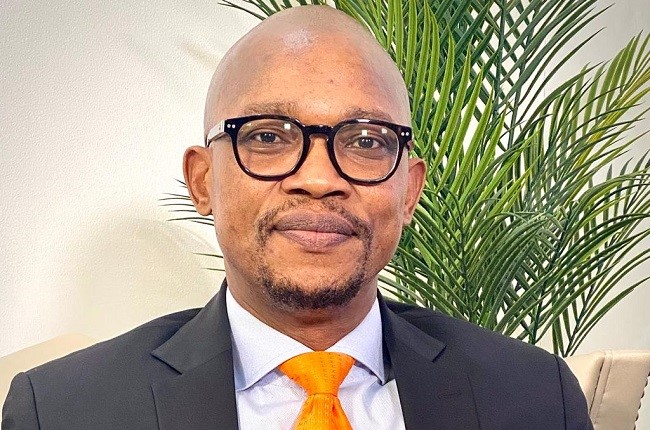
President of the Nigerian Institution of Estate Surveyors and Valuers (NIESV), Mr. Victor Alonge, says Nigeria’s new tax reforms will positively impact the real estate sector from Jan. 1, 2026.
Alonge spoke on Tuesday, December 30, 2025, in Lagos during a press briefing marking the signing of a Memorandum of Understanding between QShelter Ltd and M.I. Okoro and Associates.
The firms signed the MoU to jointly market housing units under the Federal Government’s Renewed Hope Housing Schemes across Abuja, Kano and the Lagos Coastal Road corridor.
NIESV President and Chairman of Council, Victor Alonge
Speaking at the event, Alonge said the reforms would boost real estate investment and expand home ownership opportunities nationwide.
“The new tax law is actually a positive thing for the real estate sector,” Alonge said.
He explained that the law exempts several small-scale businesses within the construction value chain, describing it as a model adopted by advanced economies for growth.
Alonge added that value added tax had been removed for the informal segment of the construction industry under the new law.
He said although large construction firms would still pay VAT on some materials, provisions exist to offset costs through other incentives, including local production.
According to him, savings from the reforms will strengthen mortgage financing and improve access to housing for Nigerians.
“So it’s something that we need to see as positive for our industry,” Alonge said.
He described the law as one of the most beneficial for Nigerian workers, citing broad tax exemptions for low-income earners.
Alonge said it was encouraging that about 90 per cent of workers would no longer pay taxes due to the higher income threshold.
Also speaking, Mr. Adegbenga Alamu, Chief Operating Officer, QShelter Ltd., said cheaper debt servicing would stimulate real estate investment under the new regime.
“The interest paid on a mortgage is now deductible before tax computation, making borrowing cheaper for home buyers.
“For those of us from banking, if I have cash, I will borrow. Debt is cheaper and better with the new law,” Alamu said.
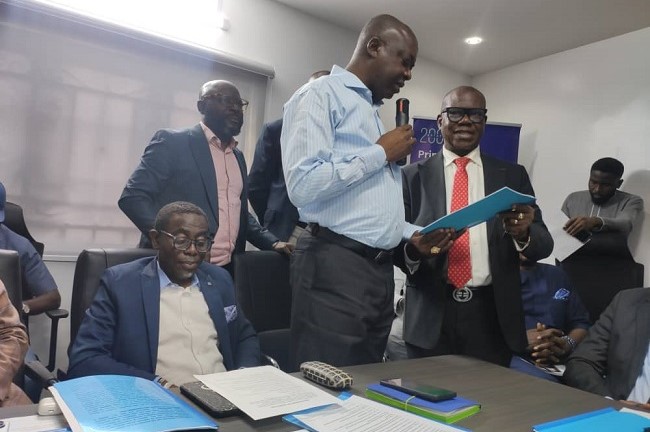
The firms of QShelter Limited and M. I. Okoro & Associates have signed a Memorandum of Understanding (MoU) towards the marketing of the Federal Government sponsored Renewed Hope Housing Estates in Abuja and Kano, as well as the 2004 Coastal Road Estate in Lagos.
Chairman, QShelter Limited, Mr. Kola Sowande, and Principal/CEO of M. I. Okoro & Associates, Dr. Innocent Meckson Okoro, signed the MoU on behalf of their respective organisations at a media session in Lagos on Tuesday, December 30, 2025.
The duo disclosed that they signed the MoU agreement to guide the two companies in their resolve to collaborate in the marketing of the various units of accommodation being marketed by QShelter Ltd as sole agent.
L-R: Chairman of Qshelter Limited, Pastor Kola Sowande, Chief Commercial Officer, QShelter Limited, Dare Makinde, Chief Operating Officer, QShelter Limited, Gbenga Alamu and Principal/CEO of M. I. Okoro & Associates, Dr, Chief M. I Okoro at the MoU signing in respect of marketing of Fed Govt Renewed Hope Housing Estates in Lagos, Abuja and Kano, held in Lagos
They also highlighted the successes of QShelter in the housing delivery within the context of Renewed Hope Housing Estates, which is the initiative of the Federal Government of Nigeria under the leadership of President Ahmed Bola Tinubu.
“The present Renewed Hopes Housing Policy of the Federal Government is a policy in the right direction because it addresses the housing needs of the middle class, and with the funding arrangement via FMBN NHF Mortgage and Rent to own of 6% and 7% respectively that guarantees ₦50 million per subscriber and a tenure of up to 30 years mortgage which is a decision in the right direction and highly commendable.
“The most recent addition to the Nigeria’s housing finance landscape is the Ministry of Finance Incorporated Real Estate Investment Fund (MREIF), under which 250 billion has been made available for disbursement to Nigerians seeking homeownership. The fund offers mortgage financing at a rate of 9.75%, with eligible individuals able to access up to N100 million per beneficiary,” Sowande and Okoro disclosed in a joint presentation.
Highlighting the efforts both firms are putting in place to ensure Nigerians all over the world benefit from the Renewed Hope Estates, Sowande and Okoro said that they are putting plans together to stage an international building exhibition in Liverpool, United Kingdom, during the Nigerian–UK Golfing Association International Golf tournaments holding in Liverpool, UK, which will attract Nigerian Golfers from Nigeria, UK, USA, Canada, etc.
“Also, this partnership will engage with the management of Access Bank Plc to work out arrangements for our sales team to participate in their annual polo tournament in London coming up within the 2nd quarter of 2026. Both arrangements will go a long way to address the UK Nigerian audience.
“While we have also commenced arrangements to feature in the OTC World Oil Institutions Conference holding in Houston USA about May 2026, this particular move will go a long way in addressing the Nigerian audience in the United States of America. Trust us, we shall leave no stone unturned in making sure that we succeed in addressing the interest of our Nigerians abroad as far as Renewed Hope Estates is concerned.”
Okoro commended government for the initiative of delivering houses to the teaming population and matching it with funding cum mortgage facilities of 20 years tenure and single-digit interest rate with contribution of 10% equity from the subscribers.
He said: “This is the first in the history of Nigeria that we are getting closer to what obtains in overseas countries. Now that this initiative has started, I implore the Federal Government through the Ministry of Housing and Urban Planning to ensure that this housing provision strategy does not die even after the eight years of President Ahmed Bola Tinubu’s administration. What the Ministry could be doing is to gather data based on feedback from the present initiative of the Renewed Hope Estates and try to modify the strategy where necessary in order to achieve far better approach and strategy in future housing policy and delivery.
“Critical components in housing delivery are finance, land and infrastructure generally. In order for the cost of our housing delivery to get cheaper, I suggest government will pay more attention on directly allocating lands for this type of developments, and put in place as a matter of deliberate policy infrastructure such as good roads, electricity, pipe-borne water, good transport/mass transit to move the population that occupy these developments, particularly where the land is far from the urban center.
“Such easy transport system would motivate people to buy and occupy the estate, while government direct involvement on infrastructural development would reduce the selling price per unit. If the developer is allowed to create roads, put electricity, water etc, the costs of these facilities will push up delivery cost of the estate per unit.
“I also suggest that in every Federal Government Housing Estate, let the developer incorporate solar panels as a means of power supply in order not to allow the subscribers to start buying generators to power the buildings throughout.”
Experts in the oil and gas industry have said that Nigeria could still secure a more sustainable oil and gas future if it gets governance right, enforces existing laws and restores confidence in regulation.
The experts, in separate interviews on Tuesday, December 30, 2025, in Lagos, said that the country’s biggest challenge was no longer the availability of oil and gas, but how the sector was managed.
They warned that weak institutions, policy inconsistency and poor execution continue to erode value in Africa’s largest energy producer, in spite of its vast hydrocarbon reserves.
Minister of State, Petroleum Resources (Oil), Sen. Heineken Lokpobiri (left) with Minister of State, Petroleum Resources (Gas), Ekperipe Ekpo
According to them, 2026 will be a decisive year, as Nigeria faces a clear choice between strengthening institutional discipline or sliding back into discretionary, personality-driven governance.
Prof. Wumi Iledare, Prof. Emeritus of Petroleum Economics, Louisiana State University, said the outlook for the sector in 2026 would depend more on governance quality and regulatory discipline than on geology.
“Nigeria is richly endowed with petroleum resources, but sustainable value creation depends on faithful implementation of the Petroleum Industry Act (PIA), regulatory neutrality and credible leadership,” Iledare said.
He stressed that the industry does not need new laws or emergency interventions, but consistent enforcement of existing regulations.
“What the sector needs in 2026 is predictable regulation, institutional restraint and strict adherence to the PIA,” he said.
Iledare pointed to the absence of fully constituted governing boards for petroleum regulatory agencies as a major weakness in the current framework.
He explained that the PIA deliberately created boards for the Upstream Commission and the Petroleum Authority to ensure accountability, strategic oversight and protection against regulatory capture.
Without such boards, he warned, regulators risk becoming overly personalised and exposed to political and commercial pressure.
On upstream operations, Iledare called for urgent steps to halt declining production, including better asset security, faster project approvals and transparent fiscal administration.
He said divestments by international oil companies must be closely monitored to ensure technical competence, financial strength and environmental responsibility.
On the downstream, he explained Nigeria was going through a structural market transition rather than a market failure, urging regulators to enforce competition rules and remain neutral among dominant players.
He also advised government to step back from refinery operations and focus on creating a stable and predictable commercial environment.
“Refining is a business, not a sovereign obligation. It will only thrive if private investors operate on a level playing field,” he said.
Iledare added that the commercialisation of the Nigerian National Petroleum Company Ltd. (NNPC Ltd.) would remain incomplete if balance-sheet discipline is replaced by repeated fiscal bailouts.
“Institutions, not improvisation, must guide the sector in 2026,” he said.
In a similar view, Dr Ayodele Oni, Partner and Chair of the Energy and Natural Resources Practice Group at Bloomfield Law Practice, said 2026 should be defined by policy stability and effective implementation.
He said crude oil production could rise toward the Nigerian Upstream Petroleum Regulatory Commission’s target of 2.5 million barrels per day from the current 1.7 million barrels per day to 1.83 million bpd, but only with coordinated action across regulatory, operational and security fronts.
Oni noted that indigenous producers, following asset divestments by international oil companies, now carry greater responsibility for sustaining output and would require government support through financing frameworks, timely approvals and fiscal incentives.
On the downstream sector, he projected modest gains in domestic refining driven by the Dangote Refinery and modular plants, but cautioned that progress depends on enforcing Domestic Crude Supply Obligations.
He also said cleaner fuels such as compressed natural gas, liquefied natural gas and liquefied petroleum gas are likely to gain wider adoption in 2026.
On security, Oni said crude theft and pipeline vandalism continue to drain production, urging operators to strengthen environmental, social and governance practices to reduce community tensions.
Responding to governance concerns, Mr Andy Odeh, Chief Corporate Communications Officer of NNPC Ltd., said the company operates under a best-practice governance framework established by the PIA.
He said NNPC Ltd. runs transparent procurement processes, maintains board oversight of major contracts and applies commercial, arm’s-length crude allocation systems.
Odeh added that legacy joint-venture cash call arrears have been cleared through pre-funded budgets, while the company’s accounts are audited by international firms and overseen by statutory institutions.
On refineries, he said reviews of NNPC’s four refineries are ongoing, with plans to disclose technical and equity partners to reposition the assets on a commercial footing.
The Nigerian Meteorological Agency (NiMet) on Tuesday, December 30, 2025, said it would improve its weather forecast, towards achieving national climate resilience in 2026.
The Director, Public Affairs and Consumer Protection of the agency, Mrs. Funke Adebayo-Arowojobe, disclosed this in an interview on Tuesday in Abuja.
She said that the agency is set to partner with relevant agencies in achieving this feat.
Mrs. Funke Adebayo-Arowojobe, NIMet Director, Public Affairs and Consumer Protection
Adebayo-Arowojobe noted that, based on the progress recorded in the first two years, Nigerians can expect more simplified weather information, improved early-warning systems, and wider rural reach, through road shows.
“The agency has planned to realise these, by engaging in town hall meetings, enhancing consumer protection processes, and innovative digital engagement tools.
“NiMet remains committed to collaborating with critical sectors to safeguard lives, protect property, and strengthen national climate resilience,” she said.
She commended the general public and stakeholders, for their continued support in 2025, and called for improved feedback and engagements in 2026, in order to better serve the public.
She noted that her department played a central role in coordinating NiMet’s public image, disseminating the weather information, and safeguarding consumer rights for early warning systems.
“The notion to segment weather action, is to tailor adaptation and risk management strategies, to specific context hazards, industries, sectors, communities and their locations.
“Weather data and weather action for the aviation sector is different from that for the Agricultural sector, state government, construction, humanitarian and healthcare sectors among others.
“The target approach helps each group and the Federal Government as a whole to increase the effectiveness of resilience building efforts across board,” she said.
She noted that the directorate had deepened its mandate by improving simplification of technical forecasts for dissemination, while forecast communication team receives continuous training.
She said that this enables them to translate complex meteorological data into clear public advisories.
“ Towards improved customer engagement and service delivery, the Directorate strengthened internal coordination among the Public Relations, Commercial, and Consumer Protection units and other units within the agency.
“As a result, weather alerts and advisories are now closely aligned with customer-service responses, ensuring faster public feedback handling,” she said.
According to her, in the past year, the agency conducted a stakeholder forum, targeted at farmer education programs and stakeholder feedback sessions, which expanded its presence on digital platforms.
She said that the directorate has now set new service standards to improve customer experiences in the new year.
“ These include defined response-time benchmarks, clearer and more user-friendly weather updates, strengthened internal accuracy checks, and adherence to professional and empathetic customer-service practices,” she said
Meanwhile, she noted that the agency had also entered into MOUs with local and international organisations.
She said that was with a view to improving collaboration that will drive progress going forward.
On assuming office, President Bola Tinubu placed food security at the core of his administration’s agenda, framing it as both an economic necessity and a national security imperative.
This priority informed his declaration of a state of emergency on food security in July 2023, a move officials say reshaped Nigeria’s agricultural strategy.
The declaration shifted emphasis from policy debates to practical, on-the-ground initiatives aimed at boosting production, stabilising markets and improving food access nationwide.
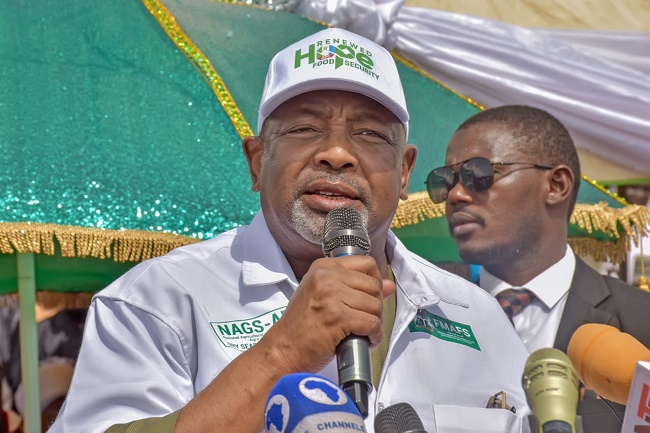
Minister of Agriculture and Food Security, Sen. Abubakar Kyari
Central to this shift is Nigeria’s partnership with Belarus to acquire 10,000 tractors over five years under the Belarus Agricultural Mechanisation Programme.
Officials said the initiative was a major step towards modernising farming while equipping young Nigerians with practical skills in mechanised agriculture.
With Belarus providing equipment and technical support, the programme is expected to create jobs, reduce food imports and revitalise rural economies.
Complementing this is the Greener Hope Agricultural Mechanisation Programme, designed to further enhance food production and strengthen agricultural resilience.
In June 2025, President Tinubu inaugurated 2,000 tractors for nationwide deployment under the Renewed Hope Agricultural Mechanisation Programme.
The initiative aims to empower smallholder farmers with modern equipment, reduce manual labour and greatly increase crop yields.
Government projections indicate the programme will produce over two million metric tonnes of staple foods while creating jobs for youths and women.
The tractors have been delivered, with plans to deploy them through Agricultural Mechanisation Service Centres to ensure affordability, maintenance and efficient service delivery.
At the unveiling, President Tinubu reaffirmed his administration’s commitment to transforming agriculture through mechanisation and national food security.
He stated that the rollout was a landmark moment in his food security agenda and a crucial effort to empower farmers and stimulate rural development.
“When deployed, the equipment will empower mechanisation, create job opportunities and make farming easier,” Tinubu said.
He added, “We made a promise when we came in. We are fulfilling that promise. Two years ago, I sounded the alarm on our nation’s food security”.
Tinubu stressed that agricultural productivity was synonymous with national stability and food sovereignty.
Minister of Agriculture and Food Security, Sen. Abubakar Kyari, said the unveiling was a defining milestone in Nigeria’s agricultural transformation.
“It is a bold affirmation that under President Tinubu, agriculture is once again at the heart of our national development strategy,” Kyari said.
“Never in Nigeria’s history have we witnessed an agricultural mechanisation initiative of this scale, ambition and national focus,” he added.
Kyari noted that the programme unveiled 2,000 tractors, harvesters, mobile workshops, over 9,000 implements and spare parts.
He said the initiative would cultivate over 550,000 hectares, produce over two million metric tonnes of staples and directly benefit 550,000 farming households.
Beyond mechanisation, agro-industrialisation remains a key pillar of the administration’s agricultural reforms.
The Special Agro-Industrial Processing Zones programme is designed to drive industrial transformation across the agricultural value chain.
At the SAPZ groundbreaking in Ijaiye, Ibadan, Vice-President Kashim Shettima described the initiative as a catalyst for industrial revolution.
Represented by Kyari, Shettima said the programme marked a decisive stride toward building a resilient, self-sufficient and prosperous Nigeria.
“This is not just infrastructure, It is a bold declaration that Nigeria’s future lies in value-added agricultural production.
“The SAPZ initiative is a cornerstone of the Renewed Hope Agenda championed by President Tinubu,” Shettima added.
Youth and women inclusion has also featured prominently in the administration’s food security strategy.
Kyari said empowering youth and women farmers would accelerate development, boost production and revitalise agribusiness.
According to him, young entrepreneurs drive innovation, create economic opportunities and foster inclusive agricultural growth.
Meanwhile, Minister of State for Agriculture, Sen. Aliyu Abdullahi, said government was promoting year-round farming.
He disclosed that a Dry Season Farming Initiative covering 500,000 hectares had commenced nationwide.
“The first phase focused on wheat in 15 states, while the second phase covers rice, maize and cassava,” Abdullahi said.
To strengthen planning and competitiveness, the Federal Government signed an MoU with the National Space Research and Development Agency (NASRDA) on agricultural produce traceability and farmland monitoring.
Kyari said the agreement was “strategic and symbolic” for Nigeria’s participation in global markets.
NASRDA Director-General, Dr Mathew Adepoju, said satellite technology would be deployed to trace agricultural produce.
“We will continuously support the ministry’s programmes and ensure full implementation of the MoU,” Adepoju said.
Permanent Secretary, Dr Marcus Ogunbiyi, said traceability and deforestation-free supply chains had become global imperatives.
The government also reported steady growth in agricultural output during the 2025 wet season.
Presenting the 2025 Agricultural Performance Survey, Kyari said production of major staples rose above 2024 levels.
“This progress, coupled with significant price drops, reflects improved supply and cumulative intervention effects,” he said.
Similarly, Prof. Yusuf Ahmad, Executive Director of the National Agricultural Extension and Research Liaison Services (NAERLS), said maize, rice and sorghum prices dropped by over 50 per cent nationwide.
Also, Vice-Chancellor of ABU Zaria, Prof. Adamu Ahmed, said Nigerian farmers had shown remarkable resilience.
“Our task now is to make agriculture more adaptive, efficient and data-driven,” he said.
To address financing gaps, Kyari disclosed that President Tinubu approved N1.5 trillion recapitalisation of the Bank of Agriculture.
He added that a N250 billion financing window for smallholder farmers had also been approved.
Kyari said agriculture remains the backbone of Nigeria’s economy and central to national renewal.
“Independence is not only political; it is economic and agricultural self-reliance,” he said.
“With President Tinubu at the helm, Nigeria will achieve food sovereignty where no family goes hungry,” Kyari added.
However, some agricultural economists caution that mechanisation alone cannot resolve Nigeria’s deep-rooted food insecurity challenges without parallel investments in infrastructure and security.
Dr Muhammad Ibrahim, an agricultural economist, said poor rural roads, storage deficits and insecurity still limit farmers’ ability to maximise mechanisation gains.
“Tractors increase output, but without access roads, storage facilities and stable markets, farmers may still incur post-harvest losses,” Ibrahim said.
Similarly, food systems analyst Dr Aisha Bello warned that affordability remains a major concern for smallholder farmers.
“If access to mechanisation services is not subsidised and transparent, smallholders risk exclusion despite the scale of these interventions,” she said.
Some farmer groups have also urged caution, stressing the need for inclusive deployment models.
A maize farmer in Kaduna, who requested anonymity, said, “Mechanisation is welcome, but farmers need clarity on costs, availability and maintenance support”.
Climate experts further argue that mechanisation must be aligned with climate-smart agriculture.
Dr Samuel Onyekachi, an environmental policy researcher, said erratic rainfall and soil degradation could undermine productivity gains.
“Without climate adaptation measures, higher production targets may not be sustainable in the long term,” he said.
Civil society organisations have also called for stronger monitoring and transparency.
The Agriculture and Food Security Network said independent oversight was needed to ensure equitable tractor allocation and prevent elite capture.
In spite of the concerns, most experts agree that the administration’s interventions mark a huge departure from past approaches.
They stress that sustained implementation, accountability and farmer-centred execution will determine whether the reforms translate into lasting food security.
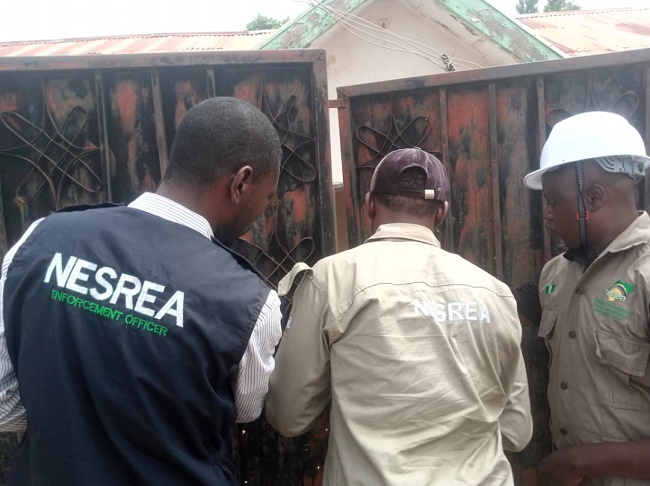
The National Environmental Standards and Regulations Enforcement Agency (NESREA) has sealed the Sunseed Oil facility in Zaria, Kaduna State, over excessive air emissions.
A statement issued on Tuesday, December 30, 2025, by Mrs. Nwamaka Ejiofor, Assistant Director of Press at NESREA, said the enforcement followed reports of persistent air pollution from the facility, in clear violation of the National Environmental (Air Quality Control) Regulations.
Ejiofor explained that the regulations require industries to install pollution abatement equipment and adopt cleaner production processes to minimise environmental harm.
Officials of NESREA during a shutdown operation
She noted that the severity of the emissions posed an immediate threat to the surrounding ecosystem and the health of nearby residents, necessitating the closure of the facility.
According to her, the action underscores NESREA’s commitment to ensuring industrial compliance and protecting the public from the hazardous effects of unregulated industrial discharges, including air pollutants and effluents.
Meanwhile, the Director-General of NESREA, Prof. Innocent Barikor, warned industrial operators to comply fully with national environmental regulations, stressing that activities that negatively impact public health and the environment would not be tolerated.
Many key events defined the outgoing year for Nigeria, affecting individuals, groups, and the nation at large.
Looking back, some Nigerians recall 2025 with mixed memories, as the high cost of living persisted, largely due to major economic reforms.
Others, however, noted glimmers of hope, suggesting that the worst of the economic pressures may be easing.
Aliko Dangote
On the domestic front, Nigeria experienced cautious economic recovery, with macroeconomic indicators showing modest improvement.
Industrial developments, most notably the ongoing impact of the Dangote Refinery, reshaped energy markets and fuel supply chains.
At the same time, the global stage remained turbulent, with trade tensions, geopolitical shifts, and international events influencing domestic policy and public sentiment.
‘Cautious economic recovery’, resurgence of insurgency
If 2024 was the year Nigeria had to swallow the bitter pill of economic reforms, some say 2025 was a year of “cautious economic recovery,” characterised by stabilising macroeconomic indicators.
Statistics show that the economy grew by 3.98 per cent in Q3 2025, a slight increase from 2024 but still below the government’s 4.6 per cent target.
Also, headline inflation saw a significant decline. By June 2025, it dropped to 22.22 per cent (down from over 34 per cent in 2024), according to the National Bureau of Statistics (NBS).
However, food inflation remained a primary concern for many households, as over 33 million people were projected to face “crisis-level” food insecurity during the 2025 lean season, a 32 per cent increase from 2024.
Mass kidnappings and insurgency saw many killed by terrorists and bandits, including in Kwara.
November 2025 saw over 200 students and teachers taken from a school in Niger, leading to the temporary closure of thousands of schools across the North-West.
Between June and October, flash floods affected 115 local governments, displacing 129,000 people and destroying roughly 761,000 hectares of cropland.
Dangote’s many battles with oil marketers, regulators
After beginning operations in 2024, the Dangote Refinery was initially forced to source crude from international markets following the dispute with the NNPCL over a crude supply deal.
For the first time in decades, Nigeria saw a dramatic collapse in its reliance on foreign fuel, but after the supply disagreement was resolved, another crisis regarding marketing and retail arose.
2025 was defined by a public and often heated “tug-of-war” over fuel pricing between the refinery, the NNPCL, and independent marketers.
A landmark agreement was reached for the refinery to supply PMS directly to the Independent Petroleum Marketers Association of Nigeria (IPMAN), which controls 80 per cent of retail outlets
The battle consumed the Chief Executive Officer of the Nigerian Midstream and Downstream Petroleum Regulatory Authority (NMDPRA), Farouk Ahmed.
It has also led to a “positive price war”, which has seen both Dangote and the NNPCL slash petroleum prices.
Mass defection to ruling party: One-party state?
In 2025, the Nigerian political landscape saw a significant “tsunami” of defections as the ruling All Progressives Congress (APC) aggressively expanded its control.
As of December, five sitting governors had officially decamped to the APC from opposition parties. This wave has shifted the balance of power, giving the APC control over 27 out of the 36 states.
The “gale of defections” also swept through the legislative arm, as 12 senators and 32 members of the House of Representatives decamped officially to the APC.
This migration primarily depleted the Peoples Democratic Party (PDP) and the Labour Party (LP), shifting the senate’s power balance from a simple majority to a “super-majority.”
While some say the action could lead Nigeria to becoming a one-party state and endanger democracy, others argue that it was the ruling party merely consolidating its popularity.
Eagles’ World Cup dream shattered spectacularly!
Nigeria’s senior men’s football team, the Super Eagles, failed to qualify for the FIFA 2026 World Cup to be hosted by the U.S., Canada, and Mexico.
After a dodgy and unconvincing qualifying campaign, the team managed to make it to the African playoff stage, having finished second in Group C behind South Africa.
Four teams – Cameroon, Gabon, Nigeria, and the Democratic Republic of the Congo – slugged it out to decide which nation would progress to the FIFA intercontinental playoff tournament in March 2026.
Having defeated Gabon 4-1 in their first playoff game in Morocco, the Super Eagles fell to the DRC on penalties after playing an uninspiring 1-1 draw in regulation time.
The result meant that Nigeria’s wait for its next World Cup participation since Russia 2018 continues.
Much ado about new tax laws
On June 26, 2025, President Bola Tinubu signed four landmark tax reform bills into law. The laws are expected to take effect from Jan. 1, 2026.
For many reasons, the laws have been one of the most controversial talking points of 2025.
Some companies, businesses, and individuals worry that it would lead to indiscriminate access to their bank accounts and finances.
However, the government said the laws aim to overhaul the Nigerian tax system to improve efficiency, streamline administration, and boost revenue.
On the continent of Africa, there was a surge in military takeovers, with notable coups in Guinea-Bissau and Madagascar.
Benin Republic thwarted an attempted coup in December, highlighting a broader trend of democratic erosion, insecurity, and political instability, especially in West Africa and the Sahel region.
It wasn’t all gloom and doom for the continent, though, as 2025 saw the continent host its first-ever G20 Summit, a heavy election calendar, and major steps towards continental integration.
Trump’s global trade war, Nigeria’s redesignation as CPC
In one of the most consequential turns of events in 2025, U.S. President Donald Trump kicked off his second coming with an unprecedented signing spree of executive orders.
Trump signed 46 documents, listed on the White House website, including 26 executive orders, 12 memoranda, and four proclamations on his first day in office.
He has since signed a total of 141 executive orders since returning to the presidency in January, including enacting steep tariffs, ending birthright citizenship, curbing DEI and “gender radicalism”, and pardoning January 6 rioters.
His orders on trade and the imposition of additional trade tariffs on friends and foes alike sparked a global trade war, which has not been completely resolved.
The American president sparked a bitter debate when he announced that he was redesignating Nigeria as a Country of Particular Concern (CPC) as a result of what he called serious violations of religious freedom.
A few days later, he threatened that he would consider potential military action to protect Nigeria’s perceived embattled Christians.
Trump might consider himself a dealmaker, and even promised to end the Russia-Ukraine conflict within 24 hours of his presidency.
However, he is yet to resolve both that and the Middle East conflict, which at various stages involved Israel, Palestine, Lebanon, and Iran.
In other parts of the world, following the death of Pope Francis, Cardinal Robert Francis Prevost was elected as Pope Leo XIV in May, becoming the first American to lead the Roman Catholic Church.
2025 also saw massive “Gen Z”- led protests across the globe, most notably in Nepal, where Prime Minister K.P. Sharma Oli was ousted.
One of the most tragic and significant global events of late 2025 was the Bondi Beach mass shooting in Sydney, Australia, on Dec. 14.
Two gunmen, identified as Sajid Akram (50) and his son Naveed Akram (24), initiated the assault, killing 15 people and injuring over 40 others.
The 2025 UN Climate Change Conference (COP30) in Belém, Brazil, attracted one of the largest turnouts in COP history, with over 56,000 registered delegates.
While the United States did not send an official federal delegation for the first time, state-level representatives attended in alternative capacities.
China, contrary to some reports, was represented by a sizeable, high-profile delegation, actively participating in negotiations and side events.
Observers noted that, albeit strong attendance, some political commitments; especially on fossil fuel phase-outs and climate finance, fell short of expectations.
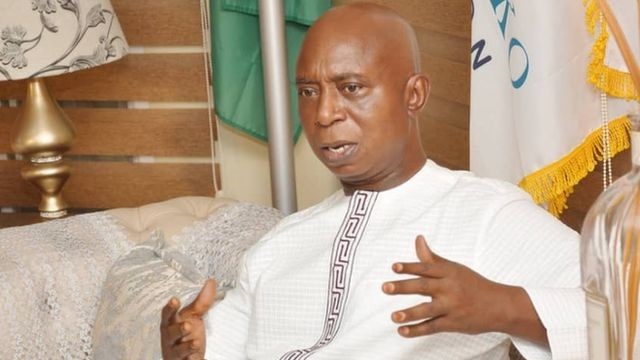
Sen. Ned Nwoko (APC-Delta) on Tuesday, December 30, 2025, tackled the management of the Niger Delta Development Commission (NDDC), over long-standing infrastructure deficit in Delta State.
The management of the NDDC led by its Managing Director, Dr Samuel Ogbuku, had appeared before the Senate Committee on Niger Delta Development Commission to defend its 2025 budget expenditure.
However, Nwoko, representing Delta North Senatorial District, used the opportunity to raise concerns over a critical road infrastructure project in Delta, which, in spite of being appropriated in the previous budget, had yet to take off.
Senator Ned Nwoko
“Mr. MD, when you last appeared before this committee, a matter of great importance to my constituents, and indeed Delta, was raised.
“I refer to the road project traversing Oko, Abala, Utchi, Okpai, Aboh, Asaba-Ase, down to Patani. This project was clearly captured in the last budget, yet to date, no tangible progress has been recorded,” he said.
He emphasised the strategic and humanitarian importance of the project, noting that it was conceived not merely as a transport corridor but as a flood-control intervention for vulnerable communities.
According to him, we are all aware of the strategic value of coastal roads. This particular design was meant to incorporate embankments capable of preventing floodwaters from encroaching into hinterland communities and endangering lives.
“This is a project with direct social impact, that would significantly improve livelihoods. Unfortunately, in spite of its inclusion in the budget, nothing has happened.”
The lawmaker further said that the issue would be raised during closed-door with the commission, as the committee subsequently resolved to continue deliberations in the executive session.
Earlier in his presentation, Ogbuku, disclosed that as of Oct. 31, the commission’s actual revenue stood at N1.985 trillion, surpassing the projected N1.911 trillion recorded between April 2024 and September 2025.
He explained that it represented a performance level of 104 per cent, and attributed the improved revenue outcome largely to the extension of the 2024 budget implementation to Dec. 31.
The MD also explained that the proposed 2025 budget, christened the “Budget of Consolidation,” was pegged at N1.75 trillion, reflecting a nine per cent reduction from the 2024 figure.
According to him, the downward adjustment is informed by a deliberate no-borrowing policy adopted by the commission.
At the commencement of the session, Nwoko drew attention to the recent passing of the former Chairman of the Committee, late Sen. Peter Nwaoboshi.
He moved a motion for a minute’s silence in his honour, which was adopted by the committee.
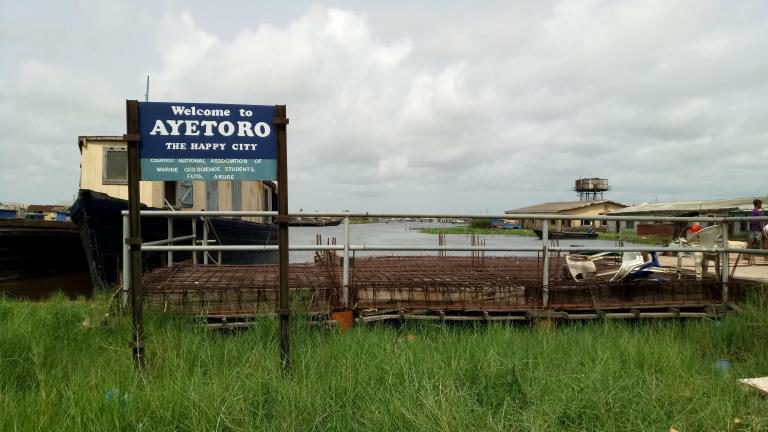
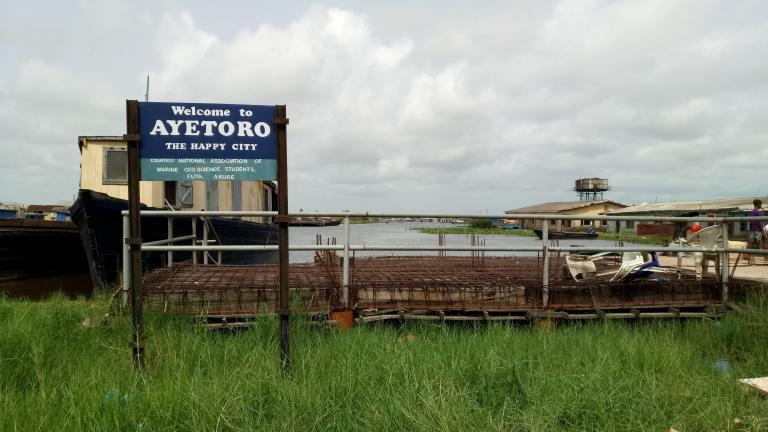
The Ondo State Oil Producing Area Development Commission (OSOPADEC) says it will intervene in the reclamation of Ayetoro community being ravaged by sea incursion if the Federal Government fails.
Chairman of OSOPADEC, Mr. Biyi Poroye, made the pledge on Tuesday, December 30, 2025, in Akure, the Ondo State capital, during a news conference on his six-month leadership at the commission.
Poroye said every community in the coastal area of Ilaje and Ese-Odo Local Government Area would be reclaimed.
The coastal city of Ayetoro in Ondo State has been ravaged by ocean surge
“Within three years, we can reclaim the entire area but we need more money and the sand we even need is in the sea.
“Reclamation of Ayetoro and other communities will be done. And there is no big deal about it since we know what to do.
“We are aware that Federal Government has interest in it and has been on this for sometimes.
“We are of the opinion to give them some time, but if they fail to implement what they have for us by next year, we will start the project.
“We have to save Ayetoro because if Ayetoro fails, the entire area is gone. Even our water project in Aboto is already tasting salty,
“So, we are cautious of this reality that Ayetoro must be saved and protected to save the entire area,” he stated.
The chairman said the reclamation project of Obe Nla Community in Ese-Odo Local Government Area had been approved by Gov. Lucky Aiyedatiwa.
Poroye added that the commission was in the process of awarding the project to a contractor.
According to him, it is incumbent on the commission to make its requests known to the governor for approval and disbursement.
“In the past, most governors did not spend the money meant for the commission and it was as if Ilaje and Ese Odo were not part of the state.
“It was only Adefarati and Agagu that were excepted.
“We now have a governor that has dedicated a bank account for the commission’s money.
“What we need to do is to make a request and he approves it. He ensures that what is fair to one is fair to all,” he said.
According to him, the commission will continue to partner with interventionist partners for seamless implementation of various projects in the coastal area.
The chairman explained that all achievements recorded in the last six months could be attributed to timely approval of all requests made available to the governor.
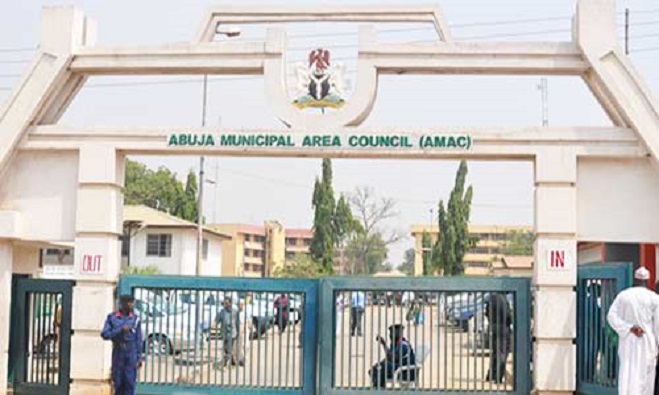
The Abuja Municipal Area Council (AMAC) has declared that payments for environmental health services to the FCTA or unauthorised bodies are invalid.
Mr. Kingsley Madaki, the Senior Special Assistant on Media and Public Affairs to the Executive Chairman of AMAC, said this in a statement in Abuja on Monday, December 29, 2025.
According to the statement, by this development, the council is asserting its exclusive legal right to collect these revenues from residents and businesses.
Abuja Municipal Area Council (AMAC)
It explained that the directive is rooted in the 4th Schedule of the 1999 Constitution, which vests the regulation of social and environmental services in local government authorities.
The statement stressed that AMAC retained the sole authority to manage and collect revenue for specific environmental activities.
These include sanitary inspections for facility fitness, pest control services like fumigation, and food and water safety protocols, including medical screenings for handlers.
Additionally, the Council oversees permits for car washes, laundries, and public conveniences.
AMAC raised the alarm over reports of impostors posing as FCTA agents to divert local government revenue.
“In response, the newly formed AMAC Environmental Cadet officials are launching comprehensive enforcement sweeps to eliminate these fraudulent activities.
”To stay protected, business owners are urged to verify the credentials of any inspector and immediately report individuals soliciting cash.
“The council stresses that all legitimate payments must be processed exclusively through authorised AMAC revenue accounts to ensure legal compliance,” the statement said.
It added that to combat fraud, AMAC had implemented a Single Account policy, which emphasized that payments must be made into the council’s designated bank accounts.
”Any payments made to the FCTA Public Health Department or any other organisation shall be rendered invalid.
“Such payments will not be recognised as proof of compliance, and the payer shall be liable for default,” it warned.
AMAC also warned that anyone paying unauthorised agents would do so at their own risk and would still be held liable for non-compliance under AMAC its bylaws.