Home Blog Page 3

Countries urge Santa Marta Conference to recognise need for new legal instrument on fair fossil fuel phase out

A three-day Senior Officials and Ministerial meeting of the highest ambition coalition pushing for an equitable global fossil fuel phase out – countries participating in discussions on a Fossil Fuel Treaty – has just concluded in the coal port city of Santa Marta.

The growing coalition called on the Santa Marta Conference to formally recognise the urgent need to negotiate a new international instrument on fossil fuels – one that would establish binding supply-side obligations, close major governance gaps left by existing frameworks, and create the financial and legal architecture necessary for a globally just transition away from coal, oil, and gas.
Santa Marta Conference
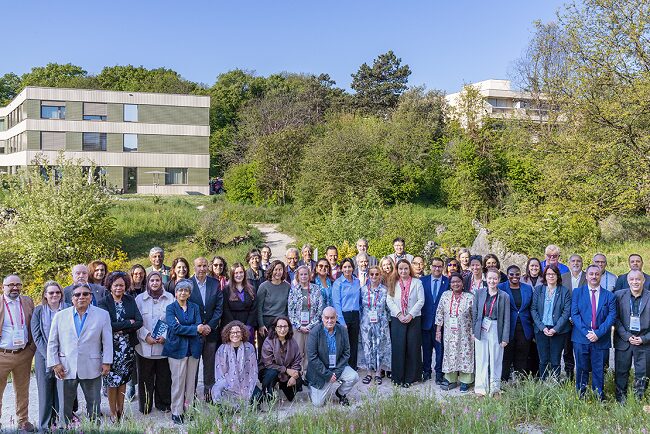
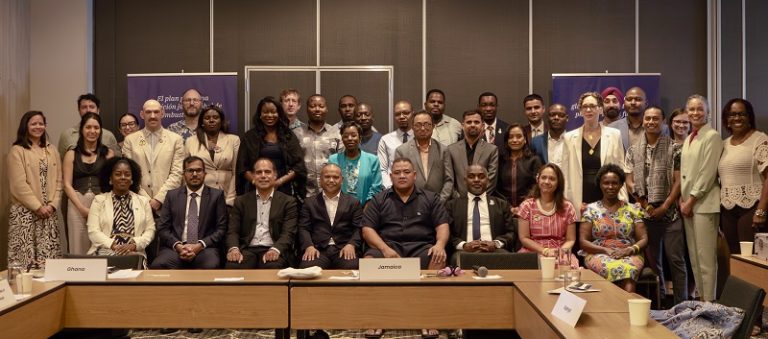
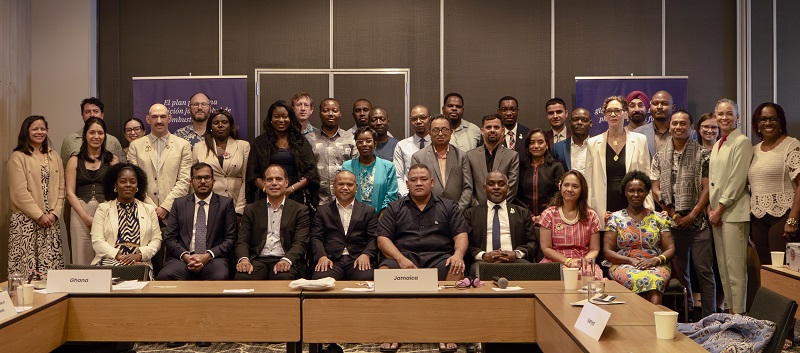
Participants at the Senior Officials and Ministerial meeting

The Ministerial Meeting took place ahead of the High-Level Segment of the First International Conference on Transitioning Away from Fossil Fuels, which will be attended by over 60 countries. The meeting was chaired by Irene Vélez Torres, Minister of Environment of Colombia and co-host of the Santa Marta Conference, and attended by Ministers and heads of delegations from Africa, Asia, the Caribbean, Latin America and the Pacific, including representatives from the 18 countries participating in the Fossil Fuel Treaty Initiative. 

The meeting was also attended by 10 official observer states – Ghana, Spain, Jamaica, Kenya, Malawi, Maldives, Nepal, Panama, the Dominican Republic, and Saint Lucia – the largest number of observers to date, demonstrating the growing momentum for a Fossil Fuel Treaty.

The coalition, which includes frontline states, Small Island Developing States, least developed countries, fossil fuel-dependent importer economies and Global South fossil fuel producers, discussed coordinating action across four priorities:

  • Recognise the gap in global governance and the need to negotiate a Fossil Fuel Treaty as a concrete recommendation of the Santa Marta Conference, and seek a subsequent formal negotiation process for a binding treaty instrument;
  • Advance concrete mechanisms for international cooperation and finance, including further developing proposals for an Importers-Exporters Club, a Global Just Transition Fund, and a Debt Resolution Facility to remove barriers to an equitable phase-out;
  • Welcome the vision of Tuvalu as Chair of the Second Conference for a Just Transition Away from Fossil Fuels, to be hosted in the Pacific region within a year;
  • Affirm that any negotiated instrument must be grounded in equity, historic responsibility, human rights, and the full and self-determined participation of Indigenous Peoples consistent with the United Nations Declaration on the Rights of Indigenous Peoples.

Irene Vézes Torres, Minister of Environment and Sustainable Development, Colombia, host of the Ministerial Meeting and co-host of the First Conference on Transitioning Away from Fossil Fuels, said: “Colombia is honoured to host this historic moment, where a coalition of countries ready to act are making it clear that a transition away from fossil fuels is more urgent than ever, and that the countries of the Global South must not pay the price of a crisis they did not cause.

“That is why we are proud to join nations from across the world in seeking to negotiate a treaty that is anchored in equity, that creates mechanisms for much-needed transition finance, and that gives every country the fiscal space it needs to diversify its economy and power its future. Santa Marta is the beginning of an ongoing process – one that started here on the shores of the Caribbean and will now advance in the islands of the Pacific.” 

Dr. Maina Vakafua Talia, Minister of Home Affairs, Environment and Climate Change, Tuvalu, said: “Tuvalu is not waiting for the rest of the world to act, we are leading the way. The science is clear, the world’s highest court has spoken, and the moral case is unanswerable: we must chart a journey away from fossil fuel production. This historic conference must send an unequivocal signal: the era of fossil fuel expansion is over, and states ready to act must negotiate a binding treaty to make that real. We are proud to offer Tuvalu as the home of the Second Conference for the Just Transition Away from Fossil Fuels, because for us, this is not a negotiating position – it is a matter of survival.”

The bloc emphasised that existing multilateral frameworks, while essential, have proven insufficient to drive the pace and scale of fossil fuel phase-out required to stay within the 1.5°C temperature limit. The recent ICJ Advisory Opinion, which found that fossil fuel production, consumption, exploration licences, and subsidies may constitute internationally wrongful acts, was cited as further grounds for an explicit supply-side governance framework.

Ralph Regenvanu, Minister for Climate Change and Environment, Republic of Vanuatu, said: “From the International Court of Justice to the UN General Assembly, Vanuatu has championed the legal obligation to phase out fossil fuel production, and we are here in Santa Marta to continue that work with a coalition of countries committed to lead. The world is watching this conference, and we will not leave without progress.

“For too long, we have debated whether to even mention fossil fuels in climate negotiations, here we can finally move beyond a conversation on ‘if’ to transition to ‘how’. A Fossil Fuel Treaty gives us a binding framework to implement our shared legal obligations into real action: moratoriums on expansion, equitable phase-out timelines, finance mechanisms, and the removal of the legal barriers that trap countries in fossil fuel dependency.”

The idea of the Santa Marta conference originated from conversations among the growing group of countries engaged in the Fossil Fuel Treaty Initiative. At a Ministerial meeting in December 2024, these countries agreed to “initiate a series of dedicated conferences” to overcome the political deadlock the transition away from fossil fuels has faced in consensus-based, universal climate negotiations for decades.

“In June 2025, Colombia, the bloc’s largest fossil fuel producer, offered to host the first one. This model has a proven track record, similar to processes like the Ottawa Convention, where focused conferences have united willing states and broken deadlocks to pave the way for binding agreements. 

A year later, the group has emerged united around a shared vision for the conference and agreed on shared positions and the next steps to advance an ongoing process parallel and complementary to the UNFCCC, including seeking negotiations on a binding international treaty on fossil fuels. The group also discussed specific obligations that a future Treaty could contain, including proposals on finance mechanisms, debt reform, equity provisions, and addressing the legal risks of Investor-State Dispute Settlement (ISDS) mechanisms.

Steven Victor, Minister of Agriculture, Fisheries, and the Environment for the Republic of Palau, said: “For 30 years, the frameworks we have built have not been sufficient to stop this crisis and address fossil fuel expansion. The market will not save us. Voluntary commitments will not save us. That is why we are here in Santa Marta – not to replace what exists, but to build something complementary. Every economy has been shaped by fossil fuels. Ours included. We are not naive about the complexity of this transition.

“But complexity is not an excuse for inaction, and the absence of a dedicated governance framework is not an accident – it is a choice made, again and again. The proposal for a Fossil Fuel Treaty changes that calculus. It can create the legal architecture to hold those most responsible for this crisis accountable, to establish timelines grounded in equity and science, and to ensure that complementary processes reinforce each other.”

Juan Carlos Monterrey, Special Representative for Climate Change, Ministry of Environment of Panama, Vice-President, COP30 & COP31 Bureau, UN Climate Change, said: “Santa Marta is where the world draws the line. The era of fossil fuels must end, and it must end through an international treaty that delivers a fair, orderly, and irreversible phase-out, one that propels our economies into a green and prosperous future built on millions of new, decent, and future-ready jobs. What we failed to deliver at the UN Climate Talks must now be built here. Santa Marta is where this journey begins.”

Chipiliro Mpinganjira MP, Deputy Minister of Natural Resources and Climate Change, Malawi, said: “The people of Malawi are facing floods, droughts, and food insecurity driven by the climate crisis and global fossil fuel expansion. We are here in Santa Marta because we believe that the international community must do better. New frameworks for international cooperation and mechanisms to scale transition finance would be transformative for countries like ours – giving us the fiscal space to invest in clean energy and resilient development without sacrificing economic survival. Malawi is actively exploring what participation in such a process could look like, and we urge this conference to open that door.” 

Cedric Dzelu, Technical Director, Office of the Minister for Climate Change and Sustainability, Ghana, said: “Ghana has so much interest in this discussion. We are mobilising national momentum towards joining the Fossil Fuel Treaty. Earlier this year we hosted a national convening, where we convened all relevant national stakeholders to discuss the proposal for a Fossil Fuel Treaty. I’m happy to report to you that the momentum is positive, and that almost every sector of our economy, our country, ministry, department are in support of us joining the Treaty Initiative.

“I have come to assure you that certainly very soon Ghana will be a major participant of the Fossil Fuel Treaty, and we also hope that we’ll be a major African mobiliser, starting from West Africa, bringing on board West African countries, and then cutting across Africa. The process of joining the Treaty will need to proceed through the appropriate national procedures, including submission to Cabinet for consideration and approval, followed by Parliamentary review and approval. The Minister is deeply committed to advancing this process and to ensuring that Ghana moves steadily toward becoming a participating nation.”

Ester Wang’ombe, Director of Renewable Energy, State Department for Energy, Ministry of Energy, Kenya, said: “Kenya has demonstrated that a fast and ambitious renewable energy transition is not only possible, but also economically advantageous. Kenya is a leader in the promotion of renewable energy. We have built one of the cleanest electricity grids on the continent and we are proud of that. But our transport sector still relies heavily on fossil fuels.

“We recognise that without the right international governance framework, the pressures to expand fossil fuel production – driven by debt, energy insecurity, and inadequate finance – will undermine the progress countries like ours have made. That is why the conversation happening here about increasing international cooperation on fossil fuels is one Kenya takes seriously. A powerful coalition of countries, working together, grounded in equity and supported by real finance, could unlock the just transition at the scale our climate demands.” 

Imran Williams, Director of Finance, Saint Lucia, said: “One of the important things we would like to understand is how the tracking of the phase out will happen and the mechanism to be used to ensure that the phase-out is actually happening. When it comes to greenhouse gas emissions, we have a proper tracking of year-on-year progress of that. Something similar is needed for the fossil fuel phase-out, to keep track of progress and the strategies and activities countries are undertaking to support the process. Without this, we risk some nations committing to a phase-out without any concrete evidence of that commitment.”

Ministers noted the acute vulnerability of many countries and communities – including small island developing States, least developed countries, Indigenous Peoples, and other particularly affected communities – who face acute vulnerabilities and existential climate impacts despite contributing the least to the crisis. 

The group also called for the conference to reject false solutions – including carbon capture and storage, carbon offsetting, and geoengineering – that would justify the prolongation of fossil fuel production. The group recognised the need to ensure meaningful participation of civil society with robust conflict-of-interest protections against fossil fuel industry interference in future processes, conferences and negotiations. 

Meanwhile, thousands of people joined 140+ events in more than 30 countries ahead of the Conference, calling for a fossil fuel phaseout and for countries to support the proposed fossil fuel treaty in Santa Marta. From Port Vila (Vanuatu) to Seattle (USA) through Kampala (Uganda), Abuja (Nigeria), Freetown (Ghana), Addis Ababa (Ethiopia), Delhi (India), Dhaka (Bangladesh), Oslo (Norway) and 40 German cities, people have organised local assemblies and panels, marches and street actions, painted street murals and projected their messages on public buildings.
Lagos unveils ‘Library on the Lagoon’ to promote blue economy

0

The Lagos State Government has strengthened its environmental sustainability drive with the introduction of the “Library on the Lagoon”, an innovative initiative, designed to deepen public engagement within the state’s waterways.

The initiative was launched on Monday, April 27, 2026, in Lagos by the General Manager, Lagos State Environmental Protection Agency (LASEPA), Dr Tunde Ajayi.

Ajayi represented the Commissioner for the Environment and Water Resources, Mr. Tokunbo Wahab, at the event.

Library on the Lagoon
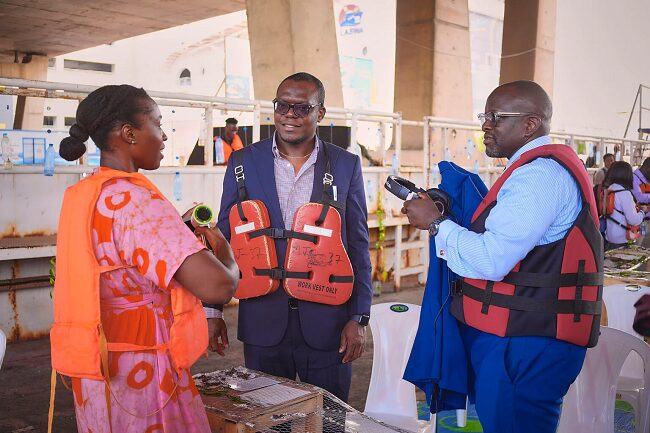
Dignitaries at the launch of the “Library on the Lagoon”

The Project Director of Library on the Lagoon, Mrs. Maryam Kazeem, described the initiative as a social research platform that reimagines the concept of a library beyond a fixed structure into an interactive, water-based learning experience.

“The research for this project started about a year ago. We are thinking about the lagoon as a social research space, where a library is not just a stationary place but something created through interaction and shared experience,” Kazeem said.

She explained that participants engage directly on the lagoon through guided prompts and activities that encourage reflection on the water body’s history, present condition, and future.

Kazeem noted that the initiative also confronts the challenge of pollution affecting the lagoon, adding that creative tools such as a prototype trash collection system powered by a typewriter have been introduced to stimulate dialogue and action.

“At the centre of the exercise is a trash wheel powered by a typewriter, which is still in its prototype stage.

“The idea is to invite people to sit with the water, observe it, and think critically about their relationship with it,” she added.

Kazeem further emphasised that the initiative seeks to foster collective responsibility in addressing environmental degradation.

“It is more than what one person or even government can handle alone. We need to think about it collectively,” she said.

Ajayi said the agency partnered with the initiative to strengthen environmental advocacy through creative engagement.

He explained that the agency saw the project as an opportunity to connect environmental monitoring with artistic expression and public awareness.

“We thought it was important to engage the creative arts. This initiative provides a platform to reach creative minds who care about environmental protection,” he said.

Ajayi noted that LASEPA continuously monitors pollution levels across Lagos waterways, particularly focusing on pollution density and water quality indicators.

“Bringing people into this awareness and encouraging discussions about cleaning the lagoon and ocean is a simple but powerful form of advocacy,” he added.

Ajayi expressed optimism that the initiative would contribute to reducing plastic pollution in the lagoon.

“This is one of the ways to mop up plastic waste that has found its way into the lagoon, and it is a very good one,” he said.

Also speaking, the Special Adviser to the Governor on Blue Economy, Mr. Damilola Emmanuel, described the initiative as a strong example of collaborative governance involving government, private sector, and civil society.

“We are very excited because government cannot do it alone. We need the private sector, the non-profit sector, and everyone to work together to preserve our lagoons,” Emmanuel said.

He added that the state government supports efforts to scale the initiative beyond its current location, stressing the need for wider coverage across Lagos waterways.

“This is just one location, but we will continue to support its expansion. We want it to reach every part of Lagos because our lagoons are very extensive,” he said.

The initiative is expected to strengthen environmental awareness, promote sustainable interaction with water bodies, and support Lagos State’s broader blue economy and climate action agenda.

The project is a collaboration between the Lagos State Environmental Protection Agency, Iranti Press and A Whitespace Creative Arts Foundation.

The one-week project runs from April 26 to May 2, 2026, from 12.00 p.m. to 6.00 p.m. daily at the Five Cowries Creek Terminal, Falomo, Ikoyi.

Abia, Imo battling to rescue communities from devastating gullies

0

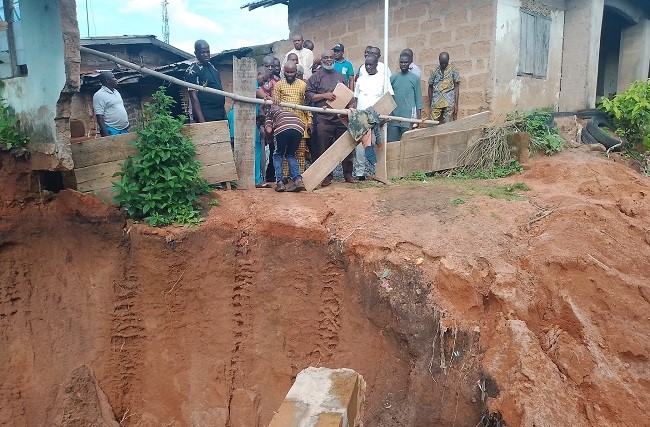
The Abia and Imo State Governments have expressed concern over the devastating human and environmental impacts of gully erosions in many communities in the two sister states of the South-East region.

A survey carried out in the two states revealed impressive strategic efforts to bring the phenomenon under check.

Speaking in an interview in Umuahia, the Executive Secretary of the Abia State Emergency Management Agency (SEMA), Dr Sunday Jackson, said the state government was working tirelessly to address the gully erosion ravaging communities in the state.

bem Ohafia
Erosion site at bem Ohafia, Abia State

Jackson described Abia as “one of the states worse hit by gully erosion”, with active sites scattered across the three senatorial zones.

He further said that the state was among 33 other states projected to face high flood risk this year, based on the seasonal climate prediction and annual flood outlook released by the Nigerian Meteorological Agency (NiMet) and the Nigeria Hydrological Services Agency (NIHSA).

“With increasing rainfall, Abia, which is already prone to gully erosion, may record more cases,” he warned.

He commended Gov. Alex Otti for taking bold steps to tackle the challenge, citing the ongoing remediation works at Ossah in Umuahia North LGA and several other affected communities.

The SEMA boss, however, maintained that the state still needed support, pointing out that many farmlands and houses were being washed away, leaving scores of residents displaced.

“SEMA is taking proactive measures in security, awareness, and public education, but the magnitude of the disaster is beyond what the State Government alone can bear,” he said.

He promised that SEMA would collaborate with the National Emergency Management Agency (NEMA), the Ministry of Environment, and other critical stakeholders to carry out a downscaling exercise in flood-prone communities.

According to him, the exercise aims to sensitise residents to the impending flood disasters and associated risks.

“If we don’t do that, it might lead to loss of lives, loss of property, and environmental degradation,” Jackson said.

Dr Kenneth Anyalechi, the immediate past President of Ozuitem Development Union in Bende LGA, corroborated SEMA’s concern, saying that his community suffered so much damage by erosion due to its topography.

Anyalechi said Ozuitem, made of nine autonomous communities and about 100 villages, had been badly hit, with Umuikwuoma-Ndiambe, Ndi Okala-Ogboko, Nzerim-Ogboko, and Elugwumba-Odum among the worse affected.

He explained that gully erosion had cut off several villages from the rest of the community and neighbouring areas, in spite self-help palliative carried out by the community in 2021.

“Between 2010 and 2024, my community spent personal funds just to create access in and out of our village.

“In 2025, the Niger Delta Development Commission came to our rescue, but unfortunately, they stopped midway.

“The erosion has now cut us off from our water source,” he lamented.

Anyalechi appealed for government’s intervention to control the erosion and landslides so that residents can access water, farmlands, and the neighbouring communities.

Also, a community advocate and native of Elu-Ohafia in Ohafia LGA, Mr. Ndubuisi Ume-Ado, lamented the destruction of buildings and displacement of families by erosion, particularly in Amaekpu-Ohafia.

Ume-Ado said that erosion in Elu-Ohafia had cut off five communities, forcing residents to use dangerous alternative routes to access farmlands.

He revealed that 13 people were involved in a serious accident earlier in the year, while travelling through one of such routes.

He called for urgent government intervention to avert further loss of lives and property in the area.

In Imo, the Commissioner for Environment and Sanitation, Mr. Major Emenike, said that the state government was seriously committed towards intervening in several massive gully sites across the state’s three senatorial zones with its 2026 budgetary provisions.

Emenike said in Owerri that the state was “stepping in to address high-risk sites that have destroyed roads, markets, and homes”, while waiting for federal assistance.

He said that the government had initiated a multi-pronged approach to managing the state’s severe erosion menace, including both independent state projects and Federal Government’s collaborations.

He said that the Nigeria Erosion and Watershed Management Project (NEWMAP) and surveys had identified over 500 active gully erosion sites across the state.

According to the commissioner, the most critical sites are concentrated in the Orlu and Okigwe zones, specifically in Ideato North, Ideato South, Njaba, Orlu, and Mbaitolu LGAs of Imo.

“The 2026 fiscal plan targets approximately 15 to 20 priority gully erosion sites for active intervention and rehabilitation.

“These sites were selected based on their high-risk status, meaning they threaten major transit roads, residential clusters, or public utilities.

“Specific attention in this budget cycle was also directed toward sites in Akpulu (Ideato North), Umuaka (Njaba), and several critical corridors in Owerri, where urban runoff has accelerated soil degradation,” Emenike said.

He further said that the budget further captured a series of massive erosion sites for state-led intervention at Ugiri-ike, Inyishi, Dam site, Ogboko-Umuchima, Urualla, Umueshi, and Ugirinna.

The commissioner said the state was currently partnering with the Federal Government and the NEWMAP/European Investment Bank to tackle six major sites, particularly those in Izombe and Ezinihitte Mbaise.

“Restoration is already underway at the Nekede gully site, near Owerri, with Craneburg Construction firm handling the project,” he said.

The commissioner, who regretted the devastating infrastructure and economic impact of erosion on communities, said “the damage extends far beyond environmental degradation.

“In areas like Umuchima, the gullies have swallowed critical roads, residential houses, and local markets,” he said.

Emenike said that the state was still putting together the exact cost of the infrastructure and economic loss to the gullies.

He assured residents that the 2026 fiscal plan included adequate funding for a dual purpose: reclaiming the gullies and reconstructing the roads to restore connectivity between neighboring communities.

He admitted that households displaced by the environmental disaster had yet to be officially resettled by the government.

“The people have been calling over the issue, but we asked them to make their requests known, officially,” Emenike said.

He said that he was awaiting formal responses from affected residents and communities, following recent discussions on the necessary procedures for government assistance.

On the issue of early warning education and drainage cleaning, Emenike said, “we are de-silting the drains ahead of the return of the rainy season.

“My ministry is collaborating with the Imo Rural Roads Maintenance Agency to de-silt the drains to prevent flooding during the fast approaching rainy season.

“The idea is to also create public awareness on the dangers of throwing thrash into the drains,” he said.

Contributing, the National Emergency Management Agency (NEMA) raised concerns over the ravaging gully erosion in different parts of Imo.

NEMA’s Head of Operations in the state, Mr. Nnamdi Igwe, said Ideato belt, Orlu, Obowo, and parts of the Owerri zone bear the deepest brunt of the environmental crisis.

Igwe also said that residents were faced with “swallowed homes, obliterated farmlands, and severed roads”, and called for urgent intervention.

“In the Ideato North and South LGAs, collectively known as the Ideato belt, communities like Umuchima, Umueshi, Urualla, Akokwa, Umumaisiaku, Obodoukwu, Amanator, Isiekenesi, Umuokeh, Spibat, Works Layouts, Akwakuma, and Amakohia have suffered immensely.

“These sites lie along critical corridors such as Orlu-Mgbee-Umuchima-Akokwa-Uga and sections of the Umuahia-Owerri axis.

“Gullies have engulfed houses, vast farmlands, and vital roads, isolating schools and health facilities from residents,” Igwe said.

According to him, Orlu LGA stands out with the Uhuala Obibi Ochasi Community on the Orlu-former road axis, experiencing a monstrous 2-km-long gully.

The erosion scar, he said, stretches over 75 meters deep and spans 100 meters wide, expanding relentlessly into 2026.

He also said that more than 20 houses “have vanished into the abyss”, displacing hundreds and turning the area into a ghost town, with families fleeing for safety.

He said in Obowo LGA, the Umuokeh Community and 14 surrounding towns teeter on the brink.

He further said that massive gullies threaten to slice through the Umuahia-Owerri highway, which has been a lifeline for intra-state and inter-state travels.

He said that such a breach, if allowed to happen, could unleash chaos, stranding commuters and crippling commerce, while endangering countless homes.

He mentioned other hotspots to include Nekede in Owerri North, Mbaitoli’s Umueze-Obazu-Mbieri, Ehime Mbano’s Umunumo Ibeafor, and parts of Ikeduru LGA.

“The human toll is staggering, particularly in housing and displacement,” Igwe said.

An LGA official, who identified himself simply as Chidi, said that Uhuala Obibi Ochasi reported that over 20 houses were submerged and hundreds rendered homeless, with locals lamenting the deserting of their community.

Chidi lamented that in the Ideato belt, at least 30 homes were lost in previous years up to 2023, but ongoing expansion in 2025 to 2026 signaled more displacements and potential fatalities ahead.

“Agricultural devastation crippled livelihoods.

“Uhuala Obibi Ochasi has lost over two kilometers of farmlands, shutting out farmers from their farmlands and markets for years and decimating local trade.

“The areas echo this pain, with billions of naira in cumulative property damage from earlier periods, now ballooning further amid unquantified 2025 to 2026 losses,” he said.

He advocated immediate state-wide inventions, federal aid, and engineering solutions to halt the scourge.

It is the fervent hope by the affected residents and communities that government at all levels and the relevant agencies shall hasten with timely interventions to de-escalate the problem before the rains fully set in.

By Leonard Okachie

Africa’s critical minerals: Mwenda calls for bold shift from extraction to regional industrialisation

As Africa prepares for the 12th session of the Africa Regional Forum on Sustainable Development (ARFSD‑12) holding from April 28 to 30, 2026, in Addis Ababa, Ethiopia, the conversation around the continent’s critical minerals has taken centre stage.

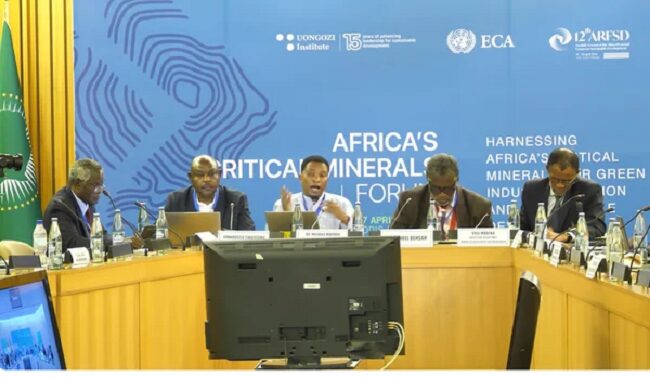
Speaking at the official pre‑ARFSD‑12 session, Dr. Mithika Mwenda, Executive Director of the Pan African Climate Justice Alliance (PACJA), delivered a compelling call for Africa to rethink its long‑standing role in the global minerals economy.

His message was clear: Africa can no longer afford to remain trapped at the bottom of the value chain.

Mithika Mwenda
Dr. Mithika Mwenda, Executive Director of the Pan African Climate Justice Alliance (PACJA), speaking at the official pre‑ARFSD‑12 session

For decades, global narratives have celebrated Africa as a continent “rich in natural resources”. Yet, as Dr. Mwenda pointed out, this abundance has not translated into prosperity. Instead, Africa remains largely confined to the first step of the global value chain – extraction – while the real wealth is captured elsewhere through processing, manufacturing, and high‑value trade.

“The uncomfortable truth,” he stressed, “is that Africa’s resource wealth has not delivered meaningful economic transformation.”

Beyond Extraction: A New Vision for Beneficiation

Dr. Mwenda argued that the global shift toward green technologies – from electric vehicles to renewable energy storage – presents Africa with a rare opportunity. Critical minerals such as cobalt, lithium, manganese, and rare earth elements are in high demand. But to benefit, Africa must break away from the traditional extractive model.

He emphasised that beneficiation – the processing and transformation of raw minerals – must be understood not as a narrow technical intervention but as a comprehensive industrial strategy.

“Beneficiation requires more than machinery,” he noted. “It demands reliable energy, efficient logistics, skilled labour, supportive trade policies, and access to markets.”

Without these foundational elements, he warned, Africa risks replicating the same extractive patterns of the past, only this time under the banner of “cleaner” operations.

Regional Value Chains: The Only Viable Path

A central theme of Dr. Mwenda’s statement was the need for regional cooperation. No African country, he argued, can industrialise on the strength of its mineral deposits alone. Some nations have minerals but lack energy; others have ports but limited industrial capacity. Only by pooling strengths can the continent build competitive value chains.

He highlighted promising examples already taking shape. The Democratic Republic of Congo and Zambia are jointly developing a regional battery value chain, aiming to move from exporting cobalt and copper to producing battery precursors and components. The Lobito Corridor – linking Angola, DRC, and Zambia – is another strategic initiative designed to connect mineral‑rich regions to global markets.

However, Dr. Mwenda cautioned that such corridors must prioritise industrial development, not simply faster export routes.

“Development corridors should move Africa up the value chain, not accelerate the extraction of raw materials,” he said.

Morocco’s growing success in battery manufacturing, supported by strong industrial policy and market access, was cited as a model of what is possible when infrastructure, policy, and investment align.

Governance and Policy Alignment: The Missing Link

Dr. Mwenda also addressed the governance challenges that continue to undermine Africa’s mineral ambitions. He pointed to countries like Zimbabwe, which have introduced bans on raw lithium exports. While bold, such policies risk failure if not accompanied by investments in energy, processing plants, and industrial capacity.

“Policy bans alone cannot deliver beneficiation,” he warned. “We need alignment between mineral extraction, energy planning, industrial policy, and trade frameworks.”

Fragmented policies, unreliable power supply, and limited financing remain major obstacles. Yet, he noted that the restructuring of global supply chains – driven by geopolitical tensions and the search for diversified mineral sources – offers Africa a strategic opening.

From Competition to Coordination

Perhaps the most urgent shift Dr. Mwenda called for is a move away from national competition toward regional coordination. When African countries compete to attract investors through tax breaks or lax regulations, the continent loses collectively. Instead, he urged governments to focus on midstream value creation and ensure meaningful local participation in mineral‑based industries.

“Africa must not only extract minerals,” he concluded. “It must capture value.”

As PACJA continues to champion climate justice and equitable development, Dr. Mwenda’s message at the Africa’s Critical Minerals Forum – convened by UONGOZI Institute in collaboration with UNECA – sets the tone for a new era of African resource governance. The challenge now is whether African leaders will seize this moment to transform mineral wealth into shared prosperity across the continent.

Intermittent blockades disrupt Drummond coal port in Santa Marta

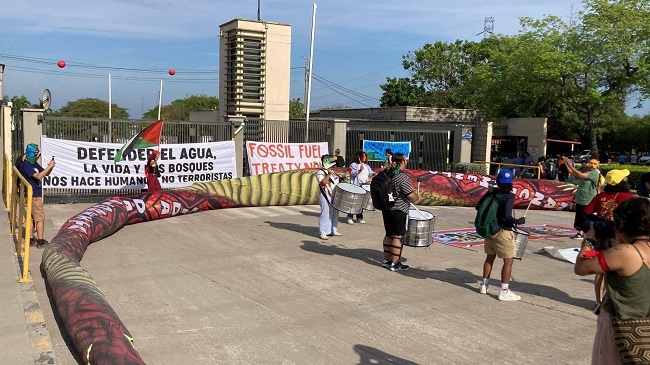
A coalition of activists, land defenders, maritime communities, and allied organisations on Monday 27, 2026, disrupted operations at the Drummond coal port in Santa Marta – the largest coal export terminal in Colombia. The direct action demanded an energy embargo on fossil fuel flows that materially sustain genocide, war crimes, and colonial occupation, and called for an international transition framework rooted in justice and accountability.

The action was carried out by Global Sumud Flotilla, Climate Justice Flotilla, Debt For Climate, 350, ANGRY, United For Climate Justice, GARN, Resiste Glencore, and regional frontline communities and workers. It took place alongside the First International Conference on Transitioning Away from Fossil Fuels, which convenes in Santa Marta this week, where delegates from more than 50 countries are preparing for the high-level segment from April 28 to 29.

Santa Marta
Action by a coalition of activists, land defenders, maritime communities, and allied organisations

A Global Reality: Fossil Fuels Sustain War and Apartheid

The Santa Marta Conference convenes in a world where fossil fuels are not only an emissions problem: they are the material infrastructure of war. From Venezuela to Cuba, from Palestine to Iran, the US-Israeli alliance and its partners continue to commit war crimes, crimes against humanity, genocide, and ecocide in pursuit of fossil fuel control – actively blocking energy supplies to those who refuse to comply with its designs.

Any transition framework that cannot name this reality will fail the people who need it most.

Currently, climate governance regulates emissions, not complicity. It does not control the production, trade, insurance, refining, and supply chains that enable fossil fuels to flow into war and occupation. Trade and investment regimes shield fossil capital, and no existing climate mechanism enforces states’ obligations under international law to prevent their exports from enabling mass atrocities.

Colombia Has Already Shown What Is Possible

Colombia’s move to halt coal exports to Israel has established an indispensable precedent: fossil fuel trade is not neutral, and states can act to prevent their energy exports from materially sustaining mass violence.

But a precedent without enforcement is a gesture. As the case in Türkiye shows – where a declared embargo has not halted crude oil flows through its territory – the gap between political will and enforcement is where the fossil fuel industry operates freely. Building the architecture that closes that gap, including supply-chain transparency, anti-circumvention measures, binding conditionality, is the work this conference must begin.

We recognise Colombia’s courage and its leadership. We call on Global North countries to match it: assume your historical responsibilities, accelerate your own phase-out commitments, and pay for the transition you have deferred for decades.

Message

There is no credible global climate action without without confronting the fossil fuel supply chains that enable genocide and ecocide. There is no climate transition without global justice.

From every river to every sea, the profit chains fueling mass violence must be disrupted, exposed, and phased out. The Santa Marta Conference offers a decisive opening to shift from rhetoric to just enforcement.

Demands

  1. Make energy embargo a central political question of this conference. States must cease fossil fuel transfers that materially sustain genocide, war crimes, illegal occupation, or other grave violations of international humanitarian law. They must build the enforcement architecture that makes embargoes real: a global supply-chain transparency instrument with public shipment tracking, end-destination disclosure, and anti-circumvention measures covering ship-to-ship transfers, AIS manipulation, intermediary refining, and opaque trader structures.

2. Protect workers, communities, and Indigenous peoples as frontline actors in just transition enforcement. Workers who refuse to load, refine, transport, or insure fossil fuel cargoes linked to atrocity crimes must be shielded from dismissal, prosecution, and retaliation. Whistleblower protections, union rights, and community standing must be written into any enforcement framework from the outset.

3. End the criminalisation of land, sea, and climate defenders. States must immediately cease the prosecution, surveillance, and persecution of activists, union leaders, and community organisers who resist fossil fuel extraction and trade. The defenders who make just transition possible cannot be treated as its enemies. Impunity for those who threaten, attack, or kill land defenders must end.

4. Recognise energy sovereignty as foundational to a just transition. Colonised and occupied peoples must have the right to control their own energy resources and systems. A fossil fuel treaty that does not center energy sovereignty will reproduce the hierarchies that built the fossil economy in the first place.

5. Give communities legal standing to refuse extraction and trigger accountability. Free, prior and informed consent must become enforceable. Communities must be able to halt extraction, withdraw consent, and activate binding obligations on states and corporations – with legal mechanisms that do not require decades of litigation to become real.

6. Open a pathway toward a binding Fossil Fuel Treaty. The treaty must address production, trade, supply chains, and fossil fuel complicity in atrocity crimes. It must include energy sovereignty, supply-chain transparency, worker protection, and international-law conditionality in climate and reconstruction finance. It must establish reparative finance obligations on states and corporations whose fossil fuel production and trade have materially sustained conflict, international crimes, and ecological destruction.

California, Massachusetts join IUCN

The U.S. states of California and Massachusetts have become Members of the International Union for Conservation of Nature (IUCN).

They join a growing group of subnational governments, building on momentum from the last IUCN World Conservation Congress where IUCN Members voted to welcome and expand the role of regional and local governments throughout the Union.

“We are delighted that California and Massachusetts are now officially recognised as IUCN Members and are the first U.S. states to join IUCN. States, cities and other subnational governments play a critical role in protecting and restoring the world’s biodiversity, and contributing to a more stable, healthier, safer future for us all.

California
Yosemite National Park in California

“As IUCN Members, these two States join a growing group of subnational governments who are driving change processes locally, exchanging knowledge, and contributing to the achievement of conservation targets of global significance,” said IUCN Director General, Dr Grethel Aguilar.

With 34 other subnational government Members, IUCN recognises the key contributions these bodies make to conserving nature through protection, restoration, management and enhancement of territories under their jurisdiction.  

These States join at an opportune moment, as IUCN actively works with subnational government Members to maximise their role in the Union’s work. At the IUCN World Conservation Congress 2025, Members voted to increase the participation of subnational governments throughout the Union, calling for a strategy to embed their perspectives in all activities. Momentum has been building since the 2021 IUCN Congress created a membership category for subnational governments.

The USA is unique in its extraordinary diversity of life, supporting a broader array of ecosystems than any other nation on Earth. California is home to one of the largest ecological networks in the world; its Marine Protected Area Network is part of the IUCN Green List of Protected and Conserved Areas, an example of large-scale conservation spanning over 1,100 miles of coastline. The California condor is an iconic success story, where rigorous conservation efforts saved the species from extinction and continue to support the wild population today.  

Massachusetts is implementing a 25-year biodiversity initiative that aims to conserve 30% of state land and water by 2030, and 40% by 2050, combating development and climate change threats and ensuring ecosystem resilience for forests, wetlands, and marine habitats.

The two States had announced their intention to join the Union during the IUCN World Conservation Congress in Abu Dhabi in 2025.

New IUCN Council begins four-year term with leadership appointments, 48 new members

The recent meeting of the new IUCN Council reflected on the Union’s collective achievements in 2025 and looked towards building on the outcomes of the recent World Conservation Congress in the coming year. The Council welcomed 48 new IUCN Members, bringing the total number of IUCN Members to over 1,600, and appointed key positions in the Council and Commissions for the next four years.

“The World Conservation Congress in Abu Dhabi set an ambitious and necessary course for our Union. This Council now begins the work of implementation – advancing the Abu Dhabi Call to Action, our 20-year Strategic Vision, and the Programme for 2026–2029. IUCN’s strength lies in its ability to bring together science, policy and practice through its Members, Commissions and Secretariat. Our responsibility is to ensure that this collective effort delivers tangible, lasting results for nature and for people,” said Razan Khalifa Al Mubarak, IUCN President.

IUCN Council
The IUCN Council 2025-2029 met in Gland, Switzerland, in April 2026. Photo credit: Martin Serrano / IUCN

“As the world faces uncertain times, I am convinced that our Union remains strong and ready to face the challenges ahead. Following last year’s World Conservation Congress, IUCN has a renewed mandate and a new Council for the period 2025-2029. Having just convened, the Council decided to welcome 48 new Members to IUCN, which will strengthen our Union to drive enduring change,” said Dr Grethel Aguilar, IUCN Director General.

“Our ambitious new Programme and 20-year Strategic Vision set the ground for transformational conservation action, one that engages all of society across a range of economic sectors. With positive leadership and focus, we will continue to inspire and drive action at scale to create a just world that values and conserves nature,” added Aguilar

Several high-level appointments were made during the meeting, including Ms. Maud Lelièvre, Ms. Imèn Meliane, Mr. Ramón Pérez-Gil Salcido and Mr. Yinfeng Guo as Vice-Presidents of the IUCN Council. The members of the Council’s standing committees have been confirmed, with Ms. Erica McCreedy as Chair of the Governance and Constituency Committee, Ms. Ann-Katrine Garn as Chair of the Programme and Policy Committee, and Mr. Fernando Lloveras San Miguel as Chair of the Finance and Audit Committee. Sandrine Friedli Cela is the Legal Advisor, while 39 new members were appointed to IUCN Commission Steering Committees.

The Council approved IUCN’s Work Plan and the Director General’s Strategic Objectives for 2026, which aim to deliver the Union’s conservation mission according to the IUCN Programme 2026-2029 and IUCN World Conservation Congress Resolutions and Recommendations. Mobilising the Union’s financial resources, improving Secretariat operations, and supporting Members, Commissions and National and Regional Committees is paramount to achieving IUCN’s goals.

IUCN is dedicated to strengthening its role as the “voice for nature” and ensuring that the Secretariat invests in the skills and leadership needed to support the Union. During the meeting, the Council also approved IUCN’s 2026 budget to support this work. Alongside the 48 new IUCN Members, the Council further strengthened the Union’s constituents by officially recognising the IUCN National Committee of Armenia.

The IUCN Annual Report 2025 was approved as the Council acknowledged the significance of 2025 for the Union, with the World Conservation Congress in Abu Dhabi showing IUCN’s unique power to bring together the global conservation community. The Council noted this was the largest documented Congress to date, with 10,320 registered participants from 189 countries, and 1,040 IUCN Members attending the Assembly, IUCN’s highest decision-making body.  

The Council began its work to support the implementation of the 135 Resolutions and nine Recommendations approved by IUCN Members during the Congress, reviewing the 22 Resolutions that call for specific actions by the Council. Developing a policy on geoengineering and convening a Task Force to develop a strategy on crimes that affect the environment featured among the topics of discussion, in addition to increasing the participation of subnational governments and accelerating equitable youth engagement across the Union, and putting Members at the heart of IUCN’s work.

The Council concluded on an optimistic note, looking ahead to supporting the Union’s work providing essential biodiversity knowledge, engaging in international policy discussions and implementing conservation projects on the ground, to deliver a successful term in the lead up to 2030.

LAWMA cites inter-agency coordination, planning for sanitation success

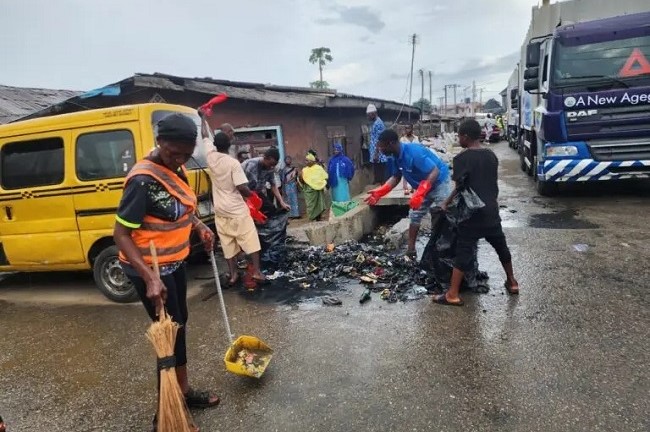
The Lagos Waste Management Authority (LAWMA) says strong inter-agency coordination, early planning, and widespread public participation were key to the success of the recent statewide environmental sanitation.

Managing Director of LAWMA, Muyiwa Gbadegesin, disclosed this in an interview on Monday, April 27, 2026, in Lagos.

Gbadegesin said seamless collaboration among its teams, Private Sector Participation (PSP) operators, local governments, and enforcement agencies ensured effective coverage across the state.

Environmental sanitation exercise
Environmental sanitation exercise in Agege, Lagos

He noted that advance operational planning, including the strategic deployment of trucks, equipment, and personnel, enabled a smooth and efficient exercise.

Gbadegesin added that disposal infrastructure, including landfill sites and Transfer Loading Stations (TLS), were optimised ahead of the exercise to guarantee seamless waste reception and turnaround during evacuation.

According to him, intensive sensitisation campaigns boosted public compliance, while the active involvement of Local Government Areas (LGAs), Local Council Development Areas, and community leaders ensured grassroots participation.

He said targeted interventions at blackspots, markets, highways, and inner communities contributed to visible environmental improvements, supported by real-time monitoring and field coordination.

Responding to claims of non-evacuation of waste in some areas, LAWMA boss described such reports as misleading and not reflective of the actual situation on ground.

He explained that waste evacuation is a structured process carried out in phases, given the large volume generated during the exercise.

“Evacuation is not instantaneous but follows a coordinated operational schedule,” he said.

He added that PSP operators commenced evacuation immediately after the exercise across all jurisdictions.

He said the prepared disposal chain, supported by optimised landfill sites and TLS, was ensuring systematic and regulated waste processing.

The authority emphasised that it prioritises safe and proper disposal at approved facilities over rushed or indiscriminate clearance.

Gbadegesin said field reports across LGAs confirmed that evacuation was ongoing, while continuous monitoring and intervention were being carried out to support PSP operations where necessary.

He reaffirmed LAWMA’s commitment to sustaining the gains of the sanitation exercise through continuous evacuation, enforcement, and public engagement.

The managing director urged residents to support ongoing efforts by adhering to proper waste disposal practices.

By Fabian Ekeruche

G7 declaration recognises land degradation, drought as global security risks

 Ministers at the Group of Seven (G7) Environment Ministerial meeting, held in Paris from April 23 to 24, 2026, formally recognised desertification, land degradation and drought as systemic global challenges and security risk multipliers, committing to strengthen action on land restoration, drought resilience and sustainable land management.

These interlinked crises are already affecting ecosystems, livelihoods and food and water security, with growing implications for economic stability and peace, particularly in fragile and conflict-affected regions.

In their joint declaration, ministers stressed the strategic importance of addressing the land degradation–security nexus, highlighting how environmental pressures are intensifying competition over resources, contributing to displacement and heightening risks of instability. 

G7 France
Ministers at the Group of Seven (G7) Environment Ministerial meeting in France

In the past six decades, over 40 per cent of intrastate conflicts have been linked to disputes over natural resources, particularly land and water, underscoring the growing security implications of land degradation and drought. 

Land degradation already affects a significant share of the world’s land – up to 40 per cent – and costs an estimated $900 billion annually, with cascading impacts across food systems, water availability, economies and livelihoods.

Welcoming the declaration, the Executive Secretary of the United Nations Convention to Combat Desertification (UNCCD), Yasmine Fouad, said this political recognition must now translate into action, highlighting the gap between commitments and implementation.

“Land degradation and drought are no longer marginal issues. They are already shaping the daily lives of millions of people, affecting what they can grow, what they can eat and whether they can remain on their land,” Fouad said. “Restoring land is therefore an investment in peace, resilience and long-term stability. What is needed now is to match political attention with the financing and partnerships required to deliver results.” 

“We are not facing a knowledge gap. We are facing an implementation gap,” she added. “Countries have already identified their priorities and targets. The challenge now is real progress on the ground.”

This urgency is underscored by the scale of the challenge. An estimated 3.2 billion people already live in areas affected by land degradation, placing increasing pressure on food systems, livelihoods and social stability. Ministers highlighted that investment in land restoration and drought resilience remains insufficient and fragmented, calling for stronger alignment of public and private finance and greater coordination across international financial institutions.

In support of these commitments, the French Presidency announced initiatives such as the Nature & People Finance Alliance, aimed at scaling up public and private investment in nature and ecosystems.

These efforts are anchored in the declaration, which reaffirms the central role of the UNCCD in addressing desertification, land degradation and drought globally, and identifies the 17th session of the Conference of the Parties (COP17) to the UNCCD, to be held in Mongolia in August 2026, as a key opportunity to deliver concrete outcomes.

Looking ahead, Executive Secretary Fouad stressed that COP17 must now deliver tangible progress on land restoration and drought resilience.

“COP17 must be the moment where commitments on land restoration and drought resilience translate into visible progress, particularly in the most vulnerable regions,” she said.  

“It is an opportunity to bring land to the center of global economic and security discussions and ensure it is treated as a strategic priority.” 

Restoration of Kenya, Ethiopia wetlands to advance East Africa flyways conservation efforts

BirdLife has secured agrant from the Nando and Elsa Peretti Foundation (NaEPF), to support conservation efforts in Eastern Africa over the next three years. The funds will help to restore two sites important for migratory birds, namely, Lake Elementaita in Kenya and Lake Ziway in Ethiopia, all located in the eastern part of the African-Eurasian Flyway (EAEF). In addition, the funds will support capacity building of BirdLife Partners and other project stakeholders in the two countries.

Stretching from the Arctic tundra to the southern tip of African continent, the African Eurasian Flyway is used by more than two billion migratory birds of more than 500 avian species.  Further, the flyway includes numerous sites, which are vital for resting or stop over, feeding and breeding grounds for birds, and local communities’ livelihoods.

Flamingos
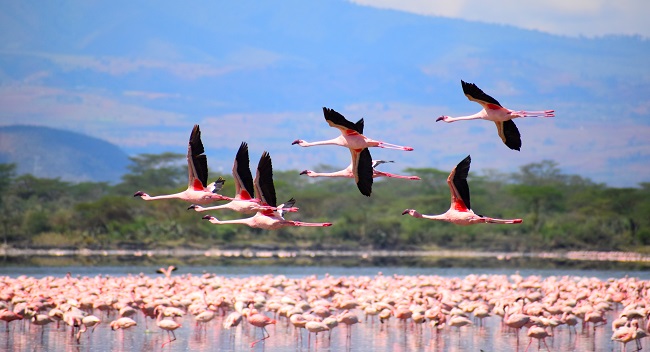
Flamingos flying over Lake Elementaita in Kenya. Photo credit: Aloise Garvey

Located in the Ethiopian Central Rift Valley region, and covering a surface area of over 440 square kilometres, Lake Ziway is home to more than 20,000 water birds including the emblematic Great White Pelican and the Lesser Flamingo. The lake forms part of the backbone of the local economy, supporting the livelihoods of about two million people. Over the years, pollution, agriculture, urban developments, and invasive plant species have degraded this wetland, threatening its ability to provide critical ecosystem services.

Lake Elementaita, in Kenya’s Great Rift Valley, covers 18 square kilometres, and a Key Biodiversity Area (KBA) as well as a UNESCO World Heritage Site. Further, the lake is a Ramsar Site or a wetland of international conservation importance, hosting major breeding colonies of the Great White Pelican and Lesser Flamingos in addition to being an important wintering ground for over 100 species of migratory birds. However, pollution, agriculture, infrastructure developments particularly powerlines, and climate change have negatively impacted the lake.

Through the project, two BirdLife Partners, Nature Kenya and the Ethiopian Wildlife and Natural History Society (EWNHS), will undertake various interventions at the site level, including raising awareness on the value of conserving flyways. Through the grant, BirdLife and its partners will reduce threats and support the sustainable management of these sites, build capacity of relevant conservation organizations and local communities for improved conditions of the sites for the benefit of nature and people.

Mengistu Wondafrash, Executive Director of the Ethiopian Wildlife and Natural History Society, said: “Not only is Lake Ziway the bloodline of the ecosystem of the Central Rift Valley of Ethiopia, supporting multitude uses, including irrigation, fishing, water supply and recreation, it is also one of the determining factors for the continuity of the lakes in the Ziway-Shalla Lake Basin system of the Central Rift Valley of Ethiopia, due to its great geochemical and hydrological significance to its immediate watershed and to all the nearby lakes.”

Paul Gacheru, Species and Sites Conservation Manager at Nature Kenya, said: “Lake Elementaita, an important migratory bird stop-over along the Rift Valley flyway in Kenya, face many threats, from power lines to road construction. This project is most welcome, as it will help us close a critical gap in our data collection for advocacy purposes. Having people on the ground gathering biodiversity data is invaluable.

“It is the foundation of everything we do. We rely on this evidence to guide our conservation actions and make the case for protecting places like Elementaita. This support from from Nando and Elsa Peretti Foundation gives us the opportunity to strengthen our fieldwork, and ultimately to amplify the voices of those who care most about this remarkable lake.”

Alex Ngari, Migratory Birds and Flyways Programme Manager, Africa at BirdLife International, said: “The pace of degradation of sites important for migratory birds in Eastern Africa is indeed worrying. Thanks to the funding from Nando and Elsa Peretti Foundation, BirdLife and the national Partners will work with stakeholders in Ethiopia and Kenya, applying our Flyways conservation model, to ensure that there is a secure future of the two sites for the benefit of migratory birds and local communities.”