Home Blog Page 2241

Financial disclosure is key to climate change

0

In this treatise, Mark Carney (Canadian economist who currently serves as Governor of the Bank of England and Chairman of the G20’s Financial Stability Board) and Michael Bloomberg (American business magnate, politician, and philanthropist, whose wealth is estimated at $43.3 billion) explore wow to make a profit from defeating climate change
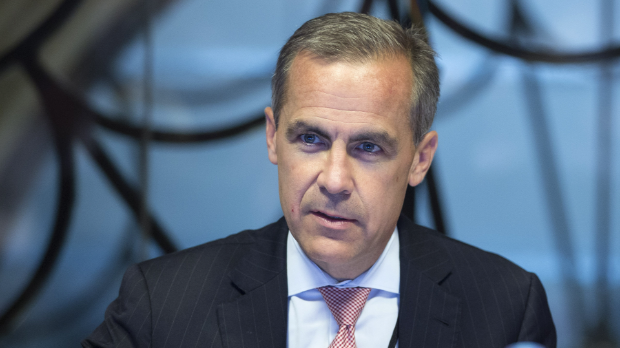
Mark Carney: defeating climate change can be profitable

From rising sea levels to more severe storms and more intense droughts, climate change will present serious risks to, and create major opportunities for, nearly every industry. Citizens, consumers, businesses, governments, and international organisations are all taking action. And entrepreneurs are developing disruptive technologies that will create and destroy value.

The challenge is that investors currently don’t have the information they need to respond to these developments. This must change if financial markets are going to do what they do best: allocate capital to manage risks and seize new opportunities. Without the necessary information, market adjustments to climate change will be incomplete, late and potentially destabilising.
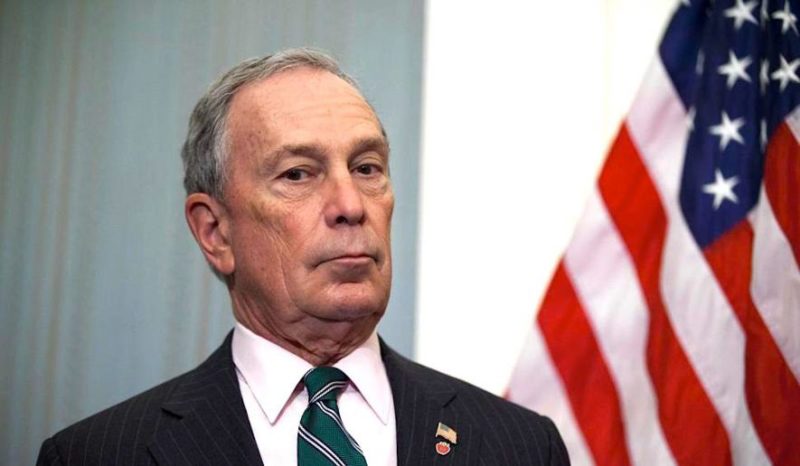
Michael Bloomberg

Public policy, consumer demand and technological innovation are driving a shift towards a low-carbon economy. Which companies and industries are most, and least, dependent on fossil fuels? And who stands ready to provide resilient and sustainable infrastructure? Which financial institutions are best positioned to gain and which to lose? In every case, which firms have the governance, resources and the strategy to manage, and profit from, these major shifts?

We believe that financial disclosure is essential to a market-based solution to climate change. A properly functioning market will price in the risks associated with climate change and reward firms that mitigate them. As its impact becomes more commonplace and public policy responses more active, climate change has become a material risk that isn’t properly disclosed.

In response to a G20 request to consider the financial stability risks, the Financial Stability Board created a taskforce on climate-related financial disclosures. Its purpose is to develop voluntary, consistent disclosures to help investors, lenders and insurance underwriters manage material climate risks. As befits a solution by the market for the market, the taskforce is led by members of the private sector from across the G20, including major companies, large investors, global banks and insurers.

After a year of intensive work and widespread consultation its recommendations are now publicly available. They concentrate on the practical, material disclosures most relevant to investors and creditors and which can be compiled by all companies that raise capital as well as financial institutions.

We are pleased that all taskforce members, companies with market capitalisation of $1.5 trillion and financial institutions responsible for assets of $20 trillion, have announced their support for the disclosure recommendations. We encourage others to participate in the consultation, to become early adopters thereafter, and to encourage the companies in which they invest to also make the disclosures.

A year ago in Paris, 195 countries committed to limit the rise in global average temperatures to less than 2C. With better disclosure, a market in the transition to that world can be built. That market will expose the likely future cost of doing business, of paying for emissions, and of changing processes to avoid both those charges and tighter regulation. And it will help smooth price adjustments as opinions change, rather than concentrating them in a short, dangerous space of time.

Of course, given the uncertainties around climate, not everyone will agree on the timing or scale of adjustments required to achieve this goal. But the right information will allow optimists and pessimists, sceptics and evangelists, to back their convictions with their capital.

Early disclosure rules allowed 20th-century financial markets to grow our economies by pricing risks more accurately. The spread of such standards internationally has helped lift more than a billion people out of poverty. Climate-related disclosures could be as transformative for 21st-century markets.
Delivering health for all with taps and toilets in Nigeria’s clinics

0

On Universal Health Coverage Day, we need to talk about why water, sanitation and hygiene must be included in the health conversation, writes Michael Ojo, Country Director, WaterAid Nigeria

Dr. Michael Ojo, WaterAid Nigeria’s Country Director

In so many ways, Nigeria is a study in contrasts. An ambitious middle-income country and Africa’s largest economy, it also struggles to provide some of the most basic of services to its residents.

An estimated one third of Nigerians do not have access to clean water, and two thirds do not have safe private toilets. And one in three healthcare facilities does not have access to water, according to a World Health Organisation (WHO) landscape survey.

If we are to achieve better health for everyone, everywhere, we need universal health coverage  - the ability for all to have good health, and to get the healthcare they require, without incurring financial hardship.

This also means looking at what underpins good health: their environment, the air they breathe, the food they eat, and whether they have clean, safe water to drink, a decent private toilet to relieve themselves in, and a way to keep themselves and their surroundings clean and hygienic. At the moment, we are failing on this mission.

Imagine it for a moment: a health centre with gallons of water in jerry cans lined up outside, purchased because the taps are dry. Lab technicians left to wash out samples of faeces or urine in a hospital sink using bottled water. And very ill patients or pregnant women with no choice but to use a single, fetid, overflowing squat toilet.

This is the reality for healthcare staff in many health centres around Abuja, where WaterAid documented some of the realities of their working days trying to treat patients with dignity.

Compounding the risk for patients and healthcare professionals is Nigeria’s fast-growing struggle with antimicrobial resistance. Of the 10 million deaths from antimicrobial resistant infections predicted by 2050, an estimated 4.1 million would likely be in sub-Saharan Africa, where clean water, good sanitation and rigorous hygiene practices, which are critical to preventing infections in the first place, are often lacking.

People don’t want to go to dirty clinics, so they are more likely to try to treat themselves with antibiotics without a prescription, resulting in misuse or overuse. Doctors and nurses may prescribe antibiotics as a preventative measure, standing in for the good hygiene they are unable to provide. And we have known for decades that adequate water supplies, good sanitation and rigorous hygiene practice can help prevent infection in the first place, reducing the overall need for antibiotics.

WaterAid is lobbying governments, donors and international organisations to change the situation not only in Nigeria but across the developing world. We are urging healthcare professionals to do the same, to ensure that everyone, everywhere has access to clean water, decent toilets and proper hygiene  – whether they are at home, at school or in a hospital.

The UN Sustainable Development Goals commit us to ensuring everyone has access to safe water, sanitation and hygiene by 2030. We want to see healthcare facilities prioritised  – no new hospitals or clinics should be built without these essential facilities.

Protecting people from disease and providing dignified, clean and safe care, is central to achieving universal health coverage in Nigeria and beyond.

On Universal Health Coverage Day, WaterAid is asking healthcare professionals to sign our global petition and to lobby their governments for safe, reliable access to water, sanitation and hygiene in all health facilities around the world.

U.S. builds first offshore wind farm

0

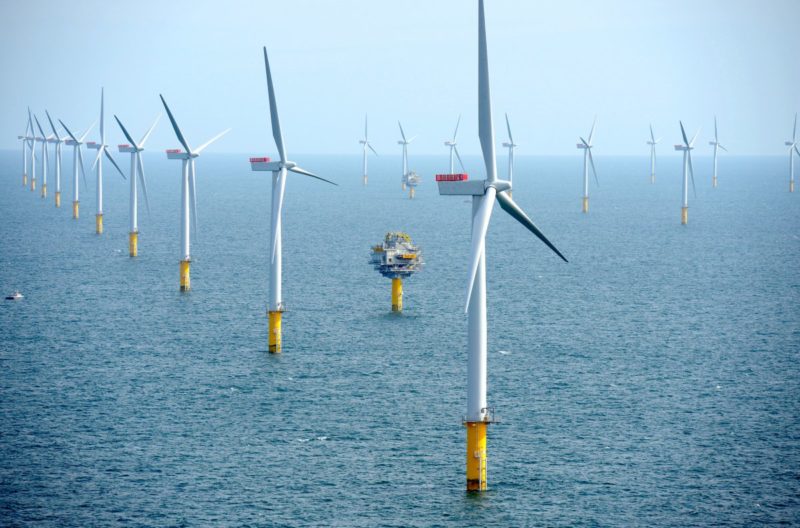
America’s first offshore wind farm has commenced commercial operations and is now sending electricity to New England’s grid, it was announced on Monday, December 12 2016.

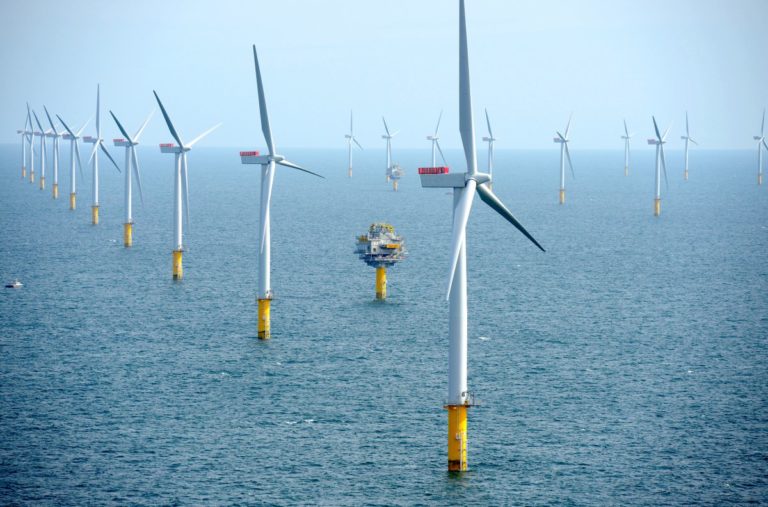
An offshore wind farm

The Block Island Wind Farm is located off the cost of Rhode Island and is a 30 megawatt, five turbine installation. A submarine transmission cable system is linking the energy produced by the wind farm to the grid, offshore developer Deepwater Wind said on Monday.

“Rhode Island is proud to be home to the nation’s first offshore wind farm – and I’m proud to be the only governor in America who can say we have steel in the water and blades spinning over the ocean,” Gina M. Raimondo, governor of Rhode Island, said in a news release on Monday.

“As the Ocean State, we’re motivated by our shared belief that we need to produce and consume cleaner, more sustainable energy and leave our kids a healthier planet – but also by this tremendous economic opportunity,” she added.

Over 300 local workers were involved in the development, construction and commission of the Block Island Wind Farm, Deepwater said.

According to the U.S. Department of Energy’s Office of Energy Efficiency and Renewable Energy, “offshore wind resources are abundant, stronger, and blow more consistently than land-based wind resources.”

While offshore wind is new to America, it is well established in Europe. According to WindEurope, the first six months of 2016 saw 114 commercial offshore wind turbines fully grid connected.

Back in the U.S., there was optimism regarding the offshore turbines now producing energy.

“This is a historic milestone for reducing our nation’s dependence on fossil fuels, and I couldn’t be more thrilled that it’s happening here in the Ocean State,” U.S. Senator Sheldon Whitehouse said.

“Congratulations to all of the many partners whose years of diligent planning and outreach have put Rhode Island at the forefront of clean energy innovation and positioned our offshore wind industry for growth.”

FAO creates new climate department

0

Members approve new Department of Climate, Biodiversity, Land and Water, plus work plan that better syncs with the SDGs

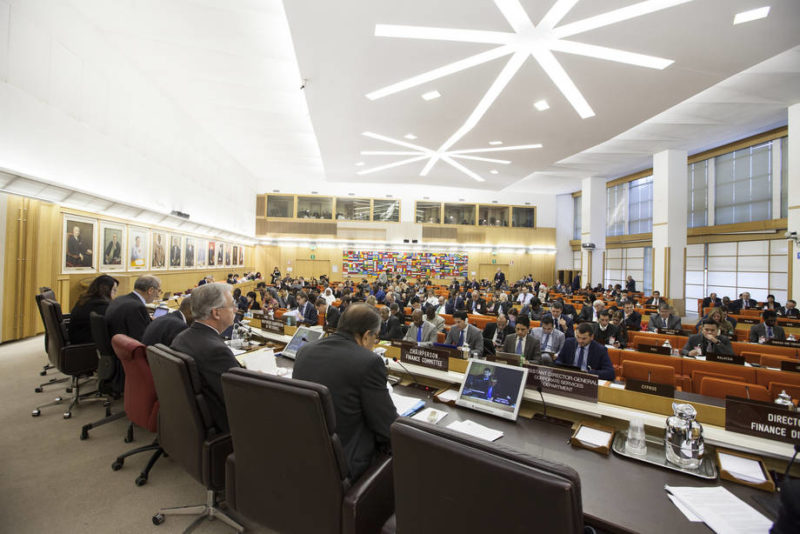
Deliberations during the FAO Council

The 155th session of the Food and Agriculture Organisation of the United Nations (FAO) Council that held recently in Rome, Italy has endorsed the creation of a new department focused on climate change and approving a fine-tuned strategic framework that fully aligns the organisation’s work with the 2030 Global Agenda.

Starting next year, the new Department of Climate, Biodiversity, Land and Water will lead FAO’s efforts to support countries in adapting food systems to climate change and fulfilling their commitments made under the Paris Climate Treaty. It will also oversee all FAO work related to the sustainable management of land and water resources which underpin global food production.

Speaking at the council closing session, FAO Director-General José Graziano da Silva thanked its members for endorsing the adjustments to FAO’s working structure, “And for recognising the urgency to enable FAO to better focus on the implementation of the Sustainable Development Goals, as well as the Paris Agreement.”

The FAO Reviewed Strategic Framework represents a light recalibration to the organisation’s work plans to reflect recent global developments – particularly the new 2030 Sustainable Development Goals that are now driving the international development agenda. It incorporates SDG metrics, indicators and targets indicators directly into FAO’s own progress monitoring framework.

The Council also approved the creation of a new office of the Chief Statistician to ensure a standardised approach to data reporting across FAO and agreed with the proposal to appoint an additional Deputy Director-General position, charged with overseeing the organisation’s  work related to technical cooperation, resource mobilisation, partnerships and South-South cooperation.

The newly approved strengthened management structure will bolster FAO’s ability to deliver technical and other assistance to countries as well as improve the quality of data used to monitor and evaluate progress.

The Council is the executive arm of FAO’s top-level governing body, the Conference of Members. Made of up 49 member nations elected for staggered three year terms, the Council convenes between sessions of the main conference to provide advice and oversight related to programmatic and budgetary matters.

Campaigners, at CBD/COP13, call for greater regulation on synthetic biology

0

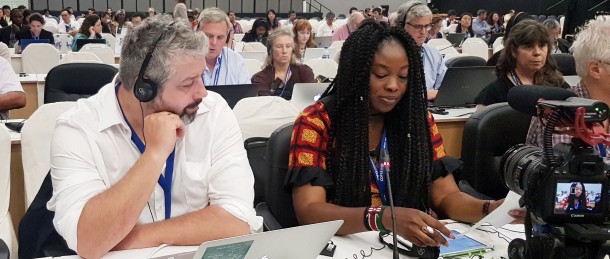
Mariann Bassey Orovwuje of the Environmental Rights Action/Friends of the Earth Nigeria (ERA/FoEN) and member of the Friends of the Earth International (FoEI) delegation at the 13th Meeting of the Conference of the Parties (COP13) to the UN Convention on Biological Diversity (CBD) in Cancun, Mexico, presented a statement on behalf of the Civil Society Working Group on Synthetic Biology during a plenary session, asking for more regulation on synthetic biology.

Mariann Bassey Orovwuje at the CBD/COP13 in Cancun, Mexico

Mariann warned: “Gene drives have quickly emerged as an extremely high risk synthetic biology application since the last COP and should therefore be placed under a moratorium.”

This was part of a request from 168 organisations worldwide, including the FoEI, who signed a “Common call for a global moratorium on gene drives”. The signatories want the moratorium to be effective on any further technical development and experimental application of gene drives and on their environmental release.


Gene drives can detrimentally alter ecosystems and boost agrochemical sales

Gene drives are a form of experimental genetic engineering technology which is raising a lot of concern within civil society. It consists of passing on a specific bioengineered trait to all or most of the offspring of a species so the trait becomes dominant in wild populations of the target species over a few generations. This technology can be used to eradicate invasive animal species for conservative purposes, weed species for agricultural purposes or insects like the mosquitoes that transmit malaria for health security purposes.

The problem is that, given the current state of scientific knowledge, it is not possible to predict the ecological impacts of the environmental release of gene drives. Eradicating a single species or modify its behavior can alter ecosystems. Suppressing a weed species can lead, for example, to the loss of habitat for animal species and the establishment of invasive ones.

Gene drives are developed using a gene editing system called CRISPR-Cas9. In agriculture, its development can boost agrochemical sales because there have been proposals to render weed species susceptible to proprietary agrochemicals (just like Monsanto rendered its GMOs resistant to Roundup).


Synthetic Biology needs an operational definition

Mariann Bassey called on the Parties to “adopt an operational definition of synthetic biology”, as the absence of a definition has already begun to obstruct work on this topic under the CBD and its Protocols (the Protocol of Nagoya and the Protocol of Cartagena) and has been used as an argument against examining the risk assessment of synthetic biology.

According to the Civil Society Working Group on Synthetic Biology – in which are also participating EcoNexus, Ecoropa, ETC Group, Heinrich Böll Foundation, The Sustainability Council and Third World Network – synthetic biology is “the next generation of biotechnologies that attempt to engineer, redesign, re-edit and synthesise biological systems, including at the genetic level”. The definition that the CBD and the Protocols should adopt “should include techniques for genome editing and genome synthesis”, stated the Group in its document “Synthetic Biology and the CBD”.


Digital sequencing can lead to digital biopiracy if not regulated

The Nigerian activist pointed out the need to address the “urgent issue” of digital sequences and biopiracy at the CBD level and the Nagoya Protocol level. “Rapid advances in sequencing and synthesising DNA mean that digital biopiracy is now possible, circumventing the rules on access and benefit sharing (ABS)” set up by the Nagoya Protocol, warned the Civil Society Working Group on Synthetic Biology in its document titled: “Synthetic Biology and the CBD”.

By ABS, the Nagoya Protocol means the sharing of the benefits arising from the utilisation of genetic resources and states that it must be done in a fair and equitable way.

The risk with genetic resources (DNA sequencing, for example), is that they can be transferred digitally and synthesised into living matter without physical exchange of biological material, “which poses major challenges to the many ABS systems that assume and utilise material transfer agreements,” wrote the Group. “It is important for the CBD to take a leading role in determining how to ensure that digital sequence information and gene editing are not used to amplify biopiracy and undermine ABS regimes.”


A need to address the Socio-Economic and Ecological impacts of Synthetic Biology

“The Convention requires an ongoing process to address the impacts of synthetic biology on sustainable use of biodiversity – especially the socioeconomic and indirect impacts”, said Mariann Bassey during the plenary. For example, some natural products are being produced with synthetic biology techniques by the synthetic biology industry instead of by farmers, and more synthetic biology products are in development – there is a huge risk that farmers lose their livelihoods.

Mariann Bassey also called on the Parties to address the issue of synthetic biology under the focus of biosafety, at the level of the Cartagena Protocol, where she said they should establish a process for the development of guidance on the basis of the outline on “Risk Assessment under the Cartagena Protocol” developed by the AHTEG. It is urgent given that synthetic biology is likely to lead to the development of organisms that will differ fundamentally from naturally occurring ones.

American voters support action on climate change

0

Against the backdrop of the incoming administration of U.S. President-elect Donald Trump and a new Republican Congress, a recent  national survey conducted shortly after the election by the Centre for Climate Change Communication, George Mason University, Fairfax, Virginia, finds that, across party lines, 69% of registered voters say the U.S. should participate in the international agreement to limit global warming, compared to only 13% who say the U.S. should not.

US president-elect, Donald Trump. The report includes insights about what kinds of climate change and energy policies American voters support and oppose

Likewise, 70% of registered voters support setting strict carbon dioxide emission limits on existing coal-fired power plants to reduce global warming and improve public health, even if the cost of electricity to consumers and companies increased – a core component of the EPA’s (Environmental Protection Agency) Clean Power Plan. Democrats (85%), Independents (62%) and Republicans (52%) all support setting strict limits on these emissions.

Other key findings include:

  • As strategies, 78% of registered voters support taxing global warming pollution, regulating it, or using both approaches. Only 10% oppose these approaches.
  • If Congress passes a fossil fuel tax, the most popular uses of the revenue are developing clean energy (81% of registered voters support), improving America’s infrastructure (79%), assisting workers in the coal industry, who may lose their jobs as a result of the tax (73%), and paying down the national debt (67%).
  • Half of registered voters (51%) think government policies intended to transition away from fossil fuels and toward clean energy will improve economic growth and provide new jobs. An additional 21% think it will have no impact on the economy or jobs. Only 27% think it will reduce economic growth and cost jobs.
  • Across party lines, a large majority of registered voters (83%) support generating more renewable energy on public land in the U.S. Comparatively less support more drilling or mining of fossil fuels on public land (47%).
  • Registered voters support a major investment in the nation’s infrastructure (69%) including majorities of Democrats (75%), Independents (58%), and Republicans (67%).
  • If Congress were to invest in the nation’s infrastructure, registered voters’ highest priorities are modernising and improving the nation’s roads, bridges, and highways, followed by water supply systems, and the electricity grid.

During the campaign, Donald Trump promised a major investment in the nation’s infrastructure. Across party lines, registered voters strongly support this proposal. Interestingly, they are also willing to support a carbon tax to fund these investments.

The report includes several more insights about what kinds of climate change and energy policies American voters support and oppose, broken down by political party and ideology.

Publication highlights indigenous peoples’ biodiversity positions

0

Representatives from indigenous peoples and local communities (IPLCs) have come together to launch the publication titled “Local Biodiversity Outlooks, Indigenous Peoples’ and Local Communities’ Contributions to the Implementation of the Strategic Plan for Biodiversity 2011-2020, a complement to Global Biodiversity Outlooks.”

Publication
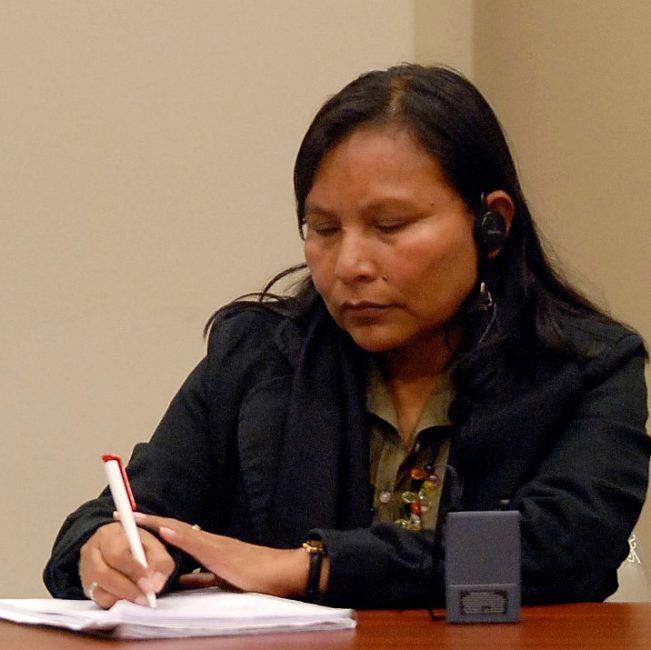
Florina Lopez, coordinator of the Indigenous Women’s Biodiversity Network from Latin American and the Caribbean

The publication is based on case studies from indigenous peoples living in countries as geographically diverse as Australia, Panama and Russia. It shares success stories and challenges faced by IPLCs in relation to biodiversity, conservation and sustainable use and development.

Florina Lopez, coordinator of the Indigenous Women’s Biodiversity Network from Latin American and the Caribbean, said: “This publication is an important window through which indigenous women can illustrate their own knowledge, experiences and initiatives that contribute to the objectives of the convention.”

Another contributor, Kamal Kumar Rai, from the Kirant tribe of Nepal, said: “For years when we went to get leaves, timber or grasses from the forest, we would always see the red panda. They were so peaceful, it made us happy to see them. They became a sign of good luck to us. Red pandas are endangered in the world, but in my community, the number of red pandas is increasing, and that’s because we protect their habitat.

“The role of indigenous peoples and local communities in protecting endangered and threatened species is something more people should know about; it is important that people respect our contribution to protecting this species. Sharing these examples is why this publication is so essential.”

Chrissy Grant, member of the Jabalbina Yalanji Aboriginal Corporation in Australia, said: “A publication like this is useful because it helps expose the issues communities are facing in managing, conserving and protecting local biodiversity. If more people know about these issues, then they understand more about what we do and why. It’s also important for us to make decision-makers aware of the extent of the issues that communities are facing so these are taken into account in local, national and international policies and laws.”

The publication was a collaboration between the International Indigenous Forum on Biodiversity (IIFB) and the Forest Peoples Programme, with support by the Secretariat of the Convention.

Ramiro Batzin, IIFB global coordinator and executive director of SOTZ’IL, said: “The publication is a vehicle for safekeeping the traditional knowledge of indigenous peoples and local communities for future generations.”

Joji Carino, coordinator of the IIFB working group on indicators and senior policy advisor at Forest Peoples Programme, said: “Indigenous peoples have first-hand knowledge about the state of biodiversity on the ground: as users and managers or as actors against threats from land use conversion. Local Biodiversity Outlooks collects reports from the biodiversity frontlines and is a necessary complement to national and global data and reporting.”

Maurizio Farhan Ferrari, environmental governance coordinator at Forest Peoples Programme, said: “There are many case studies within Local Biodiversity Outlooks illustrating the vital contributions of indigenous peoples and local communities to local and global biodiversity. This is just a small sample of the many and diverse ways in which indigenous people and local communities sustainably use and protect their lands and resources; recognizing and supporting their actions is one of the most effective ways to safeguard the future of the world’s biodiversity.”

Its key findings include:

  • Collective actions of indigenous peoples and local communities (IPLCs) are advancing the Strategic Plan for Biodiversity and all 20 Aichi Biodiversity Targets.
  • IPLCs’ lands hold much of the world’s biodiversity; supporting their actions can be one of the most effective ways to secure biodiversity conservation and sustainable use.
  • Biological and cultural diversity together increase resilience to social, environmental and climate changes.
  • Policy commitments on traditional knowledge and customary sustainable use must be translated into programmes and projects in partnerships with IPLCs.
  • Recognising customary land tenure and traditional occupations, and protecting human rights secure social well-being, and ecosystem and climate benefits.
  • Community-based mapping and monitoring complements wider data and reporting systems and promotes accountability for social, biodiversity, development and climate commitments.

Guterres sworn in as UN scribe amid Mohammed uncertainty

0

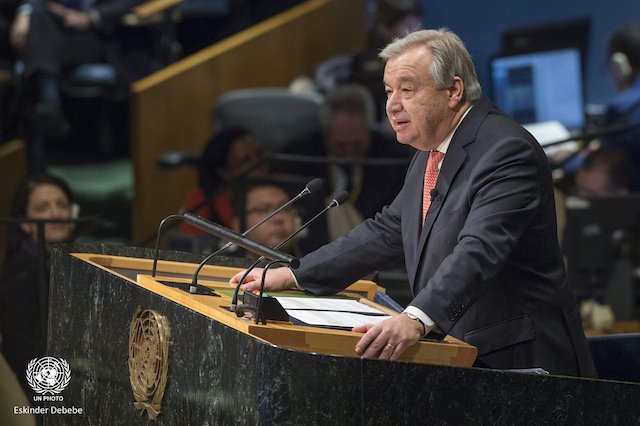
Antonio Guterres was on Monday, December 12 2016 sworn in as the ninth and next UN Secretary-General, but there are uncertainties concerning his deputy.

Antonio Guterres addresses the UN after the oath-taking ceremony

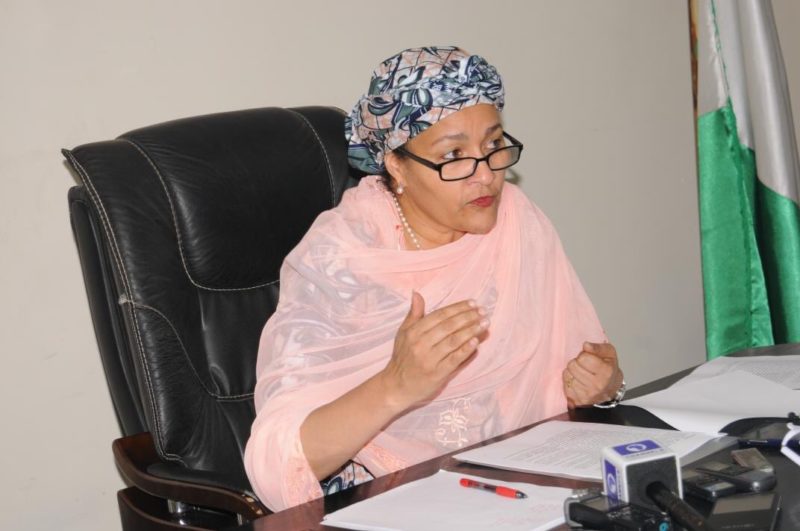
There have of recent been unconfirmed media reports that Amina Mohammed, Nigeria’s Minister of Environment, has been appointed as Deputy Secretary-General of the United Nations.

In fact, social and traditional media outfits had reported widely that Mrs Mohammed is set to be appointed UN Deputy Secretary-General.

A tweet by Pamela Falk, CBS news reporter for the United Nations, obtained by NAN, said that the world body would soon release a statement confirming the appointment of the Nigerian Minister of Environment.

She is expected to be deputy to Antonio Guterres, who will assume office as UN Secretary-General on Jan. 1, 2017.

Mohammed was appointed Minister of Environment by President Muhammadu Buhari in Nov. 2015.

Environment Minister, Amina Mohammed, briefing the press in Abuja recently

But, in a tweet on Sunday in Abuja, Malam Garba Shehu, Senior Special Assistant on Media and Publicity to the President, assured that Nigerians would be fully informed on any development concerning the matter.

He said: “There is a lot of exuberance on the net concerning a UN job for Mrs Amina Mohammed. She remains our Minister of Environment.

“If there is anything on this that is released officially, we will let Nigerians know. I am pleased to know that she enjoys so much goodwill.”

Mohammed was recently appointed by President Buhari to serve in the African Union (AU) Reform Steering Committee as Nigeria’s Representative.

Mohammed, who hails from Gombe State in North-East, had formerly served as adviser to the outgoing UN Secretary-General Ban Ki-Moon.

Guterres on Monday pledged to carry out a far-reaching reform of the global organisation to make it effective and efficient in its response to global challenges. Guterres, in his remarks after taking the oath of office, said he would reposition development at the centre of the UN’s work and ensure that the UN can change to effectively meet the myriad challenges facing the international community.

“The United Nations needs to be nimble, efficient and effective. It must focus more on delivery and less on process; more on people and less on bureaucracy.

“The United Nations was born from war. Today, we must be here for peace,” Guterres said after taking the oath of office at a ceremony before the 193-member UN General Assembly.

The incoming UN secretary-general noted that addressing root causes, cutting across all three pillars of the UN – peace and security, sustainable development and human rights – must be a priority for the organisation.

Guterres, a former Prime Minister of Portugal from 1995 to 2002 and former UN High Commissioner for Refugees from 2005 to 2015, would replace Ban Ki-moon from Jan. 1, 2017.

Ban will step down on Dec. 31, 2016 after leading the global organisation for the past 10 years. The incoming scribe was formally appointed by the General Assembly on Oct. 13, 2016 in what was the culmination of a historic process, which member States set in motion late last year.

The selection of a new UN Secretary-General, traditionally decided behind closed-doors by a few powerful countries, for the first time in history, involved public discussions with each candidate vying for the leadership position.

Monday’s ceremony opened with the General Assembly paying tribute to the outgoing secretary-general for his contribution to the work of the UN since Jan. 1, 2006.

Surge in methane emissions threatens climate progress

0

Global concentrations of methane, a powerful greenhouse gas and cause of climate change, are now growing faster in the atmosphere than at any other time in the past two decades.

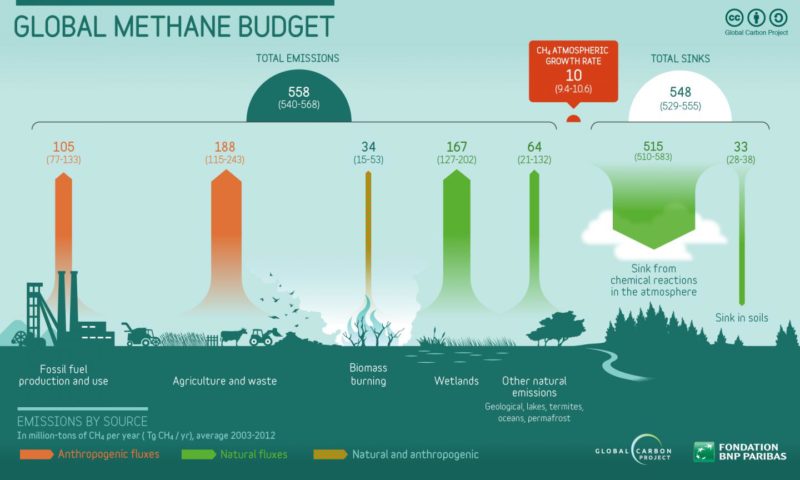
Methane emissions
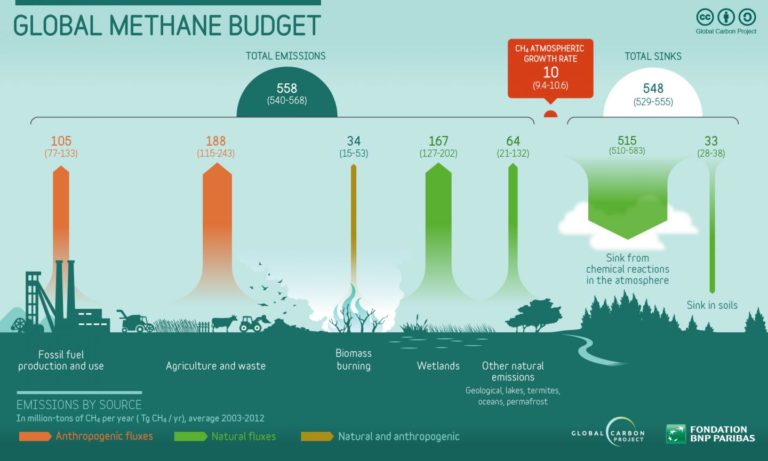
Methane emissions by sources. Photo credit: Global Carbon Project of Future Earth

That is the message of a team of international scientists in an editorial published 12 December 2016 in the journal Environmental Research Letters. The group reports that methane concentrations in the air began to surge around 2007 and grew precipitously in 2014 and 2015. In that two-year period, concentrations shot up by 10 or more parts per billion annually. It’s a stark contrast from the early 2000s when methane concentrations crept up by just 0.5 parts per billion on average each year. The reason for the spike is unclear but may come from emissions from agricultural sources and mainly around the tropics – potentially from farm sites like rice paddies and cattle pastures.

Scientists involved in the editorial will discuss these trends at a session during the fall meeting of the American Geophysical Union (AGU) in San Francisco on Tuesday, 13 December 2016.

The findings could give new global attention to methane – which is much less prevalent in the atmosphere than carbon dioxide but is a more potent greenhouse gas, trapping 28 times more heat. And while research shows that the growth of carbon dioxide emissions has flattened out in recent years, methane emissions seem to be soaring.

“The leveling off we’ve seen in the last three years for carbon dioxide emissions is strikingly different from the recent rapid increase in methane,” says Robert Jackson, a co-author of the paper and a Professor in Earth System Science at Stanford University. The results for methane “are worrisome but provide an immediate opportunity for mitigation that complements efforts for carbon dioxide.”

The authors of the new editorial previously helped to produce the 2016 Global Methane Budget. This report provided a comprehensive look at how methane had flowed in and out of the atmosphere from 2000 to 2012 because of human activities and other sources. It found, for example, that human emissions of the gas seemed to have increased after 2007, although it’s not clear by how much. The methane budget is published every two to three years by the Global Carbon Project, a research project of Future Earth.

Methane, Jackson says, is a difficult gas to track. In part, that’s because it can come from many different sources. Those include natural sources like marshes and other wetlands. But the bulk, or about 60 percent, of methane added to the atmosphere every year comes from human activities. They include farming sources like cattle operations – cows expel large quantities of methane from their specialised digestive tracks – and rice paddies – the flooded soils make good homes for microbes that produce the gas. A smaller portion of the human budget, about a third, comes from fossil fuel exploration, where methane can leak from oil and gas wells during drilling.

“Unlike carbon dioxide, where we have well described power plants, almost everything in the global methane budget is diffuse,” Jackson says. “From cows to wetlands to rice paddies, the methane cycle is harder.”

But a range of information – such as from large-scale inventories of methane emissions, measurements of methane in the air and computer models – suggests that this cycle has shifted a lot in the last two decades. Jackson and his colleagues, for instance, report that the growth of methane in the atmosphere was mostly stagnant in 2000 to 2006. But that changed after 2007.

“Why this change happened is still not well understood,” says Marielle Saunois, lead author of the new paper and an assistant professor of Université de Versailles Saint Quentin and researcher at Laboratoire des Sciences du Climat et de l’Environnement in France. “For the last two years especially, the growth rate has been faster than for the years before. It’s really intriguing.”

Saunois adds that this runaway pace could threaten international efforts to limit warming from climate change to 2 degrees Celsius. The research provides a strong argument that “we should do more about methane emissions,” Saunois says. “If we want to stay below 2 degrees temperature increase, we should not follow this track and need to make a rapid turn-around.”

Pinpointing where those methane emissions are coming from, however, isn’t easy. Many environmental advocates in North America have raised concerns that expanded drilling for natural gas in recent years could lead to a surge in methane emissions. But Saunois says that based on available data, the more likely source, at least for now, is agriculture. She and her colleagues aren’t sure what may be driving this increase. According to the Food and Agriculture Organisation of the United Nations (FAO), livestock operations around the world expanded from producing 1,300 million head of cattle in 1994 to nearly 1,500 million in 2014 – with a similar increase in rice cultivation in many Asian countries.

Saunois and Jackson argue, however, that the story isn’t all bad news. A number of researchers have experimented with different ways of reducing methane emissions from farms. Feeding cows a diet supplemented with linseed oil, for example, seems to reduce the amount of methane they belch out. “When it comes to methane, there has been a lot of focus on the fossil fuel industry, but we need to look just as hard if not harder at agriculture,” Jackson says. “The situation certainly isn’t hopeless. It’s a real opportunity.”

New site seeks to effectively communicate climate technology

0

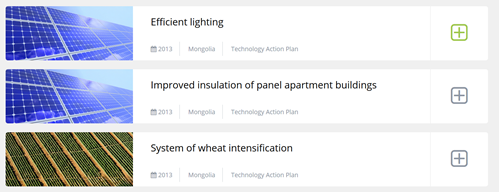
“Climate Technology – the UNFCCC home for technology”, a new website that showcases UN Framework Convention on Climate Change (UNFCCC) support to countries for climate technology action, was launched by the UN organisation’s secretariat on Monday, December 12 2016.

Climate technology: Examples of projects seeking support

“Just as technology was the main catalyst in the development of fossil fuels, so it is the driver of successful climate friendly solutions, especially low-emissions technologies such as renewable energy and energy efficiency and also including the many solutions to adaptation to extreme climate. It is therefore essential to reach the goals of the Paris Agreement,” says the UN body.

Called TT:CLEAR, the website aims to be a go-to tool for speeding up the  development and transfer of climate technologies. It contains easy-to-search databases for fundable technology projects and policies  that countries could implement in their drive to shift onto low-carbon and climate resilient development pathways.

Linked to this, the website will function as a key resource for countries as they implement their climate action plans – called nationally determined contributions (NDCs) – to achieve the Paris Agreement’s objectives.

The website is also the home of the UNFCCC Technology Mechanism. It contains comprehensive information on its Technology Executive Committee (TEC), including the TEC’s up-coming meetings and relevant documents. It also links to the Climate Technology Centre and Network, the implementing arm of the Technology Mechanism, which provides free technical assistance to developing countries on climate technology issues.

Furthermore, the website showcases developing country technology action plans seeking support  for implementation. It also contains information on the technology needs assessments that developing countries undertake to scale up implementation. The website highlights technology activities that developed countries have supported  in developing countries.

Finally, the new TT:CLEAR also contains information about support for climate technology activities, including links to finance sources.