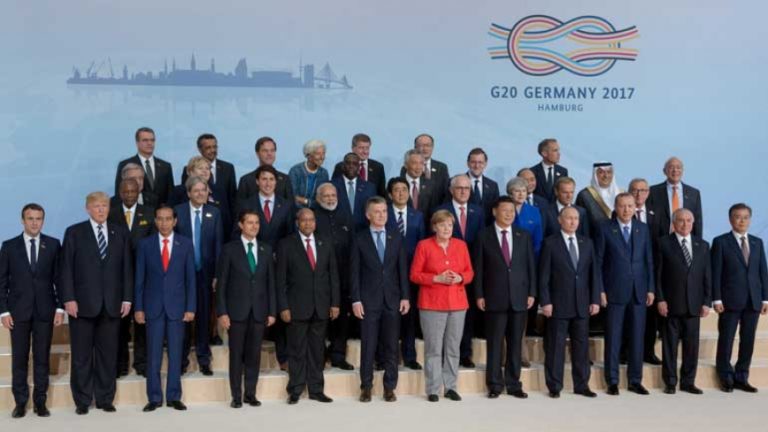
Leaders of the G20 group of nations at the weekend stated that the Paris Agreement on Climate Action is “irreversible”, even as they agreed a climate and energy action plan which appears to set out concrete steps to accelerate the world’s transitions to low carbon and greater resilience to climate change.
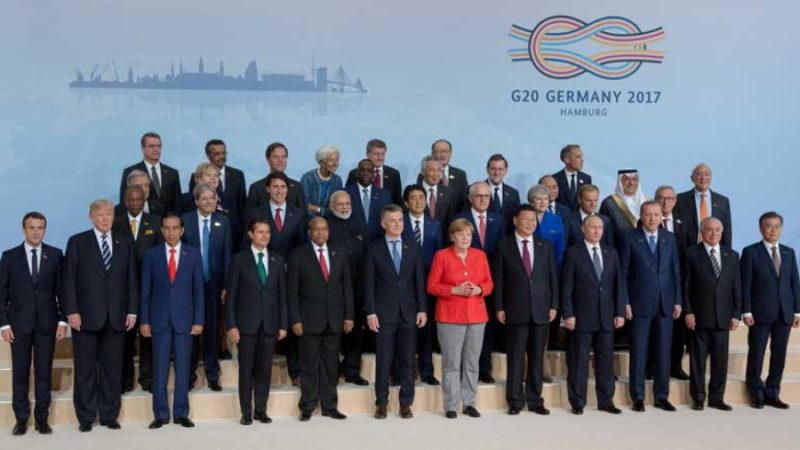
Total climate commitment: G20 leaders at the Hamburg summit
In the leaders’ declaration that emerged at the end of the G20 Summit in Hamburg, Germany, the heads of state and government said they recognise a “strong economy and a healthy planet are mutually reinforcing” and underscored the many opportunities for innovation, sustainable growth, competitiveness, and job creation that can be brought about through increased investment into sustainable energy sources and clean energy technologies and infrastructure.
Whilst “taking note” of the decision of the United States of America to withdraw from the Paris Agreement, the leaders wrote in a statement that they are collectively committed to mitigate greenhouse gas emissions through, among others, increased innovation on sustainable and clean energies and energy efficiency, and work towards low greenhouse-gas emission energy systems.
The heads of state and government, who reiterated their support for the Paris Agreement, also underlined the importance of fulfilling the commitment by developed countries under Paris in providing “means of implementation” – so notably climate finance – to developing countries in order to both reduce greenhouse gas emissions and adapting to the inevitable impacts of climate change.
In the G20 Hamburg Climate and Energy Action Plan for Growth issued at the end of the meeting (with the United States reserving its position on this particular document), leaders emphasised the “urgency and priority of accelerating the implementation of pre-2020 commitments and actions.”
This is in line with the central tenet of the Paris Climate Change Agreement to raise ambition so that the central goal of the agreement can be met, namely to the limit the global average temperature rise to well below two degrees Celsius.
“Mobilising climate finance from private sources will be key to addressing significant investment needs for both adaptation and mitigation. Public finance will continue to play a significant role,” they wrote.
Other means to achieve the goals of Paris outlined in the plan are to increase joint efforts to promote energy efficiency, scale up renewable energy, phase out inefficient fossil fuel subsidies and to align financial flows with the goals of the Paris Agreement.
Finally, G20 leaders expressed their support for the Marrakech Partnership for Global Climate Action and encouraged the further engagement of cities, regions, companies, investors and a multitude of non-state actors to support governments in implementing the Paris Agreement. And they encouraged these actors to register their actions through the NAZCA platform of the UN Framework Convention on Climate Change.
The Government of Liberia recently received $805,000 as part of a $2.2 million Green Climate Fund (GCF) grant to support its national climate adaptation planning process. The release of funds to the West African country represents GCF’s first transfer of adaptation resources to a least developed country (LDC).
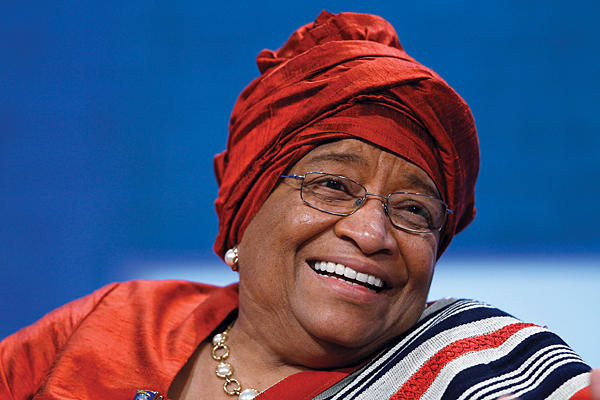
Ellen Johnson Sirleaf, President of Liberia
Liberia will use the GCF funds to kick-start a cross-government approach to integrate climate change adaptation throughout key ministries, agencies and authorities, and to develop corresponding strategies. The focus area of the grant was identified by the government following a national stocktaking exercise that found limited inclusion of climate adaptation considerations in coastal planning and key sectors like agriculture, energy, forestry and health that would be adversely affected by climate change.
The government also plans to use grant resources to boost the institutional capacities of two front-line offices – the Environment Planning Authority and the National Climate Change Secretariat – that have been mandated to drive Liberia’s climate adaptation efforts, as well as to ensure all adaptation activities are gender-responsive.
GCF’s support for adaptation planning reflects its role in assisting developing countries, including the poorest, to identify their medium- and long-term needs to adapt to the impacts of climate change. A country-driven process, adaptation planning aims to enable policies, strategies, programmes and investment that reduces a country’s vulnerability to climate change.
In addition to Liberia, GCF resources for adaptation planning have been approved for Nepal and Pakistan. Seventeen other countries have submitted proposals for adaptation planning support through the Fund’s Readiness Programme, all of which are currently being reviewed in coordination with the countries’ respective National Designated Authority (NDA).
GCF’s adaptation planning support programme provides up to $3 million per developing country for the formulation of national adaptation plans (NAPs) or other adaptation planning processes. GCF aims for a floor of 50 percent of Readiness Programme funding to particularly vulnerable countries, including LDCs, Small Island developing States and African States.
Parties to the United Nations Framework Convention on Climate Change (UNFCCC) have committed to support adaptation planning activities in developing countries, which was first articulated in the 2010 Cancun Agreement and further strengthened in the 2015 Paris Agreement on Climate Change.
About 25 Nigerian athletes will this week depart for Bahamas to represent the country in the Commonwealth Youth Games.
Leader of Nigeria’s delegation and Head of Grassroots Development in the Ministry of Youth and Sports, Ademola Are, told newsmen on Sunday, July 9, 2017 that, with the level of preparation put in, a lot is expected from the nation’s contingent.
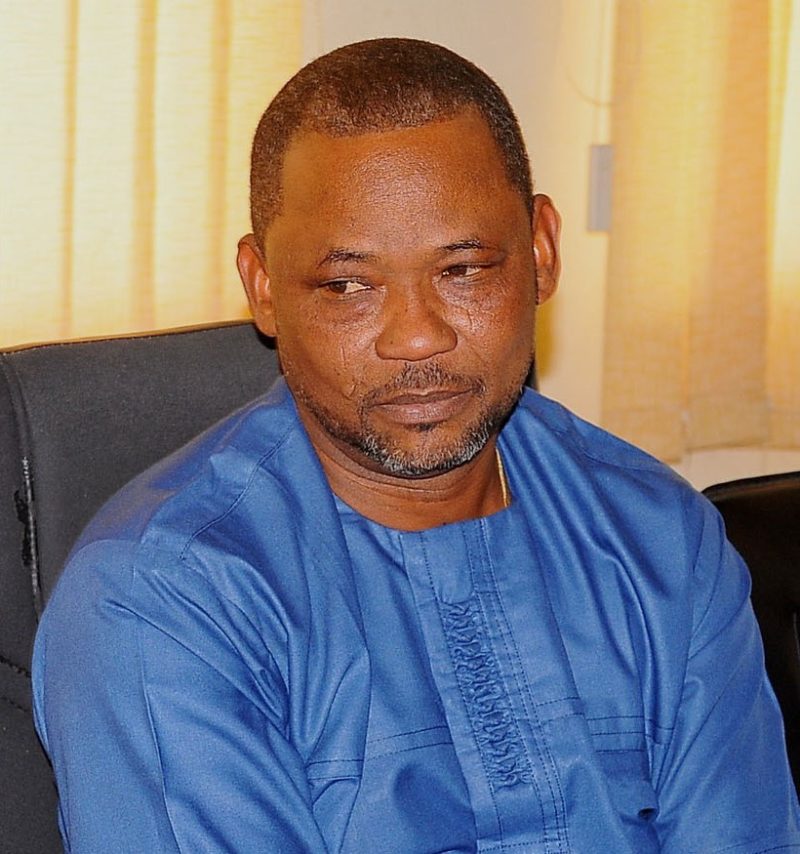
Head of Grassroots Development in the Ministry of Youth and Sports, Ademola Are
“As children, we have charged them on, to know why they are traveling and the need for them to go to the Bahamas and succeed.
“To whom much is given, much is expected, as much is expected from them to make Nigeria proud,” Are charged.
He also told newsmen that all traveling arrangements for the athletes have been well taken care of.
“All athletes have been cleared of visa issues, as we are able to meet all requirements.
“We actually have two options, to go through the US or UK; either of the two, no athlete would be dropped.
“Some would leave on the 12th of July, while some on the 14th because we cannot actually get a group booking on a particular airline we are traveling on, “Are concluded.
Nigeria is participating in seven sports, namely: Athletics, Swimming, Judo, Beach Volleyball, Tennis, and Boxing.
The Commonwealth Youth Games will take place from the 18th to 23rd of July, 2017.
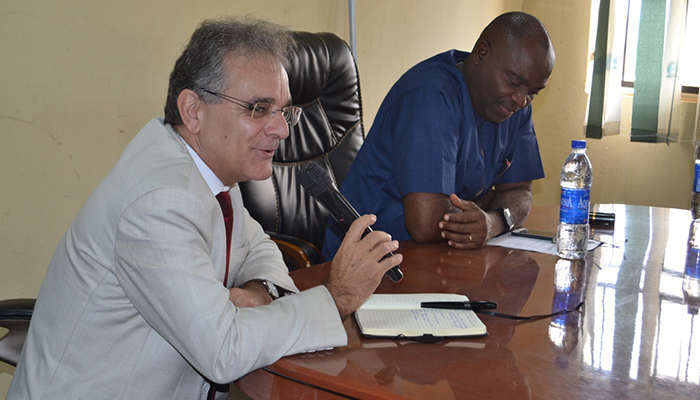
The French ambassador to Nigeria, Mr. Denys Gauer has reinstated the support of the French government to the partnership between Campus France, Abuja and the Federal University Ndfu-Alike Ikwo (FUNAI), Ebonyi State.
The French ambassador to Nigeria, Mr. Denys Gauer has reinstated the support of the French government to the partnership between Campus France, Abuja and the Federal University Ndfu-Alike Ikwo (FUNAI), Ebonyi State.
French ambassador to Nigeria, Mr. Denys Gauer (left), with Vice Chancellor of Federal University the Ndfu-Alike Ikwo (FUNAI), Prof. Chinedum Nwajiuba
The envoy made this known recently when he visited the Vice Chancellor of the university, Prof. Chinedum Nwajiuba, in furtherance of the post-graduate studies partnership between the university and the French government.
The partnership which is geared towards ensuring that young academics of the university pursue their Masters and PhD programmes in notable French public and private universities is the first of its kind between the government of France and any Nigerian university.
Speaking during the event, the ambassador who was represented by the Head of Cooperation and Cultural Affairs and Director of Institut Francais, Abuja, Mr. Arnaud Dornon, appreciated the Vice Chancellor for taking the bold step of ensuring that FUNAI becomes the first university in Nigeria to partner with the French government in the area of post-graduate studies.
The French attaché explained that the selected students would be exposed to better knowledge and know-how through the provision of unrestricted access to disciplinary laboratories and resource centres of different French universities that are relevant to their courses.
He added that most of the courses would be delivered in English language, stressing that the intending students were still expected to learn how to communicate in French language in other to be able to socialise properly with the people.
He further noted that unlike what is obtainable in America and other European nations, the tuition is free in French public universities while the private ones are affordable, emphasising that both foreign and French students are treated the same way.
Earlier the Vice Chancellor, Prof. Nwajiuba thanked the ambassador for his unalloyed support which made the partnership to see the light of day, noting that as a young university at a critical stage of defining its culture, the collaboration was apt and strategic.
He added that the university has already mapped out a land for the building of a French village, noting that French language has been made one of the compulsory General studies courses for students.
The Vice Chancellor further stressed that the partnership would ease financial burden on the students, even as it will also give them international exposure.
The first batch of FUNAI academics numbering about 20 that have been offered admission into French Universities to pursue either Masters or PhD programmes through the partnership will be leaving for France in September 2017.
Governments in the country have been urged to promote their tourism sector in order to accelerate youth employment, increase revenue from agriculture, and enrich rural farmers, among other benefits.
A professor of Economics, Ndubuisi Nwokoma, gave the recommendation in Lagos while presenting the Africa’s Economic Development Report for 2017, by the United Nations Conference on Trade and Development, UNCTAD.
After nearly one week of continuous rainfall in Lagos, and going by predictions that the rains may continue for another two weeks, there has been panic among Lagos residents that a widespread flood disaster May be imminent in the state.
The signs are already obvious in places like Victoria Island and Lekki, among others.
Correspondent Innocent Onoh went to town and filed in this report.
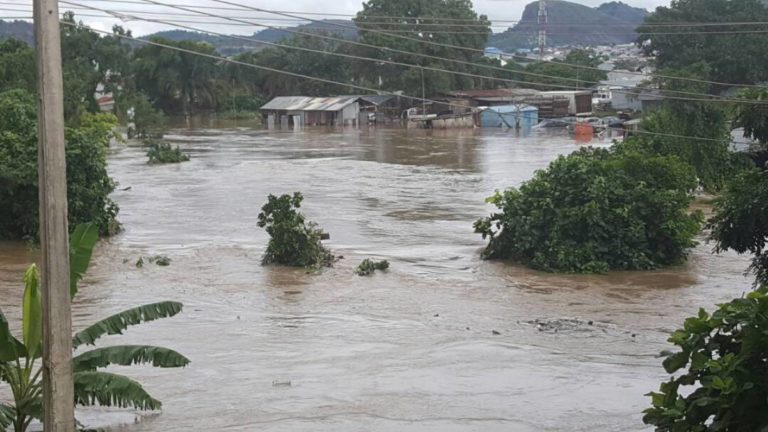
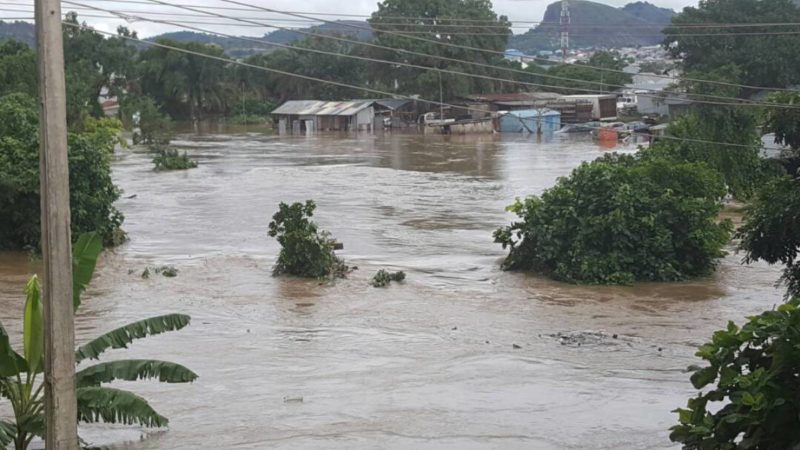
A flood, which followed many hours of downpour, displaced numerous homes and caused deaths in Suleja, Niger State on Sunday, July 9, 2017 witnesses said.
Flooded parts of Suleja. Photo credit: Sahara Reporters
Witnesses said eight members of a household were suspected to have died in the flood, which affected Suleja and Tafa Local Government Areas (LGAs) of the state.
The head of the household was said to have survived, but his two wives and six children were not that lucky.
The New Agency of Nigeria (NAN) reports that many families were affected, with household effects floating in the water.
Many people struggled to bale water out of their houses.
Mohammed Mohammed, the District Police Officer in-charge of Division ‘A’ Police station in Suleja, could not confirm the casualty figure, but said his men had visited the flood scenes.
Mohammed said: “The flood affected many people who built their houses along the river bank; many houses have been destroyed with unconfirmed number of deaths recorded.
“Police are providing security around the scene so that hoodlums will not cart away victims’ property especially those lying outside.”
Mohammed promised to furnish more details on the incident.
The National Emergency Management Agency (NEMA) was not also able to give details.
Meanwhile, Malam Abdulkareem Samanja, the Village Head of Hayin Nasarawa-Iku in the nearby Tafa Local Government Area, decried the loss of property.
Samanja said he was still awaiting report from ward heads on the incident.
At Suleja General Hospital, Musliu Mohammed, a 17-year-old boy recovered from the flood and brought into the hospital by sympathisers, was placed on admission.
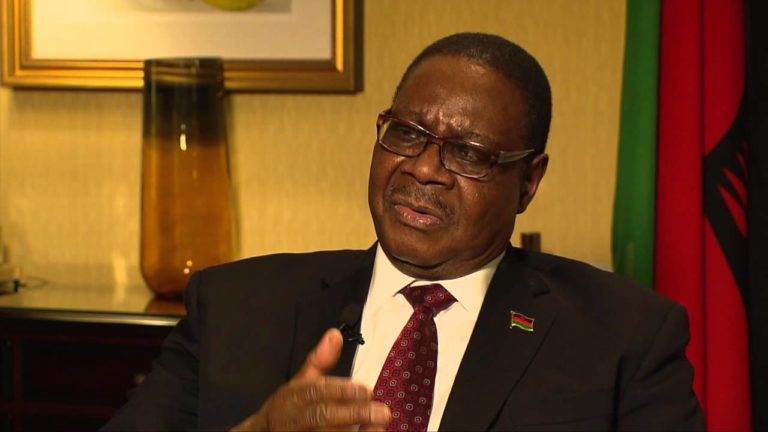
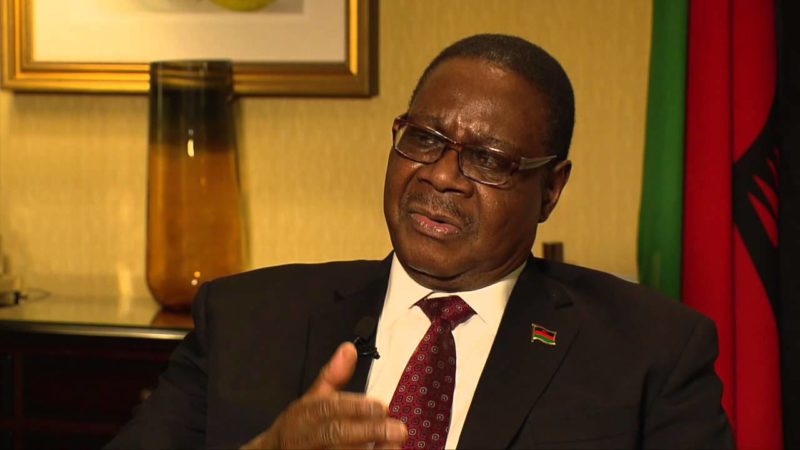
The Republic of Malawi on Thursday, June 29, 2017 deposited its instrument of ratification of the Paris Agreement on Climate Change.
Peter Mutharika, President of Malawi
The East African nation thus becomes the 153rd country to endorse the global treaty, after Egypt and Togo, which ratified the climate accord respectively on Thursday, June 29 and Wednesday, June 28 2017.
According to the United Nations Framework Convention on Climate Change (UNFCCC), Malawi’s ratification of the pact will enter into force in a month’s time on Saturday, July 29, 2017.
The Paris Agreement builds upon the Convention (UNFCCC) and – for the first time – brings all nations into a common cause to undertake ambitious efforts to combat climate change and adapt to its effects, with enhanced support to assist developing countries to do so. As such, it charts a new course in the global climate effort.
The Paris Agreement’s central aim is to strengthen the global response to the threat of climate change by keeping a global temperature rise this century well below 2 degrees Celsius above pre-industrial levels and to pursue efforts to limit the temperature increase even further to 1.5 degrees Celsius.
Additionally, the agreement aims to strengthen the ability of countries to deal with the impacts of climate change. To reach these ambitious goals, appropriate financial flows, a new technology framework and an enhanced capacity building framework will be put in place, thus supporting action by developing countries and the most vulnerable countries, in line with their own national objectives. The Agreement also provides for enhanced transparency of action and support through a more robust transparency framework.
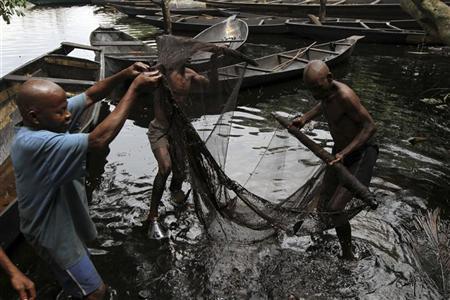
Nnimmo Bassey, Director, Health of Mother Earth Foundation (HOMEF), at the “FishNet Dialogue” held in Port Harcourt, Rivers State on Friday, July 7 2017, lamented that many fisher folks in the Niger Delta region have become fetchers of wood as the creeks and rivers have been so polluted that fishing has become largely unproductive
Fishermen sort out their fishing net at the bank of a polluted river in Bidere community in Ogoniland in the Niger Delta region. Photo credit: REUTERS/Akintunde Akinleye
True change can come from below. Change can begin from below. True change must come from below. Just as it is the root system that makes a tree stand, so it is with changes that must last. We have ignored the roots of our problems long enough and today we are dissecting those roots so that we can clearly see where the proverbial rain began to beat us.
Along the 853km coastline of Nigeria are men and women floating in turbulent tides, seeking to draw out the swirling foods that are in turn seeking their own food. There are epic struggles on and in our waters: our fishing brothers, sisters, mothers and fathers struggle to catch the aquatic beings. The aquatic beings struggle not just to escape the nets and hooks, but also to catch a breath as they are suffocated by myriad pollutants and poisons. These realities extend along the coasts of our inland water bodies as well as the continental shorelines of Africa and around the world.
And, so, our stop today is for reflections on the health of our aquatic ecosystems and the challenge of offshore extractive activities and the economic situation of our peoples. Similar dialogues have commenced in South Africa where fisher folks are fighting for a right to fish on the piers of the Durban harbour without restrictions that blocks them away known fishing grounds. We have also had similar conversations at Kribi, Cameroun, where the entrance of the Chad-Cameroun pipeline has destroyed coral reefs and fisher folks have to go deeper into the seas in hope of having a meaningful catch.
As we gather today on this challenged water front in Port Harcourt, our FishNet Dialogue will examine the past and the present and draw up a picture of our preferred future. We are looking back at what the fishing situation was in the Niger Delta before the extraction of petroleum resources despoiled the marine environment. We are reflecting on what species were available and what ecological norms our ancestors applied to ensure a steady supply of nutritious foods and how they built the local economies. We are looking at what has happened since our territories became an industrial waste dump, where mangroves have been destroyed by many factors and where fishing grounds have been largely curtailed by military shields ringing oil and gas facilities. We will touch on the rising sea levels, eroding coastlines and the salinisation of our fresh water systems. Importantly, we are reflecting on who are the culprits and what must be done and how.
Our hope is that, as we sit in this and other FishNet Dialogues, we will extend hands to other fishing communities along the entire coast of Africa (and beyond), share our stories and underscore the facts of our common humanity, our right to food and our right to live in dignity. We look forward to the day when it will dawn on all that fish is more valuable than oil. We are looking forward to the day when our voices will echo Fish Not Oil on our simmering tides. We are looking forward to the day when change will truly come from below and climate action will finally have as a pivotal hook the reality that offshore fossil fuels must be left untapped and unburned.
Fisheries contribute substantially to local economies and are a vital source of protein for most of our peoples. It is estimated that fisheries contribute up to N126 billion to Nigeria’s economy annually. Sadly, only about 30 percent of our fish needs are produced locally – and these come from artisanal, aquaculture and industrial fisheries. In the Niger Delta, it is a worrisome truth that many fisher folks have become fetchers of wood as the creeks and rivers have been so polluted that fishing has become largely unproductive. Fishing communities have been forced to depend on imported fish by pollution and by reckless and illegal harvesting of fish by foreign trawlers along our continental shelf. Starkly, some analysts believe that the Nigeria is the highest importer of fish in Africa.
It is time to challenge our policy makers to interrogate the essence of development and determine what truly makes economic sense. The offshore extractive sector employs a handful of citizens, but throws millions out of work due to the taking over of fishing grounds and the pollution of the creeks, rivers and seas. Although GDP measures do not put food on dining table or is not an index of well-being, for a notion of the economic implication, we consider the case of Ghana. As at 2011, the fishery industry accounted for nearly five percent of Ghana’s GDP and jobs in the offshore oil industry for Ghanaians were estimated to be around 400 with an expectation that this may double by 2020. Meanwhile, fishing directly or indirectly supported up to 10 percent of the country’s population. Think about that.
We must consider the grave impacts on the global climate by the world’s continued dependence on fossil fuels – an addiction that permits extreme extraction and the poking around for deposits in the deep sea. We question the economic sense of investing huge sums of money to set up drilling platforms and Floating Production Storage and Offloading (FPSO) stations in stormy, dangerous waters.
Offshore oil production involves environmental risks, the most notable one being oil spills from oil tankers or pipelines, and from leaks and accidents including facilities failure on the platform. The materials used in the process of drilling are also a source for worry. We cite the example of drilling muds used for the lubrication and cooling of the drill bits and pipes. The drilling muds release toxic chemicals that affect marine life. One drilling platform can drill several wells and discharge more than 90,000 metric tons of drilling fluids and metal cuttings into the ocean.
We also have to consider produced water, a fluid brought up with oil and gas and making up about 20 percent of the waste associated with offshore drilling. At exploratory stages, seismic activities send strong shock waves across the seabed that can decrease fish catch, damage the hearing capacity of various marine species and lead to marine mammal stranding. Many dead whales washed onshore in Ghana at the time seismic and oil drilling activities peaked in that country’s offshore. We also had similar experiences during offshore accidents, such as the Chevron rig explosion off the coast of Bayelsa State in January 2012.
Offshore oil rigs also attract seabirds at night due to their lighting and flaring and because fish aggregate near them. The attraction of fish to the rigs deprives fisher folks of access due to the naval cordon around the facilities. The process of flaring involves the burning off of fossil fuels which produces black carbon (a current menace around Port Harcourt) and constitute a source of greenhouse gases that compound the global warming crisis.
Fishery on the other hand has little or no negative externality on the people or environment. It is a source of food and food security as well. It is a source of job creation. And it does not harm the climate. Offshore extraction and its externalities point towards negative indicators and are prime sources of conflicts between nations. Our FishNet Dialogues aim to build local economies, fight global warming at the base and build a movement from below to ensure a liveable planet, support local economies and build peace.
The National Horticultural Research Institute (NIHORT) in Ibadan, Oyo State, has said that it will soon make a drought-resistant tomato variety available to farmers in the country.
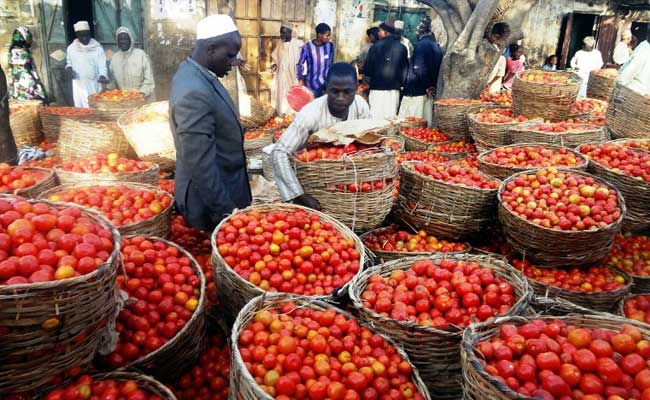
The tomatoes scarcity in markets forced Nigeria to import the item from Cameroon and Ghana. Photo credit: authorityngr.com
Dr. Olagorite Adetula, Director of Research and Head of Vegetable and Floriculture Department of NIHORT, disclosed this in an interview with the News Agency of Nigeria (NAN) in Ibadan.
Adetula said the drought-resistant variety would enable farmers to cultivate tomatoes all year round and eradicate scarcity of the food item during the dry season in the country.
Adetula also said all year farming would help to boost the income of farmers and improve the country’s Gross Domestic Product.
According to her, 80 per cent of most varieties of tomatoes presently in the country are lost during the dry season.
She said: “The drought-resistant tomato the institute is currently working on can with withstand dry season and bacteria wilt (Ralstonia Solanacerum) and fungi wilt (Fusarium Oxysporium) that usually destroy tomatoes during the dry season.
“We have tried the drought-resistant tomato variety with some selected farmers in Benue and Plateau States and it yielded very well in that location.
“But we still have to test this variety in different ecological zones and as well as follow the guidelines in releasing new varieties of seeds in Nigeria before we can release this drought-resistant tomato variety to farmers.
“As soon as the institute gets fund, we are going to try this variety in Ibadan, Kano, Gombe and Mbato in Imo among others, and then complete the necessary guidelines.”
Adetula further said most of the imported tomato seeds are not well adapted to the Nigerian environment unlike the new variety being introduced by NIHORT.
She said: “Most farmers spray chemicals to control disease and research has shown that no chemical can effectively control tomato disease, especially bacteria wilt, which affects tomato production.
“It is therefore necessary to develop an improved variety of tomato with tolerance to bacteria wilt. By God’s grace, we have been able to develop a drought-resistant tomato variety, which can withstand bacteria wilt.”