Home Blog Page 1983

Boko Haram, drought, pests destroy farms in Borno

0

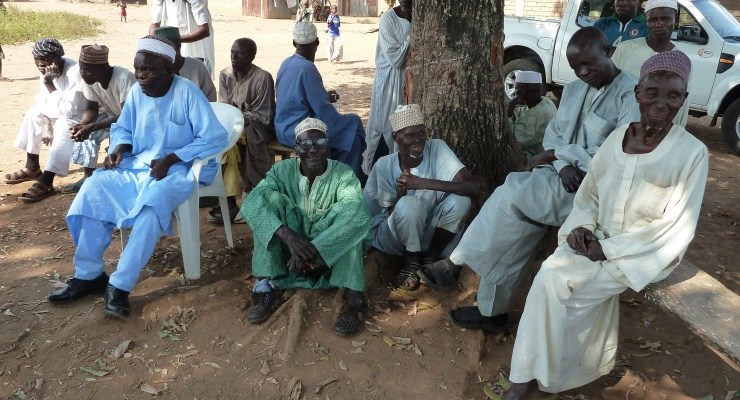
Boko Haram militants, drought and pests have combined to wreak havoc on farmlands in Borno State,  leading to low output and huge losses to the farmers.
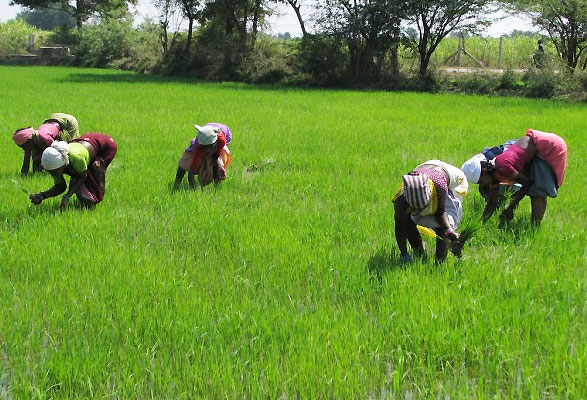
rice-farming
Rice farming

About  1,800 hectares of rice for instance  wilted due to drought in some parts of  the state, according to the farmers.

The News Agency of Nigeria (NAN) reports that some of the rice farms  were also affected by  pest infestation.

A cross section of the farmers who spoke to NAN at the Biriri and Koshebe rice plantations said that the destruction, by the combined forces,  dashed their hope of bumper harvest.

Hajja Amina Isa, a rice grower, blamed the pests and drought for her woeful cropping season.

Isa said that she planted her crops several weeks into the rainy season, adding that the rain stopped before the plants matured.

“There were delays in the distribution of farm inputs to enable us cultivate our land on time.

“Few weeks after planting the fields; the rain stopped. We complained, water pumps and tube wells were provided to enable us save the plants through irrigation. Nonetheless the plants wilted.

“Ravaging quelea birds further destroyed what remained of the plantations”.

Another farmer, Malam Bashir Gwoni-Ali, alleged that about 400 hectares of rice was destroyed by Boko Haram insurgents at various plantations in Mafa local government area of the state.

Gwoni-Ali said that the insurgents burnt and destroyed the produce at their farms.

He listed the affected farmlands to include Koshebe, Kachemari, Juwano and Dinge.

“I and other farmers cultivated rice and recorded bumper harvest despite threats by the insurgents.

“Unfortunately the insurgents destroyed the produce and we are left with nothing,” Gwoni-Ali alleged.

Also commenting, Grema Musa, the Secretary of the Coordinating Team, Walwane Agricultural Supply Company, one of the Anchor Borrower clients, disclosed that the company registered about 13,000 rice farmers in the state.

Grema disclosed that fertilisers, seeds, chemicals, knapsack sprayers, tube wells and water pumps were distributed to the farmers.

He added that funds were also disbursed to the farmers to facilitate farm labour activities such as tractor services, ploughs, harrowing and processing.

The secretary revealed that the company had so far mopped up 35,000 tonnes of paddy rice from the benefiting farmers.

He said: “We took stock of 27,000 tonnes of the commodities in Maiduguri and another 8,000 tonnes in Biu.

“More than 1,800 hectares of farmlands were destroyed due to drought and pest infestation”.

Grema listed the affected plantations as Juwano, Koshebe, Moloi, Auno, Jimtolo, Azia, Gongolon, Biriri and Masiya.

According to him, the company had filed a formal complaint to the Nigeria Agricultural Insurance Corporation (NAIC), to enable it assess the damage.

He called on farmers to repay their loans to enhance participation and ensure sustainability of the programme

The News Agency of Nigeria (NAN) reports that about 18,000 registered farmers were supported under the Anchor Borrower scheme during the 2016/2017 raining season activity in the state.

Anchor Borrower is a critical component of the Federal Government’s agriculture transformation programme designed to achieve self sufficiency in rice production.

The programme is being run in collaboration between the Central Bank, Bank of Agriculture (BOA) and state governments

By Rabiu Sani
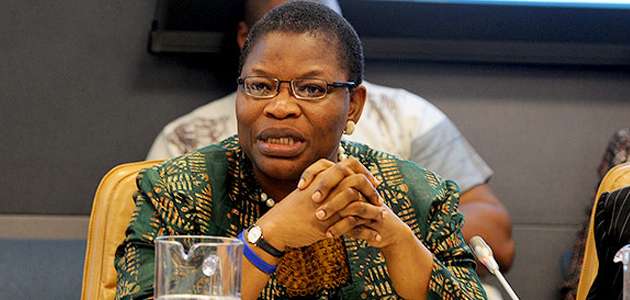
How I started ‘Pick That Trash’ with a single tweet – Oby Ezekwesili

1

Recently some members of the Abuja Pick That Trash movement (Trash Haters, as they are called) met with the initiator, Oby Ezekwesili, in Abuja to discuss ways of furthering the cause of achieving a cleaner Nigeria and changing the mindset of people towards environmental sanitation and waste management. Seyifunmi Adebote, Abija-based environmentalist and media consultant, wrote this report from the meeting

Oby-Ezekwesili
Former Minister of Education, Dr Oby Ezekwesili

According to the former Minister of Education and World Bank’s Vice President: “I had just returned from a visit to Morocco; unlike previous trips where I had to reside in the city, on this particular trip, I spent most of the time in suburbs and one thing struck me. The same cleanliness I saw in the cities was in the villages also. I became curious and started asking questions: ‘How are these people able to do this?’ The response I got was shocking. I was told that, some years ago, the King of Morocco was appalled by people’s indiscriminate waste disposal and how it was a menace to the environment; so, he gave an instruction that no one must litter the streets of Morocco. Over the years, the people of Morocco have grown with that mindset and they have been able to keep their communities spotless – both in the rural and urban areas.

“That was a challenge for me. I thought the same is possible in Nigeria too. When I came back in July 2017, I shared my thoughts on Twitter and asked passionately ‘Will you now join me to Pick That Trash?’ and the overwhelming response and energy of young folks led to the birth of Pick That Trash.”

From a single tweet with many retweets, Pick That Trash has become an initiative with active members across the length and breadth of Nigeria, all united to advocate for a clean Nigeria and change the mindset of people towards waste disposal and management. This they have been able to achieve through constant location clean up events, community sensitisation and innovative social media drive.

World Cancer Day: Group urges awareness campaign in rural areas

0

In the spirit of the World Cancer Day (WCD) observed on Sunday, February 4, 2018, the Women Hood Foundation has called on stakeholders to channel cancer awareness campaigns to the rural areas.

World Cancer Day
World Cancer Day: The red ribbon

Malam Nurudeen Bello, an official of the non-governmental organisation (NGO), said in Kaduna on Saturday at an awareness lecture that poor advocacy had left victims of cancer to die unattended to in rural areas.

“All individuals should be encouraged to play certain roles towards reducing the burden of cancer.

“This event gives us the opportunities to reflect on what we can do, making a pledge and taking action.”

Bello said that cancer is the second leading cause of death globally, with lung, prostate, stomach and liver cancer being the most common types in men.

“Breast, lung, cervix and stomach cancer are the most common among women.

“In Africa, most of the affected patients are the rural dwellers, who are mostly women. Hence, the need to take the campaigns to rural areas,” he said.

He expressed dismay over the poor advocacy on cancer in Nigeria, especially in the rural areas, where the perception is that, a victim of cancer is always on a death row.

According to Bello, reports indicate that, between 30 per cent and 50 per cent of cancer deaths could be prevented by modifying or avoiding key risk factors.

These factors include avoiding tobacco products, reducing alcohol consumption, maintaining a healthy body weight, exercising regularly and addressing infection-related risk factors.

The founder of Foundation for the Protection of Women and Children, Comrade Ramatu Tijjani called on all stakeholders to actively create awareness on cancer in rural communities to reduce the burden.

The 2018 theme for the WCD is: “We can, I can.”

Organisation sensitises Nigerians on early detection, treatment of leprosy

0

The National Tuberculosis, Leprosy and Buruli Ulcer Control Programme (NTBLCP) on Saturday, February 3, 2018 in Abuja held a road walk to sensitise residents of the federal capital city on the dangers of leprosy.

Leprosy
Leprosy patients

Leprosy is a disease caused by “germ’’, a bacterium which is airborne that affects the skin.

The sensitisation was organised by NTBLCP under the auspices of the Federal Ministry of Health, in partnership with Lion’s Club, and Junior Chambers International (JCI) to commemorate the 2018 World Leprosy Day

The day is often celebrated globally every last Sunday in January and is aimed at raising awareness on the need for early detection and treatment of the disease.

Dr Adebola Lawanson, the National Coordinator of the programme, told the News Agency of Nigeria (NAN) that the need to raise awareness had become important to ensure early diagnosis.

According to her, leprosy is an age long disease that requires proper awareness creation to enable people detect the signs and symptoms of the disease early enough.

“Early signs and symptoms of leprosy are skin patches, in the sense that the particular place will be lighter than other parts of the body.

“People should always take note, because when there are skin patches and you feel loss of sensation, you should suspect leprosy.

“When you burn your finger and you do not feel sensation, you need to go to the hospital for detection and medical treatment.

“The disease is curable, it is preventable if you detect it early enough, the drugs have been provided for free and the diagnosis is equally free.

“Leprosy is still here, therefore, the need for people to always take proper care of their health and go to the hospital, if they notice anything strange to ensure treatment.

“This is why we are here to sensitise the residents of Abuja on the importance of keeping their environment clean as well as practice of good hygiene to achieve zero leprosy in Nigeria.’’

In a separate interview, Mr Adebayo Peters, Focal person of the road walk, said that the sensitisation was in line with the global fights to reduce cases of leprosy to zero level.

According to Peter, who is also the Assistant Director of NTBLCP, we will achieve this by ensuring that everybody who has the signs and symptoms of leprosy is diagnosed and treated.

“By ensuring that everyone is informed on ways to access treatment, we will reduce the resultant disability that results from leprosy.

“Encouraging people to come out for early detection is one of the major ways to prevent them from disability, which is the only way we will be able to achieve zero disability,’’ Peters said.

Meanwhile, Mr Segun Aina, the Executive Vice President of JCI Nigeria, a Civil Society Organisation (CSO), told NAN that they were in partnership with government to promote awareness about dangers of the disease.

According to him, our beat is to enhance the awareness on the scourge of leprosy in the country and stem discrimination against persons with the disease.

Aina said; “what we hope to achieve is to bring down the level of discrimination considerably against people living with leprosy.

“To also let people know that leprosy is curable as against the traditional belief by people who think it is a curse and isolate affected persons.

“It is to let residents of the community know that the disease is an airborne and it is also not hereditary, therefore the need to guard against discrimination.’’

By Fortune Abang

Kigali summit explores climate change through gender lens

0

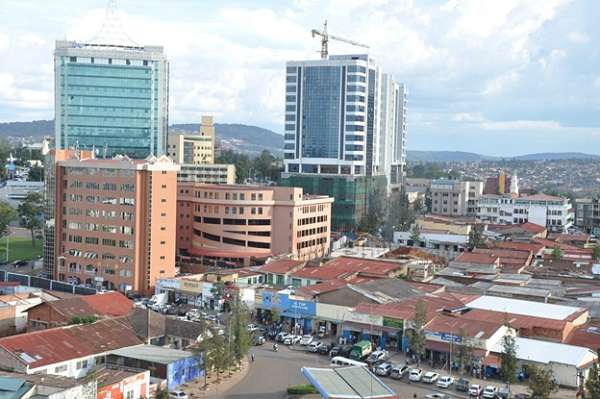
Kigali, the capital of Rwanda, will in March 2018 host the Gender Summit – Africa, the second in Africa but the 14th in the series since 2011.

kigali
Kigali in Rwanda

According to the organisers, the Gender Summit is a platform for dialogue between scientists, gender scholars and policy makers and is present in six global regions: Europe, Africa, Asia Pacific, North America, Latin America & Caribbean, and the Arab World. Around 7,000 experts and practitioners in gender issues in research, innovation and development have reportedly attended the summits since it started.

The Gender Summit – Africa is led by the African Institute for Mathematical Sciences in partnership with science institutions across Africa. It builds on the discussions and recommendations from the first Gender Summit – Africa in Cape Town in 2015 and advances the institutional collaborations started then, and in particular the UN Sustainable Development Solutions Networks and the Next Einstein Forum.

The two-day programme’s theme is: “Climate Change through the Gender Lens: Focus on Africa”, and includes a mixture of plenary and parallel sessions, as well as a poster exhibition, professional networking activities, and interlinked public engagement side-events.

Speakers will include leading researchers from African countries, and international experts, leaders in innovation, influential policy makers, and champions of evidence-led sustainable, socio-economic development.

They will discuss issues related to:

  • Opportunities and methodologies for interdisciplinary and cross-sector collaborations
    Measuring and monitoring research performance, quality, and impact
  • Integrating the values of inclusion and sustainability into research and innovation agendas and projects
  • Strengthening co-operation between key actors in and outside the science landscape in Africa
  • Connecting the reality of the UN Sustainable Development targets with technological advancements, and the vision of the 4th Industrial Revolution
  • Science knowledge making and application in the context of priority political and policy drivers

The mission of the Gender Summit events is to examine new scientific evidence showing when, why and how biological and socio-cultural aspects and differences between women and men (and more generally females and males) impact on research results and quality of outcomes.

The Gender Summit 14-Africa is organised under the patronage of the Government of Rwanda, and in partnership with AIMS WIS, Next Einstein Forum, AUC, EU, DST SA and other key players.

Climate change won’t be solved by removing excess CO2 from atmosphere – Report

0

Negative emissions technologies (NETs) – new technologies that aim to remove excess CO2 from the atmosphere – have “limited realistic potential” in meeting the Paris Agreement targets, according to a new report published on Thursday, February 1, 2018 by the European Academies’ Science Advisory Council, a body that brings together 29 European national science academies. The academies call for climate change mitigation efforts to be strengthened instead of relying on these (future) technologies.

Hoesung Lee
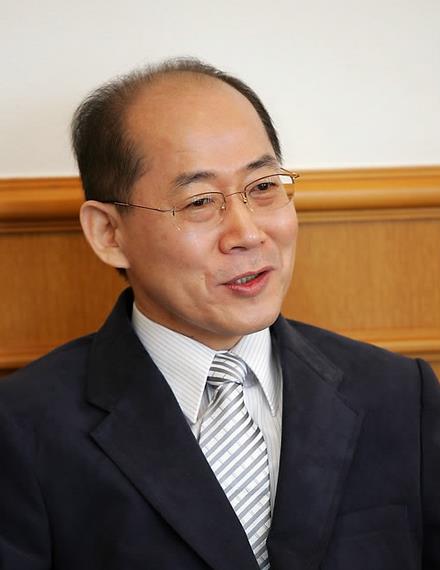
Hoesung Lee, IPCC chair. Photo credit: reneweconomy.com.au

The report finds that none of the NETs mentioned in the Intergovernmental Panel on Climate Change (IPCC) models can be deployed fast enough or can remove the gigatons of carbon that would be necessary. Moreover, the authors find the large-scale deployment of NETs “would result in high economic costs and likely major impacts on terrestrial or marine ecosystems.” The report notes that analyses of NETs have paid insufficient attention to impacts on the planet’s ecosystems. NETs include capturing carbon by using forests, carbon-friendly agriculture, bioenergy with carbon capture and storage (BECCs), enhanced weathering, ocean fertilisation, and direct air capture and carbon storage (DACCs).

The IPCC scenarios are highly dependent on the successful deployment of NETs. Of the scenarios listed in the IPCC database, the report notes that 344 of 400 – 86 per cent – of the scenarios that have a 50 per cent or better chance of meeting the Paris Agreement targets rely on “successful and large-scale deployment” of negative emissions technologies. “Without assuming that technologies can remove CO2 on a large – gigatons of carbon – scale, IPCC scenarios have great difficulty envisioning an emission reduction pathway consistent with Paris targets,” states Professor Mike Norton, Director of the Environment Programme at the European Academies’ Science Advisory Council (EASAC).

The authors of the report call for stronger attention to climate change mitigation today rather than waiting for the technologies of tomorrow. “Relying on NETs to compensate for failures to adequately mitigate emissions may have serious implications for future generations,” notes Professor Norton.

Nevertheless, the report notes that NETs may still have a useful role to play in addressing climate change, albeit at a smaller scale. The feasibility of implementing these technologies is likely to be location-, technology-, and circumstance-specific.

The IPCC’s Synthesis Report estimates that only 1,000 billion tonnes (1,000 gigatonnes (Gt)) of CO2 can be emitted between 2011 and 2100 for a 66% chance (or better) of remaining below 2°C of warming. According to the EASAC report, “Since the (IPCC) report’s publication, more than a fifth of the remaining budget has been emitted in just the past five years, and staying within this budget requires an end to carbon emissions from fuel production and energy conversion, transport and energy use by 2050.”

“Negative emission technologies offer no silver bullet to compensate for failure to adequately reduce emissions,” states Professor Norton.

World Wetlands Day: Urban wetlands are important for climate protection

0

From mangrove forests to coral reefs on the coast, to peatlands to floodplains inland, wetlands play a crucial role in the fight against climate change and help make urban areas more sustainable. On February 2, the universe celebrated the World Wetlands Day 2018.

Wetlands
A wetlands ecosystem

As societies implement the Paris Agreement to keep global temperatures well below 2 °C and as close as possible to 1.5 °C. Intact wetlands not only reliably store carbon, but also act as an effective barrier to the unavoidable impacts of climate change. Intact wetlands are the first line of defense against flooding in urban areas, acting as large sponges that absorb the flood waters.

Coastal cities, mangroves and saltmarshes work as the best natural defense against storm surges. And restoring damaged wetlands contributes towards the removal of carbon from the atmosphere.

Yet, wetlands are declining. More than 64% of the world’s wetlands have been lost since 1990, and as wetlands are destroyed, more carbon is released into the atmosphere, contributing to a global temperature rise.

With half of the world’s population now living in urban areas, with that number set to increase to 66% by 2050, there is an increasing tendency to encroach on wetlands to build and develop infrastructure.


What the UN is doing for wetlands

United Nations Environment Programme is taking necessary measures to protect, preserve and manage areas, like in Aruba, where UN Environment organised a wetland clean-up.

In addition, the United Nations Development Programme (UNDP) is working towards recovering native wetlands, for example in Colombia, in order to reduce vulnerability to climate change

World Wetlands Day: How wetlands influence cities

0

In the light of the theme of this year’s World Wetlands Day, Mechtild Rössler, Director of UNESCO’s World Heritage Centre, has listed the roles wetlands play for cities as well as the whole of humanity.

Mechtild Rössler
Mechtild Rössler, Director of UNESCO’s World Heritage Centre

Celebrated globally on Friday, February 2, the World Wetlands Day 2018 has “Wetlands for a sustainable urban future” as its theme.

According to Rössler in a special message, wetlands serve as a source of drinking water; they reduce flooding, and the vegetation of wetlands filters domestic and industrial waste and improves water quality.

Stressing that this year’s World Wetlands Day sheds light on the importance of wetlands for cities, the UNESCO director observed that, today, 50% of the world’s population live in urban areas. Forecasts, she adds, expect the urban population to rise to 6.3 billion by 2050 – a more than eightfold increase since 1950.

“While the urban proportion of the world’s population will more than double from 1950 to 2050, the number of the world’s wetlands has already more than halved over the past 100 years. However, wetlands play a vital role for cities and for the whole of humanity.”

On the occasion of the World Wetlands Day 2018, the World Heritage Centre says it welcomes the close collaboration between the Ramsar Convention and the World Heritage Convention, adding that, ss of today, more than 95 Ramsar Sites of International Importance overlap with more than 69 World Heritage properties. These also include cities such as the World Heritage site of Venice and its Lagoon.

Rössler adds: “World Wetlands Day 2018 highlights the need for effective conservation of urban wetlands to facilitate an urbanisation that is sustainable and that makes cities liveable. The importance of urban green spaces, including wetlands and peatlands, and how they can help cities in mitigating and adapting to the effects of climate change is also noted in the Global Report on Culture for Sustainable Urban Development, which was launched by UNESCO in 2016.

“The report calls for the implementation of actions harnessing the role of culture in sustainable, resilient and green cities and recommended the promotion of a liveable built and natural environment through the safeguarding of urban cultural and natural heritage. In the conservation of both natural and cultural heritage, the Ramsar and World Heritage Conventions can mutually support each other, as the report ‘Ramsar and World Heritage Conventions converging towards success’ shows. Building on the IUCN study ‘Managing MIDAs’, the report illustrates how dual Ramsar and World Heritage designations can be complementary and how they can offer widened conservation management objectives.”

The Standing Committee of the Ramsar Convention on Wetlands approved “Wetlands for a Sustainable Urban Future” as the theme for World Wetlands Day in 2018.

World Wetlands Day is celebrated every year on February 2. This day marks the date of the adoption of the Convention on Wetlands on February 2, 1971 in the Iranian city of Ramsar on the shores of the Caspian Sea.

Established to raise awareness about the value of wetlands for humanity and the planet, WWD was celebrated for the first time in 1997 and has grown remarkably since then.

Since 1997, the Ramsar Secretariat has provided outreach materials to help raise public awareness about the importance and value of wetlands.

Each year, government agencies, non-governmental organisations, and groups of citizens at all levels of the community, have taken advantage of the opportunity to undertake actions aimed at raising public awareness of wetland values and benefits.

Some of these benefits include: biologically diverse ecosystems that provide habitat for many species, serve as buffers on the coast against storms and flooding, and naturally filter water by breaking down or transforming harmful pollutants.

Remote Nigeria communities welcome child health programme

0

According to the World Health Organisation (WHO), the Integrated community case management (iCCM) is a cost-effective strategy that engages community health workers living in hard-to-reach areas to diagnose and treat three deadly but curable illnesses: malaria, pneumonia and diarrhoea.

WHO Nigeria
Miriam, a community health worker, diagnoses a sick child and provides treatment medicines. Photo credit: C. Kane/ WHO

We have travelled for over two hours from Minna in Nigeria’s rural Niger State. The final 45 minutes are on unpaved roads, and we exchange nods and waves as our jostling four-wheel drive vehicle passes people walking or tending to crops. Coming to a field ringed with trees, we exit the vehicles to walk down a precipitous trail leading to the village of Etsu Gudu.

Naumi, a community educator, offers a hand when someone stumbles on the steep path. She recounts how women have given birth on the mountainside, unable to complete the ascent while in labour. Still other women leave home for up to a month before giving birth, so they can be nearer to a health facility.

This is the reality, amidst the beauty and serenity of the pastoral landscape. There is plentiful water from the river that passes next to the village – enough for puddles that attract mosquitos. There are hills that insulate the community. There are plots of land for growing bananas, palm and kola nuts, food that supports the subsistence needs of the village’s 300 inhabitants. Children find playmates outside the door of almost every single-room house. And a school stands at the edge of the clearing where we find Mohammed El Hadj, the village head.


No children have died in three years

The village elders already have gathered, and women lift themselves from the front steps where they are drying grains and cleaning and weaving palm leaves. We are here to talk about Miriam.

Miriam is the health worker who was chosen by the community because she is well-respected, literate and trusted. With medicines supplied through the WHO Rapid Access Expansion (RAcE) programme, Miriam diagnoses and treats children under the age of 5 for the 3 killer diseases – malaria, pneumonia and diarrhoea – that cause 54% of child deaths in Nigeria. These diseases are preventable and curable.

In the 3 years since she was selected and completed training, no children have died in Etsu Gudu, and no children have been referred to the faraway hospital. She says, “as a mother and as a woman, I feel very happy and other married women feel happy. I enjoy the work.”


Extending health care to remote communities

Through WHO, the Government of Canada funded a 5-year grant to bring integrated community case management (iCCM) to remote communities in sub-Saharan Africa countries with a high disease burden. Nigeria, with neighbouring Democratic Republic of the Congo, accounts for about 40% of malaria cases and deaths worldwide.

Some key elements of effective iCCM implementation are recruitment of educated workers who live within remote communities, training and regular supervision, sustained supply of quality medicines, and community support and engagement. In Etsu Gudu, the community is saving up to buy a motorcycle that will reduce the amount of time needed to pick up the medicines each month.


Ministry leads multi-level partnership

“The programme is unique because it involves both the community and the health system,” says Dr Abosede R Adeniran, the Director of Family Health within the Nigeria Ministry of Health. “In Niger and Abia States, we now have local evidence that this is the way to go as it relates to addressing the unacceptably high under 5 mortality rate in Nigeria.”

Between 2013 and 2017, RAcE in Nigeria worked with local government and partners in Abia and Niger States to deliver activities, including recruiting and training community health workers and supporting the Ministry of Health to implement iCCM. When RAcE was implemented in these pilot states in 2013, there were 128 child deaths per 1,000 live births.

An external evaluation conducted in 2017 provides evidence that RAcE contributed to reducing child deaths in Niger and Abia states, and the Ministry of Health plans to extend iCCM to other states as part of its strategy to provide health coverage.


Equity-based programme

In areas like Etsu Gudu, the pleasures of rural life and close-knit communal living are balanced by subsistence-level incomes and limited, difficult access to health facilities. Arranging for a single sick child visit could mean missing one or more days of work, as well as costing up to one third of the family’s monthly income.

“Since iCCM came to the community, all children are safe,” says Etsu Gudu village chief, Mohammed El Hadj, offering the RAcE support team kola nuts, bananas and woven palm fans. “He who brings the kola nut, brings life,” he continues, referencing the Nigerian tradition of welcoming visitors and offering respect. “This iCCM has brought life.”

Nigeria ratifies Minamata Convention as 88th Party

0

The Government of the Federal Republic of Nigeria on Thursday, February 1, 2018 deposited its instrument of ratification, thereby becoming the 88th Party to the Minamata Convention.

Buhari-Paris-Agreement
President Muhammadu Buhari on Tuesday, March 28, 2017 in Abuja signed the instrument of ratification of the Paris Agreement on Climate Change

Cuba had just days before on Tuesday, January 30 deposited its instrument of accession to become the 87th Party to the global treaty that aims to control the negative impact of mercury.

Similarly, Lithuania deposited its instrument of ratification on Monday, January 15, 2018 thereby becoming the 86th Party to the Convention.

The Minamata Convention on Mercury (“Minamata Convention”) is an international environmental convention for global community to sswork collaboratively against mercury pollution. It aims at achieving environmentally sound mercury management throughout its life cycle. The Convention was adopted at the diplomatic conferences held in Minamata City and Kumamoto City in October 2013.

The 1st Conference of the Parties to the Minamata Convention (COP1), which gathered governments, intergovernmental and non-governmental organisations from around the world, held in Geneva, Switzerland from September 24 to 29, 2017.

The mercury accord entered into force on Thursday, May 18, 2017 after having garnered the required 50 ratifications.