Home Blog Page 1960

Group launches flagship energy efficiency centre

0

Asteven International Group, an indigenous renewable energy company in Nigeria, is set to launch what it describes as the first private sector financed comprehensive renewable energy and energy efficiency centre in the country – the Asteven Renewable Energy and Energy Efficiency Academy.
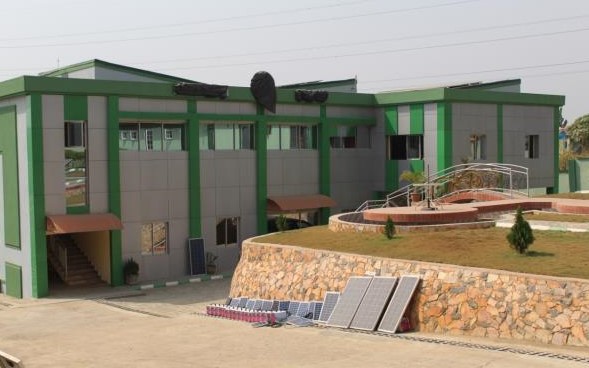
Asteven Centre
A view of the Asteven Renewable Energy and Energy Efficiency Academy

The academy, a 100% solar powered institute, is conceptualised to build technical know how and capacity, creating solar entrepreneurs, solar/renewable energy technicians, installers and engineers in its state-of-the-art facility equipped with high tech equipment.

The Academy disclosed in a statement made available to EnviroNews that it’s training curriculum and modules have been developed in collaboration with Global Energy Institutes.

“It is dynamic in nature with a strong focus on local content. It seeks to promote backward integration in the renewable energy sector and create green jobs for women, youths, and university graduates. Overall, it is set to address the skills gap that is so prevalent in the renewable energy sector in Nigeria,” the group stated.

The centre will be officially opened on Monday, February 24, 2018 by the Senate President, Dr. Bukola Saraki, with Governor Ibikunle Amosun of Ogun State as Chief Host.

Special guests include Minister of Power, Works and Housing, Babatunde Raji Fashola, and the Minister of Energy in Sierra-Leone, Henry O Macaulay.

The group pointed out that, over the years, the dearth of skilled manpower had impeded the growth of the renewable energy sector in Nigeria. Most renewable energy companies in Nigeria and indeed West Africa are presumed not to have the required technical capacity to embark on renewable energy projects, it adds, pointing out that this assumption is fueled by the array of failed renewable energy projects seen all over the country.

“As the first of its kind, the Academy has an obligation to provide superior, globally competitive training and specialist certifications to trainees at this state-of-the-art Academy. The Academy shall develop forward-looking curricula, identify career pathways, share labour market data and resolve issues related to trainings on Renewable Energy Technologies and workforce development. This shall be done through multiple offerings, including train-the-trainer workshops and webinars, distance learning courses, and mobile laboratory training modules.

“Associated with the Academy is the Centre of Excellence. This is the Entrepreneurship arm of the Academy that focuses on empowering the society in a more evolving environment dealing with energy issues. Trainees shall be provided with the requisite skillsets and opportunities to be entrepreneurs, contributing towards Nigeria’s socio-economic development.

“With the launch of the Academy, the renewable energy sector is poised to grow in Nigeria powering Eco-Development and driving enhanced Green Growth Awareness. The Academy is endorsed by the various associations in the industry in Nigeria including; the Council for Renewable Energy Nigeria, Renewable Energy Association of Nigeria and Sustainable Energy Practitioners Association of Nigeria. The Academy has built a strong partnership as well with Global Legislators Organisation for a Balanced Environment (GLOBE), Nigeria Chapter.”

Other subsidiaries of Asteven Group International are: AS Solar World, Green Energy Finance International Limited, Wave Engineering, AS Technics and Akpoyibo Green Foundation.


Aussie farmer who killed 100-year-old crocodile fined $8,000

0

An Australian farmer who shot dead an “iconic” 100-year-old crocodile because he was “sick of losing cattle” has been fined $8,000 (10,000 Australian dollars).

crocodile
A crocodile

The 5.2-metre crocodile was shot between the eyes in a river next to a farm in Rockhampton in central Queensland in September, 2017.

Luke Orchard, 31, pleaded guilty in court but said he was sick of the animal taking his calves.

He argued that he was protecting cattle at Belmont Research Station, where he was working.

Jess King, a police prosecutor, told the court that experts estimated the crocodile was about 100 years old, making it rare and of cultural significance to the region.

Crocodiles are protected animals in Australia.

They cannot be killed without authority from wildlife officers unless they pose a threat and the penalty for killing “iconic” crocs, which are more than five metres in length, is higher.

Wildlife experts warned that the death of the large crocodile would create a power vacuum in the local river ecosystem, resulting in young crocs becoming more aggressive as they battle for territorial dominance.

Rowan King, Orchard’s lawyer, said the property stretches for 13 kilometres along the Fitzroy River and it was the primary source of drinking water for the cattle in Orchard’s care.

But the Department of Environment never received any official report of livestock being taken from the property, the court was told.

“You knew that it was a protected animal, you knew there was a process by which the presence of the animal on that property could have been reported to authorities,” Judge Jeff Clarke said.

Group sensitises on dangers of bush burning, tree felling

0

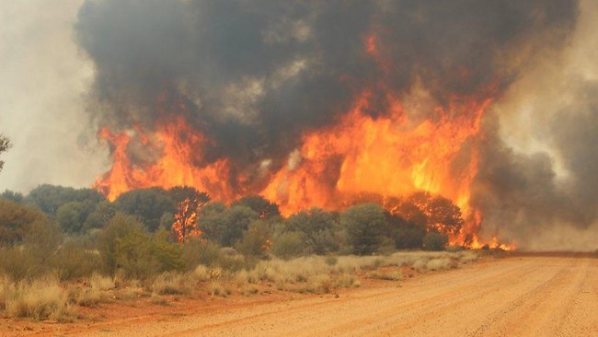
An international non-government organisation (NGO), African Climate Reporters, has embarked on a public sensitisation campaign on the effects of bush burning and tree felling on the environment.

Bush burning
Bush burning

Mr Mohammed Zakariyya, Director of the organisation in West Africa, made this known in Kaduna on Friday, February 16, 2018 in an interview with News Agency of Nigeria (NAN).

Zakariya, who said that the organisation would visit Gabarawa, Igabi Local Government Area of Kaduna State, stressed that “we want to educate the people on the dangers inherent in bush burning.

“Trees play a major role in climate control by moderating the effects of the sun, rain and wind.

“Leaves absorb and filter the sun’s radiant energy, keeping things cool, especially during the hot season, same as trees; they also provide a screen (partition) from harsh wind,’’ he said.

The climate expert said that the organisation was encouraging tree planting, as it was fundamental to combat deforestation.

“Part of our targeted areas include schools; we want to impart the culture of safeguarding the environment to the younger ones,’’ he said.

Zakariya said the sensitisation activity was aimed at safeguarding the environment and protecting the health of the people.

By Ezra Musa

How sustainable waste management can create employment

0

An environmentalist, Mr Bassey Ating, has advised the Federal Government to embark on sustainable waste management to create employment for the people.

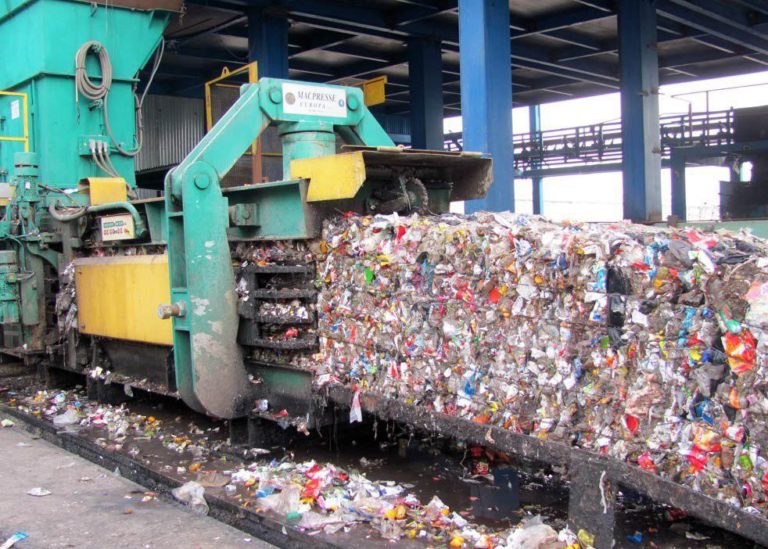
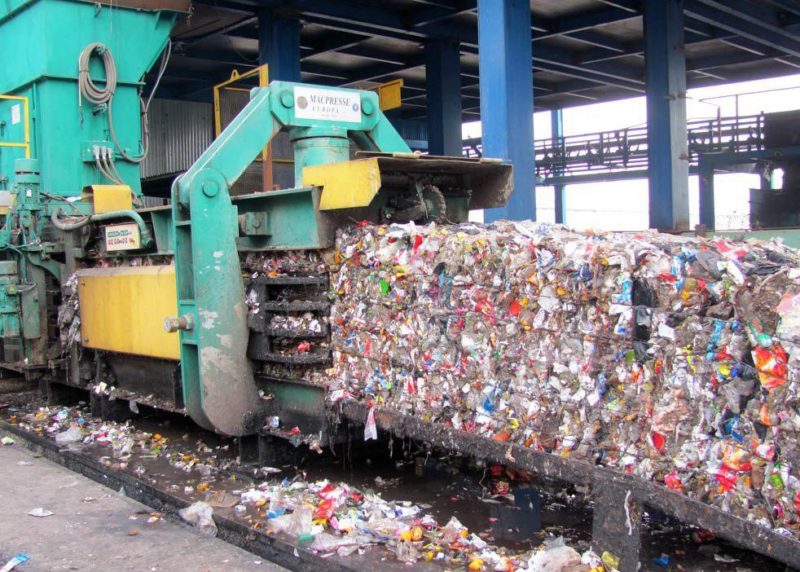
Waste recycling
Industrial waste recycling process

Ating gave the advice in Abuja on Friday, February 16, 2018 in an interview with News Agency of Nigeria (NAN).

He said that the generation, collection, processing and disposal of waste were important for both the health of the public and aesthetic and economic reasons.

‘‘Waste is anything discarded by an individual, household or organisation;  waste is a complex mixture of different substances, only some of which are essentially hazardous to health.

‘‘A sustainable waste management system should be considered as an essential part of economic resources in the country.

‘‘The goal is to stop tossing out items that we can be used again and again; it costs far less to recycle materials than it does to create new ones,’’ he said.

Ating noted that the nation’s population was increasing due to increased economic activities, especially in the urban areas, adding that this was affecting the waste management system in the country.

‘‘Even in the developing countries of the world today, waste is collected, sorted and treated to recover resources for use in order to minimise the overall harmful effects of the waste, while conserving resources toward a sustainable future.

‘‘It is high time for the Federal Government to key into the system, to recover the huge potential that is found in waste management system.

‘‘I think the government should act fast as the amount of waste we create in the country is increasing all the time,’’ he said.

Ating also recommended that government should educate the people on public health, sanitation and waste management issues, to bring positive attitudinal change.

He also called for the funding of research institutions towards establishing sustainable waste-to-wealth projects across the country.

By Okon Okon

UNFPA restates paths to improved adolescent reproductive health, family planning

0

The United Nations Population Fund (UNFPA) has renewed its readiness to assist Nigeria in her quest to improving adolescent reproductive health.

Diene Keita
UNFPA’s Country Representative in Nigeria, Dr Diene Keita

UNFPA’s Country Representative in Nigeria, Dr Diene Keita, expressed the agency’s commitment in an interview with the News Agency of Nigeria (NAN) on Friday, February 16, 2018 in Abuja.

NAN recalls that the UNFPA is supporting the Federal Government mainly through the federal and state Ministries of Health.

This is to strengthen their coordination role to increase access for adolescents and young people to sexual and reproductive health information and services, through enabling environments and community interventions.

An example was the support for the first National Adolescent and Health Development Technical Working Group after three years, which identified key areas for intervention for partner support.

“As a result of that meeting, UNFPA also supported youth focused organisations to advocate for youth friendly services to be part of the One Primary Healthcare Centre per ward revival initiative of the Nigeria’s Minister of Health.

“This was done at federal and state (Benue and FCT) levels,” Keita said.

She added that UNFPA had in the last five years supported the development of federal and state specific policies and plans.

NAN also reports that the efforts include the Action Plan for Advancing the Health and Development of Adolescents and Young People in Benue State, 2014-2019.

Other interventions include the National Plan of Action: Addressing Gender-based Violence and HIV/AIDS (GBV/HIV/AIDS) Intersections 2015-2017; the eMTCT Operational Plan for Cross River, 2016-2018.

Inclusive are the Cross River State Multi-sectoral Youth Development Programme 2016-2018; SRH-HIV Integration Infograph 2016, as well as the National Strategic Plan to End Child Marriage, 2016-2021.

The National Condom Strategy 2017-2021, and support to review of the National Youth Policy 2016-2020, are recorded as part of the list of UNFPA’s interventions in Nigeria.

In spite of these interventions, Keita told NAN that UNFPA was still committed to increasing access for adolescent girls to FP and SRH services.

“For example, in slum areas of Lagos, UNFPA built the capacity of 350 girls with SRH information and livelihood skills.

“These girls are reaching out to other young people in the communities through peer-to-peer mentoring and distribution of non-prescriptive contraceptives – so far they have distributed 20,000 IEC materials and 170,000 condoms.

“UNFPA also supported the scale up of access to self-injectable DMPA contraceptives. Through this programme, 860,939 girls aged 15-19 across 10 states have so far received a contraceptive method as new users.

“UNFPA is also supporting young adolescent girls at risk of child marriage to stay in school and be enrolled to culturally-appropriate SRH information in Northern Nigeria in safe spaces.

“So far, over 14,000 girls in Northern Nigeria have benefited from this intervention,” she said.

The UNFPA country representative said that the organisation, in addition to building healthcare capacity for SRH-HIV services, also employs innovation and technology to address the SRH needs of young people.

By Kamal Tayo Oropo

HarvestPlus urges Nigeria to engage in crop bio-fortification

0

A Partner of HarvestPlus, an international agricultural organisation, Mr Pelumi Aribisala, says that Nigeria stands to gain a lot through the bio-fortification of crops.

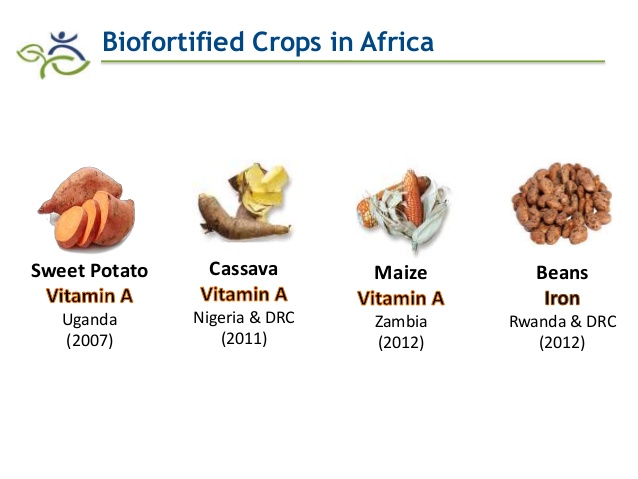
bio-fortified
Bio-fortified crops in Africa

He said this in Ibadan on Friday, February 16, 2018 at a training organised for members of the National Youth Service Corps (NYSC) serving in Akinyele Local Government Area, Oyo State, on bio-fortification of crops.

Aribisala described bio-fortification as a process of using conventional breeding techniques to infuse essential micro-nutrients into staple crops.

He said that HarvestPlus and its partners had developed, through bio-fortification, 25 different value added products in the country through vitamin A cassava and maize.

He urged corps members to exploit the business opportunities that were available in bio-fortified crops.

“You can engage in planting or production of vitamin A cassava and maize even while serving; you can also engage in garri production.

“Besides, you can produce odourless fufu, custard and other products from vitamin A cassava and maize; you can also supply fufu to restaurants and other places.

“The start-up capital for the business is small but it has several benefits; we have made the products available, especially for youths who want to engage in the business.

“As a corps member, you can be easily linked up to farmers who will patronise you.

“So, look at any of the products you are interested in and start dealing in them; we promise to give you every assistance you need,” he said.

Speaking, a corps member, Mr Eugene Igbaifua, thanked HarvestPlus for the training, saying that it had been very beneficial.

“I now know that I can be self-employed through crop bio-fortification; I can also make business plans on different businesses for any investor.

“I can do business plans for establishment of garri/fufu processing centres and the optimisation techniques in making combo bites snacks,” he said.

News Agency of Nigeria (NAN) reports that HarvestPlus improves nutrition and public health by developing and promoting bio-fortified food crops that are rich in vitamins and minerals.

The organisation also provides global leadership on bio-fortification evidence and technology, with emphasis on naturally bio-fortified crops.

By Chidinma Ewunonu-Aluko

Addressing humanitarian crisis in northeast Nigeria

0

The United Nations Office for Coordination of Humanitarian Affairs (UN-OCHA) says more than 8.5 million persons are in dire need of life-saving support due to humanitarian crisis caused by the Boko Haram insurgency in the northeastern part of Nigeria.

internally displaced persons
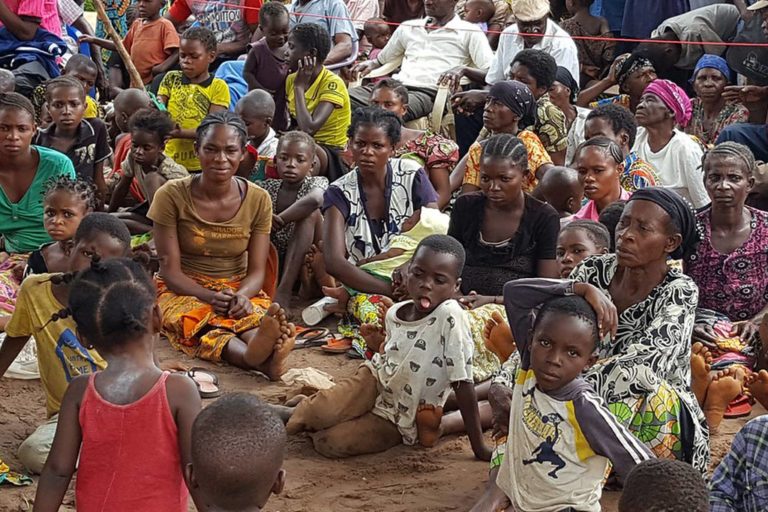
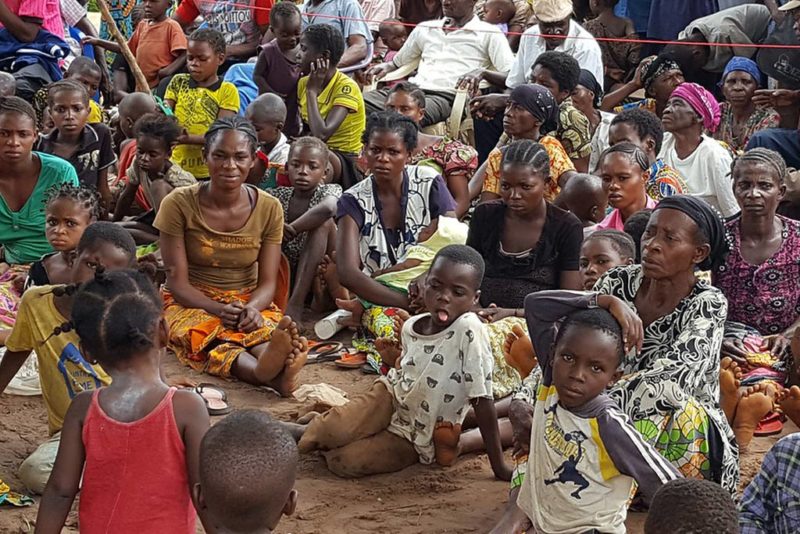
Some internally displaced persons awaiting food distribution in a camp

According to its recent report, no fewer than 6.9 million displaced persons are targeted for assistance out of the number.

The fact-sheet from the agency shows that 5.2 million people are facing food insecurity and 5.1 million persons are targeted for food security interventions.

Similarly, it observes that humanitarian organisations, in collaboration with the Federal Government, have also provided support to three million persons under the emergency food intervention programme.

The report further states that 3.4 million persons, particularly children, expectant and nursing mothers, need nutrition support but 2.7 million persons are targeted for assistance.

OCHA explains that 2.1 million persons have so far benefitted from various nutrition interventions designed to control malnutrition in the war ravaged region.

Similarly, according to the report, more than 5.6 million of the estimated 6.9 million persons received health care service support through effective interventions provided by humanitarian organisations.

In spite of these humanitarian interventions, OCHA decried the spate of violence against civilians and internally displaced persons, noting that urgent measures were necessary to enhance protection and security of persons affected by the conflict.

It is against this backdrop that the UN Deputy Secretary-General, Mrs Amina Mohammed, recently paid a visit to Borno State.

She visited Bama, one of the communities liberated by the military from the insurgents, the Military Command, Control Centre, Military Cemetery and Maimalari Cantonment, Maiduguri, to assess the situations.

She said the visit was to assess gaps in humanitarian needs, identify areas of interventions and reconstruction efforts recorded by the government so that she could report back to the UN secretariat.

During the visit, Mohammed inspected a camp of internally displaced persons in Bama and a school in the camp where she interacted with pupils and displaced persons.

“My visit to Bama is to see what the government of Nigeria, Borno Government with the support from the UN system, has achieved in the past years; what are the challenges and the gaps to address.

“It is also to interact with those that are working in the frontline, to hear from humanitarian workers, our agencies and organisations, about the funds that we have put on the federal and state governments’ programmes.

“The visit is also to speak with displaced persons and the military with a view to understanding best way we can address the situations.

“To know how we can deal, address the crisis, work towards the resettlement and reintegration of displaced persons to their communities.

“The federal and state government have achieved significant feat in rehabilitation and reconstruction projects.

“There is considerable improvement from what has happened in the past two years; certainly, more can be done and that is why we are here.

“I will say that the funds raised at the Oslo Conference for North-East Humanitarian Intervention were properly utilised and we have seen the benefit of it.

“We look forward to another opportunity to bring more funds to Borno,’’ Mohammed stated.

Prof. Babagana Zulum, Commissioner for Reconstruction, Rehabilitation and Resettlement in Borno, said that 11,000 residential homes, 170 classrooms, 11 schools, electrification and water projects had been completed in Bama.

He explained that the projects were designed to facilitate voluntary return of displaced persons to their ancestral homes, build resilience and provide means of livelihoods to enable them to continue with normal life.

In a remark, Brig.-Gen. Garba Audu, Commander of the 21 Brigade of the Nigerian Army in Bama, Borno, told the UN visiting officials that the military were conducting various operations in the area including clearance of mines; security protection, support to internally displaced persons, unaccompanied children and provision of free healthcare services.

Audu declared that Bama town was safe and called for UN support to facilitate clearance of mines that were preventing farmers to cultivate farmlands.

He said that such clearance exercise was imperative to ensure protection of lives and property as well as fast-track resettlement of displaced persons.

In the same vein, Gov. Kashim Shettima of Borno observed that the UN had demonstrated greater concern and commitments to addressing the humanitarian crisis in the north-eastern region of the country.

“While as minister in Nigeria, Mohammed showed empathy towards us in Borno; she visited Chibok over the abduction of school girls and also visited Bama when the town was liberated from the insurgents,’’ the governor said.

For the benefit of hindsight, the 2016 Recovery and Peace Building Assessment Report indicates that one million residential homes, 665 public structures, 5,335 classrooms, 201 healthcare centres, ‎776 electricity installations were destroyed by Boko Haram insurgents in the region.

The report was issued by the World Bank, the European Union and the federal and government of the affected states in the region.

To address the problem, OCHA noted that improved funding was imperative to scale up activities and fast-track implementation of humanitarian interventions in the war ravaged region.

The UN agency stressed that the humanitarian crisis in the region remained severe due to ongoing conflict, continued internal displacement and unpredictable return of refugees from neighbouring countries.

The agency, nevertheless, promises that humanitarian partners will dedicate planning and programming to in-depth assessment in the region which findings will feature in humanitarian overview and 2018 Humanitarian Response Plan.

By Rabiu Sani, News Agency of Nigeria (NAN)

Energy impact investor seals three off-grid investments for Niger Delta

0

Nigerian off-grid energy investment company, All On, has announced financial close with three firms for accelerated access to affordable and sustainable energy sources in the Niger Delta.

Off-grid solar energy
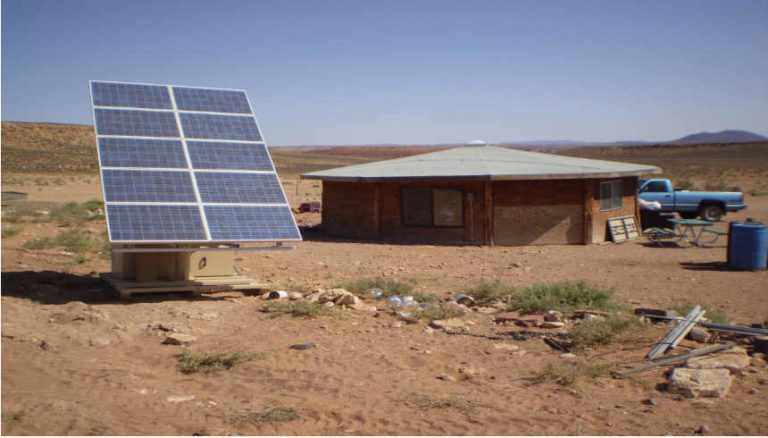
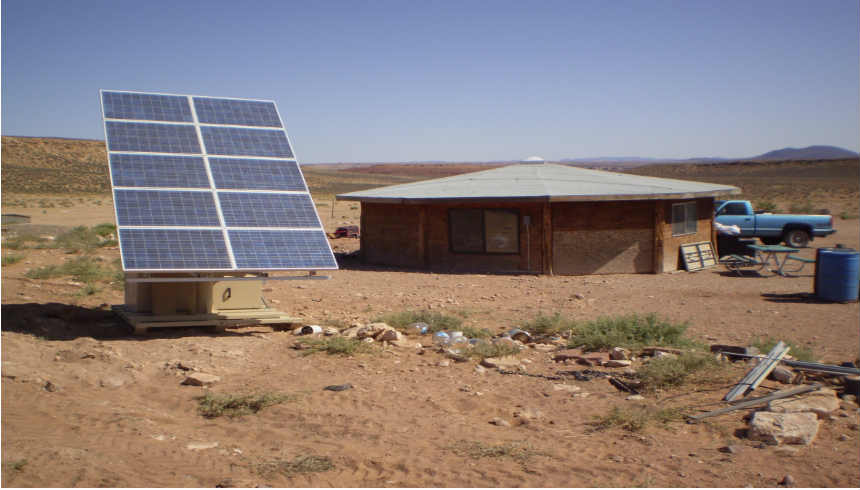
Off-grid solar energy solution in a rural community

Chief Executive Officer of All On, Dr. Boer Wiebe, announced a follow up to the equity investment made in 2017 to Nigeria Solar Home System market leader, Lumos Global BV, in the form of a debt facility to facilitate a quick rollout in the Niger Delta. All On is also providing equity and debt to Port Harcourt-based Green Village Electricity (GVE), a Nigerian mini-grid player, for expansion in the Niger Delta and across Nigeria, while ColdHubs is receiving a convertible debt facility to expand its solar-powered marketplace cold storage business to new markets in the region.

These developments are coming barely three months after All-On announced its first set of transactions in Nigeria’s off-grid market, and two months after the firm and U.S. Africa Development Foundation (USADF) announced a $3 million partnership to expand access to energy for underserved and unserved markets in Nigeria.

“The investments made in these energy solution providers further demonstrate our firm belief that off-grid energy is indispensable in the improvement of Nigeria’s energy narrative. It therefore deserves adequate attention and financial backing from both the public and private sectors,” Dr. Boer said.

Commenting, Lumos’s CEO, Davidi Vortman, said: “This debt facility from All On both cements the strategic relationship between our two companies and goes a long way towards significantly accelerating the speed of penetration of Lumos Solar Home Systems in the Niger Delta region. All On has established itself as a leader in off grid energy in Nigeria and we are therefore excited to work with All On to enhance energy access for Nigerians in the Niger Delta and across the country.”

ColdHubs CEO, Nnaemeka Ikegwuonu, described the investment as a demonstration of All On’s commitment beyond simply addressing the access to energy gap, to harnessing innovative renewable energy solutions for the preservation of perishable foods. “This support by All On will enable Cold Hubs to further refine its business model to help improve the livelihoods of people and enhance food security in the Niger Delta,” he said.

In his reaction to the financial close, Managing Director of GVE, Ifeanyi Orajaka, said: “We at GVE are excited about this relationship with All On. An investment from a world-class organisation such as All On further validates our position as one of the leading and most innovative indigenous clean energy solutions providers in sub-Saharan Africa.”

All On, an independent impact investing company, was seeded with funding from Shell, and works with partners to increase access to commercial energy products and services for under-served and un-served off-grid energy markets in Nigeria, with a special focus on the Niger Delta.

Ranching only solution to herdsmen/farmers clashes, says Ishaku

0

Governor Darius Ishaku of Taraba State on Thursday, February 15, 2018 said that the open grazing prohibition and ranches establishment law was the only way out of the conflicts between herdsmen and farmers in rural communities.

Darius Ishaku
Governor Darius Ishaku of Taraba State

Ishaku said this when he received the American Ambassador to Nigeria, Mr William Stuart, who paid him a courtesy call in Jalingo, the state capital.

The governor, who explained that the population of the country in the 1950s and 1960s was no longer the same, said that Nigeria must adopt ranching to end frequent clashes and other challenges associated with open grazing.

“Cattle breeders cannot continue to move through the bush with a lot of risks associated with such movements.

“They need a better life and that is what we are trying to do by enacting open grazing prohibition law.

“It is unfortunate that some people, who don’t have knowledge of what we are trying to do, are constantly attacking us and giving wrong colouration to the law,” he said.

Ishaku solicited the support of the American government in finding ways toward permanent peace in Taraba and Nigeria, and commended the U.S. government’s deep concern for the welfare of its citizens.

“In America, if one person is killed, America will go to war. That is what we are lacking in Nigeria.

“As a governor, I don’t control any security apparatus which makes it difficult for me to take concrete decisions on security. Whatever decision I take, critics see it from either ethnic, religious or political angle. This is bad,” he said.

He pledged to solidify the relationship between Taraba State and the American government, and called on investors to take advantage of the abundant natural resources endowed in the state to invest in it.

Earlier, Stuart had said that he was in the state to learn  more about its people, and urged Nigerians to always remember that they could never be Nigerians without Nigeria.

He advised Nigerians to always protect and promote national interest and strive toward unity.

“The strength of Nigeria lies in its diversity; Nigerians must harness these diversities for the good of the country.

“Any time I have interactions with Nigerians, I always ask them what they love about Nigeria.

“I am happy working in Nigeria than any other country, because Nigerians are hardworking and resilient people,” he said.

By Gabriel Yough

World needs to prepare for extreme weather even if Paris goals are met

0

Extreme weather events are set to occur more frequently, even if the central goals of the Paris Climate Change Agreement to limit the global temperatures rise to well under 2°C is met, according to new research by Stanford University scientists.

Lokoja
Outcome of extreme weather: Extensive flooding of Lokoja in Kogi State in 2012.

The findings highlight the urgent need for more and better insurance schemes for the world’s most vulnerable populations, such as the InsuResilience Partnership which was given a boost during last year’s UN Climate Change Conference in Bonn, Germany.

The researchers, who published their work in the journal Science Advances, analysed the likelihood of warm, dry, and excessively rainy periods in the coming years, all of which are already exacerbated by rising global temperatures and sea levels.

By meeting the current commitments of the 2015 Paris Agreement, heat waves are five times more likely to occur in 50% of Europe and more than 25% of East Asia. In addition, heavy rainfall is three times more likely to occur in 35% of North America, Europe and East Asia.

Countries agreed in 2015 that they would limit the rise in global average temperature to rise to well below 2°C from pre-industrial levels and as close as possible to 1.5°C. Achieving both goals would reduce but not eliminate the risk of extreme weather events, the study says. Whilst governments are seeking to raise climate ambition, national climate action plans submitted under the Paris Agreement to date put the world on a course to 2-3 °C.

“Even if this better level were achieved , we would still be living in a climate with a much greater likelihood of unprecedented events than today,” says Noah Diffenbaugh of the Stanford Woods Institute for the Environment.

About 90% of North America, Europe, East Asia and the tropics “would see a marked increase in the risk of record heat, rainfall and / or drought,” says Science Advances again.

“We have determined that humans have already increased the likelihood of historically unprecedented extreme events … including more than 50-90% in North America, Europe, and eastern Asia,” the researchers say.

Insurance One of the Most Effective Ways to Build Resilience to Climate Impacts

According to the German reinsurer, Munich RE, natural disasters mostly related to climate change (intense storms, floods and wild fires) caused a record amount of damage in 2017: $330 billion.

According to a study from Davis University in California, insurance can be the most effective way to increase the resilience of poor households in the face of climate change while also preventing other households from falling into poverty.

For example, the InsuResilience Partnership for Financing and Development insurance solutions for climate risk and disasters was launched by the G7 Group of countries in 2015 under the German presidency.

The initiative is to provide insurance to 400 million vulnerable people around the world by 2020. It was boosted last year during the UN Climate Change Conference COP23 in Bonn, Germany.

Also during COP23, Norway and Unilever pledged $400 million to boost resilient social development.

One thing is certain: Adaptation to the inevitable impacts of climate change – which under the UN Framework Convention on Climate Change is already politically on the same footing as reducing greenhouse gas emissions – will doubtless become increasingly important over the coming years.