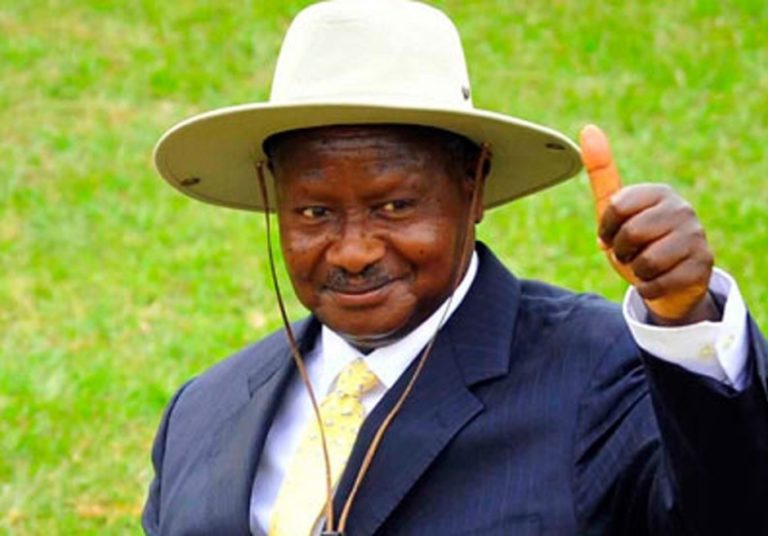
President Yoweri Museveni of Uganda has declined to sign into law a bill on the development and application of genetically modified organisms (GMO) technology in the country.
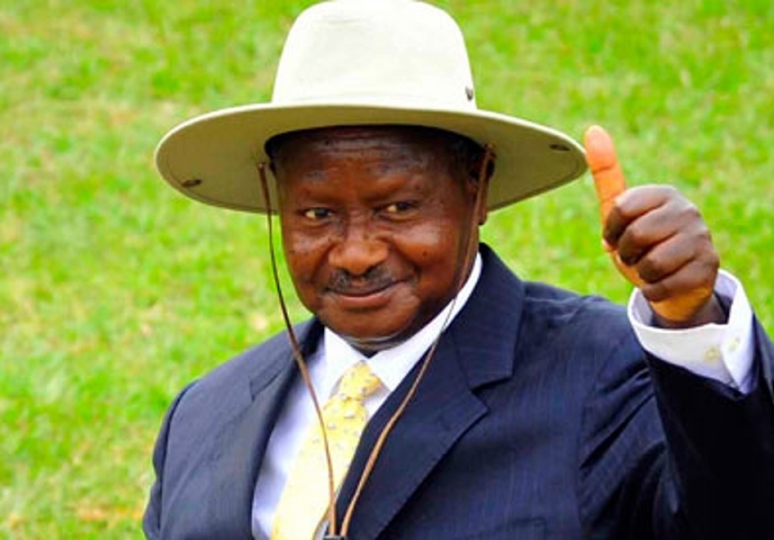
President of Uganda, Yoweri Museveni
The National Biotechnology and Biosafety Bill, 2012 seeks to provide a regulatory framework that facilitates the safe development and application of biotechnology, research, development and release of GMOs.
In his December 21 letter to Speaker of Parliament Rebecca Kadaga, President Museveni outlined why he was sending the bill back to parliament to clarify, among other issues, its title, patent rights of indigenous farmers and sanctions for scientists who mix GMOs with indigenous crops and animals.
The president said he had been informed that there are “some crops and livestock with unique genetic configuration like millet, sorghum, beans, Ankole cattle, Ugandan chicken, enkoromoijo cattle, which have a specific genetic makeup which our people have developed for millennia through selection (kutorana for seeds, kubikira (selecting good bulls), enimi or empaya (he-goats).”
Using the new science of genetic engineering, he argues, one may add an additional quality-such as drought resistance, quick maturity, disease resistance, but, “this law apparently talks of giving monopoly of patent rights to its holder and forgets about the communities that developed the original material.
“This is wrong, yes we appreciate the contribution of the holder but we cannot forget original preservers, developers and multipliers of the original materials. This must be clarified,” he said.
The president noted that, “to be on the safe side, GMO seeds should never be randomly mixed with our indigenous seeds just in case they turn out to have a problem.”
Mr Museveni also wants parliament to clarify on other aspects of genetic engineering, such as setting out the boundary of the technology to crops and animals with no crossover to human beings, and labelling of GMOs.
Guiding law
Biotechnology is any technique that uses living organisms or substances from living organisms to make or modify a product, improve plant, animal breeds or micro-organisms for specific purposes while biosafety is the safe development, transfer, application and use of biotechnology and its products.
The Ugandan government, through the National Agricultural Research Organisation (NARO), is already conducting research on crop plants produced through modern biotechnology.
The research aims at finding solutions to chronic problems such as insect and disease epidemics, drought stress, and malnutrition.
Uganda which has a National Biotechnology and Biosafety Policy (2008) needed a law to guide implementation of this policy and before the improved varieties from biotechnology could be made available to farmers but the bill has since 2012 left the science world divided on the place of genetic engineering of crops and animals using modern science and the role of indigenous technology built over centuries by Africans.
Legislative process
Uganda parliament’s director of communication and public affairs, Chris Obore, told the Daily Monitor that he could not confirm if the Speaker had received the president’s letter.
He, however, reiterated the constitutional provision on the legislative process when and if the president declines to assent to a bill.
“I can’t confirm the speaker received the president’s letter, it may have come during the festive season. If the president sent back the bill the normal procedure is that parliament will look at the issues raised, discuss and if it finds it fit make amendments. If it believes there is no problem with the bill, it will also write to the president stating the same,” Mr Obore said.
Courtesy: Business Daily (businessdailyafrica.com)
Stakeholders in health sector note that the recent decision by the National Assembly to implement the 2014 National Health Act is an indication that healthcare delivery in the country, particularly at primary level, is inefficient.
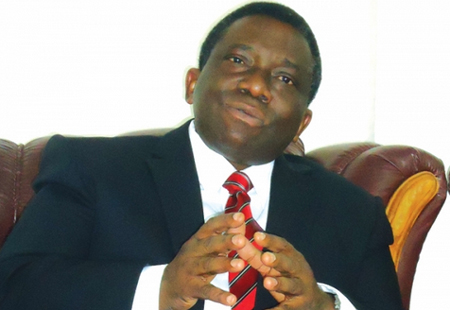
Minister of Health, Professor Isaac Adewole
President of the Senate, Bukola Saraki, said the Senate would implement the act, including the one per cent consolidated fund to enhance funding of the country’s healthcare system, although the implementation was not included in the proposed 2018 budget.
Saraki observed that the act “stipulates that one per cent of consolidated fund should be set aside for healthcare provision’’.
Appraising the decision of the Senate, concerned citizens observe that primary healthcare services in Nigeria are deficient and should be revitalised through additional funding and political will.
According to them, the determination of the National Assembly to implement the Basic Healthcare Provision Fund will be a great breakthrough for improving primary healthcare delivery in Nigeria.
Sen. Olanrewaju Tejuoso, Chairman, Senate Committee on Health, said the fund provided in the act would generate more than N54 billion for health intervention programmes.
“The act provides that one per cent of the consolidated revenue should be a statutory transfer to the appropriate agencies.
“It means the fund will go to particular pockets as grant to provide basic healthcare to Nigerians.
“It is supposed to be a minimum of one per cent of consolidated revenue to support the funding coming from other partners,’’ he said.
He said the fund would be domiciled with the agencies and if it was not spent, it would be used the following year.
Further to this development, for more efficient primary healthcare delivery, Dr Faisal Shuaib, Executive Director, National Primary Health Care Development Agency, said the agency would address the challenges of primary healthcare system.
He said the agency would ensure effective human resources, good equipment, availability of drugs, better power supply, regular water and the general management of Primary Health Care (PHC) system.
He said the agency had designed programmes and interventions to improve the efficiency and quality of PHC services.
Shuaib said the agency had concluded plans to roll out Community Health Influencers and Promoters of Health Services Programme to scale up demand for primary health care services in rural communities.
He added that the programme would change the landscape of primary healthcare system in the country, promising that the agency would reach out to remote areas where people lacked access to healthcare.
“During the programme, an average of 10 women per ward who have minimum of elementary or secondary school education will be identified to participate in the programme.
“Such women will be trained on basic health services such as provision of first aid, motivational talks, promotion of good hygiene and environmental sanitation in the community.
“They will also conduct a house-to-house visit with the aim of creating demand for ante-natal and other health services and make referrals to the nearest health facilities.
“However, the trained women are not going to replace Community Health Extension Workers and Juniors Community Health Extension Workers but they are going to assist in the communities,’’ he said.
Similarly, Prof. Isaac Adewole, the Minister of Health, said government would utilise health segment of N-Power programme to tackle the need for human resources.
“We are tapping to the 1,500 midwives that are available for deployment across the country; we have more than 20,000 young people within the N-Power Health Programme.
“The National Primary Health Care Development Agency will inaugurate Community Health Influencers and Promoters of Health Services Programme that will function like the old village health care workers and health inspectors, and its personnel will go from house-to-house in villages and encourage people to come to access facilities.
“Part of the challenges we have is that we have the facilities and the facilities are not patronised by the people.
“Either because the people had lost interest in the past or they go there and there were no personnel to attend to them or there were no drugs but we are changing that narrative,’’ Adewole said.
He also said the government had been revitalising Primary Health Care centres, beginning with 110 Primary Health Care centres across the country, while the Federal Government had been partnering the state governments in that regard.
“Part of what the Basic Health Care Provision Fund will do is to pay for human resources for health and also pay for maintenance so that you will not revitalise today and in the next few years, the system will fall apart,’’ Adewole explained.
For sustainability, the National Primary Health Care Development Agency insists that the Federal Government has made it very clear that health is a priority sector.
To boost rural healthcare services, the agency announces that it has set up national routine immunisation coordination centre as an engine room to ensure better coordination of routine immunisation activities nationwide.
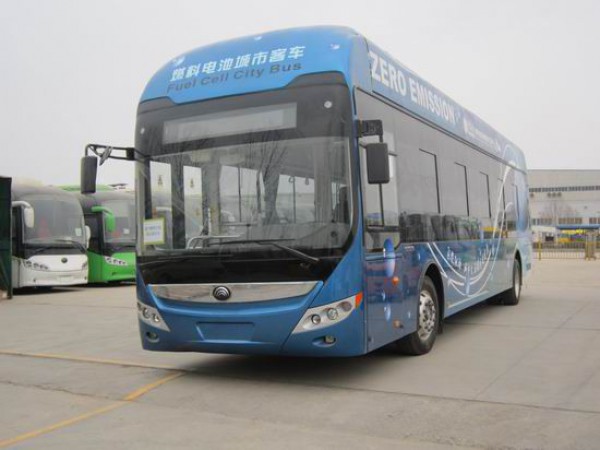
A new hydrogen fuel cell bus was unveiled in Central Chinese City of Wuhan on Thursday, December 28, 2017.
Hydrogen fuel cell bus
The 8.5-meter vehicle can carry 56 passengers and can run more than 450 kilometers on single refuel of hydrogen, which takes three to five minutes, said its developer, Wuhan Tiger Fuel Cell Vehicle Co. Ltd.
The vehicle is able to start at temperatures as low as minus 20 degrees Celsius and intelligently detect malfunctions, according to the company.
The company signed an agreement on Thursday with Wuhan Skywell, a new energy vehicle manufacturer, to produce 3,000 such buses in the next two years.
The first batch is expected to hit the road in Wuhan, capital of Hubei Province, in the second quarter of 2018.
Wuhan Industrial Technology Research Institute of Geo-resources and Environment and the Hubei branch of China National Petroleum Corporation would set up a hydrogen station in Wuhan in 2018, and bring the number in the province to 21 within three years.
The Lagos State House of Assembly on Thursday, December 28, 2017 moved to increase the state government revenue by reviewing the current Land Use Charge in the state.
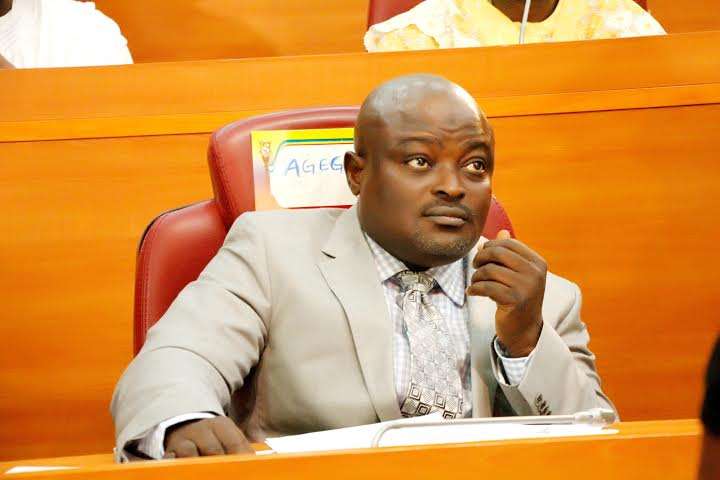
Mr Mudashiru Obasa, Speaker, Lagos State House of Assembly
The News Agency of Nigeria (NAN) reports that the House read for the second time “A Bill for A Law To Repeal The Land Use Charge Law 2001 and Enact Land Use Charge 2017 and For Connected Purposes.”
The Assembly subsequently committed the bill to the House Ad hoc Committee on Finance headed by Mr Yinka Ogundimu.
According to the Speaker of the House, Mr Mudashiru Obasa, the proposed law is all about increasing the revenue generation of the state by bringing more houses into the net.
Obasa said that a situation where only a few consultants were working with the state government on the collection of Land Use Charge was not encouraging.
The speaker, who noted that so many buildings have yet to be captured in the tax net of the state, said there was need for more consultants.
“We need more consultants to do the job, so that the entire state can be covered in the collection of Land Use Charge.
“Whatever tribunal that would be set up to deal with offenders should have the support of the government.
“On the issue of exemptions, we cannot exempt religious organisations because most of the worship centres are making money.
“We could only exempt non-governmental organisations; however, let’s leave all in the hand of the committee,” he said.
Also speaking, the Majority Leader of the House, Mr Sanai Agunbiade, said that the bill would repeal the existing laws on land use charge.
The Deputy Speaker of the House, Mr Wasiu Eshinlokun-Sanni, who commended the bill, said that it would help to increase the revenue of the state government.
The Chairman, Adhoc Committee on Budget and Economic Planning, Mr Gbolahan Yishawu, harped on enforcement in collecting the charges.
Yishawu decried the situation, where only about 300,000 houses were paying land use charge in a state with over two million houses.
A Nigerian entrepreneur based in the UK, Mr Francis Agbeja, has urged the Federal Government to ensure drastic reduction in energy wastage by adopting the right modern technologies.
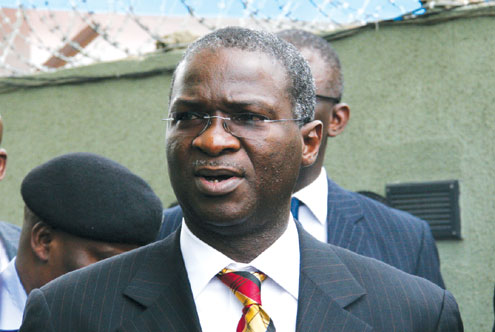
Minister of Power, Works and Housing, Babatunde Raji Fashola (SAN)
Agbeja, the Director of Daffresh Freight Services Ltd., gave the advice in an interview with the News Agency of Nigeria (NAN) on Thursday, December 28, 2017 in Abuja.
The entrepreneur noted that energy efficiency always ensured reduction in the energy bills for poor households among other important social benefits.
“The government should diversify the energy sources in domestic, commercial, and industrial sectors and adopt new available technologies to reduce energy wastage and to save cost.
“Also, government needs to strengthen energy policy interventions, which can make a major contribution to the sustainable economic, environmental, and social development of Africa’s most populated country – Nigeria.
“Implementing the country’s renewable energy target will have significant costs, but these can partly be offset by selling carbon credits according to the rules of the Clean Development Mechanism (CDM) agreed some 10 years ago.
“This, I believe will result in indirect health benefits,” he said.
The director said that Nigeria could benefit from targeted interventions that would reduce the local air pollution and help country to tackle greenhouse gas emissions.
He said that promotion of renewable energy resources, energy efficiency and application of energy conservation in construction of industrial, residential, and office buildings, in transportation would address the shift of sustainable energy future.
“Access to clean modern energy services is an enormous challenge facing the African continent because energy is fundamental for socioeconomic development and poverty eradication.
“Today, about 60 per cent to 70 per cent of the Nigerian population do not have access to electricity,“ he said.
Agbeja argued that there was no doubt that the present power crisis afflicting Nigeria would persist without a deliberate effort at saving cost of providing electricity to the teeming populace.
The “Our Water Our Right Coalition”, comprising a host of national and international civil society and grassroots groups, has delivered copies of a document – “Veolia, Abengoa, Metito Cannot Be Trusted With Lagos Water” – to the Lagos State Government, asking it to halt the planned 25-year concession of Adiyan II project and a Public Private Partnership (PPP) for the Odomola project.
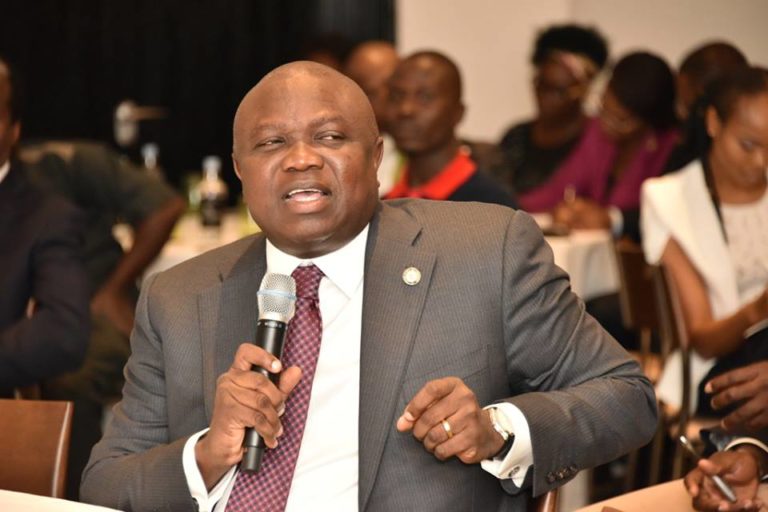
Governor Akinwunmi Ambode of Lagos State
Copies of the document have been reportedly delivered to the Lagos State governor, Mr. Akinwunmi Ambode; Commissioner for Environment, Dr. Samuel Adejare; and the Lagos State Water Corporation (LSWC). It was also sent to the Speaker, Lagos House of Assembly and the Chairman, House Committeee on the Environment, Saka Fafunmi.
The “Veolia, Abengoa, Metito Cannot Be Trusted With Lagos Water” is said to be a response to request by LSWC, whose helmsman, Mumuni Badmus, reportedly praised the three companies and recommended them to manage Lagos water infrastructure in a recent radio interview.
Badmus is said to have challenged civil society to expose facts that show infractions by the companies if there were any.
In a covering letter addressed to the state government and signed by Akinbode Oluwafemi, Deputy Executive Director of Environmental Rights Action/Friends of the Earth Nigeria (ERA/FoEN), the groups said they are dismayed that the LSWC had decided to embark on a “costly experiment with corporations that have promoted skewed water schemes across the globe”.
In the document, Veolia is said to have been linked to the lead waster crisis in Pittsburgh, United States (US) and bribery allegations in same US, Romania and France. Contracts by a Veolia subsidiary which resulted in a spike in water rates reportedly led to protests in Morocco, which spanned weeks in November 2015.
The report details that Abengoa’s executives are on trial in Spain for filling their pockets while the company edges towards bankruptcy.
Metito, disclosed the coalition, is linked to hundreds of job losses in Rwanda where it reportedly prevented workers from unionising. The company is also said to be liable for funding projects that harm people and the planet, including the controversial Dakota Access Pipeline in the US.
Some of the recommendations put forward to achieving universal access to clean water in Lagos include Public-Public-Partnerships (PuPs) and the institution of a water trust, among others, that can be implemented by the Lagos State Government and Lagos State Water Corporation over the short and long-term to ensure a functional democratically- governed water system in Lagos, says the group.
The Our Water Our Right Coalition is spearheaded by the Environmental Rights Action/Friends of the Earth Nigeria (ERA/FoEN), Corporate Accountability International, Amalgamated Uniuon of Public Corporations, Civil Service Technical and Recreational Services Employees (AUPCTRE), Public Services International (PSI), Health of Mother Earth Foundation (HOMEF), Peace and Development Project, and Centre for Social Change and Citizenship Education (CENSOCHANGE), among others.
“We have said it time and again that we are eager to see the Ambode administration commit to ensuring the human right to water through a democratic, public system which will not only ensure all Lagosians can access clean, safe water but will also set an example for governments around the world,” the groups said in a joint statement.
An agriculturist, Mr Chekwube Nwana, says mismanagement of land such as harvesting too much vegetation too quickly is one of the causes of desertification.
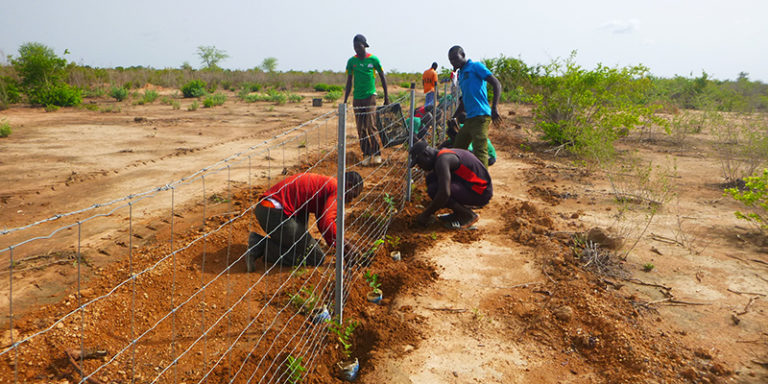
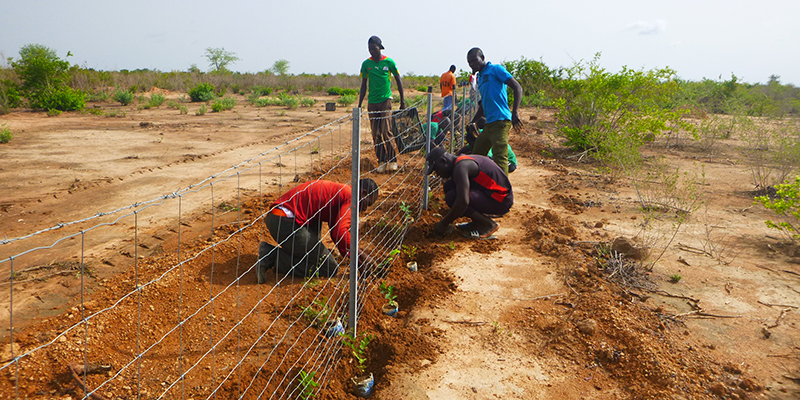
Combating desertification: Planting some 20,000 trees to create living hedges in Burkina Faso
Nwana, the former Supervisor for Agriculture, Oji River Local Government Council, Enugu State, said this in an interview with News Agency of Nigeria (NAN) in Abuja on Thurday, December 28, 2017.
He said that, with an estimated 135 million people at risk of being driven from their lands because of continuing desertification, the world must focus more on reversing this trend.
“According to the United Nation about six million hectares of productive land have been lost every year around the world as the land becomes degraded and less fertile.
“This desertification contributes to food insecurity, famine and poverty, and can give rise to social, economic and political tensions that can cause conflicts, further poverty and land degradation.’’
He said that creeping desertification, particularly in the northern part of the country, had induced large migration movements as locals who once farmed in now arid areas seek a living elsewhere.
He said that practical measures must be taken to prevent and restore degraded land.
He advised other agriculturists to always be involved in agro-forestry as a measure of curbing desertification and also for economic gains and to prevent and restore degraded land.
“Agriculture contributes to global greenhouse gas emissions, but emerging practices in land management have the potential to curtail these emissions; and reverse much of the ecological and climate harm caused by overly intensive systems.
“We must cultivate and conserve trees through agro-forestry, which is an important climate-smart solution with many important co-benefits.’’
He said that incorporating trees had shown to increase crop productivity, improve nutrient cycling, create and change microclimates, and more.
“Because of its carbon sequestration potential, agro-forestry has been for many years considered a leading agricultural practice for reducing climate impact.
“Carbon sequestration is the process by which carbon is pulled from the atmosphere and stored elsewhere.
“Agroforestry can improve and restore soil quality in degraded land, reduce climate pressure and biodiversity, and strengthen local economies,’’ he said.
The African Development Bank (AfDB) has said that it achieved a 100% investment in renewable energy in 2017, a development the organisation considers a major landmark in its commitment to clean energy and efficiency.
Dr. Akinwumi Adesina
The body said in a statement made available to EnviroNews on Thursday, December 28, 2017 that power generation projects with a cumulative 1,400 megawatts exclusively from renewables were approved during the year, with plans to increase support for renewable energy projects in 2018 under the New Deal on Energy for Africa initiative.
AfDB President, Dr Akinwumi Adesina, was quoted as saying: “We are clearly leading on renewable energy. We will help Africa unlock its full energy potential, while developing a balanced energy mix to support industrialisation. Our commitment is to ensure 100% climate screening for all bank financed projects.’’
According to the organisation, the share of renewable energy projects as a portion of it’s portfolio of power generation investments increased from 14% in 2007-2011, to 64% in 2012-2016.
The Africa Renewable Energy Initiative (AREI) whose goal is to deliver 300 gigawatts (GW) of renewable energy in 2030 and 10 GW by 2020, is now based within the AfDB, as requested by African Heads of State and Government. The G7 has promised to commit $10 billion to support the initiative, which came out of COP21 in Paris, France and subsequently approved by the African Union.
On November 8, 2017, the African Bank Group approved its Second Climate Change Action Plan, 2016-2020 (CCAP2) as a clear message of its commitment to helping African countries mobilize resources to support the implementation of the Intended Nationally Determined Contributions (INDCs) of Regional Member Countries, in ways that will not hinder development.
The approval of the action plan echoes discussions at COP23 in Bonn, Germany to strengthen the global response to the threat of climate change and achieve the Paris Agreement’s goal of keeping global temperature rises to 1.5C.
The CCAP2 is designed to incorporate the bank’s High 5 priorities in the Paris Agreement, the 2030 development agenda, the bank’s Green Growth Framework and the lessons learned in the implementation of the first climate change action plan (CCAP1), 2011-2015.
As part of its wider mandate under the New Deal on Energy for Africa, the Board of Directors of the AfDB on December 15, 2017 approved an investment of $20 million in the Evolution II Fund – a Pan-African clean and sustainable energy private equity fund.
AfDB says its investment in Evolution II Fund reflects the company’s High 5 development priorities, the agenda to light up and Power Africa, and its commitment to promote renewable energy and efficiency in Africa.
The Evolution II Fund is expected to contribute to green and sustainable growth by creating 2,750 jobs and building on the track record of the Evolution One Fund (which created 1,495 jobs, of which 20% were for women, and generated 838 MW of wind energy and 87MW Solar PV energy). It is estimated that the Evolution One Fund achieved 1,190,469 of carbon dioxide (CO2) emission savings annually.
In line with its commitment to renewable energy and ongoing institutional reforms, in the first quarter of 2017, AfDB disclosed that it appointed Ousseynou Nakoulima as the Director for Renewable Energy and Energy Efficiency. Nakoulima, says the bank, brings global experience in developing and managing programmes and partnerships for driving renewable energy from his work at the Green Climate Fund (GCF).
The Nigeria Tobacco Control Alliance (NTCA) says it has written to the Federal Minister of Finance, Mrs. Kemi Adeosun, asking for the inclusion of provisions of the National Tobacco Control Act (NTC Act) in the 2018 fiscal policy and other directives.
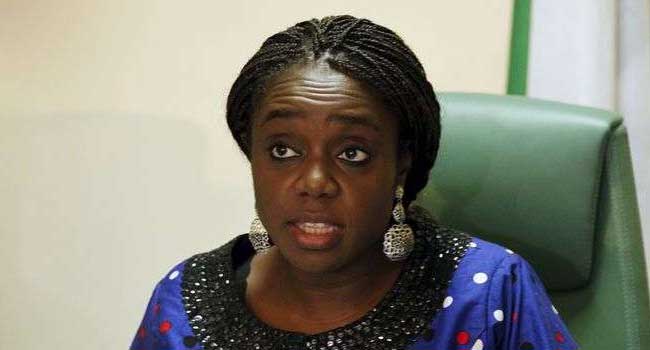
Minister of Finance, Kemi Adeosun
The NTCA is a network of civil society organisations (CSOs), non-governmental organisations (NGOs), community-based organisations (CBOs), faith-based organisations (FBOs), and professional groups working on tobacco control, human rights, public health and cancer with a view to ensuring qualitative health, sustainable development and good governance for all Nigerians. NTCA is a member of the Africa Tobacco Control Alliance (ATCA).
In the letter, dated December 8, 2017, and addressed to Adeosun, the network requested the enforcement of Part VI, Section 15 (5, 6, 7) of the NTC Act which regulates the selling of smoked tobacco in an intact pack of not less than 20 sticks so that the Nigeria Customs Service can investigate and confiscate non-compliant products at the borders even before they are introduced into the market.
The same section of the Act stipulates that smokeless tobacco products must be in minimum of 30 grams pack. Otherwise, it must be confiscated.
In the letter, signed by Board Chairman of NTCA who is also deputy executive director of Environmental Rights Action/Friends of the Earth Nigeria (ERA/FoEN), Akinbode Oluwafemi, the network said that “Part XI section 31 (1) enables the police and other law enforcement agencies of government (in this case the Nigeria Customs Service) to inspect and investigate complaints and take appropriate enforcement action under the act.”
It noted that the enforcement of the provisions would ensure that tobacco products entering the country comply with the NTC Act, as well as ensuring that the intent of the law which is to protect Nigerians from the dangers of tobacco use is not compromised by unscrupulous tobacco importers.
The “WISE-UP to Climate” project, initiated in April 2014 to demonstrate that natural ecosystems are nature based solutions for climate change adaptation and sustainable development, has now ended. And the thinking among partners on the project is that they have been able to advance knowledge on how to ensure the efficiency of built water infrastructure.
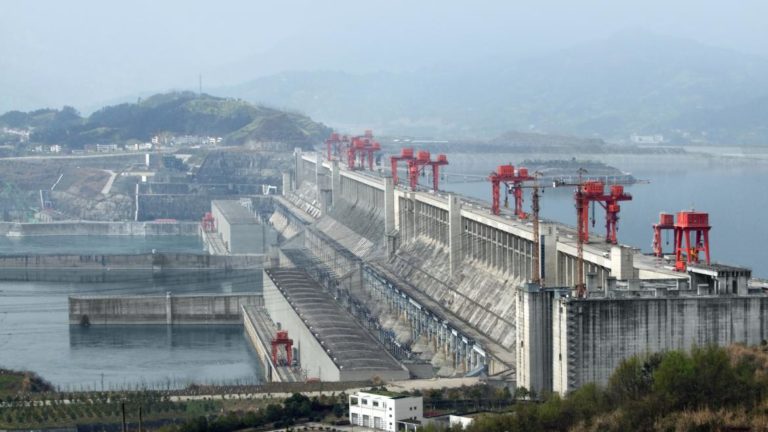
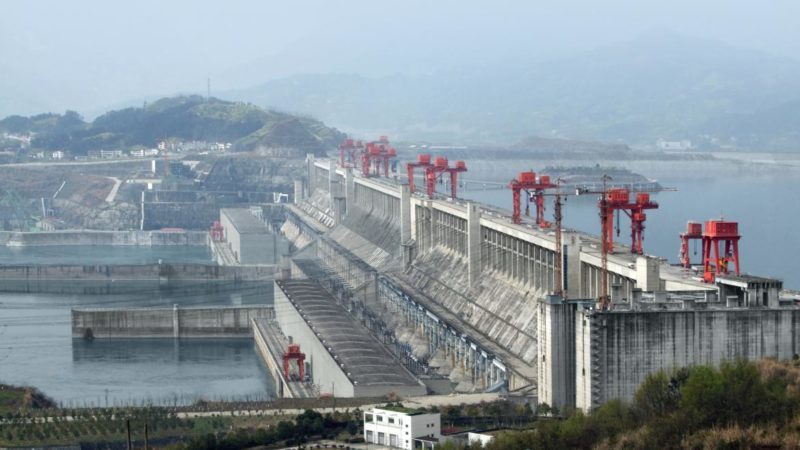
In Ghana as well as Burkina Faso, the WISE-UP Team used the proposed Pwalugu Multi-purpose Dam (PMD) as the case study for improving the functionality of natural and built infrastructure
The research based activities of the WISE-UP to Climate project focused on river basins and was centred on the Volta Basin in West Africa and Tana Basin in East Africa. In Ghana as well as Burkina Faso, the WISE-UP Team used the Pwalugu Multi-purpose Dam (PMD) as the case study for improving the functionality of natural and built infrastructure.
Studies dwelt on the benefit functions of the ecosystem, looking at the socio-economic services it provides for the people; the political economy of water infrastructure decisions and governance; and trade-offs between natural and built infrastructure benefits in the Upper White Volta.
The findings indicated that the natural ecosystem benefit functions included flood recession farming, fishing in riparian ponds, and habitat function represented by the significant population of hippopotamus for tourism. Other ecosystem functions include supporting the Bagre hydropower dam, irrigation dam at Kanonzoe and domestic water supply at Ziga all in Burkina Faso; while in Ghana there is irrigation at Pwalugu.
Proposed future infrastructure activities on this tributary include doubling of water supply from Ziga to Ouagaduogou, expanding the Bagre irrigation and the construction of the PMD. The findings showed that these activities could affect the natural flow regime of seasonal flooding and dry season flows.
Absence of seasonal flooding could reduce income of flow dependent ecosystem services for riparian communities by 20% on average and would require riparian communities to shift livelihood activities to male dominated activities such as dry season irrigation.
But, according to the findings, this situation could be averted if the facilities operate in ways that foster a mixed flow regime. So, depending on how a water facility is made to function, a win-win situation could be created.
The WISE-UP Team is therefore convinced that a project like the proposed PMD could be an example of built infrastructure that could contribute to the two countries economic and development needs while, at the same time, strengthening natural infrastructure that supports rural livelihoods.
The findings established that the efficiency of built physical water infrastructure is enhanced, when its operation is linked to the normal functioning of the natural water ecosystem. This means that the sustainable functioning of infrastructure built for irrigation, hydropower or water supply, is related to healthy ecosystems in well-functioning watersheds. Furthermore, such physical facilities built on natural ecosystems, should equip and position riparian communities to adapt to climate change, which as experts say “will only get worse and worse.”
It also means that decisions made for the building of water related infrastructure, should be based on careful consideration of not just the benefits and convenience of the facility to the nation at large; but likewise on the services that the ecosystems provide for local communities. However, arriving at such decisions may not be that simple according to the findings from Pwalugu.
It will depend on various factors, working at three levels, starting first at the top level by ensuring that key decision making, regulatory, development planning and implementing institutions main stream climate change and prioritise related issues.
Secondly, grassroots consensus should be generated on pertinent social issues and alternative interventions identified by working through District Assemblies and civil society organisations. At the third level, attention should be given to strengthening and increasing regional cooperation focusing on not just poverty alleviation, but also on the potential for economic transformation.
At the final meeting in Accra, on November 29th 2017 of the WISE-UP to Climate project, partners were reminded of the ultimate goal, which is to “introduce multi-criteria and multi-option modes of working into existing planning and decision-making processes, including consideration of ecosystem services and natural infrastructure.”
They were further reminded of the need to lead the next stage of the project by seizing opportunity for synergy offered by climate change, and additionally align with priorities of political parties, engage development partners as well as the private sector, and capitalise on the decentralised system of local administration and governance.
The International Union for the Conservation of Nature (IUCN) head office in Switzerland’s representative on the WISE-UP Team, Dr. James Dalton, talked about the next steps. He said it will demand further research to better address the social dimension to decision making and trade-offs. He said in doing the analysis for trade-offs, partners “need not demonise water infrastructure such as dams,” and urged them to rather highlight the benefits of both built and natural infrastructure to maintain objectivity around possible trade-offs.
Dr. Dalton also touched on the proposed WISE-UP 2, which will implement activities packaged based on the research findings in the just ended now WISE-UP 1 project. He announced that WISE-UP 2 will invest in solutions and moblise additional funding for climate-resilient economic development in river basins. This will purposely support countries to among other things, deliver their Nationally Determined Commitments (NDC) under the Paris Climate Accord.
Dr. Dalton explained that WISE-UP 2 “prioritises vulnerable areas and will deliver activities to revitalise rural economies and invest directly in protecting rivers, streams and wetlands as climate adaptation solutions.” It will be implemented in Ghana, Burkina Faso and Kenya as well as in Mali and Ethiopia.
The New Executive Director of the Volta Basin Authority (VBA) Robert Yaovi Dessouassi commended WISE-UP for initiating measures that are improving the natural resources infrastructure of the basin and addressing poverty among the people. He urged the beneficiary countries to utilize the scientific knowledge generated so far, “to address problems in the area, overcome persisting challenges, and chart a path for our sustainable development by leveraging our own resources.”
The former Executive Director of the VBA, Dr. Charles Biney, who was Chairman for the meeting, described WISE-UP as “the project that has drawn our attention to the potential and usefulness of our natural resources and infrastructure, and has demonstrated that it is profitable to include natural infrastructure in development activities in our countries.”
The Acting Director of the Water Research Institute (WRI) of the Council for Scientific and Industrial Research (CSIR), Dr. Kwabena Kankam praised WISE-UP for a good work done so far and said, “our institute is proud to be associated with this project.”
The implementing team in Kenya earlier on held a similar end of project meeting.
WISE-UP is the acronym for Water Infrastructure Solutions from Ecosystem Services underpinning Climate Resilient Policies and Programmes. It is a global partnership involving Ghana’s WRI; the African Collaborative Centre for Earth System Sciences (ACCESS) of the University of Nairobi, Kenya; and the International Water Management Institute (IWMI). Others are the UK Overseas Development Institute (ODI); the University of Manchester; the Basque Centre for Climate Change (BC3) and IUCN.
In doing its work, the partnership assembled a wide variety of expertise including resource scientists, engineers, computer modellers, governance and political economists, water managers and climate change specialists. The International Climate Initiative (ITI) of the German Federal Ministry for the Environment, Nature Conservation and Nuclear Safety (BMU) funded WISE-UP 1 and is likely to finance the phase two as well.
The project is focused on river basins, because team members are of the view that basin ecosystems provide an environment, where optimum outcomes can be achieved for poverty reduction, ecosystem management, economic growth and climate resilience.
The project acknowledges that water security is vital for a sustainable economic growth and poverty reduction. Therefore, countries make investments in water infrastructure for storage and flood control, water availability and accessibility, and to reduce disaster risks. However, the fact still remains that these investments and their benefits are not always equitably distributed, especially in developing countries.
Consequently, the project was designed and seeks to advocate investments that combine natural and built infrastructure in the areas such as water, food and energy security; and industrial development and wealth generation.
The point being made is that benefits are enhanced when ecosystem services are linked more directly into water infrastructure development. Upstream natural infrastructure services include flow regulation, soil and slope stability, groundwater recharge and provision of river habitat. The downstream ecosystem provides services including river fisheries, floodplain grazing, flood recession agriculture, floodplain fisheries, estuarine fisheries and coastal sediment supply. While the built infrastructure provides services such as energy production, drinking water supply, irrigation, reservoir fisheries, and flood control and protection.