Home Blog Page 1938

Partnership promotes ‘science we need for the cities we want’

0

In a joint statement, partners working on cities and climate change have laid down the foundations for better-informed city climate action and decision-making, as a result of greater engagement between the policy, practice, and scientific communities working in urban areas.
Diana Ürge-Vorsatz
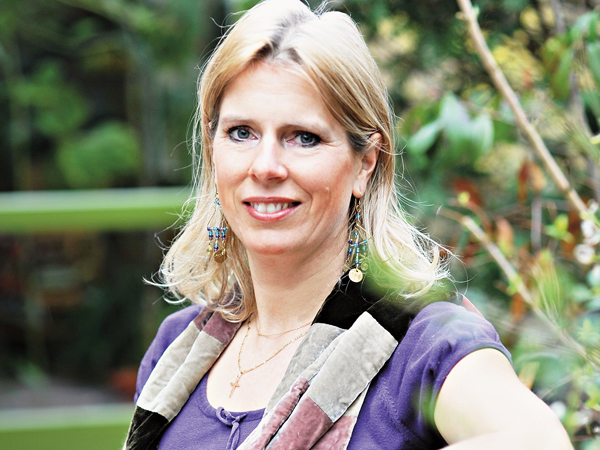
Diana Ürge-Vorsatz, Vice-Chair of IPCC Working Group III

The document, titled: “The Science We Need for the Cities We Want”, was signed at the recent CitiesIPCC conference hosted by the city of Edmonton, Canada, and brought together some of the world’s leading urban practitioners and researchers.

The Cities & Climate Change Science Conference was co-organised by UN-Habitat, UN Environment, Cities Alliance, C40, ICLEI, Future Earth, the Intergovernmental Panel on Climate Change, the World Climate Research Programme, the Sustainable Development Solutions Network, and United Cities and Local Governments.

In the closing press conference, Diana Ürge-Vorsatz, Vice-Chair of IPCC Working Group III and one of the co-chairs of the conference’s Scientific Steering Committee highlighted the momentum that substantial partnership engagement has awarded the CitiesIPCC initiative moving forward.

“The unprecedented engagement we have seen over the past three days at the highest levels of leadership from around the globe means that this meeting does not end with our departure from Edmonton. We now travel home with a new responsibility to create modalities of science that open the ivory towers of the academic establishment towards more engaged, accessible and actionable knowledge for cities,” said Ms Ürge-Vorsatz.


Better-informed climate decision-making

The partnership also outlines the importance of this research agenda in achieving our wider development goals.

“The milestone CitiesIPCC Cities and Climate Change Science Conference, held in Edmonton, Canada, March 5-7, created enhanced understanding of the impacts of climate change at the urban level, the range of possible responses, and the role of cities in the implementation of the Paris Agreement and other international global agendas,” reads the partnership agreement, endorsed by UN-Habitat and its partners.

“It has laid a foundation for better-informed climate decision-making at the local level as a result of greater engagement between the policy, practice, and scientific communities working on/in urban areas.”

“The main outcome of the Conference is the definition of a global research agenda on cities and climate change that advances climate change science and gives recognition and visibility to the knowledge generated by urban actors.”

In the next few decades the world will produce the same amount of urban space that we have built over the last 2000 years. According to UN-Habitat we will need a transformative approach to planning this space in order to ensure it has a positive impact on our ability to fight climate change.


A truly integrated approach

The fastest urbanisation is happening in the global south, not just in the big cities but mostly in secondary cities, in places with limited capacity and where access to livelihoods and basic services are the daily priority.

In one of the liveliest sessions of the conference, “Informal Settlements and Economies: Means for Transformative Climate Action”, Participants raised questions on incremental mainstreaming, rather than marginalising informal settlements; planning as an instrument of power, because of the implications of planning for various communities; and social mobilisation for confrontation and collaboration.

In addition, cities account for over 70 per cent of energy-related greenhouse gas emissions and are vulnerable hotspots for the impacts of climate change.

“There is no doubt, taking into account the scale, the complexity, the interconnectedness of the issues and the urgency that we collectively need to turn from inward looking actors to outworking looking actors, maximising the added value of what we offer to a truly integrated approach, connecting science, with policy and practice,” said Filiep Decorte, speaking at the conference.

UN-Habitat’s work in this field already explores the nexus between research and practice in this important field. At COP23, UN-Habitat launched Planners for Climate Action, an initiative that brings together associations of urban planning practitioners globally to coordinate and share best practice on climate change planning.

The Planning for Climate Change Guide, launched in 2014, already has over 40,000 downloads; testimony to the fact that planners are trying to absorb how they can plan better to reduce emissions and help guide people from building in harm’s way.
Climate chaos to continue in 2018, UN chief warns

0

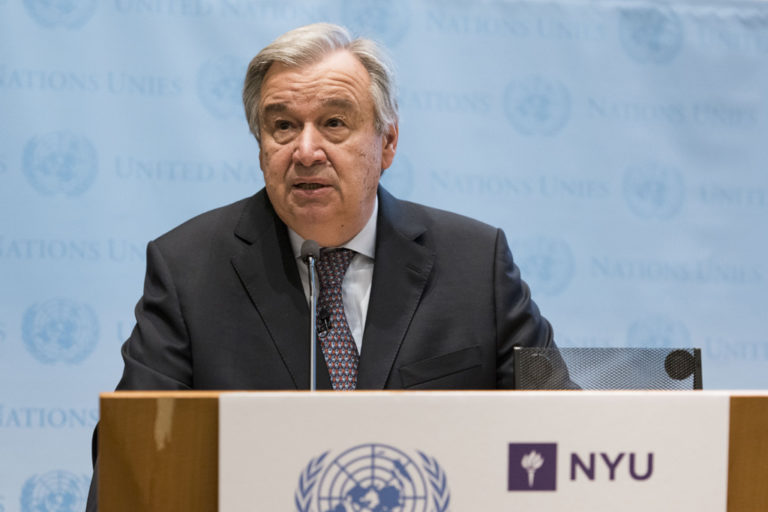
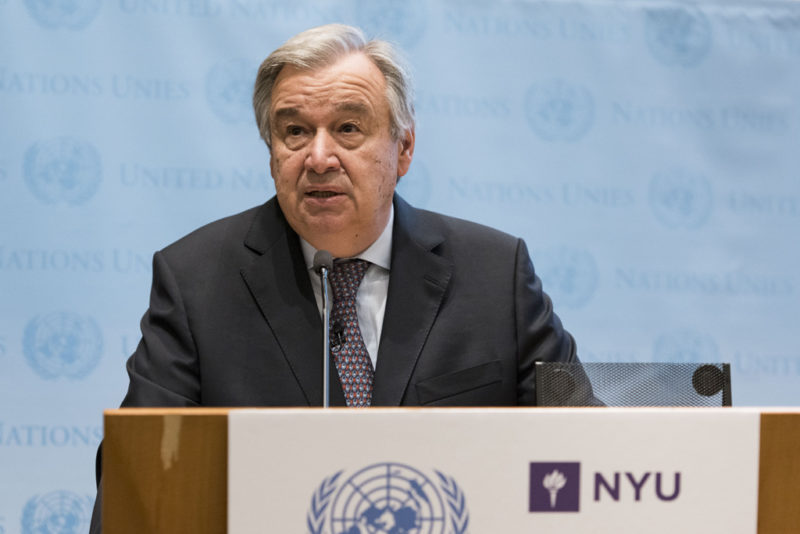
UN Secretary-General, António Guterres, has warned that climate chaos would continue in 2018, saying climate change is still moving much faster than human beings.

António Guterres
Secretary-General, António Guterres. Photo credit: UN /Mark Garten

The UN chief, therefore, called for the political will, innovation and financing to cut global emissions by at least 25 per cent over the next two years.

Guterres said: “Scientists are now worried that unless accelerated action is taken by 2020, the Paris goal may become unattainable.”

The Paris Agreement on climate change, adopted by world leaders in December 2015, aims to keep global temperature rise to well below 2 degrees Celsius and pursues efforts to limit the temperature increase even further, to 1.5 degrees.

“I am beginning to wonder how many more alarm bells must go off before the world rises to the challenge,” Guterres said.

The UN scribe noted that 2017 had been filled with climate chaos and 2018 had already brought more of the same.

“Climate change is still moving much faster than we are,” he warned, calling the phenomenon the greatest threat facing humankind.

Recent information from the World Meteorological Organisation (WMO), the World Bank and the International Energy Agency showed the relentless pace of climate change.

The UN chief said energy-related carbon dioxide emissions rose 1.4 per cent, to a historic high of 32.5 gigatonnes in 2017.

Moreover, weather-related disasters caused some $320 billion in economic damage, making 2017 the costliest year ever for such losses.

In social as well as economic terms, the 2017 Atlantic hurricane season was devastating, washing away decades of development in an instant.

In Africa, severe drought drove nearly 900,000 people from their homes while in South Asia, major monsoon floods affected 41 million people.

“Wildfires caused destruction across the world. Arctic sea ice cover in winter is at its lowest level, and the oceans are warmer and more acidic than at any time in recorded history.

“This tsunami of data should create a storm of concern,” Guterres said, announcing that he would convene a climate summit in New York in 2019 aimed at boosting global ambition to meet the level of the climate challenge.

“The Stone Age did not end because the world ran out of stones. It ended because there were better alternatives. The same applies today to fossil fuels,” he said.

The UN chief stressed the need for a further cut in greenhouse gas emissions of at least 25 per cent by 2020.

Guterres said his Special Envoy on climate change and former New York City Mayor, Michael Bloomberg, disclosed that the U.S. might meet the commitments made in Paris due to the positive reactions of the American business community and local authorities.

“All around the world, the role of governments is less and less relevant. The role of the economy, the role of the society is more and more relevant,” Guterres said.

By Prudence Arobani

NiMet prediction: Ogun may not experience severe flooding, says government

0

The Ogun State Government says the state may not experience severe flooding this year as revealed in the 2018 Seasonal Rainfall Prediction (SRP) of the Nigeria Meteorological Agency (NiMet).

Bolaji-Oyeleye
Ogun State Commissioner for Environment, Bolaji Oyeleye

Commissioner for Environment, Mr. Bolaji Oyeleye, in a statement in Abeokuta, the state capital, said that though most areas in the state might not witness serious flooding, as NiMet had forecasted a normal rainfall season for the state, however, flash floods could occur in flood-prone communities.

Oyeleye recalled that, irrespective of NiMet’s prediction of severe flooding, the state was generally flood-free all through the rainy season last year, saying this was as a result of the standard drainages that accompanied the road infrastructures constructed by the Senator Ibikunle Amosun-led administration.

He said the Flood and Erosion Control Department of his ministry had, at the beginning of this year, embarked on the dredging of river/stream courses, as well as desilting of drainages in major towns, in preparation for the rainy season, to prevent flood disasters.

“The river and stream courses that have been dredged in the state capital so far include: Sokori stream course from Isale-Igbein to Ijeja, the drainage path of swampy areas within Lafenwa Market, Akingbade stream in Obantoko and Fatola Estate steam course at Camp.

“A dilapidated and submerged culvert linking Oke-odo to Abule Oloni in Abeokuta was also reconstructed. In addition, a river course in Owode Ketu area and another along Ilaro-Owode Road of Ogun West Senatorial District had also been dredged,’’ he said.

The Commissioner enjoined residents to play their part by clearing their drainages and road medians, cautioning motorists to drive carefully during the rainy season as, according to him, the period is characterised by strong winds capable of pulling down trees, thereby causing obstructions on the roads.

He added that temperatures may be warmer than normal, as the dry season peaks, advising residents to increase their water intake, while ensuring that they drink from clean and hygienic water sources.

NiMet predicts dust haze, cloudy weather for Saturday

0

The Nigerian Meteorological Agency (NiMet) has predicted dust haze weather in the central states of the country on Saturday, 31 March 2018 with horizontal visibility of two to five kilometres and visibility of less than 1,000m in some places.

weather
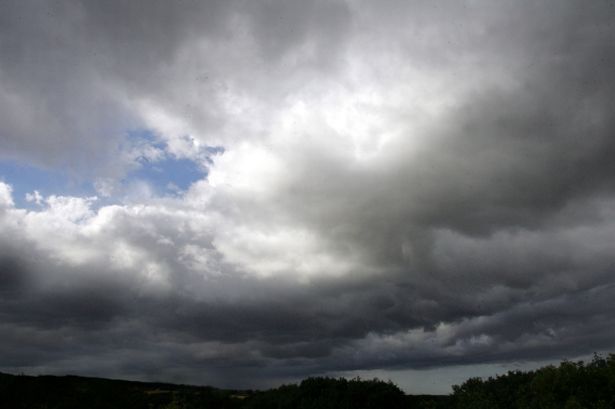
cloudy weather

NiMet’s Weather Outlook by its Central Forecast Office in Abuja on Friday also predicted day and night temperatures in the range of 30 to 35 and 19 to 25 degrees Celsius respectively.

Southern states will experience partly cloudy to cloudy morning hours with day and night temperatures in the range of 32 to 34 and 23 to 24 degrees Celsius respectively.

According to the agency, there is prospect of localised thunderstorms over Umuahia, Owerri, Awka, Akure, Lagos, Port Harcourt, Warri, Calabar and Eket in the afternoon and evening hours.

Day and night temperatures of 31 to 37 and 23 to 27 degrees Celsius respectively will be experienced over the southern cities.

In the Northern States, a thick dust haze condition is expected with day and night temperatures of 30 to 37 and 20 to 24 degrees Celsius respectively.

“Thick dust haze conditions are expected over the Northern cities, dust haze conditions are envisaged over most parts of the central cities while chances of cloudiness and thunderstorms over few places in the southern cities are also expected within the next 24 hours,” NiMet said.

By Sumaila Ogbaje

German environmental group sues 11 more cities over air pollution

0

An environmental group in Germany says it is taking legal action against 11 more German cities for violating EU air pollution limits, bringing the total to 28.

Pollution
Vehicular traffic is a major source of air pollution in Germany

Compliance with the limits is only possible by rapidly implementing quickly effective measures, such as driving bans for dirty diesel vehicles, Deutsche Umwelthilfe (DUH) said in a statement on Thursday, March 29, 2018.

A German federal court ruled in February that diesel-fuelled vehicles could be legally banned from certain roads or areas in the cities of Dusseldorf and Stuttgart, in order to combat air pollution.

The 11 cities named by the DUH on Thursday are Dortmund, Bochum, Dueren and Paderborn in the western state of North Rhine-Westphalia, the central city of Offenbach, and Heilbronn, Ludwigsburg, Backnang, Esslingen, Marbach and Reutlingen in the southern state of Baden-Wuerttemberg.

Air pollution has become a growing problem in German cities, with much of the focus on nitrogen oxides, which could cause a variety of health problems affecting breathing and the circulatory system.

Vehicular traffic is responsible for 60 per cent of this pollution and diesel cars, which are popular in Germany, are a major portion of that.

Upper limits on the amount of such gases allowed in the atmosphere have been in place since 2010, but not universally enforced, despite lobbying efforts by environmental groups and actions by cities like Dusseldorf and Stuttgart.

Mosquito-borne diseases: US approves field trial for GM mosquitoes

0

Despite inherent concerns, genetically modified mosquitoes (GMMs) will be released in the USA for the first time in 2018. The Food and Drug Administration (FDA) recently approved a field trial (Phase 3) for a GMM strain of Ae. aegypti (Aedes aegypti) (OX513A) developed by Oxitec Limited to be released in Key Haven, Florida.

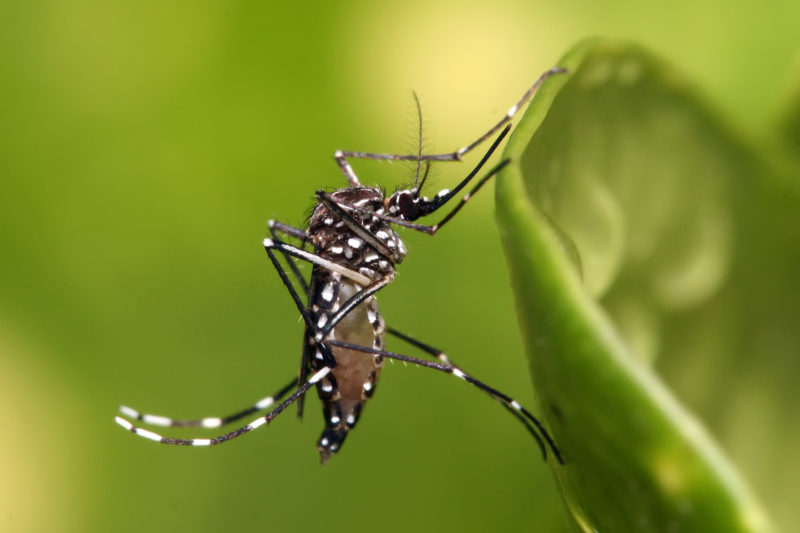
Aedes aegypti
A genetically modified strain of Aedes aegypti, the yellow fever mosquito, is to be released on field trial in the USA in 2018

This disclosure was made in a recently published paper titled: “Transgenic Mosquitoes – Fact or Fiction?” and authored by André B.B. Wilke, John C. Beier, and Giovanni Benelli.

The Aedes aegypti, the yellow fever mosquito, is a mosquito that can spread dengue fever, chikungunya, Zika fever, Mayaro and yellow fever viruses, and other disease agents.

Technologies for controlling mosquito vectors based on genetic manipulation and the release of GMMs are reportedly gaining ground. But, according to the study, concrete epidemiological evidence of their effectiveness, sustainability, and impact on the environment and non-target species is lacking.

The writers contend that there is no reliable ecological evidence on the potential interactions among GMMs, target populations, and other mosquito species populations exists, adding that no GMM technology has yet been approved by the World Health Organisation (WHO) Vector Control Advisory Group. Strategies based on the release of GMMs are however currently being tested and evaluated by the Vector Control Advisory Group.

“Our opinion is that, although GMMs may be considered a promising control tool, more studies are needed to assess their true effectiveness, risks, and benefits. Overall, several lines of evidence must be provided before GMM-based control strategies can be used under the integrated vector management framework,” states the authors.

GMMs is said to be one of the emerging technologies for fighting mosquito-borne diseases (MBDs), which are among the most important infectious diseases that afflict humans, livestock, pets, and wildlife worldwide.

Taken together, dengue virus (DENV), Zika virus (ZIKV), yellow fever virus (YFV), chikungunya virus (CHKYV), West Nile virus (WNV), and malaria are responsible for endangering more than three billion people living in endemic areas, causing millions of deaths every year, countless long-term disabilities and sequelae, and costing billions of dollars annually in medical care and lost man-hours due to impairment of neurological and cognitive function.

Malaria and WNV are transmitted by several mosquito species with regional variation in their epidemiological importance, resulting in complex multispecies scenarios. Approximately 40 mosquito species of the genus Anopheles are capable of transmitting malaria to humans, and WNV has been detected in approximately 60 species from the genera Aedes and Culex.

Prospects for preventing (re)emerging MBDs indicate the difficulty in anticipating and controlling the spread of diseases. Between 2015 and 2016, ZIKV reached more than 60 countries, infecting more than 700,000 people. This epidemic highlighted the lack of tools available to effectively control mosquito populations and prevent the spread of vector-borne diseases. As a result, such diseases are a major issue for developed countries and are out of control in many developing countries that have undergone rapid unplanned urbanisation and lack the means to install proper mosquito surveillance and control strategies.

To date, MBD control has mostly relied on the use of insecticides to suppress mosquito populations. However, this strategy is losing effectiveness in several key species. Ae. aegypti is said to be rapidly developing resistance to common insecticides such as pyrethroids and organophosphates. A similar scenario can be found for Cx. quinquefasciatus, Anopheles funestus Giles, and An. gambiae. Moreover, the application of larvicides on potential breeding sites to control immature mosquitoes has also resulted in the development of resistance.

Considering the above scenario and the decrease in effectiveness of current mosquito-control strategies, as demonstrated by the recurrent outbreaks of MBDs, new technologies to control mosquito populations are being developed and tested in the field. One of such is the development of GMMs.

According to the study, the advent of functional and stable germ-line strains of GMMs has made available several new perspectives for controlling mosquito vector populations. Essentially, two strategies are available and they include:

  • Population replacement – self-sustaining, involves the release of transgenic mosquitoes refractory to a given pathogen to replace the wild population, thus disrupting the cycle of transmission; and
  • Population suppression – self-limiting, involves the release of mosquitoes carrying a lethal gene, impairing offspring production in a targeted mosquito population.

World Health Day: World leaders urged to fulfill SDGs pledges

0

The World Health Organisation (WHO) has urged world leaders to live up to the pledges made toward advancing health for all while signing agreement on Sustainable Development Goals (SDGs) in 2015.

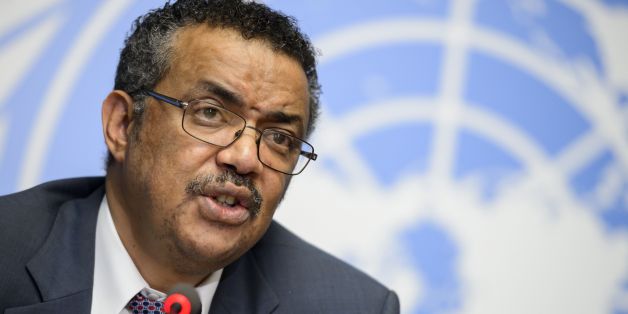
Dr Tedros Adhanom Ghebreyesus
Dr Tedros Adhanom Ghebreyesus, Director-General of the World Health Organisation (WHO). Photo credit: AFP / FABRICE COFFRINI / Getty Images

The organisation made the call in a statement ahead of the 70th anniversary of “World Health Day’’ scheduled for April 7, 2018.

WHO said this meant leaders needed to ensure that everyone, everywhere could access essential quality health services without facing financial hardship.

It also urged world leaders to commit to concrete steps to advance health for all as half of the world’s population still did not have full coverage of essential health services.

According to the organisation, more than 100 million people across the globe are still being pushed into “extreme poverty’’ because they have to pay for health care.

It noted that over 800 million people, about 12 per cent of the world’s population, spent at least 10 per cent of their household budget on health care.

The world body stated that UN member states had agreed to achieve universal health coverage by 2030 as part of the SDGs.

It added that “protecting people from financial consequences of paying for health services out of their own pockets reduces the risk of people being pushed into poverty.

“This is because unexpected illness will require people to use up their life savings, sell assets or borrow, thereby destroying their future and often that of their children.

“Achieving universal health coverage is one of the targets the nations of the world set when adopting the SDGs in 2015.

“Good health allows children to learn and adults to earn, helps people to escape from poverty and provides the basis for long-term economic development.”

The theme for 2018 World Health Day 2018 is “Universal Health Coverage: Everyone, Everywhere.”

By Yashim Katurak

Ahead rainy season, Akwa Ibom begins flood control intervention

0

The Akwa Ibom State Commissioner for Environment and Mineral Resources, Dr Iniobong Essien, has said that government has embarked on various flood control intervention in the state since January.

Iniobong Ene Essien
Dr. Iniobong Ene Essien, Akwa Ibom State Commissioner for Environment and Mineral Resources

Essien stated this on Thursday, March 29, 2018 at Ikot Oku Ikono Junction in Uyo, the state capital, during the monitoring of the ministry’s flood intervention programme.

He said the exercise was aimed at ensuring that the impact of the flood in the state was minimal.

He listed Akpan Andem Market, Ewet Housing, Unity Park and Udo Udoma Avenue as flood prone areas, adding that the flooding was due to blocked drains.

“A lot of these areas are flood prone and we have discovered overtime that the drains have been silted and what we are getting is a backlog of water.

“Once there is an interruption in the continuous flow of water, it leads to flooding.

“We are trying to ensure that we reduce flooding to the minimum, particularly with the prediction from NIMET recently that the intensity of the rains this year will be more.

“So, we are preparing for the rains.”

The commissioner stressed the importance of free-flowing drain and expressed the hope that the impact of the rains this year would be minimal in the state.

He advised residents of the state to desist from the unwholesome practice of dumping refuse into drainage systems.

He noted that what were de-silted from the blocked drains were predominantly leftover food, domestic waste, metals, sachet nylon and bottles.

Essien urged the residents to add value to what the government was doing by indulging in positive activities that would lead to cleaner environment and enhance the beautiful ambience of the state.

By Sunday Bassey

I’ll strengthen UN-Habitat, says new director

0

Executive Director of the United Nations Human Settlements Programme (UN-Habitat), Maimunah Mohd Sharif, has pledged to strengthen the agency to make it more responsive to the needs of countries to address the challenges of rapid urbanisation and harness the benefits of good urbanisation.

UN-Habitat
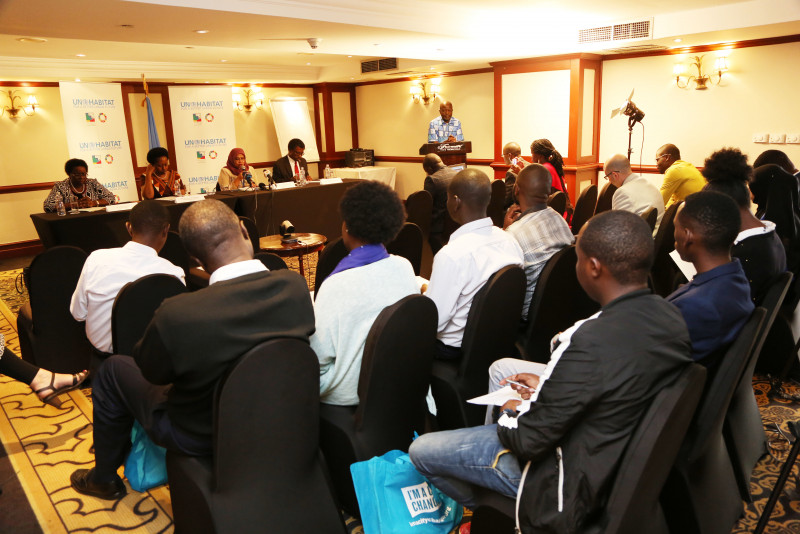
Executive Director of the UN-Habitat, Maimunah Mohd Sharif, flanked by her Deputy Executive Director, Aisa Kirabo Kacyira, and UN-Habitat’s Director for External Relations, Ms. Christine Musisi, and UN-Habitat’s Regional Office for Africa Director, Naison Mutizwa-Mangiza, addresses members of the Fourth Estate

At her maiden press conference held in Nairobi, Kenya on Thursday, March 29, 2018, Ms. Sharif highlighted that she would be guided by the principles of the New Urban Agenda and its implementation as an accelerator for the achievement of the Sustainable Development Goals (SDGs), especially SDG11 which aims to make cities and human settlements inclusive, safe, resilient and sustainable.

“In 2016, Member states adopted the New Urban Agenda which promotes a new paradigm on the way we plan, build and manage our cities and human settlements. UN-Habitat was recognised as a United Nations focal point for sustainable urbanisation. It is the moment to strengthen UN-Habitat to ensure we can effectively support countries to implement the New Urban Agenda in collaboration with all the United Nations system, all levels of government and other stakeholders.

Cities are centres of economic growth, contributing 70% of global GDP. Urbanisation, if well-planned, can be an important tool to achieve a good quality of life for everyone and can help us to achieve the sustainable development goals, in particular SDG11, and other SDGs such as SDG1: no poverty, SDG6: clean water and sanitation, SDG13: climate action, to mention just a few,” she said.

“I was the mayor in Penang in Malaysia and was the first woman to be appointed president of the Municipal Council of Seberang Perai. All my professional life, I have collaborated very well with journalists in delivering services to my employers – the people. Media is needed to increase awareness on urban issues which affect us every day such as basic services, mobility, public spaces or accessibility,” she said.

Ms. Sharif explained that, together with its sister agency UNEP, UN-Habitat was the only other UN agency headquartered in the developing world. She said that since its inception in 1976, UN-Habitat has stayed true to its course in addressing urbanisation and human settlements issues.

“We must look at human settlements of all sizes and think about how to improve the quality of life of those citizens living there. Many people migrate from rural areas seeking better opportunities in cities. If these people had adequate infrastructure and services in their communities, such as housing, good roads, education as well as economic opportunities, they might not leave their rural settings easily,” she said.

“As a focal point for human settlements and sustainable urban development in the UN system, UN-Habitat catalyses transformative change in cities and human settlements. We combine knowledge, policy advice, technical assistance, and collaborative action to support governments at all levels and stakeholders to ensure the well-being and dignity of all people living in cities and human settlements, be it in contexts of stability, crisis or post-crisis and recovery.”

She also announced UN-Habitat’s plans to maintain its excellent relations with Kenya, the host country, citing the government’s stated Agenda Four which has Housing as one of its key pillars. She has established a task force, led by UN-Habitat’s Director for Africa, to support more strategic and integrated programming in Kenya in line with the Government’s vision and to scale-up the good experiences in close collaboration with the UN Country Team and other strategic partners.

Affordable Housing is one of UN-Habitat’s priorities and specialisations. “As I have committed to the Cabinet Secretary of Foreign Affairs Monica Juma and the Cabinet Secretary of Infrastructure James Macharia, UN-Habitat is ready to offer its expertise to support the government to achieve its objective of providing some one million houses. We are more than ready to extend our knowledge and our tried and tested innovative solutions to the government of Kenya in its endeavours,” Ms. Sharif said.

The Executive Director highlighted some of the current linkages with Kenya as including: the establishment of a Long-term Solid Waste Management Strategy that Incorporates Youth Entrepreneurship through waste recycling in Kisii Town; Strengthening Planning for Resettlement and Integration of Refugee Communities at Kalobeyei New Site, Turkana County. Under this there was Peace and social cohesion, community resilience, humanitarian/ development nexus, as well as Land Tools to Support Tenure Security Enhancement in Informal Settlements in Nairobi and Mombasa.

Central Africa countries to restore 34.56m ha of forest in species-rich Congo Basin

0

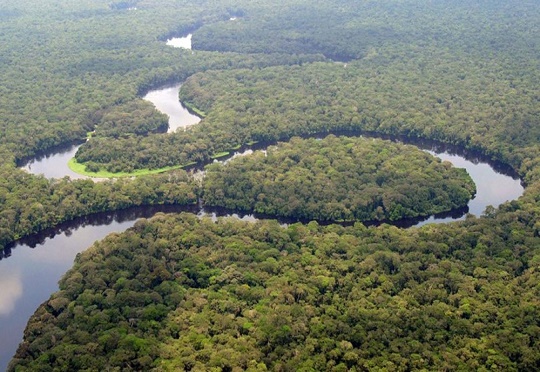
Seven Central African countries have committed to restore some 34.56 million hectares of forest under the Bonn Challenge.

Congo Basin
The Congo Basin

The countries are: Cameroon, Central African Republic, Chad, Democratic Republic of Congo, Republic of Congo, Burundi and Rwanda.

The Bonn Challenge is a global effort to bring 150 million hectares (ha) of the world’s deforested and degraded land into restoration by 2020, and 350 million hectares by 2030. It was launched in 2011 by the Government of Germany and the International Union for the Conservation of Nature (IUCN), and later endorsed and extended by the New York Declaration on Forests at the 2014 UN Climate Summit.

Under the sub-continental initiative, the benefits of restoration that will accrue to the participating countries are health (water), economic (food, etc) and environmental (fuel, climate benefit). While it is projected that they will reap up to $11 billion, the nations will likewise sequester some 3.37gigatonnes (Gt) of carbon dioxide (CO2).

Cameroon, which has promised to restore 12 million ha by 2030, will reap about $3.7 billion and sequester 1.14 Gt of CO2. The Central African Republic, on its part, will restore 3.5 million ha, benefit $1 billion, and sequester 0.33 Gt of CO2.

Similarly, Chad intends to restore 5 million ha by 2030, reap $1.8 billion, and have 0.57 Gt of CO2 sequestered. Same for the Democratic Republic of Congo, which in 2014 pledged to restore 8 million ha of forest by 2020, with the aim of reaping $2.5 billion and sequestering 0.76 Gt of CO2. Next-door neighbour, Republic of Congo, is restoring 2 million ha by 2030, rake in $628 million, and sequester 0.19 Gt of CO2.

In 2011, Rwanda pledged to restore 2 million ha by 2020. Burundi did likewise four years later in 2015. Both nations have valued water and environmental benefits at $628 million, and to sequester 0.19 Gt of CO2.

Underlying the Bonn Challenge is the forest landscape restoration (FLR) approach, which aims to restore ecological integrity at the same time as improving human well-being through multifunctional landscapes.

The restoration of 150 million hectares of degraded and deforested lands in biomes around the world – in line with the FLR approach – will create approximately $84 billion per year in net benefits that could bring direct additional income opportunities for rural communities. About 90 per cent of this value is potentially tradable, meaning that it encompasses market-related benefits.

Achieving the 350 million hectare goal will generate about $170 billion per year in net benefits from watershed protection, improved crop yields and forest products, and could sequester up to 1.7 Gt of CO2 equivalent annually.

“The Bonn Challenge is not a new global commitment but rather a practical means of realizing many existing international commitments, including the CBD Aichi Target 15, the UNFCCC REDD+ goal, and the Rio+20 land degradation neutrality goal. It is an implementation vehicle for national priorities such as water and food security and rural development while contributing to the achievement of international climate change, biodiversity and land degradation commitments,” said a source.