Home Blog Page 1929

GMO applications in Nigeria are mere formalities

0

Biosafety Project Officer, Health of Mother Earth Foundation (HOMEF), Joyce Ebebeinwe, in this piece, calls on the Nigerian government to look critically at the activities of the Nigerian Biosafety Regulatory Agency and the subject of genetically modified foods in the country in order to ensure that foods are safe for consumption
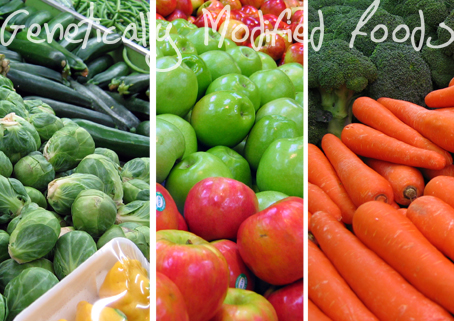
GMOs
GMOs

While Nigerians face uncertainties over food security due to incessant herders-farmers clashes, another threat is dawning on the nation without much notice. The fact that President Muhammadu Buhari just inaugurated a Food Security Council underscores the centrality of food security to the country. However, without food safety there cannot be food security.

On March 22, 2018, the country coordinator for Open Forum on Agricultural Biotechnology (OFAB) and National Biotechnology Development Agency (NABDA) chieftain, Dr Rose Gidado, stated in an interview with newsmen in Abuja that “before the end of 2018, Bt Cowpea and Bt Cotton as biotechnology products in Nigeria would be in the market.”

Health of Mother Earth Foundation (HOMEF) raised concerns with regard to this announcement and stated that these products are soon to be unleashed on an unsuspecting Nigerian public. According to the organisation, there is no guarantee about the environmental and health safety of the beans and cotton to be released by the end of 2018.

Nnimmo Bassey, the Director of HOMEF, stressed that there are serious challenges GMOs pose in the areas of toxicology, allergy and immune dysfunction and genetic disorders which make it very important that Nigeria adopts the precautionary principle-which warns that strict measures should be applied where there are threats of serious or irreversible damage and lack of full scientific certainty

The OFAB/NABDA officer stated that “the pesticide tolerant cowpea will allow for a reduced use of pesticide”. To this, Nnimmo Bassey, responded and stated it is well known that pests have developed resistance to the Bt toxins and this resistance leads to an increased use of toxic chemicals which increases the damage to the environment.

Mariann Orovwuje, the African Food Sovereignty Alliance (AFSA) chairperson, said: “Bt crops and other GM foods will not help Nigeria’s economy as the supporters of the technology allege. Rather, there will be forced dependence on corporate bodies for seeds. Farmers will have no right to reuse their seeds and agricultural production will be left in the hands of large scale industrial investors.”

The National Food, Drug Administration and Control (NAFDAC) in June 2017 revealed that 24 export products from Nigeria were rejected by the European Union (EU) in the year 2016 for failing to meet standards. HOMEF warns that the market for genetically modified products from Nigeria is narrowing instead of expanding, with the strict requirement of the EU.

HOMEF believes that the way to improve economic situation for farmers is to invest in organic agriculture, provide farmers with extension services, needed infrastructure, good roads and access to land and loans. Support for farmers should include investment in research and exploration of agroecology approach to the problems of pests and diseases.

The organisation stated that it is good to learn from others who have taken caution against GMOs. “The Ugandan President, Yoweri Museveni had, declined to sign into law a Biosafety Bill passed by the Ugandan Parliament in October 2017 because of issues that included liability and redress and concerns on conservation of indigenous crops and agricultural biodiversity.”

The Director of the National Biosafety Management Agency (NBMA) during a recent twitter chat was asked how the akara or moi-moi made from GM beans and other foods sold by the road sides will be labelled and his response was that the sellers should erect signposts announcing that they are selling GM products. That would be laughable if not for the fact that it is an extremely tragic notion.

HOMEF insisted that the promise to have GMOs labelled in Nigeria to ensure that the public have a choice on whether or not to eat such crops will not work mainly due to our socio-cultural and economic realities.

Furthermore, the recent statement by the NBMA DG, Dr Rufus Ebegba, at a media conference in Abuja on the April 5, 2018 shows clearly how flawed our biosafety regulatory system is. According to reports, “Dr. Rufus Ebegba has given importers of genetically modified (GM) seeds a seven-day ultimatum to formalise their dealings or risk being shut down.”

HOMEF expressed that this statement is in direct contrast to the provisions of the law. Section 23 (1) of the NBMA Act 2015 states: “Any person, institution or body who wishes to import, export, transit or otherwise carry out a contained field trial, multi-locational trial or commercial release of a genetically modified organism shall apply to the Director General of the Agency not less than 270 days to the date of import, export, transit or the commencement of such activity.”

According to HOMEF, the statement by the NBMA DG may be construed to mean that dealers on GM products in Nigeria will be given permits after they had imported GMO seeds without passing through due approval processes. HOMEF totally objects to any sort of formalisation of illegal importation of GMOs into the country. A short notice to import these crops does not allow for risk assessments or safety assurances and regrettably this may have been the basis on which the agency granted WACOT Ltd permits to import several varieties of GM maize over a period of three years – after the company was alleged to have illegally brought in the crop in September 2017 and had been ordered to repatriate the grains.

The Ecological Think Tank calls on the Nigerian government to look critically at the activities of the Nigerian Biosafety Regulatory Agency and the subject of genetically modified foods in the country. While HOMEF commends the action of the federal government in establishing the food security council, the group insists that it is pertinent that action is taken to ensure that our foods are indeed safe.
Nasarawa melon traders list gains of UNDP/ECN supported solar milling

0

In line with its mission of promoting sustainable energy development for productive uses, the United Nations Development Programme (UNDP) in partnership with the Energy Commission of Nigeria (ECN) in 2017 launched an intervention programme, the solar-powered agro (melon) – processing industry in Agyaraku and Ashangwa communities in Nasarawa State.

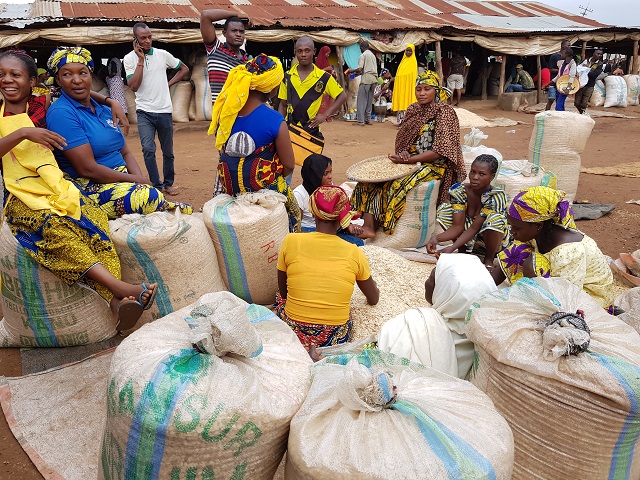
Lafia melon traders
Nasarawa melon traders

The project is aimed at reducing manual processing and reliance on diesel-fuelled mills, saving cost through reduced consumption of diesel fuel, reducing time spent travelling to mills so that time saved in manual labour will be redirected to other efforts that will increase income and reduce poverty, particularly for women and children who are the primary source of labour for agro-processing.

To this end, a building was constructed to safely accommodate both the electro-mechanical equipment and the solar-power plants and its control room and a solar-powered water borehole built very close to the solar-powered community-based melon processing factory in Ashangwa community. Also constructed is a 10 kva solar power station consisting 12volt, 200Ah deep-cycle battery; 50 units of 360W solar panels and three 5kva each of three-phase iPOWER (10kva) inverter with other balance of systems (BoS) was installed; and three10,000 ton/day three-phase 5hp electrically operated stainless steel melon shelling machines was installed to replace petrol-engine melon shelling with its inherent drudgery of going many kilometres to cue up for hours to grind cassava.

Speaking on the impact of the project, a melon trader, Margret Iliya, who has been in the trade since childhood, said the installation of the machine had saved her family from poverty. Narrating how the solar grinding has changed her family’s fortune, the trader who never made enough from her business said she now augments paying her children school fees and home upkeep from proceeds of her business.

She said: “I have been married for 20 years, and my husband and I have four children. My husband is a commercial tricycle (popularly called Keke NAPEP) operator in our community and he rarely makes enough to pay school fees for our four children and house upkeep. On my own part it takes a tedious, laborious process to process a bag of melon; this made me turn out paltry proceeds from my trade. As a result of this my family was almost living from hand to mouth most times. At one point my children missed out a school term because we could not meet up with paying the school fees.

“But that has all changed now. Since the solar mill was installed, I now produce more bags per week. The challenge I now face is to keep up with harvesting or buying more melon to process and sell.”

Although Hajiya Safiya Ibrahim’s story is slightly different from Margret’s, she too had a heartwarming tale to tell. She said that Ashangwa women had been able to form a cooperative with the advent of the solar powered-mill in their community. She said the women in the neighbouring community where the UNDP/ECN project is also sited now made significant proceeds from the trade and can now afford to contribute and set small amount of money aside for emergencies.

“We had road related issue in Ashangwa community last year and there was a call for donation to build a culvert. The cooperative was able to make a token donation to the community to build the culvert. We would have never dreamed of that before because people rarely made enough, what more, having small money to set aside to assist the community. We felt very proud to be able to help our community as a cooperative,” she stated.

Another melon trader, Zuwera Aleru, noted that the decentralised solar-power agro (melon) processing systems was a far more better alternative than the diesel-powered engine, saying women in the community are now faced with the challenge of producing more unlike before when they were constrained by tedious processing practices.

Zuwera called on the Federal Government to assist women in the community with fertiliser to grow more and get more output to meet up with demands of customers from all over the nation.

Earlier, the chairman of the melon association, Agyaraku community, Alhaji Abdulhamid Usman, disclosed that the solar mill had really changed the lives of women in the community. The chairman also said melon bags’ production drastically leapt from under 100 to almost 500 bags per week because of significant reduction in labour required to produce each bag, said the cost for production almost went down from N300 to N100 per bag.

He noted that the centre runs like a well-oiled machine with women maximally benefiting from facilities available at the factory, saying the borehole, solar mill and power house had improved melon process a lot.

He said: “The machine has really improved melon processing a lot. Women fetch water from the borehole to wash the melon and grind at a very cheap rate with the mill separating the chaff from the seed. They only have to dry it under the sun, hand-pick or shift small chaff and bag for sales.

“The machine is very easier for them, before when the machine was not around, women suffer to process the melon, they spend long hours under the sun, they fetch water from kilometers away. With the other machine the chaff and melon are all lumped together but the new machine separates the chaff from the seeds and the women only have to dry the seed under the sun because the new machine is different from the other one which made women spend long hours under the sun.”

Speaking on maintenance, he said money gotten from grinding melon and sale of water from the borehole to other community members who do not come to grind melon but want potable water was kept aside for maintenance of the facility. He, however, noted that the community would appreciate to be given more machines to cover the whole community and meet up demands of their fast-growing customer base.

“We are like the prodigal son because we have seen how helpful this factory is to the women and men of the community. This is not just about the melon business; it is helping the entire community. It has a rippling effect. It is about reducing labour, making more gains and fighting poverty because the women make more and can help their husbands and children. So, we want more machines to cover the entire community. We will be grateful if we get more, that means more positive effect for our people,” he added.

By Nkechi Isaac, Leadership Newspaper

Body clamours sustainable forest management to mitigate climate change effects

0

A pan-African non-governmental organisation (NGO), the African Forest Forum (AFF), has called for a sustainable forest management in Africa to mitigate the effects of climate change.

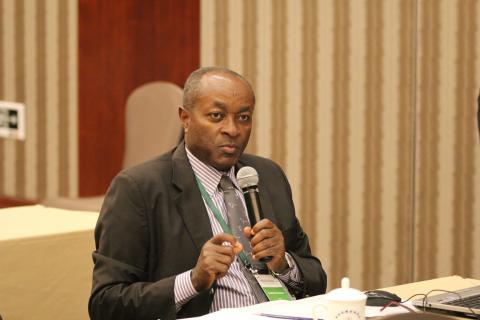
Godwin Kowero
Godwin Kowero, Executive Secretary of Nairobi-based Africa Forest Forum

Mr Godwin Kowero, the Executive Secretary of AFF, made the call at the opening of the forum’s training Programme with the theme “Modelling Climate and Applications to the Forestry Sector”, on Monday, April 9, 2018 in Osogbo, Osun State.

News Agency of Nigeria (NAN) reports that the workshop, which held at the premises of the Osun State University, had participants drawn from 17 African countries.

Kowero described climate change currently affecting the African environment as a serious threat to human lives, hence the urgency for sustainable forest management in Africa.

He said that AFF was committed to sustainable management, use and conservation of the forests and tree resources of Africa for the socio-economic well-being of its people and for the stability and improvement of the environment.

Kowero said that the forum was working closely with the UN to address the issue of deforestation, especially in Africa.

He said strategic plans were being put in place across African countries to curtail environmental degradation and climate change challenges.

Also speaking, Mr Moussa Leko, ECOWAS representative, said that the body was committed to supporting the efforts of member-states in creating a platform for synergy among stakeholders, to sustain forest management globally.

Leko said that the importance of forestry on food security and renewable energy as a source of livelihoods among African people could not be over-emphasised.

He commended the AFF for the initiative, saying that the expected huge impact would be felt on forest resources management both at regional and international levels.

In his remarks, Gov. Rauf Aregbesola of Osun State, commended the initiative of the AFF, which is aimed at improving livelihoods and sustainable management of forest resources on the African continent.

Aregbesola said that the state was committed to the issue of afforestation and tree planting, to curtail the ravaging effects of climate change.

Represented by his deputy, Mrs Grace Titilaoye-Tomori, the governor commended the forum for choosing Osun as the centre for the workshop.

The Vice Chancellor of the university, Prof. Labode Popoola, said that the institution was happy to host the workshop and wished the participants fruitful discussions.

By Victor Adeoti

Lawmaker urges Rivers to tackle soot challenge in state

0

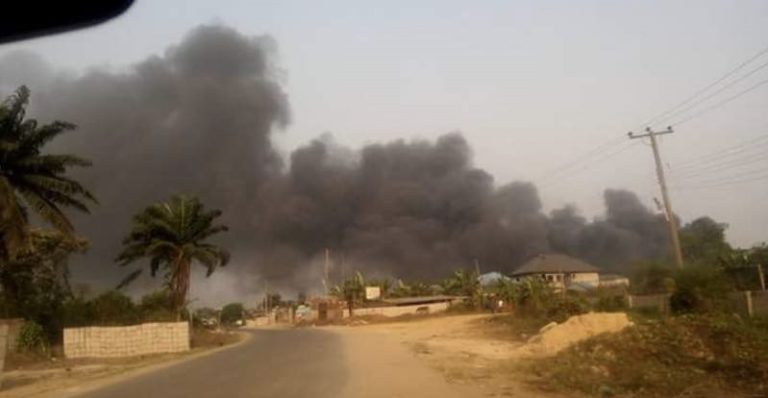
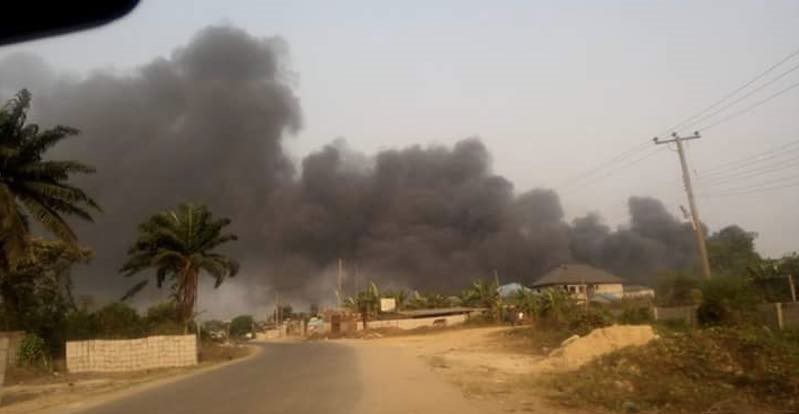
The member representing Port Harcourt Constituency I in the Rivers House of Assembly, Victoria Nyeche, has urged the state government to show more interest in tackling the soot challenge in the state.

soot-port-harcourt
Soot spreading over a neighbourhood in Port Harcourt, Rivers State

Soot is a deep black powdery substance consisting largely of amorphous carbon produced by the incomplete burning of organic materials like tyres.

Nyeche told the News Agency of Nigeria (NAN) in Port Harcourt on Monday, April 9, 2018 that the air pollution challenge is not beyond the capacity of the state to tackle.

She, however, said that the government had yet to identify the source of the problem.

“I don’t think that the soot challenge is beyond the capacity of the Rivers government, the state has to show more interest in stopping the environmental menace.

“Before you can ask for help, you show that you have done your best and my opinion is I have not seen that best,” she said.

According to Nyeche, the state government should be able to identify the source of the soot and hold some persons accountable for polluting the air and putting human lives under threat.

“There must be a statement from the government saying that these are the actions we have taken and it is beyond us and we need help; but now I don’t see we need help.

“We need to do what we ought to do as a government to safeguard the life of the people, we need to show that we are placing premium on their lives,” she said.

The lawmaker, however, acknowledged that the state government did set-up a committee on the soot issue and the Rivers Assembly also invited the Commissioner for Environment for explanations.

“But the truth of the matter is that the problem is still persisting and as a government we owe the people a duty of care.

“We have to ensure that the problem has been sorted out or actually eliminated because it’s a cumulative challenge as we might not see the effect now.

“But if you do a Health Impact Analysis (HIA), you will know that there is an increase in the number of respiratory problems.

“It will be worse for children because their respiratory organs are not well developed, so they are more susceptible to health and lungs related challenges,” she said.

The legislator also said that it was in the public domain that illegal oil refining in the creeks was the cause.

“And of course, you don’t need to be a scientist to know that the soot coming out from illegal oil refining without confinement goes into the air and pollute it.

“When it goes into the air, it will contribute to the environmental challenges that we have,” she said.

Nyeche, the only female lawmaker in the state assembly, also  advised residents to stop unhealthy and unsanitary practices.

She said that youths involved in vandalising pipelines in reaction to the activities of oil companies and security agents assigned to stop illegal refining that were burning the products when they apprehend culprits were also contributing to the menace.

“The security agents that seize these products and burn them, and our youths that vandalise pipelines also contribute to the problem because it is not a sustainable way of tackling the issue.

“You don’t dig a pit to cover another, you get people polluting the environment and you further pollute it by discharging the product through burning,” she said.

By Omuboye Sukubo

Africa embracing technology in managing climate change – UN

0

African countries are beginning to embrace technology in managing climate change, a UN official said on Monday, April 9, 2018.

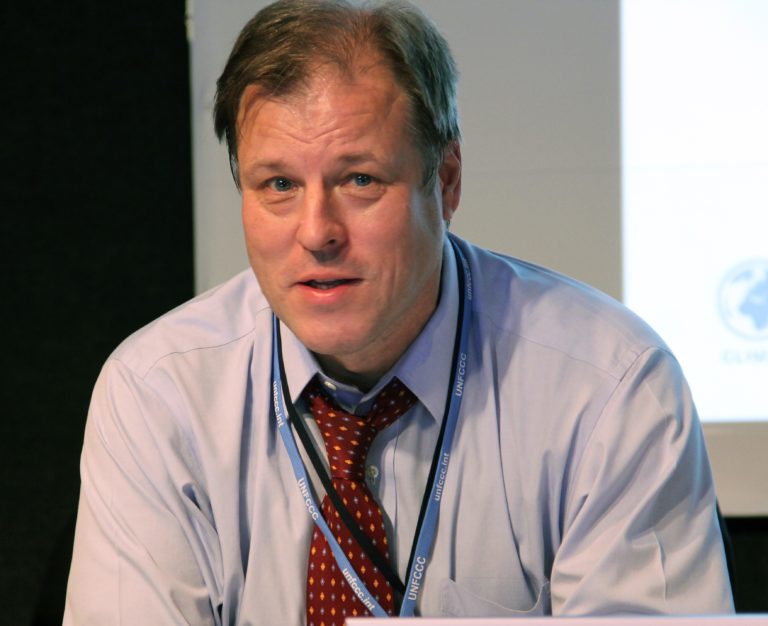
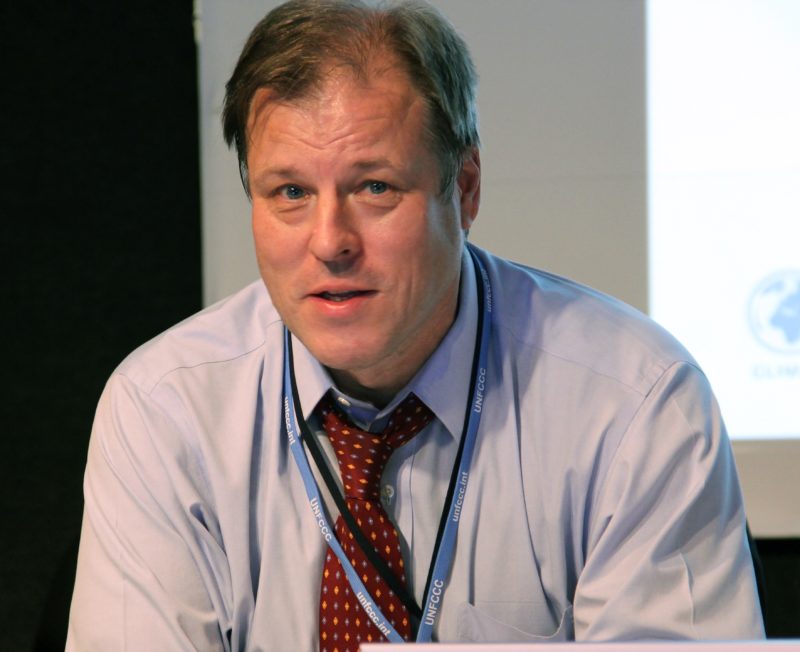
Jukka Uosukainen
CTCN Director, Jukka Uosukainen

Jukka Uosukainen, the Director of the UN Climate Technology Centre and Network (CTCN), said that since the Paris climate agreement in France in 2016, African governments have started asking for technological support in
tackling climate that adversely affects the continent.

“Most of the countries have developed their technology roadmap after experiencing the impact of climate change,” Uosukainen said during the opening of Africa Regional Forum on Climate Technology in Nairobi, Kenya.

Uosukainen said that the countries have continued to ask for technological support based on their priorities.

“A lot is being done, best practices are being shared with support from other countries and companies,” he added.

He however challenged countries to look for domestic funding alongside foreign help since climate change requires heavy commitment of funds.

Uosukainen observed that the countries can realise better results through a multi-sectoral approach that includes the public, private and research institutions.

He noted that the continent’s scientists have developed early warning systems against drought and floods that has been of great help to populations in the region.

“Experts from West Africa have also developed mechanisms that helps protect the tourism industry,” he added.

Director-General of World Agroforestry Centre, Tony Simons, said that due to the adverse effects of climate change in the continent, leaders must begin to vigorously support populations.

He noted that malnutrition and land degradation are the biggest challenge facing African population that requires agent attention.

“We need a bottom-up approach into managing our wetlands, hydrological cycle and afforestation,” he added.

UN Environment Director of Economy, Ligia Noronha, told countries to link climate change interventions with Sustainable Development Goals agenda.

“It is time to integrate thinking, solutions and innovations through a regional approach,” she noted.

Noronha observed that Africa require regional climate change adaptation strategies including gender mainstreaming.

She called for the fastening of carbon credits sales in Africa to help motivate populations into conserving the environment.

The Africa Regional Forum brings together delegates from 47 African countries, national coordinators of the Technical Need Assessments project, Network members and experts from developed countries to share experience and best practices to meet Africa’s climate challenges.

CTCN promotes the accelerated transfer of environmentally-sound technologies for low-carbon and climate-resilient development at the request of developing countries.

Farmers to generate N5.85b annually from rubber plantations in southern Kaduna

0

Farmers in southern Kaduna are expected to generate N5.850 billion annually from rubber plantation, according to Dr. Wuranti Valla, an official of the Rubber Research Institute of Nigeria (RRIN) in Benin City, Edo State.

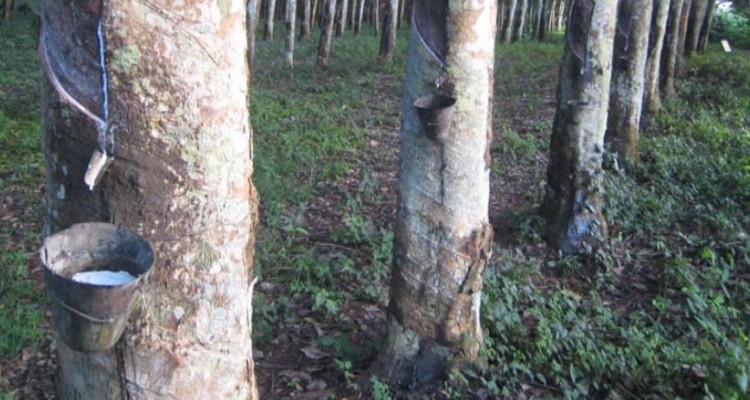
Rubber plantation
A rubber plantation

Valla, a Chief Research Officer in the institute, told the News Agency of Nigeria (NAN) on Monday, April 9, 2018 in Manchok that 52 farmers, including the state government, had cultivated about 52 hectares of rubber plantations in six local governments.

“Of the 52 farmers, 12 are from Manchok town in Kaura Local Government. They cultivate a total of 12 hectares of rubber plantations. The least farmer has 450 rubber trees while some have up to 2000 trees,” he said.

He said that the remaining 40 farmers were scattered in five local governments – Jema’a, Kagarko, Jaba, Zango-Kataf and Sanga.

According to him, farmers in Manchok, who planted in late 2007 when RRIN introduced the Rubber Project in the southern part of the state, have commenced tapping since October 2017.

He said that the state government’s plantation, which is located in Sanga Local Government, was also being tapped.

Valla, who described the project as a huge success, said that the farmers would “soon start smiling to the bank after about 10 years of investment, labour, hard work and endurance”.

He said that each hectare contained 450 rubber trees, adding that a kilogramme of rubber currently sells at N250 in the international market.

“Rubber is money because a single three can produce about 1,000 kilogrammes of rubber annually. If you multiply N250 by 1,000, you will get N250,000 annually per tree.

“For those with 450 trees, it means N112.5 million per hectare. If you value the 52 hectares being cultivated in the area, we are talking of about N5.850 billion annually.

“The market is there because the demand for rubber is high. It is the major raw material for companies manufacturing tyres, tubes, shoes, condoms, balloons, hand gloves, surgical instruments, among many others uses.

“Already, there is a company from Delta State that has commenced tapping of about three farms in Manchok, but RRIN is making arrangement to buy off the rubber directly from the farmers to ensure a ready market,” Valla said.

He said that agro-allied industries would soon spring up in the area following the growing of rubber plantations.

“The weather is friendly and the soil is conducive for rubber trees. Farmers in this part of the country should take advantage of the project to improve their earnings,” he said.

One of the farmers in Manchok, Mr Danladi Nache, who spoke with NAN, said that he was among the few farmers that keyed into the rubber plantation initiative when it was first introduced in Manchok in 2007.

Nache described the 10 years of hard labour, huge investment and hard work required to nurture the rubber trees to maturity as a “herculean task”.

“I planted 1,344 seedlings in 2007; by April 2009, 860 had died, leaving only 484. I had to constantly replace the dead ones and now I have about 900 trees, out of which about 200 are being tapped,” he said.

He identified some of the challenges to include constant watering after planting the seedlings due to shortage of rain between November and April, for the first three years.

Other concerns, he said, included attack by termites, bush fire, encroachment by herdsmen and vandalism by criminals that keep thwarting all efforts to fence the plantation with barbed wires.

“It has not been easy, but I am glad that I remained focused and resolute to have come this far, and I am confident that my years of hard labour will finally pay off, now that my trees are being tapped,” Nache said.

He thanked the RRIN for all the technical support, including local and foreign training to equip the farmers with all the basic knowledge and skills required to maintain rubber plantations.

Another farmer, Mr Leo Shekari, a civil servant, who has about 200 trees in his plantation in Manchok, said he had to cross so many hurdles to nurture the trees to maturity.

Shekari, who said that the plantation would occupy most of his time after retirement, declared that he had no regrets in spite of the years of endless toils and investment to ensure that the trees survived and grew to maturity.

“I am happy to say that my plantation will be due for tapping, hopefully, by 2019. I am also confident that my children and their grandchildren will tap from the economic gains of my years of labour,” he said.

On his part, Malam Tagwai Sambo, the Chief of Moro’a, who also has about 500 rubber trees already being tapped, described the development as a step toward opening the land for more investors.

“We embraced the initiative when it was introduced in 2007. Not only did we plant the trees, we encouraged others to do so. I personally donated about three hectares to RRIN for demonstration.

“The Kaduna State Government has equally given the institute 20 hectares so as to expand the cultivation of the economic tree in the southern part of the state.

“The rubber trees currently being tapped, including my own, have shown that rubber trees not only flourish in our land, but could also provide high quantity of quality rubber,” Sambo said.

The royal father, however, appealed to the RRIN to ensure ready market for the farmers so that they could reap the benefits of their hard labour, endurance and perseverance.

Meanwhile, the institute’s Head of Field Operations in Manchok, Mr Nwadiei Ugo, has said that the yield of the rubber plantations in Manchok were encouraging and had proven to be of high quality.

Ugo particularly expressed surprise that 20 per cent of the trees currently being tapped in Manchok were filling their cups in the first five days as against just trickles usually recorded, when tapping a new plantation in the south of the country.

“We had to use a one litre cup instead of half litre to avoid wastage because of the high volume of the liquid rubber that flows from the trees.

“Besides, only few water content was discovered when we subjected the liquid rubber to test to determine the quantity of the coagulated rubber content. This is a further proof of the high quality of the rubber,” he said.

Ugo called on other farmers to key into the project, pointing out that rubber plantation had huge returns on investment.

“We have even introduced inter-cropping to allow farmers to cultivate other food crops alongside the rubber,” he stated.

By Philip Yatai

Forum to showcase West Africa’s clean energy investment opportunities

0

The third West Africa Forum for Climate and Clean Energy Financing (WAFCCEF-3), scheduled to hold on Thursday, April 12, 2018 in Abidjan, Côte d’Ivoire, will showcase some of the most promising clean energy investment opportunities on the sub-region.

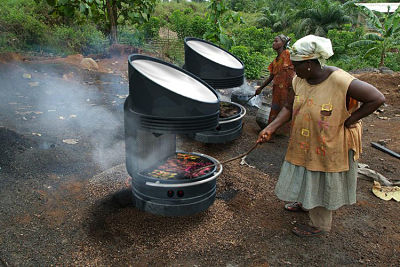
solar-grill-4_opt1
Clean energy: A solar grill stove in use by rural women

Hosted by the African Development Bank (AfDB), the forum is organised by the Private Financing Advisory Network (PFAN) in partnership with the ECOWAS Centre for Renewable Energy and Energy Efficiency (ECREEE).

The Financing Forum, it was gathered, provides the opportunity to meet inspiring West African entrepreneurs on the frontline of the low-carbon energy transition, network with regional and global clean energy experts and impact investors, and learn first-hand about exciting climate and clean energy investment opportunities in the ECOWAS region.

WAFCCEF-3, two years after WAFCEF2, will showcase projects that are investment-ready and have been selected for their commercial viability, growth potential, social and environmental benefits, according to the organisers.

WAFCCEF-3, they added, is primarily targeted at investors, including impact investors and financiers engaged in the clean energy and energy efficiency sectors in West Africa.

The PFAN is a multilateral, public-private partnership initiated by the Climate Technology Initiative (CTI) in cooperation with the UN Framework Convention on Climate Change’s Expert Group on Technology Transfer.

ECREEE is a specialised agency which acts as an independent body but within the legal, administrative and financial framework of the ECOWAS rules and regulations. ECREEE aspires to contribute to the sustainable economic, social and environmental development of West Africa by improving access to modern, reliable and affordable energy services, energy security and reduction of negative environmental externalities of the energy system.

Realnews launches Mobile App

0

The Realnews Magazine and Publications Limited, a Nigerian-based news publication outfit, has created an Android and Windows 10 Mobile Apps for Realnews magazine, its online publication.

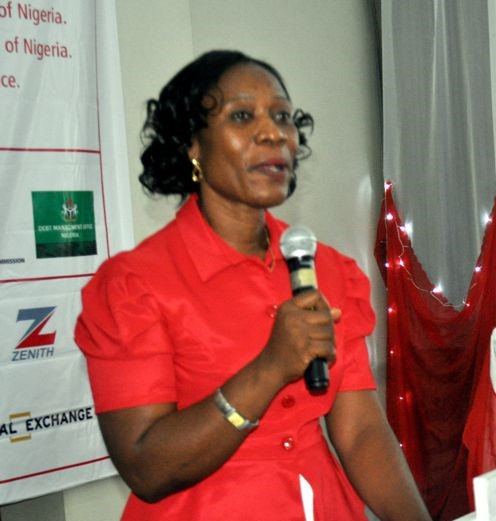
Maureen Chigbo
Maureen Chigbo, publisher/editor of Realnews

The Apps can be downloaded via links below for national, regional and international news and breaking stories.

The Android link is: https://play.google.com/store/apps/details?id=com.realnews.magazine&hl=en

The Windows link is: https://www.microsoft.com/en-us/store/p/realnews-magazine/9p9sgk05vx35

Through the Apps, Realnews will be disseminating well investigated stories on national and international issues on oil and gas, business and economic, environment, politics, youth, women and children.

According to Maureen Chigbo, publisher/editor of Realnews, downloading the App will enable the subscriber access news and breaking stories at any time and at any location.

According to her, the new App is in line with the vision of the organisation to build a reputable world class media institution whose watchword is professionalism and integrity. The Apps, said Chigbo, are part of the overall efforts to increase access and visibility of Realnews website: www.realnewsmagazine.net

Group seeks establishment of oil spill laboratories in Niger Delta

0

The Environmental Right Action/Friends of the Earth Nigeria (ERA/FoEN) on Monday, April 9, 2018 solicited the establishment of specialised laboratories for oil spill-related tests to resolve spill-related conflicts in the Niger Delta region.

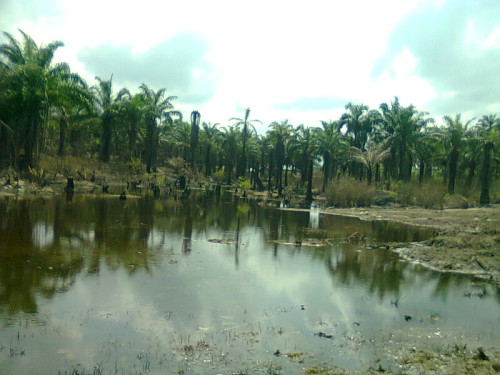
OIL SPILL AT IBUU CREEK OKWUZI
Ibuu Creek polluted by an oil spill, in Okwuzi Community in Rivers State. Photo credit: Dandy Mgbenwa

ERA/FoEN made the appeal in its report on the September 2017 spill incident at Agip’s 10” Tebidaba-Clough-creek pipeline in Southern Ijaw Local Government Area of Bayelsa.

It will be recalled that the clean-up of the oil leak, which discharged about 180 barrels of crude into the environment, was delayed until the Bayelsa Government intervened to resolve the disagreement.

Mr Marco Rodondi, District General Manager, Nigeria Agip Oil Company, said that the conflict between community and Agip had frustrated the clean-up efforts, which had currently reached the final stage.

The report urged the federal and state governments as well as interventionist agencies in the Niger Delta region to set up specialised laboratories to facilitate the speedy resolution of oil spill pollution-related conflicts between oil firms and their host communities.

The report, signed by Alagoa Morris, Head of Field Operations at ERA/FoEN, said that the laboratories would conduct confirmatory tests by tracing sources of oil leaks and environmental toxicology tests to confirm clean-up of oil spill sites.

The group said that the endless arguments between Agip officials and Apoi community in Bayelsa, which was affected by the oil spill, could have been avoided if functional reference laboratories were in place.

“There is need for the Bayelsa Government to collaborate with the Federal Government’s interventionist agencies like Niger Delta Development Commission and Ministry of Niger Delta Affairs on pollution cases.

“These stakeholders should establish functional, standard science laboratories.

“This is with a view to making it easier for our communities and other individuals affected in connection with water, land and air pollution to get samples analysed.

“This is very critical because it will assist all stakeholders, clean-up contractors, impacted communities and oil companies concerned,” ERA/FoEN said.

The non-governmental organisation quoted a Joint Investigation Visit (JIV) report on the oil spill incident as stating that out of 180 barrels of crude oil, which leaked into the environment, 124 barrels had been recovered.

ERA/FoEN, however, expressed the regret that 56 barrels of spilled crude oil had not been accounted for.

“There is need for soil and water samples to be collected from the disputed environment for scientific analysis; in view of the toxic nature of crude oil to the environment and the need for proper clean-up.

“All stakeholders, including regulatory agencies, oil firms and the community, should be involved in this exercise,” ERA/FoEN stated.

By Nathan Nwakamma

Nigeria to reduce importation of wheat by 60% in 2025

0

The Team Leader, Wheat Value Change in Nigeria, Dr Oliwasina Olabanji, says that Nigeria will reduce wheat importation by 60 per cent by 2025.

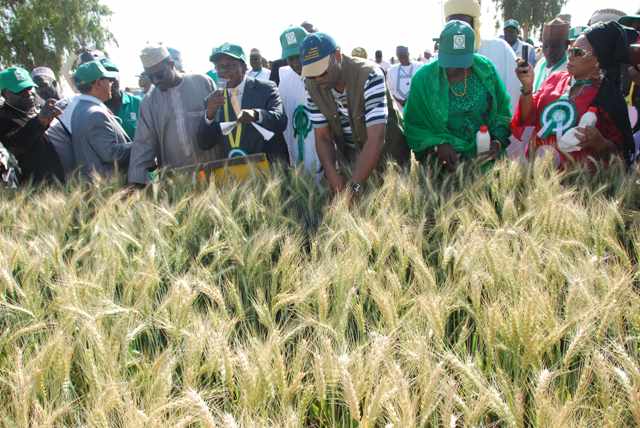
Wheat-production
Wheat production in Nigeria

Olabanji, who is the Executive Director, Lake Chad Research Institute, stated this on Sunday, April 8, 2018 after inspection of wheat seed production farms in Ringim and Hadejia Local Government Areas of Jigawa State.

He explained that the Flour Mills had initiated and supported the production of improved and high yielding wheat seed in Jigawa and Kano states.

The team leader said the firm has supported farmers with seed and fertiliser to cultivate 45 hectares of the improved seed, with 30 hectares in Kano and 15 in Jigawa.

According to him, seed is critical to crop production, hence the need to support and encourage its production.

Olabanji identified lack of adequate seed as a major challenge in the value change agenda in Nigeria.

“We are here today for a farm work on wheat seed production. This project is the initiative of Flour Mills of Nigeria; they empowered our farmers with inputs to produce wheat seed.

“Seed is very critical in crop production and in the value change, our major challenge is seed, we don’t have adequate seed in this country, not only for wheat, even for most crops.

“But the Flour Mills of Nigeria has in no small measure helped us to bridge the gap in our seed production. They have intervened in two states – Kano and Jigawa.

“Here in Jigawa, they empowered three farmers to cultivate 15 hectares of wheat seed, likewise in Kano, about 30 hectares have been put into wheat seed production with support of the company.

“We are so grateful to them and we are also grateful to our farmers in the wheat value change,” Olabanji said.

He added that the farmers engaged to produce the seed were competent enough and were trained on community based seed production.

The team leader also assured the farmers that the company would uptake the seed after cultivation.

“And another thing that the Flour Mills is going to do now is when the farmers harvest is to buy from them. So farmers already have market.

“And I want to thank the state’s Director of Agricultural Transformation Agenda (ATA), Malam Isa Awwalu, for his support in the programme,” the team leader added.

According to him, the wheat value change team will soon come up with another project in which wheat seed production is a component.

Olabanji added the team would collaborate with Jigawa Government to make sure that, by 2025, Nigeria reduces importation of wheat seed by sixty per cent.

“The Governor of Jigawa is very supportive to our wheat production and another project is coming up in the next two months and wheat production is one of the components of that project.

“So we are coming to sensitise Jigawa government on the project so that we will have a very strong collaboration to make sure that come 2025, Nigeria must reduce importation of wheat by 60 per cent,’’ Olabanji said.

By Muhammad Nasir Bashir