Home Blog Page 1890

Ebola: WHO seeks $26m for DRC response, Ghana denies outbreak reports

0

The World Health Organisation (WHO) and partners will need $26 million for the Ebola Response in the Democratic Republic of the Congo (DRC) over the next three months.
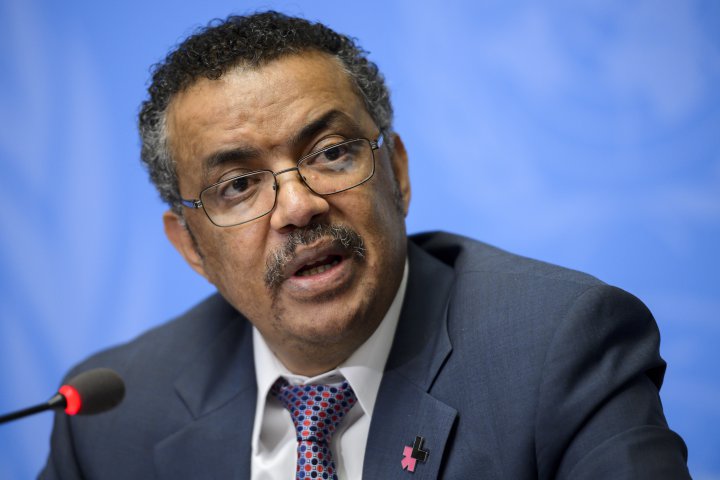
Dr Tedros Adhanom Ghebreyesus
Dr Tedros Adhanom Ghebreyesus, Director General of the World Health Organisation (WHO). Photo credit: FABRICE COFFRINI/AFP/Getty Images

This is even as the Ghana Health Service (GHS) refuted reports of an outbreak of the Ebola Virus Disease (EVD) in the country.

WHO said on Monday, May 21, 2018 that funding had been received from Italy, UN Central Emergency Response Fund (CERF), and Gavi – the Vaccine Alliance.

The others are the U.S. Agency for International Development, the Wellcome Trust and UK Department for International Development.

The Ghana denial followed social media reports that claimed an Ebola outbreak in the country and that the health authority was trying to suppress the information.

“We want to state emphatically that the report is false and misleading and that there is no such incidence of Ebola in Ghana,” the GHS said in a statement signed by its Director-General, Anthony Nsiah-Asare.

The statement said Ebola was a highly infectious condition and that when there was an outbreak in a community there was no way the National Health System could keep it secret from the public.

It added that the health system was part of the global community and mandated by international health regulation to report all such conditions if they occurred.

It assured the general public that since the reported outbreak in the Democratic Republic of Congo, the surveillance system has been intensified, including at the points of entries, to detect any case should it occur.

In the DRC, the WHO said it had also released $2 million from its Contingency Fund for Emergencies, to scale up the Ebola response.

The Government of DRC, with the support of WHO partners, is preparing to vaccinate high risk populations against Ebola Virus Disease (EVD) in affected health zones.

The organisation said health workers operating in affected areas were being vaccinated on Monday and community outreach had started to prepare for the ring vaccination.

More than 7,500 doses of the rVSV-ZEBOV Ebola vaccine have been deployed to DRC to conduct vaccination in the northwestern Equator Province where 46 suspected, probable and confirmed Ebola cases and 26 deaths have been reported – as of Friday.

Most of the cases the oraganisatioj said were in Bikoro, a remote rural town, while four confirmed cases are in Mbandaka, the provincial capital with a population of over one million people.

The vaccines were donated by Merck, while Gavi, the Vaccine Alliance is contributing one million dollars towards operational costs, while the Wellcome Trust and DFID had also pledged funds to support research activities.

Dr Tedros Ghebreyesus, WHO Director-General, said: “Vaccination will be key to controlling this outbreak. We are grateful for the support of our partners in making this possible”.

The Ministry of Health with WHO, Medecins Sans Frontieres , UN Children’s Fund and other key partners are implementing a ring vaccination with the yet to be licensed rVSV-ZEBOV Ebola vaccine, whereby the contacts of confirmed cases and the contacts of contacts are offered vaccination.

Frontline healthcare workers and other persons with potential exposure to EVD – including but not limited to laboratory workers, surveillance teams and people responsible for safe and dignified burials – will also receive the vaccine.

Dr Peter Salama, WHO Deputy Director-General for Emergency Preparedness and Response, said there was the need to act fast to stop Ebola from spreading.

“We need to act fast to stop the spread of Ebola by protecting people at risk of being infected with the Ebola virus, identifying and ending all transmission chains and ensuring that all patients have rapid access to safe, high-quality care,” Salama said.

A ring vaccination strategy relies on tracing all the contacts and contacts of contacts of a recently confirmed case as soon as possible.

WHO said teams on the ground had stepped up the active search and follow up of all contacts, while more than 600 contacts have been identified to date.

“Implementing the Ebola ring vaccination is a complex procedure,” said Dr Matshidiso Moeti, WHO Regional Director for Africa.

“The vaccines need to be stored at a temperature of minus 60 to minus 80 degrees centigrade and so transporting them to and storing them in affected areas is a major challenge,” Moeti said.

WHO had sent special vaccine carriers, which can keep their contents in sub-zero temperatures for up to a week and has set up freezers to store the vaccines in Mbandaka and Bikoro.

The UN health agency is deploying both Congolese and Guinean experts to build the capacities of local health workers.

The Ministry of Health, WHO, UNICEF and partners are engaging communities to inform people about Ebola, including the vaccine.

The vaccine was shown to be highly protective against Ebola in a major trial in 2015 in Guinea, and among the 5,837 people who received the vaccine, no Ebola cases were recorded nine days or more after vaccination.

While the vaccine is awaiting review by relevant regulatory authorities, WHO’s Strategic Advisory Group of Experts on Immunisation has recommended the use of the rVSV-ZEBOV Ebola vaccine under an expanded access/compassionate use protocol during Ebola outbreaks linked to the Zaire strain such as the one ongoing in the DRC.
Joyce Msuya of Tanzania emerges deputy director at UNEP

0

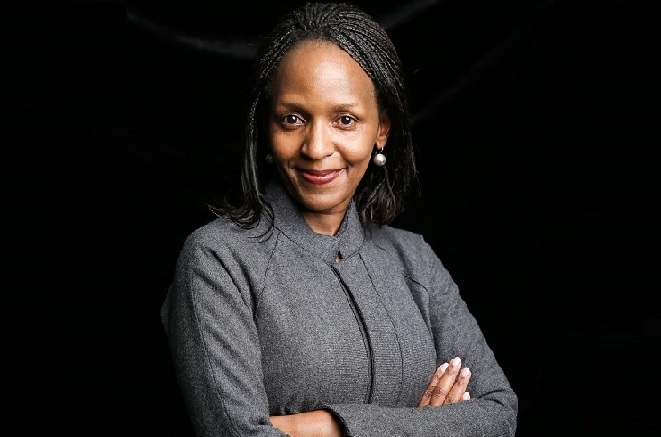
United Nations Secretary-General, António Guterres, on Monday, May 21, 2018 announced the appointment of Joyce Msuya of Tanzania as Deputy Executive Director of the United Nations Environment Programme (UNEP) in Nairobi, Kenya.

Joyce Msuya
Joyce Msuya

She will succeed Ibrahim Thiaw of Mauritania, to whom the Secretary-General says he is grateful for his leadership and dedicated service during his tenure.

Ms. Msuya has since 2017 served as Adviser to the World Bank Vice President, East Asia and Pacific Region in Washington, D.C.  She brings to the position more than 20 years of extensive experience in the field of international development spanning corporate, strategy, operations, knowledge management and partnerships, with diverse assignments in Africa, Latin America and Asia regions.

She previously served as the World Bank Special Representative and Head of the World Bank Group Office in the Republic of Korea, as well as Regional Coordinator at the World Bank Institute covering East Asia and Pacific Region, based in China, and Principal Strategy Officer at the International Finance Corporation’s Manufacturing, Agribusiness & Services Department.  Earlier in her career, she held numerous prestigious positions at the World Bank Group.

Ms. Msuya holds a Master of Science in Microbiology and Immunology from the University of Ottawa, Canada, and a Bachelor of Science in Biochemistry and Immunology from the University of Strathclyde, Scotland. She is married and has two children.

Flood warning device systems to be installed nationwide

0

The Nigeria Hydrological Services Agency (NIHSA) says it will soon install the “Flood Warning Alert’’ device on major rivers so as to check flooding across the country.

Lokoja
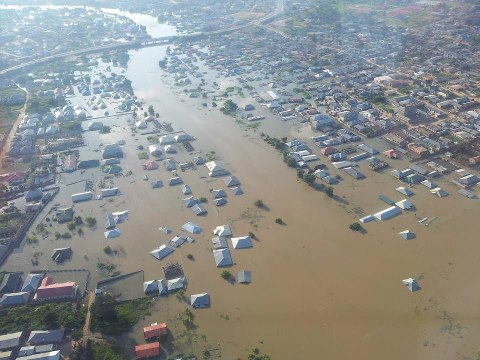
Flooded parts of Lokoja, Kogi State, in 2012

Mr Olayinka Ogunwale, the Acting Director-General of NIHSA, said this on Monday, May 21, 2018in an interview with News Agency of Nigeria (NAN) in Abuja.

He said the device would facilitate efforts to send flood alerts to the people living in flood-prone areas so as to save the people’s lives and property.

Ogunwale said that NIHSA had started the installation of the network device system on River Niger at Lokoja in Kogi State, while others would be installed on River Benue and other major rivers across the country.

According to Ogunwale, the installation of the network device systems will particularly boost efforts to detect and check flood incidents in flood-prone areas of the country.

“Just recently, we started with the idea of installing flood alerts and we started with just only one in Lokoja.

“We want to actually start with that project, watch it and see how effective it is going to be; then, we can continue from there.

“We want to actually install the warning device systems on almost all the major rivers, especially those rivers in the flood-prone areas,’’ he said.

Ogunwale said that a flood warning device system was a means of detecting threatening flood events in advance, so as to enable the agency to warn the public for quick response to avert flooding or minimise its adverse effects.

The acting director-general said that the rationale behind the acquisition and installation of the device was to reduce the people’s exposure to coastal flooding in particular.

Ogunwale expressed the hope that the installation of the systems on major waterways would provide critical information that would facilitate strategies to protect the citizens’ lives and property.

He said that the flood warning device was specifically designed to provide the earliest warnings about the occurrence of floods and how severe such flood incidents would be.

NIHSA, during its 2018 Annual Flood Outlook, assured the citizens that the country would not experience heavy floods in 2018, unlike the situation in the previous years.

By Okon Okon

Waste management: Lagos plans formalised structure for scavengers

0

The Lagos State Government says it is planning a formalised structure for scavengers so as to ensure proper waste management.

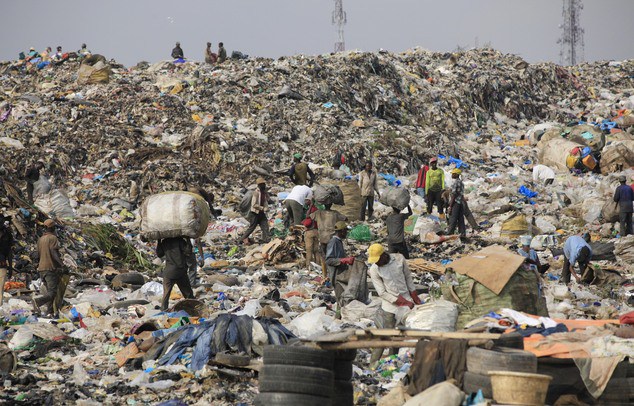
Olusosun dumpsite
Scavengers at the Olusosun dumpsite in Lagos

The Commissioner for Environment, Mr Babatunde Durosinmi-Etti, disclosed this in an interview with the News Agency of Nigeria (NAN) in Lagos on Sunday, May 20, 2018.

Durosinmi-Etti said that scavengers had a huge responsibility in waste management, hence the need to make their work more formal.

He said that government was also looking at a form of capacity building for the scavengers.

”Just as we did with the artisans, we are going to look at how the scavengers could be brought into a more formalised arrangement.

”We will need to take their database, so we will be able to put them in a more structured format to work on other landfill sites.

”We are also going to start working on a waste-to-wealth programme to reduce the composite waste that go into the landfills.  So, scavengers have a huge role to play working with recyclers.

”They don’t work only on dumpsites, they can assist in sorting waste in other waste-to-wealth areas. There will also be a way of capacity building.

”There are so many things going on now. We are also working with private sector to look at all these arrangements,” the commissioner said.

According to him, the ministry is working on the format that will ensure that scavengers continue to be useful in the environmental sector.

He said there was a huge value chain that had been neglected in the past in the environmental sector, especially in waste management.

Durosinmi-Etti said that an enabling environment would be created for the scavengers to operate.

By Florence Onuegbu

Government restates commitment to tackling ecological challenges nationwide

0

The Federal Government says it is genuinely committed to tackling myriads of ecological disaster facing many states across the country.

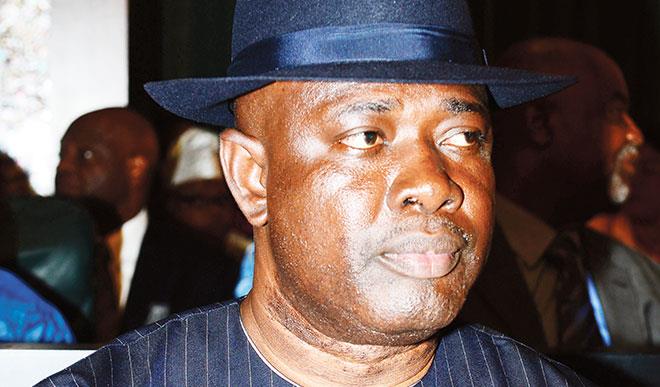
Heineken Lokpobri
Minister of State for Agriculture, Sen. Heineken Lokpobri

The Minister of State for Agriculture and Rural Development, Senator Heineken Lokpobiri, made the pledge in Umuahia, Abia State, on Monday, May 21, 2018 at the inauguration of a completed Erosion and Flood Control project at Ukwudara-Amachara in Umuahia South Local Government Area of the state.

Lokpobiri said that the federal government was determined to reposition the country to ensure equity, justice and fair play.

“The present administration is committed to reposition and steer the ship of the nation back to the path of prosperity and sustainable development.”

He said that the conception and timely completion of the Ukwudara-Amachara erosion and flood control project was in line with the administration’s promise to meet the people’s needs.

The minister expressed the hope that the project would enhance the standard of living of the people of the area.

Lokpobiri noted that the intervention would help to check the risk to life and property posed by erosion and persistent flooding in the community.

He urged the people of the community to take up the responsibility of maintaining the project in order to ensure its sustainability.

He charged them to avoid indiscriminate dumping of refuse into the drains built to channel rain water out of the road.

In his speech, Gov. Okezie Ikpeazu thanked the federal government for its intervention, saying that the measure would help to preserve the environment from further degradation.

Ikpeazu, who was represented by the Secretary to the State Government, Dr. Eme Okoro, said that the state was ravaged by erosion and flooding.

According to him, the phenomenon poses serious threat to farming and agriculture.

“With this control measure, our soil nutrients would be preserved and agriculture would thrive,” the governor said.

In his remarks, Chief Sam Onuigbo (PDP), representing Umuahia/Ikwuano Federal Constituency, expressed joy over the successful completion of the project.

Onuigbo thanked the federal government for its intervention and hoped that the Okwe-Obuohia erosion control project, which was ongoing, would be completed in record time.

He said that there were over 40 massive erosion sites within his constituency and appealed to the Federal Government to come to the aid of the state.

The traditional ruler of the community, Eze Akpunku Ihuwa, and the President-General of the area, Mr Sunday Andrew, expressed delight over the successful completion of the project.

They appealed to the government to ensure the completion of the community road which, according to them, was awarded to the Niger Delta Development Commission.

Government tasked on effective implementation of tomato policy to boost local production

0

The tomato policy introduced by the Federal Government, if effectively implemented, can boost local production and promote Nigeria’s economic growth.

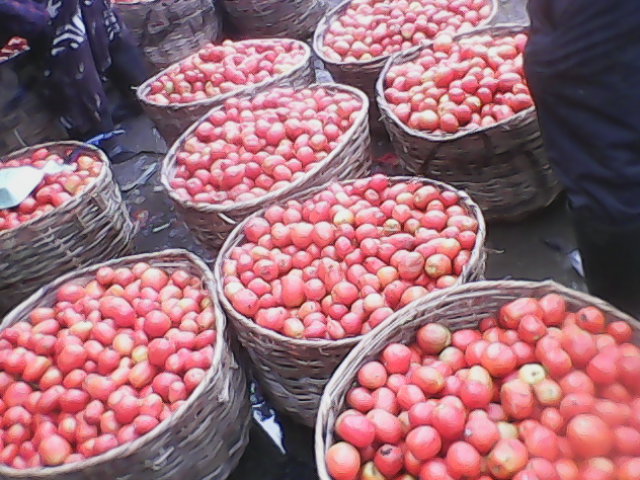
Baskets of tomatoes at the Mile 12 market in Lagos

Chief Eric Umeofia, the Chief Executive Officer (CEO) Erisco Foods, said this in an interview with the News Agency of Nigeria (NAN) on Monday, May 21, 2018 in Lagos.

According to him, the industrialisation strategy, which aims at achieving greater global competitiveness in the production of processed and manufactured goods, will be a mirage without effective implementation of government policies.

NAN reports that the government had on March 27, 2017 introduced the tomato policy, and increased tariff on importation of tomato concentrate from five to 50 per cent in its bid to encourage local production.

The policy measure was to accelerate the growth of the manufacturing industry and deepen the diversification of the nation’s economy.

According to the Federal Ministry of Industry, Trade and Investment (FMITI), Nigeria imports an average of 150,000 metric tons of tomato concentrate per annum, valued at $170 million, mostly due to inadequacy in capacity to produce tomato concentrate.

FMITI data reveals that the current demand for fresh tomato fruits is estimated at 2.45 million metric tons per annum (MTPA), while the country produces only about 1.8 million MTPA.

“There are lots of policies by government that are targeted at stimulating growth in the manufacturing sector; but the sector has continued to suffer slow growth and low productivity, due to ineffective implementation of these policies.

“One year after the tomato policy was introduced no tangible progress has been made in implementing the policy.

“The objective of the policy, which is to boost tomato production, improve the value chain, create jobs and attract investment into the sector has been delayed,” Umeofia said.

According to him, the tomato industry is still facing challenges of fake tomato paste that are being smuggled and imported into the country.

He noted that these substandard products portend a risk to the health of unsuspecting consumers, as well as affect the viability of local producers.

Umeofia said that the recent zeal attached to curbing the “Codeine Syrup” menace should be extended to flush out fake and substandard tomato paste from Nigerian market.

He said that fake and substandard tomato paste was much more harmful and dangerous to human health than the “Codeine Syrup”.

“People choose to abuse Codeine consumption, but fake tomato paste consumption is ingested unknowingly by the generality of the people, and it affects both old and young.

“As people consume fake and substandard tomato paste, they would be dying slowly, and contributing to medical bills,” he said.

Umeofia commended the government for returning the National Agency for Food and Drug Administration and Control (NAFDAC) to the nation’s ports.

The industrialist urged the agency to leverage on its presence at the ports to effectively control importation of unwholesome foods and substandard goods.

“A 2015 survey report of NAFDAC revealed that 91.1 per cent of tomato pastes circulated in the country is fake and substandard, we expect the agency’s presence at the ports to stop the entry of these products,” he said.

Umeofia urged the relevant government agencies to collaborate on policing the ports and borders toward reducing smuggling in order to grow the nation’s industrial sector.

By Oluwafunke Ishola

Concern as NBMA displays application dossier ahead of GM maize importation

0

The National Biosafety Management Agency (NBMA) on Monday, May 21, 2018 commenced a 21-day display of an application dossier by Golden Agri Inputs Limited, a subsidiary of Flour Mills of Nigeria Plc., for the importation of genetically modified (GM) maize for feed processing. But certain quarters appear unexcited over the development, describing it as mere window dressing.

GM-Maize
Genetically modified (GM) maize

The public display, which will come to a close on Tuesday, June 12, 2018, is aimed at enabling the public to make input that would facilitate informed decision on the application.

The endeavour, according to the NBMA Director-General, Dr Rufus Ebegba, is in accordance with the National Biosafety Management Agency Act 2015, requiring public display of any biosafety application, for permit to intentionally release genetically modified organisms (GMOs) for comments.

According to him, the GM maize in question was engineered for insect resistance and herbicide tolerance.

The display centres are listed to include:

  • Department of Biosafety Enforcement and Operations (National Biosafety Management Agency, Airport Road, Abuja),
  • Office of the Executive Director (Forest Research Institute of Nigeria, Ibadan, Oyo State),
  • Office of the Executive Director (National Root Crops Research Institute, Umudike, Abia State),
  • National Cereals Research Institute, Badeggi, Niger State, and
  • Website of the National Biosafety Management Agency (gov.ng)

In a reaction, Nnimmo Bassey, Director, Health of Mother Earth Foundation (HOMEF), said: “In recent times we have seen applications for the confined field trial of soy bean. The truth is that from all indications sending comments on applications to NBMA is sheer waste of time. Their call for comments is nothing more than window dressing, merely keeping to the letter of the law. The spirit of the law has never been there. If anyone wishes to waste his or her time sending comments about the risks connected with the GMOs being brought into Nigeria, it is okay.

“However, we at Health of Mother Earth Foundation, and our allies, have become very sceptical of the process. And we have reasons for this. When the agency published the first sets of GMO applications from Monsanto and we sent highly scientific comments on the application they acknowledged receipt of our comments on a Thursday and issued the permits the next Sunday! Our comments opposing the application by IITA (On GM Cassava) was also acknowledged a few days before they issued the permit – indicating that they probably do not even read our documents.

“Why should anyone bother to comment on predetermined matters? When we also consider that the NBMA made a lot of noise ordering repatriation of illegally imported GM maize some Nigerians thought that someone was checking to ensure our biosafety. What happened thereafter? While the Federal Executive Council applauded the move and the NASS held a public hearing, NBMA advertised and permitted the offending company to import GM maize at will over the next three years. Given all these, some of us believe that as far as GMO regulation is concerned in Nigeria, ‘we have entered one chance’ as they say in popular parlance.”

But Ebegba insists that the process is a transparent and credible one, which entails public involvement in decision making process.

According to him, the Nigeria Customs Service on Monday, November 6, 2017 impounded a consignment of 90 metric tonnes of genetically-modified (GM) maize at the Apapa Wharf in Lagos. The shipload is believed to have been imported by seed company, Walcot, from Argentina. Worth over $10 million, the cargo was reportedly returned to the country of import.

International Day of Biodiversity: Celebrating silver jubilee of action for biodiversity

0

While there is a growing recognition that biological diversity (biodiversity) is a global asset of tremendous value to present and future generations, the number of species is being significantly reduced by certain human activities.

Cristiana Paşca Palmer
Cristiana Paşca Palmer, Executive Secretary of the Convention on Biological Diversity (CBD)

The Convention on Biological Diversity (CBD) is the international legal instrument for “the conservation of biological diversity, the sustainable use of its components and the fair and equitable sharing of the benefits arising out of the utilisation of genetic resources” that has been ratified by 196 nations.

Given the importance of public education and awareness for the implementation of the Convention, the UN General Assembly proclaimed May 22, the date of the adoption of its text, as the International Day for Biological Diversity by its resolution 55/201 of December 20, 2000.

Year 2018 marks the 25th anniversary of the entry into force of the Convention on Biological Diversity. Since entering into force, the Convention has been implemented through the vision and leadership displayed by countries, non-governmental and inter-governmental organisations, indigenous peoples and local communities, the scientific community and individuals alike.

The results are said to be considerable: the development of scientific guidance for the conservation and sustainable use of biodiversity for biomes around the world, the entry into force of the Cartagena Protocol on Biosafety, the Nagoya Protocol on Access to Genetic Resources and the Fair and Equitable Sharing of Benefits Arising from their Utilisation and the creation and implementation of national biodiversity strategies and action plans. After adopting the Strategic Plan for Biodiversity 2011-2020, Parties have made significant headway in the achievement of a number of its Aichi Biodiversity Targets.

The Strategic Plan is comprised of a shared vision, a mission, strategic goals and 20 ambitious yet achievable targets, the Aichi Targets. The Plan serves as a flexible framework for the establishment of national and regional targets and it promotes the coherent and effective implementation of the three objectives of the Convention on Biological Diversity.

The mission of the new plan is to: “Take effective and urgent action to halt the loss of biodiversity in order to ensure that by 2020 ecosystems are resilient and continue to provide essential services, thereby securing the planet’s variety of life, and contributing to human well-being, and poverty eradication. To ensure this, pressures on biodiversity are reduced, ecosystems are restored, biological resources are sustainably used and benefits arising out of utilisation of genetic resources are shared in a fair and equitable manner; adequate financial resources are provided, capacities are enhanced, biodiversity issues and values mainstreamed, appropriate policies are effectively implemented, and decision-making is based on sound science and the precautionary approach. ”

According to the UN, the 25th anniversary of the Convention presents a unique opportunity to highlight the achievement of its objectives at national and global levels. It also provides an opportunity to look towards the future, particularly, as we start to consider the follow-up to the Strategic Plan for Biodiversity 2011- 2020.

The Secretariat of the Convention disclosed that there will be High-level events and meetings in Montreal in Canada and New York in USA to commemorate the 25th anniversary of the Convention.

The objectives of halting biodiversity loss and promoting the sustainable use of terrestrial and inland freshwater ecosystems are included in Sustainable Development Goal Nº 15.

International Day of Biodiversity: Biodiversity, our collective heritage – HOMEF

0

Health of Mother Earth Foundation (HOMEF) celebrates global efforts to preserve earth’s biodiversity as this year’s International Day of Biodiversity marks the 25th anniversary of the entry into force of the Convention on Biological Diversity (CBD).

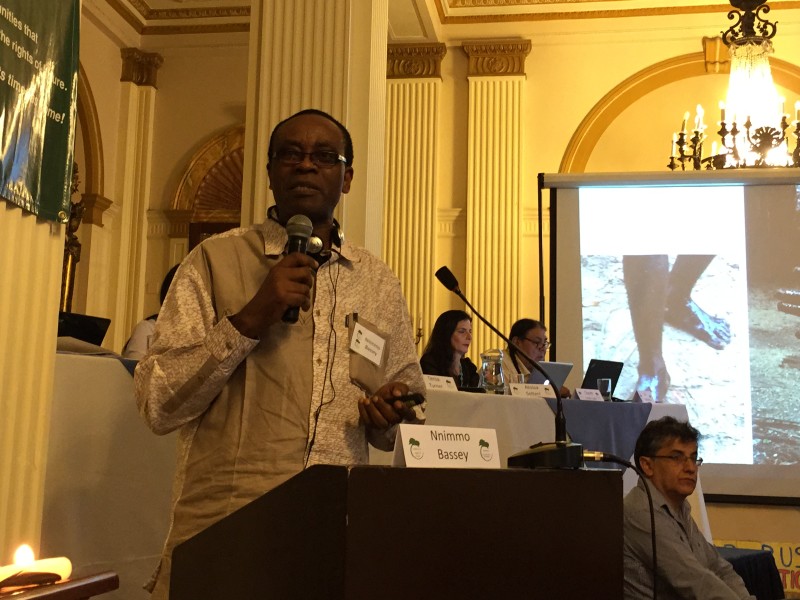
Nnimmo_4416
Nnimmo Bassey, Director, Health of Mother Earth Foundation (HOMEF)

Progress has been made at national and global fronts by the convention in achieving its objectives, says the group, adding however that a serious threat to biodiversity grows with the push for genetically modified organisms (GMOs) as solution to agricultural challenges.

HOMEF stresses, on the occasion, that the release of GMOs into the environment would negatively impact crop diversity, non-target soil organisms and land use. The non-governmental organisation demands for a concerted effort to discourage their use, pointing out that biodiversity is an essential natural resource for the earth, and that it is the key for sustainable development of humanity.  It plays a crucial role in the formation and preservation of culture, self-knowledge and adaptability.

According to Nnimmo Bassey, Director of HOMEF, genetically modified crops operate as monocultures as, according to him, many of them are designed to withstand the use of proprietary chemical herbicides. These chemicals directly erode plants, animals as well as microorganisms.

“Crops engineered to be resistant to pests or herbicides negatively affect biodiversity because they do not only affect the target insects or weeds, but destroy other living organisms. These negative impacts threaten the survival of species and lead to rise of super weeds and super bugs that create new environmental problems,” he says.

Bassey further regrets that “transgenic crops have the potential to pass novel traits to their wild relatives who may be altered in such a way that they take up completely new ecological roles, and disrupt ecosystems.”

HOMEF calls on the Convention on Biological Diversity (CBD) to step up efforts to regulate new forms of genetic engineering, including gene editing, and also ensure that parties do not pay mere lip service to the Precautionary Principle when considering the entry of new technologies that have implications for biodiversity.

Joyce Ebebeinwe, Biosafety Project Officer at HOMEF, adds: “When it comes to biodiversity, nature holds the key. Wisdom dictates that the world wakes up to the reality that biodiversity is best preserved with local knowledge, cultures and innovations. Techno-fixes will never be the proverbial silver bullet.

“As we celebrate this milestone, nations should renew commitments to protect global biodiversity. It is in our collective interest to do so.”

AfDB to host $3m Rockefeller Trust Fund to spur agriculture, youth employment

0

The African Development Bank (AfDB) Group has established a $3 million Rockefeller Trust Fund, a joint effort of the institution and The Rockefeller Foundation to help in spurring Africa’s transformation.

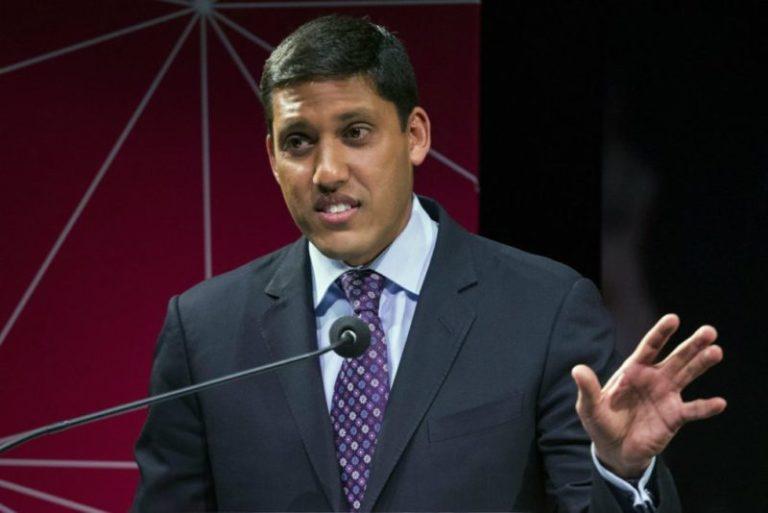
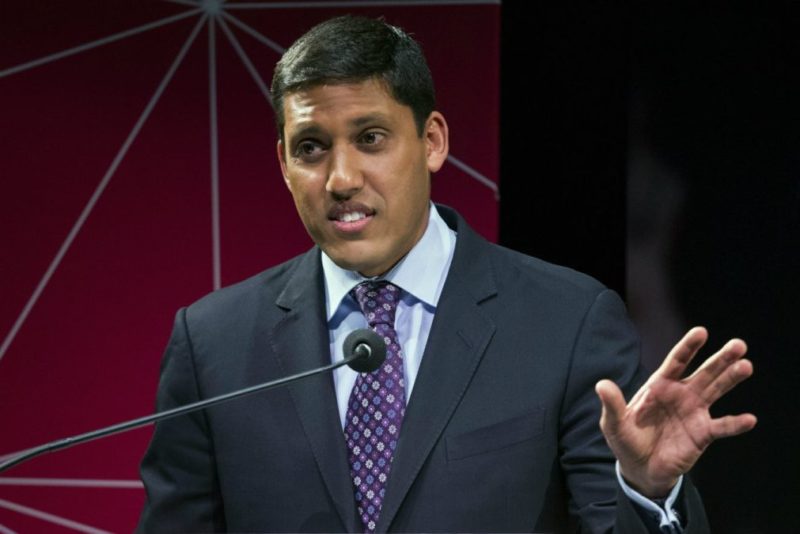
Dr. Rajiv J. Shah
Dr. Rajiv J. Shah, president of The Rockefeller Foundation

With this initial endowment, the Trust Fund will support the bank’s activities particularly with regards to two of its High 5 priorities – under the bank’s “Feed Africa” priority, it will support the Leadership for Agriculture (L4Ag) Platform, a network of Africa’s Finance and Agriculture ministers created by The Rockefeller Foundation; under the Bank’s “Improve the Quality of life for the People in Africa” priority, it will support the Jobs for Youth for Africa Coding for Employment Programme, whose goal is to increase inclusive employment and entrepreneurship among Africa’s youth.

Subsequent contributions may also be received to support other areas of the High 5s, which include Light up & power Africa, Industrialise Africa and Integrate Africa.

The Rockefeller Foundation works to promote the well-being of humanity throughout the world, and for more than a century has done this through strategic partnership with grantees and other likeminded organisations.

“The Rockefeller Foundation is proud of its long history of partnership with the African Development Bank, and is pleased to help establish the Rockefeller Trust Fund,” said Dr. Rajiv J. Shah, president of The Rockefeller Foundation. “The Trust Fund not only invests in the capacity of Africa’s young people but also advances Africa’s Agriculture Transformation Agenda, helping to renew private-sector engagement and support innovative agriculture financing tools that will help Africa strengthen markets and ensure its food security.”

The Trust Fund will complement AfDB’s efforts to catalyse Africa’s transformation over the next decade by leveraging its own resources and significantly scale up development finance for the benefit of its Regional Member Countries (RMCs).

“I am delighted by the establishment of the Rockefeller Trust Fund at the African Development Bank. I am particularly pleased because I worked at The Rockefeller Foundation for a decade, so I understand the power of philanthropic institutions in helping shape big agendas. Our partnership with The Rockefeller Foundation will expand our work on building leadership and financing for agriculture between Ministers of Finance and Agriculture in Africa. We look forward to further expanding the scope of our work with The Rockefeller Foundation under its dynamic new President, Dr. Rajiv J. Shah,” said Akinwumi Adesina, President of the AfDB.

The Rockefeller Trust Fund is the bank’s second formal collaboration with a philanthropic organisation, following the establishment of the Bill and Melinda Gates Trust Fund in March 2015.