Health officials handling the outbreak of Cholera in Mubi town of Adamawa State have identified contaminated water as the major cause of the epidemic in the area.
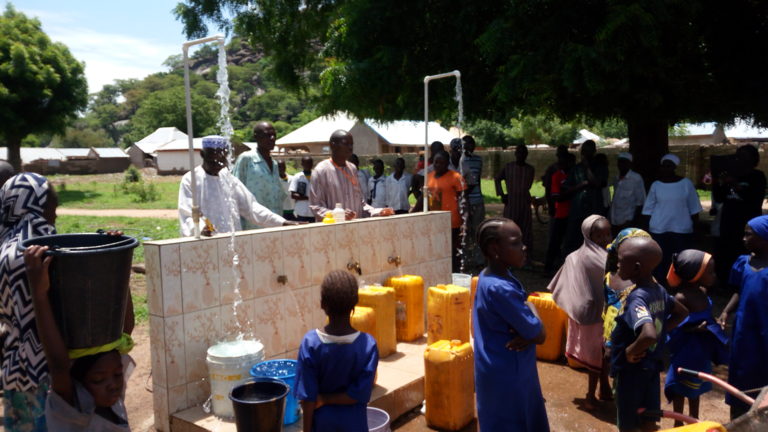
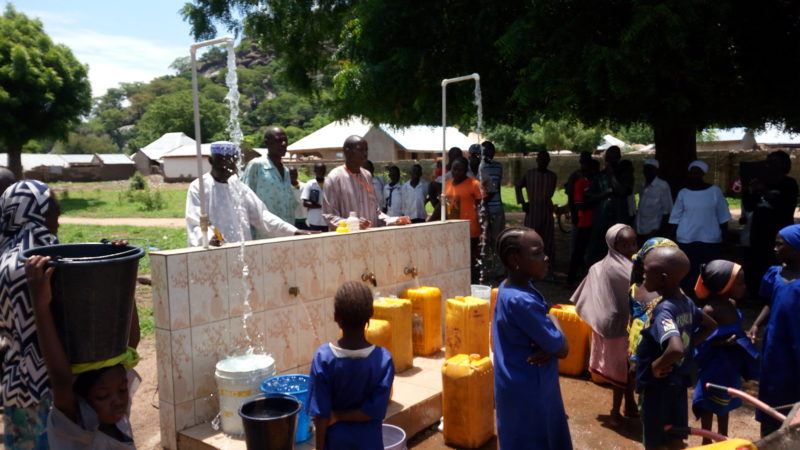
Water supply in Gaya Silkami, Adamawa State
The News Agency of Nigeria (NAN) reports that 269 cases of cholera had been recorded by the Mubi General Hospital with 12 deaths.
The officials in a meeting at the Emergency Operation Centre (EOC), attended by a delegation of Adamawa State Government, said water from the wash boreholes used by water vendors in supplying water to majority of residents in the town tested positive to cholera bacteria.
“Test carried out on the water points showed that they are positive,” said a UNICEF official who spoke at the meeting without disclosing his name.
The official said that UNICEF, in collaboration with other stakeholders like International Rescue Committee, would embark on application of chlorine to affected water points in the town.
Also speaking at the meeting, the Principal Medical Officer (PMO) of Mubi General Hospital, Dr Ezra Sakawa, observed that the town has been experiencing shortage of potable water.
“Coming of the rains probably brought about the contamination of the water source,” he said.
Sakawa noted that wards like Nasarawo and Yelwa were the worst affected, adding that four cases were also brought from Mubi Prisons.
The state Commissioner for Water Resources, Alhaji Ahmed Rufai, said the state government was committed to addressing the problem of water in Mubi town.
Rufai said that the government had already signed a Memorandum of Understanding with European Union over water projects in Mubi that would address the problem.
The report said that the Adamawa government delegation led by the state Commissioner for Health, Dr Fatima Abubakar, also visited the Emir of Mubi, Alhaji Abubakar Isa, where it sought the intervention of religious and traditional rulers in enlightening the public on the outbreak and preventive measures.
The National Biosafety Management Agency (NBMA) has signed a training agreement with the Italy-based International Centre for Genetic Engineering and Biotechnology (ICGEB) to boost the capacity of its staff to properly regulate modern biotechnology in Nigeria.
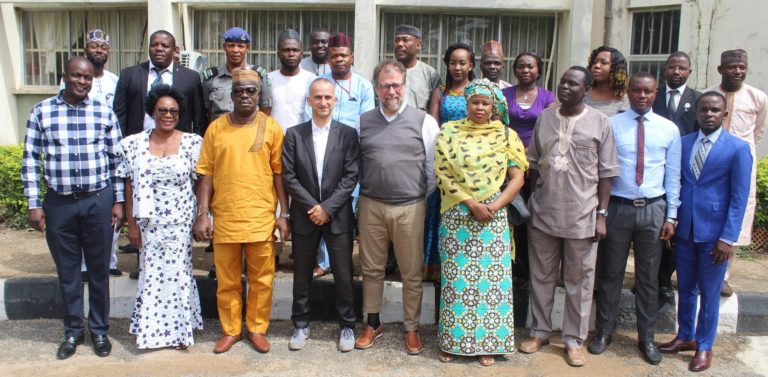
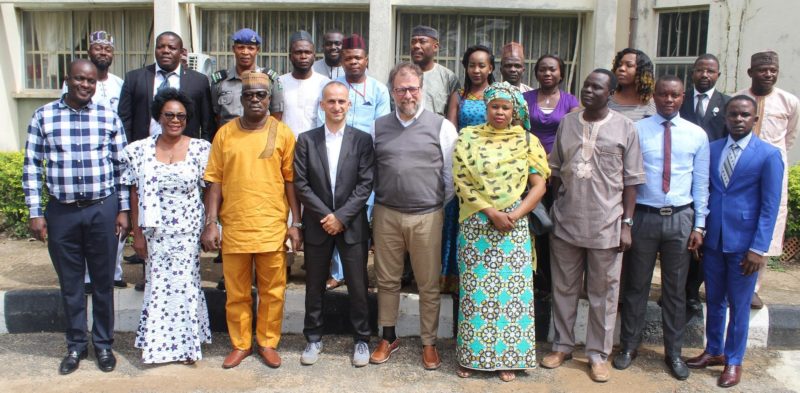
L-R (front row): Dennis Ndolo (Team Lead, ICGEB), Chinyere Nzeduru (Director, Environmental Biosafety & General Release, NBMA) and Dr. Rufus Ebegba (Director General/Chief Executive Officer, NBMA), with the team from ICGEB and some NBMA staffers
The agreement, which took effect immediately with a training session, aims to enhance the partnership between both organisations and grant NBMA access to the centre’s e-learning platform to train its employees in the workplace at its own pace using materials provided by the ICGEB.
Speaking at the maiden e-learning training, Dr. Rufus Ebegba, Director General/CEO, NBMA, said that it was important that the capacity of staff that regulate the sector be constantly updated due to the controversies that trail the technology.
“NBMA was not established to frustrate biotechnology but ensure that Nigerians and the environment are protected against any harmful effect of modern biotechnology,” he said.
He noted that science remained the driver of change globally due to its universality and verifiable nature hence modern biotechnology should not be treated differently.
He acknowledged that every technology has its ups and down but stressed that the Biosafety system was introduced to ensure that related uncertainties are either completely eliminated or reduced to the barest minimum.
He expressed confidence that the staff would benefit immensely from the training as it would build the capacity of the staff to holistically understand the biosafety system.
Lead trainer from ICGEB, Mr. Dennis Ndolo, said that Nigeria remained the leading light in the area of biosafety on the African continent.
Ndolo said the staff would be introduced to the centre’s e-learning platform where they can use it over time to enhance their knowledge and performance.
The World Health Organisation (WHO) has, in collaboration with the World Bank Group, launched the “Global Preparedness Monitoring Board”, a mechanism that will regularly monitor and report preparedness level to tackle all health emergencies globally.
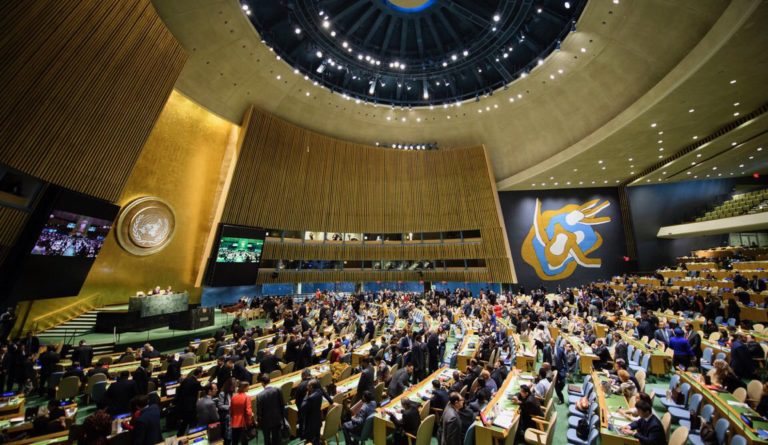
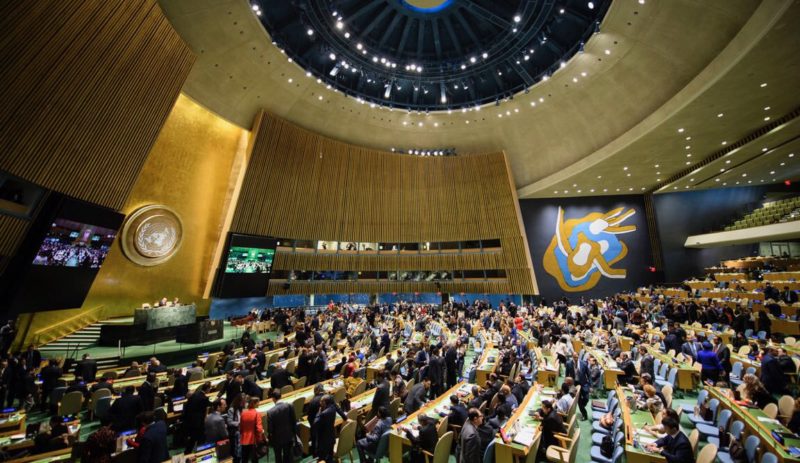
Delegates at the 71st Session of the World Health Assembly (WHA) holding in Geneva, Switzerland
The launch was carried out on the side lines of the 71st Session of the World Health Assembly (WHA) holding in Geneva, Switzerland.
The organisation said that the mechanism would strengthen global health security by ensuring that relevant organisations were always ready to tackle outbreaks, pandemics and other emergencies with health consequences.
WHO said that the current outbreak of the Ebola Virus Disease (EVD) in the Democratic Republic of Congo was a reminder that outbreaks could happen anytime and anywhere hence the need for the new strategies.
According to the UN organisation, the board will be co-chaired by Dr Gro Brundtland, a former Prime Minister of Norway, and Mr Elhadj Sy, Secretary General, International Federation of Red Cross and Red Crescent Societies.
It said that political leaders, heads of UN agencies and world-class health experts would also be part of the board.
“Part of being prepared to tackle any disease outbreak is having a means of assessing progress made at all levels by actors, identifying any gaps including financing and ensuring everyone works together.
“We have allowed a cycle of panic and neglect when it comes to pandemics; we ramp up efforts when there is a serious threat then quickly forget about it when the threat subsides.
“The Global Preparedness and Monitoring Board will break that cycle and ensure preparedness for pandemic is always at the top of the global agenda,” it said.
WHO said that the board would monitor preparedness across governments, UN agencies, civil society and the private sector, and report annually on adequacy of financing, progress on research and development.
It said that from the report generated, the board would advocate at the highest levels for preparedness and ensure all stakeholders across all sectors include the issues to the political agenda.
The organisation said that it would hold all stakeholders accountable for making the world better prepared to respond to outbreaks and emergencies with health consequences.
The WHO Director-General, Dr Tedros Ghebreyesus, and the World Bank Group President, Dr Jim Young Kim, co-led the creation of the board.
The WHA is the decision making body of WHO and is attended by delegations from WHO member states.
The assembly focuses on a specific health agenda prepared by the Executive Board.
A British judge ruled on Thursday, May 24, 2018 that Nigeria’s Bodo community, which has been involved in a protracted legal battle with Shell over the clean-up of two 2008 oil spills, should retain the option of litigation for another year.
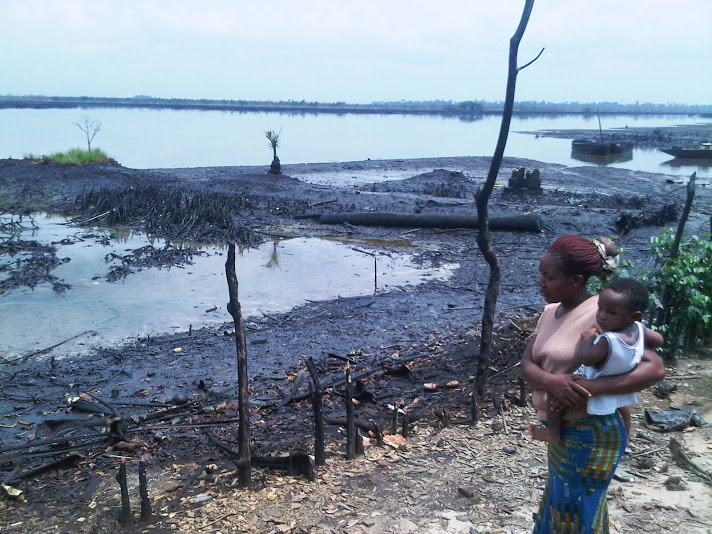
Aftermath of oil spill in Bodo. Photo credit: Leigh Day
Lawyers for Bodo had accused Shell of trying to kill off the legal case by seeking a court order that would have meant the community had to meet onerous conditions before it could revive its litigation, which is currently on hold.
A London High Court judge, Mrs J. Cockerill, ruled that the litigation should remain stayed until July 1, 2019, with no conditions attached should the Bodo community’s representatives seek to re-activate it before then.
“We are delighted the court has rejected Shell’s attempt to restrict the community’s legal rights,” said Dan Leader, the Bodo community’s lead UK lawyer.
“The message is clear – Shell must clean up this appalling oil spill and the Bodo community will keep on with its legal case until they are confident that it will do so,” he said.
The 2008 oil spills devastated the lands and waterways of Bodo, which is just one of numerous communities in the oil-producing Niger Delta that have suffered environmental harm and profound economic and social dysfunction linked to the industry.
In 2015, Shell accepted liability for the spills, agreeing to pay £55 million ($83 million at the time) to Bodo villagers and to clean up their lands and creeks.
After years of delays, the clean-up is currently underway, under the auspices of the internationally recognised Bodo Mediation Initiative (BMI).
Shell’s lawyers had argued at a hearing on Tuesday that the community should only be able to re-activate the legal case should Shell fail to comply with its obligation to pay for the clean-up.
But Bodo’s lawyers had countered that the community should have unfettered access to the London courts if the clean-up was not completed to a high standard.
Arguing that the pressure of litigation was a key factor in pushing Shell to implement the clean-up, they had asked the judge to keep the legal case on hold until May 2020.
A spokeswoman for Shell said she had no immediate comment on Thursday’s ruling.
Oil spills, sometimes due to vandalism, sometimes to corrosion, are common in the Niger Delta, a vast maze of creeks and mangrove swamps criss-crossed by pipelines and blighted by poverty, pollution, oil-fuelled corruption and violence.
The spills have had a catastrophic impact on many communities where people have no other water supply than the creeks and rely on farming and fishing for survival.
At the same time, oil companies have run into problems trying to clean up spills, sometimes because of obstruction and even violence by local gangs trying to extract bigger payouts, or to obtain clean-up contracts.
The Anambra State Government has signed N9 billion agreements with two foreign firms and one local firm for erosion-control works on six erosion sites in the state.
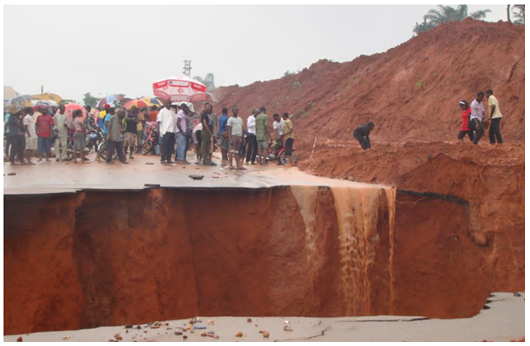
Gully erosion in southeast Nigeria
The erosion sites are: Enugwu-Ukwu and Abidi-Umuoji (N2 billion), Nnewi-Ichi and Ojoto (N5 billion) and Nkpor Flyover and Ire-Obosi site at the cost of N2 billion.
Governor Willie Obiano, while signing the contract at the Governor’s Lodge Amawbia near Awka on Thursday, May 24, 2018, said that the projects would be funded by the World Bank, Federal Government and Anambra Government at the cost of N9 billion.
Obiano named the two foreign firms as: Chinese CGC-CHWE and CGC-YSE, while the indigenous firm to handle the Nkpor Flyover and Ire-Obosi is Monier Construction Company, Nig. Ltd.
The governor said that the state has 972 active erosion sites out of which only 12 had been successfully controlled, saying that his administration was happy over the award of the contract.
He explained that the completion time for all the projects was 24 months and charged the firms to abide by the terms of the agreement.
Obiano, who expressed satisfaction with the way both state and federal governments were tackling ecological problems, noted that the state government had secured 10 additional sites to be funded by the World Bank.
The governor, while canvassing for best environmental practices from citizens through the planting of tress, called for more assistance from the World Bank to ensure greater erosion control in the area.
He expressed happiness that the erosion challenges could be handled by competent firms.
Earlier, Anambra State Commissioner for Environment and Beautification, Mr Mike Okonkwo, confirmed that the state had fully paid its counterpart funds for the projects.
Deputy Managing Director of the firm handling the projects, Mr Xion Jian Fan, said that the four erosion sites would be completed within record period.
He pledged to deploy modern expertise in handling the projects.
In his remark, the Anambra State Project Co-coordinator for the Nigeria Erosion and Watershed Management Project (NEWMAP), Mr Michael Ivenso, noted that the agreements were an indication of government’s readiness to tackle ecological challenges in the state.
It appears that in spite of the recent fracas between President Muhammadu Buhari and the former president, Olusegun Obasanjo, there is one issue on which they agree – that Nigeria should adopt modern biotechnology as the solution to agricultural challenges.
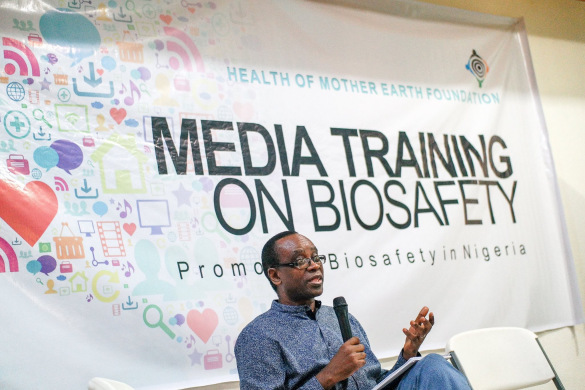
Nnimmo Bassey of HOMEF at a Media Training on Biosafety in Benin City, Edo State. He says research has shown that GMOs do not necessarily yield higher than normal crops
Health of Mother Earth Foundation (HOMEF) however differs with both on the view that agricultural biotechnology will end world hunger. Several individuals and civil society organisations including the Association of Catholic Medical Practitioners of Nigeria (ACMPN) have warned against the use of this technology in Nigeria.
Obasanjo, at the South-West Sensitisation programme of the Open Forum on Agricultural Biotechnology (OFAB), canvassed the adoption of biotechnology in agriculture to end hunger across the world.
In a swift response however, HOMEF asserts that agricultural biotechnology does not address the issue of hunger and it is not the solution to agricultural problems in the world.
“Genetically Modified Organisms (GMOs) which are the products of this technology are not designed to feed people but mostly to feed animals, machines and the financial appetites of their producers and their partners,” says Nnimmo Bassey, HOMEF’s Director.
He adds: “That more land will not have to be cultivated to meet increasing food demands and that what is needed is a reduction in food waste which now amounts to about 1.3 billion tons per year. One third of food produced for human consumption is lost or wasted globally and translates into roughly $680 billion in industrialised countries and $310 billion in developing countries.
“The world already produces enough food for over nine billion people which is the population peak we expect by 2050. Thus the challenge of hunger is not for lack of food but of lack of access to food. It is a problem of poverty, inequality and wastage.
“GMOs compound economic, health, and environmental problems instead of alleviating them. Majority of the genetically engineered crops are produced to withstand the use of herbicides or to act as pesticides themselves. Apart from the fact that these chemicals are expensive, they are highly toxic and destroy beneficial organisms in the soil. Studies have shown the development of super weeds and super pests which are resistant to these chemicals and the result is an increased dependence on chemical inputs and more environmental challenges.
“That GMOs bring about increased productivity is nothing but an industry-promoted myth. In India, over 300,000 farmers are reported to have committed suicide in the past two decades because of economic losses from non-performance of GM crops. Burkina Faso, for example, had to phase out the cultivation of genetically modified cotton owing to the disastrous yields it gave.”
Bassey further explains that a bulk of the food produced in the world today is by small scale farmers who use simple organic methods. He notes that productivity can be improved with provision of needed storage and processing infrastructure, good roads to access markets and extension services. The challenge of pest outbreaks can be tackled using traditional measures without risking every other thing.
According to Joyce Ebebeinwe, Biosafety project officer at HOMEF, agricultural biotechnology poses peculiar risks as the nation is not prepared to handle the health, environmental and economic implications of GMOs.
HOMEF advices the government of Nigeria to invest in more (independent and long-term) research on GMOs and to, in the meantime, develop safe, economically inclusive and environmentally sustainable approaches such as agroecology for improved agricultural productivity.
The Food and Agriculture Organisation (FAO) has called for adequate preservation of forests and forest resources worldwide.
Suffyan Koroma, FAO Nigeria Country Representative
Mr Ahmed Matane, Assistant FAO Country Representative (Programme) for Nigeria, made the call in an interview with News Agency of Nigeria (NAN) on Thursday, May 24, 2018 in Abuja.
He underscored the need to protect forests, saying that the critical contribution of forests to sustainable agriculture, improved food security and nutrition could never be over-emphasised.
He said that forests were a major source of livelihoods for more than 2.4 billion people, particularly those who relied on forest resources for the supply of food, wood fuel, building materials, medicines, employment and income.
Matane noted that forests covered about one-third of the earth’s land surface, while wood fuel was used by over one-third of the world’s population to cook their food.
“For instance, more than 750 million people use wood to boil water to make it safe for drinking.
“Besides, trade in wood and non-wood products is valued at approximately $730 billion globally, providing about 80 million people with income,’’ he said.
He, however, expressed worry that in spite the importance of forests, the role of forests in food security and nutrition was often overlooked.
Matane noted that 80 per cent of the current global net forest loss of 3.3 million hectares per year was primarily driven by agricultural conversion – the expansion of large-scale commercial agriculture as well as small-scale and subsistence agriculture.
He, therefore, stressed the need for greater recognition and reflection of the contribution of forests to food security and nutrition.
He said that FAO, on its part, was pushing for a concerted action to improve the availability of the information that was relevant to multi-sectoral policymaking, in order to align policies on food security and nutrition across the relevant sectors.
The FAO official said that as part of efforts to fully recognise and integrate the contributions of forests to food security and nutrition, pragmatic policies should be made to promote provision of secure lands, forest tenure and equitable access to resources.
He said that forest preservation plans should be integrated with plans to promote crop growing, livestock and fisheries so as to achieve food security and poverty eradication in Nigeria and other developing countries.
Opening with a traditional greeting from Charles Patton, a respected elder in the Mohawk Community of Kahnawa:ke, the 25th anniversary of the entry into force of the Convention on Biological Diversity (CBD) was celebrated on Tuesday, May 22, 2018 in Montreal at an event gathering together senior officials from the Government of Canada, the province of Quebec, the City of Montreal, representatives of the diplomatic corps and dignitaries from around the world.
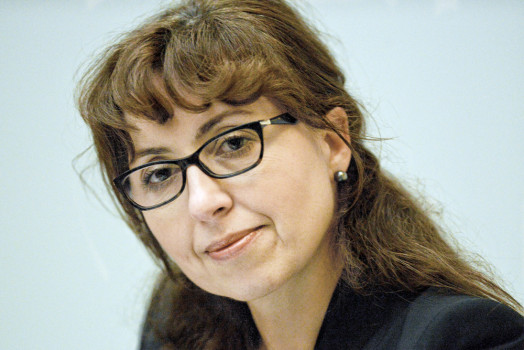
Cristiana Paşca Palmer, Executive Secretary of the Convention on Biological Diversity (CBD). She has urged all Parties to the Biosafety Protocol that have yet to do so, to ratify the Supplementary Protocol as soon as possible
Entering into force on December 29, 1993, the CBD, or UN Biodiversity Convention, is the global treaty that provides the framework for international action on biodiversity, the variety of life on Earth. For the past 25 years, Parties and a global community of diverse stakeholders and partners have undertaken significant actions to achieve the three objectives of the Convention: to conserve biodiversity, use it sustainably, and equitably share the benefits from the use of genetic resources. The CBD Secretariat is based in Montreal, Quebec, Canada.
Dr. Cristiana Paşca Palmer, UN Assistant Secretary-General and CBD Executive Secretary, said: “On the International Day for Biological Diversity we celebrated the excellent progress made by Parties and partners. We have much to celebrate. Significant areas of the world are now being conserved as part of protected areas. We have seen enormous improvements in governance models and sustainable use approaches to manage key natural resources. The value of biodiversity for society, our social and economic needs as well as our own health and well-being, are now widely recognised. Furthermore, biodiversity lies at the heart of the 2030 Agenda on Sustainable Development.
“But we need to approach conservation in a more innovative manner, to create new incentive models and to engage with relevant actors to help redirect behavioural choices to mitigate biodiversity losses and generate greater safeguarding values to our natural assets. Biodiversity continues to decline in every region of the world. This destruction of biodiversity and natural capital compounds and accelerates other global challenges – such as climate change, water security, food security and public health.”
Around the world, governments held celebrations marking their accomplishments in support of the Convention. In China, Huang Runqiu, Vice Minister of Ecology and Environment, said China would raise public awareness of the importance of biodiversity and strengthen biodiversity conservation supervision and biodiversity research to protect important natural ecosystems and wildlife. Huang added that the protection of biodiversity had been included in the ecological protection framework of local governments and results have been good.
In the United States, California Governor Jerry Brown issued a proclamation declaring May 22, 2018 as “International Day for Biological Diversity.” California has been designated a global biodiversity hotspot. It is home to more species of animals and plants than any other state in the United States.
Since the entry into force of the Convention, membership has become near universal with 196 Parties ratifying the agreement. Almost all Parties have created National Biodiversity Strategies and Action Plans which are the focus of national efforts to implement the Convention. The next few years present a major opportunity to galvanise global action to increase attention to biodiversity.
Despite the worrying scientific data regarding the destruction of nature and biodiversity, this year’s International Day for Biological Diversity and the months ahead, represent a unique window of opportunity for the global community to engage on a transformative path in the way we relate to nature. With the end of the Strategic Plan for Biodiversity 2011-2020 rapidly approaching, countries will begin laying the groundwork for the post-2020 global biodiversity framework at the UN Biodiversity Conference in Egypt later this year to design an ambitious agenda for nature and biodiversity after 2020.
Messages of congratulations were received from around the world.
António Guterres, UN Secretary-General, said: “This year, Parties to the Convention will begin work on a new action plan to ensure that, by 2050, biodiversity is valued, conserved, restored and wisely used for the benefit of all people. The entire world needs to join this effort. On this International Day for Biological Diversity, I urge governments, businesses and people everywhere to act to protect the nature that sustains us. Our collective future depends on it.”
Erik Solheim, Executive Director of UN Environment, said: “Perhaps the biggest achievement of the Convention on Biological Diversity is that we no longer see biodiversity conservation as a barrier to development. We can have development and take care of planet Earth in the same policies. The global development agenda aims to leave no one behind, to bring everyone out of extreme poverty. But if we don’t protect and value biodiversity we will not achieve this goal. UN Environment has been so proud to support this Convention over the years.”
European Union Commissioner, Karmenu Vella: “The Convention has delivered but much remains to be done to halt biodiversity loss. It is as much of a global threat as climate change. We need to make certain the CBD becomes as relevant as the UNFCCC and its Paris Agreement. Discussions on a new post-2020 framework provide an opportunity for this challenge. An opportunity we cannot afford to miss.”
In Montreal, the celebrations were held at the summit of Mont Royal, a protected area in the heart of the city. A ceremonial tree planting featuring students from Montreal was held. Representatives from all levels of government participated and marked the occasion.
Catherine McKenna, Minister of Environment and Climate Change, Canada, said, via video message: “Today, our resolve to address biodiversity loss and our commitment to the Convention on Biological Diversity, remains as firm as it was 25 years ago. The future will require all of us to work together to develop a vision for a new post-2020 Strategic Plan for Biodiversity, one that strengthens the world’s resilience to climate change, makes our green economies more stable, and conserves our natural habitats for generations to come.”
Christine St-Pierre, Minister of International Relations and la Francophonie, said: “On this International Day for Biodiversity, it is useful to remind ourselves that despite all the progress made by the Convention, the challenges that the international community faces with regards to protecting biological diversity requires urgent additional efforts together with strong international cooperation. Therefore, we will need to double our efforts in the actions we undertake, and we will need to do so in close collaboration with our partners.”
Isabelle Melançon, Minister of Sustainable Development, Environment and Climate Change Management, said: “in order to celebrate the International Biodiversity Day, it is important to realize that the numerous pressure points on biodiversity in general and the degradation of natural ecosystems will lead to the loss of essential ecological services meant to ensure the population’s well-being, general health and security. Some of these ecological services are essential to fight against climate change and to help us adapt. Nature is generous towards us human beings and it contributes largely to our well-being in different ways. It is our responsibility to continue developing our overall knowledge and to act in the way that ensures the conservation of nature.”
Valérie Plante, Mayor of Montréal, said: “The 25th anniversary of the entry into force of the UN Convention on Biological Diversity is a nice opportunity to remind ourselves that we are all affected by biodiversity, one way or another. Cities are on the front line, playing a more and more important role in the protection of natural sites and biodiversity. I am really pleased to see the many delegations from different countries present here today in Montréal to discuss this important issue. I remain very excited at the idea that together, we can act for the benefit of our citizens and the citizens of our planet.”
The Day’s celebrations demonstrated that, while much is at stake, there is a unique window of opportunity for the global community to define an ambitious new deal for nature and biodiversity post-2020, according to the CBD.
It adds: “Time is of the essence. Science has been signalling the alarm with a call to urgent action, as biodiversity remains under threat, a threat that jeopardises the well-being and livelihood of everyone on Earth. For the UN Convention on Biodiversity, investing in data and science is crucial in the lead up to 2020. As the world embarks on developing the building blocks for the post-2020 global biodiversity framework, there is a need for cross-pollination between different fields of study, and sectors dependent on biodiversity in order to collectively safeguard, invest and value this natural life-saving asset.”
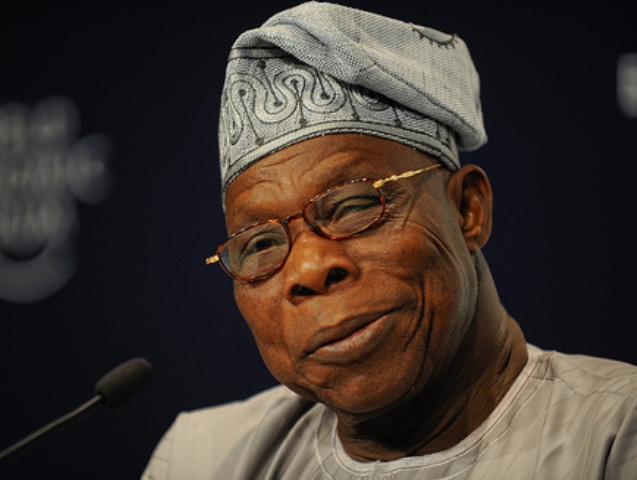
Former President, Olusegun Obasanjo, has said that without innovative advances such as biotechnology in agriculture, global efforts at ending hunger would remain a mirage as far more land would need to be cultivated to feed the world’s teeming population.
Chief Olusegun Obasanjo
Obasanjo said at the South West Sensitisation programme of the Open Forum on Agricultural Biotechnology (OFAB) which held at Abeokuta, Ogun State, that the world’s population is estimated to reach about 9.7 billion by 2050. “If agricultural yields stay the same, we would need to cultivate more than double the present amount of land to feed that population. That’s 82% of our total land area on earth.”
He said biotechnology is taking mankind beyond the depths of understanding of chemical and physical possibilities, and has the potential to increase agricultural productivity, enhance food security, develop a better health care delivery system, boost an efficient industrial development process for transforming raw materials and detoxifying hazardous wastes, reduce mortality rates, move agriculture away from a dependence on chemical inputs and help to reduce environmental problems.
He said that agriculture occupies a strategic position in global efforts to address issues of hunger and diseases, adding that it therefore remained one of the most potent tools for Nigeria as the government intensifies efforts to diversify the economy and enhance the wellbeing of the people.
“Deliberate efforts should be made on the part of government to encourage scientific incursion into agriculture via policy measures specifically designed to encourage research and development and the adoption of new technologies,” he said.
He said that the challenges of today’s world have brought many pressures to bear on agriculture: population growth, insects and pests infestation of crops, weed invasiveness, soil infertility, salinity, the impact of climate change (drought and rise in temperature), greenhouse gas emissions, and water and energy shortages.
“This scenario heightens the critical role of innovation to make agriculture a business- more competitive and sustainable.
“I’m excited that OFAB has presented a formidable platform for dialogue on the transformation of agriculture through quality information dissemination on agricultural biotechnology in Africa, he added.
In a remark, Mr Oguntunde Abayomi, the Overseeing Director General of National Biotechnology Development Agency (NABDA), said that the event was very timely and pertinent especially at this period that Nigeria and other African countries are adopting improved agricultural technologies for food security.
It is also commendable that OFAB has earned a reputation for committing itself to a painstaking dissemination of information and correction of misconceptions around agricultural biotechnology through organising sensitisation events similar to this all over Nigeria, he added.
His words: “By this creative initiative, it has become possible for Nigerians to identify their need for improved agricultural technologies and recognise where they stand in the scheme of things in terms of the effort to achieve global food security through sustainable agricultural practice.”
In a presentation, Dr Rose Gidado, the OFAB Country Coordinator, highlighted why biotechnology has kept the promise of achieving food security across the world.
She noted that the sensitisation programme was aimed at enlightening the public within the South West Zone on the benefits of biotechnology and promoting an understanding of the potentials of agricultural biotechnology and biosafety.
Two Democratic Republic of Congo Ebola patients who fled hospital in the city of Mbandaka on Monday attended a prayer meeting with 50 people hours before they died, Jean-Clement Cabrol, an emergency medical coordinator at Medecins Sans Frontieres (Doctors Without Borders), said on Thursday, May 24, 2018.
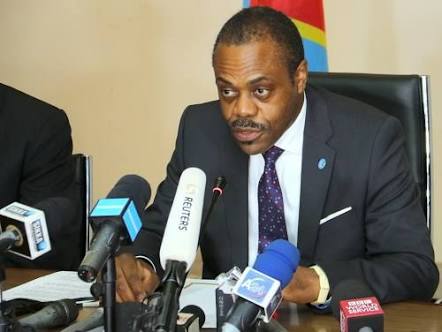
Orly Ilunga, the Congolese Minister of Health
Health officials are scrambling to contain an outbreak of the deadly disease in the heavily populated port city in northwest Congo that is believed to have killed 22 people since April.
Two new deaths from Ebola and seven new confirmed cases have been recorded in Democratic Republic of Congo, the health ministry said on Tuesday.
One of the deaths occurred in the provincial capital of Mbandaka, according to a daily bulletin.
A nurse also died in the village of Bikoro, where the outbreak was first detected, ministry spokeswoman Jessica Ilunga told Reuters.
The ministry said the seven new confirmed cases were registered in Bikoro.
Health officials administered an experimental vaccine on Monday to 33 medical workers and Mbandaka residents, WHO spokesman Tarik Jasarevic told reporters in Geneva.
The vaccine manufacturer Merck has provided WHO with 8,640 doses of the vaccine and an additional 8,000 doses are expected to be available in the coming days, WHO said.
Congo’s ninth outbreak of Ebola since 1976 is believed to have killed at least 28 people so far.
Officials are particularly concerned by its appearance in Mbandaka, a crowded trading hub on the Congo River with road, water and air links to Congo’s capital, Kinshasa.
NAN reports that the WHO said it will need $26 million for the Ebola Response in the DRC over the next three months.
WHO said it had also released $2 million from its Contingency Fund for Emergencies, to scale up the Ebola response.
The Government of DRC, with the support of WHO partners, is preparing to vaccinate high risk populations against Ebola Virus Disease (EVD) in affected health zones.
The organisation said health workers operating in affected areas were being vaccinated on Monday and community outreach had started to prepare for the ring vaccination.
More than 7,500 doses of the rVSV-ZEBOV Ebola vaccine have been deployed to DRC to conduct vaccination in the northwestern Equator Province where 46 suspected, probable and confirmed Ebola cases and 26 deaths have been reported – as of Friday.