The World Health Organisation (WHO) and the Gabonese ministry of health are to set up a safety plan to prevent the spread of Ebola in the country after the outbreak of the disease in the Democratic Republic of the Congo (DRC).
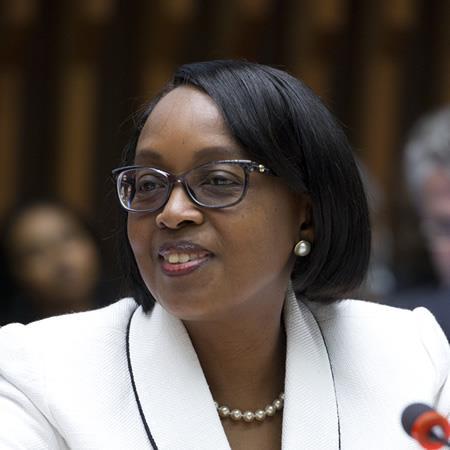
Dr. Matshidiso Moeti, the World Health Organisation (WHO) Regional Director for Africa. Photo credit: pbs.twimg.com
Gabonese authorities, in a statement on Thursday, May 17, 2018, said it had become necessary to strengthen the capacities of health workers and epidemiological surveillance along the borders and at airports.
According to WHO, the Republic of Congo, the Central African Republic and Gabon are on the list of high risk countries.
No cases of Ebola fever have been reported yet in Gabon.
The Gabonese authorities had suspended flights and maritime connections from affected countries and restriction of the issuance of entry visas to Gabon to passengers coming from area affected by the epidemic as measure to prevent the spread.
Congolese and United Nations officials were racing on Thursday, May 17, 2018 to prevent a runaway Ebola outbreak in the Democratic Republic of Congo (DRC).
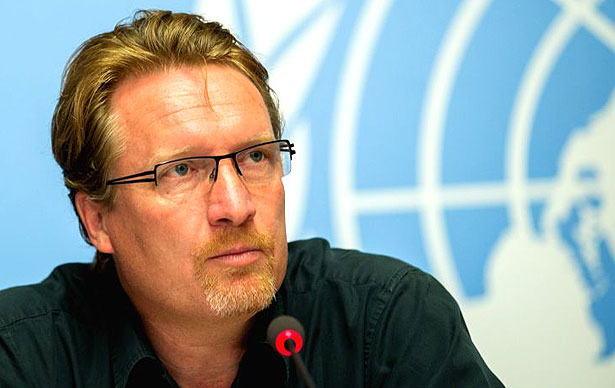
WHO spokesman, Christian Lindmeier
They are working out the logistics of keeping newly acquired vaccines well below freezing in a steamy region on the equator with unreliable power.
World Health Organisation (WHO) spokesman, Christian Lindmeier, said the U.N. body would convene an Emergency Committee meeting on Friday to consider the international risks.
This is DRC’s ninth epidemic since the disease was identified in the 1970s.
However, this outbreak is its most alarming because of the risk of transmission via regular river transport to the capital Kinshasa, a city of 10 million.
There have already been 44 suspected, probable or confirmed cases of Ebola, and 23 people have died.
Potentially, most worrying is a confirmed case in Mbandaka, a city of about 1 million connected to Kinshasa by the Congo River.
“This does change the way we need to respond,” Peter Salama, WHO’s medical emergency programme head, told the media in Geneva.
“Overnight, Mbandaka has become the number one priority for preventing this outbreak from getting out of control.”
The other Ebola cases were spread across sites in remote areas where the disease might not travel quickly.
An experimental but highly effective vaccine is being deployed, with health workers being vaccinated first.
But it normally needs to be kept 80 degrees Celsius below freezing in a humid region where daytime temperatures hover around 30.
“For now, the cold chain is guaranteed at – 80 degrees until Kinshasa,” Health Minister Oly Ilunga told Reuters.
“There is a fridge that will be prepared (on Thursday) … in Mbandaka and that will be at -80.”
“This vaccine is no longer experimental. The effectiveness has been proven and validated,” he added.
“Now that we are facing the Ebola virus we must use all the resources we have.”
WHO spokesman Tarik Jasarevic told the media that the vaccine can still be effective for up to two weeks if stored in a fridge at between 8 and 2 degrees above freezing.
To avoid criticism received during the huge former Ebola outbreak, which killed 11,300 people in Guinea, Sierra Leone and Liberia from 2014 to 2016, WHO is moving fast on Congo’s latest outbreak.
The emergency committee will decide whether to declare a “public health emergency of international concern”, which would mean getting access to more resources, Lindmeier said.
The Kinshasa government reported the outbreak on May 8, one day after two samples tested positive.
Within days the WHO was sending experts, preparing a helicopter “air bridge” to the site, and planning a vaccination campaign.
The nightmare scenario is an outbreak in Kinshasa, a crowded city where millions live in unsanitary slums not connected to a sewer system.
Several public transport boats a day head from Mbandaka downstream over the river to the capital.
They are so overloaded with people that they sometimes topple over, their toilets are usually filthy and water for washing absent.
“If this Ebola outbreak ever reaches Kinshasa, what we are going to see is death here,” Jean Marie Mukaya, a resident of the city, told media.
“Because it is very dirty here, the government and the population must … get rid of all the dirt.”
Already the WHO has warned that there is a “moderate” regional risk because the disease could travel along the river to Central African Republic and Congo Republic.
But it has said the global risk is low because of the remoteness of the area and the rapid response launched so far.
Even if the logistics of the ‘fridge bridge’ prove easy enough to overcome, “the vaccine is not a magic bullet,” Salama told Reuters this week, especially since health workers have been infected.
“Having healthcare workers infected is usually a ‘canary in the mine’ for potential amplification,” he said.
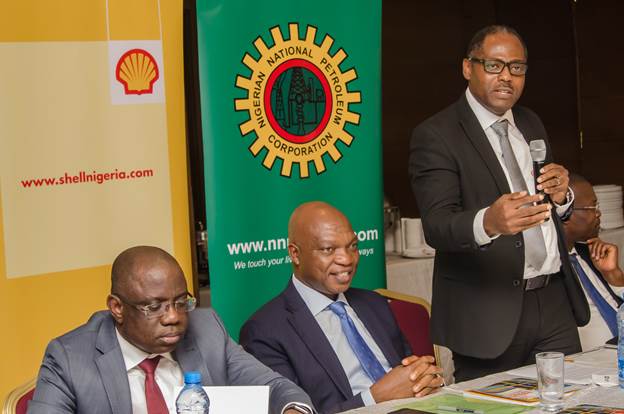
The Shell Petroleum Development Company (SPDC) has urged youths in the oil producing Niger Delta region to embrace peace and end vandalisation of oil installations in the area.
Igo Weli, General Manager, External Relations, SPDC
Mr Igo Weli, General Manager, External Relations, SPDC, made the appeal on Thursday, May 17, 2018 in Port Harcourt, Rivers State, during the “Youths Summit for Land East Hub Host Communities’’ programme organised by company.
Weli, who was represented by Mr Evans Krukubo, SPDC’s Manager of Community Interface, said that the company was worried by activities of vandals on its facilities.
The general manager said the resultant impacts of such activities on the environment and livelihood of the people was enormous.
He said that the SPDC was committed to providing employment, education and enterprise development to youths Abia, Imo and Rivers, the states under its youth empowerment drive.
He said: “this concern is part of reasons we invited speakers to educate and share and their experiences with the aim of having the youths becoming agents of change.
“We are also seeking supports and ideas from the youths with the aim to proffer solutions to the challenges we encounter in our operations.
“We are not focusing on the entire youths in the Niger Delta, but only targeting and connecting with those in our land assets in the East.
“We are taking this engagement with the youths, segment-by-segment, on areas where we operate facilities within Abia, Imo and Rivers states.”
He said that 70 youth leaders drawn from the three states were participating in the programme and expected to take the message to their various communities.
Also, Sam Ezugworie, SPDC’s Asset Manager, Land East Hub, said that the company had adopted “Enhanced Surveillance Strategy’’ to tackle vandalism of its facilities.
He spoke through Boniface Nongo, an official of the company, and said that the strategy in collaboration with the host communities had reduced attacks on its pipelines.
“We are working directly with the community contractors under three cluster development boards in Ukwa West (Abia), Agbada (Imo) and Ikwerre (Rivers) to survey our facilities.
“This strategy has enabled us to generate employment for about 900 people who work day and night to protect our wells and flow lines.
“The strategy has allowed us to safeguard over 60,000 barrels of oil per day production for the past eight months and with near zero incidences recorded since it was implemented.
“We believe that bad things can never happen in a house except there is an insider. So, we have given them responsibility to look over our assets,” he said.
He added that the company would on July 1 introduce the strategy to other clusters in its land east hub and the central hub assets in the Niger Delta.
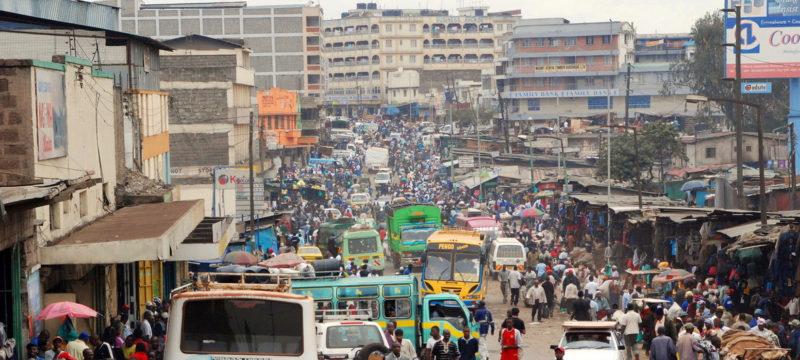
By 2050, two out of every three people are likely to be living in cities or other urban centres, according to a new United Nations report, highlighting the need for more sustainable urban planning and public services.
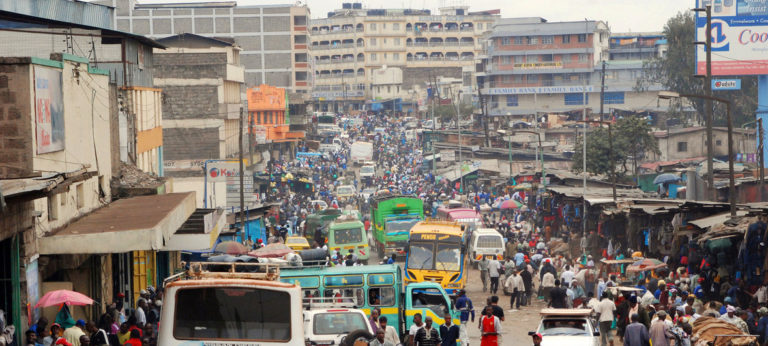
Cities in developing countries like Nairobi in Kenya continue to grow rapidly. Photo credit: UN-Habitat/Julius Mwelu
Owing to both demographic shifts and overall population growth, that means that around 2.5 billion people could be added to urban areas by the middle of the century, predicts the UN Department of Economic and Social Affairs (DESA).
Most of the increase is expected to be highly-concentrated in just a handful of countries.
“Together, India, China and Nigeria will account for 35 per cent of the projected growth of the world’s urban population between 2018 and 2050…It is projected that India will have added 416 million urban dwellers, China 255 million and Nigeria 189 million,” said DESA, announcing the findings on Wednesday, May 16, 2018.
The report also estimates that, by 2030, the world could have 43 so-called megacities (up from 31 today, according to reports) – those with more than 10 million inhabitants – most of them in developing countries.
By 2028, the Indian capital, New Delhi, is projected to become the most populous city on the planet.
Currently, Tokyo is the world’s largest, with an agglomeration of 37 million inhabitants, followed by New Delhi (29 million), and Shanghai (26 million). Mexico City and São Paulo, come next; each with around 22 million inhabitants.
These swelling populations will place extra demands on both resources and services in urban areas, notes the report.
“Many countries will face challenges in meeting the needs of their growing urban populations, including for housing, transportation, energy systems and other infrastructure; as well as for employment and basic services such as education and health care,” said DESA, urging governments adopt better integrated policies to improve the lives of both urban and rural dwellers.
At the same time, linkages between urban and rural areas will need to be strengthened, building on their existing economic, social and environmental ties, the report concludes.
The first 4,000 doses of experimental vaccine provided by the World Health Organisation (WHO) to combat against the Ebola outbreak arrived on Wednesday, May 16, 2018 in Kinshasa, the capital city of the Democratic Republic of Congo (DRC).
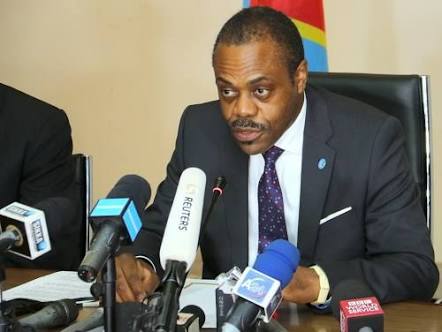
Orly Ilunga, the Congolese Minister of Health
Orly Ilunga, the Congolese Minister of Health, who received the vaccine in Kinshasa, indicated that the batch received from WHO would be stored first in the laboratory of the National Institute of Biomedical Research in Kinshasa, before being transported to the health zone of Bikoro, in the province of Equateur in the north-west of the country.
According to the Ministry of Health, a vaccination campaign is planned for this week to raise awareness about this vaccination, which will be tested for the first time in the DRC.
During his visit to Kinshasa last Saturday, Tedros Adhanom Ghebreyesus, Director General of the WHO, met with the President of the DRC, Jospeh Kabila, who officially authorised the use of this vaccine against the Ebola virus in his country.
According to the latest WHO statistic, 32 cases (two confirmed cases, 18 probable and 12 suspects), including 18 deaths, confirmed Ebola death, were recorded between April 4 and May 9 in Bikoro.
NAN reports that the WHO on Monday gave the go-ahead to officials in the DRC to import and use an experimental Ebola vaccine in the country.
WHO Director-General, Tedros Adhanom Ghebreyesus, said: “We have agreement, registration, plus import permit, everything formally agreed already.
“All is ready now to really use it.”
The vaccine, developed by Merck in 2016, has proven safe and effective in human trials, but it is still experimental as it does not yet have a licence.
It must be kept at -60 to -80 degrees Celsius (-76°F to -112°F), creating huge logistical challenges.
The shot, which was tested in Guinea in 2015 at the end of a vast Ebola outbreak in West Africa, is designed for use in a so-called “ring vaccination” approach.
This would mean that when a new Ebola case is diagnosed, all people who might have been in recent contact with them are traced and vaccinated to try and prevent the disease’s spread.
The WHO said 393 people who identified as contacts of Ebola patients were being followed up.
Tedros travelled to Congo over the weekend and flew to the remote area, still only accessible by motorbike or helicopter, where the deadly haemorrhagic disease has broken out.
“Being there is very, very important. If a general cannot be with its troops in the front line it’s not a general,” he said.
“And the second thing is, associated with Ebola there is stigma. We have to go and show that that should really stop. And if there is risk, my life is not better than anyone.”
He praised the Congolese government, including President Joseph Kabila whom he met during his trip.
Information about the outbreak in Bikoro, Iboko and Wangata in Equateur province was still limited, the WHO said, but at present the outbreak does not meet the criteria for declaring a “public health event of international concern”, which would trigger the formation of an emergency WHO committee.
The Water Supply and Sanitation Collaborative Council (WSSCC) has called for political commitment and increased funding from all tiers of government to improve water and sanitation hygiene in the country.
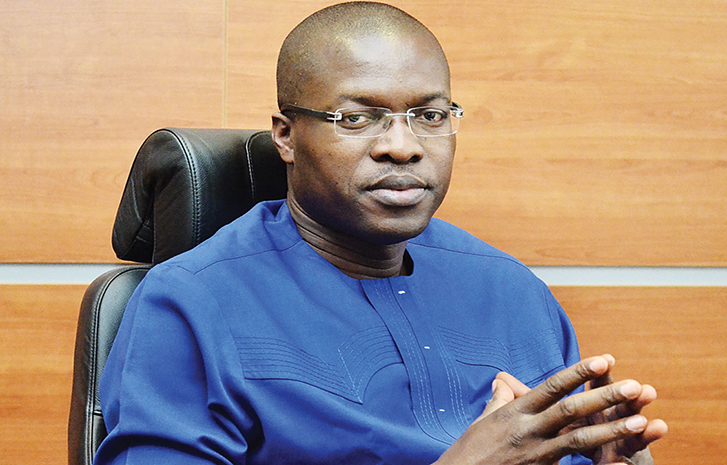
Executive Director of WSSCC, Mr Rolf Luyendijk
The Executive Director of WSSCC, Mr Rolf Luyendijk, made the call in an interview with News Agency of Nigeria (NAN) in Abuja on Wednesday, May 16, 2018.
Luyendijk said that it was saddening that no fewer than 43 per cent of Nigerians still practised open defecation, while more than 43 million people lacked access to toilet facilities.
He said that the country should do more to see that its present commitment to improving the water and sanitation sector translated to increased investment.
The executive director, however, expressed the hope that the proposed Water, Sanitation and Hygiene Fund would go a long way in addressing the perceptible deficiencies in the water and sanitation sector.
He also appealed to all stakeholders to close the gap between the rich and the poor by ensuring equal distribution of water and sanitation facilities.
While commending the Federal Government for its Partnership for Expanded Water, Sanitation and Hygiene programme, Luyendijk said that it was an avenue to meet the Goal Six of the Sustainable Development Goals (SDGs), which focussed on increasing access to water and sanitation.
He noted that population growth was fuelling the continuous practice of open defecation in rural and urban areas.
According to him, the number of people practising open defecation at present was higher than the figure of those who practised it 15 years ago.
Luyendijk underscored the need for more investment in the sector, saying that Nigeria needed thrice its current investment level of $700 million annually, which was inadequate.
“More than 43 million people are practising open defecation and not using the toilets; it’s a big issue.
“Do you know how much shit (faeces) that is every day, even around the communities, and what that does to the people’s health, particularly the children’s health,’’ he said.
According to him, expanding the people’s access to sanitation and hygiene remains crucial in breaking the poverty cycle.
Luyendijk said that poor health and loss of income were kindled by the dearth of water, sanitation and hygiene (WASH) facilities in countries.
“It is absolutely critical; think of how critical it is in an emergency situation when there are displaced persons.
“The very first response that people do is to provide water and sanitation; this is because it will prevent an already bad situation from deteriorating.
“Water supply and sanitation are so key to people’s health and well-being; if we don’t have that in place, it breeds sickness, causing huge health expenditure and poverty for families,’’ he said.
Luyendijk called for more commitment from all tiers of government in formulating policies and programmes that were aimed at improving the lives of the populace.
WSSCC is a United Nations (UN) membership organisation that advocates improved sanitation and hygiene for the most vulnerable and marginalised people around the world.
WSSCC facilitates multi-stakeholder collaboration around sanitation and contributes to the goals of the international community on poverty eradication, health and environmental improvement, gender equality and long-term socio-economic development.
Shell Nigeria Gas (SNG) Limited has increased its domestic gas distribution capacity by 150% over the last six months. The increase in capacity will enable the company to distribute more than 100 million standard cubic feet of gas per day (MMscf/d) to businesses in its western operations.
R- L: Managing Director, Shell Nigeria Gas (SNG), Mr. Ed Ubong; Managing Director, The Shell Petroleum Development Companies of Nigeria Limited (SPDC) and Country Chair, Shell Companies in Nigeria (SCiN), Osagie Okunbor and Managing Director, Shell Nigeria Exploration and Production Company (SNEPCo), Engineer Bayo Ojulari during the Launching of the 2018 Shell Nigeria Briefing Notes
The new capacity is equivalent to some 400 Megawatts (MW) of gas to power, and has been enabled by the construction of a second train at the Agbara/Ota Pressure Reduction and Metering Station (PRMS) in Ogun State, from where SNG supplied its first customers with gas.
“The expansion project shows the commitment of Shell to Nigeria’s industrialisation through the monetisation of Nigeria’s abundant gas resources,” said SNG Managing Director, Ed Ubong, while speaking in Lagos on the operations of the company.
The modules for the second train were fabricated by a Nigerian company which collaborated with its foreign partners to safely execute the project without any Lost Time injuries (LTIs).
Mr. Ubong said: “We’re continuing the campaign for gas by discussing with various stakeholders to deepen and expand domestic gas supply to existing industrial and new manufacturing clusters in various locations in Nigeria.”
SNG’s existing gas distribution system in the three states it operates – Ogun, Abia and Rivers – have boosted manufacturing output and helped these states to grow their internally generated revenues and provide local employment opportunities. In 2017, SNG executed a Memorandum of Understanding with the Rivers State Government for the distribution of gas to industries in the Greater Port Harcourt area and its environs. The agreement provides further opportunities for SNG to promote gas as a more reliable, cleaner and cost-effective alternative to liquid fuels in Nigeria.
SNG is said to have built a reputation for safety and credibility and reportedly the only gas distribution company in Nigeria whose facility is ISO 14001 certified. In the course of its business, the company has reportedly implemented various development projects in the areas of its operations, donating or renovating schools, providing information communications technology (ICT) centre, equipping science laboratories and launching numerous Road Safety Education and Awareness campaigns in 2016 and 2017.
The SNG was established in 1998 and marks its 20th anniversary in 2018.
The 2014 Ebola Virus Disease (EVD) outbreak in Nigeria was short-lived as the World Health Organisation (WHO) officially declared the country free of the dreaded disease in the same year.
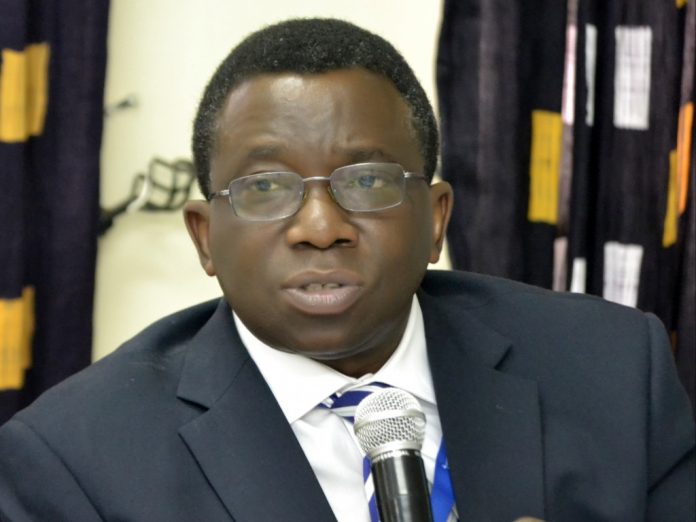
Minister of Health, Isaac Adewole
EVD, which was imported into Nigeria on July 20, 2014, claimed eight lives including the index case, a Liberian, Patrick Sawyer.
Eleven of those infected survived as concerted efforts were devoted to fighting the deadly viral infection.
Nigeria was declared Ebola free in October 2014, after the country did not record any new case in the preceding 42 days.
With the declaration, Nigeria became the second country to be confirmed free of the EVD by the global health agency since the fresh outbreak of the disease in Guinea in early 2014.
Senegal, which recorded one confirmed case and no death, was the first to attain the Ebola-free status for successfully containing the disease.
Spain, Mali, U.S, UK, Italy, Liberia, Guinea and Sierra Leone also battled and conquered the virus and were eventually declared Ebola-free.
The early declaration of a state of emergency in Nigeria and other measures taken against EVD shows the high level of dedication of the country’s health sector and the overall government commitment to ensuring public safety.
The measures include rapid dissemination of information that built awareness and knowledge around EVD, establishment of the National Centre for Disease Control, and postponement of resumption of schools.
Hand washing before having access to public places was given prominence. Ban on return of corpses from abroad and even on inter-state transportation of such bodies within Nigeria also helped.
Analysts, however, cautioned that Nigeria’s Ebola-free status does not give room for complacency as long as the deadly and highly contagious disease is not totally eradicated, particularly from Africa.
The WHO recently alerted that it is preparing for ‘the worst case scenario’ in a fresh outbreak of Ebola in the Democratic Republic of Congo.
”We are very concerned, and we are planning for all scenarios, including the worst case scenario,” WHO’s Head of Emergency Response, Peter Salama, told reporters in Geneva.
The outbreak, declared by the DRC health ministry on May 8, is the DRC’s ninth known outbreak of Ebola since 1976, when the disease was first identified in then Zaire by a Belgian-led team.
Salama noted that the affected region of the vast strife-torn central African country was very remote and hard to reach, with a dire lack of functioning infrastructure.
Analysts are worried that measures put in place to prevent trans-border transmission of the disease in Nigeria seem to have been relaxed in spite of the itinerant nature of many citizens.
According to Prof. Akin Osibogun, a former Chief Medical Director of the Lagos University Teaching Hospital (LUTH), Nigeria is unprepared for any resurface of EVD.
”In 2014, the Federal Government promised to establish six functional laboratories but nothing of such is yet to be set up.
”Yes, the government has done well with the establishment of the National Centre for Disease Control but there is yet to be a law in place to back up that centre and strengthen its operations.
”Also, we do not have a national plan of action to enable us to be well prepared for any form of disease outbreak,” he says.
Osibogun believes that it is cheaper to be prepared for and prevent a disease outbreak than combat it.
“A strong health system is able to prevent disease epidemics and respond faster to save lives.
”Political commitment is highly required to make adequate funds available to provide the needed infrastructure such as laboratories for prompt diagnosis, researches, treatment centres and medical equipment,’’ the medical expert says.
He is convinced that training and re-training of medical personnel for emergency responses as well as strong collaboration between the Federal Government, state governments and health agencies are vital for containing outbreak of epidemics.
”As a nation, we need to anticipate epidemics and be well prepared via surveillance system, investigation control measures, implementation of prevention measures as well as continuous monitoring,” Osibogun adds.
Prof. Oyewale Tomori, a virologist and former President of the Nigerian Academy of Science, advises on sustenance of the preventive measures.
Tomori argues that Nigeria will continue to be at risk of the disease as long as the virus lingers in neighbouring countries.
According to him, Nigeria will become free of the virus only after the disease has been wiped out of Africa.
He urges Nigeria to help its neighbours to fight the disease.
“We are not free of Ebola until Ebola stops in Africa because there is always a chance that another Patrick Sawyer can come into Nigeria,” he argues.
Also, Dr Dan Onwujekwe, a public health expert with the Nigerian Institute of Medical Research (NIMR), Yaba, calls on Nigerians to see regular hand cleaning routine as a way of life.
Onwujekwe says that hand cleaning routine is not merely for the prevention of EVD, but for all infectious diseases.
“We lay emphasis on hand washing hygiene because the hand is the most active part of the human body. It goes round and can carry viral organisms around and into the body.
“Governments should also intensify awareness and promotion of regular hand washing as the number one strategy,” he urges.
Dr Bamidele Iwalokun, a molecular biologist with NIMR, also believes that there is still the risk of cross-border transmission of Ebola into Nigeria from high-risk countries.
“We still need to maintain strict surveillance at our borders because there are still cases of Ebola virus in some neighbouring countries.
“We also need to strengthen preparedness planning so that any other outbreak in Nigeria will be stopped with the same rapid response of 2014,” he says.
Dr Philip Oshun, Head, Ebola Response Team, Lagos University Teaching Hospital (LUTH), Idi-Araba, warns that Nigeria remains at risk and its residents must not let down their guards.
According to Oshun, the three tiers of governments, health workers and all Nigerians cannot afford to relax until Ebola is laid to rest in other African countries.
He regrets that EVD has taken a heavy toll on health workers, and implores them to adhere strictly to universally acceptable practices when attending to patients to avoid contracting the virus.
Maurice Iwu, a Professor of Pharmacology and a former INEC Chairman, is also of the opinion that Nigeria is still vulnerable to the Ebola virus.
Iwu wants the Federal Government to adequately fund research groups and institutes to find vaccines and drugs that can be produced locally to manage EVD and other similar infectious diseases.
According to him, this will consolidate on the nation’s current achievements.
“The Nigerian Government must begin the process of facilitating the study of experimental drugs and vaccines used in the prevention and treatment of the EVD by Nigerian scientists through research institutes,” Iwu urges.
Medical experts say Ebola virus disease, also Ebola haemorrhagic fever or simply Ebola, is a disease of humans and other primates caused by Ebola viruses.
Symptoms – fever, sore throat, muscular pain, and headaches – start between two days and three weeks after contracting the virus.
Vomiting, diarrhoea and rash usually follow along with decreased function of the liver and kidneys. At this time, some people begin to bleed both internally and externally.
The disease has a high risk of death, killing between 25 and 90 per cent of those infected.
According to the experts, the death is often due to low blood pressure from fluid loss, and typically follows six to 16 days after symptoms appear.
No specific treatment or vaccine for the virus is available, although a number of potential treatments are being studied. Supportive efforts, however, improve outcomes.
The disease was first identified in 1976 in Zaire in two simultaneous outbreaks, one in Nzara, and the other in Yambuku, a village near the Ebola River – from which the disease takes its name.
EVD outbreaks occur intermittently in tropical regions of sub-Saharan Africa.
Between 1976 and 2013, WHO reported a total of 24 outbreaks involving 1,716 cases.
The largest outbreak was the epidemic in Africa, which affected Guinea, Liberia and Sierra Leone. It had 28,616 reported cases resulting in 11,310 deaths as at May 8, 2016.
A team of experts from the Lake Chad Commission charged with proffering stabilisation and revitalisation strategies for the Lake Chad Basin on Wednesday, May 16, 2018 visited the headquarters of the Theatre Command in Maiduguri, Borno State.
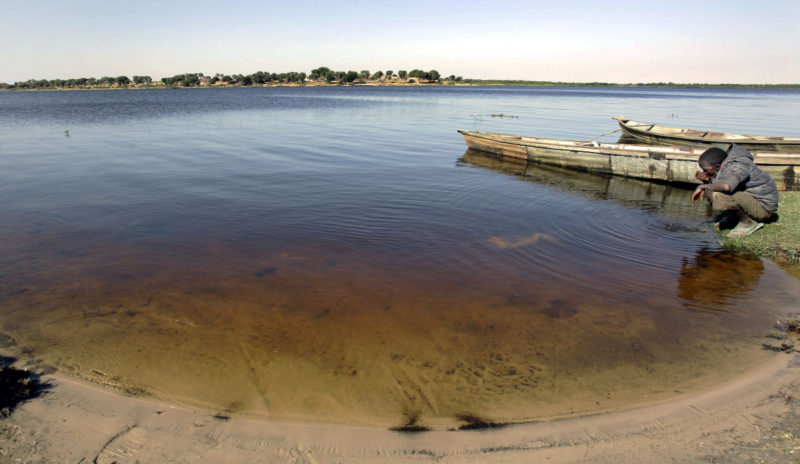
Scientists say the Lake Chad, that borders Nigeria and some other countries, has shrunken by 95 percent over the past 50 years. They have also linked the Boko Haram insurgency to the lake’s situation. Photo credit: AP/Christophe Ena
According to a statement by Col. Onyema Nwachukwu, the spokesman of the command, the team was led by Dr Eleanor Nwadinobi, a gender adviser.
Nwachukwu said that it was constituted by the African Union (AU) in collaboration with the Multinational Joint Task Force (MNJTF).
Nwadinobi was quoted as saying that the team was mandated to research and work out strategies in the areas of “Humanitarian, Socio-economic, Educational, Governance, Gender as well as Prevention and Countering of Violent Extremism to revitalise and stabilise the Lake Chad Basin.’’
She said that, in carrying out its mandate, it was expedient for the team to visit the Lake Chad Basin Commission member states.
Nwadinobi lauded the troops of the Operation Lafiya Dole for the successes so far recorded in the counter terrorism and counter insurgency operations against the Boko Haram terrorists.
Responding, the theatre commander, Maj.-Gen. Rogers Nicholas, informed the team that the security situation in the North East theatre had remain calm as the terrorists had been degraded.
Nicholas, however, noted that the terrorists had resorted to suicide bombing and attacks on vulnerable and soft targets.
He called on all stakeholders to play their roles in the multifaceted war to ensure total defeat of the terrorists.
The theatre command urged the team to be judicious in the execution of its mandate to facilitate the restoration of socio-economic development in the region.
New “plastic-free” logo launched in Britain on Wednesday, May 16, 2018 will allow shoppers to identify products with plastic packaging, as companies come under growing pressure to use green alternatives.
A turtle eating plastic: Dumped plastic wastes kill marine life and enter the human food chain
Eight million tonnes of plastic – bottles, packaging and other waste – are dumped into the ocean every year.
The dumped wastes kill marine life and enter the human food chain, according to the United Nations.
Growing concern from the public and lawmakers about the damage to the environment means food and drink manufacturers and retailers are under pressure to act on plastic waste.
“We all know the damage our addiction to plastic has caused.
“We want to do the right thing and buy plastic-free,” said Sian Sutherland, co-founder of A Plastic Planet, the British-based campaign group behind the new label.
“But it is harder than you think, and a clear, no-nonsense label is much needed. Finally, shoppers can be part of the solution not the problem.”
British supermarket giant Iceland, Dutch supermarket Ekoplaza, which launched a plastic-free aisle earlier this year, and British tea company teapigs are among the first companies to adopt the label.
Last month, more than 40 companies including Britain’s biggest supermarkets, Coca Cola, Nestle and Procter & Gamble , signed up to the UK Plastics Pact, pledging to eliminate unnecessary single-use plastic packaging by 2025.
In January, privately-owned Iceland became the first British supermarket to promise to eliminate plastic packaging from all of its own-brand products.
“The grocery retail sector is accounting for more than 40 per cent of plastic packaging in the UK.
”It’s high time that Britain’s supermarkets came together to take a lead,” said Iceland’s managing director Richard Walker in a statement.
In 2015 Britain introduced a charge for plastic bags which has led to an 80 per cent reduction in plastic bag use since 2015.
Nearly 200 nations late last year signed a U.N. resolution to eliminate plastic pollution in the sea, a move some hope will pave the way to a legally binding treaty.