Home Blog Page 1861

Stakeholders call for behavioural change towards use of public toilets

Stakeholders in the environment sector have called for a positive behavioural change towards the use of public toilets across the country to boost community hygiene.
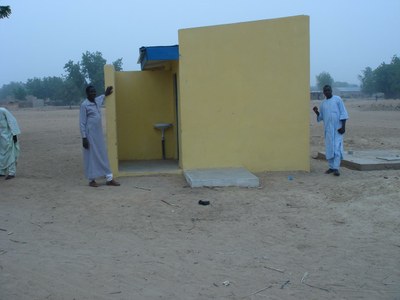
public toilet
A public toilet

The stakeholders made the call in different interviews with journalists on Friday, July 6, 2018 at an awareness campaign organised for school pupils in Abuja.

The event, which was organised by Toilet Kulture Initiative, a non-governmental organisation, has “Promote Change in Attitude towards Public Toilets in Nigeria’’ as its theme.

Mrs Else Ozika, one of the organisers of the campaign, underscored the need to improve the state of public toilets across the country.

She said that the campaign was particularly aimed at changing the attitude of Nigerians toward the use of public toilets and drawing the attention of the authorities to the bad state of most public toilets.

Ozika stressed that public toilet users should always be mindful of the fact other people were coming to use the toilets after them.

She urged toilet users, owners of public buildings as well as cleaners to always ensure that toilets were kept clean and functional always.

She expressed the willingness of her organisation to work with other stakeholders to ensure that public toilets were kept clean and hygienic.

Also speaking, Mrs Ezinne Nwanyoma, a public health specialist, said that a lot of diseases in the society could be prevented with the people’s behavioural change towards the use public toilets.

She said that dirty toilets had a lot of environmental and health implications, adding dirty toilets were filthy sights and could aid the spread of viral and bacterial diseases.

Nwanyoma blamed the poor and unhygienic state of public toilets on the unwholesome habits of some users and the lack of steady water supply in some neighbourhoods.

She stressed the need to put toilet facilities in place across the country, while ensuring that competent persons were engaged to properly manage the toilets.

She said that everyone had a role to play in the proposed public toilet system to enable Nigeria to achieve the Sustainable Development Goals (SDGs), particularly those aimed at ending open defecation by 2030.

Nwanyoma said that Nigeria currently ranked third among the countries with the highest level of open defecation in the whole world.

She called for the initiation policies and campaigns that would promote good manners in public places and in the society at large.

In his views, Mr Nadu Karimu, a parent of one the pupils, said that the deplorable state of public toilets across the country “shows that we are far behind as a country.”

He stressed the need for the people to imbibe a new culture that treated toilets as inalienable part of their residences.

“We need to redefine our culture, not just with regard to public toilets but also in relation to private toilets,” he said.

Another stakeholder, Mr Sam Obafemi, underscored the need for everyone to be involved in the campaign for clean toilets.

He urged Nigerians to promote the cleanliness of their toilets and extend the habits to others in their neighbourhoods.

He said that although most public toilets were not in good condition, a positive change could be achieved if all Nigerians became staunch advocates for clean toilets and environments.

A pupil, Joshua Jitobo, said: “I have learnt how to promote good hygiene, especially in the toilet, so that I can grow to become a good Nigerian in the future.’’

Aisha Idris, another pupil, said: “I have learnt how to keep the toilet clean to prevent infections and how to take responsibility in the cleaning of toilets.

“When I grow up and if I can afford it, I will build public toilets for my village and teach the villagers how to keep the toilets clean,” she said.

By EricJames Ochigbo and Okon Okon
Governments asked to regulate industrial pollution, legislate on tree planting

0

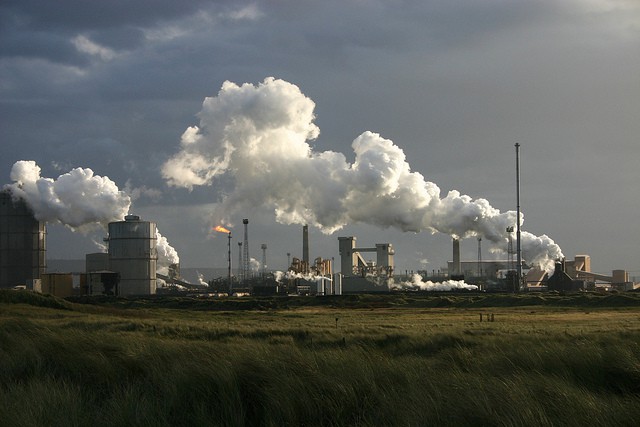
An ecologist, Mr Habib Omotosho, has urged the Federal Government to regulate industrial pollution to combat climate change.

Industrial pollution

Omotosho, the National Coordinator, Environmental Advancement Initiative, an NGO, gave the advice in an interview with News Agency of Nigeria (NAN) in Abuja on Thursday, July 5, 2018.

Similarly, an environmentalist, Mr Rasheed Lawal, has told the Lagos State House of Assembly to enact a law to compel individuals and corporate bodies in the state to plant trees.

Lawal, who suggested this in an interview with NAN in Lagos on Friday, July 6, said that tree planting was crucial in securing Lagos as a mega-city.

“Legislation should be enacted to encourage planting of trees, especially in the new settlements in Lagos State,’’ he argued, pointing out that planting of trees would “sink” greenhouse gases, produced by regular activities in the state, which is cited as Nigeria’s most populous city and economic hub.

Omotosho said the government must swing into action as cement, textile, petrochemicals and other manufacturing industries were responsible for major emissions in the country.

He also said that the power sector needed to be fully decarbonised to achieve a climate-safe future.
According to him, these industries must decarbonise as a matter of priority.

“Around 300 million children currently live in areas where the air is toxic – where the air they breathe exceeds international limits by at least six-fold.

“This puts the poorest and most vulnerable children at the greatest risk.

“Children are not the only ones who suffer from poor air quality. Reducing air pollution can help grow economies and combat climate change,” he said.

Omotosho urged the government to provide the enabling environment for the private sector to drive the production of affordable renewable energy in the country.

Lawal, Co-chair of the Advocate for Clean Climate and Environment group, said the number of people residing in Lagos was more than the available landmass in the state.

“Our population per landmass in Lagos State is one issue that has not been taken seriously. Kano State is heavily populated but the population per landmass is less, compared to Lagos State.

“This means that for every Lagosian that breaths out carbon dioxide, he takes oxygen and performs other anthropogenic activities that involve emissions of greenhouse gases.

“Lagos with more population per landmass should invariably get more trees,” he said, noting that tree planting should be taken up by government, corporate bodies and individuals.

“The government should enact a legislation to protect the already existing trees. So, trees should not be cut down without a permit or a levy being paid.

“Government should also embark on tree planting projects. This could be done on all the median of newly constructed roads, establishment of new parks with trees and creation of government reserves.

“Companies and industries should adopt tree planting projects as their CSR after all, they contribute to the problem of climate change and more.

“Individuals should also ensure that trees become a vital part of their homes. They should embrace street tree planting and protect the trees.

According to him, tree planting will balance the micro-climate in the environment and mitigate the effects of generator fumes and gas flares, emitting greenhouse gases.

“Trees create a micro-climate around areas where they grow. The farther you are from a tree the poorer the climate becomes in Lagos State,” Lawal said.

By Mercy Okhiade and Deji Abdulwahab

Desertification: VC advocates introduction of BSc. Environmental Health Science

0

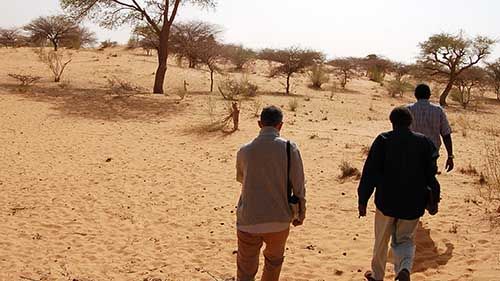
The Vice-Chancellor, Ahmadu Bello University (ABU), Zaria, Prof. Ibrahim Garba, has advocated for introduction of BSc. Environmental Health Science in Nigerian universities to effectively curb desertification.

Desertification in Nigeria

Garba made the call at the “2018 Tree Planting Campaign of the ABU Green Belt Initiative’’ held on Thursday, July 5, 2018 at the ABU main campus, Zaria, Kaduna State.

The News Agency of Nigeria (NAN) reports that the theme of the 2018 campaign is: “Beat Plastic Polution” with a topic “Agro-Forestry: The Way Forward”.

He observed that the course, if introduced, would go a long way in addressing some of the environmental challenges bedevilling Nigeria and Africa at large.

The Vice-Chancellor said: “We look forward to the time when the when the Environmental Health Council of Nigeria will anchor BSc. Environmental Health Science in our universities.

“Let me also seize this opportunity and pay tribute to the Permanent Secretary, Ecological Funds, for the several ecological interventions on the university.”

Garba urged Nigerians to join other people globally in campaign against wide spread of plastic pollution.

He said the Chemical Engineering Department of the university could do a lot on recycling of polythene/plastic, thereby making Nigerian environment safe.

“A collaboration can be established on that, ABU is appealing for this. On environmental awareness creation, Theatre and Performing Art Department has done a lot too on burning environmental issues.

“We will provide assistance to the ministry in this regard,” he assured.

Garba stressed the need for collective efforts from all Nigerians to be able to check the challenges of desert encroachment.

The vice-chancellor appreciated the efforts of the Federal Ministry of Environment and the Minister of State Environment, Alhaji Ibrahim Usman Jibril, for building a solid cordial relationship with ABU.

He identified some of the mutual benefits of such relationship to include the university’s engagement with the National Agency for Great Green Wall.

Others, according him, are assistance by the Department of Climate Change in the ministry to access Clean Development Mechanism Funds to sustain its programme.

The Chairman of the occasion, Prof. Ango Abdullahi, said the significance of tree planting should be emphasised rather than telling what ABU was doing annually.

Abdullahi, who is also a former V-C of the institution, observed that if all institutions in Nigeria right from primary to tertiary would emulate ABU green environment’s practice’ it would have changed the nation’s environment for the better.

He lauded ABU for maintaining its botanical garden in all its campuses, while appealing to leaders to cultivate the spirit of tree planting and strong political will to avert the menace.

“There is no how trees will survive where there is no alternative to firewood. The alternative is very costly even more than the firewood.

“Therefore, there is every need for collaborative efforts and steps to be taken by all stakeholders to avert desert encroachment,” he said.

By Mohammed Lawal

Exposure to farm-use pesticides, chemicals detrimental to human health

0

The Director of Technical Services Network at the National Environment Agency has disclosed that exposure to pesticides and chemicals in farmlands, rice-fields and gardens has a high toll on human health especially the farmers and gardeners. According to him, The Gambia has recognised this need to explore safer alternatives to synthetic pesticides for use in agricultural activities.

Gambia
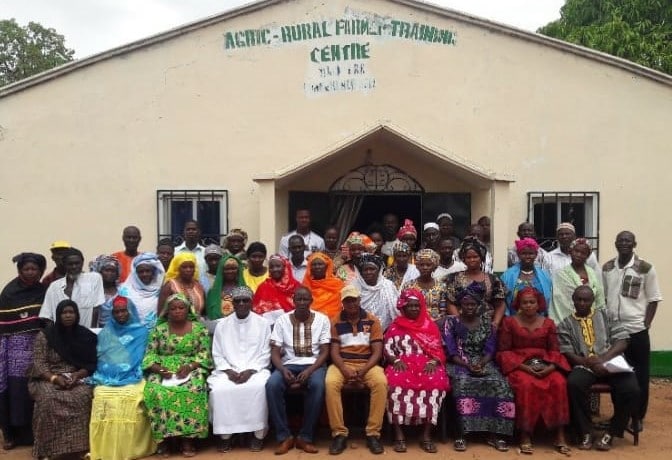
Participants at the event

Dr. Dawda Badji make this disclosure at a two-day national training workshop for over 40 market gardeners and farmers on Integrated Pest Management (IPM) in crop production and post-harvest management, with focus on use of bio-botanical pesticides, recently held in Jenoi, Lower River Region (LRR).

Speaking on behalf of the Executive Director of the NEA, Dr. Badjie further revealed that the objectives of this Training of Trainers (TOT) workshop is to build capacity of market gardeners on various approaches to pest control methods with emphasis on production and use of bio- botanical pesticides to control pests in staple food crops with the view to protect human health and the environment.

According to NEA`s Director of Technical Services Network, the training would avail participants opportunity to improve technologies in organic pest management which are derived from local trees and plants that go a long way in improve gardening activities and enhance farm produce that is devoid of pesticides residues which can negatively impact the health of consumers. Most of these plants and trees are easily available within the surrounding environment.

The Gambia, he said, is a Party to the Stockholm Convention and has since understood the health concerns resulting from local exposure to Persistent Organic Pollutants (POPs), and the negative impacts levied upon farmers, pesticides distributors, women gardeners and food consumers within communities.

Considering the low level of awareness of local communities on chemical utilisation and management, Dr. Badjie revealed that this necessitated his agency to organise the TOT, and therefore called for a holistic and integrated approach in pesticide and chemical management from all stakeholders.

However, Dr. Badjie revealed that chemicals are important determinants for sustainable development, sound environmental health and quality of life, as the use of chemicals in all human activities (such as agriculture, health, energy production, manufacture, services and residential) contributes to improving the quality of life. But he warned that alarm and concerns has been raised on its harmful effects on workers, consumers, the environment and society at large through exposure.

Nonetheless, Dr. Badji further warned that accidental releases of pesticides and chemicals from distribution, consumption and disposal may permanently damage soil, water and air quality, as reports of chemical incidents has been very common within the farming populace and their families.

In recognition of the importance of stakeholder participation, Dr. Badjie posited that the cross-learning dialogue is being held to critically discuss various options and tap experiences from local farmer-expert that could be used to control pests with the minimal use of pesticides.

“A recent survey on pesticides poisoning in The Gambia has revealed that pesticides, if not properly handled, impact negatively on public health and the environment. According to the report, poisoning cases have been detected in the study areas whilst some led to deaths.” he emphasised.

Recording a high percentage of illiteracy rates among survey, respondents also contribute to the abuse and misuse of these chemical products, while self-sufficiency in ensuring the availability of food for is itself an achievement. He noted that the challenge facing The Gambia now like many other countries is to ensure quality and safety in the food being consumed.

To curb the negative impact of pesticides on the environment, plants and animals, and cognisant of the numerous challenges highlighted in the report, Dr. Badjie revealed that this warranted his agency and her stakeholders to work together to come up with practical recommendations that will diminish the high reliance on synthetic pesticides and adopt alternatives that are more environmentally friendly.

The project is being implementing by NEA in partnership with Global Environment Facility (GEF) and United Nations Industrial Organisation (UNIDO) as part of the obligations for the implementation of the Stockholm Convention on Persistent Organic Pollutants (POPs) National Implementation Plans (NIPs).

Omar Bah, the Registrar of Pesticides and Hazardous Chemicals at the NEA, disclosed that, according to the Rotterdam Convention, there is an increasing growth in chemicals production and trade during the past three decades, raising both public and official concern about the potential risks posed by hazardous chemicals and pesticides.

This becomes more alarming for vulnerable countries lacking adequate infrastructure to monitor the import and use of the chemicals especially in developing countries may pose significant risks to human health or the environment, because risk reduction measures such as the use of personal protective equipment or maintenance and calibration of pesticide application equipment are not easily implemented or are not effective.

He said agriculture is a main driver of the Gambian economy, employing almost half of the working population, and higher percentage of the rural working population. In addition, the sector provides livelihoods for majority of the population. Groundnuts are the main cash crop, and account for 30% and 50% of foreign exchange earnings, and national food requirements, respectively.

Bah in conclusion said the training could not have come at a better time when The Gambia is putting lots of efforts towards resilience building against the impacts of climate change and variability amongst its increasing population through the promotion of increased agricultural production and productivity for food security, improved nutrition, and poverty alleviation, amongst others.

By Sheikh Alkinky Sanyang

China donates meteorological equipment to Namibia

0

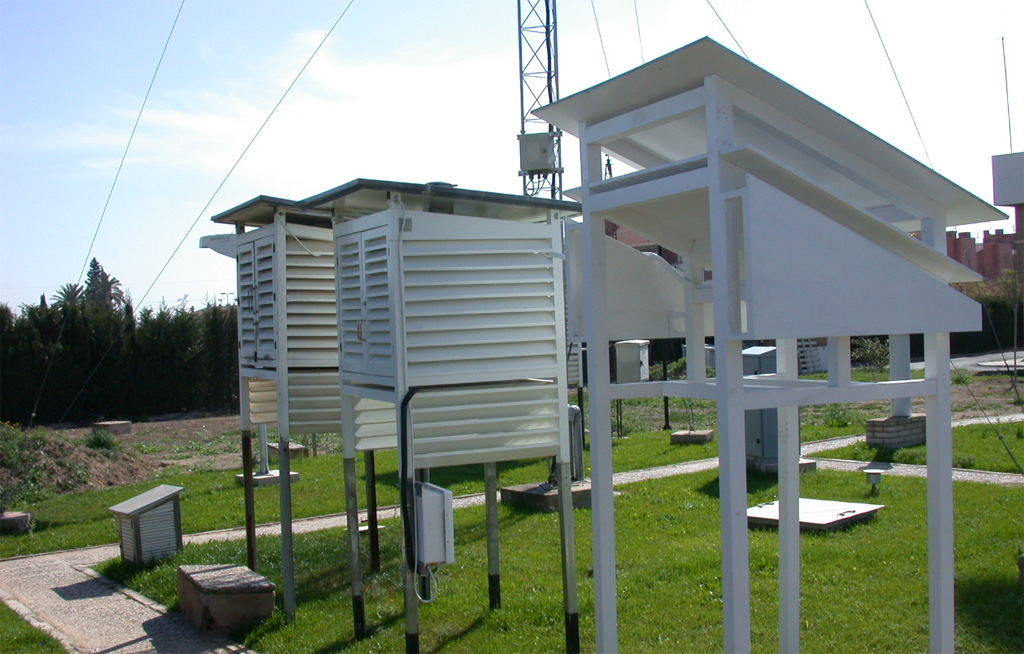
Meteorological equipment worth $2.4 million donated by China were handed over to Namibia at an event on Thursday, July 5, 2018.

Meteorological equipment

Namibia received 10 sets of Manned Weather Observation Systems, five sets of Automated Weather systems, one central work station software and meteorological communication system.

The remaining are FY-3 meteorological satellite data collecting, processing system, the FY3-3 meteorological satellite information processing and application system.

On behalf of Namibia’s Minister of Works John Mutorwa, deputy minister James Sankwasa said the donation emanated from China-Africa cooperation.

It has expressed its willingness to strengthen cooperation and build capacity of selected meteorological services in Africa.

“This is to enable it to respond to the growing needs of citizens, especially in the areas of disaster prevention and mitigation, climate change and meteorological observation.

According to him, the donated equipment came at the time when it was needed.

“For example, the recent tropical cyclone Dineo, although reached Namibia in a weakened state as a tropical depression was tracked using FY-3 Satellite until it dissipated in the Atlantic Ocean,’’ he noted.

Meanwhile, Chinese Ambassador to Namibia Zhang Yiming said he was happy that Namibia is among the recipients.

“We are proud China is helping enhance the capacity in such a vital public service of meteorology in Namibia,’’ Zhang said.

According to the deputy minister, the adverse impacts of weather and climate extremes on the mainstream economic activities such as agriculture, health, fisheries, water, transport and food security are a great challenge to the country.

“The early warning system once operational would provide timely warning and advisories that could save lives and reduce extensive damage to properties.

“The cooperation between the two countries on this scale in the field meteorological is commendable and needs to be sustained for the benefit of all,’’ he added

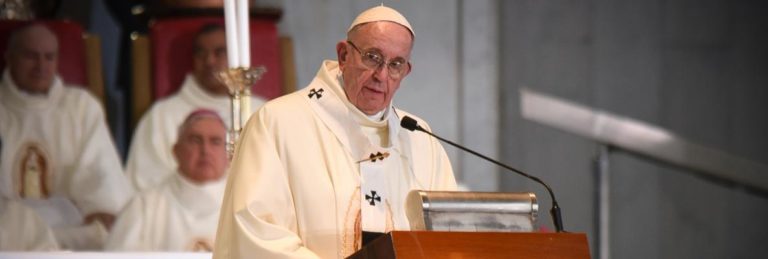
Pope Francis, environmental leaders forge vision for global action

0

Environmental leaders, activists and advocates gathered at the Vatican City on Thursday, July 5, 2018 with Pope Francis to kick off a two-day Vatican-organised conference with a sense of urgency and unity. Together they hope to emerge with a momentum for greater action and a shared vision for protecting our planet.

Pope Francis
Pope Francis

Inspired by the third anniversary of the Pope’s seminal encyclical on the issue – titled Laudato si’ – political and religious leaders, scientists, economists and heads of civil society organisations came together to discuss how to awaken people to the gravity of the situation and inspire a “massive movement” of cooperative action and moral responsibility to our planet.

UN Environment’s Executive Director, Erik Solheim, will address the convocation on the second day of the meetings titled: “Acting Together to Save our Common Home”.

“The challenges we face around climate change, biodiversity loss and deforestation are daunting. The science – as so ably outlined in Laudato si’ – is unambiguous,” Erik Solheim wrote in his remarks for the conference. “We are reaching, surpassing and ignoring global environmental tipping points that are causing enormous problems for humanity and hitting the poorest and most vulnerable the hardest.”

Having drawn inspiration from the call for unity and action in the encyclical, UN Environment introduced their Interfaith Rainforest Initiative at the conference. The new international alliance is a platform for religious leaders and faith-based communities to work hand-in-hand with indigenous peoples, governments, civil society and businesses on actions that protect rainforests.

“This is just one example of how new kinds of collaboration across sectors can bring forth real solutions,” said Solheim.

In Laudato si’, Pope Francis, who has emerged as an avid advocate for the environment since his appointment, condemned the collective negligence on behalf of the planet and called for strong and immediate action on climate change.

“Young people demand change,” the encyclical letter reads.” They wonder how anyone can claim to be building a better future without thinking of the environmental crisis and the sufferings of the excluded.”

Since taking up his post, the Pope has repeatedly called to bridge the divide between communities in protection of our commonly inherited earth, lobbying with political leaders and private sector chiefs alike to urge the need for acting together to save the earth.

The international conference, organised by the Vatican Dicastery for Promoting Integral Human Development, highlighted the personal accounts of victims of environmental crises, reflecting on how to understand and respond to these crises and envisage the journey ahead for a sustainable world.

The event will set the stage for a series of important dialogues on the subject to follow,
including the Global Climate Action Summit in California, the annual International Monetary Fund-World Bank meeting in Bali, and the COP 24 climate summit in Katowice, Poland.

Shell commences investigation of oil spill in Bayelsa community

0

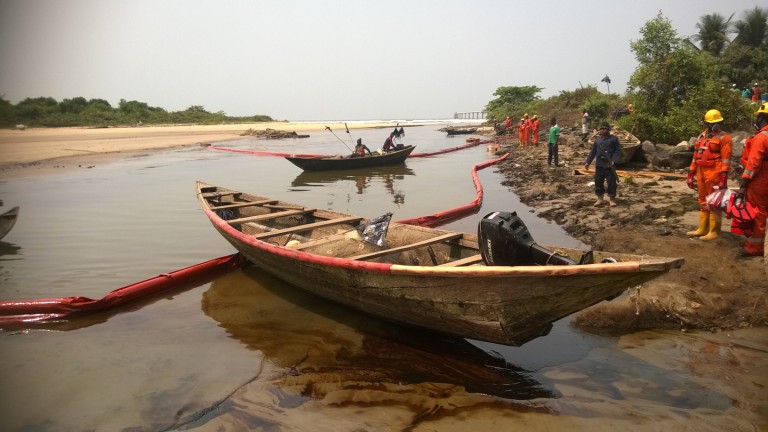
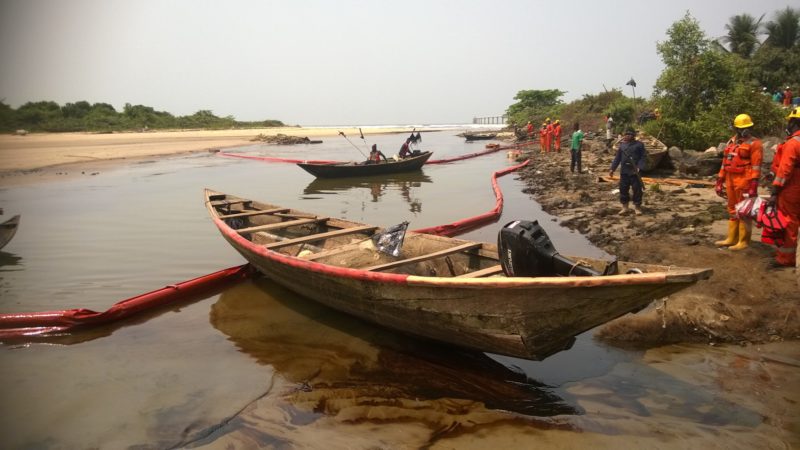
The Shell Petroleum Development Company (SPDC) says a Joint Investigation Visit (JIV) to Aghoro community in Bayelsa State is underway to investigate the cause of an oil leak in the neighbourhood.

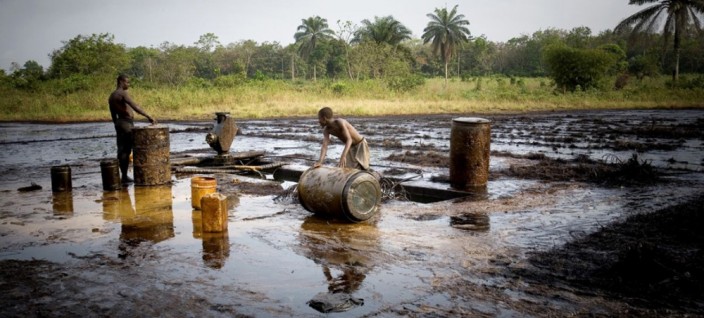
Ineffective clean up
The outcome of oil spill

It will be recalled that an oil leakage occurred on May 17, 2018 at an oilfield operated by SPDC in Aghoro, Ekeremor Local Government Area of Bayelsa.

Mr Bamidele Odugbesan, the Media Relations Manager of SPDC, told NAN in Yenagoa, the state capital, on Thursday, July 5, 2018 via a telephone interview that the oil firm had convened a joint investigation team to visit the area.

He, however, regretted that the rains and swampy nature of the area were hampering the spill response operations.

Reacting to allegations of delayed response to the spill which was reported in May, Odugbesan said that the allegations were baseless, adding that Shell was doing everything possible to control the spill.

“We have been working round-the-clock since the leak occurred; we got the report and as we speak, the JIV is underway but it is not yet concluded because there are three leak points in Aghoro community.

“The JIV team, comprising SPDC officials, regulators, community representatives and Bayelsa State Ministry of Environment officials must visit the three spots before arriving at a conclusion.

“The JIV report will indicate the cause of the spill as well as the estimated volume of crude that was discharged into the area,” he added.

However, community sources in Aghoro told NAN that the investigation team had so far visited two out of the three leak points.

Mr Agbai John, a resident who was part of the JIV team, told NAN that preliminary findings indicated that the oil leaks were traced to corroded pipelines.

He said that sabotage was ruled out because the pipelines, which were buried about three metres underground, showed no signs that they had been tampered with prior to their exhumation with swamp boogie equipment.

Meanwhile, the Oil and Gas Producing Areas Enlightenment and Empowerment Initiative (OGPAEEI), a community-based civil society group, has urged SPDC to expedite action in dealing with the oil spill in the area and bring relief to the victims.

A spokesman for the group, Dr Anapurere Awoli, told NAN that the prolonged exposure of residents of the community to crude oil had exposed them to certain health challenges.

He said that there had been reported cases of respiratory diseases amongst the people, thereby underscoring the need for urgent medical intervention.

Awoli said that OGPAEEI had appealed to SPDC to pay adequate attention to the welfare of the residents of the Aghoro neighbourhood, while attending to the oil spill.

“Our organisation seeks peace and harmony; we have advised Shell to give a human face to its spill response activities by factoring in the welfare of those residents who were affected by the spill.

“They should be meticulous in their damage assessment; they should ensure that all the people who were adversely affected by the oil spill are considered for compensation; that is what usually breeds conflicts and they should nip it in the bud.

“The rains are here and this somewhat makes the terrain even more challenging.

“We have equally asked the residents to engage the services of competent valuers to help them compute their losses for compensation,” he said.

By Nathan Nwakamma

How illegal bunkering hurts the environment

0

The General Manager, Policy, Government and Public Affairs, Chevron Nigeria Ltd., Mr Esimaje Brikinn, said illegal bunkering has continued to cause significant damage to the environment.

Oil bunkering
Illegal oil bunkering

Brikinn said this in Abuja on Thursday, July 5, 2018 during a panel discussion on “Innovative Strategies – Combating Crude Oil Theft & Pipeline Vandalism” at the Nigerian Oil and Gas Conference and Exhibition (NOG).

Brikinn said the activities of pipeline vandals and those engaged in oil bunkering in oil producing states had also affected revenue streams leading to loss of benefits.

According to him, every International Oil Companies (IOCs) in Nigeria has been affected in one way or the other by the activities of oil thieves, engaging in illegal bunkering and `local refining’ operations.

“Chevron evolved a proactive approach to combating the issue of oil theft and pipeline vandalism by involving relevant stakeholders including the government security forces.

“The relevant state governments and the Regional Development Committees (RDCs) under the Global Memorandum of Understanding (GMoU), a community-driven multi-stakeholder participatory partnership model for community engagement and sustainable development in our areas of operations,” he said.

Brikinn said the platform known as the Community Pipeline and Facilities Surveillance Programme (CPFSP) with strong governance had become a model for enhancing the fight against oil theft and pipeline sabotage.

He said it also enhanced multi-stakeholder partnerships and collaboration and providing sustainable social license for oil and gas operations.

He said in the 13 years of its implementation, the GMoU had recorded significant achievements, especially in areas of education, health, and economic development.

“The NNPC/CNL JV has contributed over N20.6 billion to the RDCs to implement projects and programmes for about 600,000 beneficiaries in more than 400 communities.

“In terms of managing conflict and enhancing peace in communities, the GMoU story is one we are very proud to tell.

“It has resulted in very impressive footprints in various communities and the model has helped improve CNL’s relationship with its neighbouring communities, as it created a clearer and more predictable channel for dialogue,” he said.

He commended the commitment of the traditional institutions, security agencies, community and RDC leaders for driving the multi-stakeholder collaboration for asset protection.

Brikinn said Chevron would continue to work to strengthen its relationship with these stakeholders.

“The community leaders have shown great commitment to this process and have seen the connection between CNL’s operations and their livelihood.

“They understand that an enabling environment for our operations translates to continuous benefits to the communities in terms of our contributions to their socio-economic development,” he added.

By Yunus Yusuf 

Cement manufacturers urge climate action

0

The World Cement Association (WCA) is urging industry members to increase efforts to adopt new technologies quickly and at scale to reduce its CO2 emissions in order effectively help fight climate change.

HeidelbergCement
HeidelbergCement is focusing primarily on increasing the use of CO2-neutral fuels and alternative raw materials that are produced as waste in other industries

The cement industry accounts for 5-6% of global greenhouse emissions, and its actions are crucial to help achieve the central goal of the 2015 Paris Climate Change Agreement to limit global warming well below 2C degrees and as close as possible to 1.5.

In a statement issued after recent WCA forum on change climate, the Association called on the entire cement industry to “put greater focus on innovation in order to make crucial progress on reducing CO2 emissions”,

The WCA Global Climate Change Forum also heard that existing technologies to reduce CO2 emissions are “typically adopted too slowly”, with the technologies currently deployed by the sector only delivering 50% of the CO2 savings required to achieve the Paris Agreement goal.

The World Cement Association intends to develop a clear climate change action plan, which will be published in September, and will focus on “clear and tangible actions for transition to low-carbon production”.


Cement As a Core Element of Global Infrastructure Is Highly Energy Intensive

Concrete is the second most used substance on Earth after water. Cement is the main component of concrete and is produced globally to build housing, bridges, roads, highways and dams.

The cement manufacturing process is resource and energy intensive due to the extreme heat required for production. For example, large amounts of fossil fuels are used to heat a high temperature kiln to around 1400°C and decompose limestone and other raw materials to form a substance called clinker, which is then combined with gypsum to make cement.

Depending on the variety and process, plants require 60-130 kg of fuel oil and 110 kWh of electricity to produce each tone of cement. For every tonne of cement made, the process releases approximately one tonne of carbon dioxide.


Inspiring Examples of Climate Action in the Cement Industry

Companies are increasingly serious about reducing their emissions – for example Germany’s HeidelbergCement and India’s Dalmia Bharat.

Take the case of HeidelbergCement, one of the world’s largest companies for building materials. Implementing an externally verified plan for CO2 reduction, HeidelbergCement is focusing primarily on increasing the use of CO2-neutral fuels and alternative raw materials that are produced as waste in other industries. A large share of such secondary raw material comes from the metalworking industry.

With these measures the company says it has reduced net CO2 emissions by 22 percent to 598 kg CO2/tonne cement, between 1990 and 2016.

On the other side of the planet, India’s Dalmia Bharat is another leading cement manufacturer undertaking measures to use eco-friendly raw materials and to replace natural resources by utilising the waste generated from other industries. With a group carbon footprint of 493 kg CO2/tonne of cementitious material, the company delivers one of the least carbon-intensive cement operation in the world. In 2015-16, the company said it achieved a 16% reduction in its carbon footprint.

Last year, Dalmia Cement also became the first cement company to join RE100 – a global initiative of the world’s leading companies committed to 100% renewable power.

Meanwhile, technology development – from smog-eating building tiles in Mexico to cement that sucks carbon-dioxide (CO2) from the air in Canada – are creating new options where cement could become one of the solutions to climate change rather than one of its problems.

Such options for cement manufacturers include energy efficiency improvement, the use of recycled and waste materials, deployment of low carbon fuels and processing of cement at lower temperatures.

So, while the current climate change challenge for the cement industry may seem to pose a threat to the long-term viability of the sector, it certainly presents a defining moment for the industry to lay the foundation for a lower carbon and more safe future for everyone.

Niger’s Suleja council spends N13m monthly on waste evacuation to prevent flooding

0

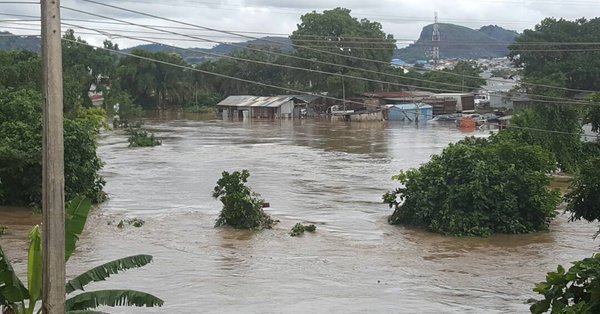
Suleja Local Government Area of Niger State says it spends N13.5 million monthly on waste disposal to prevent flooding in the area.

Suleja-flood
Flooding in Suleja

Alhaji Abdullahi Maje, Chairman of the council, disclosed this in an interview with the News Agency of Nigeria (NAN) in Minna, the state capital, on Thursday, July 5, 2018.

He warned residents to desist from indiscriminate dumping of refuse in drains and waterways so as to overcome the perennial menace of flooding.

“It has become necessary for all residents to desist from the old habit of dumping refuse on waterways and drains to avoid flooding, especially during this rainy season,” he said.

“We have reached out to traditional and religious leaders to properly mobilise and enlighten their residents to stop the habit of dumping of waste on waterways.

“This is the right time to accord water and streams the necessary leeway to flow unhindered,” he said.

He said that the situation might get worse if not curbed, particularly now that the rainy season is at its peak.

He said that the local administration have provided ten articulated vehicles for the removal of debris from streams and rivers that were prone to flooding and erosion to prevent any calamity.

Maje recalled that 100 houses were affected as a result of flooding, while eight houses were washed away in the flood, after 10 hours heavy rainfall last year.

He stressed the need for residents to desist from dumping of refuses on waterways and drains as part of measures to prevent flooding in the area.

By Aminu Ahmed Garko