27.5 C
Lagos
Thursday, January 1, 2026
Home Blog Page 1842

World Water Day: Accessing safe drinking-water in Europe

0

Millions of people in Europe drink contaminated water, often without knowing it. The World Health Organisation (WHO) estimates that, every day, 14 people die of diarrhoeal disease due to inadequate water, sanitation and hygiene (WASH).
WHO Europe water
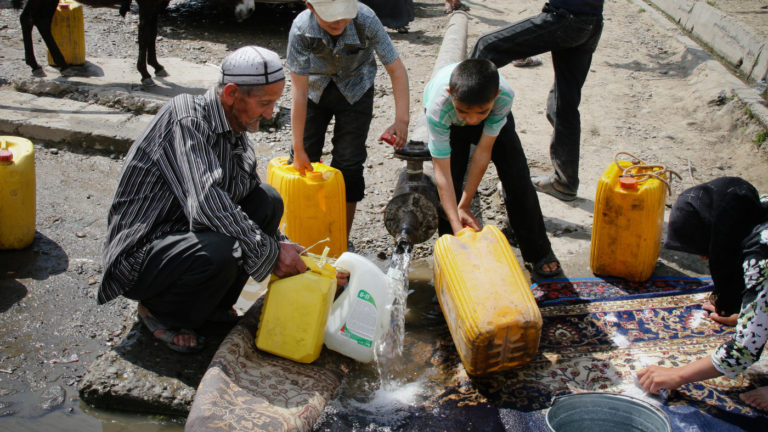
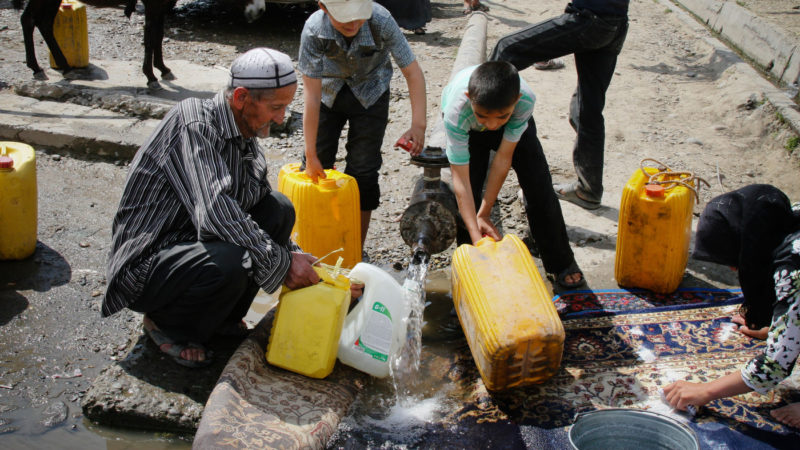
Recent WHO projects in Serbia and Tajikistan have highlighted the challenges people living in rural areas face in accessing safe drinking-water

Clean and safe drinking-water at home is frequently unavailable, particularly for those living in rural areas. In the European Region, 57 million people do not have piped water at home, and 21 million people still lack access to basic drinking-water services. These people use water from unprotected dug wells and springs, directly consume surface water, or need more than 30 minutes to collect water. About three quarters of people without access to basic drinking-water services live in rural areas.

The WHO sets global health-based guidelines for drinking-water quality. The water safety plan (WSP) approach is a core pillar of these guidelines. WHO considers WSPs to be the most effective means of consistently ensuring the safety of a drinking-water supply.

WHO/Europe, through the European Centre for Environment and Health (ECEH) in Bonn, Germany, works with countries to implement the guidelines. ECEH supports countries to survey and assess their drinking-water supplies, and to prioritise what needs to be done to improve water quality and access to safe services. The outcomes of these activities become part of national policies and measures, leading to the adoption of the WSP approach.


Safe water projects in Serbia and Tajikistan

Recent WHO projects in Serbia and Tajikistan have highlighted the challenges people living in rural areas face in accessing safe drinking-water. In Tajikistan, for example, 32% of the rural population does not have access to basic drinking-water services.

On the issue of water safety, one third of rural water systems inspected in Serbia did not meet standards for microbiological drinking-water quality, and more than 60% were exposed to possible contamination from latrines, sewers, animal breeding, cultivation, roads, industry, rubbish and other sources of pollution placed nearby.

“The national-level assessment of small-scale water supplies in rural areas has created a strong foundation for identifying key threats to public health from drinking-water,” said Dr Ferenc Vicko, State Secretary at the Ministry of Health of Serbia. “The outcomes of the assessment also provided strong health arguments for making WHO-recommended water safety plans mandatory, developing action plans and raising public awareness.”

The findings of the WHO-supported survey in Serbia informed specific recommendations for national authorities, and these have led to revised regulations. The country has already made two key interventions to improve small-scale water supplies. First, it added a new provision in the draft law on drinking-water that stipulates the introduction and implementation of mandatory WSPs to ensure safe drinking-water supply management. Second, it is increasingly enforcing regulation on the foundation and ownership of water supply systems (regardless of size) to ensure their management by authorised legal entities.

In Tajikistan, WHO provides opportunities for broad capacity-building by supporting the establishment of a national team of WSP facilitators, and by strengthening local experience in developing WSPs through closely guided pilot projects in rural areas.

Outcomes of the safe water project in Tajikistan include the integration of the WHO-recommended WSP approach into a draft law, and the country’s stronger personnel and laboratory capacity for the surveillance of drinking-water supply and quality. Funded by the Finnish Ministry of Foreign Affairs, the project is co-led by the Tajik Ministry of Health and Social Protection and WHO/Europe.

“I was impressed that water users in Sino village (Tajikistan) used their free time to dig out filthy drinking-water pipes from rock-hard soil to move the supply’s inlet from an open river to a protected spring. It was a great motivation to continue our work on drinking-water safety in the Region,” noted Mr Oliver Schmoll, Programme Manager of Water and Climate at ECEH.

These projects have also empowered those living in rural areas. In Serbia, for the first time, people have information about the quality of the drinking-water they consume. They also know they have the right to petition local communities to take over the management of piped water supplies, in accordance with national legislation. In Tajikistan, where WHO trained project communities on water safety planning principles, people can take ownership of identifying water supply risks and finding suitable measures to mitigate them, supported by advice from local WSP facilitators and water supply engineers.


The WSP approach

The WSP approach focuses on comprehensive risk assessment and risk management to ensure that water from a particular supply system is safe to drink. WSPs identify chemical and microbiological hazards of local concern, including the ways in which those hazards can enter the water supply. They cover all steps in the water supply, from collection through to storage, treatment and delivery. On this basis, WSPs lead to better management, operation, monitoring and public health surveillance of water supplies.


Guidance to the European Commission

WHO/Europe recently provided comprehensive recommendations to the European Commission on the planned revision of the European Union Drinking Water Directive. These recommendations detail how protecting people’s health from the negative effects of consuming contaminated drinking-water should go beyond measuring compliance with standard water quality parameters; it should involve adopting a more tailored, risk-based approach for each water supply system. The foundation of the WHO recommendations is the WSP approach, which provides the most effective means of consistently ensuring the safety of a drinking-water supply.


World Water Day

World Water Day, marked each year on March 22, provides an opportunity to advocate for further action to ensure that we reach the Sustainable Development Goals (SDGs) related to WASH. WHO says it is working at global, regional and national levels towards reducing deaths and illnesses from waterborne diseases and water contamination, and towards achieving universal and equitable access to safe, sustainable and affordable drinking water for all.


Global and regional goals

Several of the SDGs refer specifically to water safety and access. For example, SDG 3.3 seeks to combat waterborne diseases; SDG 3.9 to reduce the number of deaths and illnesses from water contamination; and SDG 6.1 to achieve universal and equitable access to safe and affordable drinking-water for all.

In 2017, Member States in the Region agreed to the Ostrava Declaration, committing them to take action to ensure universal, equitable and sustainable access to safe drinking-water, sanitation and hygiene for all and in all settings, while promoting integrated management of water resources and the reuse of safely treated wastewater.

In 1999, European Member States adopted the Protocol on Water and Health, which is jointly supported by WHO/Europe and the United Nations Economic Commission for Europe (UNECE). The Protocol contributes to implementing the water-related SDGs and the Ostrava commitments in the Region. It provides an effective policy tool, calling on countries to establish national targets and implementation plans related to WASH. To date, 26 countries in the Region have ratified the Protocol. Currently, Serbia is Chair of the Bureau to the Protocol.


Water contamination and water-related diseases

Further work is needed to fully address persisting gaps in WASH in the Region, where water-related disease outbreaks remain a common occurrence. Contamination from naturally occurring substances such as arsenic and fluoride, and from human-sourced substances such as lead, nitrate and industrially derived chemicals, is a concern in many places.

The most commonly reported infectious diseases linked to WASH in the Region are campylobacteriosis (a bacterial gastrointestinal infection), hepatitis A (a viral liver disease) and giardiasis (a parasitic infection of the small intestine, also known as beaver fever).

Available published data indicate that approximately 18% of reported and investigated outbreaks are linked to water. However, the true extent of water-related diseases in the Region is unknown, and likely to be much higher than data suggest.
International Day of Forests: Government pledges to fight land degradation

0

Acting Director of Forestry, Federal Ministry of Environment, Mr Tolu Osakuade, has expressed willingness of the department to collaborate with some associations to fight land degradation across the country.

Picture1
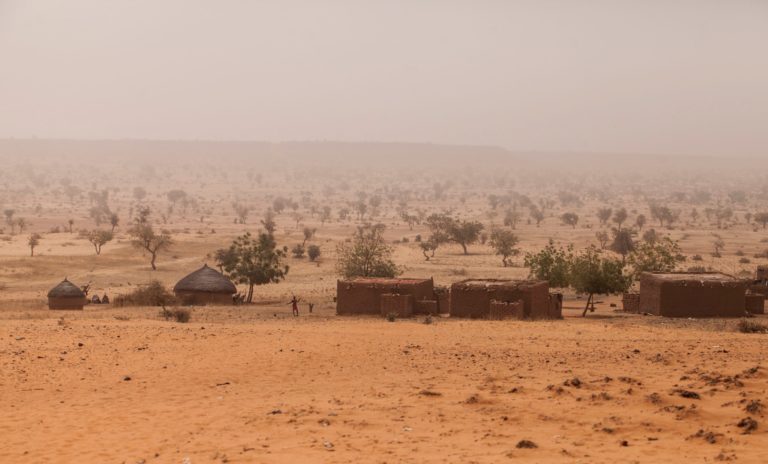
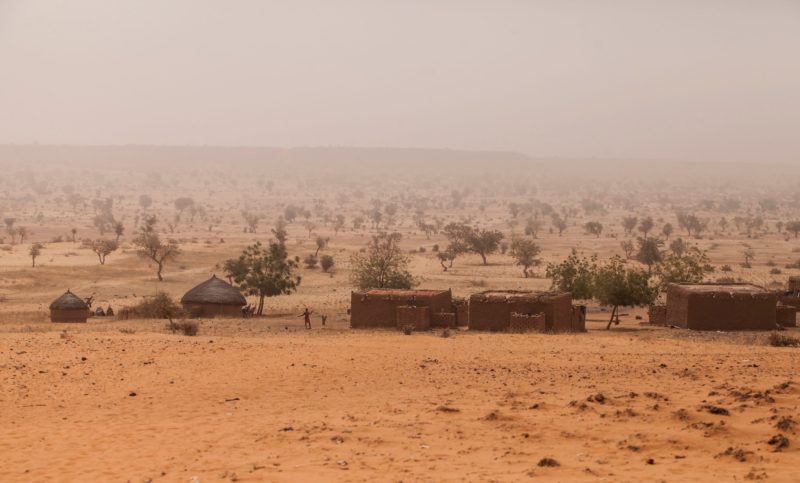
Experts say desertification and land degradation can lead to hunger and poverty

He said this on Wednesday, March 21, 2018 at the International Day of Forest celebration at Utako in Abuja.

The acting director said the celebration was to create awareness on the importance of forests, its values, significance and contributions to a balanced life on earth.

‘‘It is a platform to educate the masses on the importance of all types of wetland and trees, and celebrate the ways in which they sustain and protect us,’’ he said.

He said the celebration, with Theme: ‘‘Forest and Sustainable Cities’’, was focused on creating awareness on the importance of trees in the cities.

‘‘Forests and trees store carbon which helps to mitigate the impact of climate change in and around urban areas and improve the local climate and save energy used for heating by 20-50 per cent.”

According to Osakuade, strategic placement of trees in urban areas can cool the air by up to 8 degrees Celsius, thus reducing air conditioning needs by 30 per cent.

He described trees as excellent air filters, good in removing harmful pollutants in the air and fine particulates as well as reduce noise pollution.

The acting director said tress shield homes from nearby roads and industrial areas.

Osakuade said the department kick-started the New Tree Planting Season with Local Education Authority (LEA) Primary School, Utako to inculcate in the children the habit of tree planting.

‘‘We are trying to introduce the concept of ‘A child and the Tree’, whereby every graduating child in a particular school will be made to plant a tree in her school before graduating.

‘‘We started this activity today with the Utako LEA School and we want to continue doing it. ‘’So we enjoin all schools to key into this project.’’

In her response, Mrs Kama-Elem Ukpai, Head Mistress of the school, thanked the department for choosing the school in its tree planting.

‘‘I am happy for your coming but will also ask for your assistance in giving us more water pipelines to enable us water the trees planted today,’’ she said.

Some members of Processed Wood Association of Nigeria and the Association for Sustainable Ecosystem and Wood Processors and Marketers of Nigeria attended the occasion.

They pledged the commitment of their associations to supply the school with the required water pipelines.

By Ebere Agozie

On the trail of Lassa fever in southern Nigeria

0

Nafissa Ikerodah is both a detective and diplomat of sorts. On a Saturday morning in early March, the Disease Surveillance Officer in Edo State area rushes to a household where a man has just died of Lassa fever.

Lassa-fever
The Lassa virus is transmitted to humans via contact with food or household items contaminated with specific rodent urine or faeces

The young father left behind two sons who show symptoms of the infectious disease. Nafissa wants to get the children to a hospital as quickly as possible. One boy is so weak he can barely stand.

She must also identify all the people who recently came into physical contact with the deceased father so they can be monitored for signs of the viral haemorrhagic fever.

Both jobs are difficult in a community reeling from a recent death and fear for their own lives.

“The first time you visit and tell them you are a disease surveillance officer, they are always scared,” says Nafissa.

Faith Ireye, the World Health Organisation’s (WHO) Edo State Coordinator, accompanies Nafissa. They arrange for an ambulance to pick up the boys and ask the family to provide the names of the deceased patients’ contacts within the community.

“Contact tracing is the bedrock of infectious disease outbreak control. If contact tracing is not done, people who come into contact with Lassa fever patients stay in their homes, become symptomatic, infect more people, and make the outbreak bigger and bigger,” says Faith.

Nafissa visits every identified contact of the deceased father. She records names, telephone numbers, and the date of their last encounter with the patient. She gives each a thermometer for personal temperature checks and arranges to call on the contacts daily for the next 21 days to note their temperature. If anyone is suspected of having Lassa fever, they will be taken to hospital for a confirmatory test and, if positive, provided with care in a special isolation unit.

By March 18, 3,675 contacts of the 376 confirmed Lassa fever cases in Nigeria had been identified and more than three-quarters had completed their 21 days of monitoring.

In Edo State – where the outbreak has been spreading particularly fast – WHO, the Nigeria Centre for Disease Control (NCDC), and the local government are reaching out to communities with a large-scale awareness raising campaign.

Sensitisation sessions will aim to reach nearly 9,000 community leaders, town announcers, headmasters, herbalists, healthcare workers, clinicians, church leaders, and women who work in local markets.

The Lassa virus is transmitted to humans mainly through handling infected rats, food or household items contaminated by the rats’ urine and faeces. The virus can spread between people through direct contact with the body fluids of a person infected with Lassa fever, as well as contaminated bedding and clothing.

Community members are being advised of a range of preventive measures including washing hands regularly, storing food in containers with lids, keeping their homes clean and tidy to discourage rats from entering and cooking foods thoroughly.

Garri, which is made from cassava tubers, is a staple food in this part of Nigeria. Traditionally, families have left the crushed cassava outside in the sun to dry out. During the sensitisation sessions, participants are encouraged to dry garri through frying over a hot stove, rather than in the sun.

After one awareness raising session, primary school teacher Mary Enaholo says she has learnt important hygiene lessons that she will share.

“I will take the information that I learnt today to my pupils so they will take these messages back to their homes,” she says.

But changing behaviours is no easy task.

In one house, Faith and her team find a basket full of rats being kept as pets by a boy. Nearby, garri is being dried in the sun. Faith quickly advises the household to cover the food.

The WHO says it is working with communities to deliver messages that will encourage preventive actions and ultimately save lives.

International Day of Forests: Kaduna plants 3.7m trees in two years to curb desertification

0

The Kaduna State Government says it has so far planted 3,702,470 trees over the last two years in various locations as part of measures to control desertification.

Nasir el Rufai
Nasir el Rufai, Governor of Kaduna

Director of Forestry in the Ministry of Agriculture and Forestry, Mr Anthony Kachiro, disclosed this to the News Agency of Nigeria (NAN) on Wednesday, March 21 in Kaduna, the state capital.

The director, who spoke on UN 2018 International Day of Forests, said that the trees were planted in parts of the state between 2016 and 2017 to arrest both human and natural phenomena leading to deforestation.

He said that, in addition, the government had established 310 km shelter belt across five local government areas to tackle the menace.

“So far, we have planted trees covering 93.6 km by 50 meters in the five local governments sharing boundary with Katsina, Kano, and Zamfara states, among others.

“The belt was established to arrest desertification across Ikara, Makarfi, Kudan, Giwa and Birnin Gwari local government areas in the state,“ the official said.

NAN recalls that the United Nations General Assembly on Nov. 28, 2012, adopted a resolution and set aside March 21 as International Day of Forests.

The day, according the UN Food and Agriculture Organisation (FAO), is to raise awareness among nations and their people on the importance of forests and trees to present and future generations.

This year’s theme is “Forests and Sustainable Cities.”

By Shuaib Sadiq

Nigeria bags Green Bonds Award

0

Nigeria on Tuesday, March 20 received the 2018 Green Bonds Award under the category of “New Countries Taking Green Bonds Global” at the Annual Green Bonds Conference in London, UK.

Green Bond Award
Ambassador Kabiru Bala displaying the award

The award was received by Ambassador Kabiru Bala, Deputy High Commissioner/Head of Mission, Nigeria High Commission, London.

Green Bonds are like regular bonds, but with a slight difference – they can only be used to fund projects that have been identified to have environmental benefits, with their contribution to emissions reduction clearly articulated.

“The issuance of a green bond by Nigeria delivers on Programme 47 of its Economic Recovery and Growth Plan (ERGP), in addition to meeting the expectations of Article 2 of the Paris Agreement,” said the Ambassador.

Speaking from Abuja, the Environment Minister of State, Usman Jibril, submitted: “This further reinforces Nigeria’s re-emergence as a major player in the international climate regime and President Muhammadu Buhari’s strides in moving Nigeria to a low carbon economy.

Green Bond Award
The award

“Nigeria take pride in being the first African country to issue a Sovereign Green Bond and the forth in the world. Today’s event marks a unique and historic day in the efforts of Nigeria in tackling climate change.”

Nigeria’s recent issuance of the Soveriegn Green Bond (or Climate Bond) apparently influenced its three-star rating in the monthly assessment of 20 countries (including the EU) with high emission levels.

In its Global Spotlight Project for March 2018, Climate Scorecard, a not-for-profit group, gave Nigeria a pass mark, saying that the West African nation was moving in the right direction towards the realisation of the Paris Agreement.

Environmental devastation of Niger Delta by crude oil extraction

0

In Bodo community, Nigeria, harmful gases hover in the atmosphere enveloping the community, toxic creeks swirl and stink swamps meander along their natural courses, black crude oil floats – entrapping air thereby endangering the marine ecosystem – which harbours coral reefs and diverse species of fish. This exemplifies a typical ecological and devastating state of the Niger Delta region.

Pollution
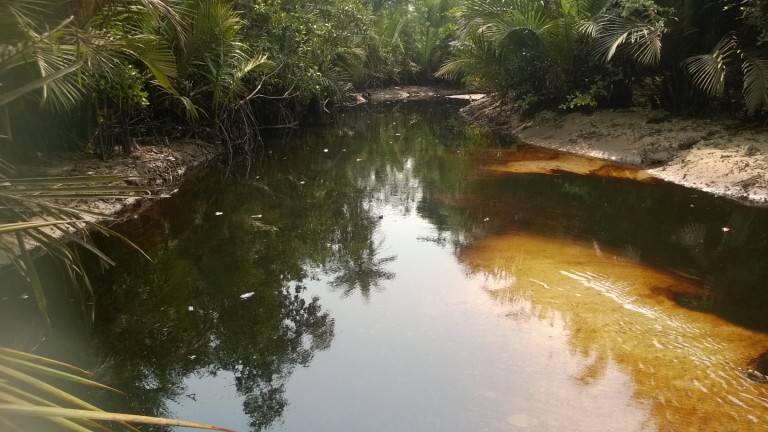
A polluted river in the Niger Delta region

A spell of devastation for the swampy region started when Nigeria joined the ranks of oil producers in 1958. Unprecedented environmental pollution started when oil companies began operations in the oil-rich region. Gas flaring became a daily routine just as oil spillage spree remained unchecked.

Suffice it to say that billowing toxic gases, contaminated surface and underground water have become a norm in the Niger Delta – courtesy of the perpetual exploitation of crude oil. There is no need to contact a soothsayer before knowing that the inhabitants are under multifaceted environmental threats – with high probability of untoward cases of respiratory diseases, cancer, reproductive, lung damage, skin problems and even untimely deaths!

Farming and fishing, which are the predominant sources of livelihoods in the Niger Delta, are seriously threatened, as their land is contaminated – making it unfit for farming and if by chance brings forth low yield, just as their waterways are toxic – making them inhabitable for aquatic lives to survive.

The unfortunate scenario forces some of the affected inhabitants to migrate and seek havens while the less privileged, who are mired in dire straits of financing their basic needs, have nowhere to run to than to stay back.

Crude oil currently accounts for 83% of Nigeria’s export earnings. In a sharp contrast and twist of fate, chronic infrastructural deficiency abounds amidst the glittering raw wealth in the region which is widely known as the goose laying the golden eggs.

Despite the trillions of Naira realised from the exploitation, the oil rich Niger Delta is impoverished and wriggles in a deplorable state – prompting curiosity and mixed feelings across the region whether the crude oil discovery is a blessing or a curse for the Niger Delta.

The Niger Delta, a fan-shape with an area of about 70,000 square kilometers in southern Nigeria, is seriously battered by oil. And it would be incontestable to regard it as one of the most polluted places on earth. This was affirmed by Amnesty International.

“On one occasion Eni took more than a year to respond [ to oil spillage]. The Niger Delta is one of the most polluted places on earth and it beggars belief that the companies responsible are still displaying this level of negligence,” says Mark Dummett, Business and Human Rights Researcher at Amnesty International, in a recent report by the organisation.

Quite worrisome that nobody has claimed responsibility for the devastated vast swathes of forests and waterways which brew a defective and imbalanced ecosystem. The multinational companies operating in the oil-rich region are quick to pass the blame on theft and sabotage; while there are allegations that the multinationals are still using corroded pipes and archaic transmission system.

Mark Dummett further reveals: “Shell and Eni claim they are doing everything they can to prevent oil spills but Decoders’ research suggests otherwise. They found that the companies often ignore reports of oil spills for months on end.” This is a pointer to the nonchalant attitude towards gas flaring and oil spill.

Nigeria is adjudged as a major burner of fossil fuel – with speculations that Nigeria flares an estimated 75% of its proven natural gas reserves (estimated at 124 trillion cubic feet).

Oil extraction consequences extend beyond borders. The ripple effects of fossil fuel burning is felt across the globe and its continuous usage has the propensity of increasing the average global temperature rise above 2° C – making the less pollutant countries bear the brunt of the damage caused by heavy polluters.

Although, people felt the spillage is underestimated, “About 240,000 barrels of crude oil spill occurs yearly. And it is widely believed that 13 million barrels (1.5 million tons) of crude oil have been spilled since 1958 from over 7000 oil spill incidents,” says Best Ordinioha and Seiyefa Brisibe in their research.

Ogoniland spanning about 1,000 sq km (386 sq mile) which its water is 1,000 times toxic than normal drinking water – requires about $1billion for the first five years of oil cleanup. The holistic cleanup spans a period of 30 years, based on UN Environment Programme (UNEP) report. That’s to reveal the tip of iceberg and extent of devastation in the Niger Delta.

In reaction to the devastation and failed compensation promises, unrest brewed when the Niger Delta denizens became agitated by resorting to pipeline vandalism, militancy, and kidnapping. But, such activities seem to have subsided.

Massive pressure is on the Federal Government to focus on infrastructural development of the area. While the State governments in the Niger Delta are not left out, and much is expected of them to judiciously use the 13 per cent derivation meant for providing succour to the oil- rich region.


The Way Forward

Restoration and unconditional cleanup process of the devastated Niger Delta is paramount – just as compensation of the affected inhabitants is enforced.

As part of measures to: end gas flaring by 2020, judiciously utilise the flared gases and most importantly, put an end to gas flaring – worthy to commend the Nigerian government for approving the National Gas Policy, tagged:  “Gas flare-out through gas utilisation projects”, which seeks to boost energy supply and a critical lever for rural economic development in the Niger Delta – through projects with strong local engagement plans. However, this is a commendable initiative on paper but, much need to be done to fast track its actualisation.

Oil companies are accused of finding it economical to flare the natural gas and pay the old insignificant fine of N10 per 1,000 standard cubic feet of gas flared than to re-inject the gas back into the oil wells.

“Nigeria has had a policy of no flaring since 1984, but its enforcement of this policy has been weak,” says Bjorn Hamso, manager of the Global Gas Flaring Reduction Partnership (GGFR)

In arresting the situation, the National Oil Spill Detection and Response Agency (NOSDRA) should expedite action in effecting $3.50 per 1,000 standard cubic feet, which is the current penalty for gas flared without compromise. And the agency should endeavor to come up with a more robust and stiffer penalty for oil spills and gas flaring.

Nigeria should hasten her side of the bargain by planting 1.6 million assorted seedlings to cover 129.3 kilometres of the shelterbelt in seven northern states – geared towards implementing the Great Green Wall project, (about 10,000 km long from Senegal in the west to Djibouti in the east and 15 km in width), which seeks to provide green shelter belts of trees and shrubs capable of absorbing some 250 million tonnes of carbon.

It is high time Nigeria diversified her economy by shifting from over dependence on oil revenue – especially now that the world is on the verge of migrating from the (non-ecofriendly) fossil fuels to (eco-friendly) renewable energy.

If action is not taken to stop and reverse the current climate trends, we shall face a world with average global temperatures several degrees higher than when we were children.

It is therefore expedient to diligently honour the 2015 Paris Climate Agreement, which seeks to limit average global temperature rise below 1.5°C – by shifting totally to 100% renewable energy towards protecting the earth and the future generations to come. And the key to achieving it is by keeping fossil fuels in the ground while embracing the clean, eco-friendly renewable energy which abounds.

By Odewale Abayomi Joseph (Civil engineer and ICFJ-United Nations Foundation Reporting Fellow on Climate and Migration; @ODEWALEAbayomi)

International Day of Forests: Highlighting role of forests in storing carbon

0

On Wednesday, March 21, 2018, the world celebrates the International Day of Forests. It marks an occasion to shine the spotlight on the importance of sustaining and protecting woodlands and trees, which are vital to economies, livelihoods and environment.

Forest Day
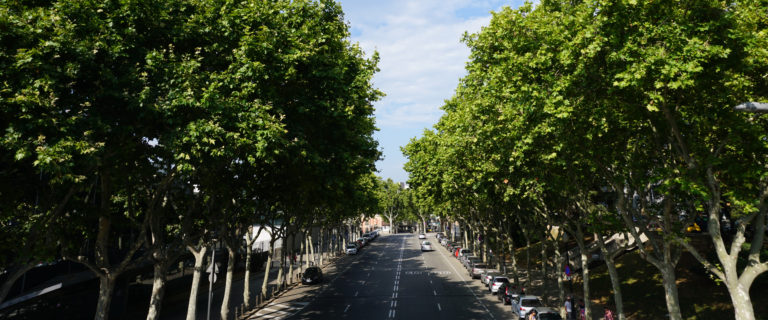
View of a tree-lined street in Barcelona, Spain. Photo credit: FAO/Yujuan Chen

This year’s theme, “Forests and Sustainable Cities”, provides the platform to increase awareness on the role of forests in storing carbon, which helps mitigate the impacts of climate change in urban areas.

By 2035, about half of Africa’s population will be living in urban areas. This population trend presents considerable demands for employment, services and infrastructure, of which forest resources will play a key role.

To mark the International Day of Forests, the African Natural Resources Centre of the African Development Bank (AfDB) is launching two new reports – “Assessing forestry law enforcement, governance and trade in Africa” and “How forestry contributes to the African Development Bank High 5s: Challenges and Opportunities”.

The reports reinforce the important role of forest and trade in driving social and economic transformation in Africa.

Africa’s forests cover about 21-23% of the continent’s total land mass, driving economic growth and sustaining local livelihoods. Forests form an integral part of the High 5 priorities of the African Development Bank.

This year’s campaign aims to raise awareness of the contributions of forests in building sustainable cities and communities. Urban forests, trees and parks provide multi-faceted benefits to urban communities, from cooling the environment and saving energy, to providing health benefits, drinking water and building resilience against climate change. The theme is of particular relevance to the implementation of the 2030 Agenda for Sustainable Development, and SDG15 and SDG11 in particular.

The global celebration of forests also provides a platform to raise awareness of the importance of all types of woodlands and trees, and celebrate the ways in which they sustain and protect mankind.

The key messages, according to the UN, are:

  • Forests and trees store carbon, which helps mitigate the impacts of climate change in and around urban areas.
  • Trees also improve the local climate, helping to save energy used for heating by 20-50 percent.
  • Strategic placement of trees in urban areas can cool the air by up to 8 degrees Celsius, reducing air conditioning needs by 30 percent.
  • Urban trees are excellent air filters, removing harmful pollutants in the air and fine particulates.
  • Trees reduce noise pollution, as they shield homes from nearby roads and industrial areas.
  • Local populations use the fruits, nuts, leaves and insects found in urban trees to produce food and medicines for use in the home, or as a source of income.
  • Wood fuel sourced from urban trees and planted forests on the outskirts of cities provides renewable energy for cooking and heating, which reduces pressures on natural forests and our reliance on fossil fuels.
  • Forests in and around urban areas help to filter and regulate water, contributing to high-quality freshwater supplies for hundreds of millions of people. Forests also protect watersheds and prevent flooding as they store water in their branches and soil.
  • Well-managed forests and trees in and around cities provide habitats, food and protection for many plants and animals, helping to maintain and increase biodiversity.
  • Forests in cities and surrounding areas generate tourism, create tens of thousands of jobs and encourage city beautification schemes, building dynamic, energetic and prosperous green economies.
  • Urban green spaces, including forests, encourage active and healthy lifestyles, improve mental health, prevent disease, and provide a place for people to socialise.

World Water Day: Water Corporation carries out free water tests in Lagos

0

The Lagos Water Corporation on Tuesday, March 20, 2018 said the corporation would carry out three-Day water tests in its eight operational regions in Lagos State, to mark the 2018 World Water Day.

Muminu Badmus
LWC Managing Director, Mr Muminu Badmus

Mrs Monsurat Banire, the Lagos Water Corporation’s Head of Quality Assurance, said this in a statement signed by the Public Relations Officer, Mr Rasaq Anifowoshe, in Lagos.

The News Agency of Nigeria (NAN) reports that the theme for the 2018 World Water Day is entitled: ‘Nature for Water’.

The theme explores how we can use nature to overcome the water challenges of the 21st century.

According to Banire, its team from the Quality Assurance and Sales & Commercial Departments will take samples of water used in the locations covered, whether from LWC or boreholes, among others.

“The essence is to show the general public the quality of water the corporation is serving them.

“The corporation’s water is clean, safe and good for human consumption.

“Borehole water could be contaminated.

“After the exercise, we expect those using boreholes to migrate and connect to the corporation’s water supply once water pipes pass through their locations.

“The LWC water conforms to the World Health Organisation’s standard,” she said.

Banire said that as worthy ambassadors of the corporation, the staff were expected to be polite in answering questions and friendly to all consumers.

She said that the exercise would cover the corporation’s eight operational zones, which have been mapped into four areas for easy accessibility.

NAN reports that among the four areas are: Lagos Island, Surulere and Ikeja.

By Chidinma Agu

Achieving sustainable water, sanitation management via research

0

Some students of the Department of Geography, Nasarawa State University, Keffi, recently visited some sites in Abuja to obtain a first-hand assessment of water and sanitation facilities.

suleiman adamu kazaure
Suleiman Adamu Kazaure, Water Resources Minister

Their mission is to understand key environmental challenges and proffer solutions to them through research.

They believe that the outcome of the research will contribute to achieving the17 Sustainable Development Goals (SDGs) before 2030, particularly the Goal 6 of the scheme.

Goal 6 of the SDGs specifically focuses on ensuring availability and sustainable management of water and sanitation for all.

The students note that this goal – ensuring sustainable water resources – is fundamental to human health, environmental sustainability and economic prosperity and must be followed seriously.

Prof. Nasiru Idris, the Head, Department of Geography in the university, said that the students visited Lower Usuma Dam Water Treatment Plant, Bwari, the National Space Research and Development Agency (NASRDA), Abuja, Wupa Wastewater Treatment Plant and Gossa Waste Dump in Abuja.

“The reason why we visited Lower Usuma Dam Water Treatment Plant is because water is life and geography is a study of space and time; it encompasses everything.

“Secondly, we visited NASRDA to know the development in Nigeria’s space; we wanted to know what they are doing with the issue of insecurity,’’ he said.

He said that they chose Wupa Wastewater Treatment Plant and Gossa Waste Dump to know more about converting wastes – solid and liquid – to wealth.

According to him, 249 postgraduate students participated in the programme, which he said was an integral part of the post graduate schemes in the institution.

He noted that the students would carry out their fieldwork in groups to enable them to suggest measures to prevent environmental problems.

During the visit, Dr Samaila Kunden, a senior lecturer in the department, identified increased population of people in Abuja as one of the factors affecting water resources.

“Water is reducing and there is need for continuous and intense monitoring of such resources to meet the demands and requirements of the ever increasing population,’’ he said.

Expressing concern about the level of water resources, Mr Agbortean Osareme, Head of Department of Reservoir and Production, Lower Usuma Dam Water Treatment Plant, said the dam usually harvested raw water from rainfall and treated it for consumption, describing its water supply to the public as safe.

One of the postgraduate students, Mr Simon Peter, however, said he would put the knowledge he acquired from the visit to improve on the environment, especially on improved water sources.

Another student, Ms Hadiza Suleiman, said the experience had given her the opportunity to witness the process of water distillation.

Mr Seidu Mohammed, the Director-General, NASRDA, also advised the students to utilise satellite technology in their research work to ensure sustainability in the management of issues on the environment.

However, one of the students, Ms Juliet Ihechukwu, expressed concern that science and technology had not been given utmost attention and called for more commitment in the sector.

At the Wupa Wastewater Treatment Plant, Mr Adamu Maina, a post-graduate student of Environmental Resources Management, said he would do his research on water-related topic for the purpose of improving methods of sourcing potable water.

Maina said that the choice of his research was influenced by his visit to Lower Usuma Dam Water Treatment Plant and Wupa Wastewater Treatment Plant.

He said: “It is very important to understand the processes of the treatment of water and liquid waste to enhance their sustainability.’’

However, Mr Ayeni Folusho, the Head of Quality Control Laboratory Wupa Wastewater Treatment Plant, informed the visiting students that the plant treated more than1, 000 cubic metres of wastewater per hour.

“The water we are treating here is a liquid waste (domestic waste water) from Abuja; we discharge it to the environment (Wupa River) after treatment because that is the concept of waste water treatment.

“Wastewater must not be discharged directly into the environment, because it will cause epidemic,’’ Folusho said.

But Mr Atiku Abubakar, an official of Abuja Environmental Protection Board, advised the students to also do research on resource recovery in waste management.

According to him, resource recovery is the collection and reuse of disposed materials such as empty beverage containers.

“The materials from which the items are made can be reprocessed into new products; I advise that the students should conduct research on the treatment of wastes to find solutions to environmental problems.

“All the things you are seeing on the dump site are resources, if they can go into research on resource recovery, they could be a good source of wealth creation,’’ he said.

The visitors, therefore, advised the Federal Government and Federal Capital Territory Authority to budget more money to maintain water and sanitation facilities across the country.

They also advised the relevant authorities to build more wastewater treatment plants across the country.

They hold the belief that if more attention is given to achieving environmental sustainability, the country can even achieve all SDGs before 2030.

By Cecilia Ologunagba, News Agency of Nigeria (NAN)

International Happiness Day: Experts advise on mental health to avoid depression

0

Counselling Psychologist, Network for Psychosocial Support, Africa (NPS-Africa), Ms Aisha Bubah, has advised Nigerians to take care of their mental health to avoid depression.

International Day of Happiness
The International Day of Happiness is commemorated on March 20 annually by the United Nations to recognise the importance of happiness in the lives of people around the world

Bubah said this in an interview with the News Agency of Nigeria (NAN) on Tuesday, March 20, 2018 in Abuja to commemorate the International Happiness Day.

“If one is in a happy state means less of troubles, stress and better well being; if one is unhappy there will be depression, suicide, anxiety and stress disorder.

“Depression is a significant problem that has affected some youths which has made them to be drug addicts.

“Drug addiction is being experimented due to the poor state of mental health and seeks temporary pleasure and satisfaction,” she said.

Bubah said there cannot be health without mental health, saying one should be surrounded with positive people for well being.

Besides, she urged Nigerians to share their thoughts with positive people to enhance their mental health.

“Constantly surrounding yourself with positive people will help manage stress. Buying expensive clothes, jewelleries will not bring permanent happiness.

“We need to create time for relaxation and look beyond the economic situation of the country; we need to focus on positive in every bad situation,” Bubah counselled.

She said being happy impact on one’s level of productivity at workplace, adding that happiness also impact relationship with people.

Similarly, Dr Safiya Ojo, General Medical Practitioner with Wuse General Hospital, Abuja, said being happy could help ones enhance blood pressure level and lengthen one’s lifespan.

However, she advised Nigerians to avoid sedentary lifestyle to be happy as it could cause more harm than good.

NAN reports that the International Day of Happiness is commemorated on March 20, annually by the United Nations to recognise the importance of happiness in the lives of people around the world.

By Olasunkanmi Onifade

×