Misdiagnosis of tuberculosis (TB) cases remains one of the major challenges in the treatment of the disease, says Mr Chidobu Anayo, Chemical Pathologist, El-Lab Medical Diagnostics and Research Centre, Lagos.
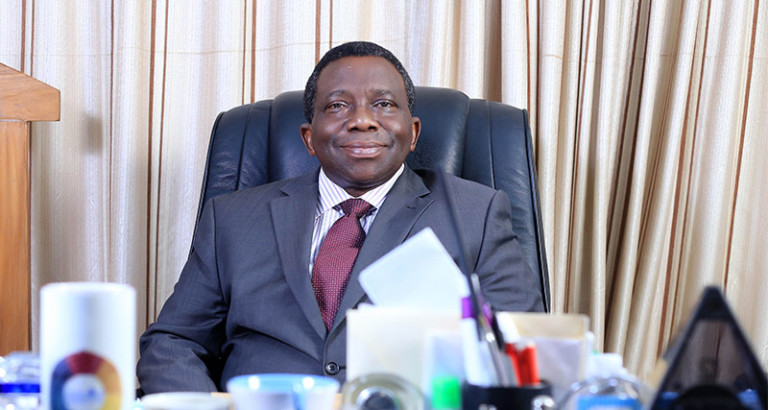
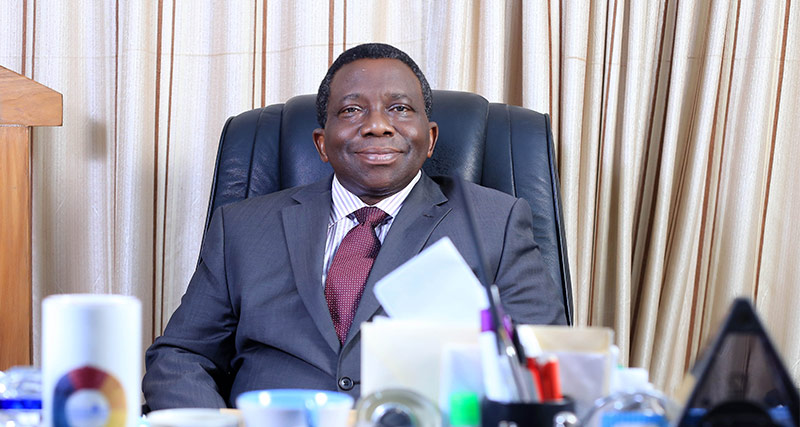
Minister of Health, Professor Isaac Adewole
According to him, lack of trained personnel, limitation in diagnostics tools and lack of follow-up are issues that need to be addressed in managing the disease.
While speaking on World TB Day 2018, Anayo told the News Agency of Nigeria (NAN) in an interview on Saturday, March 24 in Lagos that government should take the TB programmes to the grassroots.
“Many people don’t like going to government hospitals because of the rigorous process but government partners with the private sector.
“Give them all they need to make diagnosis, go there overtime to get data that can be used for follow-up.
“It will also help to get an actual figure of how many people in Nigeria have TB.
“They need to go to find out from private sector, how many TB tests have you done, how many diagnosis have you gotten, how can we contact them?
“That’s why all the research here are based on WHO statistics, which may not be exactly the situation,” he said.
World TB Day is marked globally on March 24 annually. The theme for 2018 is “Wanted: Leaders for a TB-free World”.
World TB Day gives an opportunity to draw attention to the disease, while mobilising political and social commitment to end TB.
NAN also reports that this year’s World TB Day is focused at ending TB by building commitment at all levels of leadership to help tackle the disease.
All levels of government, community leaders, civil society advocates, NGOs, doctors, nurses and health workers are expected to put in efforts to end TB in their communities.
According to a fact file on TB, published in January 2018 by World Health Organisation (WHO); in 2016, about 10 million people fell ill with the disease while almost two million died from it.
The WHO said that over 95 per cent of TB deaths occur in low and middle-income countries.
“Eighty seven per cent of new TB cases occurred in the 30 high TB burden countries.
“Seven countries account for 64 per cent of the total, with India leading the count, followed by Indonesia, China, Philippines, Pakistan, Nigeria and South Africa,” it said.
Also, Mr Onyeka Ezeizunwanne, a Laboratory Scientist at the laboratory, said that the major symptom of TB is cough, often mixed with blood that had lasted over two weeks.
“Loss of weight, night sweats, fatigue, fever, chills and loss of appetite, are the basic symptoms of TB,” he said.
The expert explained that it is an airborne disease that can be spread through the air when a person who has the disease sneezes, coughs, spits, talks or laughs.
Ezeizunwanne said that people living with HIV or certain kinds of cancers, diabetics, pregnant women and people suffering with malnutrition were at risk of contracting the disease, because their immunity was compromised.
The laboratory scientist also explained that TB may not be easily detected through screening tests like Mantoux and TB Serology or chest xray- which is mostly used for children.
He recommended Gold Standard tests like TB Microscopy, Genexpert and TB Quantiferon.
Anayo said: “Reduce exposure to the disease, avoid staying in closed places, stay in airy places because the density of bacilli is reduced.”
The world has a water problem. More than 2.1 billion people drink contaminated water. More than half the global population – about 4.5 billion people – lack access to proper sanitation services. More than a third of the global population is affected by water scarcity, and 80% of wastewater is discharged untreated, adding to already problematic levels of water pollution.
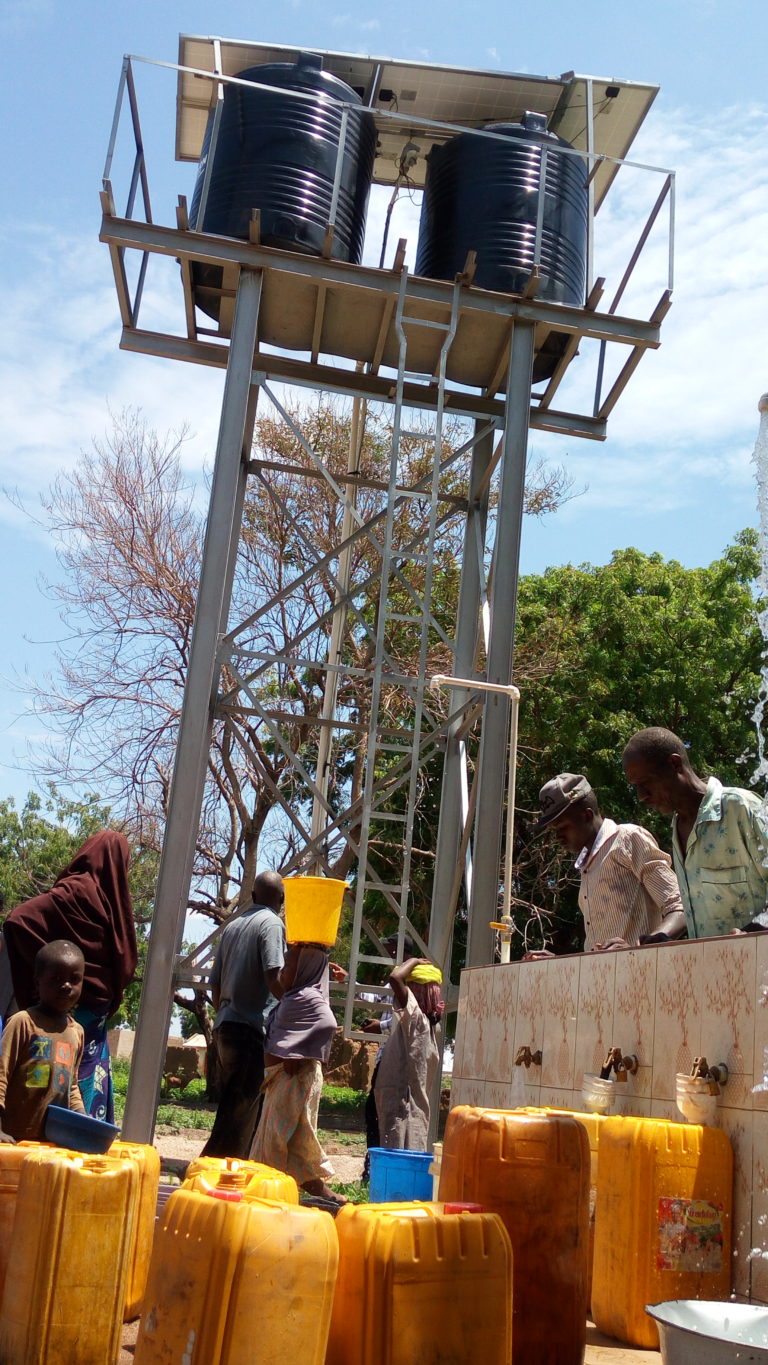
The UNDP Nigeria has utilised solar energy to provide water to some needy off-grid communities, and bringing succor to them. The photo shows a solar-powered water supply facility in Gaya Silkami, Adamawa State
These statistics make for uncomfortable reading but energy can be part of the solution.
The linkages between water and energy are increasingly recognised across businesses, governments and the public – and have been a major area of analysis in the World Energy Outlook (WEO). Thinking about water and energy in an integrated way is essential if the world is to reach the United Nations’ Sustainable Development Goals (SDGs) on water: to ensure the availability and sustainable management of water and sanitation for all.
The connection works in both directions. The energy sector accounts for roughly 10% of total water withdrawals and 3% of total water consumption worldwide. Water is essential to almost all aspects of energy supply, from electricity generation to oil supply and biofuels cultivation. Energy is also required for water treatment and to move water to where it is needed; in a first-of-a-kind global assessment, the WEO found that, on aggregate, the energy consumption in the water sector globally is roughly equal to that of Australia today, mostly in the form of electricity but also diesel used for irrigation pumps and gas in desalination plants.
With both water and energy needs set to increase, the inter-dependencies between energy and water will intensify. Our analysis finds that the amount of water consumed in the energy sector (i.e. withdrawn but not returned to a source) could rise by almost 60% to 2040. The amount of energy used in the water sector is projected to more than double over the same period.
This challenge will be especially acute in developing countries. This is where energy demand is rising fastest, with developing countries in Asia accounting for two-thirds of the growth in projected consumption. This is also where water demand is likely to grow rapidly for agriculture as well as supply to industry, power generation and households, including those getting access to reliable clean water and sanitation for the first time. This growth will lead to higher levels of wastewater that must be collected and treated, and will require that water supply is available when and where it is needed. As such, how the water-energy nexus is managed is critical, as it has significant implications for economic and social development and the achievement of the UN SDGs, especially SDG 6 on water.
Technology is opening up new ways to manage the potential strains on both the energy and water sides, with creative solutions that leapfrog those used in the past. For example, building new wastewater capacity that capitalises on energy efficiency and energy recovery opportunities being pioneered by utilities in the European Union and the United States could help temper the associated rise in energy demand from providing sanitation for all and reducing the amount of untreated wastewater (SDG Target 6.2 and 6.3). In some cases, achieving these targets could even produce energy: WEO analysis found that utilising the energy embedded in wastewater alone can meet more than half of the electricity required at a wastewater treatment plant.
Smart project designs and technology solutions can also help to reduce the water needs of the energy sector (thereby helping to achieve SDG Target 6.4). The availability of water is an increasingly important measure for assessing the physical, economic and environmental viability of energy projects, and the energy sector is turning to alternative water sources and water recycling to help reduce freshwater constraints. There is also significant scope to lower water use by improving the efficiency of the power plant fleet and deploying more advanced cooling systems for thermal generation.
Moreover the achievement of other energy-related SDGs, including taking urgent action on climate change (SDG 13) and providing energy for all (SDG 7), will depend on understanding the integrated nature of water and energy.
Moving to a low-carbon energy future does not necessarily reduce water requirements. The more a decarbonisation pathway relies on biofuels production, the deployment of concentrating solar power, carbon capture or nuclear power, the more water it consumes. If not properly managed, this means that a lower carbon pathway could exacerbate water stress or be limited by it.
Many who lack access to energy also lack clean water, opening up an opportunity to provide vital services to those most in need, provided these connections are properly managed. Pairing renewable decentralised energy systems (off-grid systems and mini-grids) with filtration technologies can provide both accesses to electricity and safe drinking water (Target 6.1). Similarly, linking a toilet with an anaerobic digester can produce biogas for cooking and lighting. Replacing diesel powered generators with renewables, such as solar PV, to power water pumps can help lower energy costs. However, if not properly managed, this could lead to the inefficient use of water, as was the case in the agricultural sector in India.
As such, the IEA’s new Sustainable Development Scenario, which presents an integrated approach to achieving the main energy-related SDG targets on climate change, air quality and access to modern energy, will add a water dimension to this analysis this year. The aim is to assess what the implications of ensuring clean water and sanitation for all are for the energy sector, and what policymakers need to do to hit multiple goals with an integrated and coherent policy approach.
By Molly A. Walton (Energy Analyst, World Economic Outlook)
Global energy demand rose by 2.1% in 2017, more than twice the previous year’s rate, boosted by strong global economic growth, with oil, gas and coal meeting most of the increase in demand for energy, and renewables seeing impressive gains.
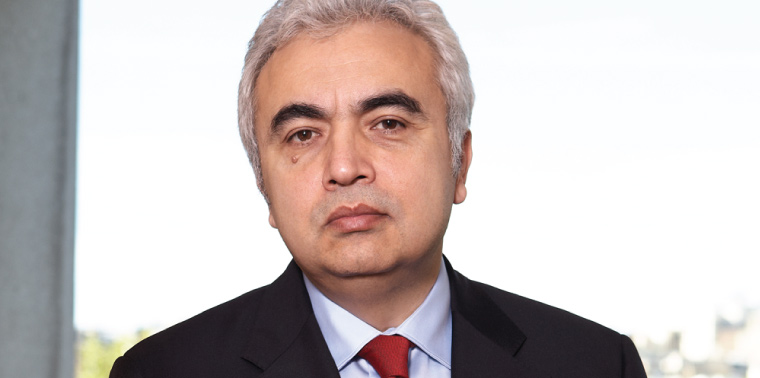
IEA Executive Director, Fatih Birol
Over 70% of global energy demand growth was met by oil, natural gas and coal, while renewables accounted for almost all of the rest. Improvements in energy efficiency slowed down last year. As a result of these trends, global energy-related carbon dioxide emissions increased by 1.4% in 2017, after three years of remaining flat.
But carbon emissions, which reached a historical high of 32.5 gigatonnes in 2017, did not rise everywhere. While most major economies saw a rise, others – the United States, the United Kingdom, Mexico and Japan – experienced declines. The biggest drop in emissions came from the United States, driven by higher renewables deployment.
These findings are part of the International Energy Agency’s newest resource – the Global Energy and CO2 Status Report, 2017 – released online on Thursday, March 22, 2018, which provides an up-to-date snapshot of recent trends and developments across all fuels.
“The robust global economy pushed up energy demand last year, which was mostly met by fossil fuels, while renewables made impressive strides,” said Dr Fatih Birol, the IEA’s Executive Director. “The significant growth in global energy-related carbon dioxide emissions in 2017 tells us that current efforts to combat climate change are far from sufficient. For example, there has been a dramatic slowdown in the rate of improvement in global energy efficiency as policy makers have put less focus in this area.”
Other key findings of the report for 2017 include:
Oil demand grew by 1.6%, more than twice the average annual rate seen over the past decade, driven by the transport sector (in particular a growing share of SUVs and trucks in major economies) as well as rising petrochemical demand.
Natural gas consumption grew 3%, the most of all fossil fuels, with China alone accounting for nearly a third of this growth, and the buildings and industry sectors contributing to 80% of the increase in global demand.
Coal demand rose about 1%, reversing declines over the previous two years, driven by an increase in coal-fired electricity generation mostly in Asia.
Renewables had the highest growth rate of any fuel, meeting a quarter of world energy demand growth, as renewables-based electricity generation rose 6.3%, driven by expansion of wind, solar and hydropower.
Electricity generation increased by 3.1%, significantly faster than overall energy demand, and India and China together accounting for 70% of the global increase.
Energy efficiency improvements slowed significantly, with global energy intensity improving by only 1.7% in 2017 compared with 2.3% on average over the last three years, caused by an apparent slowdown in efficiency policy coverage and stringency and lower energy prices.
Fossil fuels accounted for 81% of total energy demand in 2017, a level that has remained stable for more than three decades.
As people and organisations worldwide, including all UN member states, observed the World Water Day on Thursday, March 22, 2018, a campaign was launched towards putting a stop to plastic pollution, courtesy of the Earth Day Network (EDN), a not-for-profit organisation.
Scientists say plastic particles in bottled water is a silent killer
World Water Day is an annual observance day on March 22 to highlight the importance of freshwater. It is also used to advocate for the sustainable management of freshwater resources.
According to the EDN, invincible plastic particles abound in drinking water and, with the “End Plastic Pollution” campaign, it hopes that the trend would soon be a thing of the past.
Exploring how microplastic pollution gets into the drinking water supply, the group notes that microplastics (extremely small pieces of plastic) are present in almost all water systems in the world – streams, rivers, lakes, and oceans.
It notes that 83% of the samples of tap water tested from major metropolitan areas around the world were contaminated with plastic fibers. In another study, EDN adds, 93% of water samples from major bottled water suppliers from around the world showed signs of microplastic contamination, including polypropylene, nylon, and polyethylene terephthalate (PET).
The EDN stresses: “The ways microplastics enter our water supply are surprising. Microplastics emanate from clothing, cosmetics, car tires, and paint chips, among other sources. They’re also created from all plastic items as they erode into smaller and smaller pieces.
“You might think that water purification systems run by cities and companies remove these microplastics, but you would be wrong. Plastic fibres are so tiny that they seem to be able to pass through the filtering systems used to purify the water from streams or rivers that goes into our homes and water bottles. They are also small enough to be easily transported by the wind.
“Since we seem to be drinking water contaminated with microplastics, what impact does this have on our health? We know that plastics contain chemicals added during the manufacturing process and that plastics absorb other toxins from the water. We know that those chemicals, when consumed by humans, have been associated with some health issues.
“You’ll be surprised to learn the ways plastic in drinking water can potentially harm the people who drink it!”
The group urges individuals,organisations and educators to learn more about the issue and organise friends, family, and community to put an end to plastic pollution.
The Government of Dominican Republic on Tuesday, March 20, 2018 deposited its instrument of ratification. The Caribbean nation thus becomes the 90th Party to the Minamata Convention.
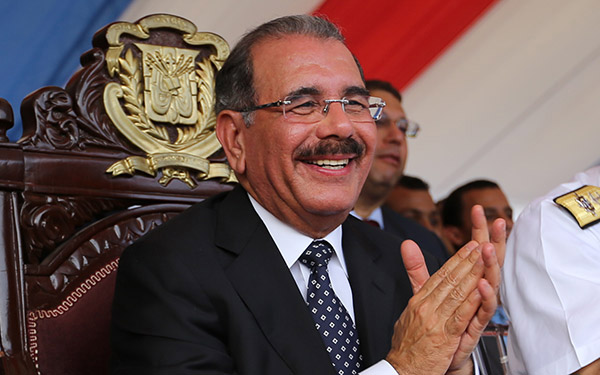
Danilo Medina, President of the Dominican Republic
Belgium had several weeks before that on Monday, February 26 deposited its instrument of ratification, thereby becoming the 89th Party to the mercury treaty.
Nigeria had done likewise on Thursday, February 1 as the 88th Party; same for Cuba which on Tuesday, January 30 deposited its instrument of accession to become the 87th Party to the global pact that aims to control the negative impact of mercury.
Similarly, Lithuania deposited its instrument of ratification on Monday, January 15, 2018 to become the 86th Party to the Convention.
The Minamata Convention on Mercury (“Minamata Convention”) is an international environmental convention for global community to sswork collaboratively against mercury pollution. It aims at achieving environmentally sound mercury management throughout its life cycle. The Convention was adopted at the diplomatic conferences held in Minamata City and Kumamoto City in October 2013.
The 1st Conference of the Parties to the Minamata Convention (COP1), which gathered governments, intergovernmental and non-governmental organisations from around the world, held in Geneva, Switzerland from September 24 to 29, 2017.
The mercury accord entered into force on Thursday, May 18, 2017 after having garnered the required 50 ratifications.
Meanwhile, the Special Programme on Institutional Strengthening opened for applications on Friday, March 23. It will be open for four months.
The Special Programme aims to assist developing countries taking into account special needs of least developed countries and small island developing States, and countries with economies in transition to develop projects to support institutional strengthening at the national level for implementation of the Basel, Rotterdam, and Stockholm Conventions, the Minamata Convention, and the Strategic Approach to International Chemicals Management (SAICM).
Landmark regional scientific reports were issued on Friday, March 23, 2018 in Colombia on the status of biodiversity in the Americas, Asia and the Pacific, Africa as well as Europe and Central Asia. They show that pressures on biodiversity and resulting loss of biodiversity continue to increase in all of the regions. If unchecked, such loss will affect the ability of nature to support people and planet.
Cristiana Paşca Palmer, Executive Secretary of the Convention on Biological Diversity (CBD)
The regional assessments by the Intergovernmental Science-Policy Platform on Biodiversity and Ecosystem Services (IPBES) show that the main pressures on biodiversity continue to be habitat change, climate change, invasive alien species, pollution and unsustainable use. However the relative importance of each of these pressures varies between the regions. These declines are of concern also because of the essential role biodiversity plays in providing for people, including, food, fuel and adaptation to the impacts of climate change.
In all of the regions it is noted that actions have been taken to conserve and sustainably use biodiversity. However, it is also noted that these actions have, for the most part, been insufficient. It is further observed that while various plans and strategies have been developed for the conservation and sustainable use of biodiversity these have not generally been translated into actions.
These reports confirm the conclusions of work done under the United Nations Convention on Biological Diversity (CBD) and suggest directions for additional urgent actions to achieve global biodiversity targets.
The science reports were approved by IPBES in Medellín, Colombia, at the 6th session of its Plenary on Thursday, March 22 and released on Friday. Written by more than 550 leading experts from over 100 countries, they are the result of three years of work, and include inputs from experts at the Secretariat of the Convention on Biological Diversity. The four regional assessments of biodiversity and ecosystem services cover the Americas, Asia and the Pacific, Africa, as well as Europe and Central Asia.
Dr. Cristiana Paşca Palmer, CBD Executive Secretary, said: “These assessments are sobering. They show that the pressures on biodiversity and its associated ecosystem services from human activities, including climate change, are increasing. They show that the status of biodiversity is decreasing. They show that while the world is taking actions, more needs to be done to halt the loss of biodiversity.
“These regional assessment reports help us understand variations across the regions of the world. However, if the current trends on biodiversity loss and ecosystems destruction are not reversed, the prospects for life on our planet become quite grim. At the current rate of destruction not only will it be difficult to safeguard life on Earth, but will jeopardise the prospects for human development and well-being. We need a paradigm shift in the way humans interact with nature; we need transformative change and a systemic approach to address the root causes of biological destruction.
“The IPBES regional reports come at a critical time. The 196 countries of the world that are Parties to the UN Biodiversity Convention, are committed to the objectives of the Strategic Plan for Biodiversity Conservation 2011-2020 and have signed-up for the implementation of 20 global biodiversity targets (the Aichi Biodiversity Targets). With only approximately 1,000 days to meet their obligations, there is still time and opportunity for bold actions. We encourage all Parties to accelerate their efforts towards 2020. It is in the self-interest of all nations but also in the global interest to act to save biodiversity, the bedrock for our food, water, clean air and good health.”
The key messages from the regional and subregional assessments of biodiversity and ecosystem services for Africa, the Americas, and Asia and the Pacific, Europe and Central Asia are consistent with the information coming from the Convention on Biological Diversity. This includes the conclusion from the fourth edition of the “Global Biodiversity Outlook”, recent deliberations under the Convention on Biological Diversity and the updated assessment of progress towards the Aichi Biodiversity Targets.
The regional summaries also highlight the need to better internalise global commitments, in particular, the Aichi Biodiversity Targets, into national actions and to integrate biodiversity across sectors.
The reports show that there are several pathways for governments to achieve the conservation and sustainable use of biodiversity while meeting other societal objectives relating to combatting climate change, and achieving food and water security. But to achieve these different policy mixes, actions and measures need to be tailored to national circumstances and priorities.
The regional assessments and the upcoming global assessment on biodiversity, due for release in 2019, are a key element of the global scientific review of the progress made in the implementation of the global targets and the objectives of the current strategic plan for biodiversity 2011-2020. Its conclusions will directly feed into the preparation of “Global Biodiversity Outlook 5”, to be released in 2020.
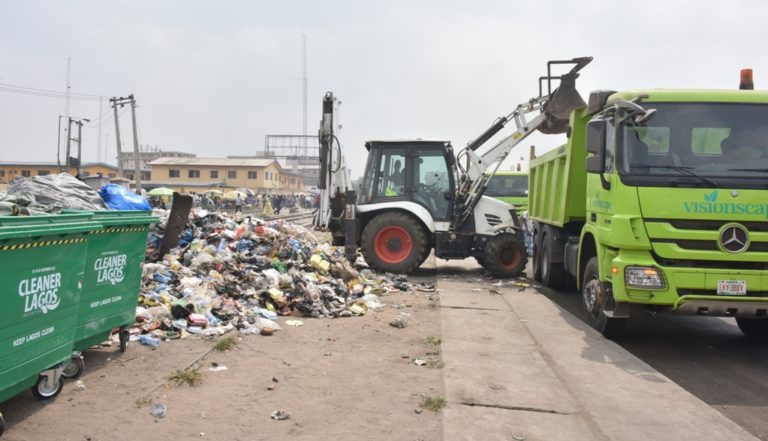
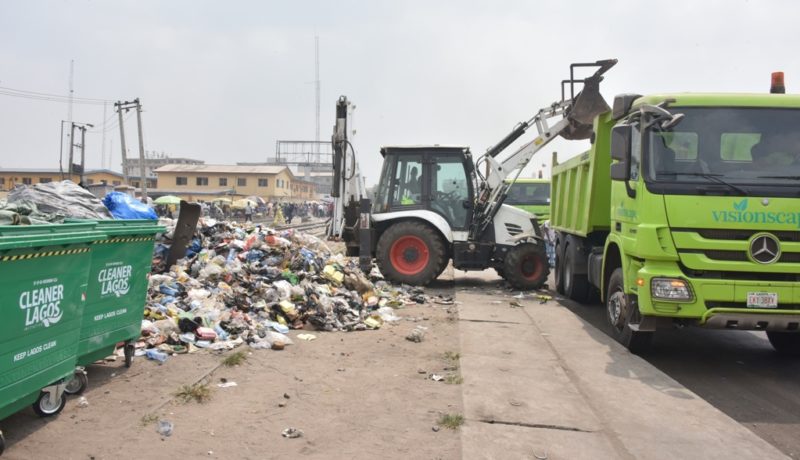
An Environmental Utility Company, Visionscape Sanitation Solutions (VSS), has cleaned up over 2,000 black spots, otherwise known as illegal dump sites in Lagos State.
Officials of the Cleaner Lagos initiative (CLI) evacuating illegal dumpsites across the state on Friday, January 19, 2018
The Director of Operations, VSS, Mr Kiran Reddy, made this known during an interactive session with newsmenin Lagos on Friday, March 23, 2018.
Reddy said the black spots intervention started in July 2017 and the company had gradually moved to door-to-door collection of waste.
According to him, Visionscape identified 5,000 black spots and these black spots weigh ranging from five tonnes to 150 tonnes.
”We cleared up approximately 2,000 black spots by ourselves. Enormous work has been done, not just with the Visionscape fleet vehicles but we have rented 50 trucks to clean up the spots.
”There are many illegal dumpsites in Lagos. The remaining 3,000 black spots we identified are currently being worked on.
”Apart from the challenges of clearing the illegal dumpsites, there are a lot of encouragements from the people of Lagos state.
”They are so happy that we are cleaning these black spots and they have written appreciation letters on our operations.”
The director urged residents not to burn their waste, but to bag them for proper disposal.
The Chief Operations Officer, VSS, Mr Thomas Forgacs, said the plan of the environmental utility firm was to collect waste from residential areas, down to the streets
Forgacs said the strategy put in place was to first clear the illegal dumpsites, then move to the residential areas.
He said the company had already deployed 15,000 bins, comprising of 10,000 bins of 240 litres and 5,000 bins of 1.1 cubic litres.
According to him, the second and third batches of bins will arrive before the end of April.
”We are waiting for 20,000 galvanised bins of 1,100 litres. We have distributed four million plastic bags and will be distributing 10 million plastic bags,” he said.
Forgacs said that Visionscape already had 131 vehicles deployed for waste management in Lagos State.
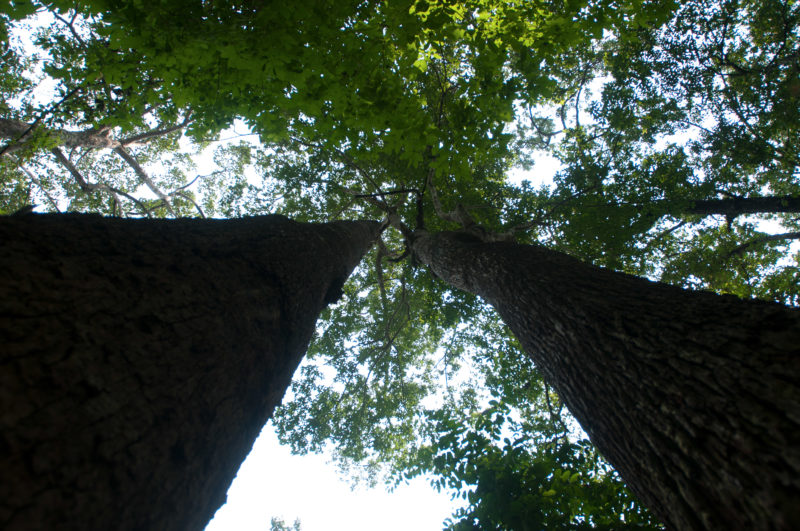
The global celebration of forests provides an opportunity to raise awareness of the importance of all types of woodlands and trees, and celebrate the ways in which they sustain and protect us.
There is an under-appreciation of forests by governments at all levels in Nigeria . Photo credit: UNDP Cambodia/Chansok Lay/Oddar Meanchey
In Nigeria, less than 5% of the total land area is afforested, yet, even the sparse forest remainders are under threat with land use pressures (agriculture, infrastructure, housing and resources-harvesting) a critical driver of deforestation.
Unfortunately, there is an under-appreciation of forests by governments at all levels in Nigeria not just for their important ecosystem functions but even for human survival and sustainability as carbon sinks and oxygen pool, together with the numerous other benefits they offer.
Key Messages for the society:
Forests and trees store carbon, which helps mitigate the impacts of climate change in and around urban areas.
Trees also improve the local climate, helping to save energy used for heating by 20-50%.
Strategic placement of trees in urban areas can cool the air by up to 8 degrees Celsius, reducing air conditioning needs by 30%.
Urban trees are excellent air filters, removing harmful pollutants in the air and fine particulates.
Trees reduce noise pollution, as they shield homes from nearby roads and industrial areas.
Local populations use the fruits, nuts, leaves and insects found in urban trees to produce food and medicines for use in the home, or as a source of income.
Wood fuel sourced from urban trees and planted forests on the outskirts of cities provides renewable energy for cooking and heating, which reduces pressures on natural forests and our reliance on fossil fuels.
Forests in and around urban areas help to filter and regulate water, contributing to high-quality freshwater supplies for hundreds of millions of people. Forests also protect watersheds and prevent flooding as they store water in their branches and soil.
Well-managed forests and trees in and around cities provide habitats, food and protection for many plants and animals, helping to maintain and increase biodiversity.
Forests in cities and surrounding areas generate tourism, create tens of thousands of jobs and encourage city beautification schemes, building dynamic, energetic and prosperous green economies.
Urban green spaces, including forests, encourage active and healthy lifestyles, improve mental health, prevent disease, and provide a place for people to socialise.
Governments at all level therefore, must ensure that urban planning incorporates green and woodland spaces at all stages of development. While developing a comprehensive reforestation strategy, we must however develop a national database of tree species indigenous to Nigeria, understand the status and plan a wholesome intervention.
By Dr Joseph Onoja (Acting Director General, Nigerian Conservation Foundation)
“If a law is unjust, the [citizenry] is not only right to disobey it, they are obligated to do so.” (Thomas Jefferson, US 3rd President 1801-1809).
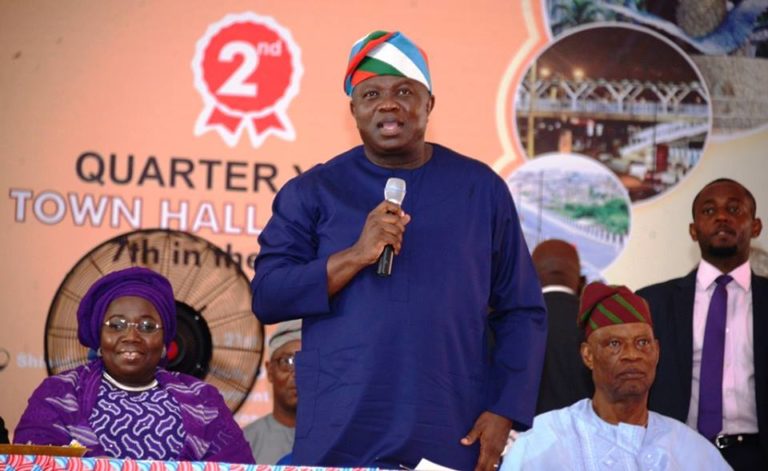
Governor Akinwunmi Ambode of Lagos State
Thomas Jefferson, the 3rd President of the United States was a savant, political thinker, and a prolific writer on the subject of democracy. He was the proponent of many democratic ideas which endure in the practice of democracy in the United States over two hundred years ago till date. He, it was that was credited with the concept called “consent of the governed.” In his analytical mind, Jefferson strongly believed that the existence of any government is dependent on the wish of the people. That is, if the people want the government to exist, it would. It is people that would create their own government and collectively concord or consent to follow laws their government makes.
However, Jefferson cautioned that government must not abuse the authority given it to intimidate or oppress the governed. Therefore, he argued that if the government makes laws that are fair and protective of the citizenry, the people would easily obey the law. Conversely, the people are at liberty to petition the government to change laws or acts they considered unfair or unjust. His brilliant idea was incorporated into the American Constitution including other fundamental human rights and freedom granted to all American citizens under the First Amendment of the supreme statute book, which guarantees the rights of the people to freedom of speech, religion, press, assembly and to petition the government. Wherever democracy is practiced in other countries of the world, Jefferson’s idea has become a lodestar.
The above narrative is the genesis of the opening quote.
From this point, I will expatiate more on the title of the article. Readers should be informed from the onset that the write-up is not to pillory the Governor Ambode-led administration in Lagos State concerning the controversial Land Use Charge Law 2018, which the governor signed into law on February 8, 2018. Unfortunately, the governor, given the benefit of doubt, might be oblivious to the consequences and the hubbub the legislation would instantly generate among the stakeholders who frowned at some provisions of the new law. Many of the vexing issues raised by the antagonists of the law had been brought to the attention of the LASG for further review and from recent newspapers report, the Lagos State House of Assembly has constituted an ad-hoc Committee to jump-start the review process. The public is waiting and watching.
What we want to argue here is that the LASG is inadvertently making other mistakes of governance using wrongful approach, even when it says the umpteen time of being an inclusive and pro-people government, but in tokenism. We shall prove the case as this piece progresses.
Secondly, the government’s misconception about urban administration, planning, and management of a complex megacity such as Lagos, further contributes to the unpardonable mistakes being committed repeatedly by the LASG albeit, it has good intentions. Until there is a re-think of approach and paradigm shift to urban administration in Lagos State, the government’s ad-hoc responses to the multi-dimensional problems plaguing the megacity might not be the panacea.
Clarification of Lagos megacity status
First and foremost, the government and the citizenry perception of Lagos megacity status lacks clarity in the mindset of the government and the governed. A city becomes a megacity when it attains a threshold population figure of 10 million and above. It is not a “status symbol” appellation for a city that has arrived in the true sense of our local parlance the way Lagos megacity is being portrayed. When one hears the encomium and praise-singing that “ Eko ti di megacity, Eko ti di megacity (Lagos has become a megacity) at every political event and Town Hall meeting held regularly in Lagos State, such vainglory amuses trained mind in the planning profession. The megacity status of Lagos should not be construed as a joyous milestone achievement. The more the population, the mega the management problems such humongous population spike of over 20 million will thrust on the lap of the government. The problems become daunting for a city like Lagos where urban planning policy or practice is a symbolic effort. The tasks ahead call for critical thinking how effectively the LASG would deal with the challenges using the right solutions aimed at improving the resident’s quality of life. Put succinctly, the megacity jargon applicable to Lagos is least praise-worthy. Lagosians and government officials should be less sycophantic about the appellation of a Lagos megacity, but consider it as a clarion call for a proactive policy approach to planning the future of the giant city.
Let us examine the backlash arising from a faulty democratic approach to lawmaking.
Land Use Charge Law debacle
Ab initio, the process leading to the passing of the Land Use Charge (LUC) law by the Lagos House of Assembly was very defective, undemocratic and to say the least it lacks inclusive dialogue with the rainbow coalition of relevant stakeholders such as the Organised Private Sector (OPS), Nigerian Employers Consultative Assembly (NECA), Resident Associations across the megacity and ridiculously without any input from professional body such as the Nigerian Institution of Estate Surveyors and Valuers.
This fact came to the fore during the stormy dialogue Governor Ambode had with the aforementioned entities. The government took a mis-step. What the LASG should have done initially was what the government eventually did belatedly. At the forum, while raising some cogent issues, a couple of speakers did not mince words about their displeasure concerning the absurdities contained in the law. It begs to repeat the Thomas Jefferson’s axiom that “the more a subject (such as the content of a law) is understood, the more briefly it may be explained.” Additionally, what all agree is probably right, but what no two people agree on is most probably wrong.
No responsible citizenry would oppose to paying their taxes, but when people are taken for granted as if their opinion does not matter, the flurry of condemnation and public angst against the LUC law was justified. Once a law is considered unjust, the citizens are at liberty to disobey it. If not, impunity reigns supreme. Dissent is an acceptable complaint if the citizens feel that what the government is doing to them seems practically and morally wrong. Surely, the Lagos State electorate did not vote for elective despotism. The basis of government should be the opinion of the people willy-nilly.
Political rivalry and consequent effects on Lagos megacity management is another identifiable foible of governance in the state.
War of supremacy between the Federal Government and Lagos State
Back in time, the unnecessary political rivalry between the Federal Government and LASG led to a lost opportunity, which could have engendered better management of the Lagos Megacity Region. I crave the indulgence of readers to digress a little purposely to give a narrative of what transpired some years ago during the tenure of former Governor of Lagos State, Babatunde Raji Fashola (2007-2015). In our clime, most politicians and government officials seem to be short-sighted without due consideration to the adverse effects of their political decision(s) while in office and how posterity would judge them after they vacate the office. More often than not, they leave a myriad of problems for the incoming administration to contend with.
Botched Lagos Megacity Development Authority(LMDA)
During the second tenure of former President Olusegun Obasanjo in 2005 under a People’s Democratic Party-controlled federal government, the idea of the Re-development of the Lagos Megacity Region was agreed upon between the then Governors of Lagos and Ogun States, Asiwaju Ahmed Tinubu and Gbenga Daniel respectively. To that effect, a 21-member Committee was set up in 2005 under the Chairmanship of Professor Akin L. Mabogunje, a world-renowned pundit on development matters, consultant to the World Bank and 2017 Nobel Laureate prize for Geography, the Prim Vautrin-Lud.
The Committee was to identify areas of common concerns within the Lagos Metropolitan area which extends northwards beyond the boundaries of Lagos into some towns(Ado-Odo/Ota, Ifo, Obafemi, Owode, and Sagamu) in Ogun State. Such issues of concern triggered by rapid urbanisation include security, sprawl, land use planning, waste management, transportation, water supply, urban renewal, and provision of infrastructure. The Committee was to proffer solutions to the identified problems, recommend the appropriate institutional and legal framework on how the two states and the Federal Government can collaborate to manage the effects of growth in the Lagos Megacity Region, propose management and organisational framework including funding arrangement.
By the time President Olusegun Obasanjo left office in April 2007, the Federal Government considered and approved the Committee’s recommendation to set up Lagos Megacity Development Authority (LMDA) legalise by an Act of the National Assembly, to manage the entire megacity region under the chairmanship of Professor Mabogunje. In readiness to take off, the office of the LMDA was located at Oyikan Abayomi Drive in Ikoyi area of the megacity. It started skeletal operation when Babatunde Raji Fashola was the Governor of Lagos State. Regrettably, the LMDA was short-lived due to the war of supremacy over which governmental entity Federal Government or Lagos State should head the Authority.
The issue of how to fund the office was also contentious. The LASG vehemently opposed tripartite funding arrangement but preferred a lump sum grant from the Federal Government to single-handedly operate the office. The then Lagos State Commissioner for Physical Planning and Urban Development, a professional urban planner, was the enfant terrible with myopic vision and bias, who adamantly insisted that the Federal Government should hand over the entire LMDA office to the Lagos State government to manage. Strangely enough, he was not overruled by his then principal for trying to scuttle a brilliant idea which the government and people of Lagos State would have been the ultimate beneficiaries in the long term.
In the course of muscle-flexing and political grandstanding between the Federal Government and Lagos State, an Act of the National Assembly to legally formalise LMDA was stalemated. All operations at the Authority were grounded, the professional officers seconded from Lagos and Ogun States were recalled and the office was abruptly closed down. Thus, Lagos State lost the oppourtunity to have a purpose-specific Authority capable of addressing the daunting urban problems plaguing the entire megacity region.
Megacities all over the world, by their sheer physical size, high population, and complex planning challenges, are managed by Metropolitan Council or Metropolitan Authority made of elected officials from most or the entire jurisdiction in a Metropolitan area. Such classic examples are New York-New Jersey Metropolitan Planning Authority, Greater Tokyo Metro Government, Mumbai Metropolitan Development Authority, Greater London Planning Authority to mention a few. Similar Authority is being canvassed for Lagos Megacity administration, planning, and management. The office should be autonomous and complemented with very dynamic multi-disciplinary professionals and a generous budget for programme/project implementation.
The Governor’s office should concentrate on governance and policy matters and stop dabbling into project execution. Issues of megacity planning are better left for those with the acumen and competence to do the work. If Governor Ambode administration has any vision for Lagos State, the opinion of experts should be sought, civic engagement must be part of the process of consultation before the vision comes to fruition.
We want to also counsel that, rather than government engaging in grand public pronouncements about how to make Lagos megacity an Eldorado with everything in the superlative degree, the government must pay attention to what the denizens do, what they want or prefer and those things they can easily achieve. Cities are about people and to survive as sustainable settlements, they need to focus on helping residents to achieve material and spiritual rewards. Lagos megacity can thrive better as a “city for all” when it attracts newcomers hoping to find better conditions for themselves and their families and when the megacity provides a better quality of life for those already living there.
Governor Ambode must try to maintain his sobriquet as an AKOREDE (he who brings fortune) and avoid being sucked into the vortex of public controversy due to the passage of a law or policy low on benevolence and high on malevolence.
Almost one million people are calling on governments around the world to protect half the earth to stop the extinction crisis threatening humanity, Avaaz said on Friday, March 23, 2018, as a landmark scientific study warned that biodiversity loss is accelerating at a dangerous rate.
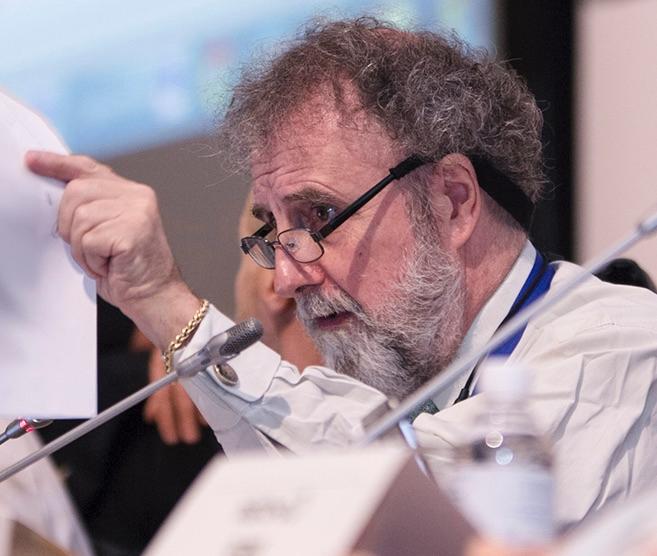
Sir Robert Watson, Chair of IPBES
A devastating new assessment by the Intergovernmental science-policy Platform on Biodiversity and Ecosystem Services (IPBES), shows that all over the world, biodiversity is collapsing, and this crisis now threatens human wellbeing. Four reports were produced by 550 scientists from 100 countries who have taken three years to document the status of biodiversity for Africa, the Americas, Asia-Pacific and Europe and Central Asia. These are the most important biodiversity reports in a decade.
Nearly one million people, from every country on Earth, have joined an Avaaz petition calling on governments to tackle the biodiversity crisis by supporting a plan, championed by prominent biodiversity scientists, to protect half the planet from human exploitation, enabling our Earth’s ecosystem to stabilise, regenerate and recover.
Alice Jay, Campaign Director for Avaaz, said: “Humans have been taking a chainsaw to the tree of life. The extinction crisis has officially joined the climate crisis as a major threat to our future. Top scientists, backed by a million people, are now calling for half the earth to be protected so we can survive, thrive and live in harmony with nature.”
Top scientists and conservationists say that protecting half the Earth is critical to saving 80-90% of all species. Studies show that between 39-44% of the planet is mostly wild. The aim is to protect these areas and restore and protect others. The target is to reach 50% protection of land and sea by 2050, focusing on key ‘biozones’ of high biodiversity value. The protection would include indigenous land, productive buffer zones, corridors, and private conservancies.
Avaaz is campaigning for governments to adopt the ambitious protection target at the Convention of Biological Diversity meeting in Beijing in 2020 – a meeting being billed as the Paris Summit for biodiversity. Opinion polls have shown that most people support the idea of protecting 50% of the planet.
The full Avaaz petition to world leaders reads: “We global citizens are deeply concerned by scientists warning that ecosystems critical to sustaining life on Earth could collapse in our lifetimes. We call on you to meet existing targets to protect biodiversity, forge a new agreement so that at least 50% of our lands and oceans are protected and restored, and ensure our planet is completely sustainably managed. This must take into consideration the needs of human development and have the active support of indigenous peoples. This long-term goal for nature can restore harmony with our home.”
The IPBES reports key findings are:
By 2100, climate change could result in the loss of more than half of African bird and mammal species.
In Asia unless there is action up to 90% of corals will suffer severe degradation by 2050.
Biodiversity continues to decline in every region of the world.
The alarming trend endangers economies, livelihoods, food security and the quality of life of people everywhere.
Unless action is taken to protect biodiversity, commitments made at the Paris Climate Agreement to limit global warming to 1.5°C above pre-industrial levels will not be achieved.
Man-made climate change is a key driver of mass biodiversity loss as well as habitat stress; overexploitation and unsustainable use of natural resources; air, land and water pollution; and increasing numbers and impact of invasive alien species.
Biodiversity issues need to be a much higher priority in policy-making and development planning at every level.
Biodiversity is ‘the heart not only of our survival, but of our cultures, identities and enjoyment of life’.
For Asia and the Pacific, the IPBES experts point to the success of countries that achieved rapid economic growth in gradually restoring and expanding protected areas – especially forests, but they emphasize that this alone will not be sufficient to reduce biodiversity loss caused by the negative impacts of monoculture.
In the EU only 7% of marine species and 9% of marine habitat types show a ‘favourable conservation status’, and 27% of species assessments and 66% of habitat types assessments show an ‘unfavourable conservation status’.
In Asia, marine protected areas in the region increased by almost 14% and terrestrial protected area increased by 0.3%. Forest cover increased by 22.9% in North East Asia.
Indigenous and local knowledge can be an invaluable asset as they have created a diversity of polyculture and agroforestry systems, which have increased biodiversity and shaped landscapes.
The IPBES is an independent intergovernmental scientific body that guides governments on sustainable development and strengthen the science-policy interface for biodiversity and ecosystem services.
Avaaz is a 46-million-person global campaign network that works to ensure that the views and values of the world’s people shape global decision-making.