Home Blog Page 1838

Science Museum under scrutiny over ties to big oil

0

A group of 46 highly-respected scientists, climate experts, naturalists and representatives of impacted communities on Thursday, July 5, 2018 joined forces to lodge a formal complaint to the Science Museum Group, calling on it to end its partnerships with oil giants BP, Shell and Statoil/Equinor.
Science Museum
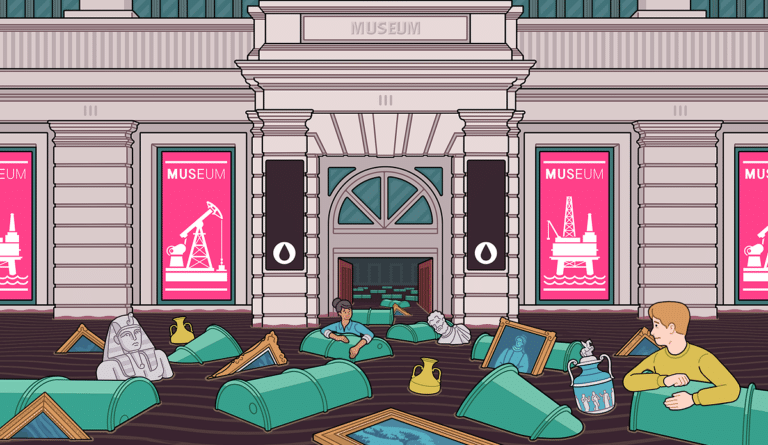
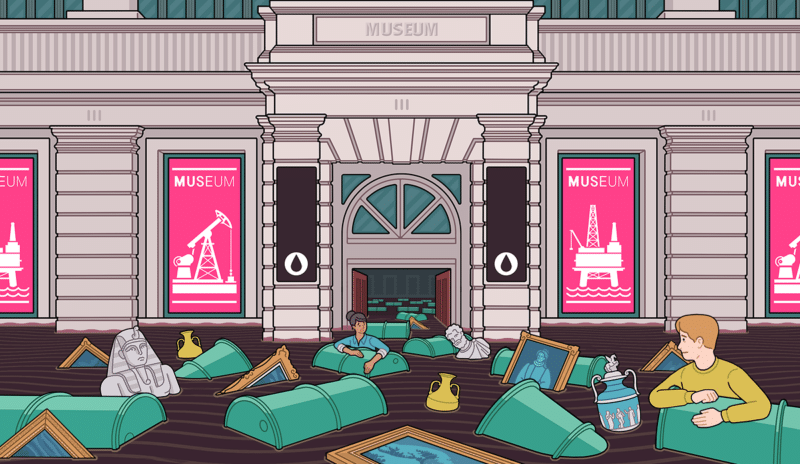
The museum is accused of ‘undermining its integrity as a scientific institution’ by partnering with BP, Shell and Statoil

The complaint, compiled by Culture Unstained, sets out detailed evidence that the museum breached its Ethics Policy and is undermining its relationships with important stakeholders – especially scientists and young people, and risking its own reputation through these sponsorship deals.

The 40-page complaint presents new evidence uncovered through Freedom of Information requests that the museum was aware of the risks of partnering with oil companies but failed to act, including:

  • The Science Museum’s official “due diligence” reports into the backgrounds of all three companies, which reveal that the museum knew about multiple instances of pollution, corruption and links to climate denial – but did not judge them to be in conflict with its responsibilities as a trusted science institution.
  • No due diligence reports appear to have been created before 2016, despite relationships with Shell and BP going back decades. The report on Shell appears to have only been rapidly created – or immediately updated – the day after the FOI request was submitted.
  • Shell is currently listed as a corporate partner on the museum’s website, but the museum says it has not had a contract with the company since last year, raising questions about why Shell is still being promoted in this way.
  • A potential ‘gagging’ clause in the museum’s contract with Statoil which prevents Science Museum staff and trustees ‘discrediting or damaging the goodwill or reputation of the sponsor’. This clause becomes problematic given the company’s significant contribution to global warming and the limits this might place on the museum’s freedom to accurately communicate the causes of climate change.

Simon Clydesdale, Oil campaign leader at Global Witness, commented: “The people at the top of the Science Museum clearly think it’s important to know where their money comes from, as they conducted due diligence reports on all three of these oil companies. It is baffling that they could think that money from Shell, a company embroiled in one of the biggest corporate corruption scandals of all time, was clean enough to take.”

Other signatories include representatives of organisations in countries that have been negatively impacted by the companies’ activities, including Nigeria, Norway and West Papua. They also include youth organisations and science teachers concerned that young people are being specifically targeted by the oil companies through these sponsorship deals, while actively putting their futures at risk by continuing to extract fossil fuels.

Lazarus Tamana of the Movement for the Survival of the Ogoni People (MOSOP) in Nigeria said: “Shell as a corporate entity is operating irresponsibly in Nigeria, involved in corruption, violating human rights and disregarding the rights of the indigenous peoples of the Niger Delta. Shell does not observe its own internal regulations nor Nigerian regulations, causing environmental pollution and many deaths of the Ogoni people and the people of the Niger Delta.”

The complaint, which was submitted by email on the morning of July 5, recommends that the Science Museum Group ends these relationships as soon as is legally possible.

This isn’t the first time the Science Museum has come under scrutiny over its partnerships with fossil fuel companies. In 2015, emails revealed how Shell had attempted to influence the framing of the museum’s climate science exhibition “Atmosphere”, and the following year more than 50 scientists, politicians and campaigners signed a letter to The Guardian calling on the museum to drop Statoil as the title sponsor of its new interactive gallery for children, “Wonderlab: the Statoil gallery”. Both the BP-sponsored “Cosmonauts” exhibition and the official opening of Wonderlab were met with creative protests by members of the Art Not Oil coalition and youth activists from Norway.

Jess Worth, co-director of Culture Unstained, said: “The Science Museum is engaging in a form of everyday climate denial by continuing to promote the brands of three oil companies while being fully aware of their colossal climate impacts and unethical business practices. At a time when major cities are launching legal action against these same companies for their contributions to global warming, it is inexcusable for a museum of science to help them pose as ethical and responsible when we are amid a crisis they are actively exacerbating.”

Signatories to the complaint include: Emeritus Professor Keith Barnham, Distinguished Research Fellow, Physics Department, Imperial College London; Nnimmo Bassey, Director, Health of Mother Earth Foundation and winner of the Right Livelihood Award, Nigeria; Dr Alice Bell, climate campaigner and writer; Professor Sarah Bell, Professor of Environmental Engineering, UCL; Dr Jason Box, expert in atmosphere-ice interactions and physical climatology of Greenland; Dr Chris Brierley, Senior Lecturer in Climate Science, UCL; Dr Sarah R Davies, Associate Professor, Department of Media, Cognition and Communication, University of Copenhagen; Dr Deirdre Duff, Molecular Biologist; Gaute Eiterjord, Chair of Natur og Ungdom/Nature and Youth, Norway; Dr Matt Folley, Senior Research Fellow, Marine Renewable Energy Group, Queen’s University Belfast; Dr Peter C. Frumhoff, Director of Science and Policy, Chief Climate Scientist, Union of Concerned Scientists; Dr Andy Fugard, Senior Lecturer in Social Science Research Methods, Birkbeck, University of London; Dr James Hansen, Director of Program on Climate Science, Awareness and Solutions, Earth Institute, Columbia University; Professor Tim Jackson, Professor of Sustainable Development and Director of the Centre for the Understanding of Sustainable Prosperity, University of Surrey; and Professor David A. Kirby, Programme Director for MSc in Science Communication, University of Manchester.

They also include: Jeremy Leggett, author, solar entrepreneur and advocate; Professor Stephan Lewandowsky, Chair in Cognitive Psychology, University of Bristol; Professor Simon Lewis, Chair in Global Change Science, University College London; Dr Barbara Magennis, Science Teacher; Dr Michael Mason, Associate Professor, Department of Geography and Environment, LSE; Professor James J. McCarthy, Professor of Oceanography, Harvard University; Dr David McCoy, Professor of Global Public Health, Queen Mary’s University London; Professor Bill McGuire, Professor Emeritus of Geophysical & Climate Hazards at UCL; Dr Felicity Mellor, Senior Lecturer in Science Communication, Imperial College; Professor Hugh Montgomery, UCL Professor of Intensive Care Medicine; Dr Frances Mortimer, Director, Centre for Sustainable Healthcare; Sophie Neuburg, Executive Director, Medact; Professor Jonathan Oppenheim, Professor of Quantum Theory, UCL; Professor Naomi Oreskes, Professor of the History of Science, Harvard University; Chris Packham, naturalist and broadcaster; Dr Stuart Parkinson, Executive Director of Scientists for Global Responsibility; Drew Pearce, Progressive Science Institute; and Professor Kate E Pickett, Professor of Epidemiology, University Champion for Research on Justice and Equality, and Deputy Director of the Centre for Future Health, University of York.

Others are: Sir Jonathon Porritt, environmentalist and writer; Professor Malcolm J W Povey, Professor of Food Physics at University of Leeds; Kate Raworth, Senior Visiting Research Associate, Environmental Change Institute, University of Oxford; Dr Beth Rice, Imperial College; Alom Shaha, science teacher and writer; Andrew Simms, co-director of the New Weather Institute; Hannah Smith, Co-director: research and campaigns, People & Planet; Dr Geoffrey Supran, Post-Doctoral Fellow at Harvard University & Post-Doctoral Affiliate at Massachusetts Institute of Technology; Lazarus Tamana, Movement for the Survival of the Ogoni People; Hugh Warwick, naturalist and author; Dr Philip Webber, Chair, Scientists for Global Responsibility; Dr Stephen Webster, Director, Imperial College Science Communication Unit; and, Benny Wenda, West Papua independence leader and Chair of the United Liberation Movement for West Papua.
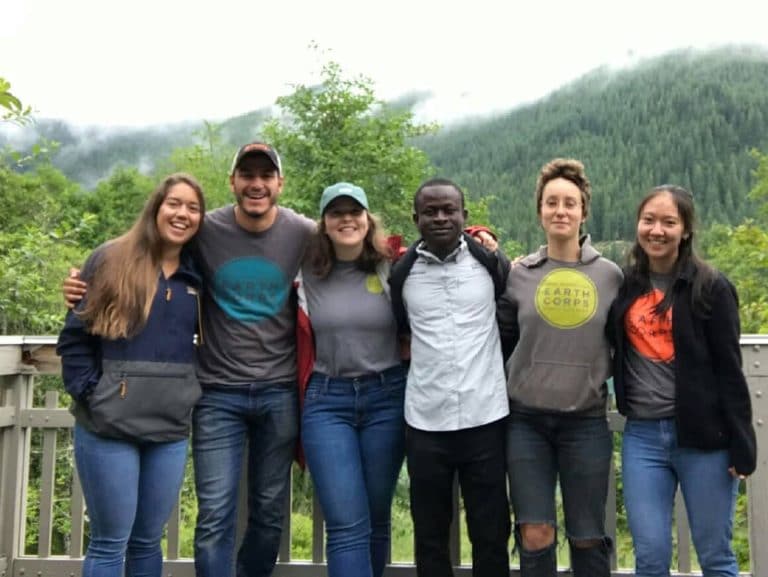
A visit to Cedar River watershed

It is no doubt that technology has done so much good in our lives than evil. We sit in the comfort of our homes to drink clean water without wondering where the water comes from. For the greater Seattle area, two mountain watersheds supply more than 1.4 million people with clean water. No wonder, the river is the lifeblood of the people of this community.

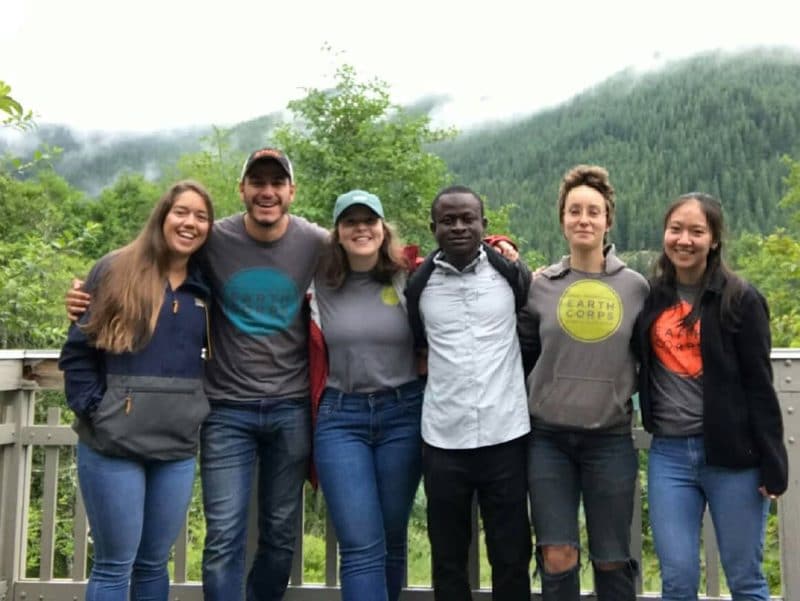
Adnane Crew, EarthCorps

The Great Seattle Fire (June 6, 1889) left the city in ashes and in need of a reliable clean water supply with adequate water pressure for fighting fires. As they say that “Necessity is the Mother of Invention”, Seattleites gathered to think about the best way to get water running in various homes and reached a conclusion sometime around 1901 by making the first Cedar River water flows into Seattle faucets.

The Seattle Public Utilities (SPU) and Cedar River Municipal Watershed is a place to be. I am privileged educating my ignorance by getting to know about the history of this precious watershed and how it has been serving the people of this region for ages. Ancestors of local native tribes have a relationship that dates to the ice age with this river. I can rightly say the river and the people of this region are like nexus that cannot be separated.

The Cedar River Watershed Education Centre holds a wondrous site that left us agape. This is the only place have seen in my entire life where water beats the drum. There is a well carved out outlet on the roof of the education centre where water drops slow and steady to beats drums set directly proportional to the varying water droplet. I must say it forms a melodious sound that makes me remember the ancestral Yoruba talking drum (Gangan).

Asides from hiking around this beautiful river to marvel at the beauty of nature, I can learn about the complex issues surrounding the region’s drinking water, forests, and wildlife. I was able to know that has better habitat structure develops and biodiversity increases, these forests will provide better habitat for threatened and endangered wildlife species typical of old-growth forests.

More so, the river creates a conducive environment through the influence of the SPU by providing water for spawning salmon, protects fish eggs in the streambed, and provide quality habitat for rearing salmon and other fishes. It is true that Seattle Public Utilities provides reliable, efficient and environmentally conscious utility services to enhance the quality of life and liveability in all communities they serve.

I can’t agree less with what Loren Eiseley said, “if there is magic on this planet, it is contained in water”. There are millions of wonders to unlock in the world’s varying water bodies.

We should not forget that we are part of the Cedar River and any other rivers that provide drinking water. Research made it known that about 70 percent of our body is made up of water. So, when you sit in the comfort of your home to drink a cup of water, always think of where it comes from and know that the water is part of you.

By Alabede Surajdeen (Environmental Restoration International Exchange Fellow at Seattle, Washington, USA; @BabsSuraj; alabedekayode@gmail.com)

As the Kruckeberg Botanic Garden blossoms

0

The city of shoreline is the home to the magical Kruckeberg Botanic Garden that begun in 1958 by Prof. Arthur Rice Kruckeberg, University of Washington, and his wife Mareen Schultz Kruckeberg. It is true that the garden was originally owned by the Kruckebergs, who were botanists and horticulturalists that collected the plant for over 50 years while traveling. In 2008, the land was donated to the City of Shoreline’s Parks and Recreation Department and is now a public park and nursery.

Kruckeberg Botanic Garden
At the Kruckeberg Botanic Garden

The public can now visit the park at designated hours which alternate seasonally. It is open for horticultural workshops and tours. The garden contains a mix of native and non-native species of plants, mainly from China and Japan. It includes exotic conifers (larches, sequoias, pines, firs, spruces, and hemlocks; hardwoods, especially oaks and maples; rhododendrons, magnolias, a unique wingnut, and many other woody plants, as well as notable displays of ferns, cyclamens, wood sorrel, and inside-out flower). It’s hard to believe that this garden holds all these beautiful and historic plants. To me, Kruckeberg is not just a garden, but a magical ecological space that filled the eyes with wonders. If I have the chance, I would love to visit this garden repeatedly.

The Kruckeberg Botanic Garden Foundation (KBGF), a non-profit organisation, in collaboration with the city of Shoreline, sees to the maintenance and sustainability of the park. EarthsCorps was contracted by KBGF to building a gravel trail that serves as a pathway for people to easily navigate through the garden. I am indeed happy to be a part of this project.

It was raining and cold on the first day of this project, the weather no doubt influenced my reaction to working this morning. The project supervisor, Lindsey, did a great job in motivating us by being a proactive leader that leads by example. I was moved by the zeal and enthusiasm she brought to the project.

I and the rest of the crew started the task by removing existing wood chip and grass base to soil level, using wheelbarrow and buckets. The second stage was grading and deciding the pathway, and the last stage was using totter, kabota, shovel, haul and spread gravel at 2-3 inches on the prepared surfaces.

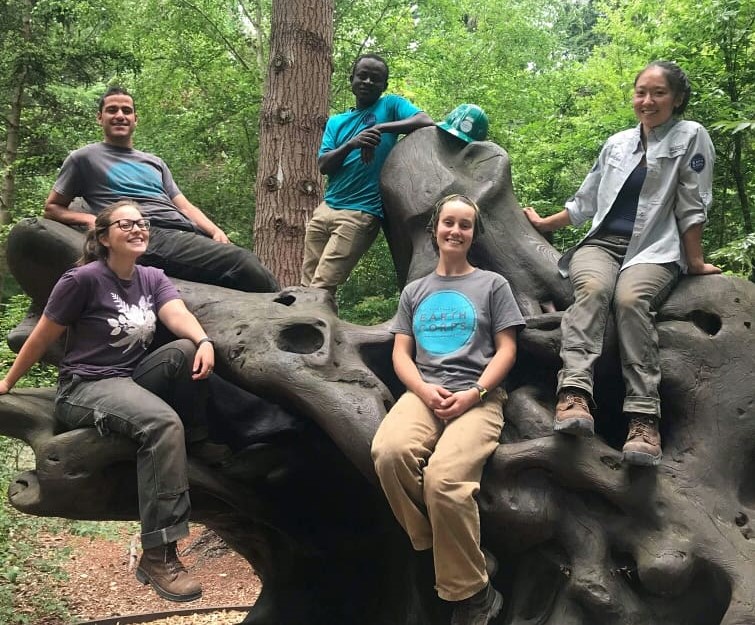
We did some quality control measures making sure that water run-off properly when it rains. After the project, we took our time to navigate the garden for some plant identification and took a picture with a masterpiece architectural wood design donated to the garden some years back.

As the crew safety officer, I always make sure I read out the Job Hazard Analysis. Listing and discussing the project hazards and preventive measures to be taken to reduce the risk of injury or illness.

I must not forget to state that the garden contains four State Champion trees like the Tanoak (Lithocarpus densiflorus), mutant Tanoak (Lithocarpus densiflorus ‘Attenuato-dentatus’), striped-bark maple (Acer davidii), and Chokecherry (Prunus virginiana). It also contains various rare trees of interest, including Caucasian Spruce, Brewer’s Spruce, Chilean fire tree (Embothrium coccineum), and Eucryphia glutinosa.

It is evident that this garden will forever blossom with proper care, maintenance and monitoring it enjoys from its caretakers. People will forever have a wonder to see and something to learn at this evergreen ecological botanic garden. The Kruckeberg, no doubt, have registered their name in the lips of present and future generations that benefit from this space.

By Alabede Surajdeen (Environmental Restoration International Exchange Fellow at Seattle, Washington, USA; @BabsSuraj; alabedekayode@gmail.com)

Spill destroys over 50 fishing settlements in Bayelsa community

0

The Oil and Gas Producing Areas Enlightenment and Empowerment Initiative (OGPAEEI), an NGO in Bayelsa State, says over 50 fishing settlements have been destroyed by the recent oil spill in Aghoro 1 and 2 communities.

Oil spill pollution
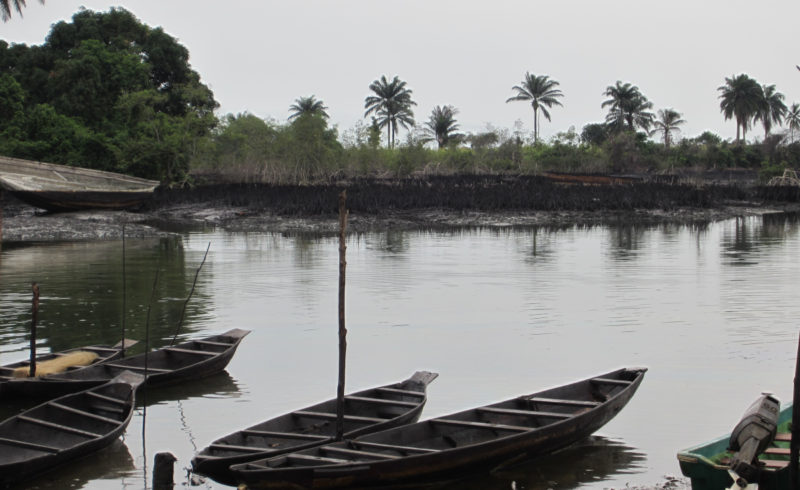
A water body in the Niger Delta polluted by crude oil

Aghoro is hosting an oilfield operated by Shell Petroleum Development Company (SPDC) in Ekeremor Local Government Area of Bayelsa.

Aghoro 1 and 2 settlements were affected by a spillage from SPDC pipeline network in the area on May 17, 2018.

Dr Anapunere Awoli, spokesman of the NGO, told the News Agency of Nigeria (NAN) in Yenagoa, the state capital, on Friday, July 6 that about 10,000 fishing nets, sources of water and farmland with crops were also adversely impacted and damaged.

Awoli, who spoke on behalf of the President of the group, Mr Jackson Igbabiri, said that the most affected communities were those in Aghoro 1, including Famous Ama, Garden of Eden, Aya Ama, Azatitor and Birigbene, among others.

“From the assessment we conducted on the incident, we found out that about 10,000 fishing nets, over 50 fishing settlements, farmlands including coconut farms, plantain and water yam farms were impacted by the spill.

“Some of the fishing settlements in the area are Amasese, Idolo, Semetiegbe, Yoba, Agoloudu, Ama Iyorodtugbene, and Isun Adofeye camp, among others.

“We are calling on SPDC to urgently provide alternative sources of water like borehole for the people; the people are also in dire need of medical aid and food items; the situation can lead to public health challenges if not taken care of.

“Let me once again commend the state government officials for their visit to the affected communities; it is very encouraging that the state government is sensitive to the plight of the victims; the show of empathy is plausible,” the spokesman said.

NAN recalls that the Bayelsa Government, led by the Deputy Governor, Gboribiogha Jonah, had visited the impacted sites and enjoined Shell to apply standard practice to avert a recurrence.

In a separate interview, His Majesty, King Enimikem Famous, the traditional ruler of Famous Ama Community in Aghoro, described the incident as “unfortunate” and urged the Federal Government, Shell and other well-meaning Nigerians to come to their aid.

Famous expressed dissatisfaction over the suffering of his people due to oil spillages, adding that the adverse effects on human health were worrisome.

“We have suffered too much of spills; our people have suffered from several illnesses such as cholera, severe cough and infertility caused by the type of water we consume,” he said.

Reacting to the incident, Dr Alice Aje, Manager, Stakeholder Relations at SPDC, said the oil firm was responding to the spill incident and sought the understanding of the community.

She described the spill as “regrettable and unfortunate”, adding that efforts were underway to convene a joint investigative visit with community representatives to probe the cause of the spill.

By Christian Ogbonna

How drug abuse threatens future generations, by Soyinka

0

Nobel Laureate, Prof Wole Soyinka, has said that drug abuse and trafficking could spell doom for Nigeria unless sustainable effort is made to transform the mindset of the nation’s future generation.

Wole Soyinka
Prof Wole Soyinka

Soyinka made the submission in Lagos on Tuesday, June 26, 2018 in a goodwill message during the Global Youth Action Day celebration in Nigeria, organised by Vision of the Child, a non-governmental organisation. The programme was held with funding from the European Union and coordination by the United Nations Office on Drugs and Crime (UNODC).

According to Soyinka, drug abuse and trafficking “constitute two major concerns that have acquired critical dimensions in modern society all over the world and threatens especially disastrous consequences for a society such as ours.”

Soyinka, represented by a Trustee, Jahman Anikulapo, also expressed his regret that, owing to adverse circumstances, the highly successful modes of cultural involvement by Vision of The Child would not take place this year.

He said, “We must however endeavour to make such transformative exercises a permanent feature in one form or the other. Society should not lose a channel for raising awareness on those impediments to the emergence of a healthy, focused and participatory generation. Your enthusiastic and creative envisioning of a future that many of us constantly wish would manifest itself even today, must remain an integral part of direction seeking for adult society.”

Seventeen change makers received awards at the Vision of the Child event and, according to the Executive Director, Foluke Debbie Michael, the Vision was conceived in 2011 under the leadership of Professor Wole Soyinka.

“We started the narrative of bringing up young Nigerians that will lead change in the future. Our main object is to see the next 15, 20 years of Nigeria with some of these young change makers are leading change with integrity,” said Michael.

She said the Vision of the Child took a new turn this year “because a topic needed to be treated. For us to raise new leaders, we don’t want them to be polluted. A lot of the youth and even children in Lagos are already using drugs.

“They went around schools, listen to the students and we realised that there is one thing apart from corruption that will kill creativity, which is drug. This realisation led to collaborate with the European Union and the UNODC.”

At the event in Lagos, 17 female students emerged as change makers that worked on the Sustainable Development Goals (SDGs). They came up with 17 creative ideas and solutions to the drug problem, which they presented to the audience. “Each of these students approached the solution and the presentations from the angle of global good.”

The UNODC’s Project Officer, William Wu Shiyin, said the UN organisation assists member states to fight against drugs and crime, trans-national crime and terrorism. They also assist in anti-corruption and threat to national security.

He said each year they usually came up with a theme to celebrate the Anti-drug Day on June 26, stating that this year’s theme is “Listening to the Children and the Youth”. This is “because we think childern and youth are the future of our world.”

A top official of the Lagos State Ministry of Youth and Social Development, Mrs. Williams, who represented the Commissioner, Bola Dabiri, said they held a programme, about a week ago, titled “Kick Against Drug Abuse”.

She said: “The drug abuse pandemic has really eaten into the fabric of the nation and every hand needs to be on deck. I ask myself about the theme ‘Listen First’ and wonder who is doing the listening? Is it the parents or is it the youth?”

She urged parents to listen to the youth and “their body language, check their bags, look at their bodies for marks, check their lips to see if they are darker which could be a sign that they are smoking or drinking things.”

The youth, she said, also need to listen to their parents, assuring the youth that no parent would mislead their children. “Your parents should be the first people you run to when there is trouble and not your peer groups. Your peer group is like you mate; I don’t see how they can know better than your parents. You should try and make your parents your best friends.”

Poor water supply blamed on undue politics, population growth

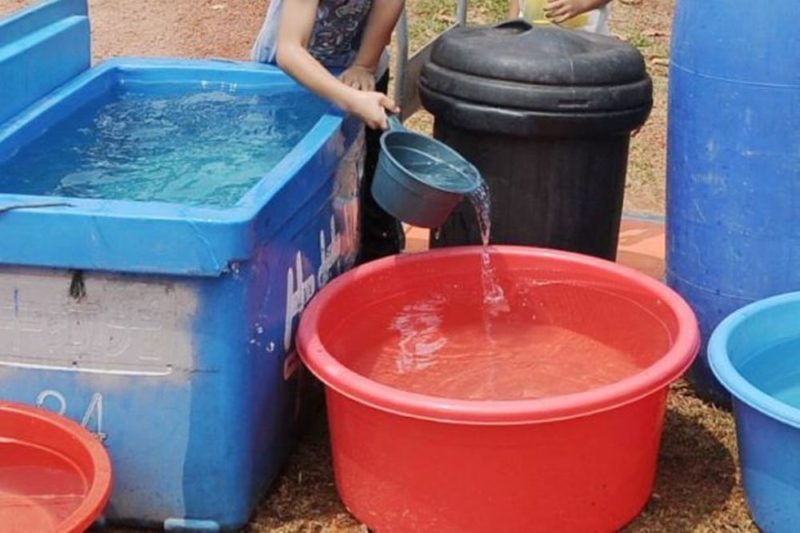
The Africa Water Association, a group of water non-governmental organisations in Africa, has blamed the inability of governments in the region to provide potable water for the citizens to politics and population growth.

Water-rationing
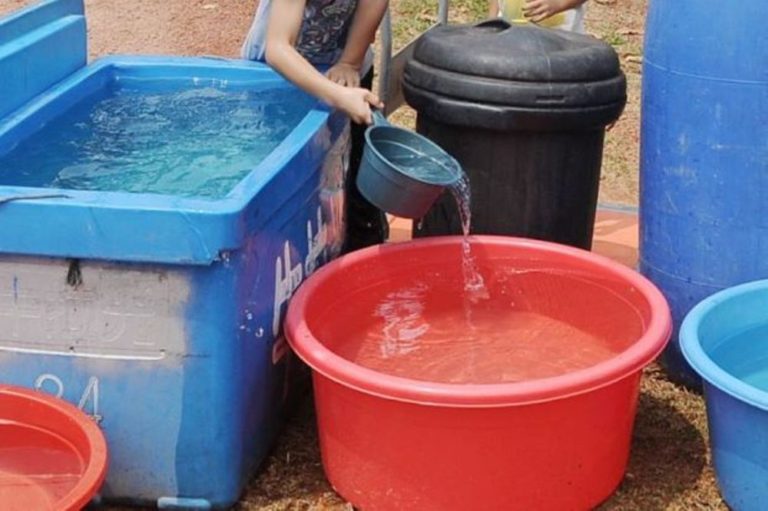
Water rationing

Mr Sylvain Usher, the Executive Director of the association, made the observation in Abuja on Friday, July 6, 2018 while speaking with News Agency of Nigeria (NAN) on side-lines of the International Conference of the Nigerian Water Supply Association.

He underscored the need for African countries to put in place sound policies that would meet the needs of their increasing population, saying that as the countries’ population expanded, resources correspondingly became scarce.

He said that political leaders ought to realise that access to water was a basic right of the citizens, adding that issues relating to water supply should not be politicised as a mere campaign promise.

“We must realise that there must be equity in expanding the people’s access to water; it is the right of everyone to have access to potable water; so, we must stop the politics around the provision of water,’’ he said.

Usher noted that a glaring paradox in the region was that Africa had no fewer than 5,400 cubic metres of renewable freshwater resources, while only four per cent of the water stock was used.

He said that the impact of climate change on existing water resources had already manifested in dwindling water resources, desertification, flood and drought in some regions; calling for deliberate interventions to mitigate the impact.

Usher said that the sustainability of poverty reduction programmes was currently threatened by climate change, adding that growing urbanisation had put a lot of pressure on Water, Sanitation and Hygiene (WASH) facilities.

“We must also begin to address the impact of population growth on water resources because by 2025, Lagos and Kinshasa will be the most densely populated cities in the region.

“The long-term effect of climate change will lead to water scarcity and ageing water utilities, among others,’’ he added.

On the way forward, Usher called for increased political will in efforts to develop and improve the water supply sector, saying that this should involve stronger collaboration among the three tiers of government in that regard.

He called for improved budgetary allocation to the WASH sector, saying that the poor access of the people to water and sanitation had negative impact on public health, thereby threatening human productivity.

NAN reports that the theme of the International Conference of the Nigerian Water Supply Association is: “Transforming Urban Water Supply and Sanitation Utilities into Financially Viable Entities’’.

By Tosin Kolade

Town planner makes case for national physical development plan

0

Former Chairman, Lagos State Chapter of the Nigerian Institute of Town Planners (NITP), Mr Makinde Ogunleye, has identified lack of a defined national physical development plan as a hindrance to economic development.

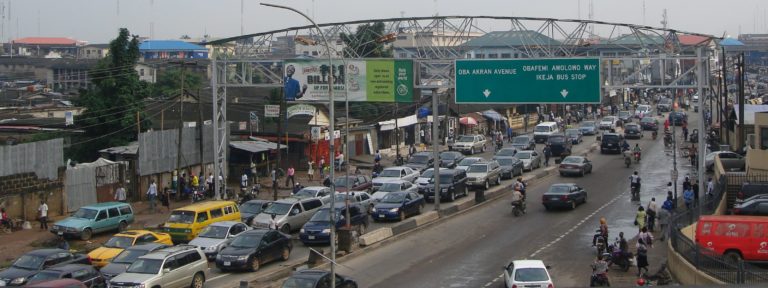
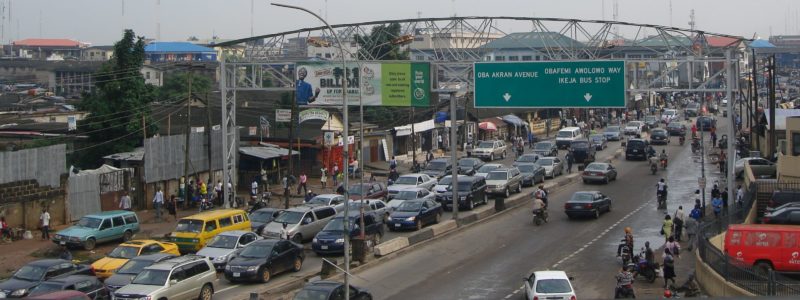
Ikeja lagos
Oba Akran Avenue, Ikeja, Lagos: A physical development plan would foster economic development of a city like Lagos

Ogunleye told the News Agency of Nigeria (NAN) in Lagos on Friday, July 6, 2018 that Nigeria needed a defined physical development plan to guide developments across states.

According to him, a development/project plan gives an overview of what is being required to embark on a project and how to execute it to have good results.

He claimed that governments had approved projects that had no feasibility study on how or when to be executed, due to lack of the plan.

The former chairman urged establishment of a functional regional plan at the local government level, sub-regional plan at the state level, and a master plan for cities.

Ogunleye said that the plans would foster economic development of the country.

“A physical national development plan will reveal the region of the country suitable for what purpose.

“Development plan provides directives on what are needed for a project and even the best time of the season to carry it out.

“A defined project plan is grossly lacking in our administrative system, and that is the major reason it became difficult for the government to execute and accomplish given projects,” he said.

He regretted lack of strict compliance to master plans in many Nigerian cities, and urged the Federal Government to direct cities, states and local governments to get appropriate development plans.

“Through a project plan, the government will be able to announce a project and predict when it will be accomplished.

“With this, it will be known by all citizens, and citizens will be able to approach government in respect of the project if the government fails to accomplish it within the specified period.’’

The ex-chairman added that the plan would serve as a guide to successive governments and enable them to start from where previous administrations stopped.

By Lilian Okoro

Agro firm partners pig farmers on energy generation from waste

0

A France-based agro firm, Cooperl Arc Atlantique, on Friday, July 6, 2018 said it would partner Oke-Aro pig farmers on energy generation from farm wastes, by applying the French model.

Pig farm
A pig farm

A Director of the firm’s Cote d’Ivoire branch, Mr Francois Teillet, told the News Agency of Nigeria (NAN) in Lagos during an interactive session with pig farmers at the farm Estate in Ogun State.

Teillet said that the company had recorded successes in generating biogas from wastes got from pig farms in France.

According to him, it is a profitable venture for farmers because they will have the opportunity to make money from all the wastes gathered.

“Profits from waste are huge. Oke-Aro pig farm is the largest in Africa, and when you consider the waste generated daily, nothing has been done to utilise it for energy generation.

“Cooperl wishes to introduce our pig waste to biogas model that will ensure that farmers continue to make profit across all the pig value chains.

“It has worked for the company in France and we believe it will give a better result here in Nigeria.

“Also, we have introduced the same process in Cote d’Ivoire, and it has been successful,” Teillet said.

The director said that the company was planning to establish a hi-tech slaughter house at the pig farm estate, among others across the value chain.

Teillet said: “For now, we are on the final stages of establishing a hi-tech slaughter house in Nigeria, for the availability of wholesome pig meat for consumption.”

According to him, Nigerian pig farmers are in for a jolly ride after the programmes materialise across the pig value-chains.

Mr Femi Malomo, Managing Director of No1 PigFan Nigeria Limited, said that the visit of Cooperl was apt, since pork meat was becoming popular as best source of protein.

Malomo, who is also a consultant and partner with Cooperl, said he would not associate with the French firm if the partnership between the company and pig farmers would not be profitable.

“I will not associate myself with Cooperl if I know that they will not help to develop the sector.

“Cooperl is in Nigeria for the proper handling of pork, and to help farmers to become more productive in the field.

“It is a good and healthy partnership, and we hope that farmers will give the necessary support needed,” Malomo said.

Mrs Olumide Jibodu, a pig farmer, was excited at the plans to manage wastes at the farm, since that was a major challenge.

Jibodu said: “I am particularly happy with the firm for the plans to help us on waste management, in respect of generating alternative energy.

“This is a big farm, and the amount of waste daily is very huge. That is an area that does not get the desired attention it deserves; so, this is a new lease,” she said.

NAN reports that Cooperl currently ranks number one in France and number six in the world for pig farming and production.

In 2016, Cooperl recorded a turnover of Euros 2 billion.

By Itohan Abara-Laserian

Stakeholders call for behavioural change towards use of public toilets

Stakeholders in the environment sector have called for a positive behavioural change towards the use of public toilets across the country to boost community hygiene.

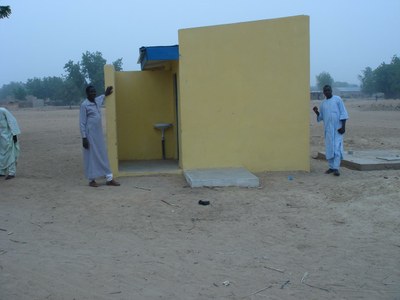
public toilet
A public toilet

The stakeholders made the call in different interviews with journalists on Friday, July 6, 2018 at an awareness campaign organised for school pupils in Abuja.

The event, which was organised by Toilet Kulture Initiative, a non-governmental organisation, has “Promote Change in Attitude towards Public Toilets in Nigeria’’ as its theme.

Mrs Else Ozika, one of the organisers of the campaign, underscored the need to improve the state of public toilets across the country.

She said that the campaign was particularly aimed at changing the attitude of Nigerians toward the use of public toilets and drawing the attention of the authorities to the bad state of most public toilets.

Ozika stressed that public toilet users should always be mindful of the fact other people were coming to use the toilets after them.

She urged toilet users, owners of public buildings as well as cleaners to always ensure that toilets were kept clean and functional always.

She expressed the willingness of her organisation to work with other stakeholders to ensure that public toilets were kept clean and hygienic.

Also speaking, Mrs Ezinne Nwanyoma, a public health specialist, said that a lot of diseases in the society could be prevented with the people’s behavioural change towards the use public toilets.

She said that dirty toilets had a lot of environmental and health implications, adding dirty toilets were filthy sights and could aid the spread of viral and bacterial diseases.

Nwanyoma blamed the poor and unhygienic state of public toilets on the unwholesome habits of some users and the lack of steady water supply in some neighbourhoods.

She stressed the need to put toilet facilities in place across the country, while ensuring that competent persons were engaged to properly manage the toilets.

She said that everyone had a role to play in the proposed public toilet system to enable Nigeria to achieve the Sustainable Development Goals (SDGs), particularly those aimed at ending open defecation by 2030.

Nwanyoma said that Nigeria currently ranked third among the countries with the highest level of open defecation in the whole world.

She called for the initiation policies and campaigns that would promote good manners in public places and in the society at large.

In his views, Mr Nadu Karimu, a parent of one the pupils, said that the deplorable state of public toilets across the country “shows that we are far behind as a country.”

He stressed the need for the people to imbibe a new culture that treated toilets as inalienable part of their residences.

“We need to redefine our culture, not just with regard to public toilets but also in relation to private toilets,” he said.

Another stakeholder, Mr Sam Obafemi, underscored the need for everyone to be involved in the campaign for clean toilets.

He urged Nigerians to promote the cleanliness of their toilets and extend the habits to others in their neighbourhoods.

He said that although most public toilets were not in good condition, a positive change could be achieved if all Nigerians became staunch advocates for clean toilets and environments.

A pupil, Joshua Jitobo, said: “I have learnt how to promote good hygiene, especially in the toilet, so that I can grow to become a good Nigerian in the future.’’

Aisha Idris, another pupil, said: “I have learnt how to keep the toilet clean to prevent infections and how to take responsibility in the cleaning of toilets.

“When I grow up and if I can afford it, I will build public toilets for my village and teach the villagers how to keep the toilets clean,” she said.

By EricJames Ochigbo and Okon Okon

Governments asked to regulate industrial pollution, legislate on tree planting

0

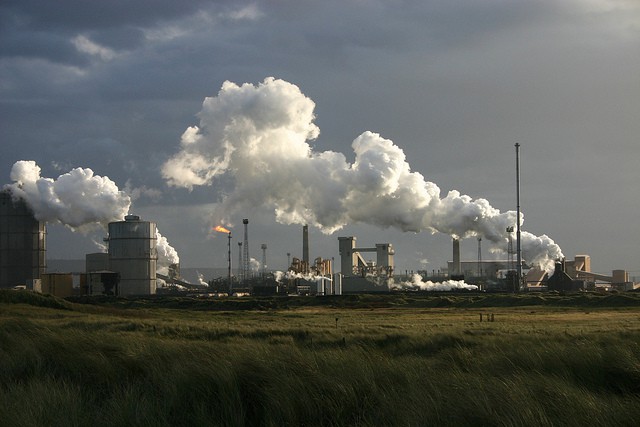
An ecologist, Mr Habib Omotosho, has urged the Federal Government to regulate industrial pollution to combat climate change.

Industrial pollution

Omotosho, the National Coordinator, Environmental Advancement Initiative, an NGO, gave the advice in an interview with News Agency of Nigeria (NAN) in Abuja on Thursday, July 5, 2018.

Similarly, an environmentalist, Mr Rasheed Lawal, has told the Lagos State House of Assembly to enact a law to compel individuals and corporate bodies in the state to plant trees.

Lawal, who suggested this in an interview with NAN in Lagos on Friday, July 6, said that tree planting was crucial in securing Lagos as a mega-city.

“Legislation should be enacted to encourage planting of trees, especially in the new settlements in Lagos State,’’ he argued, pointing out that planting of trees would “sink” greenhouse gases, produced by regular activities in the state, which is cited as Nigeria’s most populous city and economic hub.

Omotosho said the government must swing into action as cement, textile, petrochemicals and other manufacturing industries were responsible for major emissions in the country.

He also said that the power sector needed to be fully decarbonised to achieve a climate-safe future.
According to him, these industries must decarbonise as a matter of priority.

“Around 300 million children currently live in areas where the air is toxic – where the air they breathe exceeds international limits by at least six-fold.

“This puts the poorest and most vulnerable children at the greatest risk.

“Children are not the only ones who suffer from poor air quality. Reducing air pollution can help grow economies and combat climate change,” he said.

Omotosho urged the government to provide the enabling environment for the private sector to drive the production of affordable renewable energy in the country.

Lawal, Co-chair of the Advocate for Clean Climate and Environment group, said the number of people residing in Lagos was more than the available landmass in the state.

“Our population per landmass in Lagos State is one issue that has not been taken seriously. Kano State is heavily populated but the population per landmass is less, compared to Lagos State.

“This means that for every Lagosian that breaths out carbon dioxide, he takes oxygen and performs other anthropogenic activities that involve emissions of greenhouse gases.

“Lagos with more population per landmass should invariably get more trees,” he said, noting that tree planting should be taken up by government, corporate bodies and individuals.

“The government should enact a legislation to protect the already existing trees. So, trees should not be cut down without a permit or a levy being paid.

“Government should also embark on tree planting projects. This could be done on all the median of newly constructed roads, establishment of new parks with trees and creation of government reserves.

“Companies and industries should adopt tree planting projects as their CSR after all, they contribute to the problem of climate change and more.

“Individuals should also ensure that trees become a vital part of their homes. They should embrace street tree planting and protect the trees.

According to him, tree planting will balance the micro-climate in the environment and mitigate the effects of generator fumes and gas flares, emitting greenhouse gases.

“Trees create a micro-climate around areas where they grow. The farther you are from a tree the poorer the climate becomes in Lagos State,” Lawal said.

By Mercy Okhiade and Deji Abdulwahab