The Lagos State Government has called on youths to serve as environment guards to secure the state from environmental nuisance and health hazards.
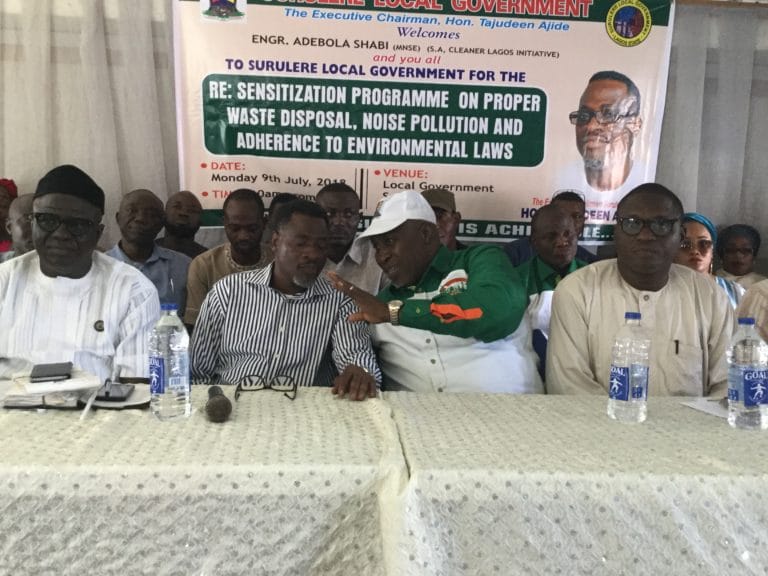
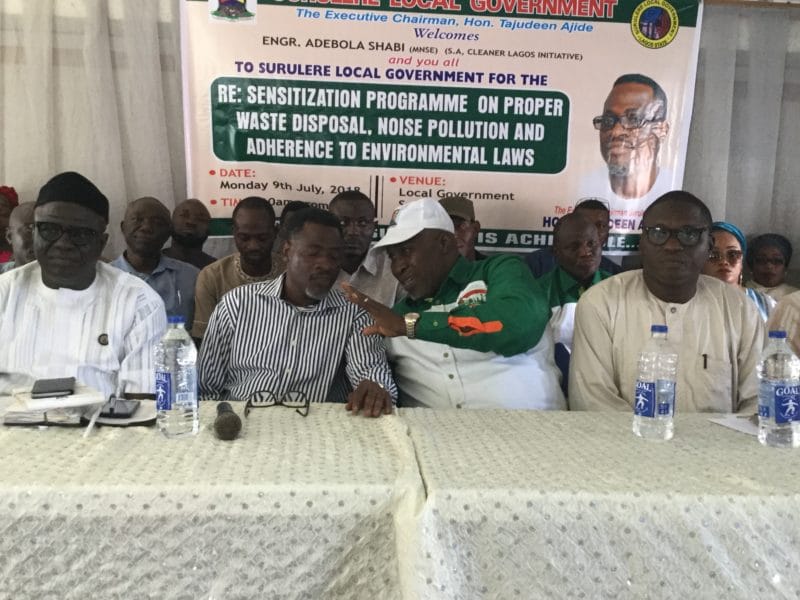
From Left Mr Tajudeen Quadri, SSA to Gov. Akinwunmi Ambode on Community Affairs; Mr Tajudeen Ajide, Chairman Surulere LGA; Mr Adebola Shabi SA to Ambode on Environment and Mr Adewale Dsumu, Secretary to Surulere LGA. Photo credit: NAN
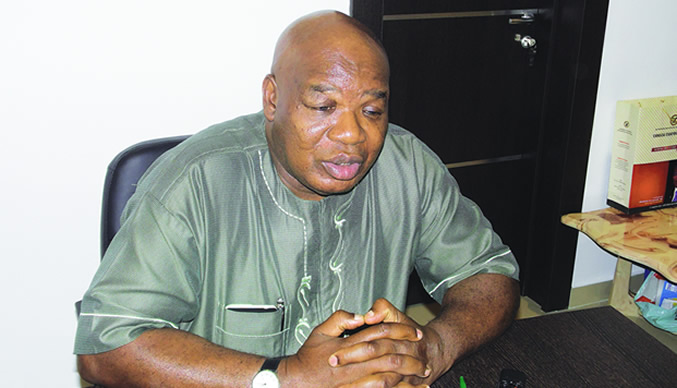
Mr Adebola Shabi, the Special Adviser to Gov. Akinwunmi Ambode on Environment, made the call at a sensitisation programme on proper waste disposal, noise pollution and adherence to environmental laws.
The News Agency of Nigeria (NAN) reports that the programme was organised by the Surulere Local Government Area.
Shabi said that youths should also engage in the clearing of waste in some black spots to achieve a clean environment and sustainable synergy at the grassroots.
The governor’s aide said that residents, especially youths should adhere to the environmental laws to achieve a healthy and sustainable environment.
“The state government should not be blamed for unclean environment; we need to have attitudinal change and change for improvement toward the environment.
“Surulere is one of the cleanest; we commend the council Head of Environment on his efforts toward evacuation of waste in the council area.
“We have to sustain the evacuation exercise; local government should start to engage environment guards, especially youths to ensure that waste is cleared in the area.
“Engage the youth is not by giving them money; make them environment guards and empower them to be useful to the state and themselves,” Shabi said.
He warned the residents against patronising scavengers and cart pushers, saying that they constituted nuisance to the society.
Shabi also urged the Supervisors for Environment in local government areas in the state to take full responsibility of educating and ensuring proper baggage of waste.
He encouraged the councillors to work together with the Cleaner Lagos Initiative to achieve a cleaner environment.
The council Chairman, Mr Tajudeen Ajide, said that there was need to continuously embark on sensitisation toward achieving environmental sustainability.
Ajide said that since inception of CLI, the council had been working in synergy to get involve in the daily evacuation of waste from within and around the council area and streets.
He urged the residents to ensure cleanliness of their environment and imbibe clean habit for a cleaner and healthier environment.
NAN reports that 2,000 waste disposal bags were distributed freely by CLI to residents at the event.
Director-General/CEO, Nigerian Meteorological Agency (NiMet), Prof. Sani Mashi, has been appointed into the International Advisory Board (IAB) of the West African Science Service Centre on Climate Change and Adapted Land Use (WASCAL).
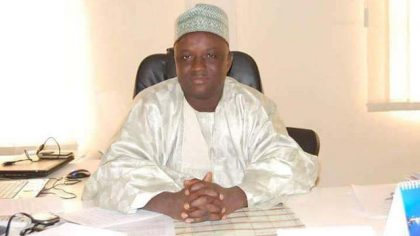
Director-General/Chief Executive Officer of NiMet, Prof. Sani Mashi
A statement by Mr Muntari Ibrahim, General Manager, Public Relations Unit of NiMet, on Monday, July 9, 2018 in Abuja, said the appointment is for a period of five years, effective from June 2018.
Ibrahim said that Mashi’s appointment into the advisory board would contribute to the achievement of its sole aim of strengthening climate-related research in the West African Sub-region.
He said that NiMet’s enormous impact in the sub-region seemed to be gaining traction and yielding positive fruits with the recognition and appointment of Mashi into the advisory board.
According to him, with this and many more, NiMet is not resting on its oars, as its motherly arm stretches towards other African countries by way of technical support.
Ibrahim disclosed that one WASCAL Doctoral Research Programmes on West African Climate System (DRP-WACS), was being hosted at the Federal University of Technology Akure.
He added that WASCAL project was a large-scale research-focused programme initiated to develop effective adaptation and mitigation measures to climate change.
According to Ibrahim, the role of the board is to serve as advisor to help facilitate students’ selection, curriculum development and review, lecturers’ selection and students’ research proposal review.
“The board will also ensure the quality of the programme and its regional character, as well as deal with any other matters assigned by authorities of the WASCAL programme.
“The geographical focus of WASCAL is on West Africa, with in-depth research in case study watersheds in Benin, Burkina Faso, Nigeria and Ghana.
“WASCAL is designed to help tackle the challenge of climate change in a view to enhance the resilience of human and environmental systems to climate change and increased variability.
“It does so by strengthening the research infrastructure and capacity in West Africa related to climate change and by pooling expertise of ten West African countries and Germany.
“The programme is funded by the German Federal Ministry of Education and Research (BMBF),” he said.
The National Emergency Management Agency (NEMA) on Monday called on governments and people of the southeast geo-political zone to engage in massive de-silting of drains.
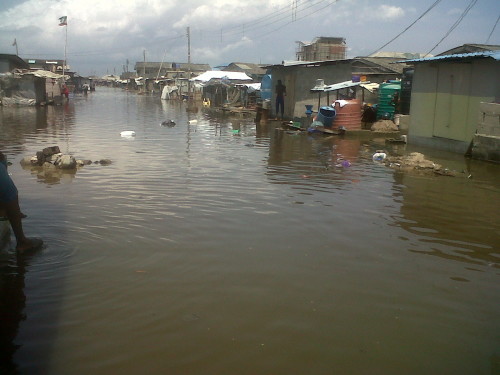
A flooded neighbourhood
Zonal Director of NEMA, Mr Walson Ibarakumo, gave the advice while speaking with the News Agency of Nigeria (NAN) in Enugu, Enugu State, on Monday, July 9, 2018.
Ibarakumo noted that opening of the drain would allow rain water to empty, easily into large volume of waters in the zone.
He stated that since the topography of most states in the zone were not stable by nature, the drain needed to be opened to allow free and fast flow of water to mitigate flooding.
“NEMA is also calling on government agencies and people to stop putting dumpsites close to drain.
“Most times, you see that refuse in dumpsites overflows and immediately spills over to nearby drain; thus, leading to flooding of the area due to total blockage of drain by refuse,’’ he said.
He also urged those living in low land areas that experience yearly water overflow or flooding to relocate and evacuate their property and children to safe areas.
NAN reports that NEMA had earlier warned of impending flooding in specific areas of Enugu, Anambra and Ebonyi States as forecast by National Hydrological Services Agency (NIHSA) and Nigeria Meteorological Agency (NiMET).
The agency explained that the heavy rainfall and storm being experienced in the states concerned were due to change in atmospheric conditions.
NEMA said it had started awareness in the affected states and would be conducting simulation with other relevant response agencies soon.
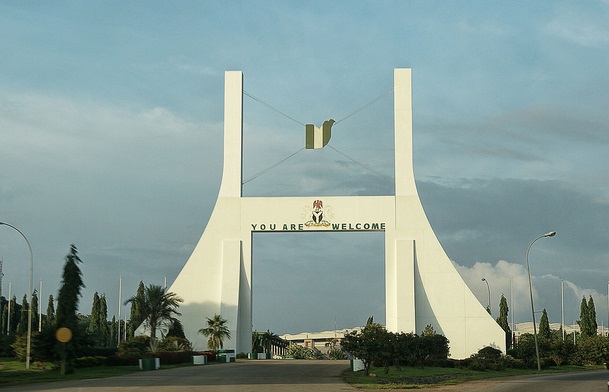
The Federal Capital Territory (FCT) Commissioner in the National Population Commission (NPC), Dr Daniel Kwali, has disclosed that Abuja, nation’s capital, is now the fourth most populous city in the country, going by the NPC’s estimates.
The Abuja city gate
Kwali stated this on Monday, July 9, 2018 in Abuja when he paid an advocacy visit to the FCT Minister, Malam Muhammad Bello, and to drum up support for the forthcoming World Population Day, scheduled for Wednesday, July 11.
According to him, FCT comes after Lagos, Kano and Ibadan. Of these three, FCT boasts the highest growth rate at 7.1 per cent, which indicates an imminent overtake of these cities in future.
Kwali also said Nigeria’s population was estimated to hit 450 million by 2050, indicating that it would surpass the U.S., whose current population is estimated at 326 million.
He noted that this would mean squeezing 450 million people in a space that is approximately twice the landmass area of California, only one of the 50 states of America.
Kwali also called on Nigerians, especially FCT residents, to take the issues of birth control and birth spacing seriously.
He stated that getting correct population estimates of FCT has been fraught with problems because of its peculiar growth patterns.
“This is as well as the huge dichotomy between the resident population and transient population – people who work in Abuja but leave the city every day for their places of abode,’’ he said.
According to him, these people put pressure on FCT facilities, but often travel to their hometowns during census periods.
FCT Minister, Muhammad Bello, who was represented by the FCT Permanent Secretary, Christian Ohaa, re-echoed the dangers of population outstripping natural resources.
According to him, the absence of reliable population estimate has denied FCT the necessary data to convince legislators for adequate budgetary provisions for the city.
Bello stated that raising children without making plans for them easily exposes the children to crime and deviant behaviours.
The minister called on NPC officials to take the message of responsible family sizes to the grassroots, especially through religious leaders.
He said FCT, as an emerging city, was witnessing the type of population increase that was very unusual for cities of its kind.
The minister called for concerted efforts to tackle the challenge to come to terms with the need for effective planning.
He pledged the cooperation of the FCT administration to NPC to enable it execute its mandate in the city.
“We would do everything within the ambits of the law to give the Commission all the necessary support it needs,” he added.
WaterAid says it is collaborating with the Permanent Mission of Nigeria to the United Nations to host a breakfast dialogue in New York on the nation’s State of Emergency declaration in the water, sanitation and hygiene sector
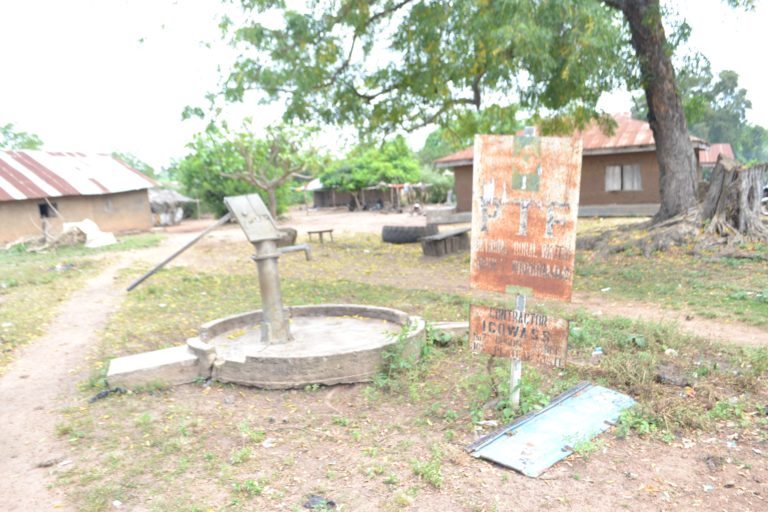
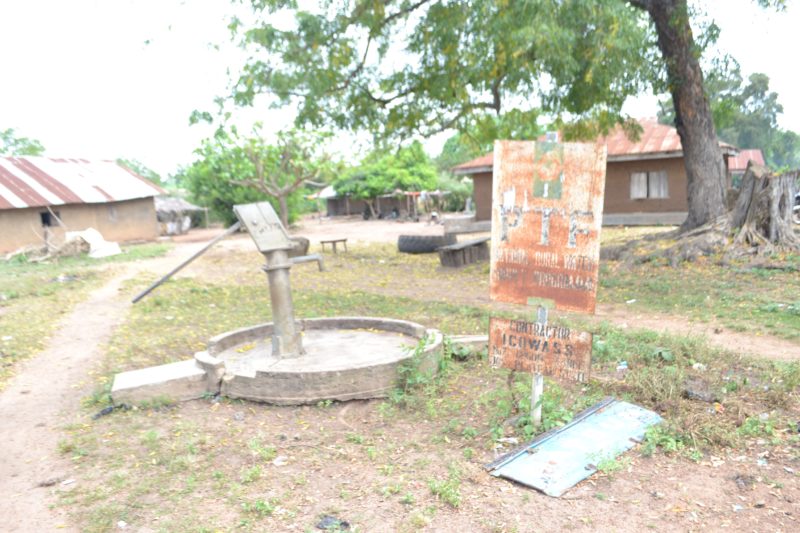
In Nigeria, 33% of people are said to be living without basic access to water. Photo credit: AMPLIFY/Awede Taiwo
In April 2018, the Federal Government of Nigeria declared a state of emergency in its water, sanitation and hygiene (WASH) sector. A welcome recognition of the urgency of WASH action in Nigeria, the state of emergency will encompass an 18-month period and usher in a 13-year revitalisation strategy for Nigeria’s WASH sector.
WaterAid Nigeria campaigned for and commended this step, calling on the Federal Government to complement this declaration with significant investment and financing needed to deliver on providing water and sanitation for all Nigerians.
As Nigeria takes this important step towards the achievement of Sustainable Development Goal 6 (Ensure availability and sustainable management of water and sanitation for all), the world’s governments will gather in New York at the UN High Level Political Forum, to take place from July 9 to 18, 2018. The 2018 HLPF, which will undertake the first global review of SDG6, offers an important space to galvanize urgent action to ensure that the human rights to clean water and sanitation are guaranteed for all and to share concrete examples of how efforts towards universal water, sanitation and hygiene can enable the achievement of the 2030 Agenda.
To support Nigeria’s step forward in WASH action by declaring a federal state of emergency and to take the opportunity of the SDG6 review to catalyse similar attention from other governments, WaterAid plans to co-convene an informal breakfast dialogue on the margins of the HLPF. Suleiman Hussein Adamu, Nigeria’s Minister of Water Resources, will attend this informal dialogue which will offer a significant moment to engage the UN delegations of Nigeria and neighbouring governments, along with donors and relevant civil society, towards urgent WASH action in the context of the achievement of the 2030 Agenda.
The breakfast dialogue also provides a space to highlight potential ways forward regarding the N30 billion fund recently proposed by Nigeria’s Ministry of Water Resources to address open defecation in the country and to encourage state governments to commit budget allocations for sanitation and hygiene.
The space of the UN HLPF offers the opportunity to connect representatives of the Federal Government of Nigeria with bilateral and other donors who might consider supporting this initiative, as well as with representatives of the Indian government who have achieved significant success in this area. At the suggestion of WaterAid India and the UN Resident Coordinator in India, the Permanent Mission of India has been invited to join the dialogue.
The Nigerian government must prioritise clean water, decent sanitation and good hygiene for people across the country, if Goal 6 – the provision of clean water and decent sanitation for everyone everywhere – is to be reached by 2030, WaterAid Nigeria has said. Without water, decent sanitation and good hygiene, other Sustainable Development Goals, including those on health, nutrition, education, gender equality and reducing inequalities cannot be achieved, the organisation added.
Across the world 844 million people still do not have access to clean water and one in three people still live without adequate sanitation facilities. In Nigeria alone 33% of people are currently living without basic access to water, while 67% of people do not have a decent toilet. On current progress, the promise to bring safe water and toilets to everyone by 2030 will not be met. While Nigeria is on course to have universal access to clean water by 2039, the percentage of the population with access to a decent toilet is dropping.
Without access to these basic amenities, men, women and children in Nigeria will remain trapped in a cycle of poverty and disease, while being denied their basic human rights to safe drinking water and sanitation, WaterAid warns.
WaterAid Nigeria says urgent action to finance water and sanitation, to integrate it with efforts on health, nutrition and other related development, and to make progress sustainable is essential to reach everyone, everywhere. Faster progress on all three will save lives, boost development and change the lives of billions of people living in extreme poverty globally. For every $1 spent on water and sanitation, on average $4 is returned in economic benefits.
Dr ChiChi Aniagolu-Okoye, Country Director of WaterAid Nigeria, said: “We are at a critical juncture in the fight to get clean water, decent sanitation and good hygiene to the people of Nigeria and across the world. Our Government must complement this state of emergency declaration with significant investment and financing needed to deliver on providing water and sanitation for all Nigerians.
“We know that if everyone, everywhere was able to access clean water, decent toilets and good hygiene, then we could help end the scourge of extreme poverty and create a more sustainable future. But we have act now to make this a reality. The Nigerian government must prioritise water, sanitation and hygiene – the basic building blocks of any prosperous community – ensuring proper financing is put in place to build a more sustainable country today and for future generations. The people of Nigeria will be watching.”
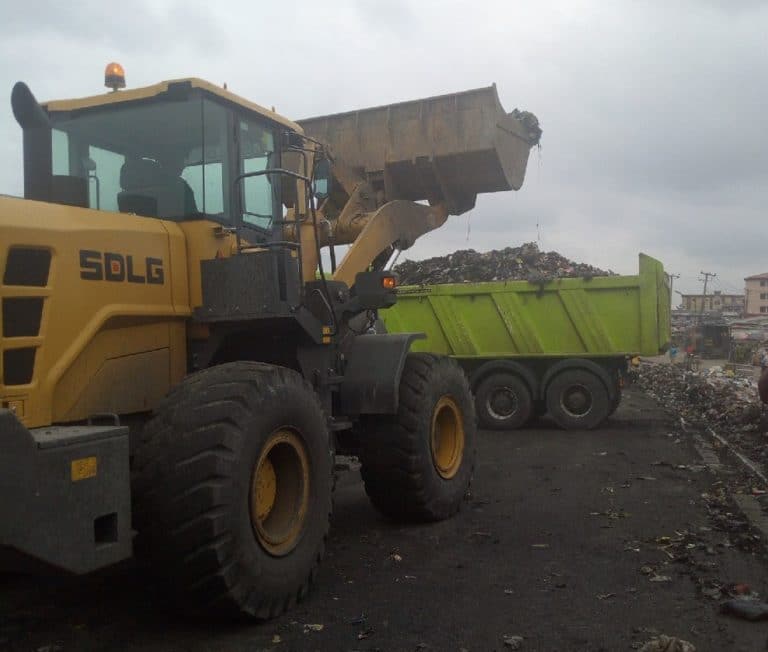
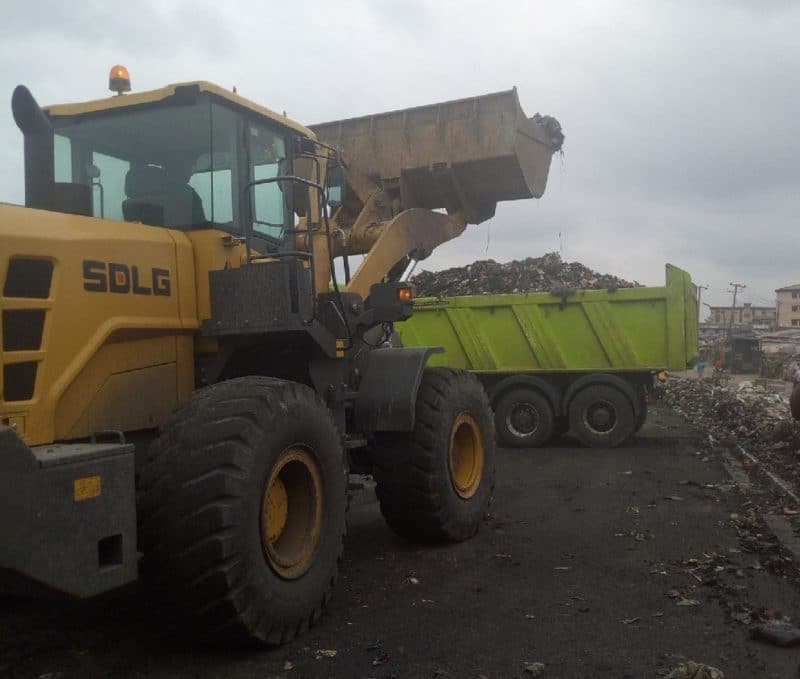
The Lagos State Ministry of Environment on Saturday, July 7, 2018 mopped up an illegal dumpsite at Coconut Area of the Apapa axis in the bid to ensure a cleaner and healthier environment.
The cleaning exercise
During the clean-up, the Commissioner for Environment, Mr Babatunde Durosinmi-Etti, said that the black spot had been in the area for over a year.
Durosinmi-Etti said that the mop up of refuse on the Apapa axis of Oshodi Expressway was necessary because of the hazard it posed for the residents of the environment.
He said that the mop up would last for five days, after which bins would be placed at strategic locations in the area.
According to him, the ministry is in collaboration with stakeholders to ensure a sustainable environment, after the clean-up.
“There is a proliferation of trucks in the area, which has been a major problem in Lagos State over the last one year.
“This has led to an accumulation of waste and it has constituted hazard to the communities and residents around this area.
“Virtually, what has accounted for this is the inaccessibility of the zone by refuse trucks, because of traffic caused by trucks parking along the road.
“We are also working with the Ministry of Transportation to see how there can be a traffic ingress and exit for refuse trucks coming to pick these bins.
“This is important because we need to look at sustainability. We are working with volunteers from truck owners and volunteers from the communities,” he said.
Alhaji Abdullahi Inuwa, the State Vice Chairman of the Nigerian Association of Road Transport Owners (NARTO), said that the association was working to provide mobile toilets, to ensure that its members did not defecate in the open.
“We are very happy about the clean up because a clean environment is an access to good health. That is why we are collaborating with the Ministry of Environment on the clean-up.
“We thank the Ministry of Environment for coming to mop up the place in spite of the difficulty in accessing the road,” Inuwa said.
He said that the association had constituted a committee that would ensure the environment was kept clean.
According to him, the committee will also ensure that the ministry has access whenever it wants to come for evacuation of refuse in the area.
The Secretary of Ibafon Market, Alhaji Rafiu Oga, said that the refuse had caused havoc for them and all efforts by the market to evacuate it proved abortive.
Oga said contrary to insinuation, the market women and men were not actually the ones dumping refuse in the illegal area.
“We have given the commissioner assurance that we are going to monitor the environment because we already have a committee,” he said.
The Lagos State Government has sealed a building located at Coconut bus stop in Apapa area of the metropolis for environmental infraction.
The Lagos State Commissioner for Environment, Mr Babatunde Durosinmi-Etti
The Corp Marshal, Lagos State Environmental Sanitation Corps (LAGESC), ACP Daniel Isiofia, said during the sealing on Saturday, July 7, 2018 that the environment of the building was dirty.
Isiofia said that there were faeces in the drainage and ship machine abandoned in front of the building for two years, which all portend health hazards.
He said that the occupants of the building located on No 2, Egbayelo Street, Olodi Apapa were served abatement notice two weeks ago.
“They were served abatement notice two weeks ago when the Commissioner for Environment came here and up to now they did not remove it.
“The gutter is dirty, they pass faeces inside it, which is health hazard.
“His Excellency, Gov Akinwunmi Ambode wants a cleaner and healthier Lagos, he wants to turn Lagos from a megacity to a smart city.
“So, we must make them see reasons that it is for their health, and since they refused to imbibe that act of cleanliness, the house is sealed till the infraction is removed and they report back to the Ministry of Environment.
“If we see that they have actually done the right thing, the Commissioner will order the reopening,” Isiofia said.
He said that from January to date, LAGESC had arrested and taken to court 1,500 persons for environmental infractions.
The News Agency of Nigeria (NAN) reports that some buildings along the Coconut area were given abatement notice on Saturday, with an ultimatum to clear the environment of abandoned vehicles and machines by Monday, July 9.
The Commissioner for Environment, Mr Babatunde Durosinmi-Etti, said that the abandoned vehicles and old machines constituted a lot of nuisance to residents.
Durosinmi-Etti said that they could also constitute security issues, as they might become hideout for criminals.
“Residents are obliged by law to keep their environment clean. There is defecation inside the drainage, this is unacceptable by the government and we can’t keep quiet when we see such.
“The issue of abatement notice is to ensure that residents complied to environmental laws.
“Lagos State government has zero tolerance to waste and dirty environment and over the past months, there has been advocacy campaign on that,” he said.
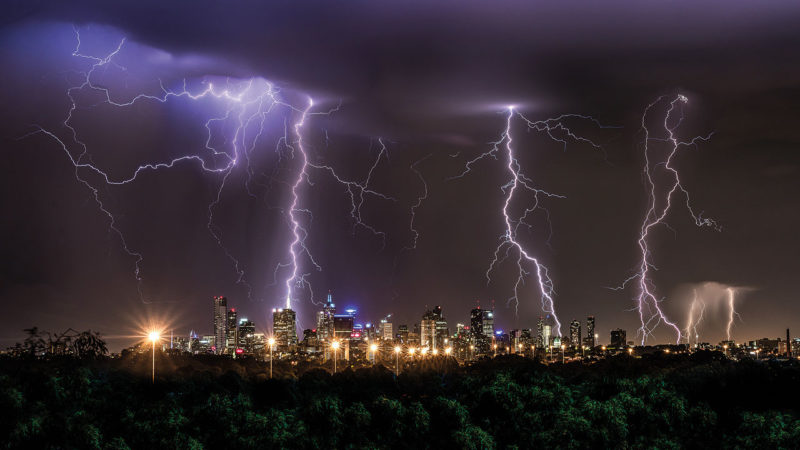
The Nigerian Meteorological Agency (NiMet) has predicted cloudy skies over the central states of the country on Monday, July 9, 2018 with prospects of rains over Abuja, Bauchi, Gombe, Jos, Jalingo, Niger, Yola and Kaduna cities.
Thunderstorms
NiMet’s Weather Outlook by its Central Forecast Office in Abuja on Sunday also predicted day and night temperatures in the range of 27 to 33 and 17 to 24 degrees Celsius respectively.
It added that localised thunderstorms were probable over the region in the afternoon and evening period.
The agency predicted southern states would experience cloudy conditions over inland cities with intermittent rains over the coastal cities in the morning hours.
It also predicted prospects of thunderstorm and rains over the region in the afternoon and evening hours with day and night temperatures in the range of 28 to 32 and 20 to 23 degrees Celsius respectively.
According to NiMet, Northern States will experience thunderstorms with cloudy morning over Maiduguri, Nguru and Potiskum, with day and night temperatures of 30 to 36 and 20 to 25 degrees Celsius respectively.
“Later in the day, thunderstorms are expected over Maiduguri, Nguru, and Potiskum axis, while the entire region is likely to be cloudy.
“There are indications of increased cloudiness with prospects of intermittent rains and thunderstorms over the country within the next 24 hours,” NiMet predicted.
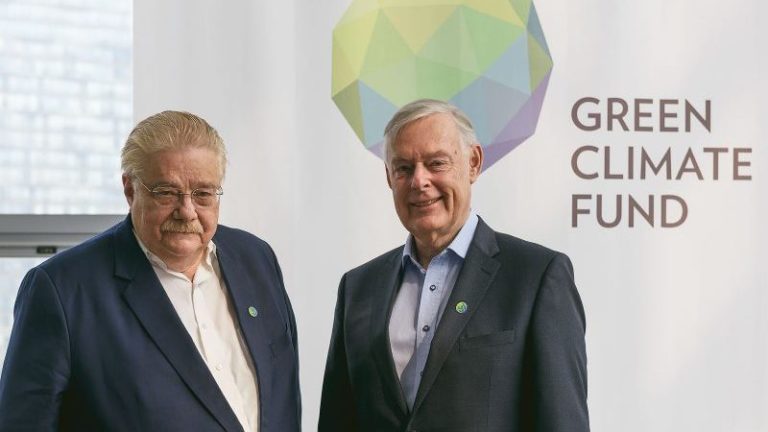
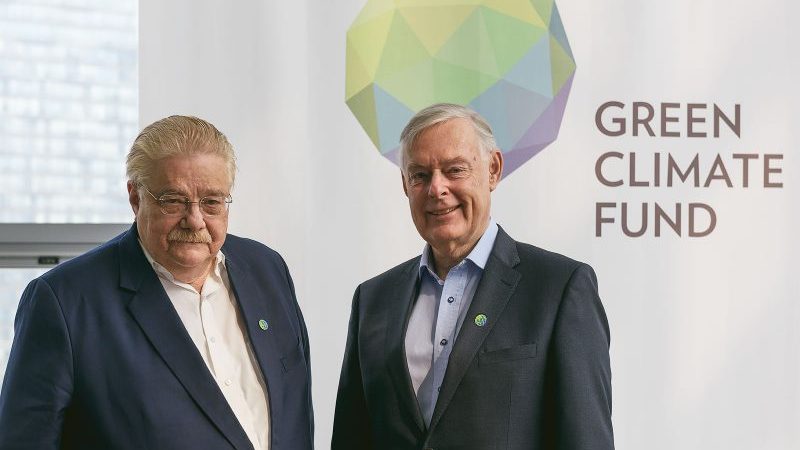
The 20th meeting of the GCF Board ended on Wednesday, July 4, 2018 in Songdo, South Korea, following four days of challenging and difficult discussions between Board members. The Board meeting was Chaired by Lennart Båge, in the absence of Co-Chair Paul Oquist.
The Board meeting was Chaired by Lennart Båge (right), in the absence of Co-Chair Paul Oquist
Whilst positive decisions were made on important issues, such as a financial plan to manage the Commitment Authority of the Fund as it approaches replenishment, the Board was not able to add to its portfolio of 76 projects. Nor was the Board able to reach consensus on new policies in support of its investment criteria, or to add new partners as Accredited Entities.
The Chair expressed his regret to the observer organisations, Accredited Entities and other stakeholders that travelled to Songdo.
“This has been a very difficult and disappointing Board meeting for all of us, but most importantly for those people who are most vulnerable to climate change impacts, and who depend on the activities of the Fund.”
“The Co-Chairs will reflect on this meeting, with the aspiration to ensure that our next meeting is more productive and that we reach our vision to operate as one Board, acting together in support of climate action.”
“Whilst the results of the meeting are disappointing, we should not overlook that the Fund has a strong portfolio of transformational projects, with many already under implementation in support of the climate ambition of developing countries.”
At the end of the meeting it was announced that Howard Bamsey, Executive Director of GCF, is stepping down with immediate effect.
Responding to the announcement, Båge stated, “I would like to express my profound gratitude and thanks to Howard for the exceptional job that he has done as GCF Executive Director since his appointment in October 2016. Howard has successfully guided the Secretariat through a period of rapid growth into a professional, highly-competent staff of nearly 250, based here in Songdo.
“Howard’s dedication and commitment has been instrumental in speeding-up the implementation of the GCF portfolio, with 30 projects worth $1.4 billion now under implementation in support of climate action in developing countries. I would like to put on record my personal thanks to Howard for the support he has provided to me and my fellow Co-Chair Paul Oquist in 2018 and wish him well for the future.”
The Board has now commenced the process for the appointment of a new Executive Director.
Former Vice-Chancellor of the Federal University, Lokoja, Kogi State, Prof. Abdulmumini Rafindadi, says that out of 102,000 cases of cancer recorded annually, 72,000 patients die.
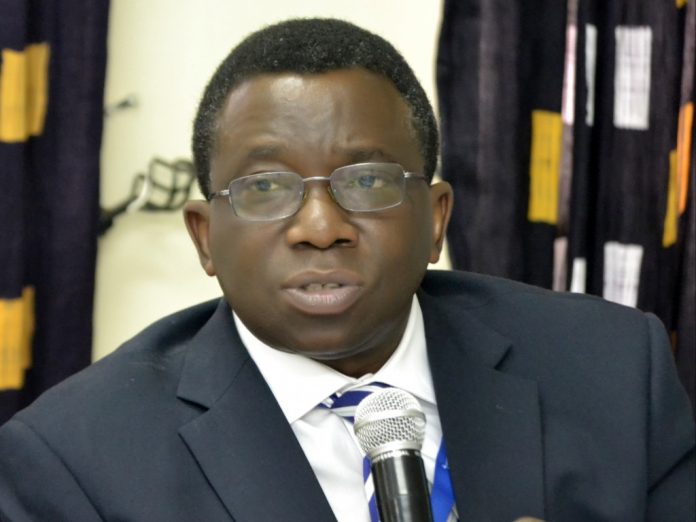
Minister of Health, Isaac Adewole
Rafindadi, a Professor of pathology at the Ahmadu Bello University, Zaria, made the disclosure at the 19th Annual General Meeting (AGM) of Islamic Medical Association of Nigeria (IMAM) in Birnin Kebbi, capital of Kebbi State, on Sunday, July 8, 2018.
He attributed the main causes of cancer to tobacco smoking and drinking of alcohol, among others, and for the fact that many cases of cancer were reported in the hospitals when they had reached 75 per cent to 80 percentage.
“Cancer causes dreaded mortality, emotional disturbances and loss of loved ones.
“Our habit, environment, diet, lifestyles, behavioural and economic factors cause cancer.
“Today, we have recorded about 102,000 cases of cancer annually while 72,000 patients die annually. We have 50 per cent of these figure to be breasts and cervical cancer,” he said.
The professor expressed concern over lack of medical equipment in few hospitals that specialised on treatment of cancer in the country.
“Nigeria has nine radiotherapy equipment while countries like Japan, Egypt, Sri Lanka and Pakistan have enough equipment to combat the dreaded disease.”
In his remark, the National President of IMAM, Dr Salish Ismail, said the association had provided free medical outreach to the less privilege communities in the country, especially the Internally Displayed Persons, (IDPs).
The said the outreach offered free surgery in cataract and Vesicovaginal fistula (VVF) patients among others.
Earlier, the Kebbi State Chairman of IMAM, Dr Umar Kangiwa, noted that cancer had eaten deep into the “fabric of societies.’’
“I, therefore, call on all stakeholders in the health sector, policy makers and members of general society to work together toward addressing healthcare challenges in Nigeria generally.
“I also appeal to all our members to remain resolute and be dedicated to professionalism, ethical practice, sacrifices and commitment to the health of our people and the larger family,” he urged.