Deputy Leader, Surulere Local Government Area, Lagos State, Mrs Barakat Bakare-Akande, has called on Lagos residents to strictly abide by sanitation laws of the state to avoid being sanction.
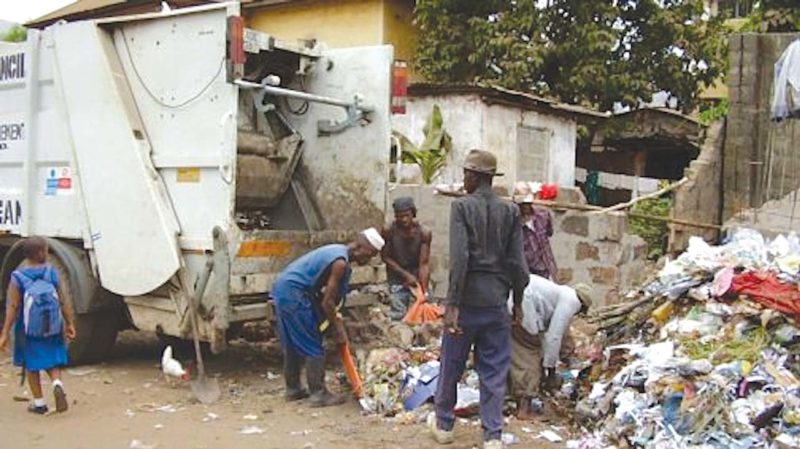
Lagos waste PSP operators at work. The deputy leader has called on Lagosians to stop paying the operatives
She made the call on Saturday, July 14, 2018 in an interview with the News Agency of Nigeria (NAN) in Lagos.
The deputy leader called on all residents of the area and Lagos in general to stop paying the Private Sector Participation (PSP) operatives.
She said that the residents were entitled to proper waste management services rendered by the state government.
She said the PSP operators have been collecting money from residents before carting away their refuses, describing such actions as “illegal”.
“That issue has been addressed by the state government as they have been asked not to collect a dime from residents, as they will be sanctioned if they don’t desist.
“We have someone monitoring their daily activities to know if they are carrying out their duties effectively.
“As we speak, there’s a synergy between PSP and the Cleaner Lagos Initiative (CLI) as they work hand in hand.
“Only few PSP have not registered with the Cleaner Lagos Initiative,’’ she said.
Barakat-Akande said that the CLI, which was an initiative of Gov. Akinwunmi Ambode, has been working hard toward making the state cleaner.
“All we need to do is to work hand in hand with them. They are trying their best to keep with standards.
“We just have to be patient with them, with time everything will be okay,’’ she said.
She also warned residents from patronising cart pushers, saying that they are the main causes of blocked drains and canals thereby causing flood when it rains.
“Cart pushers have been prohibited due to their inexperience skills in waste management, thereby causing environmental nuisance and health hazards through undue littering of dirt’s.
“We should stop encouraging them by giving them money to dispose our waste,” she said.
She also urged residents to always plant trees to beautify their environment.
An environmentalist, Mr Gafar Odubote, has called for legislation against blocking of drains and canals, saying it is immediate cause of flooding.
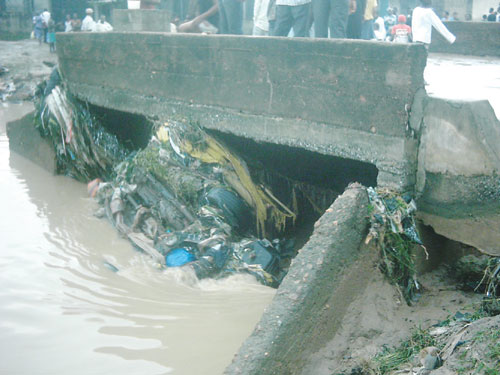
One of the major causes of flooding in Nigeria is blocked drains and canals
Odubote, a climate change activist, made the call in an interview with the News Agency of Nigeria (NAN) on Saturday, July 14, 2018 in Lagos.
He attributed the cause of flooding in the country to indiscriminate dumping of refuse that blocked drains and canal.
He, therefore, called on government at all levels to take preventive measures to address the problem.
“One of the major causes of flooding in Nigeria is blocked drains and canals basically.
“Plastics block drains and prevent water from running through the canal and waterways.
“We need to do more of preventive than corrective.
“One way to do the preventive is to come up with regulations that will stop people from disposing of wastes anyhow because that is the root cause of flooding in Nigeria,’’ Odubote said.
He also called for effective waste management infrastructure and for sanctions to be put in place against blocking of drains and canals with solid wastes.
“The government should put the infrastructure in place to tackle the root cause of the problem, because there will be flooding year-in, year-out if we do not tackle the root cause of the problem.
“Government should make a framework and sanction people.
“People just have trash blindness and they do not care what happens to the next neighbour.
“If the government, for example, the local government, has sanction in place to check house-by-house, building-by-building and impose a heavy fine on anyone whose surrounding is dirty, people will wake up.
“If residents can make sure that the drainage in front of their houses is clean, it is going to be fine for everyone.’’
It is the EarthCorps tradition to send volunteers to different parts of the state of Washington, executing different projects to have varying experience of the city’s ecological settings and culture. Adnane crew, which is one of the seven crews formed during the EarthCorps retreat, was saddled with the responsibility of executing an erosion control installation project at Edmonds.
Coir Fabric and Log (Erosion Control Site)
The city of Edmonds is in Snohomish County, Washington, the United States, named after George Franklin Edmunds, a U.S. Senator from Vermont. It is in the southwestern part of the county, facing Puget Sound and the Olympic Mountains to the west. The city is part of the Seattle metropolitan area and is located 15 miles (24 km) north of Seattle and 18 miles (29 km) southwest of Everett.
After the usual early morning circle up at EarthCorps office that starts at 7:30 in the morning, each crew departs to their place of primary assignment. Our task, as usual, is to first locate project site through the help of the crew’s navigator, using google map. This Monday morning was no different, as we went on the highway in search of Burton’s property which shares a boundary with the Hickman Park at Edmunds.
On getting to the site, the Project Manager, Bill, briefly did an overview of the project. We were made to understand that the erosion was initially caused by foot, bike traffic, and later water. Which resulted in making the site to erode and cause loss of vegetation.
To restore this precious land from erosion, we must stabilise the steep slope with coir fabric first, and then return in late fall to plant the site with different native species that will help in stimulating the soil.
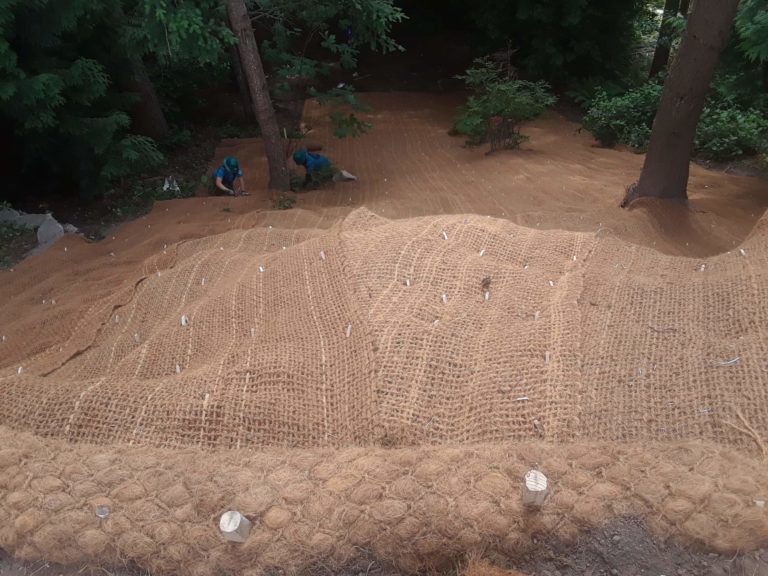
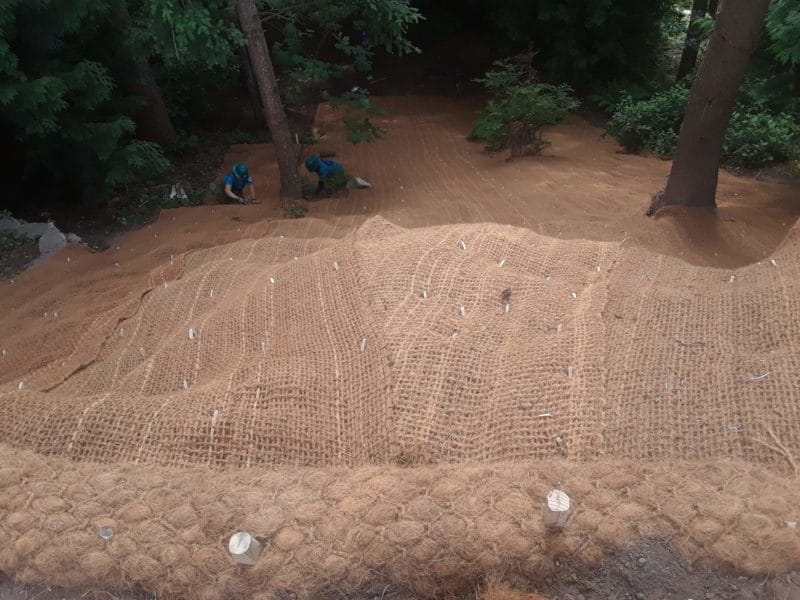
Abby and I dug a not too wide trench where coir log will later rest. Robyn and Emma attach the 700/900 coir fabric at the top of the slope and rolling it uphill, Adnane and Abby then install 12-inch wood eco stakes every 3 feet, we filled the trench partially with soil and started rolling the fabric downhill. One of the things we are conscious of is making the fabric has close contact with the soil to ensure its effectiveness in controlling erosion.
As we roll downhill, we make sure the coir fabric was staked down to the earth using 12-inch wood eco stakes, 2 inches in from the edges and every 3 feet in a diamond pattern. More so, we carefully placed the coir log in the shallow trench created at the top of the fabric and once the log is in place, I filled the trench with soil.
To have strong, tightly packed logs, we joined the ends of each log together with coir twine and use two by two by twenty-four-inch wooden stakes within 6 inches of each end. Five stakes were totally evenly spaced across the logs.
It was an educating and fascinating experience throughout the project execution. The team spirit is one that can’t be beaten because we so much understand each other and always work together to achieving the desired result.
Bill is a man with years of experience and working with him is a great privilege. We encountered different challenges and with his help, we were able to work out probable solutions. I would love to continuously work with this environmental guru so as to benefit more from his wealth of experience.
I wished to be a part of the crew that will carefully plant this area sometime around late fall. Nothing is more satisfying than being a part of an organisation that cherishes our environment by managing and restoring its lost value and also building global leadership in the process.
By Alabede Surajdeen (An Environmental Restoration International Exchange Fellow at Seattle, Washington, USA; @BabsSuraj; alabedekayode@gmail.com)
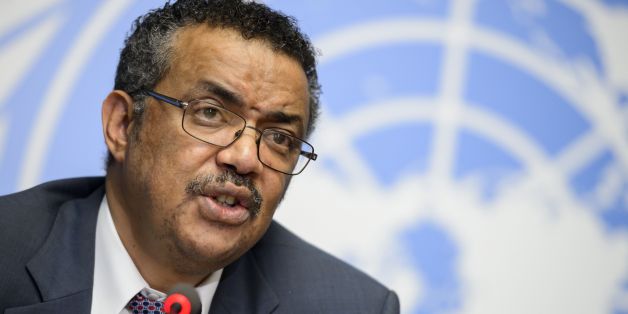
World Health Organisation (WHO) says it will continue to work to ensure that people everywhere in the world, especially in middle income countries, are able to obtain quality health services when and where they need it.
Dr Tedros Adhanom Ghebreyesus, Director-General of the World Health Organisation (WHO). Photo credit: AFP / FABRICE COFFRINI / Getty Images
The organisation said this in a New Joint Report released recently by it, the Organisation for Economic Co-operation and Development (OECD) and the World Bank.
In the report, the three world bodies stated that poor health services experienced in many parts of the world was holding back progress toward improved health of citizens.
They noted that the situation was worse in low and middle-income countries where 10 per cent of hospitalised patients often acquired infection during their stay as against seven per cent in high income countries.
The joint report stated that sickness associated with poor healthcare always imposed additional expenditure on families and health systems.
It indicated that there could be no Universal Health Coverage (UHC) without quality care, therefore, the organisations would continue to work to ensure improved health services around the globe.
The report stated that “today, inaccurate diagnosis, medication errors, inappropriate or unsafe clinical facilities or practices, as well as health providers who lack adequate training and expertise prevail in all countries.
“Research has found that healthcare workers in seven low-income African countries are only able to make accurate diagnosis one third to three quarters of the time.
“Clinical guidelines for common conditions are followed less than 45 per cent of the time on average, while research in eight high-mortality countries in the Caribbean and Africa found that effective quality maternal and child health services are far less prevalent than suggested by just looking at access to services.
“Just 28 per cent of antenatal care, 26 per cent of family planning services and 21 per cent of sick-child care across these countries qualified as ‘effective’, while about 15 per cent of hospital expenditure in high-income countries is due to mistakes in care or patients being infected while in hospitals.
“Although there is some progress in improving quality in survival rates for cancer and cardiovascular disease, the broader economic and social costs of poor quality care, long-term disability, impairment and lost productivity are estimated to amount to trillions of dollars each year.”
The report quoted the OECD Secretary-General, Angel Gurria, as saying that without quality health services, Universal Health Coverage would remain an empty promise.
Gurria said that the economic and social benefits were clear, hence countries needed to have stronger focus and invest in improved quality to create trust in health services and give everyone access to people-centred health services.
The report also quoted the World Bank Group President, Jim Yong Kim, as saying “good health is the foundation of a country’s human capital and no country can afford low-quality or unsafe healthcare.
“Low-quality care disproportionately impacts the poor, which is not only morally reprehensible but
economically unsustainable for families and countries.”
The three organisations, therefore, agreed that governments, health services and their workers, citizens and patients urgently needed to contribute their quota to improve healthcare quality.
They advised governments to lead the way with strong national healthcare policies and strategies while the health systems focused on competent care and user-experience to ensure confidence in the system.
They also advised that citizens be empowered and informed to actively engage in healthcare decisions and in designing new models of care to meet the needs of their local communities.
They urged healthcare workers to see patients as partners and commit themselves to improving and using data to demonstrate the effectiveness and safety of healthcare.
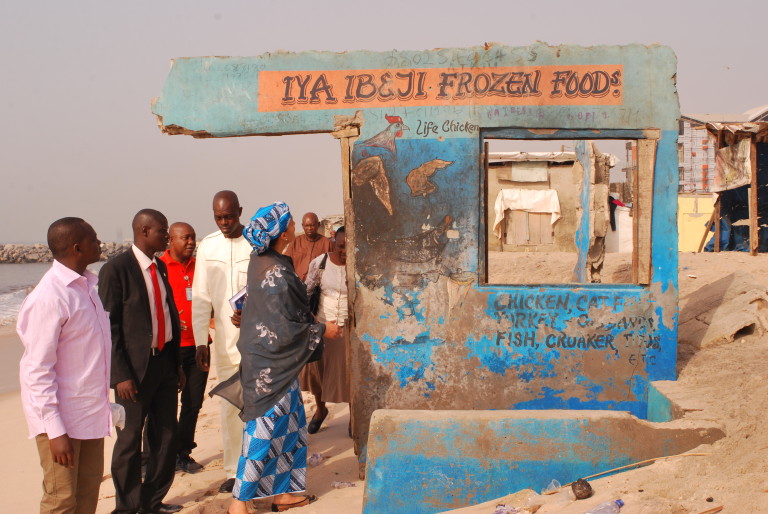
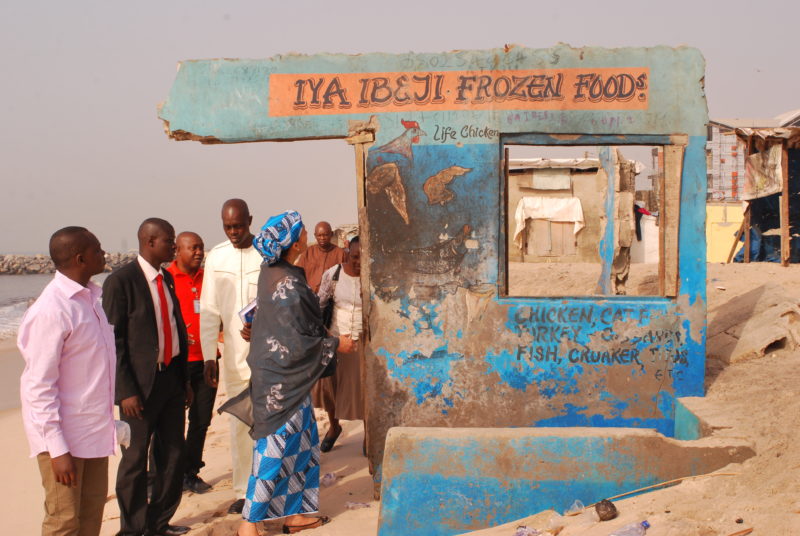
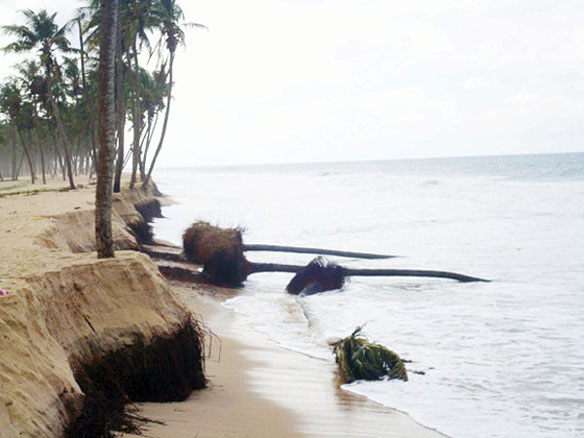
The Lekki Conservation Centre, head offices of the Nigerian Conservation Foundation (NCF), appears to be among numerous structures and choice real estate under threat in the Lekki-Victoria Island axis as the raging Atlantic Ocean mercilessly eats away the hapless Lagos coastline.
Images of coastal erosion in Lagos: Coconut trees fall and die as choice recreational beaches get eroded. Former Environment Minister, Amina Mohammed, beside the remains of a structure and community destroyed by coastal erosion at Alpha Beach, Lekki
Alarmed, officials of the NCF on Friday, July 13, 2018 appealed to the Federal Government to save the Lagos shoreline from being wiped out by coastline erosion.
NCF made the call at a media conference in Lagos on the dangers of a fast-eastward ocean current eating up several metres of land daily on the Lekki-Victoria Island axis.
NCF’s chairman, Chief Ede Dafinone, said several coastal communities had been washed away and that if nothing was done, the axis would be underwater by 2030 and the whole of Lagos by 2050.
According to him, the problem of coastline erosion started during the colonial era when groins were created to protect the wharf at nearby Apapa.
He said the impact caused a backlash on the Lekki axis, causing an overflow of the Bar Beach, but that the Eko Atlantic City Project later protected the Bar Beach, but forcing the problem further downstream.
He said the Lagos State Government began the construction of groins around the Eko Atlantic City and Bar Beach towards Elegushi Beach to solve the problem.
He explained that the state government had taken the initiative to erect over 15 groins that effectively protected and replenished the coast for up to 14 kilometres.
“It costs about N1 billion to construct one groin and Lagos States Government’s inability to continue the project in the last 18 months suggested that they were overwhelmed by the problem,” he said.
While making a video presentation, Dr Joseph Onoja, NCF Director, Technical Programmes, said that, by mid-2011, the Eko Atlantic Project protected the Beach but that the problem moved eastward between 2015 and 2016.
He, therefore, stressed the need for the Federal Government to urgently move in to protect the shorelines to ward off the fast ocean currents worsened by climate change and other human activities.
“It took only 24 hours for a whole community to be wiped off in Kuramo Beach. Other countries are protecting their shorelines and we in Nigeria must do same,” he warned.
Director General of NCF, Dr Muhtari Aminu-Kano, appealed to the Lagos State Government and the Federal Government to protect the shorelines as far as the Escravos to avert disaster.
“The immediate solution is for Lagos to take the groins construction all the way to Escravos.
“We are appealing to the managers of the ecological funds to look in the area of these shorelines in Lagos,” he said.
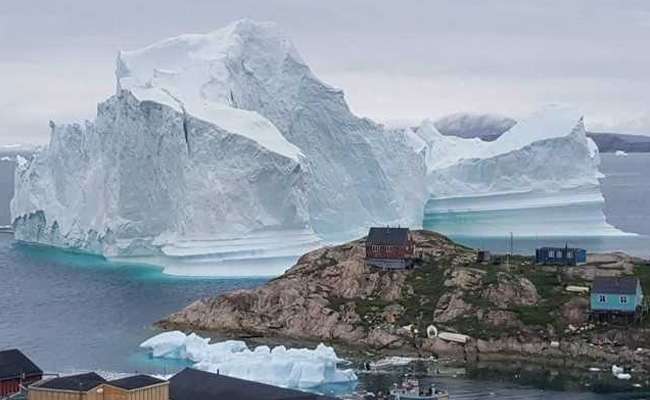
An iceberg, the size of a hill has drifted close to a tiny village on the western coast of Greenland, causing fear that it could swamp the settlement with a tsunami if it calves.
The iceberg towers over houses
The iceberg towers over houses on a promontory in the village of Innaarsuit but it is grounded and has not moved overnight, state broadcaster KNR reported.
A danger zone close to the coast has been evacuated and people have been moved further up a steep slope where the settlement lies, a Greenland Police Spokesman told the Media.
“We can feel the concern among the residents.
“We are used to big icebergs, but we haven’t seen such a big one before,’’ Susanna Eliassen, a member of the village council in Innaarsuit, told KNR.
The government and police are on high alert and have moved a search-and-rescue (SAR) helicopter closer to the remote village with about 170 inhabitants.
Last summer, four people died after waves swamped a settlement in northwestern Greenland.
The National Biosafety Management Agency (NBMA) says it is collaborating with Nigeria Customs Service, Nigeria Police Force and other relevant stakeholders to tackle unauthorised Genetically Modified Organism (GMOs) in the country.
Dr Rufus Ebegba, D-G of the National Biosafety Management Agency (NBMA), making his presentation
The Director-General of NBMA, Dr Rufus Ebegba, said this at a sensitisation meeting with journalists in Abuja on Friday, July 13, 2018.
Ebegba said that the agency had signed Memoranda of Understanding (MoU) with some of the agencies to assist it in efforts to enforce biosafety management laws across the country.
“As part of efforts to expand our monitoring and surveillance, the agency has signed various MoU with some sister agencies such as Voice of Nigeria, Standards Organisation of Nigeria, Nigeria Agricultural Quarantine Service, and National Seed Council.
“We are in the process of completing the MoU with Nigerian Customs Service, Varietal Release Committee and the Department of Veterinary and Pest Control Services of the Federal Ministry of Agriculture,” he said.
The director-general said that NBMA had also partnered with other organisations, locally and internationally, in its efforts to achieve its mandate of safeguarding human health and the environment.
“As part of our partnership efforts, we have interacted with INTERPOL and they gave us some working equipment to further enhance our work.
“We are also working very closely with the Nigerian Customs through the Nigerian Integrated Customs Information System, which would allow the agency to get prior notification before GMOs are imported into the country.
“This system will give the agency first-hand information whenever any seed or grain that is genetically modified is being brought into the country,” he said.
Besides, Ebegbe said that the agency would ensure that GMO products that had adverse effects on humans and the environment would not be allowed into the Nigerian markets.
In a related development, Mr Tope Akinsola, the National Coordinator, Real Life Global Humanitarian Foundation, an NGO, led a protest march to NBMA’s corporate headquarters in Abuja.
He advised the Federal Government not to condemn GMO products and called on the agency to promote biotechnology applications because of the benefits.
He said that as the population of the country kept increasing, the government should embrace agricultural biotechnology to boost food production in efforts to feed the nation.
The Kwara State Government says 105,000 houses in Ilorin will be connected under its tertiary water reticulation initiative.
Governor Abdulfatah Ahmed of Kwara State
Prof. Suleiman Adeyemi, the consultant in charge of the water reticulation project, made this known on Friday, July 13, 2018 in Ilorin, the state capital, while briefing newsmen on the status of the initiative.
He said N6.54 billion was spent on both the primary and secondary reticulation project, while N1.9 billion was budgeted for the tertiary reticulation.
Adeyemi listed the achievements of the project to include doubling the treatment capacity from 27,000 sqm to 105, 000 per day and construction of 4, 900per hour high and low lift pump.
He also cited the construction of 39 km new transmission, 44.15 km of principal distribution network and 26.75 km of secondary and tertiary distribution network.
The consultant, however, appealed to the people of the state to cooperate with the government in its effort to make water available in all the nooks and crannies of the state.
He added that the water project was not limited to Ilorin alone, adding that the project was going on in all the three senatorial districts of the state.
Adeyemi added that the various water works across the state were also undergoing rehabilitation to make water available to the people.
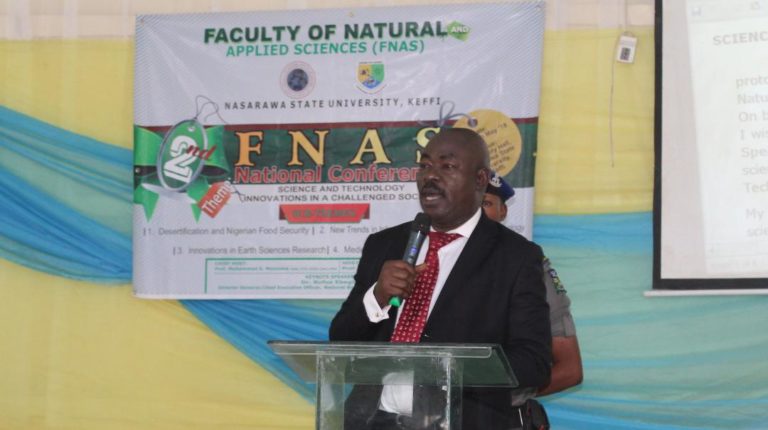
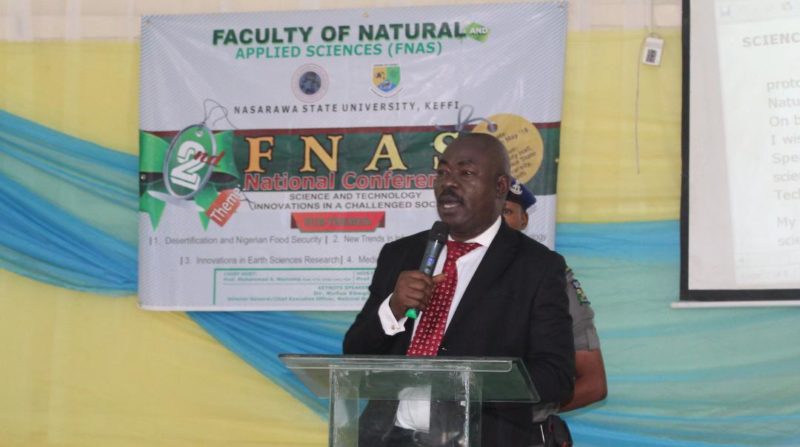
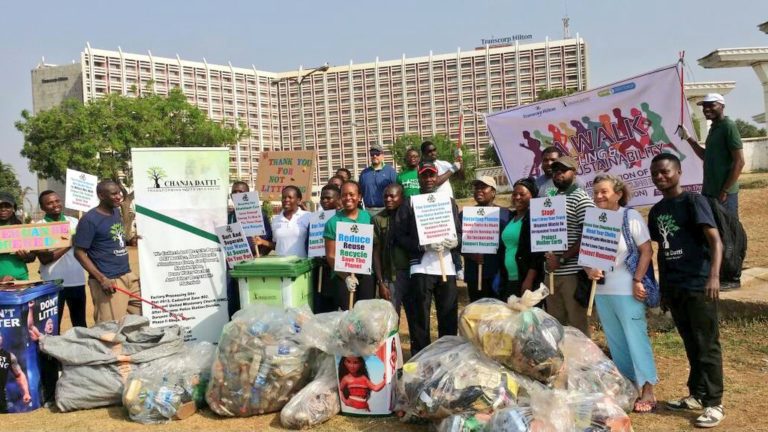
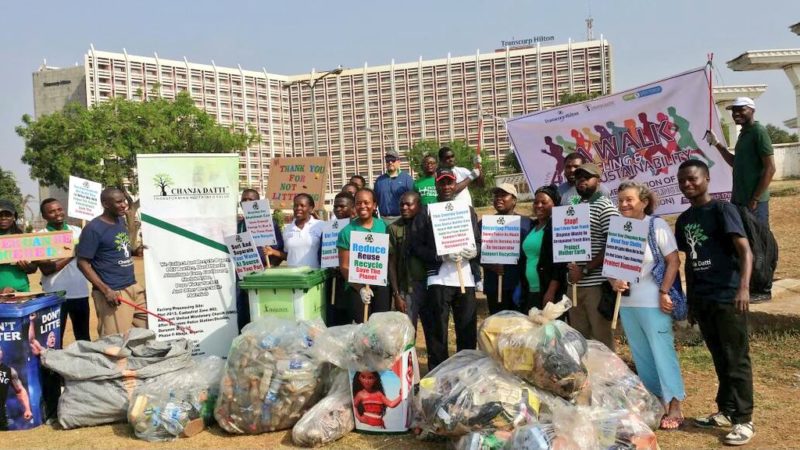
President, Association of Town Planning Consultants of Nigeria (ATOPCON), Mr Olaide Afolabi, says waste recycling is an efficient source of revenue generation and means to make the society green.
Participants at the Global Recycling Day event in Abuja
Afolabi made the submission in an interview with the News Agency of Nigeria (NAN) in Lagos on Friday, July 13, 2018.
He said that most of the materials and waste products that cause flooding in the country could be recycled.
According to him, some the waste materials that could not be recycled constitute hazards to the environment and should be banned from usage in the country.
He said that some countries had prohibited the usage of nylon and other materials that constitute hazards to the environment.
“Such decision should be taken in Nigeria because nylon constitutes about 70 per cent of residues that block the water canals, thereby causing flood.
“All drainage channels in the state have been blocked with recyclable residues.
Flood is a human-caused disaster which could be controlled if people become conscious of their environment,” he said.
Afolabi said that people would generate income if they could start sorting their wastes, especially the “PET bottles” papers, nylons, cans, among others, saying there were many resource merchants to buy them.
He said that most of the recycled items were exported by the resource merchants because many industries had not tapped from the use of recycled items.
“There are many ways recycled items can be used; they can be reused in the same industry that produced them and be used in the construction of buildings.
“For instance, somebody constructed three bedrooms using ‘PET bottles’ in Kaduna State, while another used the same PET bottles for the construction of school library,” he said.
Afolabi said these materials were available locally, wondering why people still lived in shanty buildings without proper planning, with poor indoor air quality and lack of network of drains.
“Even, where these facilities are available, how many people can afford to buy or rent such accommodation due to the high cost of construction?
“We have to be most conscious about the environment, especially as regards construction.
“For instance, how many of the so-called estates coming up in Lagos or even the Eko Atlantic are Green enough?
“Is there any estate in Nigeria today that runs solely on solar, inverter or wind turbine without a single generator? How many households in Nigeria today sort their wastes?’’ he asked.
The ATOPCON President urged government to encourage recycling of all kinds of waste products, saying that was a source of income and a major way to check the causative factors of flooding in the country.
The Director, Irrigation and Drainage, Federal Ministry of Water Resources, Dr Elijah Aderibigbe, has assured that the Federal Government will complete all abandoned water projects in the country.
Suleiman Adamu Kazaure, Water Resources Minister
Aderibigbe told the News Agency of Nigeria (NAN) in Abuja on Friday, July 13, 2018 that the step was necessary to see that previous investments in the sector would not be a waste.
According to him, huge sums of money have been invested in some projects, as their completion would be beneficial to all Nigerians.
He, however, noted that some projects had been phased out, as completing them would amount to economic waste, saying the present hectares in the country stood at 70,000.
‘‘The present administration is continuing from where the previous administration stopped, this means that we are not embarking on any new project for now.
‘‘We are looking at those projects that are near completion, we are looking at those ones that were abandoned and had reached advanced stages.
‘‘We are revisiting them; the Federal Government is providing money.
‘‘We have called the contractors back to site, so that the benefits will be enjoyed by all Nigerians, especially where the projects are sited.’’
The director said schemes such as the Mamu-Akwa in Anambra State and Sabke Irrigation project in Katsina State had been completed and handed over to the primary users through the river basins.
He said efforts were ongoing to convert the schemes in two sources of energy and to also see that issues of sustainability when it comes to operation and maintenance were settled.
According to Aderibigbe, the Shagari Irrigation project in Sokoto State is almost completed.
He said that some projects that were abandoned since the time of Petroleum Trust Fund (PTF) were being resuscitated to see that Nigerians benefit from the water infrastructure.
He commended the Federal Executive Council (FEC) for giving its blessings toward meeting the Revised Estimated Total Cost need for some abandoned projects through priority of attention.
He said irrigated agriculture practice was fast becoming an important sector in the economy.
According to him, this is not surprising because most of the populace rely on agriculture and agro-related activities for their livelihoods.
He, however, added that other benefits of irrigated agriculture include the value chain addition through marketing and transportation in food production.
‘‘The benefits are enormous, even under a farmer, many would be employed when irrigated agriculture works,’’ he added.
He urged Nigerians to take ownership of all water utilities, saying participatory irrigation concept would help to promote sustainability of projects.
He director advised the Water Users Association to play a huge role in maintaining water facilities.