Home Blog Page 1831

Nigerian Green Bond is world’s first fully-certified, says Mohammed

0

The Nigeria’s N10.69 billion Sovereign Green Bond issued on Dec. 18, 2017, is the world’s first fully-certified sovereign green bond, UN Secretary-General Amina Mohammed has said.
Amina Mohammed
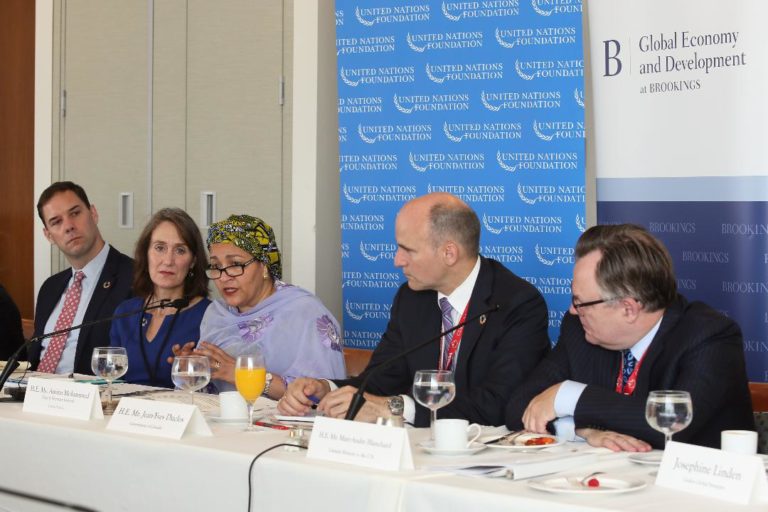
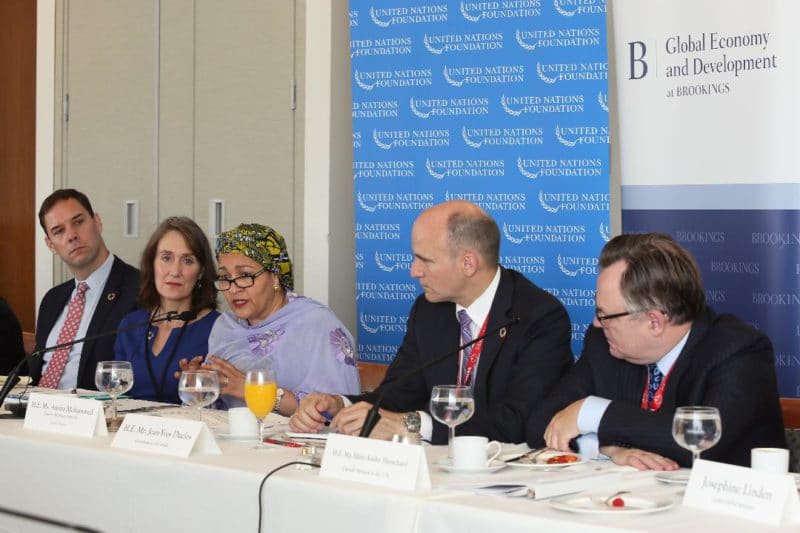
UN Deputy Secretary-General, Amina Mohammed, at the launch of “From Summits to Solutions”, a book on implementing the Sustainable Development Goals. She is flanked by Ms Elizabeth Cousens (right), Deputy President of UN Foundation; John Mcarthur, an editor of the book (2nd Right) and other top diplomats at the UN Headquarters in New York

Mohammed stated this on Monday, July 16, 2018 at the launch of a book: “‘From Summits to Solutions’: Innovations in Implementing the Sustainable Development Goals” at the UN headquarters in New York.

Green bonds, also known as climate bonds, are fixed income securities issued to finance projects that have positive impacts on the environment.

Nigeria was the first African country to issue a climate bond certified sovereign green bond, and world’s fourth sovereign issuer of green bonds

Mohammed, who is Nigeria’s immediate past Minister of Environment, is among the co-authors of the book’s 15 chapters, in conjunction with Simon Zadek, former co-director of UN Environment’s Inquiry on Sustainable Finance.

Chapter Three of the book entitled: “From Green Bonds to Sustainable Development: The Case of Nigeria”, was written by Mohammed, with Zadek, now of the UN Development Programme.

The chapter follows a unique narrative form in the book – it is told from the personal perspective of Mohammed, who served as Nigeria’s minister of the environment from November 2015 to February 2017.

In that role, the UN deputy chief collaborated with Zadek, and other colleagues to launch Nigeria’s first sovereign green bond, and they described many of the frontier issues tackled in that effort.

Their chapter offers a personal perspective on how Nigeria came to launch its first green bond as an innovative financing tool to tackle the country’s intersecting economic, social, environmental, and security challenges.

The UN deputy scribe said: “All the book’s authors deserve congratulations. Each chapter represents an important contribution to our thinking around capturing value, targeting places, and updating systems of governance.

“Let me also say how pleased I am that the volume’s opening contribution focuses on expanding women’s economic opportunities. It is important to remember women as an asset that are key to sustainable growth and development.

“The Nigerian Green Bond issuance experience is one such disruptive example.

“It is in fact the world’s first, fully-certified, Sovereign green bond, the topic of the essay I contributed to the volume launched here today, along with my co-author, Simon Zadek.

“Whilst the essay tells the fuller story, I want to highlight just a few points that I see as particularly salient to the sizeable challenge of realising the 2030 Agenda in a timely manner.

“Most directly, the green bond offered a new source of funds, front-loaded, to spend at the nexus between environmental protection, enterprise development (especially those that are women led) and Nigeria’s broader strategy of reducing its dependency on a fossil fuel intensive economy and contributing to its commitment in the Paris Agreement.

“The painful process helped us as a government to recognize our gaps and to take credit as sector for the hard-won agreement to have the Ministry of Finance ‘own’ the process and add the green bond to its balance sheet, was a means of engaging across the government in raising the importance of the nexus of green and economic success, and of strengthening the hand of the Ministry of Environment in cross-government strategic considerations and investments.

“More expansively, the process of developing and then issuing a green bond provided the opportunity for cross sector collaboration within government, opening partnerships and bringing awareness within the private financial community, including key capital market actors, of the opportunities that green investment present.

“In a nutshell, the green bond was a means of creating pathways towards the greater goal of engaging government and financial markets in the merits and opportunities associated with greening Nigeria’s economy, as well as being about raising some funds to invest in the here and now”.

Nigeria’s debut issuance of Green bonds was part of many efforts directed towards meeting its Paris Agreement on Climate Change’s Nationally Determined Contributions put at N142 billion by 2030.

The fully subscribed bond’s tenor is five years, and investors would receive a 13.48 per cent annual coupon, creating high expectations for the environmental projects linked to the government’s use of proceeds from the bond.

The UN deputy scribe said ‘Summits to Solutions’ provided cases we can learn from, not to replicate, but to draw insight as to how to advance practice in our own spheres of influence.

The launch of the book, edited by Raj Desai, Hiroshi Kato, Homi Kharas, and John McArthur, featured discourses by Deputy President of UN Foundation, Ms Elizabeth Cousens, ambassadors and representatives of Japan International Cooperation Agency and other UN partners.

By Prudence Arobani
Government begins construction of dykes to prevent flooding

0

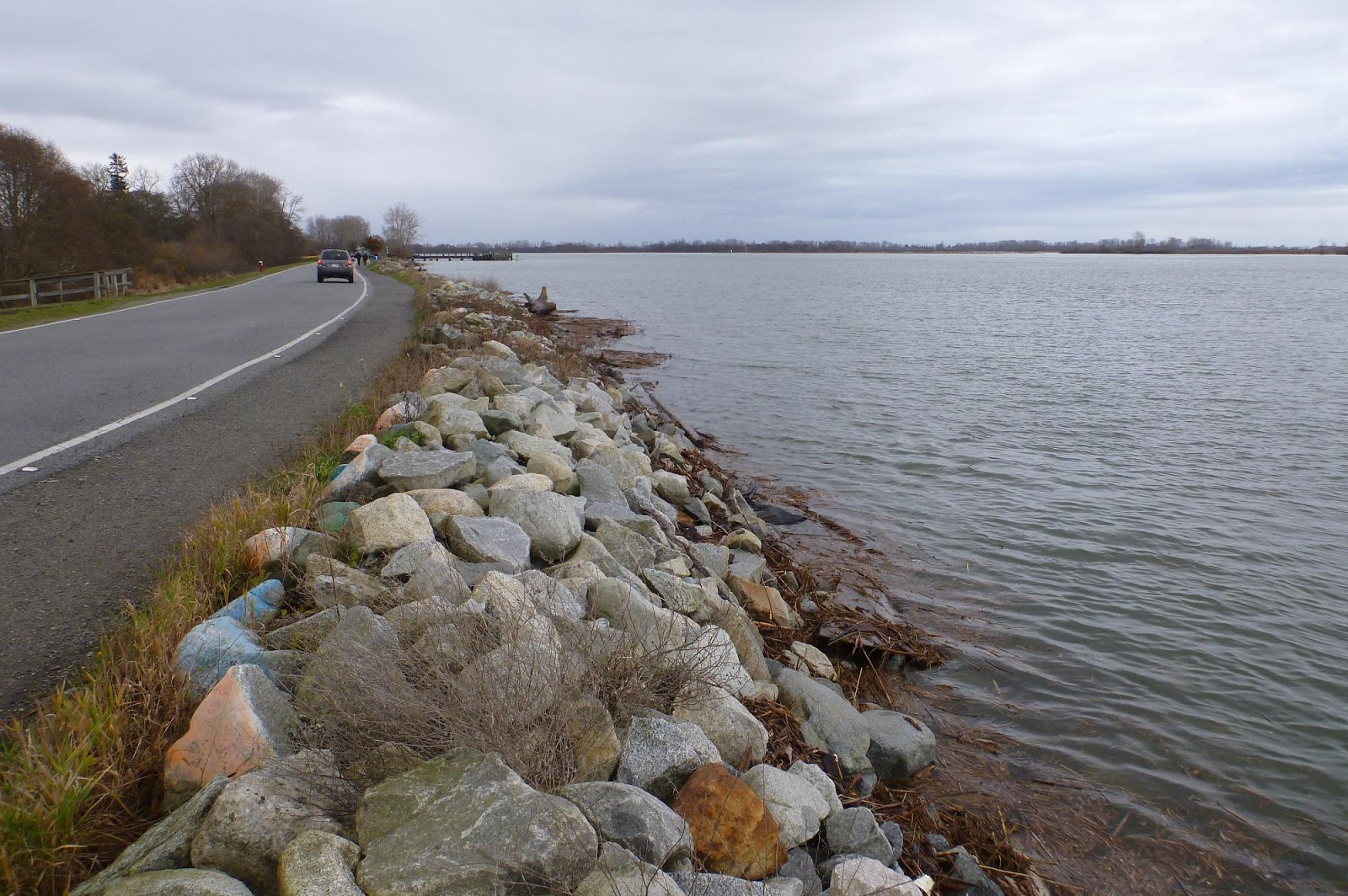
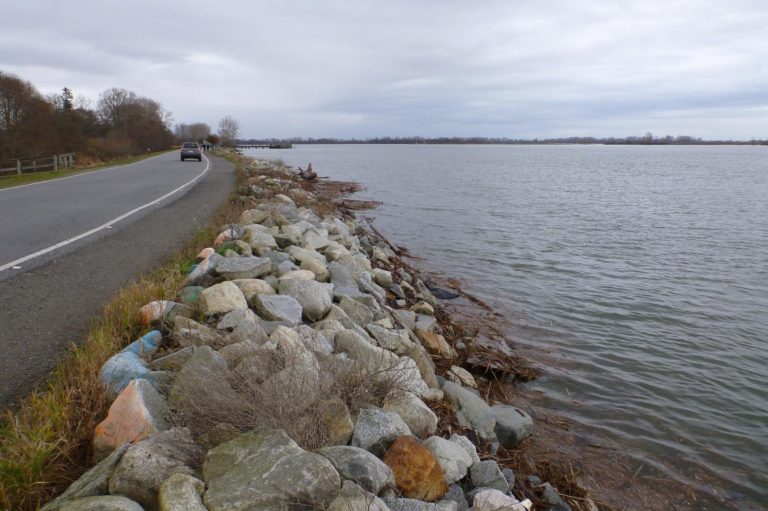
The Federal Government has commenced the construction of dykes to protect the nation’s river bodies and minimise risks that could arise from flooding.

Dyke
A dyke

Dr Elijah Aderibigbe, Director, Irrigation and Drainage, Federal Ministry of Water Resources, made this known in an interview with News Agency of Nigeria (NAN) in Abuja on Tuesday, July 17, 2018.

He said that this became necessary to curtail water levels to prevent them from overshooting their boundaries.

River dykes are artificial slopes or walls erected to regulate water levels to reduce the risk of flooding by getting water away from an area facing the risk of flooding as quickly as possible.

The overall goal is to prevent a build-up of water that could wreak havoc on the environment.

Aderibigbe said that the construction of dykes would protect farmlands, farm produce and livelihoods, while enhancing the people’s well-being.

He said that for instance, the ministry had constructed a 32-kilometre dyke at Tada-Shonga Irrigation land in Edu Local Government Area, Kwara State, with funds from national budgets and support from the Natural Resources Fund.

He noted that the Federal Government was interested in the protection of farmlands and would do everything possible to get all anti-flood projects completed.

“The Federal Government is making funds available to see that contractors return to site to ensure the full completion of the projects.

“Because if we don’t complete the works, floods can enter into farmlands and everything there could be destroyed; so, dykes are being constructed in those flood-prone areas,’’ he said.

Aderibigbe said that Zauro Polder Irrigation Project in Kebbi was also being executed.

Besides, the director said that the desilting and draining of canals were also being considered, stressing that when this was done, fears of flooding would be eliminated.

He said that the ministry was activating all its departments, particularly in its efforts to impound water for water supply and irrigation purposes.

Aderibigbe stressed that some states were drained whenever there was excess water, while irrigation projects were undertaken when there was low water for crop growing.

He, however, urged all Nigerians to take ownership of all water utilities in their neighbourhoods, saying that the participatory irrigation approach would help to guarantee the sustainability of the irrigation projects.

He said that the water users associations had a vital role to play in the arrangement as well.

By Tosin Kolade

Association allocates N10b facility to cassava farmers in Katsina

0

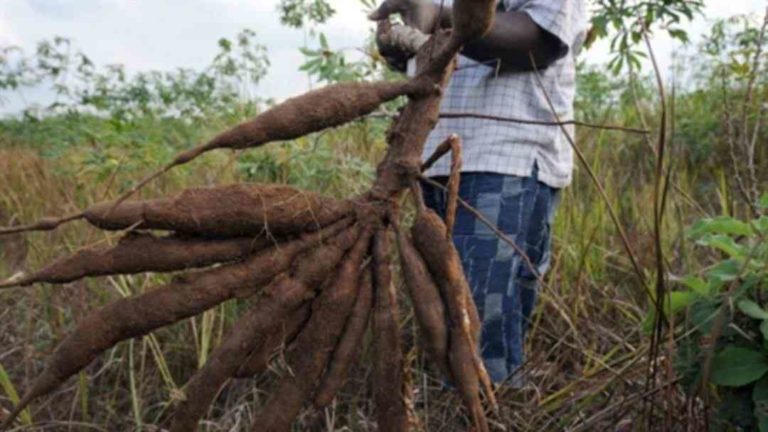
The Nigerian Cassava Growers Association (NCGA) has allocated N10 billion lending facility to Cassava Farmers in Katsina State to boost production.

cassava
Cassava farming

State Chairman of the Association, Alhaji Hassan Danmarke, disclosed this on Tuesday, July 17, 2018 in Katsina, the state capital, at the flag-off of the distribution of 250,000 bundles of improved cassava seedlings to farmers.

According to him, N3 billion out of the facility will be used to purchase cassava seedlings while N7 billion will be disbursed as loan to farmers in the state.

Danmarke said that the improved cassava seedlings were distributed free of charge adding that each beneficiary will receive N850, 000.

He said that the improved seedlings were provided by the Federal Government while 10 tonnes of NPK fertiliser were provided by Katsina State Government.

He disclosed that the association is making consultation for the establishment of cassava processing company in each of the 34 local government areas in Katsina State.

Danmarke commended the Federal and State Governments as well as the two emirate councils on efforts to develop agriculture in the state.

The News Agency of Nigeria (NAN) reports that thousands of cassava farmers had been cultivating the commodity for several years in the state.

By Shehu Danjuma

Water data by Google partnership for new UNEP site emerge

0

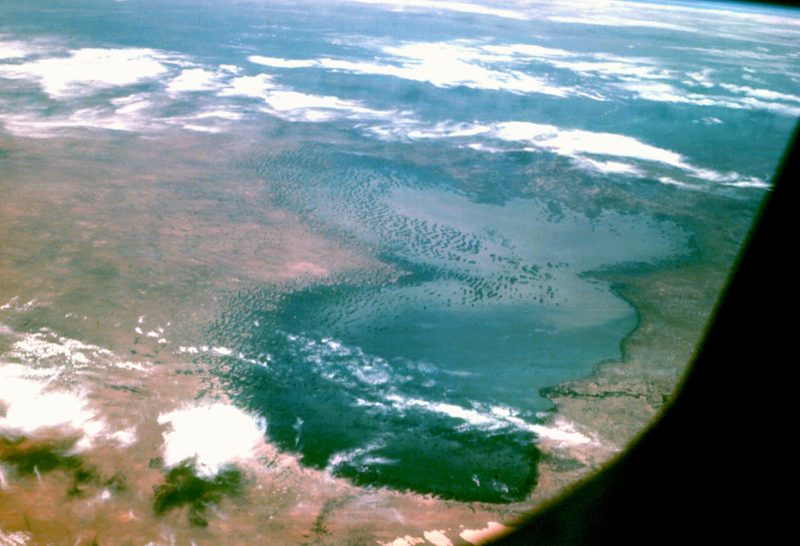
Vast quantities of raw satellite imagery and data will be distilled into an online platform showing how water ecosystems have changed.

Lake Chad
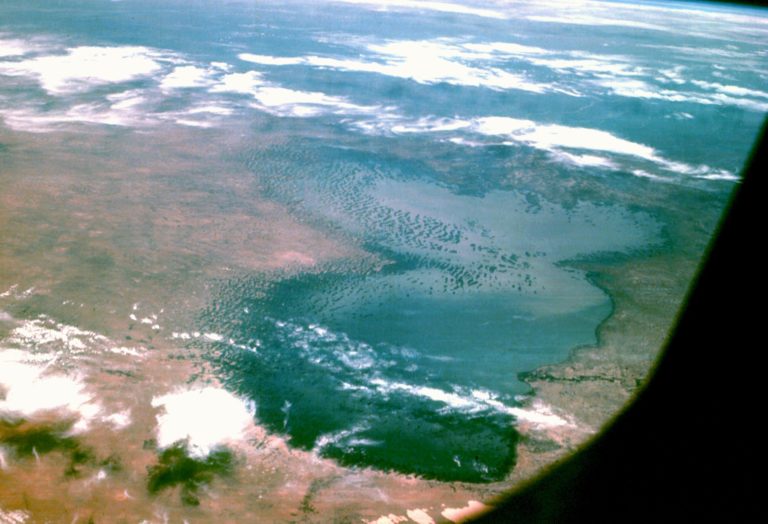
Lake Chad viewed from Apollo 7. For the Lake, access to comprehensive data and images showing surrounding land and rivers could help explain why it is speedily drying up

It will also depict how countries can manage them to prevent further loss, said Google and the UN.

Initially, it will focus on fresh water ecosystems such as rivers and forests.

Google will eventually produce geospatial maps and data for a publicly available platform to be launched in October 2018 in partnership with the UN Environment Programme (UNEP).

“It’s basically a time slide… you can go back in time, and what is does is show you where water has disappeared.

“It can show you where water never was and now is there. It can show you where water is seasonal,” said Elisabeth Mullin Bernhardt, a programme manager at UNEP, on Tuesday, July 17.

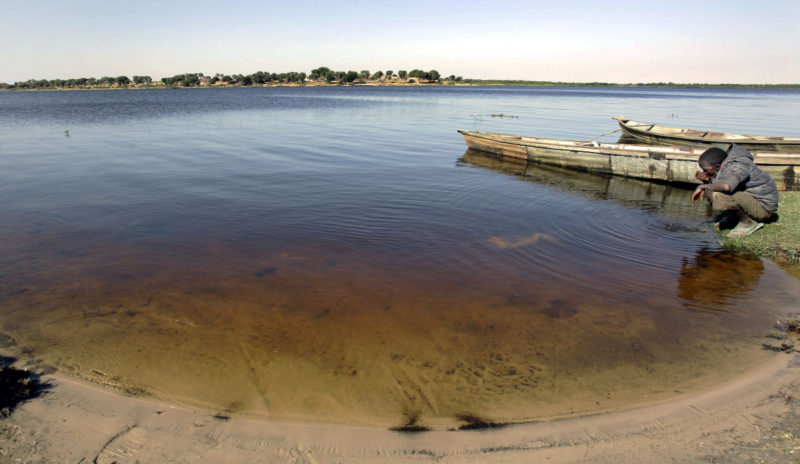
For Africa’s Lake Chad, for example, access to comprehensive data and images showing surrounding land and rivers could help explain why the lake, on which so many depend, “is drying up so quickly”, said Kenya-based Bernhardt.

Given that most countries share water sources, the information could also be used to encourage neighbouring nations to work together on strategies to manage rivers or lakes, she said.

Google is using artificial intelligence and cloud computing to process a massive amount of satellite imagery and data.

The data stretches back over three decades, before it can be analysed, said Rebecca Moore, Director of Google Earth and Earth Engine.

“Much of the world does not have access to good data about the state of their forests, their rivers and lakes and coastal eco-systems and how they have been changing over time.

“It’s a critically important time because there are dramatic changes going on, due to climate change and urbanisation and a number of factors that are in some cases significantly depleting fresh water supply,” Moore told the Media.

Improved information could lead to better investment in environmental services as countries try to meet their Sustainable Development Goals, said UNEP.

Agreed at the UN in 2015, the 17 global goals include targets to end poverty and hunger, combat climate change, and provide universal access to water and sanitation by 2030.

Governments are currently reviewing progress on the goals at UN headquarters in New York, where UNEP and Google announced the satellite initiative.

While researchers will focus on water ecosystems, the platform could be expanded to include issues such as desertification or plastics in the world’s oceans, said Bernhardt.

Australia discovers new venomous snake, but it’s threatened

0

Australian scientists have discovered a new species of a venomous snake in far-north Queensland but fear the reptile may already be in danger of extinction due to mining.

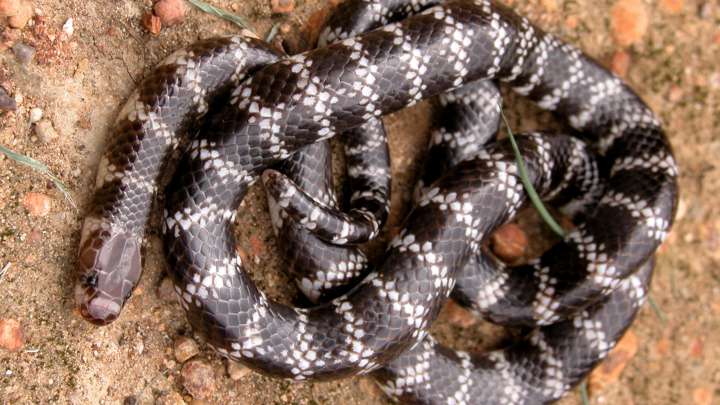
Vermicella Parscauda
The Vermicella Parscauda

The newest member of the Bandy Bandy snake family, named Vermicella Parscauda, has been found in Weipa, a mining town on the Gulf of Carpentaria coast of the Cape York Peninsula, where multinational giant Rio Tinto has bauxite mining operations.

Bryan Fry, an associate professor of biology from the University of Queensland who led the study, said the chance discovery occurred when the team was undertaking sea snake research.

“We came back from the research on sea snakes and at the end of the loading dock, we saw the snake crawled. It had slithered over from a pile of bauxite rubble next to the big ship loader,’’ Fry told dpa on Tuesday, July 17, 2018.

The snake turned out to be a previously undiscovered species. It is about 30-40 centimetres long, with thin white bands on a black body.

“It is visually and genetically distinct from those found on the Australian East coast and parts of the interior,’’ Fry said.

The team found four more of the species one in its natural habitat near Weipa, another killed by a car close to the mine, and two more in museum collections.

The discovery was published in the science journal Zootaxa this week.

Fry said he feared the new species could be in trouble due to bauxite mining, which “may be reshaping the environment to the detriment of native plants and animals.’’

123m infants received vaccine in 2017, WHO, UNICEF say

0

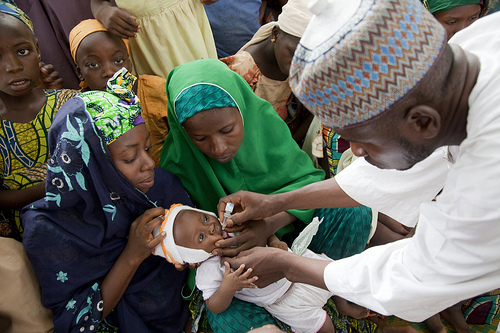
UN agencies said a record-breaking of about 123 million, or nine out of 10, infants, received at least one dose of diphtheria-tetanus-pertussis vaccine in 2017 globally.

Polio
Polio immunisation in Nigeria. Photo credit: comminit.com

The vaccines protected the 123 million children from deadly infectious diseases, according to data from the World Health Organisation (WHO) and the UN Children’s Fund (UNICEF).

The data said an additional 4.6 million infants were vaccinated globally in 2017, compared to 2010, due to the pace of global population growth.

The data showed that 167 countries included a second dose of measles vaccine, as part of their routine vaccination schedule, and 162 countries now use rubella vaccines.

As a result, global coverage against measles and rubella increased from 35 per cent in 2010, to 52 per cent.

The human papillomavirus (HPV) vaccine was introduced in 79 countries to help protect women against cervical cancer.

Newly available inoculations are also being added as part of the overall package of life-saving vaccinations, such as those to protect against meningitis, malaria, and even Ebola.

“Despite these successes, almost 20 million infants did not receive the benefits of full immunisation in 2017.

“Of these, almost eight million, or 40 per cent, live in fragile or crisis-affected places, including countries affected by conflict,” the UN agencies said.

In addition, a growing percentage are from middle-income countries, where increasing inequality and marginalisation – particularly among the urban poor – prevent many from getting immunised.

WHO and UNICEF said as populations grow, more countries need to increase their investments in immunisation programmes.

By Prudence Arobani

Promoters open entries for 2018 ACCER Awards

0

Passionate African journalists who are excited about the health of the planet, future generations and the global discourses around low-carbon, climate resilient and green economic development pathways have been called upon to apply for the 2018 version of the ACCER Awards contest.

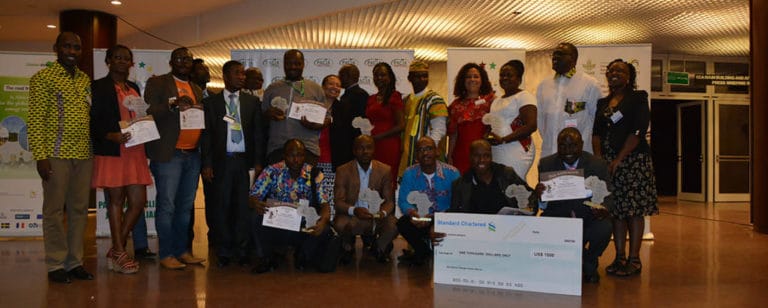
ACCER Awards
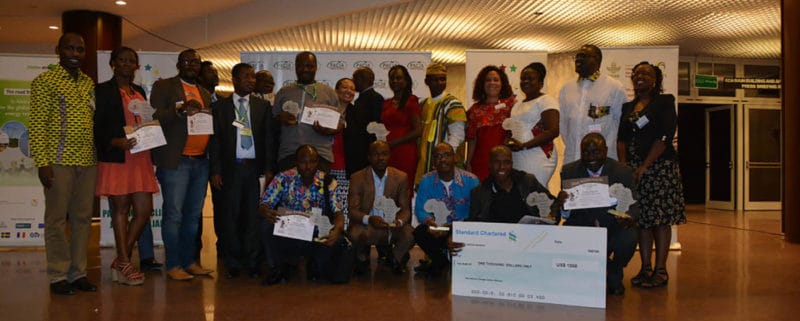
Past winners of the ACCER Awards

The Nairobi, Kenya-based Pan African Climate Justice Alliance (PACJA), organisers of the annual programme, disclosed that, besides improving capacity in reporting on environment and development issues, successful applicants can win prizes and secure an all-paid sponsorship to attend and cover the United Nations Climate Change Conference in Katowice, Poland in December 2018.

“The ACCER Awards contest offers various opportunities for incentivizing journalists and training them on the salient issues at global stage,” said Dr Mithika Mwenda, Secretary General of PACJA, adding that the theme, “Changing the Narrative on Environmental Challenges in Africa: the Case of Pollution”, would guide participants’ entries and awards based on how they demonstrate information delivery in specified categories.

He listed the categories to include: print, radio, television, photojournalism, and online (multi-media).

According to him, potential awardees are expected to present direct entries with brief citations demonstrating how their journalism may have practically enhanced access to information delivery in a specified area in either English or French.

Award selection criteria, he stressed, is based on: eligibility; originality, structure and quality of writing/broadcast, creativity (use of relevant interviews and examples to illustrate issues); variety of voices/quotes used; fluency (quality of the language- engaging writing/radio style, correct spelling and grammar); and, respect of the prescribed submission format.

The overall prize entails cash reward of $1000; full sponsorship (including return air ticket, accommodation and other living expenses) for UN Climate Change Conference from December 3 to 14, 2018 in Katowice, Poland; fellowship to participate in high-level reporting; and training throughout 2019 courtesy of ACCER Awards Partnership.

Interested applicants can get more information about the ACCER Awards and prizes here: http://www.pacja.org/2018-accer-awards-call-for-entries/

NNPC to begin oil palm bio-diesel project in Cross River

0

The Nigerian National Petroleum Corporation (NNPC) has commenced a community integration and stakeholders’ engagement to sensitise people in Cross River State ahead the planned oil palm-based bio-diesel project.

Biodiesel
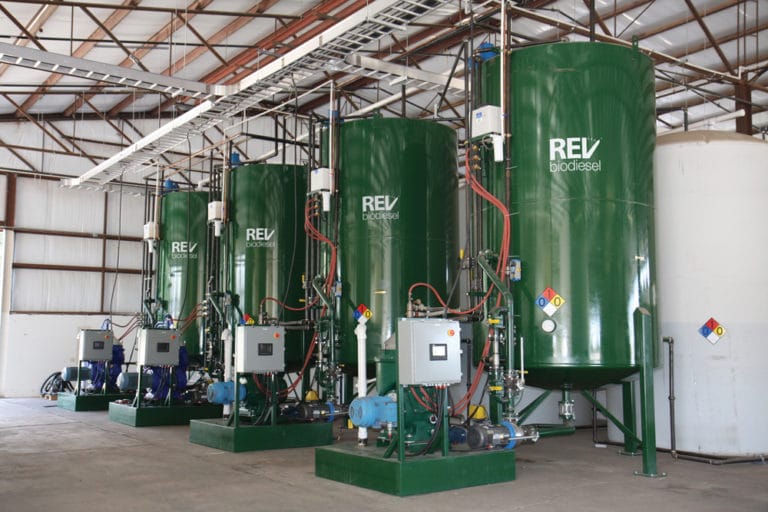
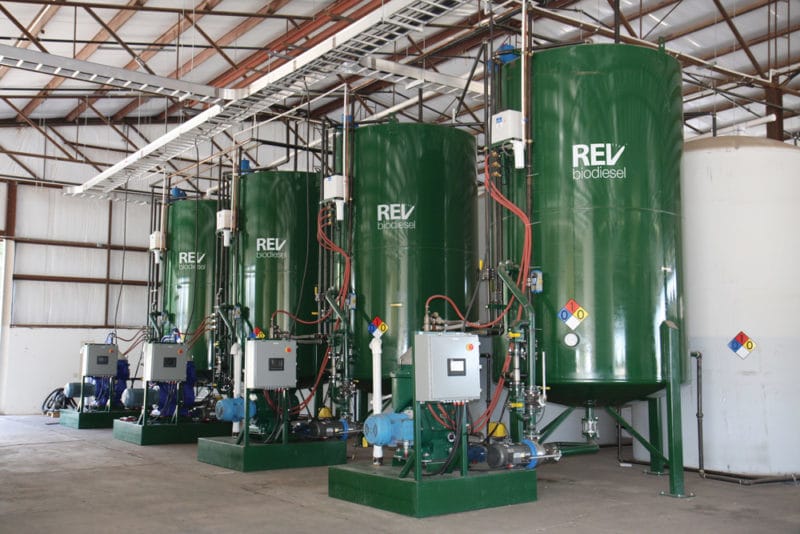
A biodiesel plant

A statement by the NNPC Spokesman, Mr Ndu Ughamadu, said the 26,000-hectare facility was designed to accommodate an oil palm plantation co-located with bio-diesel, crude palm oil co-generation plants and other facilities.

Ughamadu said officials of the NNPC Renewable Energy Division (RED) had embarked on the sensitisation campaign across affected communities, providing information on the rationale and projected benefits of the bio-fuels projects in the state.

“The NNPC Research and Development Division is also being engaged for the conduct of Environmental and Social Impact Assessment for the projects.

“The plant is projected to generate about 14 megawatts of electricity from empty fruit bunches and the residue from oil palms.

“Under the arrangement, the oil palm would be processed into fuel grade bio-diesel and industrial crude palm oil as by-products.

“The bio-diesel will be blended with diesel in a mix of 20 per cent biodiesel and 80 per cent diesel and sold as B20 in the domestic market.

“Any utilised bio-diesel quantity would then be exported to the international market,’’ Ughamadu said.

The Cross River bio-fuel project is in tandem with renewed drive by NNPC to develop bio-fuels, through partnership with core investors to create a low carbon economy and link oil and gas sector to the agricultural sector.

The News Agency of Nigeria (NAN) reports that it would also mitigate the adverse effect of climate change and the transformation of NNPC into an integrated energy company with diverse portfolio.

The business model would involve a Special Purpose Vehicle comprising NNPC, the State Government and the Core-investor.

Cross River is expected to provide land as equity, while core investor takes more than 50 per cent equity and operate the venture, leaving NNPC and the State Government with minority share of less than 50 per cent.

So far, Kebbi, Ondo, Taraba, Benue, Jigawa, Kogi, Adamawa have shown interest in partnering with NNPC in biofuels projects.

By Yetunde Bada

Buhari welcomes Netherlands’ support for Lake Chad restoration

0

President Muhammadu Buhari on Monday, July 16, 2018 welcomed the interest of the Dutch Prime Minister, Mark Rutte, to support the restoration of the Lake Chad to its old glory.

lake chad
Scientists say the Lake Chad, that borders Nigeria and some other countries, has shrunken by 95 percent over the past 50 years. They have also linked the Boko Haram insurgency to the lake’s situation. Photo credit: AP/Christophe Ena

Buhari said this when he met with Dutch Prime Minister, Mark Rutte, at The Hague.

President Buhari also welcomed Netherlands’ commitment to establish a technical committee to work with the Nigerian side on the best approach to address the shrinkage of the Lake Chad.

The Nigerian leader stressed the need for workable solutions to restore the Lake Chad, including the inter-basin water transfer project from Ubangi River in Central Africa to the Lake.

President Buhari also raised the humanitarian crisis in the region, the receding of the Lake Chad and its impact on the economy of the communities living in the area.

The two leaders also discussed the fight against insurgency in the North East, climate change, economic cooperation, the fight against corruption and a range of other issues of mutual interest

President Buhari highlighted the progress made in the fight against insurgency in the North East, and the Dutch Prime Minister pledged the support of his government for the anti-terrorism efforts in the region.

Femi Adesina, the media adviser said President Buhari also expressed the firm commitment of his administration to recover more stolen funds and assets of the country stashed abroad. Buhari looked forward to working closely with the Netherlands on this, Adesina added.

Prime Minister Rutte congratulated Nigeria on the enormous strides being recorded on the economy, including Nigeria’s rising profile on World Bank’s Ease of Doing Business.

According to the Rutte, Netherlands is one of Nigeria’s biggest trading partners.

The two leaders agreed on the need for more collaboration to increase trade.

Meanwhile, Nigeria will be at the centre of global attention when President Muhammadu Buhari addresses the International Criminal Court (ICC), on Tuesday.

The Nigerian leader is the only President invited to grace the 20th anniversary of the adoption of the ICC Rome Statute.

“President Buhari will share his thoughts on the values and ideals of the Court, which was established to prevent impunity, and try cases of genocide, war crimes, aggression, and crimes against humanity,’’ Adesina said

By Ismaila Chafe

Images: When floods ravaged Abeokuta

0

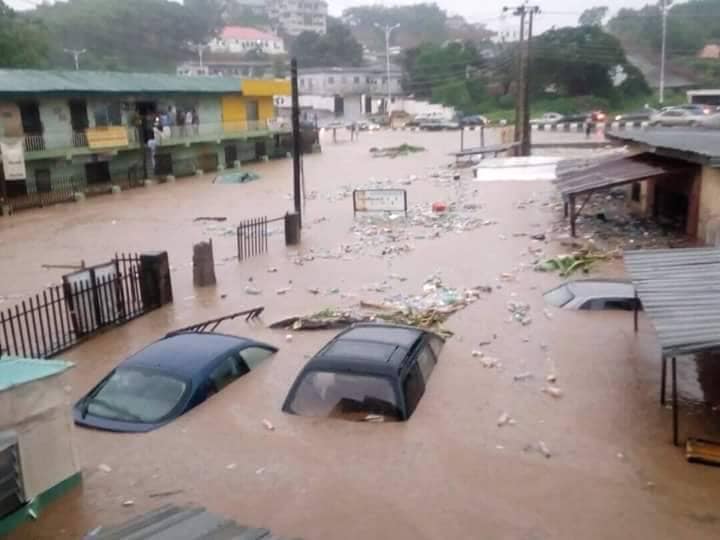
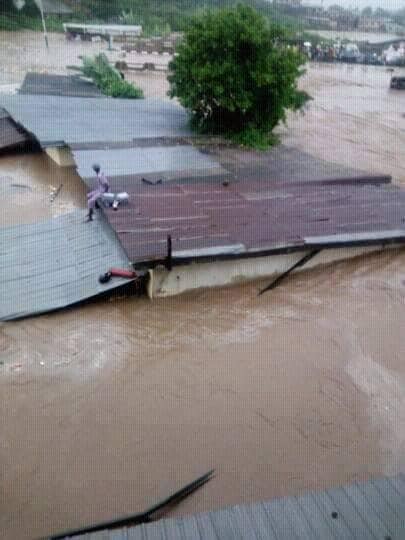
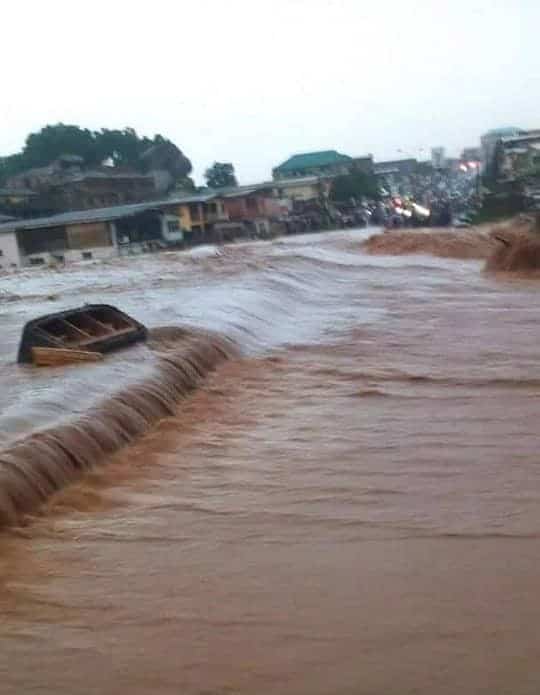
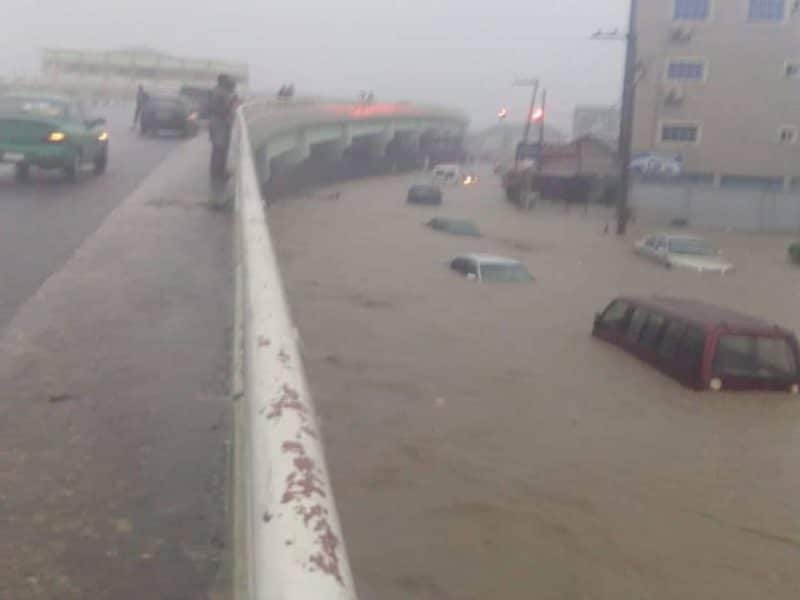
About four hours of heavy rainfall in Abeokuta, the capital of Ogun State in Nigeria, on Saturday, July 14, 2018 resulted in unprecedented flooding such that streets, vehicles and entire buildings were inundated.

Abeokuta flooding
Vehicles overwhelmed
Abeokuta flooding
A hapless resident seeks refuge on a roof as flood water threaten to inundate the building
Abeokuta flooding
The flood waters go out of control
Abeokuta flooding
Seeking refuge on the flyover