Home Blog Page 1775

World leaders pledge $1bn to transform health, nutrition of poor women, children

0

The Global Financing Facility (GFF) in Support of Every Woman Every Child in Oslo, Norway on Tuesday, November 6, 2018 announced $1.005 billion in contributions from the Bill & Melinda Gates Foundation, Burkina Faso, Canada, Côte d’Ivoire the European Commission, Denmark, Germany, Japan, Laerdal Global Health, the Netherlands, Norway, Qatar and the United Kingdom. This will help the GFF partnership on the pathway toward expanding to as many as 50 countries with the greatest health and nutrition needs and contribute to saving and improving millions of lives by 2030.
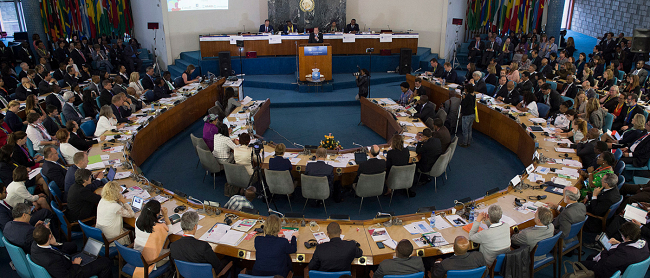
Global Financing Facility
Former U.N. Secretary-General Ban Ki-moon addresses the launch of the Global Financing Facility in support of the “Every Woman Every Child” initiative for maternal, newborn, and child health, in Addis Ababa, Ethiopia. Photo credit: Eskinder Debebe / U.N.

Tuesday’s event has been described as an important milestone toward the goal of raising as much as $2 billion to expand to a total of 50 countries; the GFF is expecting additional pledges from new and existing investors who are considering new multi-year commitments.

The GFF is a catalyst for health financing that is helping countries to transform how they invest in women, children and adolescents because for too long, their health and nutrition has been chronically and persistently de-prioritised and underfunded – resulting in the preventable deaths of five million women and children every year. The GFF helps countries in three specific ways:

  1. developing an investment case and implementation plan prioritizing reproductive, maternal, newborn, child and adolescent health and nutrition and a strong primary health care system;
  2. strengthening a country-led platform that aligns all key stakeholders around a prioritized health and nutrition plan; and
  3. working with countries to mobilise and coordinate the financial resources needed to accelerate progress for the most vulnerable populations in the hardest-to-reach regions.

“Today there is great hope that the world’s poorest countries can build healthy, vibrant futures where no woman, child or youth is left behind. The GFF partnership is effective and efficient – working with countries to develop the capacity to build and sustain the health systems their women and children need to survive and thrive,” said Erna Solberg, Prime Minister of Norway and Co-Chair of the Sustainable Development Goals Advocates.

More than two billion people live in countries that spend less than $25 per capita on health, which is said to be less than a third of what is needed for countries to provide basic, life-saving health services for their people.

Through working with the GFF, Burkina Faso, Côte d’Ivoire, Nigeria and other GFF-supported countries have shown that it is possible for all countries to improve their future and invest in the most vulnerable people in their societies by increasing investment in health, says the GFF. It says that it also demonstrates that generous, but relatively small financial contributions can – when aligned and spent catalytically and efficiently in support of national investment cases – have exponential impact by mobilising additional financing and saving millions of lives.

On Tuesday in Oslo, Burkina Faso reaffirmed its commitment to allocating at least 15% of its annual budget to improve health; Côte d’Ivoire committed to increasing its health budget 15% annually; and Nigeria recommitted to investing $150 million per year from its budget to sustainably finance health and nutrition of women, children and adolescents. Increasing domestic resources is an integral focus of GFF-supported countries.

“The GFF is about country-ownership – working with countries to set priorities, and drive domestic resource mobilisation. These are the GFF’s great strengths. It makes the most compelling case for why countries must lead and put their own money on the table, and it reinforces the prioritization of resource allocation for basic social sectors, particularly the health sector,” said Roch Marc Christian Kaboré, President of Burkina Faso.

Donors and countries reportedly responded to an urgent need for countries to transform health financing in order to accelerate progress on universal health coverage and to contribute to the achievement of the Sustainable Development Goal (SDG) targets of ending preventable maternal, newborn, and child deaths and improving the health and nutrition of women, children and adolescents.

“In 2018, all mothers should be able to protect their own health, and the health of their babies and children. But each day, 830 women die from complications related to pregnancy or childbirth and 450,000 children under five die needlessly every month,” said Kristalina Georgieva, CEO of the World Bank. “The GFF brings bold new thinking that aims to end this injustice through smart interventions and coordinated finance that can transform the health, wellbeing and life-chances of women, children and adolescents in developing countries.”

The World Bank, which hosts the GFF, announced on Tuesday that, in just the last three years, $482 million in funding from the GFF Trust Fund had been linked to $3.4 billion in funding from the World Bank’s International Development Association (IDA) and International Bank for Reconstruction and Development (IBRD). The $1.005 billion pledged to the GFF Trust Fund in Oslo is expected to link to an additional $7.5 billion in IDA/IBRD resources for women, children and adolescents’ health and nutrition.

Additionally, in partnership with the GFF, the World Bank announced that the World Bank Treasury had launched a series of Sustainable Development Bonds to raise awareness among investors of the significant and long-lasting benefits of investing in the health and nutrition of women, children and adolescents, and that these have raised $935 million since June 2018. These bonds are said to bring private capital into the IBRD financing pool and serve as an entry point for investors to become aware of the growing opportunities in sustainable investments. To reduce barriers for countries to access these funds, the GFF provides co-financing and loan buy-down grants that enable governments to catalyse public and private funds for investing in the health and nutrition of women, children and adolescents.

A recent peer-reviewed study published in The BMJ Global Health – reflecting the combined efforts that contribute to bending the curve on maternal, newborn and child mortality rates, including by the GFF; Gavi, the Vaccine Alliance; the Global Fund to Fight AIDS, Tuberculosis and Malaria; UNAIDS; FP2020; and other partners – estimated that countries can save as many as 35 million lives by 2030 if global health investment continues to grow at current rates and if other global health initiatives hit targets, and if the GFF partnership can extend its reach and help all 50 countries with the greatest health and nutrition needs. It also estimated that the GFF Trust Fund financing had the potential to mobilise as much as an additional $50-75 billion for women, children and adolescents’ health and nutrition, 70% of which would be from countries’ domestic resources.

“Healthy women, children and adolescents contribute to a virtuous cycle,” said Melinda Gates, Co-Chair of the Bill & Melinda Gates Foundation. “With health comes the ability to go to school and learn, which helps people prosper as adults, who are then able to raise empowered children who continue the cycle. That’s why the GFF is such a great investment.”

With the commitments announced on Tuesday, a total of $1.005 billion in commitments has been raised for the 2019-2023 replenishment period, which aims to raise $2 billion in total to expand the GFF to reach a total of 50 countries.

“Today we are on the cusp of transformative change in global health when no woman, child or adolescent will be left behind. The GFF partnership is helping countries to transform the futures of their people by embedding the prioritization of health culturally, politically and financially. Supporting leaders around the world to make these changes is vital and we are thrilled today to have the support of so many to make this vision a reality,” said Mariam Claeson, Director of the GFF.

The GFF was founded in 2015 by the World Bank, the governments of Canada and Norway, the United Nations and other partners. As a pathfinder for innovative financing of the SDGs the GFF is helping to address the unfinished agenda of women, children and adolescents’ health and nutrition and to close the financing gap.
Government commended for declaring state of emergency on water, sanitation

0

Development Partners have commended President Muhammadu Buhari for declaring a state of emergency in the Water and Sanitation Sector, calling for deliberate political will to improve the sector.

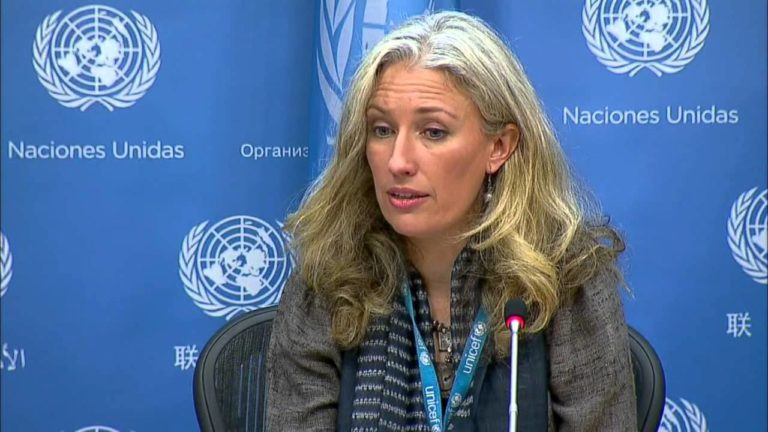
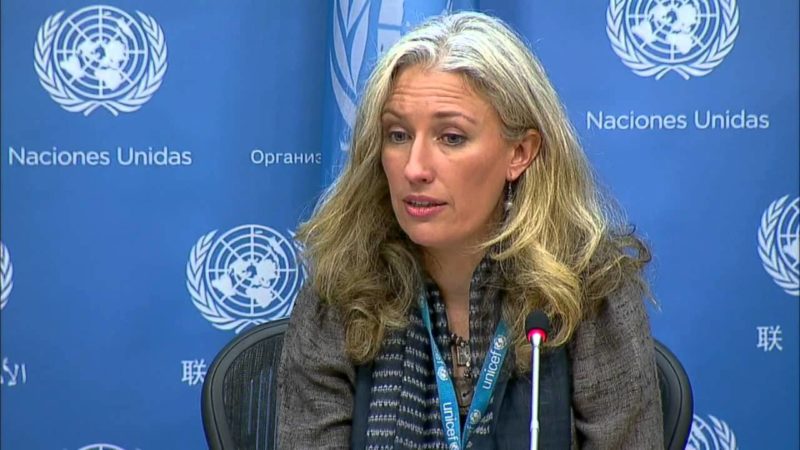
Pernille Ironside
UNICEF Nigeria Acting Representative, Pernille Ironside

They told the News Agency of Nigeria (NAN) on the sidelines of the inauguration of the National Action Plan for the Revitalisation of Water Supply and Hygiene Sector in Abuja on Thursday, November 8, 2018.

According to them, this has shown the highest commitment of the country toward changing the narratives of the water and sanitation sector.

The Deputy Representative, UNICEF Nigeria, Ms. Pernille Ironside, said the declaration was not just historic for Nigeria, but a call to action to improve the wellbeing of all Nigerians.

“It is truly historic to witness such a commitment coming from the highest level for Nigeria.

‘‘It is a commitment that will genuinely make a difference for all Nigerians; it is not just historic for Nigeria, its district for the world.

“With the commitment of Nigeria, it is possible for the world to achieve Sustainable Development Goals, so I congratulate you on behalf of the development partners group for playing such a critical role toward sustaining this milestone.’’

She said no fewer than a million children were affected daily globally from preventable diseases and deaths from poor access to water and sanitation.

The Deputy Representative said that these diseases also affect under-five children from diarrheal-related deaths.

Ironside noted that within six weeks, many families affected in both urban and rural areas suffered bouts of diarrhea, saying this was not a good circumstance for anyone to witness.

She added that the implications of poor access to water and sanitation were critical on humans in areas of education, health, loss of dignity and economy.

She, therefore, called for more commitment from all tiers of government to reverse the statistics and make a difference.

“There is the need for capital investments to ensure access to the un-served and the under-served, it is sound sector institutions that are needed to sustain the existing and the new WASH related efforts.

“It is investing in systems for sustainable performances that is critical, not only ensuring service quality, but conserve capital investments.’’

She urged all Nigerians to play their parts by constructing toilets and contributing finances toward water taps for sustainability.

WaterAid Nigeria Country Director, Dr Chichi Aniagolu-Okoye, told NAN that the sanitation condition of the country was an embarrassment.

She said there was the need for willingness from state actors and other stakeholders to ensure that they invested in the sector.

Aniagolu-Okoye expressed regret that, with current investments, Nigeria might not meet the Sustainable Development Goals target on water and sanitation.

“In Nigeria today, we have people building houses without toilets, how is that allowed to happen?

‘‘It is not all about resources, we are always talking about resources; it is just about ministries doing their work.

“The issue of regulation, just getting the ministries more coordinated, like education and health, and how important water and sanitation is to those ministers, and yet, to try to get that coronation to happen, is not as well as it should be going,” she said, adding:

“With one in three Nigerians without clean water, and two in three Nigerians without decent household sanitation, strong political will is what is needed to address the water and sanitation crises in Nigeria and at WaterAid we are delighted that the Federal Government and President Muhammadu Buhari is demonstrating the needed political will with the launch of the Action Plan.

“The National Plan of Action is a significant political milestone towards achieving the UN Sustainable Development Goal 6 to reach everyone, everywhere with clean water and decent sanitation by 2030 and our expectation is that state governments will follow suit in developing Action Plans to address the Water and Sanitation crises in their respective states.”

President Muhammadu Buhari on Thursday in Abuja declared a state of emergency on Nigeria’s water supply, sanitation and hygiene sector.

The president said that the declaration had become imperative to reduce the high-prevalence of water-borne diseases in different parts of the country to save people from preventable deaths.

Buhari directed government at all levels to redouble efforts and work toward meeting the nation’s water supply and sanitation needs.

The president described statistics on open defecation, access to piped water services and sanitation in the country as “disturbing”.

He warned that, henceforth, Federal Government’s support to state governments would be based on their commitment to implement the National WASH Action Plan in their respective states and to end open defecation by 2025.

By Tosin Kolade

Buhari declares state of emergency on water, sanitation sector

0

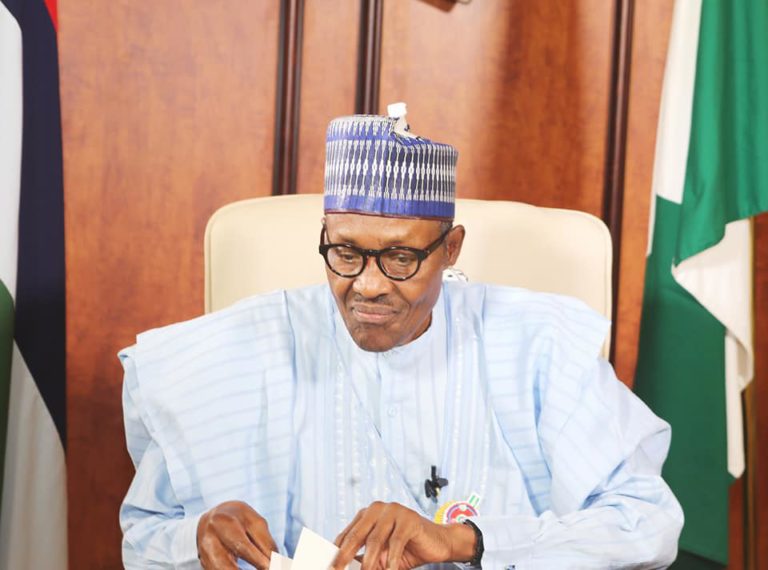
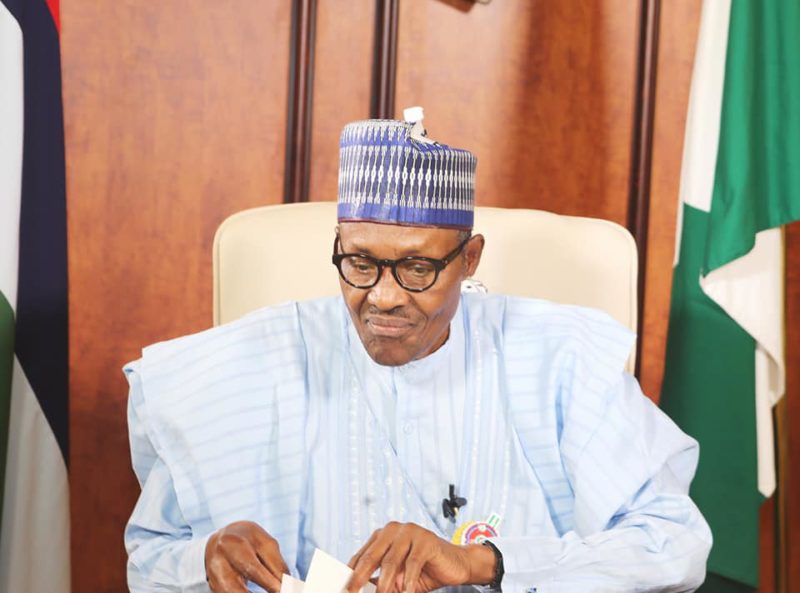
President Muhammadu Buhari has declared a state of emergency on Nigeria’s water supply, sanitation and hygiene sector.

Muhammadu Buhari
President Muhammadu Buhari

Buhari made the declaration at the inauguration of the National Action Plan for Revitalisation of Water Supply, Sanitation and Hygiene (WASH) Sector at State House Conference Centre on Thursday, November 8, 2018 in Abuja.

He directed governments at all levels to intensify efforts and work towards meeting the nation’s water supply and sanitation needs.

Buhari warned that, henceforth, Federal Government’s support to state governments would be based on their commitment to implementing the National WASH Action Plan in their respective states and to end open defecation by 2025.

The president said the declaration had become critical to reduce the high-prevalence of water-borne diseases in different parts of the country, which has caused preventable deaths.

He described statistics on open defecation, access to piped water services and sanitation in the country as “disturbing”.

“Access to piped water services which was 32 per cent in 1990 has declined to seven per cent in 2015; access to improved sanitation has also decreased from 38 per cent in 1990 to 29 per cent in 2015.

“Our country now ranks number two in the global rating on Open Defecation as about 25 per cent of our population are practicing open defecation.

“WASH services at the rural areas are unsustainable as 46 per cent of all water schemes are non-functional, and the share of our spending on WASH sector has been declining from 0.70 per cent of the GDP in 1990 to about 0.27 per cent in 2015, which is far below the 0.70 per cent at the West African regional level,” Buhari said.

The president restated that the provision of potable water supply, adequate sanitation and hygiene were primarily the responsibilities of State and Local Governments.

According to him, water supply and sanitation are not being given the required attention judging from the high prevalence of water-borne diseases that are being reported in different parts of the country.

He said that the stakeholders could not and would not continue to allow the preventable occurrences to decimate Nigeria’s population.

Buhari said that he was aware that Nigeria did not meet the MDG targets for Water Supply and Sanitation that ended in 2015.

“The Sustainable Development Goals (SDGs) targets (6.1 and 6.2) for WASH are even more demanding as they require WASH services to be provided in adequate quantity and quality on premises at affordable prices.

“This cannot be achieved if we continue with ‘a business as usual’ approach.

“It is on this premise that I fully endorse the decision taken at the meeting of the Federal Executive Council in April this year to declare a State of Emergency on our WASH Sector.

“I call on all state governments to complement this effort by according the sector similar recognition to enable us work together to achieve the SDG targets for WASH by 2030.’’

At the federal level, Buhari pledged that his administration would continue to place priority on infrastructure development including those of water supply, sanitation and hygiene services towards ensuring a better life for Nigerians.

According to him, the commitment is being demonstrated through faithful implementation of the Economic Recovery and Growth Plan (ERGP) – which is the present administration’s blueprint for infrastructure and economic development.

“From the inception of this administration, we have demonstrated serious commitment to the development of the Water Sector by preserving the Ministry of Water Resources and subsequently approving the 15-year roadmap developed for the sector.

“The transformation being witnessed in the sector since then is highly commendable.

“I have no doubt that the on-going initiatives including the implementation of the Partnership for Expanded Water Supply, Sanitation and Hygiene (PEWASH) in the Ministry will take the water sector to improved performance and supply, thereby meeting the national aspirations as well as the SDGs,” he said.

The event was attended by representatives of state governments and development partners.

By Chijioke Okoronkwo

FAO report says 75m slaughtered cows waste yearly

0

No fewer than 75 million cows slaughtered for consumption end up wasting every year, a new report by the Food and Agriculture Organisation (FAO) says.

Jose Graziano da Silva
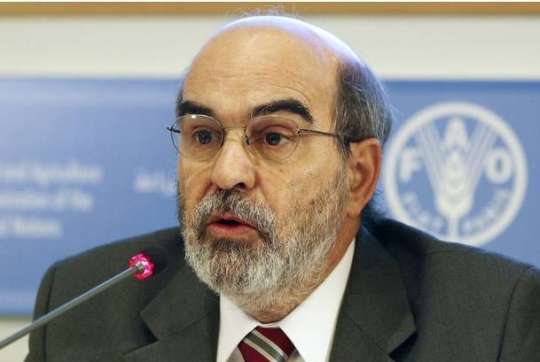
Jose Graziano da Silva, Director General of the FAO

The UN agency, in a report entitled “Preventing Nutrient Loss and Waste Across the Food System: Policy Actions for High-quality Diets” in New York also stated that regular eating of poor-quality food had become a greater public health threat than malaria, tuberculosis or measles.

According the the report, more than half of globally-produced fruits and vegetables are lost or wasted each year.

It added that “moreover, around 25 per cent of all meat produced, equivalent to 75 million cows, goes uneaten.”

With the value of global food lost or wasted annually, estimated to be around 1 trillion dollars, the report said cutting down on waste would yield major economic benefits.

Additionally, eating more of the food already produced, would avoid wasting the water, land and energy that went into its production, FAO said.

The report also said that one-in-five deaths was associated with poor-quality diets, and urged policymakers to reduce food loss and waste, to improve access to nutritious and healthy food.

According to the report, approximately one-third of food produced for human consumption never reaches the consumer’s plate or bowl.

It added that nutrient-rich foods, such as fruits, vegetables, seafood and meats were highly perishable, rendering them susceptible to losses throughout increasingly complex food production systems.

“To tackle all forms of malnutrition and promote healthy diets, we need to put in place food systems that increase the availability, affordability and consumption of fresh, nutrient-rich food for everyone.

“Reducing food loss and waste, particularly high-nutrient foods, not only has nutritional benefits, but also contributes to the Sustainable Development Goals (SDGs), and should be a new priority for improving nutrition.

“Taking specific actions to reduce the losses and waste of fresh and nutritious food is a fundamental part of this effort,” stressed FAO Director-General José da Silva, who is also a member of the Global Panel on Agriculture and Food Systems for Nutrition, joint report author.

To remedy this, the report proposed series of policy actions across the entire food system, including educating all concerned; focusing on perishable foods; improving public and private infrastructure; and closing data gaps on food losses and waste.

FAO data indicated that in low-income countries, food was mostly lost during harvesting, storage, processing and transportation; while in high-income nations, the problem was in retail and consumer level waste.

Together, the two forms of food loss directly impact the number of calories and nutrients actually available for consumption, FAO said.

It noted that given the direct impact on wellbeing, learning capacity and productivity, the loss and waste of micronutrients was of particular concern.

Globally, agriculture sectors produce 22 per cent more vitamin A than we require, however, after loss and waste, the amount available for human consumption is 11 per cent less than required.

Reducing the loss and waste of nutritious foods could, therefore, yield substantial health benefits, FAO stressed.

By Prudence Arobani

U.S. environmentalists welcome wins by ‘Green New Deal’ candidates

0

Environmentalists in the U.S. have welcomed the election of candidates promising a “Green New Deal’’ but cautioned that green goals would be hard to achieve under President Donald Trump’s administration.

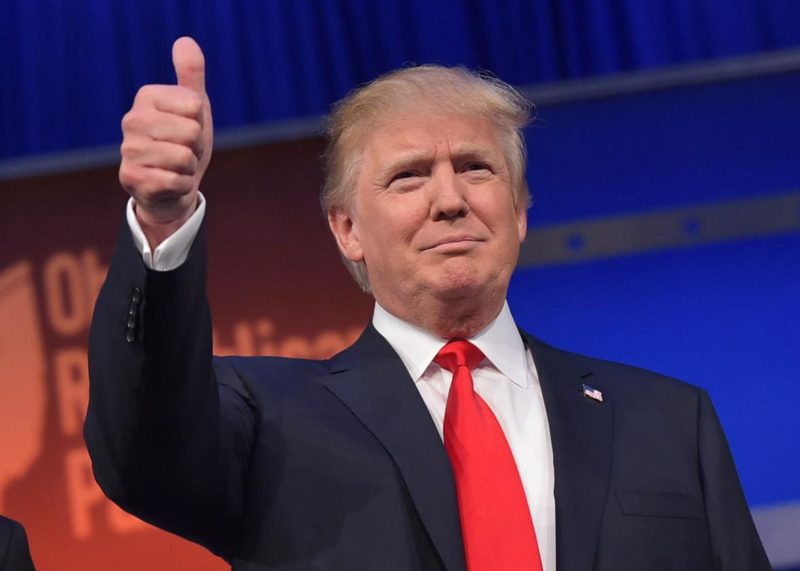
Donald Trump, US president

The U.S. Congress will include four new representatives who campaigned on a public works programme – like U.S. President Franklin D. Roosevelt’s New Deal that helped end the 1930s depression – aimed at building a renewable energy economy.

The plan will, however, need to be packaged differently, said University of Albany’s political scientist Brian Greenhill, given Trump’s rollback of climate regulations and his dismissal of man-made global warming as a hoax.

“I can’t imagine under the Trump administration that anything labelled a `Green New Deal’ would be successful, especially if it is framed in terms of climate change,” he told the Thomson Reuters Foundation.

However, he said that the plan seemed like a “no-brainer’’ after recent discussions between House Republicans and Democrats about infrastructure as an area where the two parties could find common ground.

Green victories came amid setbacks in Colorado, Arizona and Washington states, where voters rejected initiatives to curb fossil fuels by restricting drilling, putting a fee on carbon emissions and mandating the wider use of renewable energy.

Jason Albritton, a director at the Nature Conservancy, said that in spite of being “disappointed’’ by the rejection of those state measures, addressing environmental issues by creating jobs is “a potential path to success’’.

The most vocal champion of the Green New Deal has been Alexandria Ocasio-Cortez, a 29-year-old educator who won a seat in New York State.

Ocasio-Cortez has spoken of her vision of the Green New Deal as a programme which is comparable in scale to the “Marshall Plan”, the U.S.-backed programme initiated to rebuild Western Europe after World War II but focused on renewable energy.

But her campaign platform contains few concrete details on the topic and her representatives did not respond to a request for further information.

Cassady Craighill, a spokeswoman for Greenpeace, said that the plan could prove to be a “powerful’’ concept, even though she said that fleshing out details of “what a Green New Deal means should be a priority”.

Other candidates sliding toward victory whose platform included the ambitious proposal were Icahn Omar, victorious in Minnesota, Rash Tlaib, who ran in Michigan, and Antonio Delgado, a Harvard-educated lawyer in New York.

World Town Planning Day: Governments urged to prioritise physical planning

0

The Lagos State Chapter of the Nigerian Institute of Town Planners (NITP) has called on the three tiers of government to pay more attention to physical planning for a comprehensive urban development of the country.

Adebisi Adedire
Chairman of Lagos NITP, Mr Adebisi Adedire

Chairman of Lagos NITP, Mr Adebisi Adedire, made the call on Thursday, November 8, 2018 at a news conference to mark the 2018 World Town Planning Day in Ikeja, the state capital.

Adedire said that town planning was the bedrock of any meaningful physical and economic development of a community, city or nation.

According to him, the World Town Planning Day creates an opportunity for professional planners and the general public to come together to dialogue on necessary steps to take the pursuit of achieving an environment which is safe, economical, sustainable and convenient for habitation.

“Nigeria is yet to enjoy an environment of these characteristics.

“But we are optimistic that with continuous dialogue like this as well as involvement of town planners in policy formulation and implementation, the country will become an envy of other countries in the world,” he said.

Commending the Lagos State Government on its effort in the aspect of plan preparations, Adedire called for recruitment of town planners into the ministries both at the federal and states level.

He lamented that the governments had not recruited town planning staff in the last five years, saying that if this continued, there would be a lacuna and their positions would be filled by members of other professions.

Adedire also appealed for the creation of a full fleshed ministry of physical planning and urban development at the federal level to ensure effective operation of town planning administration and activities at the federal level.

“With the great importance attached to town planning globally, it is not wise for physical planning and urban development to be operating as a department under a ministry in the country.

“What obtains today is that physical planning is under the Ministry of Power, Works and Housing. This shouldn’t be. The country is in urgent need of proper physical planning. As such, a ministry needs to be created for this purpose,” he said.

Mr Toyin Ayinde, the 2nd Vice President of NITP, called for an ultramodern transportation system to ease the incessant gridlock across the state.

Ayinde said that transportation still posed great challenge to the state, saying that in organised societies, no government would allow numerous minibuses to apply the road as obtained in many cities in the country.

According to him, availability of too many minibuses and private cars on the road is an indication of constant violation of the traffic rules and orders as witnessed on Nigerian roads.

By Lilian Okoro

World Science Day: Don clamours increased awareness on role of science in societies

0

A Lecturer with the Department of Community Health, Obafemi Awolowo University, Ile Ife,
Dr Femi Aluko, has called for increased awareness on the role of science toward peaceful and sustainable societies.

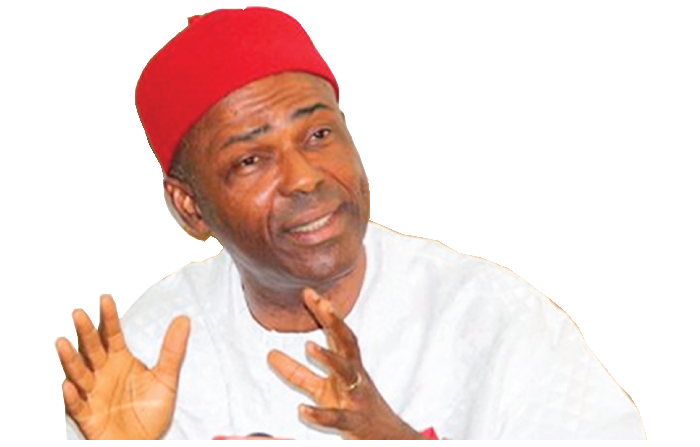
Dr. Ogbonnaya Onu
Dr. Ogbonnaya Onu, Minister of Science and Technology

Aluko made the call on Thursday, November 8, 2018 in telephone interview with News Agency of Nigeria (NAN).

The don said that the impact of science on people’s daily activities and its profound societal implications had ethical nature and could make scientific literacy a prerequisite for effective democratic processes.

According to him, the 2018 World Science Day of Peace and Development that will be celebrated on
Saturday, Nov. 10, would focus on the role of science in the society.

He said: “World Science Day for Peace and Development is to highlight the important role that science has in the society.

“Celebrated annually on Nov. 10, it is a day set aside to highlight the need to engage the wider public in debates on emerging scientific issues.

“The day was proclaimed by the UN Educational, Scientific and Cultural Organisation (UNESCO) in 2001 and celebrated for the first time in 2002.”

He added that the event was also to underscore the role of scientists in broadening human understanding of the planet called home and making societies more sustainable.

Aluko said that the objectives of the day included promoting national and international solidarity for shared science between countries, renewal of national and international commitment for the use of science for benefit of societies.

The day is also celebrated to draw attention to challenges faced by science and to garner support for scientific endeavours.

According to him, individuals and institutions around the world are encouraged to organise events, including government officials, students, the media and schools, to mark the day.

The don said that through activities to mark the day, many science projects, programmes were executed around the world.

By Gabriel Agbeja

British anthropologist advises against ranching in Nigeria

0

Ranching cannot end challenges of pastoral migration in Nigeria because it was not successful in the past, an anthropologist, Mr. Roger Blench, has said.

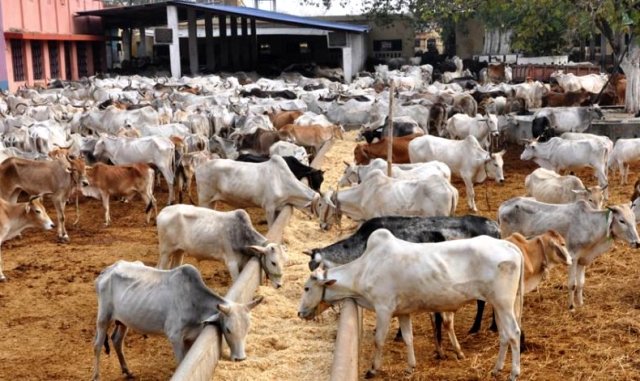
Cattle ranching
Cattle ranching

Blench, a Briton, made the assertion on Thursday, November 8, 2018 in Abuja at the public presentation of a Brochure entitled: “Towards a Peaceful Co-existence between Herders and Farmers in Nigeria.’’

The News Agency of Nigeria (NAN) reports that the brochure is a publication of Misereor, Dialogue and Partnership Service (DPS) and Catholic Secretariat of Nigeria (CSN).

The anthropologist, represented by the Project Consultant and Advisor, Misereor and DSP, Mr Olaniyan Cosmas, said that suggestions that ranching was solution to lingering violence between herders and farmers in Nigeria was misconceived.

“Ranches were first established in Nigeria in the 1920s, mainly with the objective of fattening cattle for the market.

“Ranches continued to be established into the 1960s, often with external aid, and they have all fallen into disuse for lack of effective management,” he explained.

According to him, ranches required undisputed land tenure, reliable infrastructure and utilities, and predictable input costs, none of which was present in Nigeria.

Blench, however, said that ranches would compete in a market where traditional suppliers of livestock products within Nigeria and from neighbouring countries had access to free pasture.

On agriculture, he said that land in Nigeria had historically not been fenced because it was abundant.

He said that farms moved frequently under slash and burn systems, and that disease kept pastoralist cattle out of most regions of the country, thereby reducing the problem of livestock incursions.

Blench, however, stated that unprecedented increase in human population in the 20th century has led to increasingly codified systems of land ownership and the movement of cattle into new ecological zones.

He said that such situation often led to conflict between farmers and pastoralists.

“The brochure considers technical options for enclosing land, including the comparison between industrial fencing and live fencing.

“Nigeria has changed and agricultural systems that were appropriate in pre-colonial times are no longer realistic,” Blench said.

According to him, there was lack of consistency between federal and state governments’ policies towards pastoralists as well as a lack of awareness of the effectiveness or otherwise of earlier policies.

“Uncontrolled and exaggerated media reporting and social media blogging promoted inter-group hatred and collapse of nomadic education system intended to provide schooling for pastoral people.

“Consolidation of many pastoralists into small areas in the Middle Belt, leading to entrenched positions, greater suspicion and ecological damage, were all issues needed to be addressed for peaceful coexistence between herders and farmers,” he said.

In his address, CSN Secretary General, Rev. Fr Ralph Madu, said that to stop the bloodshed, Federal Government should improve security, end impunity by assailants and hasten livestock sector reform.

Madu said that the government should better protect herders and farmers, prosecute attackers and carry out its National Livestock Transformation Plan.

He also recommended that state governments should roll out open grazing bans in phases.

The cleric appealed to community leaders to curb inflammatory statements and encourage compromise, while international partners should advocate for accountability and support livestock sector reform.

By Abujah Rachael

Concern as Iran charges IUCN conservationists with crimes punishable by death

0

The International Union for Conservation of Nature (IUCN) has said that it is deeply disturbed as five IUCN member conservationists, including members of the IUCN Species Survival Commission (SSC), are charged with crimes punishable by death in Iran.

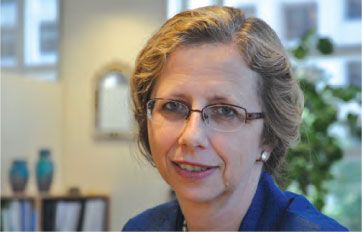
IUCN’s Director General Inger Andersen
IUCN’s Director General Inger Andersen. Photo credit: pinterest.com

The five conservationists have been charged with “corruption on earth”, the highest penalty for which is execution, according to media reports.

“IUCN is deeply alarmed by the charges against these dedicated women and men committed to protecting Iran’s rich natural environment and unique species,” said IUCN Director General Inger Andersen. “Their work is of crucial importance to their country and its people, particularly at a time of severe environmental challenges in Iran. IUCN and its Commissions stand in solidarity with them.”

The five environmentalists from IUCN Member organisation Persian Wildlife Heritage Foundation (PWHF) are Niloufar Bayani, Taher Ghadirian, Sepideh Kashani, Houman Jowkar and Morad Tahbaz. Taher Ghadirian and Houman Jowkar are members of the IUCN SSC Cat Specialist Group; Taher Ghadirian is also a member of the IUCN SSC Bear Specialist Group. They undertake vital conservation work including efforts to conserve the Critically Endangered Asiatic cheetah.

“Monitoring and researching species that live in remote landscapes, such as the Asiatic Cheetah, is a challenging task,” said Jon Paul Rodriguez, IUCN Species Survival Commission Chair. “As their numbers have dwindled, Asiatic cheetahs have become elusive, making it difficult for researchers to observe them directly. Novel techniques such as camera traps have proven indispensable in helping researchers gain valuable insights into the status and biology of threatened species worldwide.”

The five conservationists had been detained by Iran’s Revolutionary Guards in January along with four others and charged with espionage. Human rights campaigners and Iran’s government have said the charges against them are unfounded, according to media reports.

IUCN’s Director General raised the matter as soon as the colleagues were arrested and met with the Iranian authorities asking for transparency and justice. She recalled IUCN resolution 2.37 adopted at the 2000 IUCN World Conservation Congress, ‘Support for Environmental Defenders’, which calls for the Director General to speak out publically and forcefully to discourage harassment or persecution of environmental advocates.

The four others detained in January are Amir Hossein Khaleqi, member of the IUCN SSC Cat Specialist Group, of the IUCN Commission on Education and Communication and of the IUCN World Commission on Protected Areas, Sam Rajabi, AbdolReza Koupayeh, and Kavous Seyed-Emami.  Kavous Seyed-Emami died in prison for unknown reasons following his detention. IUCN has called for an independent inquiry into his death.

Iran is said to be facing environmental challenges including drought, water scarcity and dust storms, which have led to nationwide protests this year.

Hydropower dam construction in developing world unsustainable, says report

0

A new research has found that large-scale hydropower dams are unsustainable in the developing world.

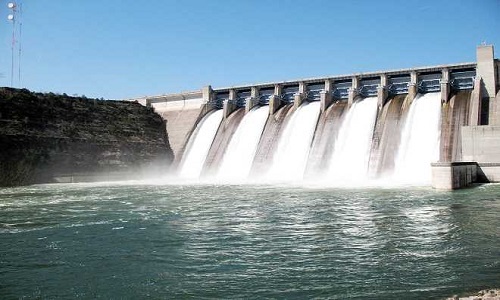
Hydropower dam
Hydropower dam

Hydropower is an important source of energy and makes up more than 70 per cent of all renewable energy globally as of 2016.

However, new research, published in the journal Proceedings of the National Academy of Sciences of the United States of America, has found that large-scale hydropower dam projects have had an adverse effect on the environment.

In the 1970s, the construction of dams began in developing countries, notably along the Mekong River Basin and the Congo River Basin.

The construction of these large-scale hydropower dams has reportedly contributed to the destruction of the environment, disrupting river ecology, deforestation, losing aquatic and terrestrial biodiversity and releasing substantial greenhouse gases into the atmosphere.

The dams, according to the report, have also had a negative effect on livelihoods, as the construction has displaced thousands of people and affected food systems, water quality and agriculture in the surrounding areas.

The report looks at the reliability of hydropower under projected climate change and whether it is worth the environmental side effects.

The report notes that hydropower needs to be transformed for it to be a truly sustainable source of energy. It suggests that hydropower designs need to truly allow fish passage and mimic the seasonal river flows. They also note the importance of Environmental Impact Assessments (EIAs) in being able to stop a dam being built.

This follows the WWF releasing its 2018 Living Planet Report, which stated that freshwater species are under threat from pollution and dam development.

Read the full report here.

Courtesy: Climate Action