Home Blog Page 1770

When HOMEF brainstormed with Edo farmers on food, agricultural systems

0

About 100 farmers from various communities in Edo State on Friday, September 21, 2018 gathered in the conference hall of Girls Power Initiative (GPI), Ugbiyoko Community in Benin City for a one-day dialogue on food and farming systems organised by Health of Mother Earth Foundation (HOMEF).
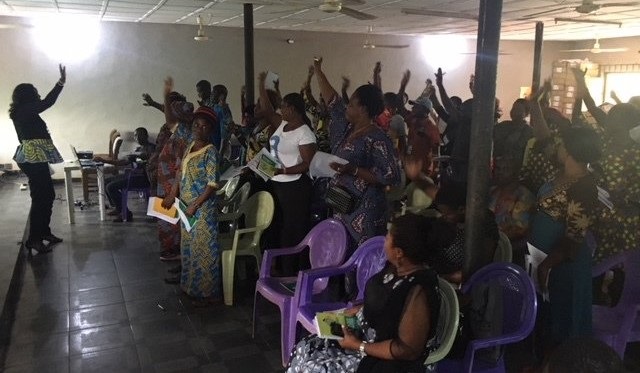
HOMEF Farmers Dialogue
Participants at the HOMEF dialogue with farmers

The dialogue provided a platform for examining the challenges facing agricultural production and the special threats posed by opening of the flood gates to Genetically Modified Organisms (GMOs) into Nigeria and also discussion on the way forward for improved agricultural productivity with emphasis on agroecology and support for small scale farmers.

In his opening words, Nnimmo Bassey, Director of HOMEF, stated that dialogues such as this are vital for sharing ideas, best farming practices and ways of preserving seed and our overall biodiversity.

He recounted that small-scale farmers are the main food providers to more than 70% of the world’s people and they produce the food with less than 30% of the resources – including land, water and other inputs. The industrial food system under which agricultural modern biotechnology thrives, however, uses at least 75% of the world’s agricultural resources, is a major source of Green House Gas emissions yet provides food to less than 30% of the world’s population.

Mariann Bassey-Orovwuje, Chairperson of the Alliance for Food Sovereignty in Africa, in one of the presentations that preceeded the dialogue, stated that although attempts to overcome agricultural challenges have led to many innovations and have resulted in production of improved natural crop and livestock varieties, corporate industrial systems attempt to control food production and displace small scale farmers through the push for genetically modified crops.

Her presentation made it clear that a majority of small-scale farmers have no idea what GMOs are about and what threats they pose to their health, environment or livelihoods. This was obvious as about 98% of the farmers gathered had not heard of GMOs.

The food sovereignty activist pointed out the risks agricultural biotechnology poses to small scale farmers and consumers at large, included diseases resulting from the use of toxic chemicals, soil degradation, and the loss of farmers‘ right to save and reuse seeds.

Adeoluwa Olugbenga, senior lecturer of agronomy at the University of Ibadan, speaking on “Agroecology, Securing Farmers‘ Income and Agricultural Productivity in Nigeria”, noted that, to improve productivity, there is need for proper understanding of agroecology management and practices. This also ensures the sustainability of their agro ecosystem and increase in their income levels.

This session enlightened the farmers on natural indigenous practices that  can be used to combat pests and diseases, improve productivity in minimal land space and replenish the soil health in the process.

During the dialogue session, the farmers discussed in groups among other things the major challenges facing agriculture today. They lamented that, in addition to shortage of capital, they had challenges with availability of land as it is being taken up for development projects. They also complained of bad roads and high transportation costs, unavailability of seeds, lack of processing facilities and invasions by pests and diseases. The farmers also discussed the solutions to these challenges.

The farmers, which included crop and livestock producers, expressed gratitude to HOMEF for the enlightenment and acknowledged that they needed more of these dialogues and training. They rejected GMOs and with one voice and called on the government to provide them with more support to improve productivity with local/indigenous varieties.

Gloria Okon, one of the participating farmers from Katsina State, acknowledged that the Community Dialogue was very useful.

She said: “It helped me as a farmer know how to farm without using chemicals and also to know the difference between GM seeds and natural seeds.”

According to her, she saw the use of accessible language, especially pidgin English, as key to making the meeting successful. She added that she would organise similar dialogues for other farmers in her state.

The following resolutions were reached by the participants at the end of the dialogue:

  • The government through its Ministries of Agriculture should devise strategies to combat the use of harmful chemicals and pesticides by farmers. Focus should instead, be on promoting safe natural/traditional means of pest and weed control.
  • Extension officers should be trained and stationed in farming communities to share knowledge on agroecological methods of agriculture that build on practices developed over the millennia.
  • The government should make provisions for rural infrastructure, storage and processing facilities and financial loans to assist farmers.
  • There should be land access to farmers and gender equity should be enforced.
  • Farmers should form cooperatives within and across communities to facilitate exchange of both ideas and inputs.
  • Children and youths should be carried along in agricultural practices to ensure continuity of indigenous knowledge.
  • Civil Society groups should intensify enlightenment programmes and continue to amplify the farmers’ voices.
  • GMOs are harmful and not needed. The government should place a ban on GMOs and urgently carry out a radical revision of the National Biosafety Management Agency (NBMA) Act 2015 and install a neutral Biosafety Regulatory Agency that will put the interest of the people first.

Some of the communities represented who signed on to the resolutions include: Ugbiyokho, Utagban, Evbuodia and Uholor Communities in Edo State.

Organisations represented were: The Alliance for Food Sovereignty in Africa, Association of Organic Agriculture Practitioners of Nigeria, Health Promotion Education and Community Development Initiative, Nigerian Women Agro Allied Farmers Association, Idama Coorperative Farm, Ibaji, Women & Children Life Advancement Initiative and Health of Mother Earth Foundation.
Lagos faults planners over villages’ excision in urban plan

0

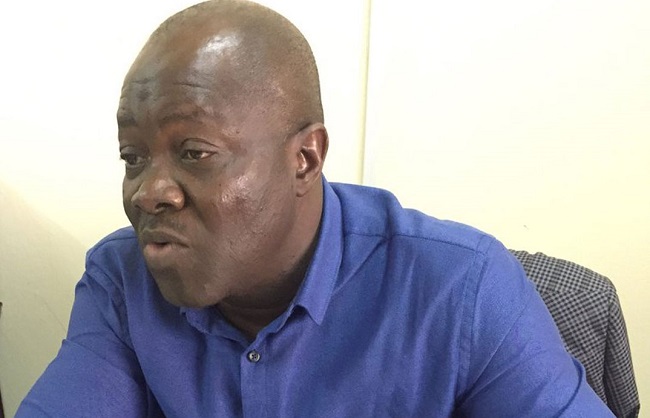
The General Manager, Lagos State Physical Planning Permit Authority (LASPPPA), Mr Funmi Osifuye, has faulted town planners for the excision of some villages in the state’s urban development plan.

Funmi Osifuye
Funmi Osifuye

Osifuye expressed his view in an interview with the News Agency of Nigeria (NAN) on Tuesday, October 2, 2018 in Lagos.

He spoke on the backdrop of a Draft Report on Geo-Referenced Infrastructural Mapping of Kosofe and Mainland Local Councils and Development Plans for Lakowe and Itoikin Excised villages.

The report was recently submitted by the District and Local Plans Department (DLPD) to LASPPPA.

According to him, town planners must assist by extending urban and infrastructure development programmes to the villages to ensure a comprehensive development of the state.

He noted that although planning a city was tough, all stakeholders must be involved to achieve the desired result.

“The planning of towns, districts, local government and others must be done by all professionals and not left to officers in the DLPD alone.

“All stakeholders must be engaged in the development of plans and the implementation of priority projects,’’ Osifuye said.

According to him, proper planning brings good urbanisation, economic growth, job opportunities and reduces rural-urban migration.

The Director, DLPD, Mr Abubakre Ogunneye, said that the draft report was necessary to show the location and the spread of infrastructure in the districts.

Ogunneye said that the report also showed other details such as urban design, pedestrian bridges, parks, canal setbacks, road improvement and sewage control, among others.

By Lilian Okoro

Tobacco production hurts the environment, says WHO

0

Tobacco not only damages human health but also threatens the planet’s wellbeing, according to a World Health Organisation (WHO) report published on Tuesday, October 2, 2018 in Geneva, Switzerland.

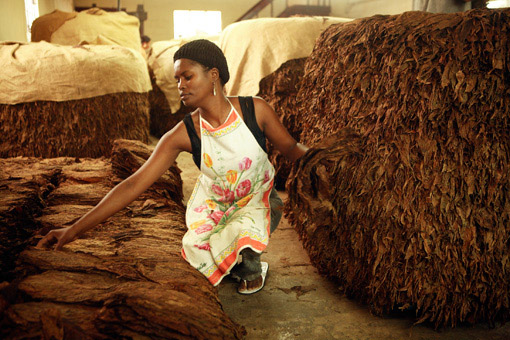
tobacco factory
A tobacco factory worker

“The damage to the environment occurs across the entire life cycle of tobacco products due to deforestation, water pollution from pesticide use, and cigarette littering,’’ Vera Luiza da Costa e Silva, who manages the secretariat of the WHO tobacco control treaty (FCTC), said.

According to the study, tobacco production uses over 22 billion tonnes of water each year, which the treaty secretariat commissioned from Imperial College London.

Almost 84 million tonnes of carbon dioxide end up in the atmosphere annually because of tobacco agriculture, accounting for 0.2 per cent of global carbon dioxide (CO2) emissions.

In addition, the study said that tobacco farming hampers economic development.

“Tobacco has a lower yield and requires more input by farmers than many other agricultural crops,’’ the authors said.

They cited the example of Zimbabwe, where one hectare of land yields only one tonne of tobacco, compared to 19 tonnes of potatoes.

Almost all the world’s tobacco originates in developing countries.

The top 10 producers include low-income countries that are net importers of food, such as Zimbabwe and Malawi.

The report was made public during a meeting by the 181 countries that have signed the WHO tobacco control treaty, formally known as the Framework Convention on Tobacco Control.

How to mitigate effects of climate change, by ecologist

0

An environmentalist, Mrs Gloria Bulus, has called for the application of evidence-based research and data to mitigate the effects of climate change in the country.

Gloria Bulus
Gloria Bulus

Bulus, who is the Founder of Bridge-that-Gap initiative, a Kaduna-based non-governmental organisation, made the call in an interview with News Agency of Nigeria (NAN) on Tuesday, October 2, 2018 in Lagos.

She said that her call was in reaction to President Muhammadu Buhari’s statement on climate change concerns in his independence speech on Oct. 1.

NAN reports that President Buhari, in his address, said that Nigeria was one of the countries in the world mostly affected by environmental degradation because of climate change.

“We are signatories to almost all conventions and agreements aimed at slowing down the effects of climate change and mitigating its now-evident consequences.

“The consequences of the shrinking of the Lake Chad and pollution caused by oil exploration activities on lives and livelihoods alone have made it mandatory for us to be at the forefront of the struggle for a safer and more sustainable environment.

“We will continue to mobilise international support for our efforts in this regard,” Buhari had said.

However, Bulus stressed that the fact that Nigeria was a signatory to various environmental and climate change accords was not enough to solve the climate change issues.

“Being signatory to various environmental policies across the globe is not enough, as the consequences of climate change are already evident in our country.

“There is the need to strengthen our capacity to plan and respond effectively to climate change impacts through scientific research and evidence-based data.

“What we need now is action to effectively mitigate climate change; we must first understand deeply the impact of climate change and its effects on us now and on the future generation,” she said.

Bulus underscored the need for Nigeria to strengthen its environmental laws, policies and ensure compliance to mitigate the effects of climate change in a pragmatic way.

“We have some environmental laws and policies, but these laws and policies need to be strengthened; we also have to ensure they are implemented.

“We need strategies and a well-formulated action plan to mitigate climate change.

“The action plan should have specific time-frame and periodic evaluation mechanisms to fully implement sustainable climate change solutions,” she said.

Bulus urged the government and other stakeholders to make concerted efforts to overcome the challenges of climate change.

“The Federal Government needs to collaborate with other organisations and stakeholders to address environmental issues both internationally and locally.

“Nigerians at the grassroots level are needed in the fight against climate change; it requires the collective effort of everyone,” she said.

As part of efforts to manage waste properly and forestall flooding incidences, the environmentalist called for sensitisation of Nigerians and concerted efforts to tackle the menace of climate change.

“There is so much to be done. If we can put in a little more effort into flood mitigation, waste management and recycling projects, we will reduce climate change concerns.

“If we recycle our waste, we will not only generate income, but we will also reduce waste and flood.

“Direct engagement with citizens will help Nigerians to better understand what climate change is and its horrible effects.

“Evidence-based data and reports on climate crises should be made available to the public, especially through downloadable soft copies, use of infographics and hard copies from research centres.

“Advocacy on climate change effects should start from households, communities, schools, worship centres and markets,’’ Bulus added.

By Mariam Akande and Mercy Omoike

UNICEF decries lack of awareness on maternal neonatal disease

0

United Nations Children’s Fund (UNICEF) health specialist, Mr Hilary Ozoh, has decried the low-level public awareness of the deadly Maternal Neonatal Tetanus disease (MNT) ahead of the Oct. 18, commencement 2018 MNT elimination campaign.

maternal mortality
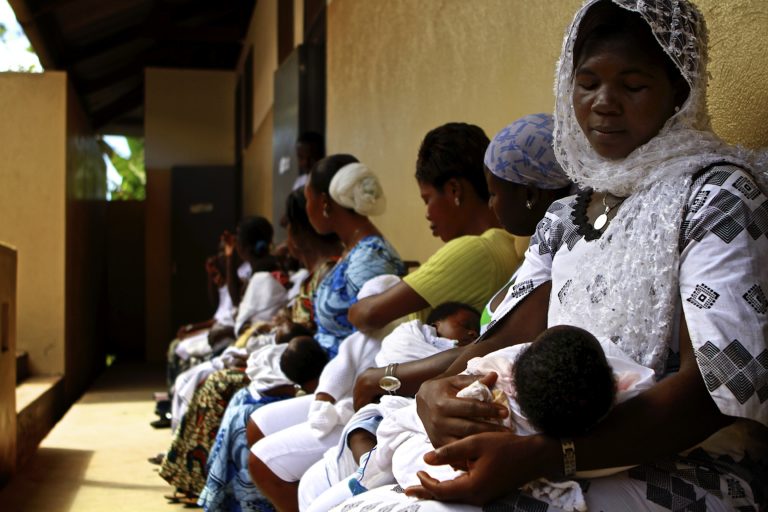
The MNT kills new born and sometimes the mother

Ozoh made the assertion at the opening of a one-day media orientation forum for 2018 MNTE campaign holding in Benin City, Edo State.

MNT is a swift and painful killer disease that kills new born and sometimes the mother.

According to UNICEF’s report, MNT killed no fewer than 34,000 newborns in 2015 alone while a significant number of women also die to due to maternal tetanus every year.

Ozoh said that MNT represented a very high proportion of the tetanus disease burden due mainly to inadequate immunisation services, limited or absent clean delivery services and improper post-partum cord care.

He however, expressed worry that not much had been done in terms of media enlightenment of the public with the Oct. 18, 2018 commencement day.

Speaking on the “Role of the media in the 2018 MNTE’’, Ozoh said the level of the campaign awareness was abysmal where the South-South zone had been identified as one of the high-risk states.

He noted that the campaign would not yield the desired result if the media was not involved.

Earlier, Dr. Eugene Orvihi-Ivase, Director, National Primary Health Care Development Agency (NPHCDA) in his welcome address, identified the media as a veritable vehicle for the effective implementation of all health programs.

Orvihi-Ivase, who heads NPHCDA’s Advocacy and communication department, said that the aim of the forum was to sensitise the media on the 2018 MNTE campaign, and identify the roles and responsibilities of the media, among others.

He expressed the hope that the forum would provide participants the platform for better understanding of the MNT health menace particularly in the South South zone.

Dr. Kizito Obi of the NPHCDA, in his presentation on the overview of 2018 MNTE campaign, said majority of mothers and newborns dying of tetanus live in Africa and Southern and East Asia.

Obi identified the major causes of the disease as poverty, little access to health care, and lack of information about safe delivery practices.

He said that Nigeria was among the 16 countries yet to eliminate MNT adding that the states in the South-South had been identified to be high risk zone.

The health expert noted that vigorous campaigns and follow ups on MNT needed to be sustained ahead of the 2020 total elimination date by the World Health Organisation (WHO).

According to him, once the disease is contracted, the fatality rate can be as high as 100 per cent without hospital care and between 10 per cent and 60 per cent with hospital care.

“The true extent of the tetanus death toll is not known as many newborns and mothers die at home and neither the birth nor the death is reported,’’ he said.

Obi, however, said that MNT was easily preventable through immunization of women with TT vaccine for protection against Tetanus.

“A child born to a woman protected against tetanus is also protected from the disease in the first few months of its life.

“Practice of hygienic birth practices to ensure infection is not contracted by mother or newborn during the birth process.

“Also, proper cord care to ensure that contamination of cord does not put the newborn at risk,’’ he said.

About 40 participants, drawn from the media, UNICEF and NPHCDA attended the daylong programme.

Industry infiltration dominates debate as tobacco treaty talks begin

0

Nigeria and 180 other countries meeting in Geneva, Switzerland for the Eighth Conference of the Parties (COP8) of the World Health Organisation Framework Convention on Tobacco Control (WHO-FCTC) have expressed worry about tobacco industry influencing the talks.

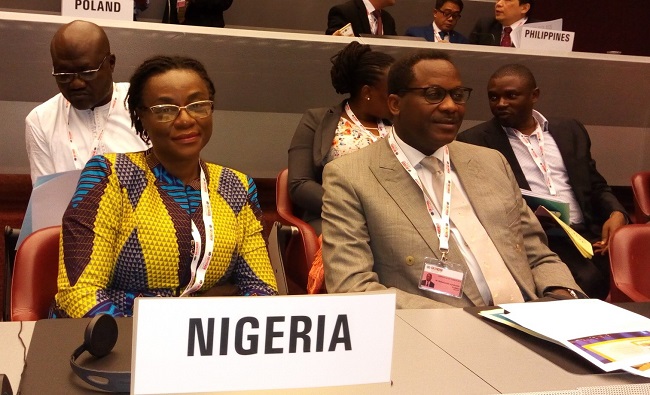
Nigerian delegation at COP8
Dr, Nnenna Ezeigwe, National Coordinator, Non-Communicable Diseases (NCDs) of the Federal Ministry of Health (left); with Mr. Babatunde Irukera, Director-General of the Consumer Protection Council (CPC), at a plenary session at the COP8 of the WHO-FCTC in Geneva, Switzerland

At the conference which began on Monday, October 1, 2018 (and is billed to end October 6), calls for live-streaming of the discussions to supposedly guarantee transparency met stiff resistance from countries that felt such a move would backfire and instead open the talks to interference of tobacco industry.

The African bloc stood firmly in support of live-streaming on the condition that it is only the opening and closing plenaries while the technical deliberations remain closed to avoid pressure from the tobacco industry, which had in the past slowed or caused stalemates in talks.

A member of the Nigerian delegation, Dr. Nnenna Ezeigwe, Director/National Coordinator, Non-Communicable Diseases (NCDs) of the Federal Ministry of Health, said that, like other African countries, Nigeria supported only live-streaming of the opening and closing deliberations but keeping the technical sessions insulated.

Initially, Canada introduced a decision that called for webcasting all sections and relaying them after a negligible three-minute delay, But, after Kenya, Uganda, Tanzania, Zimbabwe and the other African countries spoke during the deliberations and stood firmly behind the stronger African bloc’s position, all the Parties – including Canada – supported the stronger position.

Among a host of issues, this week Parties will advance a provision that prohibits the tobacco industry from exploiting public badges, which are primarily used by tobacco industry representatives to delay, block and weaken the treaty.

“The number one barrier to fully implementing this life-saving treaty is industry interference,” said Michéel Legendre, associate campaign director with Corporate Accountability. “With Big Tobacco on the defensive, and governments poised to give it the boot, the outcomes of this year’s Conference of the Parties will mark a turning point for public health.”

“We support consensus on insulating the talks from Big Tobacco promoted by the African bloc today. We anticipate that similar bonding will shut out Big Tobacco which has exploited the Public Badges policy to swarm the talks with their foot soldiers,” said Akinbode Oluwafemi, deputy executive director of Environmental Rights Action/Friends of the Earth Nigeria (ERA/FoEN).

The global tobacco treaty, known formally as the World Health Organisation Framework Convention on Tobacco Control (FCTC), entered into force in 2005. To date, 181 countries and the European Union have become Parties to the treaty. It contains the world’s most effective tobacco control and corporate accountability measures – estimated to save more than 200 million lives by 2050 when fully implemented.

Earlier, Director-General of the WHO, Dr. Tedros Adhanom Ghebreyeseus, said the treaty talks has witnessed progress in previous years which the ongoing talks will build upon.

Ghebreyeseus expressed worry about low- and middle-income countries that bear the brunt of the tobacco burden in terms of healthcare costs and deaths.

He urged Parties to do more in three critical areas: Increase tobacco taxes to save lives and raise revenue, initiate comprehensive ban on tobacco advertising promotion and sponsorships, and commit to universal health coverage for citizens.

GMOs: Groups commit to increased awareness, frown at regulatory process

0

The Health of Mother earth Foundation (HOMEF) and the Alliance for Food Sovereignty in Africa (AFSA) have pledged to work with the media to increase awareness of the public on genetically modified organisms (GMOs).

Nnimmo Bassey / Mariann Bassey-Orovwuje
Nnimmo Bassey, Director, HOMEF (right) with Mariann Bassey-Orovwuje, Chairperson, AFSA

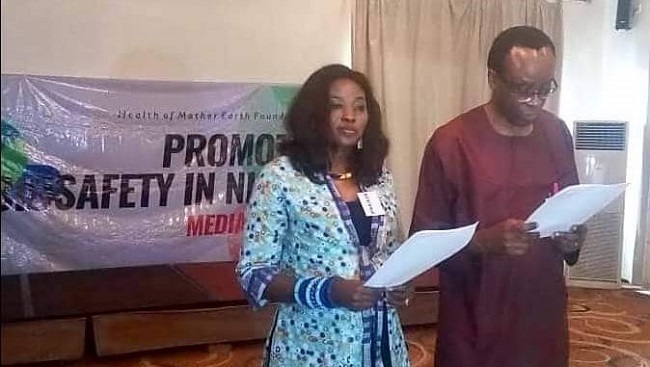
Nnimmo Bassey, Director, HOMEF and Mariann Bassey-Orovwuje, Chairperson, AFSA made the submission in a statement issued at the close of a Media Training on Promotion of Biosafety in Nigeria on Tuesday, September 25, 2018 in Abuja.

The move, they said, would strengthen the voices of Nigerians on these issues of food and biosafety.

“We believe that a knowledgeable media can make a huge difference in our duty to protect our biodiversity, agriculture and food systems,” Bassey and Bassey-Orovwuje jointly said.

They however lamented that the National Biosafety Management Agency (NBMA) was not ensuring sufficient safeguards for the people and the environment.

“NBMA approves nearly every application brought to it without due consideration of the impact of proposed activities or of the concerns raised by the public,” the activists allege, even as they listed several instances.

The statement reads in part:

“The fact that some of these crops are brought in for feed processing does not reduce their risks as there is no way to prevent the seeds from getting to the hands of unsuspecting farmers.

“Besides the reality that there are no proper risks assessments, the public is largely unaware of the type of food that is coming on their plates. At a dialogue session with farmers in Benin City recently, it was revealed that 98% of the participants had not heard of GMOs.

“The GMO promoters project biotechnology as the solution to agricultural challenges in the nation but these challenges are those that can be tackled by natural means and through adequate support for farmers.

“GMOs with more extreme variants known as Gene Drives are coming on stream. These target whole populations and involve gene editing. They pose special and unique dangers to Nigeria and Africa. One of the dangers is that our regulators-cum-promoting architecture keeps wide open doors to untested technologies. Another danger is that even when risks are known, they are happy to allow experimentations and expose our people, communities and environment to be used as guinea pigs.

“The threats posed by these crops grow with the advances in the technology and the impact of GMOs on health, environment and socio-economic wellbeing of the people stares us in the face.

“To preserve biosafety in Nigeria, the NBMA Act 2015 needs to be reviewed before it is too late. Gaps with regards to access to information, public consultation and participation, liability and redress, labelling and the right to know, appeals and reviews and conflict of interest need to be closed.

“We reprise our call for an investigation of the process by which the NBMA issues out permits for dealings with GMOs, we reiterate our call for a repeal of the Act and a ban on GMOs. Nigerians should not be used as pawns and as guinea pigs in a commercial gambit to open the country to toxic technologies in furtherance of blatant commercial interests.”

Buhari laments climate change impacts, shrinking Lake Chad

0

President Muhammadu Buhari has lamented the effects of climate change as well as shrinking of the Lake Chad on the nation.

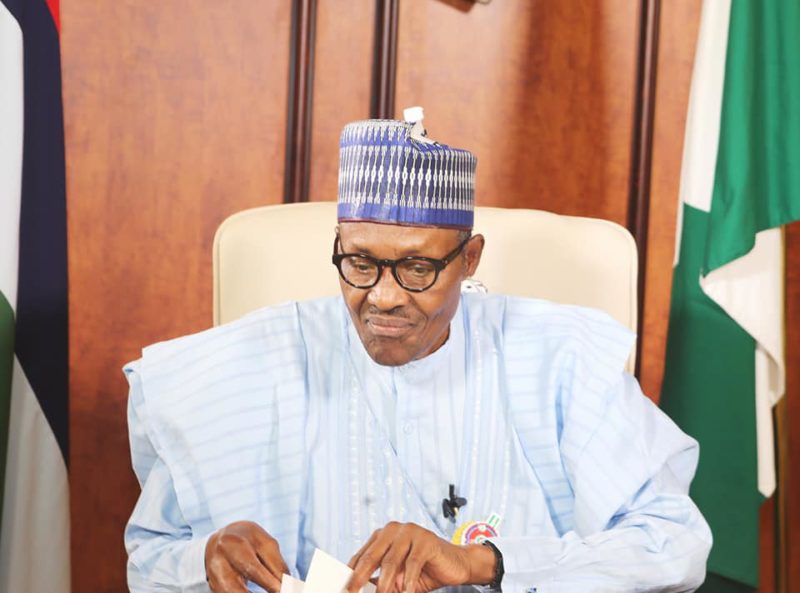
Muhammadu Buhari
President Muhammadu Buhari

The president made this known while addressing the citizens in a nationwide broadcast as part of activities to mark the nation’s 58th independence anniversary in Abuja on Monday, October 1, 2018.

Speaking on the danger of the shrinking of the Lake Chad and climate change, the President said: “We are one of the countries in the world most affected by environmental degradation, as a consequence of climate change.

“We are signatories to almost all conventions and agreements aimed at slowing down the effect of climate change and mitigating its now evident consequences.”

According to him, the consequences on lives and livelihoods of the shrinking of the Lake Chad and the pollution caused by oil exploitation activities alone make it mandatory on the nation to be at the forefront of the struggle for a safer and more sustainable environment.

We will continue to mobilise international support for our efforts in this regard,’’ he assured.

He also assured that the age-long conflict between herders and farmers, which he claimed was exploited by those seeking to plant the seeds of discord and disunity amongst Nigerians, is being addressed decisively.

President Buhari stated that the Federal Government and other stakeholders had intensified efforts toward finding lasting solution to the problem.

However, the president vowed that the perpetrators of murder and general mayhem in the name of defending or protecting herders or farmers would face the full wrath of the law.

“We will sustain and continue to support the commendable efforts by all including civil society organisations, local and state governments and our traditional and religious leaders in finding durable solution to this problem.

“This being a transhumance issue, we are working with countries in our region that are also facing similar difficulties to complement our common efforts.

“In this context I must warn that the perpetrators of murder and general mayhem in the name of defending or protecting herders or farmers will face the full wrath of the law,’’ he said.

President Buhari urged all well-meaning citizens to always avoid primordial sentiments while analysing such conflicts in the society.

“We urge all peace-loving Nigerians to reject any simplistic portrayal, at home or abroad, of this conflict as either religious or ethnic based.

On security, Buhari noted that there had been a steady improvement in the security situation in the North East.

He, therefore, stated that his administration remains committed to ending the crisis and make the North East safe for all.

“Our thoughts and prayers are always with the victims of the Boko Haram’s atrocities and their families.

“Beyond that, we know that the goals of the Boko Haram terrorists include capturing territories, destroying our democracy and denying our children the right to education. We will not allow them to succeed.

“I want at this point to pay tribute to the men and women of our armed forces, the Police and other security and law enforcement agencies, who have been working under the most difficult conditions to keep the country safe.

“In the process, many have made the supreme sacrifice.

“As their Commander -In- Chief, I assure these our gallant men and women that I will continue to empower them by deepening their professionalism and providing all the necessary force multipliers and enablers required for them to prevail on the field,’’ he assured.

He further disclosed that he was looking into all reported cases of inadequacies in relation to their entitlements, their welfare and those of their families with a view to addressing them.

Group flays plans to authorise test for GM mosquitoes in Mali

0

COPAGEN Mali, a member organisation of the West African Global Convergence for Land, Water and Seeds, is frowning at an apparent plan by the Malian authorities to authorise test for genetically modified (GM) mosquitoes in the country.

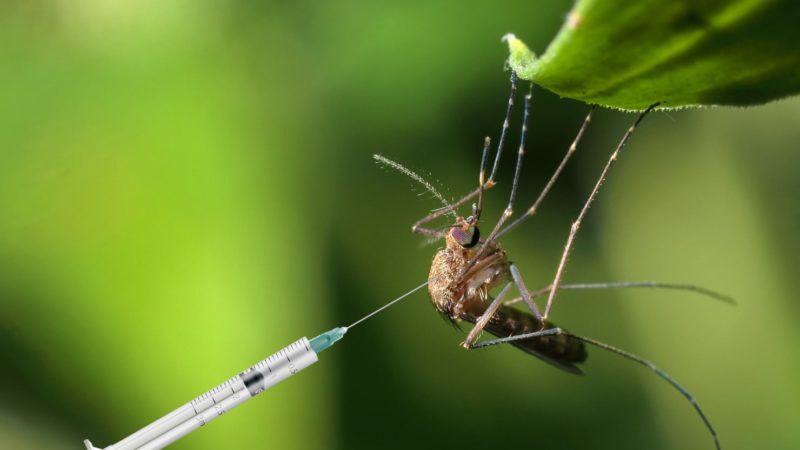
GM mosquitoes
Before the current case in Mali, the National Biosafety Agency of Burkina Faso had been under pressure not to release sterile genetically modified male mosquitoes as planned

Under the nation’s “Target Malaria” project, which COPAGEN Mali claims is being funded by the Bill and Melinda Gates Foundation, the National Biosafety Committee had planned to meet to evaluate the dossier application for a test authorisation with GM mosquitoes in the fight against malaria under the Ministry of the Environment, Sanitation and Sustainable Development.

The request for authorisation reportedly came from the Centre for Training and Research against Malaria whose experimental laboratory is located at Point G at the Faculty of Medicine and Odontostomatology (MRSC / FMOS) of Bamako.

But COPAGEN Mali has declined to endorse the meeting, saying that it does not seem to comply with the provisions of Law No. 08-042 on Biotechnology Security in Mali and its implementing decree setting the powers, the composition and the operating procedures of the National Biosafety Committee (Decree No. 10-683 / P-RM of December 30, 2010).

In a statement made available to EnviroNews, COPAGEN Mali disclosed that, according to Article 6 of the decree, an order of the Minister of the Environment sets the list of the members of the National Biosafety Committee on the proposal of the respective bodies. The group notes that the decree has not been taken to date.

The statement, titled: COPAGEN’s Declaration on the “Target Malaria” project and the process of its authorisation in Mali, adds: “In addition, Article 3 of the same decree stipulates that the Committee is composed of about 40 members whereas only 14 persons were invited to the meeting which is currently held in Selingué (from September 24 to 29, 2018) to rule on the application for authorisation of experimentation of genetically modified mosquitoes.

“No meeting of the persons from the Committee’s member bodies can take the place of a meeting of the Committee unless these persons have been duly mandated through an official appointment of the Minister of the Environment, who cannot, therefore, make legally valid recommendations to the competent national authority. So, any decision from the authority, in this case the Ministry of the Environment, based on these recommendations has no legal value and is therefore null and void.

“Furthermore, we disapprove of this project, which we consider to be a false solution to the eradication of malaria. Since any genetic manipulation forced by biotechnology involves risks to health and the environment, we warn public opinion.

“This project involves a lot of uncertainties and its erroneous vision will deviate us from real strategies for fighting malaria. Among them, sanitation remains the most effective. It is fundamentally essential and should be the priority target of the Ministry of the Environment, Sanitation and Sustainable Development.

“While Mali has hardly requested authorisation for the experimentation in a confined environment, which we refuse, things are even more serious in Burkina Faso. As they are still recovering from their disappointment with BT cotton, the Burkinabè people are again being used as “guinea pigs” after the authorisation to release genetically modified mosquitoes in the region of Bobo-Dioulasso, which is a threat to our entire subregion.

“Our silence will make us guilty victims, so let’s act!”

Nnimmo Bassey, Director, Health of Mother Earth Foundation (HOMEF), commented: “Experimenting with genetically engineered mosquitoes in villages in Burkina Faso is an utter disregard of the safety of the people and their right to dignity and their right to have comprehensive and comprehensible information on this risky and untested technology. Using Burkinabes as guinea pigs is an assault on our collective sensibilities. The experiments must be halted.”

Wetlands disappearing three times faster than forests, warns report

0

Wetlands, believed to be the most economically valuable and among the most biodiverse ecosystems in the world, are disappearing three times faster than forests with severe consequences for our future unless urgent action is taken to ensure their survival, warns a new report released by the Ramsar Convention on Wetlands on Thursday, September 27, 2018.

National-Arts-Theatre
The National Arts Theatre in Iganmu, Lagos is bordered by a wetland

Approximately 35 per cent of the world’s wetlands were lost between 1970-2015 with annual rates of loss accelerating from 2000, according to the first-ever “Global Wetland Outlook” of the Ramsar Convention, a global treaty ratified by 170 countries to protect wetlands and promote their wise use.  The report shows every region is affected.

Losses have been driven by megatrends such as climate change, population increase, urbanisation, particularly of coastal zones and river deltas, and changing consumption patterns that have all fuelled changes to land and water use and to agriculture.

Wetlands, which include lakes, rivers, marshes and peatlands as well as coastal and marine areas such as estuaries, lagoons, mangroves and coral reefs, are currently estimated to cover more than 12.1 million km2, an area greater than Greenland. Between 13-18 per cent of them are on the Ramsar List of Wetlands of International Importance, which are protected sites.

Wetlands are critical to human and planet life. Directly or indirectly, they provide almost all the world’s consumption of freshwater. More than one billion people depend on them for a living and 40 per cent of the world’s species live and breed in wetlands. They are a vital source for food, raw materials, genetic resources for medicines, and hydropower; they mitigate floods, protect coastlines and build community resilience to disasters, and they play an important role in transport, tourism and the cultural and spiritual well-being of people.

Studies show the economic value of services provided by wetlands far exceeds those of terrestrial ecosystems. Inland wetlands, for example, have a total economic value five times higher than tropical forests, the most valuable terrestrial habitat.

Wetlands are also essential to efforts to regulate the global climate. Peatlands store twice as much carbon as the world’s forests despite accounting for just three per cent of the world’s land surface, with salt marshes, sea grass beds and mangroves also carbon-dense ecosystems. However, wetlands produce 20-25 per cent of global methane emissions and rising temperatures from climate change are expected to increase greenhouse gases from wetlands, particularly in permafrost regions.

Despite this, wetlands remain dangerously undervalued by policy and decision-makers in national plans. An inexplicable omission given the pivotal role wetlands play in delivering global commitments on climate change, sustainable development, biodiversity and disaster risk reduction, with wetlands contributing to 75 indicators of Sustainable Development Goals (SDGs) alone.

The persistent and growing threat to the world’s remaining wetlands from water drainage, pollution, unsustainable use, invasive species, disrupted flows from dams and sediment dumping from deforestation and soil erosion upstream is detailed in the GWO, released ahead of the 13th Meeting of the Conference of the Parties (COP13) in Dubai, UAE.

Water quality trends are worsening with nearly all fresh water sources in the world compromised to some extent. Water pollution and nutrient loading from fertilizers are among the biggest challenges. According to the UN, more than 80 per cent of waste water is released into wetlands without adequate treatment while fertilizer use in 2018 is likely to be 25 per cent higher than in 2008, exacerbating excessive wetland plant growth and levels of decomposition resulting in oxygen starvation for flora and fauna alik

The biodiversity crisis is just as alarming. More than 25 per cent of all wetlands plants and animals are at risk of extinction. The IUCN’s Red List Index which assesses survival probability using available data has identified negative trends for wetland mammals, birds, amphibians and corals, an indication they are heading for extinction. Coral reefs are declining fastest due to rising sea temperatures, while amphibians have the lowest numbers and are the most threatened. Wetland fish, reptiles and large mammals are also vulnerable with every turtle species globally threatened and a third critically endangered.

“The Global Wetland Outlook is a wake-up call – not only on the steep rate of loss of the world’s wetlands but also on the critical services they provide. Without them, the global agenda on sustainable development will not be achieved,” says Martha Rojas Urrego, Secretary General of the Ramsar Convention on Wetlands. “We need urgent collective action to reverse trends on wetland loss and degradation, and secure both the future of wetlands and our own at the same time.”

The Parties to the Ramsar Convention have committed to the conservation and wise use of all wetlands. Although they have designated more than 2,300 sites of international importance so far, making the Ramsar List one of the world’s largest networks of protected areas, designating new sites for protection is not enough.

The GWO emphasises the necessity of developing effective wetland management plans and integrating wetlands into the planning and implementation of national plans on sustainable development, climate change and other key global commitments.

The report also stresses good governance and effective institutions at local, national and regional levels as a crucial factor in preventing, ending, and reversing trends in wetland loss and degradation.  More accurate data on wetland extent and wetland inventories is needed to help countries identify priority sites for restoration. Indigenous and local knowledge as well as citizen scientists are already invaluable resources on the state of wetlands and can be used more.

Drawing on successful examples across the world, the report recommends using existing funding mechanisms to apply economic and financial incentives for communities and business to protect wetlands through tax benefits. Perverse incentives for farmers and business such as subsidies to agriculture that encourage wetland conversion or pollution should be ended.

Additional recommendations include identifying solutions for wise use of wetlands that draw upon all expertise, ranging from hard science to traditional knowledge, to secure wide engagement on wetland protection and wise use and ensure sound decision-making. The GWO’s findings are expected to inform discussions and decisions at the Ramsar COP13, which holds from October 21 to 28.

“There is a slow awakening to the value of wetlands. Across the globe, legislative bodies need to integrate wetlands into policy programs and make investments into their sustainability. We need to educate the world on the critical importance of this most rapidly disappearing ecosystem. Without the world’s wetlands, we all hang in the balance,” asserts Rojas Urrego.