The deadly Ebola virus has infected 300 people in Congo since an outbreak erupted almost two months ago in the country’s east, the health ministry said on Tuesday, November 6, 2018.
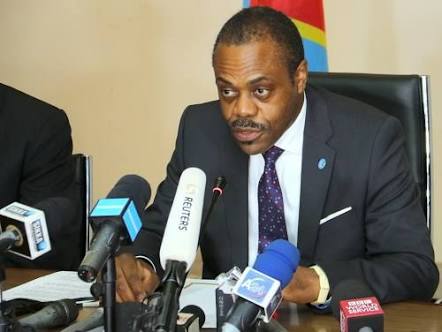
Oly Ilunga, the Congolese Minister of Health
Ebola is a disease caused by a virus, though there are five strains, and four of them can make people sick.
After entering the body, it kills cells, making some of them explode, it wrecks the immune system, causes heavy bleeding inside the body, and damages almost every organ, though it is scary, but it’s also rare.
“The virus has killed 186 people in the North Kivu and Ituri regions, while 88 others have been cured,’’ the ministry said on Monday.
According to authorities, about 26,000 people in the central African nation have meanwhile received a vaccine to prevent Ebola.
Earlier this month, the health ministry said it will install health checkpoints at the entrances to all polling stations in Congo’s Ebola-affected region during the December presidential election, when millions of Congolese are expected to come out to vote.
The outbreak is concentrated in a region where numerous militia groups are fighting over Congo’s rich natural resources.
Besides militia attacks that have hindered health workers, the region’s high population density and movements across the borders to Uganda and Rwanda pose additional risks that the highly lethal fever disease could spread in the region.
The outbreak began shortly after the government declared an end to another outbreak in the west of the country in June and lauded those involved for managing to swiftly contain the spread of the disease.
A strategic report released by the Namibian Ministry of Health and Social Services on Tuesday, November 6, 2018 has revealed that the Southern African country is in a unique position to eliminate the local transmission of malaria.
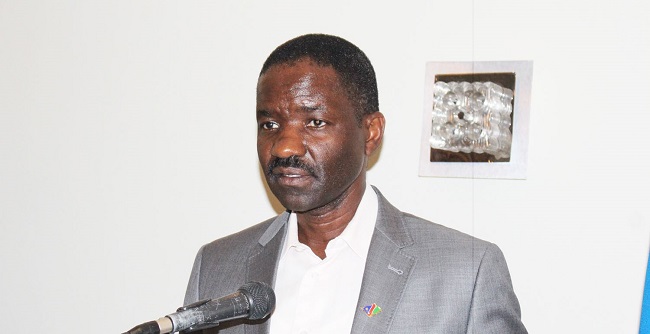
Namibia’s Minister of Health and Social Services, Bernard Haufiku
According to the report, which was signed by the country’s Minister of Health and Social Services, Bernard Haufiku, Namibia is ahead of most southern African countries in malaria elimination.
The report, therefore, called for the consolidation of current efforts at combating the disease
“The Ministry of Health and Social Services with the support of partners, has implemented a strong malaria control programme.
“It steadily improved the coverage and quality of indoor residual spraying (IRS), introducing long lasting insecticide-treated nets and increasing access to rapid malaria diagnosis and new artemisinin-based combination treatment,’’ the report said.
The report came against the background of Namibia having implemented consistent corrective measures to combat malaria in marginalised communities since the year 2010.
Malaria is a serious and sometimes fatal disease caused by a parasite that infects a type of mosquito which feeds on humans.
Once an infected mosquito bites a human, the parasites multiply in the host’s liver before infecting and destroying their red blood cells.
People who get malaria are usually very sick with symptoms such as high fevers, shaking chills, and flu-like illness.
It is transmitted to humans through the bite of the Anopheles mosquito.
Globally, the World Health Organization estimates that in 2015, 212 million clinical cases of malaria occurred, and 429,000 people died of malaria, most of them children in Africa.
Considering that malaria causes so much illness and death, the disease is a great drain on many national economies.
Since many countries with malaria are already among the poorer nations, the disease maintains a vicious cycle of disease and poverty.
In collaboration with the Government of Egypt, the United Nations Convention on Biological Diversity (CBD) will hold its 14th meeting of the Conference of the Parties (COP14) in Sharm el Sheikh, Egypt, from November 14 to 29, 2018, under the theme “Investing in Biodiversity for People and Planet.”
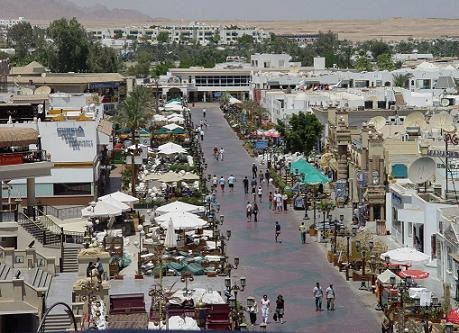
Sharm el Sheikh, Egypt
From November 14 to 15 at the High-Level Segment, some 80 ministers of Environment, Infrastructure, Energy, Industry and other sectors are expected to join in discussions on mainstreaming biodiversity into their respective fields of work.
Next come negotiations among 196 Parties to the CBD from November 17 to 29. Main themes include achieving the globally-agreed Aichi Biodiversity Targets (2010-2020); mainstreaming biodiversity issues; and the beginning of two years of negotiation of the post 2020 global framework for biodiversity, scheduled for final agreement at CBD COP15 in China in 2020.
According to the the Intergovernmental Platform on Biodiversity and Ecosystem Services (IPBES), Sunday, November 18 will feature the launch of a message “primer” detailing elements of the IPBES Global Assessment of Biodiversity, expected to be released in Paris in May 2019.
On Monday, November 19, there will be presentations by the Co-chairs of the four IPBES Regional Assessment Reports issued in March, 2018 (one each for the Americas, Europe and Central Asia, Africa, Asia and the Pacific) and the Global Assessment Report on Land Degradation and Restoration.
The Minister for Water Resources, Alhaji Suleiman Adamu, has directed a three-member committee in the National Water Resources Institute (NWRI) to conduct a comprehensive assessment of the devastation caused by flood in Jigawa State.
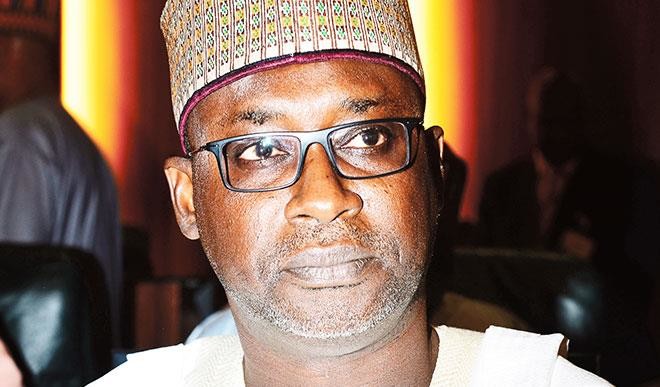
Suleiman Adamu, Minister of Water Resources
Alhaji Yusuf Sani, the Executive Secretary of Jigawa State Emergency Management Agency (SEMA), stated this in a statement made available to the News Agency of Nigeria (NAN) in Dutse, the state capital, on Monday, November 5, 2018.
Sani said that the minister had mandated the team to go around the flood-ravaged communities in the state to ascertain the extent of damage caused by the disaster.
He said that the terms of reference for the committee include the identification of affected persons, property, infrastructure and farm lands.
He said that the committee was also expected to interview the victims to find out the cost of the property destroyed by the flood.
The SEMA boss said that the committee was to recommend solutions that could forestall a recurrence in future.
He said that the committee, which is headed by a senior staff member of the ministry, Mr Jersey Stephen, had one week to submit its report.
The latest Scientific Assessment of Ozone Depletion reveals a healing ozone layer, global warming reduction potential, and options for more ambitious climate action.
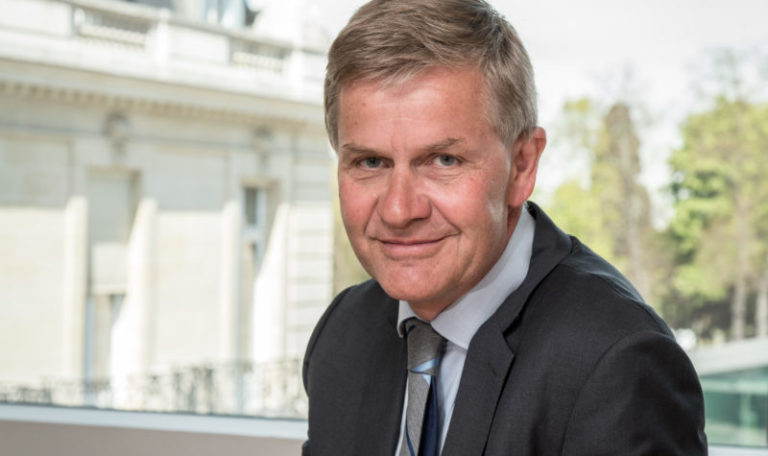
Erik Solheim, Executive Director of the United Nations Environment Programme (UNEP). Photo credit: OECD/Michael Dean
The quadrennial review from the Scientific Assessment Panel of the Montreal Protocol will be presented at the 30th Meeting of the Parties to the accord. Its findings confirm first and foremost that actions taken under the Montreal Protocol have led to long-term decreases in the atmospheric abundance of controlled ozone-depleting substances (ODSs) and the ongoing recovery of stratospheric ozone.
Evidence presented by the authors shows that the ozone layer in parts of the stratosphere has recovered at a rate of 1-3% per decade since 2000. At projected rates, Northern Hemisphere and mid-latitude ozone is scheduled to heal completely by the 2030s followed by the Southern Hemisphere in the 2050s and polar regions by 2060. The ozone layer protects life on Earth from harmful levels of ultraviolet rays from the sun.
It is further evidence of the inspiring success of this environmental treaty now entering its fourth decade. The report also offers a view of the role the Protocol must have in decades to come.
“The Montreal Protocol is one of the most successful multilateral agreements in history for a reason,” said Erik Solheim, head of UN Environment. “The careful mix of authoritative science and collaborative action that has defined the Protocol for more than 30 years and was set to heal our ozone layer is precisely why the Kigali Amendment holds such promise for climate action in future.”
Set to enter in to force on 1 January 2019, the Kigali Amendment calls for slashing the future use of powerful climate-warming gases in refrigerators, air conditioners and related products. Nations that ratify the Kigali Amendment are committing to cutting the projected production and consumption of these gases, known as hydrofluorocarbons (HFCs), by more than 80 percent. So far, 58 parties have done so.
Authors of the Assessment found the world can avoid up to 0.4°C of global warming this century through implementation of the Kigali Amendment, affirming its critical role in keeping global temperature rise below the 2°C mark.
“These new assessment results highlight the importance of continued long-term monitoring of HFCs in the atmosphere as the Kigali Amendment begins to take hold,” said David Fahey, Co-Chair of the Montreal Protocol Scientific Assessment Panel and scientist at the NOAA Earth System Research Laboratory in the US.
Full compliance would reduce future global warming due to HFCs by about 50% between now and 2050 compared to a scenario without any HFC controls.
The findings come at a time when the world is still grappling with a sobering message from the Intergovernmental Panel on Climate Change (IPCC) which found just 12 years remain to limit global warming to 1.5°C, beyond which, the impacts of a further rise in global temperatures will begin to have an increasingly extreme impact on human society and ecosystems. The IPCC report offered the clearest evidence to date of the drastic difference between the 1.5°C and 2°C scenarios.
“Carbon dioxide emissions remain by far the most important greenhouse gases which are driving global warming. But we can also help tackle climate change by reducing our commitment to other gases including HFCs. Every bit of warming matters,” said World Meteorological Organisation Secretary-General, Petteri Taalas.
The Assessment, which is intended to add to the scientific basis for decisions made by the Parties to the Montreal Protocol, also presents updated scenarios for hastening ozone recovery through:
Complete elimination of controlled and uncontrolled emissions of substances such as carbon tetrachloride and dichloromethane
Bank recapture and destruction of chlorofluorocarbons (CFCs), halons, and hydrochlorofluorocarbons (HCFCs)
The President, Association of Nigerian Geographers (ANG) Prof. Kayode Oyesiku, has urged federal and state governments to pay close attention to geography being a strong foundation of human environment.
Vice Chancellor of University of Ibadan, Professor Abel Idowu Olayinka; first African President of the International Geographical Union, Prof Akin Mabogunje, and other Council members of the Association of Nigerian Geographers (ANG) during the 59th ANG Annual Conference at the University of Ibadan
Oyesiku made the call on Monday, November 5, 2018 during the opening ceremony of the 59th annual conference of the association at the University of Ibadan, Ibadan, Oyo State.
The conference has “Geography and Sustainable National Development” as its theme.
According to him, lack of understanding of strategic importance of geography has led to its relegation to the background of national discuss.
He said that the association had made significant stride in the development of the country, particularly in population growth and its effect on the spatial spread and development of regions.
“Geographers in this country have significantly been the pioneer of urban development, regional planning and more importantly, supporting the development of the quantitative tools for spatial analysis.
“Also, it has contributed to digital presentation of information for commerce, business, safety, and firefighting and refuse management,’’ he said.
He said that the major challenges were the ability to highlight the extent to which the subject of geography and how geographers could make more meaningful contributions to the development of the country.
“We should not forget to also sustain the drive toward getting back geography as a subject that has been sandwiched within some part of social studies at secondary school level,” he said.
Oyesiku said that while other countries were investing in the development of geography as a course from elementary schools, Nigeria had opted to relegate the discipline as a subject to the background.
“We are becoming a country producing youths and elders without knowledge of basic locations,” he said.
He decried the fact that many youths could not give answers to some of the questions on the exact locations of some states due to poor knowledge of geography during job interviews.
“We cannot go on like this as the development of our youths and future generations are very unsustainable hence geographers must be partners in the sustainable development of the country,” he said.
Malam Kabir Yari of the UN-Habitat said the theme was relevant and appropriate in the light of global and national attention which was currently focusing on the achievement of the Sustainable Development Goals (SDGs) through the Global 2030 Agenda.
Yari, a town planner, said that there was a four-fold increase of the national population within a period of 50 years, according to the National Report on Habitat 111, which led to increased demand and consumption of resources with adverse impacts on the urban environment.
“The SDGs are a universal blueprint to achieve a better and more sustainable future for all.
“They addressed global challenges including those related to poverty, inequality, climate change, environmental degradation, prosperity, peace and justice,’’ he said.
The SDGs emphasises the integrated nature of components of sustainable development namely economic, social and environmental.
Chairman of the occasion, Prof. Akin Mabogunje, said that the relationship between geography and the SDGs was based solely on the economic wellbeing of Nigeria and the world at large.
He urged geographers to acquire knowledge in public administration to achieve sustainable development.
Mabogunje decried that an important subject as geography, which had greatly affected the development process and population growth of the country, should not be removed from the nation’s educational curriculum.
He recommended that the subject be made compulsory both at the primary and secondary levels to build more geographers that would be able to tackle future environmental issues, especially during disasters.
A cash price of N100, 000 was given to Zamani College, Kaduna by the association for producing Miss Awubaka Zenab as the winner of a geography school quiz competition it organised.
About 13.1 million people in the Democratic Republic of Congo (DRC) are estimated to face severe food insecurity due to ongoing conflict in the country’s Central and East regions, according to report on Monday, November 5, 2018.
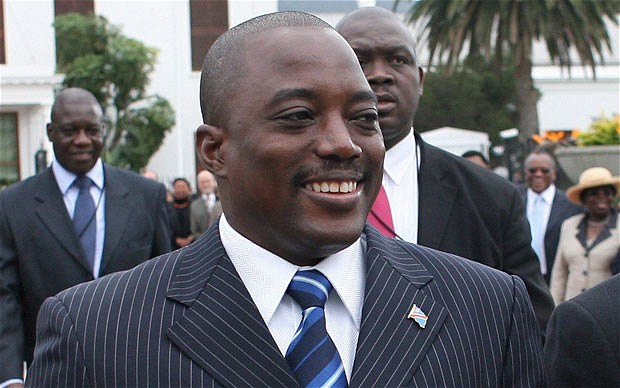
Joseph Kabila, President, Democratic Republic of the Congo
The report was published by the Global Institute for Food Security (GIFS).
The number almost doubled over that of 2017 from 7.7 million food insecure people in the regions, according to the IPC Global Support Unit, which provides data to global organisations such as the United Nations World Food Programme, Oxfam and Care.
Some six million Congolese children are malnourished, according to the IPC report.
Most affected are the Eastern provinces of Ituri and Tanganyika, where militias and rebels are active, as well as the Central region of Kasai, where ethnic conflict has hampered farming activities, the report said.
In March, the UN temporarily declared the situation in Central and Eastern Congo one of the most serious humanitarian crises in the world, an assessment the government of President Joseph Kabila rejected.
Aiming to identify emerging environmental threats to people’s health and agree on a strategic action plan for the region, African Ministers of health and environment will meet for the Third Interministerial Conference on Health and Environment from November 6 to 9, 2018 in Libreville, Gabon. The conference, jointly organised by the World Health Organisation (WHO) and UN Environment, will discuss how to turn health and environmental policies into action.
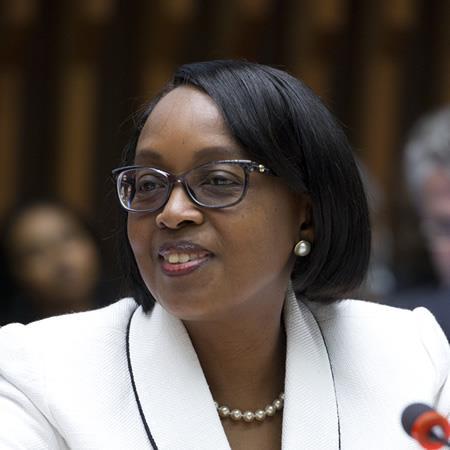
Dr. Matshidiso Moeti, the World Health Organisation (WHO) Regional Director for Africa. Photo credit: pbs.twimg.com
In the African region, 23% of deaths are linked to the environment. This is the highest for any region in the world on a per capita basis (deaths per 100,000). While the continent has long been plagued by problems relating to access to safe drinking water, inadequate sanitation and poor infrastructure, pollution, new environmental threats have emerged, including climate change and rapid and unplanned urbanisation.
“From the air we breathe to the water we drink, to the places we live and work the environment is intimately linked to our health,” said Dr Matshidiso Moeti, WHO’s Regional Director for Africa. “Unfortunately for millions of Africans, the environment can make them sick and even kill them. With climate change this is likely to only get worse. We must urgently turn this situation around.”
Nearly 300 delegates including Health, Environment and Finance Ministers, as well as representatives from regional political and economic organisations, big cities, multilateral agencies and experts from 54 countries in Africa will participate in the conference.
The conference comes a decade after the historic endorsement of the Libreville Declaration by the African Ministers of Health and Environment, which committed governments to take the required measures to stimulate synergies between health, environment and other relevant sectors. It also comes ahead of the 2018 UN Biodiversity Conference to be held on African soil in Egypt this month and will discuss how to mainstream biodiversity into health sector, among other sectors.
“Tackling the interlinkages between environment and human health can provide a common platform and multiplier effect to sustain progress across many of the Sustainable Development Goals and Africa’s Agenda 2063 in a more cost-effective and beneficial manner,” said Dr. Juliette Biao Koudenoukpo, UN Environment, Africa Office.
“By working together, the health and environment sectors have the potential to design mutually reinforcing policies and strategies and turning them into concrete actions,” she added.
The conference consists of an expert meeting from 6November 6 to 7 2018 and a ministerial segment to be held from November 8 to 9.
The African Union (AU) is said to be paving the way for the entry of the latest and most controversial form of genetic engineering – gene drive technologies. In July 2018 the AU released a report endorsing the development of the technology as well as “enabling legislation” for their deployment across its member states. The African Centre for Biodiversity (ACB), has released a critique of the AU report, which the ACB says is hopelessly premature and merely repeats unsubstantiated claims made by gene drive developers
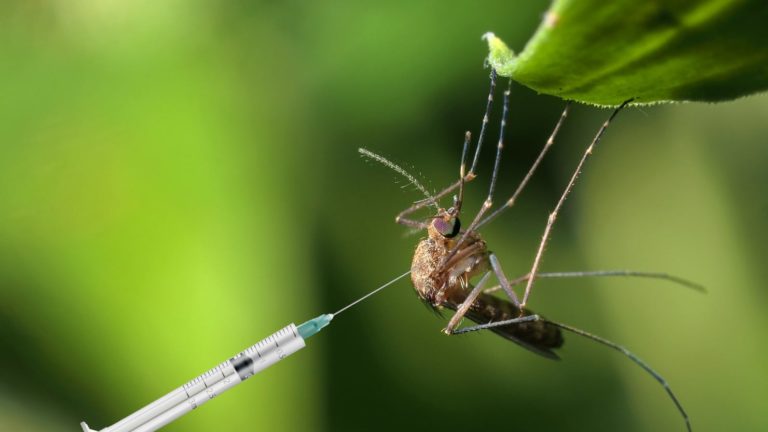
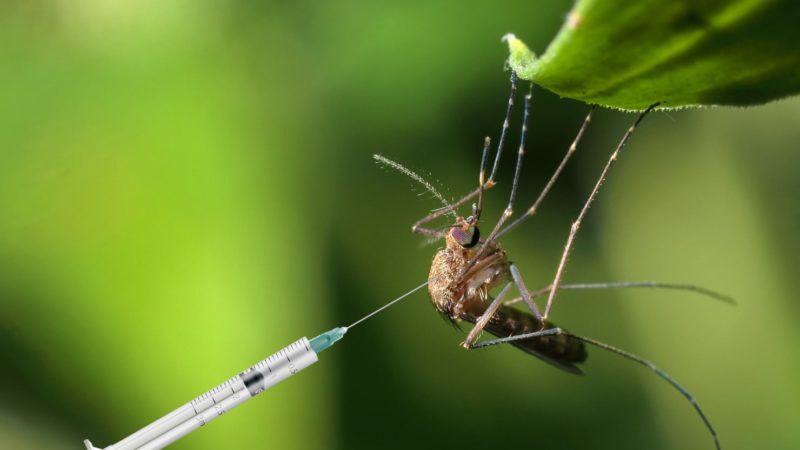
The GM mosquitoe
Gene drives are an extreme form of genetic modification (GM), designed to alter the genetics of an entire population, with the potential to eradicate entire mosquito populations. Such a technology has stirred intense public, policy, legal and ethical debates about the potential impacts on the environment and health.
Executive director of the ACB, Mariam Mayet, warns, “This technology is in its infancy; the long-term impacts on the mosquito populations (the disease vectors) and human health, as well as their potential ecological impacts are completely unknown. It is also clear that once released, the technology cannot be recalled due to its aggressive nature, which overrides natural inheritance patterns. Of course, mosquitoes will also not respect borders.”
Gene drives – a technology in its infancy
Their potential for eradicating malaria, a serious health challenge in Africa, remains highly speculative. Current evidence demonstrating their potential as a sound tool for malaria eradication is yet to be demonstrated, with some developers admitting that they are likely to face technical problems that may well hinder their effectivity.
Despite the lack of underlying data demonstrating their potential efficacy, grand claims of gene drives being a “game-changer” are nevertheless being made by developers and supported by AU statements that they present “realistic options for effective disease control” and that “potential benefits for African countries will almost certainly be extensive”.
GM mosquitoes to be released in Burkina Faso
Such claims have already opened the door for gene drive research groups such as the Target Malaria project, funded by the Gates Foundation and the Open Philanthropy project, to release other forms of genetically modified mosquitoes in Burkina Faso, due to be trialled in the very near future – the first ever GM animal on the continent – showing callous disregard for its people, the environment or the concerns of many scientists about potentially harmful impacts. The GM mosquitoes have no public health benefit and are meant to ‘test’ biosafety systems and prepare the way for the future release of gene drive mosquitoes. In the meanwhile, research is already taking place that pays volunteers to expose themselves to wild-type mosquitoes for paltry sums (around $4.20 per night for six hours) increasing risk of malaria exposure to themselves and others.
Colonial medicine and corporate profits
The hype and media pressure surrounding gene drives as the latest techno-fix fails to consider lessons from history. As witnessed with previous malaria eradication programs, while sometimes effective in significantly reducing mosquito populations, they did not always translate to reduced disease burden. Further, numerous African successes in malaria reductions were largely ephemeral, in some cases even resulting in surges of cases amongst vulnerable populations that had lost acquired immunity to the disease.
According to Mayet, “The Target Malaria project represents the latest version of a top-down approach rooted in a bygone era of colonial medicine that laid the foundations for global health policies. It yet again focuses narrowly on technologies, while strategies that focus on wider determinants of health such as investments in national health services are being neglected, despite their critical influence in past global successes.”
It also appears that a public health application is being specifically chosen as the first potential deployment of gene drives despite wider corporate interest in the technology, in attempts to gain public and government support. Sabrina Masinjila, researcher and advocacy officer with the ACB based in Dar es Salaam said, “Gene drives are being targeted for Africa before anywhere else in the world. Despite this being on the face of it, a ‘philanthropic’ venture to combat a serious public health issue, profits from future gene drive applications, especially in agriculture, may well come off the backs of human experiments that first risked the health of the people of Burkina Faso.”
No public debate on irreversible technology
The AU report endorsing gene drive applied research and potential deployment for malaria eradication has emerged in the absence of any agreed international governance standards for the release of the mosquitoes into the environment. The AU has also been deaf to any form of civil society concerns or debate, even though this technology cannot be recalled once it is deployed.
In 2016 over 170 international civil society organisations called for a moratorium on gene drive releases, including applied research such as open field trial releases, until there is further understanding of the potential risks and technical issues. Concerns remain regarding the inability to regulate transboundary movement; the inability to contain gene drive organisms following both field trial and commercial releases; issues surrounding monitoring, assessment and liability; and the need for free, prior and informed consent, particularly with regards to lands and territories of indigenous and local communities as enshrined in the UN Declaration on the Rights of Indigenous Peoples.
The ACB supports this call for a moratorium and strongly urges African governments to do the same at the upcoming 14th meeting of the Conference of the Parties to the Convention on Biological Diversity due to take place in Sharm El-Sheikh, Egypt from November 17 to 29, 2018.
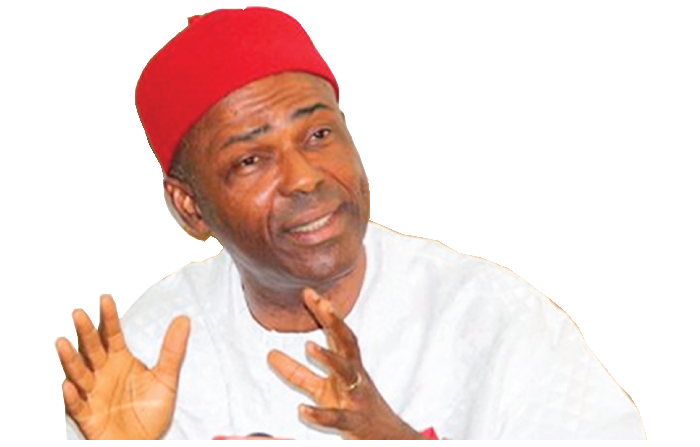
The Minister of Science and Technology, Dr Ogbonnaya Onu, has advised African countries to deploy space technology in reducing poverty to strengthen sustainable development.
Dr. Ogbonnaya Onu, Minister of Science and Technology
Onu gave the advice at the opening of the 7th African Leadership Conference on Space Science and Technology on Monday, November 5, 2018 in Abuja with the theme “Implementation of the African Space and Strategy.”
Represented by Mr Bitrus Bako, the Permanent Secretary, Ministry of Science and Technology, Onu said that the focus of the conference was on progress of various Africa United Front programme in space science and technology.
He said that such effort would make Africa to improve productivity and self-reliance, noting that space had an increasing role in Africa’s development paradigm “because Africa would be in a strategic position to negotiate better offers.”
He explained that Africa would achieve all by itself, given the level of development and resources at the disposal of each member nation, stressing that “with population of over 1.2 billion based on UN estimate, Africa is 16.6 per cent of the total world population.
“Africa is thus the second largest and second most populated continent on earth.
“Space Science and Technology should therefore be made to contribute significantly to the reduction of poverty and enhancement of her prosperity, especially through communication satellite development.
“Regarding the theme of the conference, Africa should commence implementation of African Space Policy with the necessary support from institutions, industries and academia, to realise the overall objectives.
“I urge participants to come up with robust, quality deliberations and sound recommendations that can lead to the quickest implementation of the African Space Policy and Strategy for our collective benefits.”
Prof. Ajayi Boroffice, the Chairman, Senate Committee on Science and Technology, said Africa ought to deepen efforts toward actualising set goals in space science and technology that would translate into critical development for overall benefits of Africans.
He said “my appeal to everyone of us is to continue to do the best we can for the promotion of Space Science and Technology for growth and sustainable African continent.
“I hope the crop of intellectuals here will do justice to the theme and outline positive drives and well-defined strategies for implementation of a formidable agenda that will transform space programme in Africa.”
Prof. Seidu Muhammed, the Director-General, National Space Research and Development Agency (NASDA), stressed the need for Africa to unite as a continent in application of space technology.
According to him, resolving to cooperate and work as a united Africa is the only way to collectively pursue aspirations to improve the quality of lives of African people.
He said: “We are delighted to note with all sense of humility, the sincere commitment and conspicuous progress made in the application of space science and technology in Africa.
“We are especially delighted over progress in the areas of Remote Sensing, Disaster Management, Security, Tele-medicine and Tele-education, Navigation, Maritime, and Agriculture, among others.
“It is very evident that Africa as a continent is in a strategic direction capable of moving the continent to the next level in the pursuit and application of space science and technology.”