Home Blog Page 1761

Advocacy coalition urges AfDB to commit to 100% renewable future

0

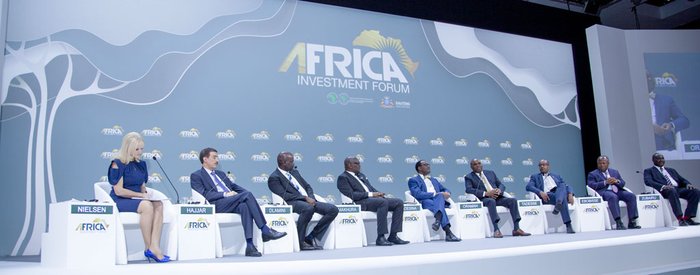
In a bid to have Africa commit to 100% renewable energy and to increase transparency in the continent’s energy sector, Zero – a coalition campaign between climate change volunteers and Non-Profit Organisations (NGOs) around the continent – was launched on Wednesday, November 7, 2018 in Johannesburg, South Africa at the Sandton Convention Centre on the side-lines of the African Development Bank’s (AfDB) Africa Investment Forum.
AfDB Africa Investment Forum
A session at the AfDB Africa Investment Forum

The African Climate Change Reality Project (ACRP) – the African branch of Nobel Laureate and former US Vice President Al Gore’s The Climate Reality Project – is leading the campaign. The campaign is driven by Africans for Africans to build a movement towards clean energy from the grassroots up.

“Our ultimate goal is for a low carbon sustainable future for all Africans and the shift from fossil fuels like coal, oil, and gas to renewable energy is vital as the latter is less costly and will create more jobs, build sustainable infrastructure, and does not contribute to pollution or harmful emissions which cause irreversible damage to our climate.

“We believe the AfDB is moving in the right direction in terms of clean energy finance for the future of Africans, but they continue to invest in new fossil fuel development in Africa and are not as transparent as they should be,” says Nicole Rodel, African Climate Reality Project’s Communications Coordinator.

In 2017 the AfDB’s energy investments portfolio consisted of 100% renewable energy, amounting to 1.4 GW of clean electricity, indicating the bank may be leading Africa towards the energy of the future. The AfDB has approved power generation projects with 1,400 megawatts cumulative specifically from renewables in 2017.  Both show its commitment towards achieving the Paris Agreement’s target of keeping the global temperature increase to 1.5°C above pre-industrial levels.

“We have been tracking the Bank’s progress towards transparency and easy access to information and have noticed that the AfDB is ranked fourth in the 2018 Aid Transparency Index. However, we feel that in an industry where standards are low this could be improved,” says Ahmed Mokgopo, 350Africa.org campaigner.

The Zero coalition calls on the bank for increased transparency concerning the disclosure of possible and impending investments. The improvement in transparency gives public citizens a chance to voice their opinions on investments that threaten their well-being and quality of life and allows the AfDB to explore alternative options to development.  Furthermore, the campaign calls on the bank to disclose and share the greenhouse gas (GHG) emissions data for the projects and portfolios it supports.

This, it was gathered, will send a message to potential investors and policymakers of the importance of decoupling Africa’s growth and development from GHG emissions.

All African countries have endorsed the Paris Climate Agreement and the goal to limit global temperature increase to 1.5ºC above pre-industrial levels. In accordance with international reports, most notable the recent report by the Intergovernmental Panel on Climate Change (IPCC), African countries are among the most vulnerable countries to climate change.

The IPCC report also warns of the devastating impacts of warming beyond 1.5ºC.  As temperatures continue rising, Africans will experience catastrophic impacts related to climate change, according to the report.

“The costs of this damage, including increased civil unrest, migration and destruction of infrastructure, will require significant funding to ensure the wellbeing of African lives – and it becomes the responsibility of the region’s governments and public institutions, like the AfDB, to lead the world by example towards demonstrable and marked reduction in emissions,” says Rodel.

While the AfDB claims to support the shift to renewable energy, it is unfortunate that the Bank’s energy portfolio still consists of more than 45% of fossil fuels investments from coal, oil and gas. This stands in contrast to the 100% renewable energy vision of the Climate Vulnerable Forum, of which many African countries are a member.

“We are sure that AfDB can offer more support for this important endeavour which will lead to rapid advancement and support energy players on the African continent to shift to renewable energy projects. The transformation will inevitably begin by using a robust methodology to comprehensively measure and report emissions from its portfolio, including emissions from non-energy sectors and financial intermediaries,” concludes Michael David Terungwa, Climate Reality Leader and founder of Global Initiative for Food Security and Ecosystem Preservation (GIFSEP).

“Renewable energy solutions will not only not help Africa achieve universal access to modern energy, but they also represent the viable alternative to meet African countries’ nationally determined contributions which pursue low-carbon development pathways. A rapid and sustained shift to 100% renewable energy investment will prevent the continent continue experiencing extreme weather events and other devastating impacts related to climate change. We, therefore, urge the AfDB to immediately freeze all fossil fuels investments on as most of the financial institutions have committed to do,” adds Landry Ninteretse, 350Africa.org.

Nadine Bugaighis, Africa Green Concern Group, notes: “Climate Change is an increasingly urgent problem that we must react to now.  The Zero campaign is giving us a chance to call on big African public organizations like African Development Bank to take the lead in eliminating fossil fuel projects that are destroying the future of Africa. The Bank also needs to be more transparent concerning potential fossil fuel projects to give the communities a chance to voice their opinions on such investments that can harm their wellbeing.”

Ivy Chipasha, AFRICA Renewable Energy Alliance: “Now is the time to set the course towards a substantial uptake of renewable energy for all people in urban and rural Africa to improve their livelihoods and to protect the environment.”
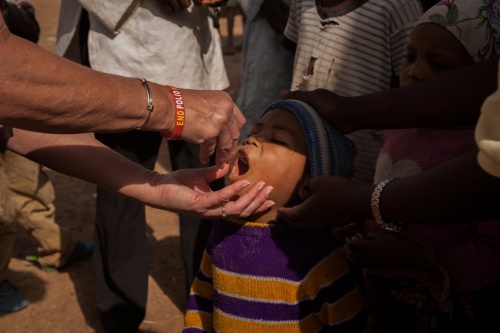

WHO immunises 79,000 children against polio in FCT

0

The World Health Organisation (WHO) says it immunised about 79, 000 children of below five years against polio during the just concluded polio immunisation in Kuje Area Council, the Federal Capital Territory (FCT).

Polio immunisation
Polio immunisation. Photo credit: Ruth McDowall for Rotary International

Mr Shola Ayeniyi, the WHO Local Government Facilitator, made the disclosure during a general review meeting at the end of the polio immunisation at the Primary Health Care Centre in Kuje on Wednesday, November 7, 2018.

He stated that the polio immunisation, titled “End Polio Now”, commenced on Nov. 3 and ended on Nov. 6.

Ayeniyi explained that the exercise was aimed at ensuring children were vaccinated for eradication of the virus to ensure their healthy growth.

The facilitator said the exercise, with the help of massive awareness creation through media sensitisation in the area, yielded 95 per cent coverage.

He, however, noted that there were pockets of non-compliance and rejection in some communities, stressing that this was quickly addressed with proper sensitisation by the district heads.

Ayeniyi also called on the council administration to fix dilapidated roads in some communities to help facilitate coverage in subsequent exercise in the area.

Environment-friendly hybrid seeds will boost food security, says biotechnologist

0

A biotechnology expert, Mrs Eniyekpemi Ebimoboere, has said that development of environment-friendly hybrid seeds will boost production of local vegetables and food security in the country.

Hybrid seeds
Hybrid seeds

Ebimoboere, the CEO of Afritropic Farming and Agric Services, disclosed this to the News Agency of Nigeria (NAN) in an interview on Wednesday, November 7, 2018 in Lagos.

She said the availability and development of the hybrid seeds would help tackle malnutrition and health challenges among Nigerians.

“The development of hybrid seeds plays a major role in boosting food security in the country.

“Hybrid seeds also help in the fight against malnutrition because it is very important to have vegetables to support our highly carbohydrate-based diet.

“This is possible when individuals purchase these hybrid seeds and cultivate these vegetables around their homes.

“With this hybrid seed technology Nigerians can eat healthy with the availability and accessibility of highly nutritious vegetables. We can tackle food insecurity across the country,” she said.

She harped on the necessity of developing the seeds and how compliant they were to the soil in any environmental location.

“Most conventional vegetable crops like tomatoes, peppers, cucumbers and onions may not thrive in the South-West or South-South as much as they will in the northern region of the country.

“That is why we have worked on these hybrid vegetal seeds to improve seeds so that they can stand the environmental and climate conditions in all parts of the country.

“They are hybrid seeds and not Genetically Modified seeds (GMOs), they are conventionally processed. These seeds are bred to suit the environment,’’ she said.

She added that they had low health risks, more qualitative, affordable and nutritious among other advantages.

“We develop these hybrid seeds to ensure the presence of nutritious vegetable in local meals across the country.

“We like seeing quality produce and that is why we organise trainings and seminars on the benefits of these hybrid seeds.

“Hybrid seeds have varieties and the number one benefit is that their yield is far higher than what the conventional seeds would produce.

“Hybrid seeds also have shorter duration in crop production than regular seeds.

“For example, our hybrid cucumber seedlings when planted can be harvested within forty-five days, it is healthy, and the yields are high in quality,” she said.

By Mercy Omoike

Tremor: Reps seek compliance with global standard on mining, drilling

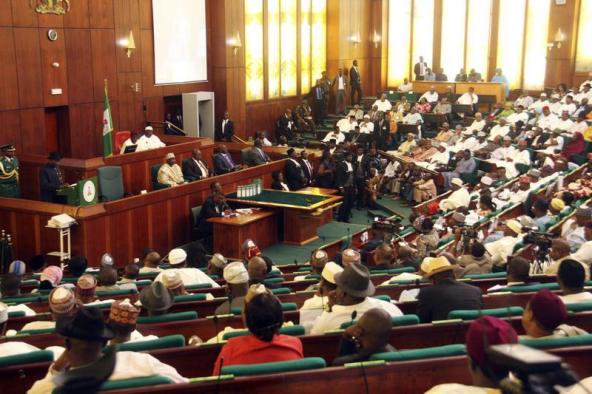
The House of Representatives on Wednesday, November 7, 2018 mandated its Committee on Environment to interface with relevant ministries, departments and agencies (MDAs) to ascertain the level of monitoring and compliance with world global standards in blasting, mining and borehole drilling.

House of Representatives

This was sequel to a motion under matters of urgent national importance by Rep. Johnson Oghuma (APC-Edo), at plenary on the “urgent need to forestall impending earthquakes in Nigeria.”

Moving the motion, Oghuma expressed concern over the recent cases of earth tremor experienced in September and October in the Federal Capital Territory (FCT) around Mpape and Maitama areas, raising fears of imminent earthquake.

According to him, earth tremor is a form of seismic movement within the earth which occurs at a small scale but can lead to earthquakes if preventive measures are not taken to reduce the stress.

“The reports by Federal Capital Territory Emergency Management Agency (FEMA) indicates that the incidence was likely caused by stress in underground rocks resulting from human activities which include blasting and mining of rocks.

“The National Space Research and Development Agency had reported that communities in four states and Abuja might witness earthquakes if necessary, preventive and monitoring devises are not employed immediately,” he said.

The lawmaker emphasised that it was necessary that preventive measures were taken to stop the catastrophe from happening.

Contributing to the motion, Rep. Johnson Agbonayinma (APC-Edo), said the issue of the tremor was important and should be taken seriously.

“What is happening these days is worrisome. Nobody knows which neighborhood will be next. Presently, we have nothing on ground on how to prevent, monitor or manage such occurrence.

“In developed countries like America, they plan for the future, they plan ahead for such occurrences but in Nigeria, we don’t plan. Once we fail to plan, we automatically plan to fail.

“The issue of boreholes is taking center stage in this matter. The drilling of boreholes must be regulated.

“I am appealing to government to rise up to the occasion and begin to do the needful,” he said.

Also, in his contribution, Rep. Abiante Awaji-Inombek (PDP-Rivers), said that for tremor to happen in Abuja, it showed that something was happening to the management of our environment.

“The suspicion that the tremors might be as a result of mining activities should not be over looked. There must be a holistic approach to this issue.

“We simply have to rise to the challenge before us. We should not restrict our attention to Abuja only, we should look at potential hotspots,” he said.

The motion was unanimously adopted by members when it was put to a voice vote by the Speaker, Mr Yakubu Dogara.

The House further mandated the Committee on Environment to report its findings within six weeks for further legislative action.

By Abiemwense Moru

Group commences 30-yr management agreement of Gashaka Gumti Park

0

In an apparent bid to boost conservation efforts in Nigeria, the Federal Ministry of Environment in Abuja on Monday, November 5, 2018 inaugurated a Local Organising Committee (LOC) to steer the implementation of a private-public partnership between the National Park Service and Africa Nature Investors Foundation (ANIF) in the management of the Gashaka Gumti National Park.

Gashaka Gumti National Park
Environment Minister of State, Ibrahim Usman Jibril (fourth from left), with members of the Local Organising Committee of the Gashaka Gumti National Park after the committee’s inauguration

Inaugurating the committee, Environment Minister of State, Ibrahim Usman Jibril, expressed optimism towards the activities of ANIF in boosting ecotourism and providing technical, financial and human resource support within the National Park.

He said: “Our seven National Parks are all in a critical state. Before now, we had eight National Parks; none of them is in the best of state and there is little we can do, especially with limited funding. Understanding that we must be conscious and intentional about our strategy, we are delighted to welcome Africa Nature Investors Foundation to intervene in the conservation efforts of Gashaka Gumti National Park.”

Speaking on behalf of ANIF, a director, Tunde Morakinyo, explained that the LOC is committed to transforming the Gashaka Gumti National Park to become a national heritage that Nigerians can be proud of.

Morakinyo stressed: “We have drafted an implementation protocol that will attract investment worth millions of naira, train and equip the park rangers and attract tourists to the park.

“Poaching, logging, activities of cattle herders, poor infrastructures and security concerns are some of the major challenges that have limited the tourism potentials of Gashaka Gumti National Park. We are discussing with two international conservation NGOs – Chester Zoo and Wildlife Conservation Society – to bring technical expertise. We have a 30-year contract and our major areas of investments are infrastructure, community engagement, improving research and attracting tourists.”

Constituting the LOC are: Philip Iheanacho, Tunde Morankinyo, Olaleye Olajide, Andrew Dunn, all representing the ANIF; from the National Parks Service are Okeyoyin ‘Deji, Kolo M. Yakubu and Saidu Yohanna. Also on the committee is Mohammed Yidi who is representing the local communities, the Department of Planning, Research & Statistics, and the Department of Forestry.

By ‘Seyifunmi Adebote

Climate change, water and sustainable development

0

Prince Lekan Fadina, Executive Director, Centre for Investment, Sustainable Development Management and Environment (CISME), in a recent presentation in Abeokuta, Ogun State at a forum organised by the Nigerian Institution of Water Engineers, a division of the Nigerian Society of Engineers, explored threats posed by climate change to water, environment and sustainable development. He lists measures to address the unsavoury prospects. Excerpts:

Lekan Fadina
Prince Lekan Fadina

The effect that climate change has on our water is just one example of the impact it can have on our life. It is becoming increasingly evident that we are at a critical point in time regarding our changing climate and the future of our planet.

We must be disciplined and respect our environment; remember the Holy Book draws our attention to the instruction of God that we must protect God’s resources. We must remember that, within those six days that God worked to create the world, water was one of those resources.

We must decrease emissions by managing our water using less energy or switching to renewable energy as this helps to slow global warming.

We should imbibe the habit of turning lights off when not in use, driving less and insulating homes to make them energy-efficient as this will reduce energy use.

We must put in place focussed, sequential, instructional programmes as a regular integral part of the whole curriculum.

We must go back to the days of sanitation and water inspectors.

We must buy environmentally responsible products and eating low-impact diet.

We must have lifestyle changes that can have a positive impact.

We must express support for environmental protection, by rising to do the right thing by cultivating a culture of environmental sustainability.

We must integrate climate change and environment sustainability into overall National Development Plan.

We must be a good advocate by making our voices heard, writing government officials, voting, posting about online or simply talking with family, friends, househelps, club members, associations, churches, messages, market place and being an ambassador of environment and sustainable development.

We must strive to be a sustainable development practitioner by training, education and, luckily, this has become a global profession with specialisation in various areas.

We must change our attitude and realise that the Almighty demands of us to manage this resource well for generations unborn.

We must embark on environmental education, publications, advocacy and people-centred projects to change people’s behaviour.

We must encourage community engagement by involving our communities to see the proper management of water and environmental sustainability as their own. We should encourage them as “owners” to do things in a sustainable manner.

We must all act now because the Intergovernmental Panel on Climate Change has given us ultimatum of 12 years to do something or we perish – face the consequences of homelessness and natural calamities.

Water is life and as human beings over 70% of our body is water and if we continue to treat water badly we must be ready for the consequences.

Abuja tremors can’t lead to earthquake, says expert

The National President, Association of Hydrologists, Prof. Ehidiamhen Charles, on Tuesday, November 6, 2018 said the two recent earth tremors in Abuja could not lead to earthquake.

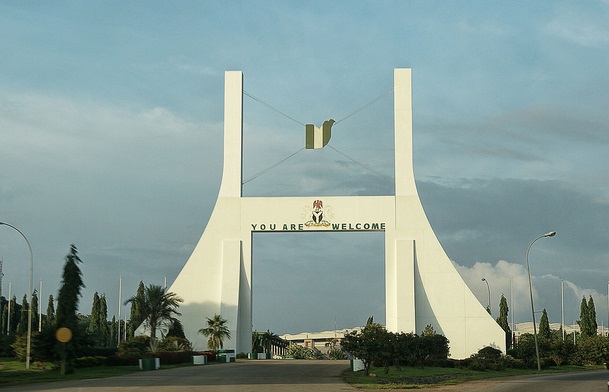
Abuja
The Abuja city gate

Charles. who made this known in Minna, Niger State while speaking with newsmen, said: “The minor incidents should not cause panic among the residents of the Federal Capital Territory.

“These incidents are minor, they cannot cause any concern; there should be no cause for alarm.”

Charles described incidents as ‘‘mere earth movements” which, he said, “are normal”, asserting that the tremors could not cause damages to individuals and the community.

‘‘Tremors are a regular phenomenon; Nigeria is stable, we are not an earthquake zone. The nearest we have here is volcano, even the volcano is dormant.”

He attributed the incidents to human activities saying, ‘‘so many construction works are going on in Abuja.

‘‘So many mining activities are going on; if I use dynamite, the blasting can only cause accentuation, the tremors are not destructive.”

The hydrologist said that there was no adequate consultation with the association before raising the alarm.

“Nigerians should not be made to panic, government should not be made to spend money unnecessarily,” he advised.

He recalled that there had been similar incidents in Kaduna, Paiko in Niger State and Ijebu Ode in Ogun State in recent past, adding that since then nothing had happened in these areas.

By Aminu Ahmed Garko

Radio Report: Heavy rain in November

0

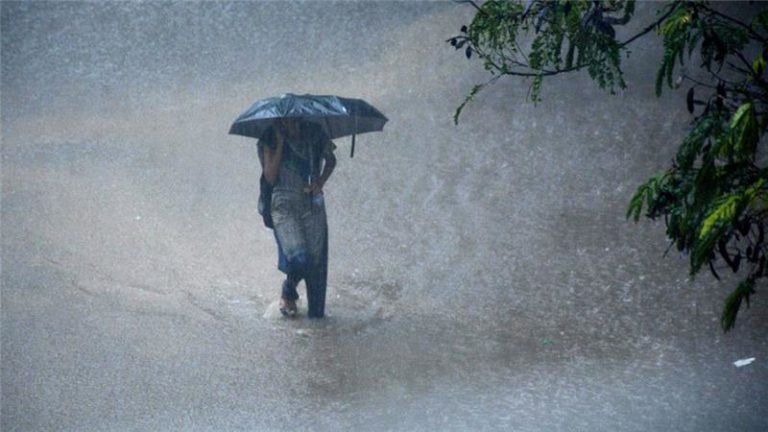
The continued heavy rainfall in Umuahia, the Abia State capital, as well as other places in the Southern part of the country, including Lagos, is nothing to worry about.

A weather expert, Professor Nasiru Idris, who is the Dean Faculty of Environmental Sciences, Nassarawa State University, Keffi, made the clarification while interacting with Correspondent, Innocent Onoh, in Lagos.


Tinubu advocates increased funding for environment ministry, agencies

0

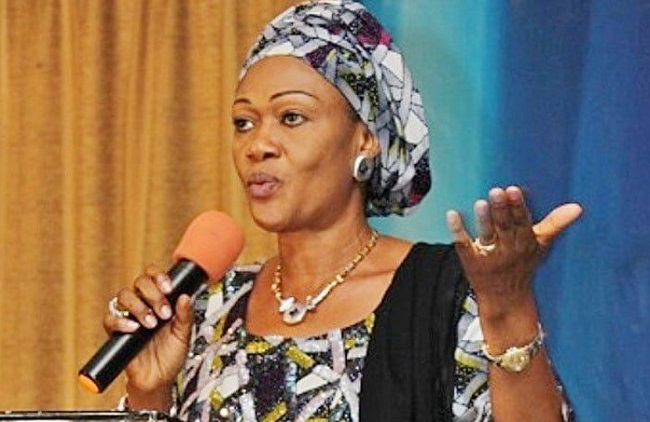
Chairman, the Senate Committee on Environment, Sen. Oluremi Tinubu, has advocated more funding for the environment ministries and agencies to function optimally.

Oluremi Tinubu
Senator Oluremi Tinubu

Tinubu made the call in Ibadan, Oyo State, on Tuesday, November 6, 2018 during a courtesy call on Gov. Abiola Ajimobi in his office.

The News Agency of Nigeria (NAN) reports that Tinubu had led other senators in the committee to Ibadan on oversight function to some agencies.

Tinubu urged the Federal Government to investigate the budget of the ministry, saying it was too small for the ministry and agencies to perform optimally.

“The budget for the environment ministry is very small and there is need for government to look into it.

“From our oversight visit to Forestry Research Institute of Nigeria (FRIN), we discovered that the institution needs lot of funding to function optimally,’’ she said.

She said that the delegation had during their visit to FRIN, presented a document containing useful environmental laws recently enacted to make the institution function maximally.

The lawmaker said that the new laws guaranteed recognition for FRIN to deal with international organisations, given it autonomy to act on environmental issues and colleges under FRIN tertiary status.

Tinubu commended Dr Sola Adepoju, FRIN Director-General for the tremendous transformation witnessed at the institute, which she described as “amazing and overwhelming’’.

“The quality of work carried out at FRIN, particularly materials and content is overwhelming. The D-G has utilised the resources allocated to the institute very well.

Responding, Ajimobi commended the senate committee for its effort toward ensuring that people enjoyed a better environment.

The governor said that the role of the environment ministry, agencies and other relevant stakeholders was very important in repositioning of the country.

He said that the state had the potential of becoming the food basket of Nigeria, considering its landmass and concentration of agricultural research institutes.

“Our administration is much committed to infrastructural development and urbanisation of the state. Our target is to make the state the third largest in Africa within 25 years,” he said.

Ajimobi said that the government had been trying to achieve the feat by doubling the Gross Domestic Product (GDP) of the state.

He commended the Senate delegation, promising that the state would harness potential in the research institutes.

NAN reports that on the senate delegation were Sen. Foster Ogola and Mr Sanni Lawan, Clerk of the committee.

By Akeem Abas

Ghana to host 2019 Africa Climate Week

0

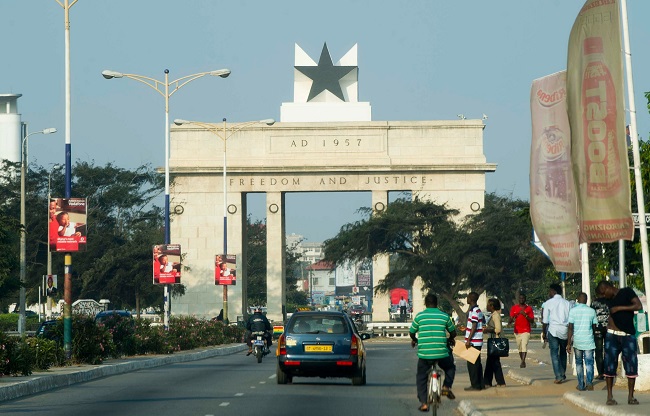
Accra, the capital city of Ghana, will play host to the Africa Climate Week 2019, scheduled fo hold from March 18 to 22.

Accra
Accra, Ghana

The Ghanaian event will be the first Regional Climate Week to be hosted next year; and will be followed by the Asia-Pacific and Latin America and Caribbean Climate Weeks, the dates of which are still being confirmed.

Africa Climate Week will bring together diverse actors from the public and private sectors and will be instrumental in demonstrating that there is genuine international support for stepping-up climate action.

Specifically, the event will focus on how engagement between Parties to the UN-led international process to address climate change and non-Party stakeholders can be further strengthened in key sectors for Africa, including energy, agriculture and human settlements. It will also showcase the role of future carbon markets to achieve enhanced climate action, towards the goal of sustainable development.

Building on the success of last year’s event in Nairobi, the intention is that Africa Climate Week 2019 will become a wholly inclusive, “go-to” hub for showcasing groundbreaking action in the region, particularly in the lead-up to the United Nations Secretary-General’s Climate Summit in September 2019.

To that end, the goal of Africa Climate Week is to provide encouragement to the implementation of countries’ Nationally Determined Contributions (NDCs) under the Paris Agreement and climate action to deliver on the 2030 Sustainable Development Goals.