Home Blog Page 1756

Africities 8 opens in Morocco amid desire to transform continent

0

African cities are forecast to urbanise at a rate of 3.65% annually, adding nearly 350 million new city dwellers by 2030, according to the Brookings Institution.
Africities 8
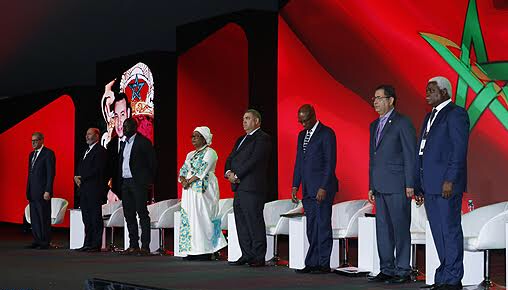
Dignitaries at the opening of 8th Africities Summit in Marrakech, Morocco

A billion more people are expected to be living in African cities by 2060, even as the continent’s rapid urbanisation and its infrastructure challenges are said to be making life in its cities expensive and slow down economic growth.

How will cities be able to reconcile their need for resources and infrastructures with a desire to use less of it and improve quality of life for citizens? How can urban development be squared with the need to safeguard natural resources?

These are some knots delegates are seeking to untie as the 8th Africities Summit opened on Tuesday, November 20, 2018 in Marrakech, Morocco. The theme of Africities 8 is: “Transition to Sustainable Cities and Territories: The Role of Africa’s Local and Regional Authorities”.

Indeed, African local and regional governments want the continent to turn its back on ecologically irresponsible and socially unjust behaviour in favour of a concept that respects the balance of nature.

These sentiments were expressed by Soham Wardini, the Mayor of Dakar and President of the Africities Political Committee, as she reaffirmed the commitment of her African counterparts to achieving the unity and integration of the continent “from its territories and with respect for its diversity.”

She said: “We are determined to work towards the emergence of an Africa reconciled with its humanity, drawing on its immense cultural reservoir to rebuild societies that respect the rights of all as well as the rights of future generations.”

Wardini stressed the need for deep reflection, especially for locally and regionally elected officials who grapple with ecological emergencies daily.

“Similarly, we must take the time to exchange ideas in order to keep up with the issues and challenges, many of which are common to African cities,” she suggested, while advocating for solutions from the community of African local authorities since, in her opinion, the antidotes to Africa’s problems are homegrown.

The Africities 2018 Exhibition will be inaugurated on Tuesday, November 21. This will be followed by several sessions on, among others, “Campaign Mobilistion: African Cities without Children on the Street”, “Design Issues for Local Governance”, and “Sustainable Food Systems: An Issue for African Cities and Territories.”

Africities is the flagship pan-African event organised by United Cities and Local Governments of Africa (UCLG Africa)), which is held every three years in one of Africa’s five regions.

Its aims to address major issues based on the construction of the 2063 Vision for Africa as proposed by the African Union Commission.

The Summit will last until November 24 during which it looks to address various issues, including urbanisation, demographic, ecological, democratic, political, economic, social, cultural and communications transitions.
Nigeria targets 30% in renewable energy mix by 2030

0

In a bid to diversify its energy sources and optimise other assets for power production, Nigeria is targeting 30 per cent of its energy needs from renewables by 2030.

Babatunde-Fashola
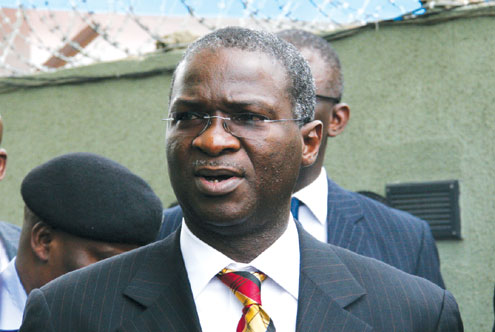
Minister of Power, Works and Housing, Babatunde Raji Fashola (SAN)

Mr Babatunde Fashola, the Minister of Works, Power and Housing, made the assertion in a keynote address at the 2018 pre-conference workshop of the Nigerian Association of Petroleum Explorationists (NAPE) in Lagos on Monday, November 19, 2018.

Fashola said that the current component of grid power consists mainly of gas-fired power (85%) and hydropower (15%), and there was the need to produce an energy mix that targets a 30 per cent component of renewable energy out of the gross energy produced by 2030.

“Let me be clear and unequivocal by saying upfront that our commitment as a nation and government to pursue renewable and low carbon energy at low cost is clear, firm and unshaking.

“But this is not all. It is a commitment driven by necessity, contract and policy,” he said.

The minister said that government had also matched its intent with actions such as signing 14 solar power purchase agreement (PPAs) with 14 developers with the potential to deliver over 1,000 MW of solar power.

“In addition to the necessity to diversify our energy sources from gas and provide some energy security, we are also driven to pursue renewable energy by contract,” he said.

He said that Africa must intensify efforts at improving transmission grid for renewable energy to be effectively developed on the continent.

Fashola said that Nigeria as a committed member of the United Nations, African Union and ECOWAS, has adopted several international treaties and policies which promote the use of renewable energy.

This, he said, was in line with the national vision to provide incremental power, and then steady and uninterrupted power.

The minister said that the Federal Government recently approved an integrated energy mix targets under Electricity Vision 30:30:30 which targets generation of 30 GW in 2030, with 30 per cent from renewable energy sources.

“Africa has trillions of standard cubic feet of natural gas reserves, billions of barrels of crude oil reserves and billions of tonnes of coal,” he said.

The minister said that government had completed arrangements to concession six hydro dams to private operators under build, operate and transfer (BOT) scheme.

He said the step was aimed at energising educational institutions and markets in the country.

Fashola said: “These are government-led initiatives based on the rural electrification plan approved by the president in 2016 to provide access to power for rural dwellers and vulnerable members of our society.

“We proposed to use six small hydro-dams that had been abandoned for decades, Federal Government owned universities and some markets as anchors.

“Apart from the universities, where government is directly funding the intervention, the markets are being privately funded.

“There are currently 15 markets under contemplation with Ariaria, Sabon Gari and Sura markets in Aba, Kano and Lagos respectively as flagships.”

Fashiola said that government was planning to concession six hydro dams to private operators to build, operate, and transfer.

“Our thinking is simple. While the whole value chain and power privatisation gradually evolves, it is possible to create oases of success by showing to our children that they can have reliable power while in school.

“If that is a reason to get children to school and keep them there, certainly, no good business can oppose this.

“Indeed, it seems to me sensible to expect that the future of today’s business and even government rests solely on the quality of education that the current generations of students get.

“As for the markets, the 37,000 shops in Ariaria, about 13,000 in Sabon Gari, and about 1,000 in Sura represent SMEs, where most of our people earn a living,’’ he said.

Dr Andrew Ejayeriese, the President of NAPE, said that Nigeria was the largest economy in Africa and the 22nd globally, adding that it was projected that the economy could rise through the world ranking to top 10 in 2050 with a projected GDP of 46.4 trillion dollars.

Ejayeriese said that to achieve that, however, diversification of the economy from over-dependence on crude oil was required.

According to him, though fossil fuels currently dominate the power sector, their share of the energy generation market is expected to decline to 57 per cent by 2035.

“With the rapid growth of renewable energy which accounts for 4 per cent of energy demand today (excluding large-0scale hydroelectricity).

“By 2030, that could grow to about 14 per cent which is an exceptional rate of growth for the energy industry,” he said.

He said that the pre-conference workshop was a forum where energy professionals, associate researchers, producers, suppliers, policy markers, financial experts, investors, consumers and other stakeholders discussed the contemporary challenges and available opportunities related to the increasing national and international demand for energy.

By Yunus Yusuf

How gender influences understanding of climate change, by study

0

While political views play a strong role in Americans’ opinions on climate change, there are many other individual, social, and cultural factors that influence public understanding of the issue. The Centre for Climate Change Communication of George Mason University in the US explores how views on climate change differ between men and women

Gender and CC
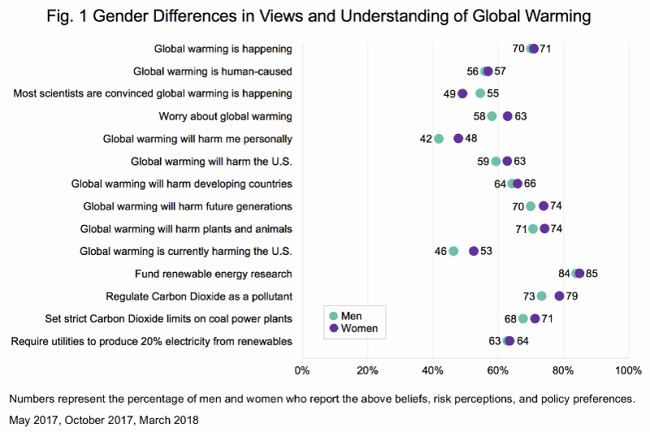
Gender and CC figure 1

large body of research shows a small-but consistent-gender gap in environmental views and climate change opinions. On average, women are slightly more likely than men to be concerned about the environment and have stronger pro-climate opinions and beliefs. Scholars have proposed several explanations for this gender gap, including differences in gender socialisation and resulting value systems (e.g., altruism, compassion), perceptions of general risk and vulnerability, and feminist beliefs including commitment to egalitarian values of fairness and social justice. Some researchers also note that some of the strongest gender differences are found in concern about specific environmental problems, particularly local problems that pose health risks.

In our research, we find that, although a similar proportion of men and women think global warming is happening and is human-caused, women consistently have higher risk perceptions that global warming will harm them personally, and will harm people in the U.S., plants and animals, and future generations of people (Fig. 1). Also compared with men, a greater proportion of women worry about global warming, think that it is currently harming the U.S., and support certain climate change mitigation policies, specifically regulating CO2 as a pollutant and setting strict CO2 limits on coal power plants.

Gender and CC
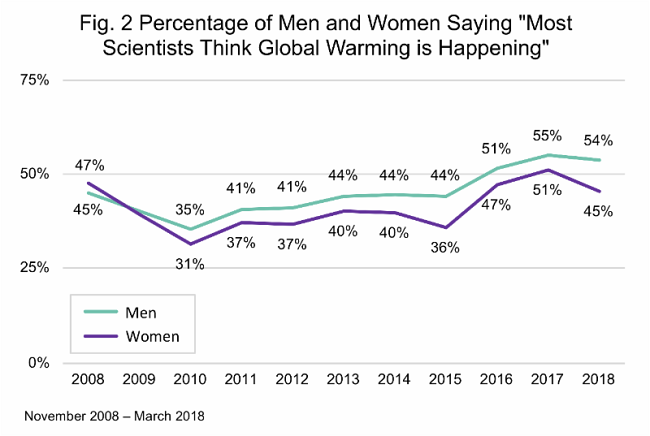
Gender and CC figure 2

Women are less likely than men, however, to say that most scientists are convinced that global warming is happening. The gender gap in this form of knowledge has remained generally stable since 2010, although men’s understanding of the scientific consensus has improved over time (see Fig. 2). This is a surprising finding given that women are more likely than men to view climate change as harmful.

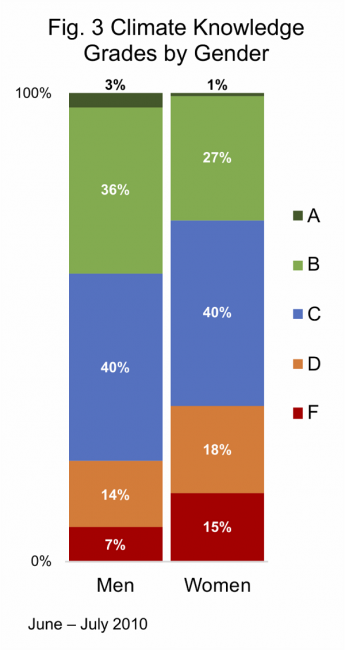
We also found knowledge gaps between men and women in our 2010 research on Americans’ knowledge of climate change. In this research, we assessed public understanding (and misunderstanding) of climate change in detail. For example, respondents were asked about their knowledge of fossil fuels and which types of gases trap heat in the Earth’s atmosphere. After grading scores on the test, we found that, on average, women scored lower than men in scientific knowledge on climate change (Fig. 3). A greater proportion of women received a “D” or an “F” and fewer got an “A” or “B” than did men.

Gender and CC
Gender and CC figure 3

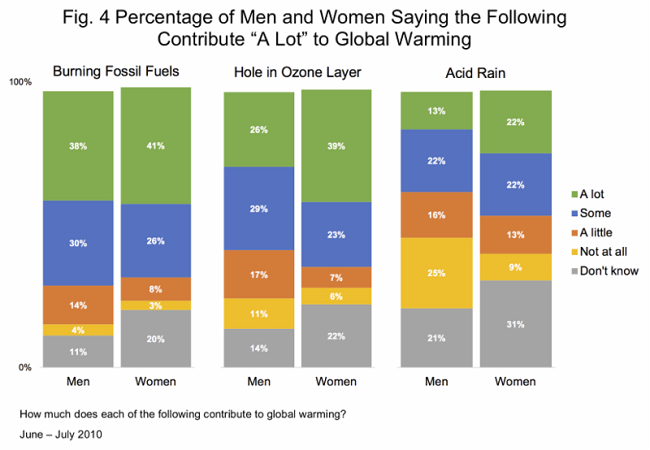
Women were also more likely than men to express uncertainty about a variety of questions. For instance, respondents were asked how much several factors contribute to global warming (e.g., deforestation, nuclear power plants, burning fossil fuels, the sun, cars and trucks). Across many of these questions, a greater proportion of women said “don’t know” than did men (see Fig. 4). Women were also more likely to misunderstand some facts; for instance, a greater proportion of women said that acid rain and the ozone hole contribute “a lot” to global warming. Women and men were similar, however, in their knowledge on the burning of fossil fuels, which is the primary source of greenhouse gas emissions causing global warming.

Taken together, these results suggest that women in the U.S. are less likely than men to know certain scientific facts about global warming and tend to be less certain of what they know, even though they have a more accurate understanding of the risks and threats from global warming. This might suggest that, compared with men, women will be more open to fact-based public education initiatives because they might be less threatened by the facts (as long as the information is consistent with their risk assessments).

Gender and CC
Gender and CC figure 4

Closing gender gaps in knowledge and understanding of the problem, therefore, ought to receive more attention in climate education and outreach efforts to further engage and empower women in climate issues. This is especially important because women are more likely than men to be harmed by environmental problems like climate change-both nationally and globally. In a recent BBC News Science & Environment article, U.N. data show that globally women make up 80% of people who are displaced by climate change. Because women in many countries tend to have roles as primary caregivers and food providers-and tend to have less socioeconomic power than men-they are more vulnerable to climate problems including natural hazards like flooding, droughts, and hurricanes. In the U.S., for instance, the Institute for Women’s Policy Research reported that 83% of low-income, single mothers did not return to their homes in New Orleans after Hurricane Katrina hit in 2005. In terms of public health, air pollution is considered a leading threat to pregnant women and their babies-to-be.

Women play an essential role in responding to climate change. In fact, out of 100 substantive climate solutions identified through rigorous empirical modeling, improving the education of women and girls represents one of the top solutions (#6) to reducing greenhouse gas emissions that cause global warming-similar in ranking to restoring tropical forests and ranking above increased solar energy generation. Women in leadership positions can also foster climate policy solutions. A study on gender equality and state-level environmentalism found that, across 130 countries, women in government positions were more likely to sign on to international treaties to reduce global warming than men. Promoting the participation of diverse women in leadership positions, as well as in climate science, can also inspire young women to participate.

How climate action can close emissions gap – Studies

0

Two key milestone publications by the United Nations Framework Convention of Climate Change (UNFCCC) released on Tuesday, November 20, 2018 highlight that success in tackling the global climate crisis can be achieved, but only if public and private sector actions are urgently stepped up.

Tomasz Chruszczow
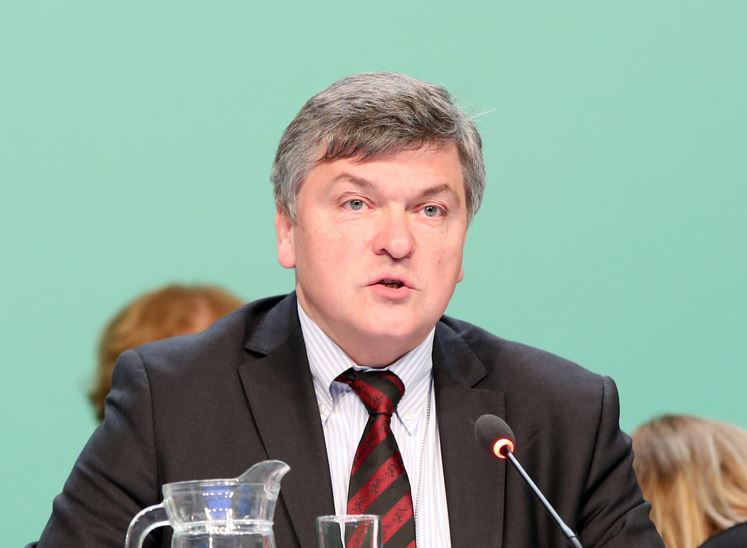
Tomasz Chruszczow, Special Envoy for Climate Change from Poland

The reports – “Talanoa Dialogue Synthesis Report” and “Yearbook for Global Climate Action 2018” – take the pulse of where the world stands on its journey towards full carbon neutrality by mid-century, says the UNFCCC.

The Synthesis Report, it was gathered, was prepared using submissions to the Talanoa Portal (launched on January 10, 2018) which received a total of 471 inputs throughout the year, including notably the IPCC’s special report on the impacts of global warming of 1.5 degrees Celsius. It also drew from stories that were presented by government and non-government representatives during the intersessional climate change session held in May 2018.

The Yearbook for Global Climate Action takes account of some 9,000 commitments – spanning cities, regions, businesses, investors and civil society – incorporating 128 countries (16 per cent of the global population), around 240 states and regions and more than 6,000 businesses in 120 countries representing $36 trillion in economic activity.

Special Envoy for Climate Change and Poland’s High-Level Climate Champion, Tomasz Chruszczow, said: “Global Climate Action remains the best response to the challenges of changing climate. 2018’s Yearbook documents how the action can deliver on existing NDCs, on adaptation, mitigation, capacity building, etc. Every climate related initiative, programme or action contributes to laying a solid foundation for the climate neutral, peaceful, climate resilient and sustainable future for all. Parties and non-Party stakeholders act together and prove that cooperation may lead to more emission reductions, faster delivering on existing NDCs and strengthening of biosystems’ capacity to store atmospheric carbon, while life standards get improved, economies grow, and the nations approach all the goals of the Paris Agreement in an accelerated manner. The examples from this year’s Yearbook will surely inspire more ambitious action by the governments and the stakeholders. Responding to climate change related threats is an opportunity that no one can afford missing.”

Together the publications illustrate that global climate action can close the gap to meeting the goals of the Paris Agreement: to limit average global warming to 2 degrees Celsius and to strive for the safer 1.5-degree limit.

However, what the reports also make clear is that all actors – government and non-governmental, public and private – need to urgently step up the pace of action if the world is to achieve the Paris targets and to avoid the worst effects of climate change.

According to key findings in the Synthesis Report, the reality is that, despite current efforts, greenhouse gas emissions and global warming are still on the rise.

The Report also describes how these atmospheric changes are already having devastating impacts, citing a total of 11,000 extreme weather events between 1997 and 2016, which have resulted in approximately 524,000 deaths and trillions of dollars of opportunity lost in economic development

“The publications are sober reading, but they do signpost the solutions that can exponentially drive the transition towards a low carbon economy. That is, if global actors adhere strictly to the Paris Agreement process and its principles.

“This theme of exponentiality is a major focus of the Yearbook for Global Climate Action, which states that if countries were to fully implement their nationally determined contributions (NDCs) under the Paris Agreement, and if cooperative initiatives were to meet their commitments, global emissions in 2030 would be in a range consistent with the long-term trajectory to meet the Paris Agreement goal of well below 2°C.

Similarly, the Synthesis Report, which emphasises ways of increasing ambition, points to ‘untapped potential’ that, if properly fulfilled, could yield economic gains of $26 trillion and 65 million jobs in clean energy,” submits the UNFCCC.

Inia Seruiratu, Minister for Agriculture, Rural & Maritime Development, National Disaster Management and Meteorological Services, and Fiji High-Level Climate Champion, said: “This year, the entire Talanoa process – as reflected in the Synthesis Report – shows how we can put in place holistic approaches and policy frameworks across all sectors of the economy and the natural environment. With the right policy frameworks, NDCs could address not only mitigation but also adaptation, disaster resilience and efficient use of resources. Crucially, non-Party engagement will be essential in delivering on all these objectives.”

Significantly, these reports are published just two weeks before governments gather for the global climate summit in Poland (COP 24), where they are set to complete the implementation guidelines for the Paris Agreement, known as its Work Programme. A finalised Paris Agreement Work Programme, observes the UNFCCC, has the potential to unleash practical actions from the whole global climate action community commensurate with a 1.5 pathway.

Fight against malaria off target, says WHO

0

Malaria infections rose for the second year in a row in 2017, following half a decade of decreases, the World Health Organisation (WHO) reported on Monday, November 19, 2018.

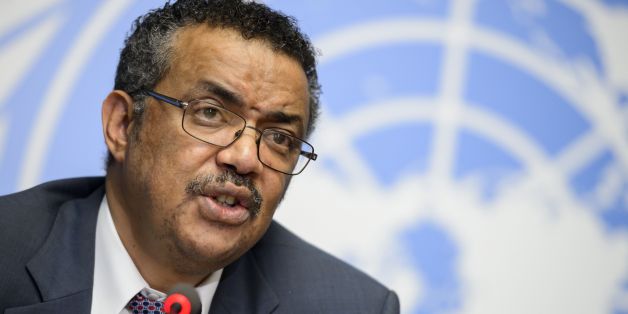
Dr Tedros Adhanom Ghebreyesus
Dr Tedros Adhanom Ghebreyesus, Director-General of the World Health Organisation (WHO). Photo credit: AFP / FABRICE COFFRINI / Getty Images

In its annual malaria report, the UN health agency estimated 219 million cases in 2017, 2 million more than in 2016.

“As progress stagnates, we are at risk of squandering years of toil, investment and success in reducing the number of people suffering from the disease,” WHO Director-General, Tedros Ghebreyesus, warned.

“The fact that every two minutes a child dies from this preventable and curable disease is unacceptable,” he wrote in the report.

African countries account for 92 per cent of all infections from the mosquito-borne parasite which causes the potentially lethal fever disease.

Infections increased in the hardest-hit countries of Burkina Faso, Cameroon, Congo, Ghana, Mali, Mozambique, Niger, Nigeria, Tanzania and Uganda in 2017.

Low use of bed nets treated with insecticide; a falling rate of indoor spraying; and a lack of preventive therapies for pregnant women and children have contributed to this rise.

In addition, international donations to fight the disease have levelled off, amid decreasing infections and deaths in the past years.

The WHO not only urged wealthy donor countries to increase spending, but also asked the hardest-hit countries to secure domestic funding.

The money should be spent more efficiently in a targeted manner, the UN agency added.

As a positive exception to the negative trend, the WHO highlighted India, where case numbers dropped by nearly a quarter in 2017.

Sperm whale washed up in Indonesia had plastic bottles, bags in stomach

0

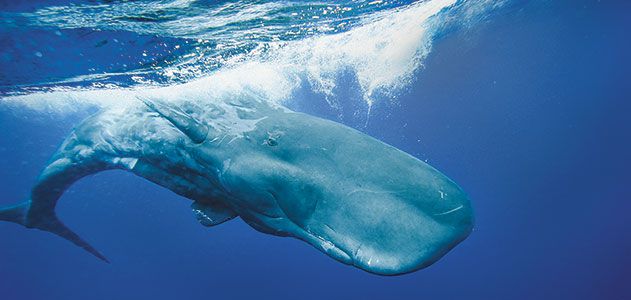
A sperm whale found dead in a national park in Indonesia had nearly six kilogrammes (13.2 lbs) of plastic waste, including 115 cups, in its stomach, park officials said on Tuesday, November 20, 2018.

Sperm Whale
The Sperm whale

The 9.5-metre (31.17 ft) whale was found in waters near Kapota Island, part of the Wakatobi National Park, south east of Sulawesi, the park said in a statement.

The park is famous among divers for its large area of reefs and diverse marine life including rays and whales.

The cause of death was not known, but park officials found plastic bottles, bags, sandals, and a sack with more than 1,000 pieces of string in the whale’s stomach.

In June, the death of a pilot whale in Thailand with 80 pieces of plastic rubbish in its stomach garnered headlines locally but drew more attention outside the country.

Five Asian nations – China, Indonesia, the Philippines, Vietnam and Thailand – account for up to 60 per cent of plastic waste leaking into oceans, said a 2015 report.

This report was put together by the environmental campaigner Ocean Conservancy and the McKinsey Centre for Business and Environment.

Indonesia is ranked second behind China in the 2015 study of mismanaged plastic waste from populations living near coastal areas in 192 countries.

It has pledged $1 billion a year to reduce marine plastic debris by 70 per cent by 2025.

Wakatobi Park planned to bury the whale carcass at high tide on Tuesday, and the remains would be used for study purposes by the local marine academy.

China glacier melt speeds up in ‘wake-up call’ for world – Greenpeace

0

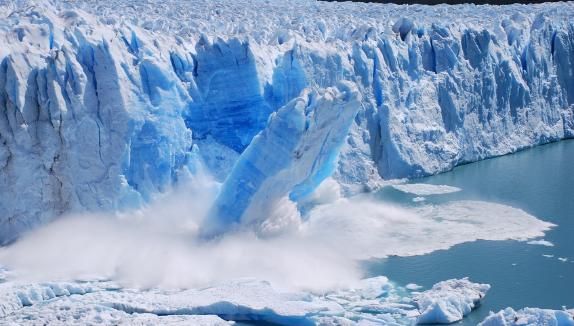
Glacier melt at major sites in western China is accelerating fast, Greenpeace said on Tuesday, November 20, 2018.

melting glaciers
The disappearance of glaciers is considered by scientists as one of the clearest signs of climate change. Photo credit: beforeitsnews.com

The melt is prompting thousands to evacuate in recent months and underscoring the vulnerability to climate change in a “wake-up call” for the world.

Satellite analysis showed that the rate of retreat at glaciers in China’s remote western regions had more than doubled, Greenpeace said.

The annual rate at the Tianshan Glacier No. 1 in Xinjiang is rising from an average of 5,000 square metres between 1962 and 1986 to 10,600 square metres between 1986 and this year.

“This is a wake-up call for China and the world,’’ said Greenpeace’s climate and energy campaigner, Liu Junyan.

“Glaciers in China supply water to 1.8 billion people, and they’re melting, fast.

“In just the last few months, thousands of people have been evacuated from their homes due to threats of flooding.’’

Greenpeace has identified two major disasters caused by glacier melt this year.

The disaster included the release of 25 million cubic metres of floodwater into the Yarkant river basin that forced the evacuation of residents in August.

Researchers with the China Academy of Sciences said in September that glaciers in the Qinghai-Tibet plateau had shrunk 15 per cent as a result of rising temperatures over the last 50 years.

Temperatures in the region are rising faster than the global average, they said.

China has pledged to bring carbon emissions to a peak by “around 2030” as part of its commitment to the 2015 Paris agreement.

The agreement aims to keep the average global temperature increase to “well below” two degrees Celsius above the historical norm.

The Inter-governmental Panel on Climate Change (IPCC) warned in a report in October.

It warned that high-altitude zones like the Tibetan plateau would be especially vulnerable if global temperature rises were not restricted to 1.5 degrees Celsius.

Another CAS study published in October said China was at risk of longer and more intense drought as well as more destructive flooding if global temperature rises were not limited to 1.5 degrees.

China sends five satellites into orbit via single rocket

0

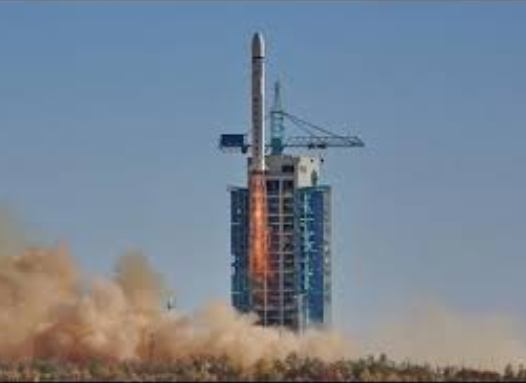
China on Tuesday, November 20, 2018 launched a new space environment research satellite and four nanosatellites on a Long March-2D carrier rocket from the Jiuquan Satellite Launch Centre in northwest China.

The Long March 2D carrier rocket

According to the centre, the satellites have successfully entered their pre-set orbit.

Shiyan-6 will be used for conducting space environment exploration experiments.

The term nanosatellite refers to a small artificial satellite, weighing between one kg and 10 kg.

Among the four nanosatellites, Tianping-1A and Tianping-1B will be used for equipment calibration on ground control stations, while Jiading-1 is the first satellite of the Xiangyun satellite constellation in low earth orbit.

A software-defined satellite, developed by the Innovation Academy for Microsatellites, the Chinese Academy of Sciences, will be used for conducting experiments on open-source satellite software research and development on Android platforms.

Compared to traditional satellites, a software-defined satellite is more flexible and reconfigurable.

A report says it enables its operator to capture diverse markets with its ability to change things like frequency band and coverage areas on demand.

It is the 292th mission of the Long March carrier rocket series.

World Toilet Day: Lagos to effect policy on open defecation, urination

0

As part of its World Toilet Day declaration, the Lagos State Government is finalising implementation plans concerning its Water Sanitation and Hygiene (WASH) policy.

Babatunde Durosimi-Etti
The Lagos State Commissioner for Environment, Mr Babatunde Durosimi-Etti

Commissioner for Environment, Mr Babatunde Durosinmi-Etti, made this known during the celebration of the 2018 World Toilet Day in Lagos on Monday, November 19, 2018.

The commissioner said that the policy (WASH) was envisaged to complement extant laws and curb the menace of open defecation and urination in the state.

Durosinmi-Etti decried the practices of open defecation and urination as unwholesome, with a lot of negative impact on the environment, public health, human dignity and personal safety especially for women, children and those in vulnerable situations.

He said that the 2018 World Toilet Day celebration, themed: ‘’When Nature Calls’’, promoted the campaign against open defecation.

According to him, open defecation is a practice that is not only unhealthy but also anathema to the Lagos Megacity dream.

The commissioner said that not less than 892 million people around the world practiced open defecation, as they were unable to access basic sanitation facilities, particularly toilets and water.

“These staggering statistics, no doubt, calls for urgent action among all stakeholders to prioritise toilet and sanitation issues.

“The statistics calls on stakeholders to enhance access to water and sanitation facilities and spread awareness of the ills of undesirable sanitation practices,’’ he said.

Durosinmi-Etti said that the World Toilet Day celebration brought to the front burner issues such as water, sanitation and hygiene, which required urgent actions to stem the tide of diseases and bring about healthy citizenry.

According to him, the world is changing faster than one can imagine, with human population increasing at an exponential rate.

“Therefore, there is an urgent need to provide access to safe and sustainable sanitation systems that will effectively address the menace of open urination, open defecation and other sanitation infractions to prevent the spread of diseases,’’ he said.

The commissioner said that proper handling of these critical issues would help reduce government expenditure on treatment of diseases and make more money available for other important public uses.

Durosinmi-Etti said that the government was making efforts to eradicate the menace of open defecation and urination through the provision of public toilets and upgrading of already-existing facilities across the state.

The commissioner called on Lagosians to join the global crusade, spread the awareness and inspire environmentally-friendly actions.

He said that Lagosians should support in facilitating the provision of sustainable sanitation systems capable of promoting economic growth and well-being of the entire citizenry.

The World Toilet Day, regarded as an important international observance day, is dedicated to creating awareness and inspiring actions to combat the global sanitation challenges facing humanity.

The 2018 edition of the World Toilet Day was celebrated by Lagos State Government in conjunction with Reckitt Benckiser.

By Florence Onuegbu

Radio Report: Borehole and emerging threat of earth tremors

0

It is common knowledge that the inability of governments to maintain as well as expand water infrastructures built around independence some 58 years ago a contributory factor to the proliferation of boreholes across the country, as people make desperate efforts to provide water for themselves.

But, with recent cases of earth tremor in Abuja, which experts say could be the result of haphazard extraction of underground resources, it is becoming obvious to Nigerians that drilling of boreholes is another time bomb that they should avoid.

How then will Nigerians survive in the absence of the borehole, which is a major source of portable water to city dwellers in particular?

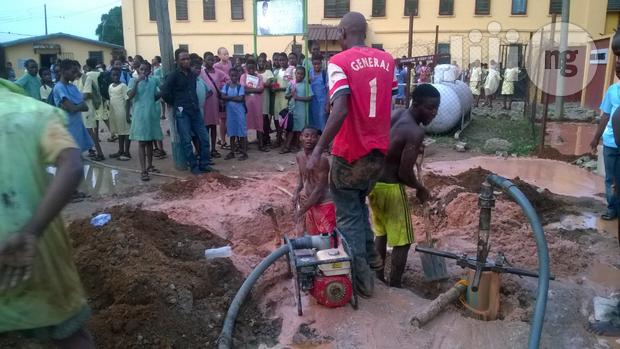
Correspondent Innocent Onoh in this report that explores boreholes as a major source of water in Lagos attempts to find an answer to this poser.