The amount of gases that trap heat in the atmosphere have reached yet another record, the World Meteorological Organisation (WMO) reported on Thursday, November 22, 2018 in Geneva, Switzerland.
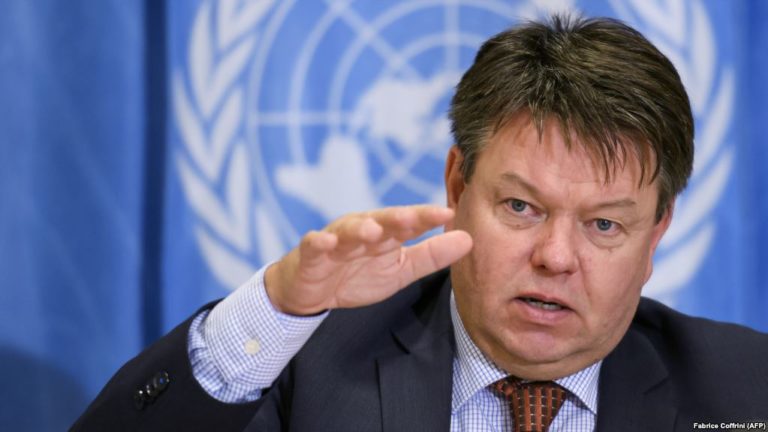
WMO Secretary-General, Petteri Taalas
“There is no sign of a reversal in this trend,” the UN agency said in its annual Greenhouse Gas Bulletin.
Average concentrations of carbon dioxide (CO2) climbed to 405.5 parts per million (ppm) in 2017, up from 403.3 ppm in 2016.
Levels of methane and nitrous oxide rose as well.
An industrial chlorofluorocarbon gas called CFC-11 has also been resurging, despite an international production moratorium.
According to the WMO, the most likely explanation is production of CFC-11 in eastern Asia.
“Without rapid cuts in CO2 and other greenhouse gases, climate change will have increasingly destructive and irreversible impacts on life on Earth.
“The window of opportunity for action is almost closed,” WMO Secretary, General Petteri Taalas, said.
Why are debts in the electricity market so high and how can they be resolved through domestic financing using the Power Sector Recovery Programme?
Can the Put-Call Option Agreement (PCOA) be US Dollar denominated against the Naira to allay fears of international lenders?
What is your opinion on the potential solutions advanced by the consultant and/or what other financial mechanisms or instruments, not considered by the consultant that can be deployed to address domestic financing in the sector?
Are Nigerian deposit money banks (DMBs) interested in becoming involved in green infrastructure finance and what, if any, barriers do they face in addition to those listed by the consultant?
Is carbon, linked to the Paris Agreement, a realistic international export product for the Nigerian green investment markets to generate export revenues for the country?
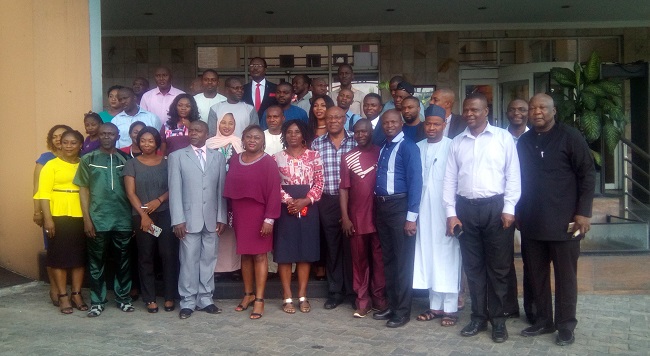
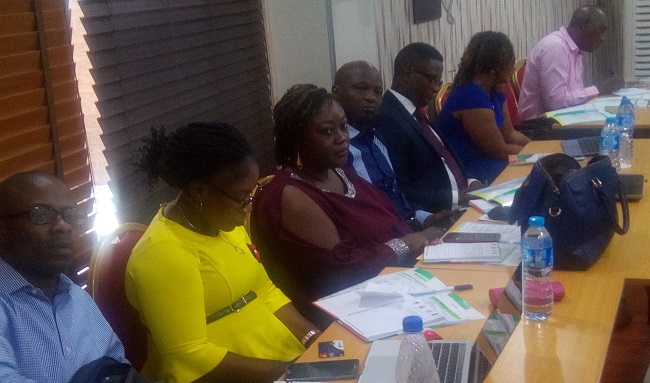
Participants at the validation workshop in Port Harcourt, Rivers State
These are some of the posers put before a team of climate and energy sector stakeholders who gathered in Port Harcourt, Rivers State on November 15 to 16, 2018 to validate two draft reports related to a five-year project titled: “De-Risking Renewable Energy NAMA (Nationally Appropriate Mitigation Action) for the Nigerian Power Sector”. The project commenced last year.
The project is being implemented by the United Nations Development Programme (UNDP), in collaboration with the Energy Commission of Nigeria (ECN), the Federal Ministry of Environment, Federal Ministry of Power, Works & Housing and other stakeholders.
The study reports that were put up for validation in Port Harcourt are titled: “Nigerian domestic financial sector reform to unlock low-cost local capital for green investment” and “The development of an MRV mechanism for the Nigerian power sector”.
In the course of the workshop, international consultants (ICs) who prepared the reports were unable to physically attend the forum. They however virtually presented their reports, addressed the gathering and reacted to inquiries.
Delegates, in three groups, addressed the posers and made suggestions and corrections to the reports, which were eventually accepted for validation.
The project has three key components, namely:
Design and development of a power sector renewable energy NAMA supported by De-risking Renewable Energy Investment (DREI) analysis;
Developing Policy and Institutional Framework for private investment in on-grid renewable power generation, and
Demonstration of first commercial on-grid renewable energy project
National project coordinator, Okon Ekpenyong, points out that the overall objective of the project is to assist the government of Nigeria in achieving a transformation in the electricity mix such that at lest 20GW of Nigeria’s electricity is generated by solar PV by 2030. The project, he adds, is expected to contribute to the country’s attainment of its Nationally Determined Contributions (NDCs) mitigation targets in the energy sector, with expected direct emission reductions of 205,700 tons of CO2e during the project’s lifetime and additional indirect emission reduction between 6.79 and 9.72 million tCO2e.
“The project also seeks to investigate and propose the various practicable ways of implementing domestic financial sector reform in order to unlock lower cost financing in Nigeria renewable energy sub-sector. In addition to this, the project is to develop Measurement, Reportable and Verifiable (MRV) framework, with appropriate indicators to measure, report and verify the emission reductions that will be generated by investment in low-carbon activities under the NAMA/NDCs,” adds Ekpenyong, and engineer, who is of the Energy Commission of Nigeria (ECN).
Bothered by the fact that on-grid renewable energy development, with its high initial capital intensity and requirement for loans and log tenures, faces several barriers to accessing finance, the project promoters conducted a study to analyse the breadth of the Nigerian domestic financial sector. The study examined both the various barriers that exist and incentives that can be put in place. It likewise proposed specific policy reforms that are applicable to Nigeria for green infrastructure investment, as well as a road map or action plan for their implementation.
The project is also expected to develop a framework that will establish accurate measurement and accounting of actual green house gas (GHG) emission reduction from mitigation actions in energy generation and end-use sectors. This is based on the premise that, currently, some on-going energy projects do not consider the critical role of an MRV methodology in assessing the contribution of NAMA implementation to the overall national voluntary GHG emission reduction targets.
“God gave us light to see the beauty of creation. God gave us love to live in fellowship with creation, and God gave us strength to care for creation.”
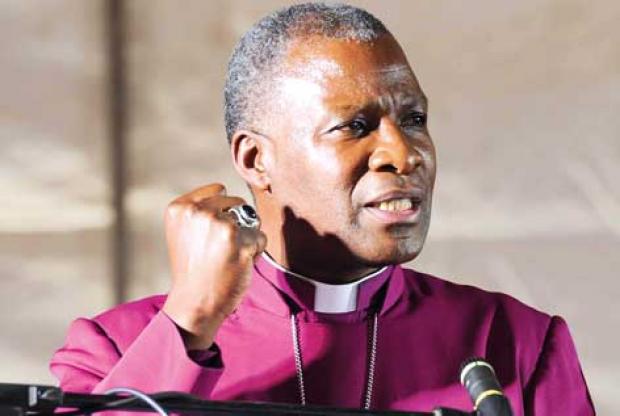
Archbishop Thabo Makgoba
These are the inspiring words of ACT’s Climate Justice Ambassador Archbishop Thabo Makgoba of Cape Town in South Africa. He spoke even as leaders from around the world on Wednesday, November 21, 2018 gathered for the Climate Vulnerable Forum (CVF), in the form of a zero-emissions (virtual) summit, to champion climate action and to amplify the voices and efforts of communities on the frontlines of climate change.
The summit is hosted by the current presidency of the CVF, the Republic of the Marshall Islands – regarded as one of the world’s most vocal yet vulnerable countries to climate change. The theme of the forum is “Stepping up climate action to survive and thrive”.
As global commitments to address climate change are said to fall short of achieving the Paris Agreement’s 1.5°C temperature target, the findings of the IPCC Special Report on Global Warming further emphasise the urgency for more ambitious nationally determined contributions, including emissions reduction targets.
“We know that our current way of life is not sustainable in the long-term. We know that our extraction of the earth’s resources and related emissions are capable of destroying creation,” said Archbishop Makgoba.
“The world is heating up, and we are seeing frightening effects. Lives of poor and vulnerable people have already been lost,” said Birgitte QvistSørensen, Moderator of ACT Alliance.
With COP24 only 10 days away, the summit presents a political moment for leaders to amplify the alarm on the urgency for more ambitious climate commitments. It will also provide an opportunity for parties to share on their innovative climate initiatives as an expression of solidarity with the climate vulnerable.
“Countries, communities and people who are affected by climate change today need our support. Not only to deal with the immediate challenges, but also for long-term transformation towards a sustainable way of life,” said Archbishop Makgoba.
ACT members and forums are implementing disaster risk reduction and adaptation initiatives in particularly vulnerable communities. ACT is also mobilising communities at the local, national and international levels, investing in capacity building for advocacy on climate justice.
ACT commends the efforts and leadership of climate-vulnerable countries and urges other parties to follow suit.
“I hope that we will see climate champions leading the way, announcing their commitments to take bold and ambitious action. I hope they will inspire us, and I hope that they will join ACT Alliance in our call for more ambitious climate action,” added QvistSørensen.
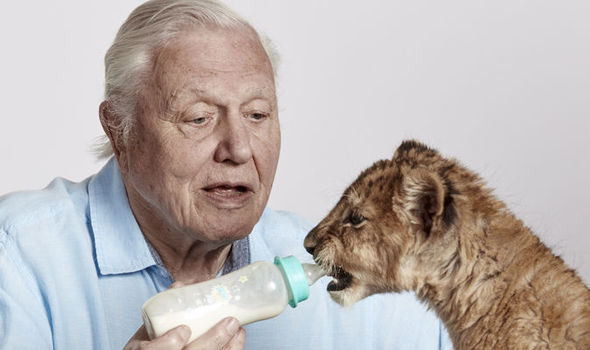
Renowned naturalist, Sir David Attenborough, is one prominent advocate of an initiative to bring the voice of millions of citizens around the world to the UN Climate Change Conference holding in Katowice, Poland from December 2 to 14, 2018.
Sir David Attenborough
The “People’s Seat” initiative combines digital technology, polling and the involvement of passionate climate change advocates, like Sir David Attenborough, to deliver messages about the need to act on climate change – and to engage people in the growing movement to take climate action.
The initiative comes not long after the UN’s Intergovernmental Panel on Climate Change (IPCC) sounded the alarm bells with its special report on 1.5 degrees of global warming, warning that the world is headed towards a warming of over 3 degrees Celsius with current pledges under the 2015 Paris Climate Change Agreement.
And it comes as governments prepare to finalise the implementation guidelines of the Paris Agreement at COP24 in Poland and to discuss ways to raise ambition so that its goals can be achieved.
Sir David Attenborough, who will deliver the People’s Seat Address at COP24, based on inputs gathered in the lead-up to the conference, said this was a major opportunity to step up climate action at all levels of society.
“We all know climate change is global problem – and for that it requires a global solution.
This is an opportunity for people from across the globe, regardless of their nationality or circumstances, to be part of the most important discussion of this century; the unprecedented action needed to reach the Paris Agreement targets.
“I encourage everyone to take their seats and to add their voice so that the People’s Address truly represents a mix of voices from across the world,” he said.
The campaign will reach its apex with the People’s Seat Address when Sir David Attenborough will address the COP24 plenary with climate change stories gathered from around the world, collected via social media. The People’s Address will also trigger the launch of the Facebook Messenger “ActNow” Bot on the United Nation’s central Facebook account.
ActNow.bot will make it easier than ever before for people to understand what actions they can take personally in the fight against climate change. ActNow.bot will recommend everyday actions – like taking public transport and eating less meat – and track the number of actions to highlight the impact that collective action can make at this critical moment in our planet’s history.
The People’s Seat concept is endorsed by the Polish Presidency of COP24. Michal Kurtyka, Polish Secretary of State and incoming COP24 President, who said: “The COP24 Presidency encourages openness, listening and the full participation of civil society in global efforts to tackle climate change. This means encouraging the participation on the ground of observer groups in Katowice, showcasing the climate action of multiple stakeholders, and ensuring that COP24 is a digital COP, thereby allowing people around the world to participate to the greatest extent possible and ensuring the greatest possible transparency. In addition, we are pleased that the UN is pioneering the People’s Seat in Poland, a country which prides itself in being innovative and deploying cutting-edge technologies.”
Sir David Attenborough is launching the campaign with a video inviting viewers to share their thoughts on climate change. Over the next two weeks, thousands of influencers from around the world will also use polling and the hashtag #TakeYourSeat on social media to gather people’s experiences and opinions.
Patricia Espinosa, the Executive Secretary of UN Climate Change, said: “We are already seeing dramatic impacts of climate change around the world with one degree of warming. COP24 needs to provide a robust response by quickly following through with what governments have agreed to do so that the Paris Agreement can unfold its full potential, namely to finalise its implementation guidelines.”
Alison Smale, United Nations Under-Secretary-General for Global Communications, said: “People need to be empowered in their own lives to be the change that we need for a sustainable world. We welcome the use of cutting-edge technology to help everyone around the world reduce emissions through the Actnow.bot. With this initiative, we are calling on citizens to act in ways that are feasible, fresh and have an impact.”
The initiative was first put forward by Michael Moller, Director-General of the United Nations Office at Geneva (UNOG). Geneva is the location of headquarters of several UN agencies focusing on humanitarian issues.
He said: “The challenge to humanity that climate change represents is of such epic proportions that only through collective global action will we have a chance to combat it successfully. Every single human being on our severely stressed planet must take responsibility.
“If we don’t, we all fail with catastrophic consequences. The People’s Seat initiative provides the impulse for seriously ramping up global solidarity, especially among the young who, at the end of the day, are the ones who will have to deal with the mess we have left them with.”
A group of stakeholders gathered in Port Harcourt, Rivers State on November 15 to 16, 2018 to validate two draft reports related to a five-year project titled: “De-Risking Renewable Energy NAMA (Nationally Appropriate Mitigation Action) for the Nigerian Power Sector”. The project commenced last year.
The project is being implemented by the United Nations Development Programme (UNDP), in collaboration with the Energy Commission of Nigeria (ECN), the Federal Ministry of Environment, Federal Ministry of Power, Works & Housing and other stakeholders.
The study reports validated in Port Harcourt were: “Nigerian domestic financial sector reform to unlock low-cost local capital for green investment” and “The development of an MRV mechanism for the Nigerian power sector”.
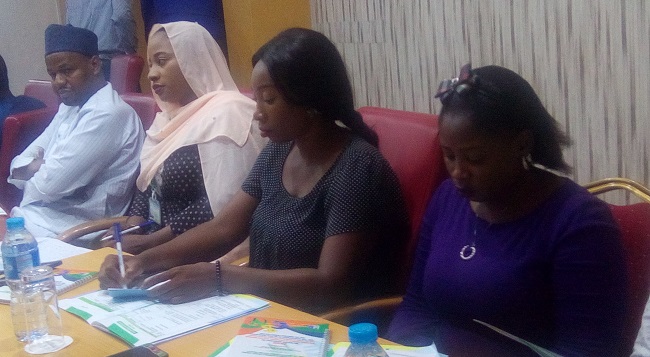
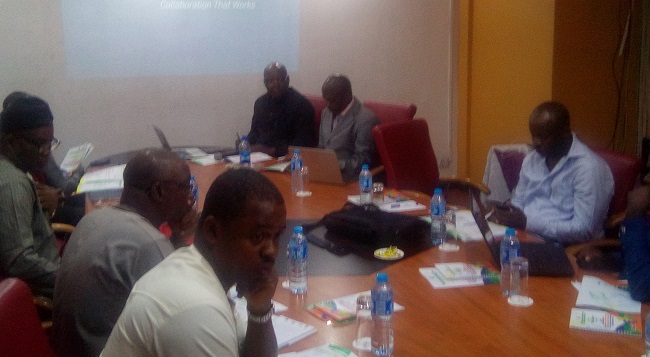
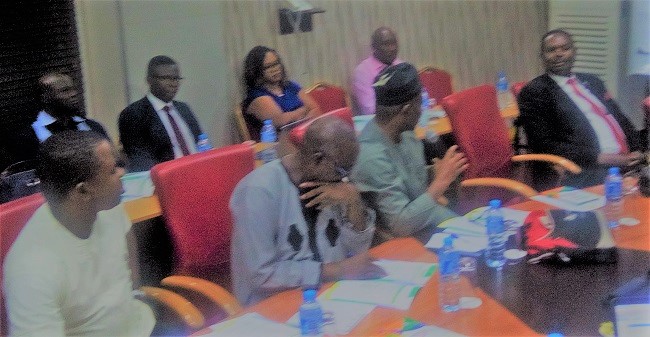
Project consultant, Huzi Mshelia, and National Coordinator, Okon Ekpenyong (in the fore ground) share some points with delegates at the gatheringMs. Aishat Barde of the Department of Climate Change in the Federal Ministry of Environment (second from left), with representatives from the civil society at the meetingA view of delegates at the validation workshopStakeholders met for two days to review and validate the two reports
Baby diapers have become a huge industry in Nigeria, with brands such as Dr Brown, Sunfree, Cuddles, Mary Diamond and Rose Tenders starting to take over the market against the bigger competitors, Huggies and Pampers. With an estimated 26 million babies in Nigeria – 14% of the population, it is no wonder that these large companies are cashing in on the market. Are disposable diapers eco-friendly though? What is the alternative?
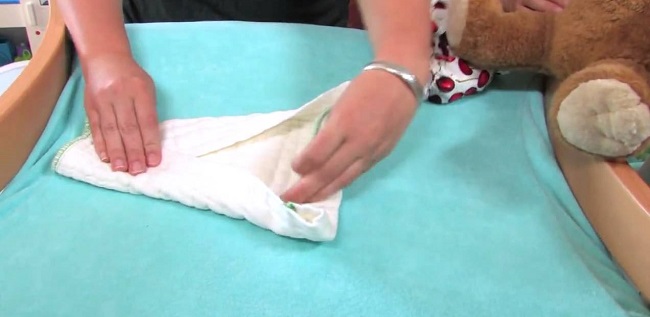
Cloth diaper
Where do disposable diapers end up?
Disposable diapers have become one of the most serious issues that is affecting the environment in Nigeria. In many cities, towns and villages in the country there is no service delivery to remove waste. This means that disposing of diapers is down to the individual. Many of them are simply discarded by roads, rivers and under bridges. The contents of the diapers is being transferred into rivers and streams, polluting the precious waterways. Although some community-based projects have been attempting to clear up the rivers, these efforts are often in vain due to lack of support.
What about Landfill?
In areas where there are services to remove waste, the diapers end up in landfill, causing plastic pollution that seeps into the soil. They take 450 years to decompose. Although it has been asked for diapers to be rinsed before they are placed in the household trash, this rarely happens. It means that the soil and rivers become polluted with raw human waste. This leads to devastating disease and illness. There is an urgent need to address this issue.
What can I do?
When you are pregnant and planning for your baby, consider using cloth diapers. They are a real, eco-friendly alternative to disposable diapers. You can use them hundreds of times over and when they have come to the end of their lifespan, they are completely recyclable. They won’t end up in landfill, polluting the precious soil and rivers that sustain our lives. Consider that a baby needs 6,000 diaper changes, using cloth diapers can make a huge difference to the environment. They are also free from chemicals and are less likely to cause problems such as diaper rash.
Using cloth nappies is a small step to take if you are having a baby. In the great scheme of things however, you will be helping the environment and not adding to the massive landfill issues that there are in Nigeria.
The Fisheries Society of Nigerian (FISON) has pledged its support to make fisheries and aquaculture production sustainable in the country.
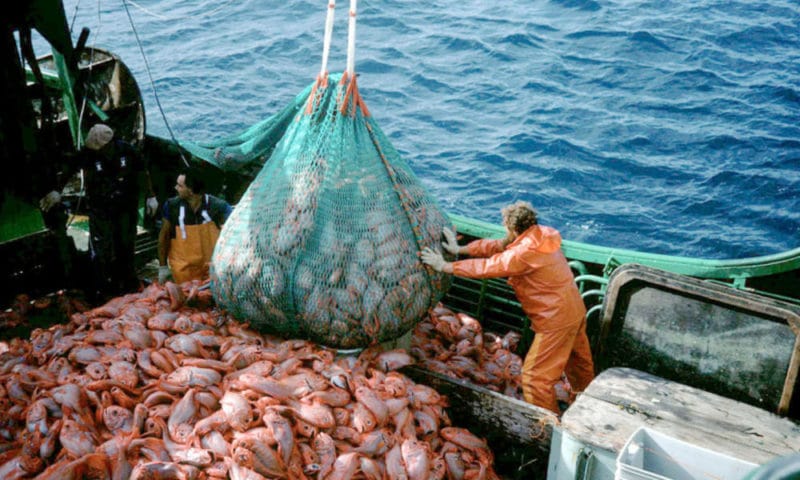
Large scale fishing
The society made the pledge on Wednesday, November 21, 2018 in Lagos in commemoration of the 2018 World Fisheries Day.
Fisheries stakeholders globally celebrate World Fisheries Day on Nov. 21 yearly with the 2018 theme: Labour rights are human rights: working together to ensure the rights of fishers and strengthening the fight against trafficking and forced labour within the fishing sector.
National President of FISON, Dr Adegoke Agbabiaka, said in a statement that it was a call on the Federal Government to support the fight against trafficking and forced labour within the fishing sector.
Agbabiaka said that it was necessary to ratify the International Labour Organisation’s (ILO) Work in Fishing Convention, 2007 (No. 188), which was meant to check the living conditions on fishing vessels among others.
He said that the adoption of the Convention would help in achieving the Sustainable Development Goal (SDG) Number 8, aimed at promoting inclusive and sustainable economic growth, employment and decent work for all.
“It will also help in achieving SDG Number 14: which is to conserve and sustainably use the oceans, seas and marine resources.
“The Convention is meant to protect and promote decent work and living conditions on board fishing vessels, large and small, including their right to organise; their right of freedom of association.
“Their rights to freedom from forced labour and child labour; their rights against all forms of discrimination; and their rights to occupational safety and health and social security.
“This year’s theme is apt because the global fishing industry supports the livelihoods of millions.
“According to the FAO, an estimated 54.8 million people are involved in the primary production of fish, while 38.3 million of which are on board fishing vessels at sea.
“The majority of fishing vessel operators do not engage in abusive practices and treat their crews well with good living and working conditions on board.
“However, unscrupulous vessel operators use loopholes in the law and weak enforcement to undercut their competitors, ‘’ Agbabiaka said.
The national president, however, said the society believed in the multi-stakeholder approach whereby ministries for labour, fisheries, maritime safety and others work together with representatives of fishing vessels owners and fishers that would stimulate innovative thinking to build Goals 14 and 8 of the SDG.
“Furthermore, FISON calls upon President Muhammadu Buhari, to sign into law the Fisheries Institute of Nigeria Bill 2018 that was recently passed by both houses of the National Assembly.
“The law will ensure professionalism and adequate governance in the fisheries industry, ‘’ he said.
Agbabiaka urged all fish lovers to join in the celebration as the society move toward sustainable global fisheries.
World Fisheries Day was established in 1998, globally by fisher folk communities to draw attention to overfishing, habitat destruction and other serious threats to the sustainability of the aquatic resources.
FISON is the apex professional body responsible for fisheries development in Nigeria.
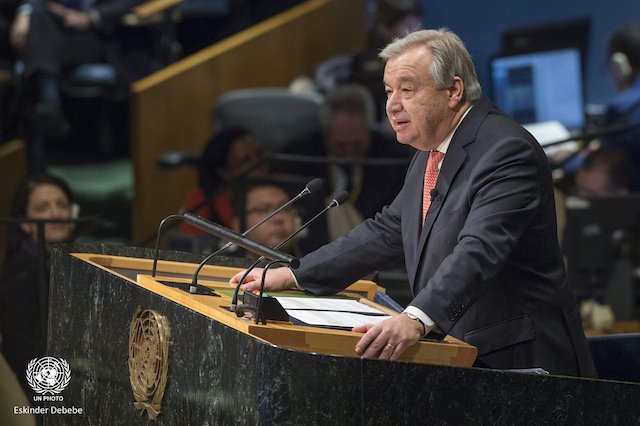
UN Secretary-General Antonio Guterres has called for inclusive and sustainable industrial development in Africa, saying it is critical for achieving the 2030 Agenda for Sustainable Development.
Antonio Guterres, UN Secretary General
Guterres stated this in his message for the 2018 Africa Industrialisation Day, themed: “Promoting Regional Value Chains in Africa: A pathway for accelerating Africa’s structural transformation, industrialisation and pharmaceutical production.”
Africa Industrialisation Day is marked annually on November 20, to raise global awareness of the challenges faced by the continent regarding industrialisation.
The event also aims to mobilise both African leaders and international organisations to advocate for the accelerated and sustainable industrialisation of Africa.
The UN chief said: “Inclusive and sustainable industrial development is critical for achieving the 2030 Agenda for Sustainable Development in Africa.
“It generates jobs, reduces poverty, hunger and inequality, empowers women, expands opportunities for young people, while also improving health, safeguarding the environment and tackling climate change.
“This year’s Africa Industrialisation Day focuses on promoting regional value chains and underscores how industrial development in local pharmaceutical production contributes to healthy lives and well-being”.
According to him, the development of a competitive and sustainable pharmaceutical manufacturing sector in Africa could help promote better health and well-being and sustainable economic growth.
He said the availability of high quality and affordable medicines could alleviate serious public health issues, while the local production, export, and distribution across regions benefit the creation of jobs and income.
“Responding to the needs of the African continent requires strategic partnerships, particularly with the private sector, to promote regional value chains, ensure investments, and enhance access to know-how and technologies.
“On Africa Industrialisation Day, I reaffirm the strong commitment of the United Nations, and the United Nations Industrial Development Organisation in particular, to strongly promote Africa’s industrial development as a key driver for realising the 2030 Agenda for Sustainable Development.”
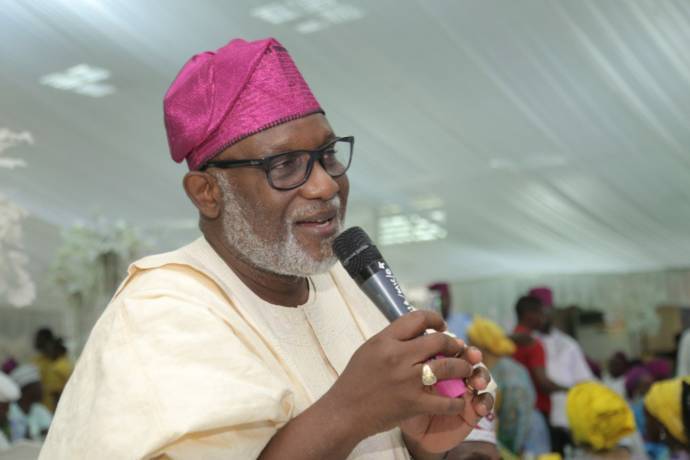
The Managing Director, Benin-Owena River Basin Development Authority, Mr Salihu Ahmed, has urged Ondo Government to speed up processes to reticulate water from the completed Owena Multipurpose Dam for the benefit of the populace.
Gov. Oluwarotimi Akeredolu of Ondo State
Ahmed told the News Agency of Nigeria (NAN) in Abuja that it was saddening to note that the completed dam, which has not the capacity of 60,000 cubic meters, had the potential to provide water for 200,000 persons daily.
“The river basin development authority has done all it can to complete the Owena Multipurpose Dam which has the capacity of 60,000 cubic metres capacity, it is however saddening that reticulation has not been done by Ondo state government.”
On the stage of work at the dam, he said that construction of the dam was basically the responsibility of the Federal Ministry of Water Resources.
He said that the reticulation from the treatment plants to various communities that would benefit from the project was the responsibility of the state government.
“The dam has been completed so many years back, the treatment plants have also been completed years back but never in use.
“Though it has been tested, we are waiting for the pipe-laying to be completed.
“The pipe network from the treatment plants to various towns that will get the treated water is the state government’s responsibility, that is the stage of the work right now and I know there has been very high level of consultation to get this started.
“The reticulation from the treatment plant to the various communities that will benefit is the state’s responsibilities that is the Ondo State government and not the responsibility of the Federal Government.”
Ahmed said that the team recently paid a courtesy visit to Gov. Rotimi Akeredolu where the he stressed the state government’s commitment in getting the dam fully completed and put into use.
He said that the uptake of the Songhai Model of Agriculture in the Graduate and Youth Empowerment Programme had helped in areas of food production aquaculture, piggery and poultry production.
While commending efforts of the Federal Government to promote food security, Ahmed said that the repositioning of the river basin development authorities had helped on rural infrastructure development.
The managing director said that the river basin development authority had the over 5,000 irrigation potential, adding that only 300 hectares were being cultivated with the use of the center pivot irrigation system.
Center-pivot irrigation, also called water-wheel and circle irrigation, is a method of crop irrigation in which equipment rotates around a pivot and crops are watered with sprinklers.
He said that the authority was carrying out corporate social responsibility through the construction of drainage for flood and erosion control, provision of solar-powered electricity and infrastructure development in schools and communities.
He said that the authority had begun the process of engaging 250 young persons on rice production in partnership with the Nigeria Incentive-Based Risk Sharing System for Agricultural Lending, a programme of the Central Bank of Nigeria.
He said that the programme would catalyse youth’s involvement in agri-business and enterprise development with an overall benefit of making agriculture and agribusiness, an economically viable means of livelihood to the youths.
NAN reports that the Federal Government recently inaugurated a blueprint and Action Plan to Reposition the River Basin Development Authorities.
Part of it is the partial commercialisation in partnership with the Bureau of Public Enterprises.
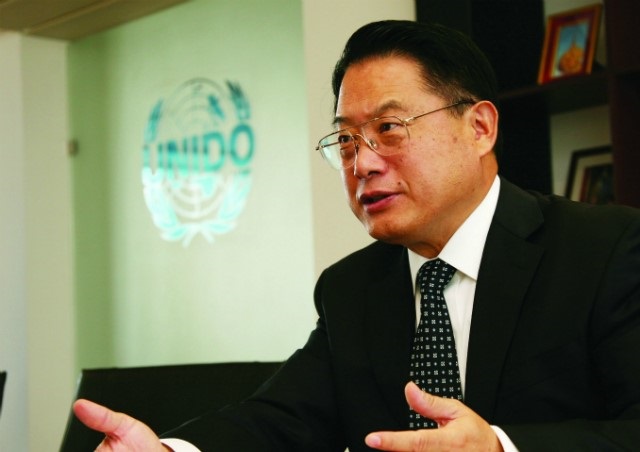
The Federal Government and the United Nations Industrial Development Organisation (UNIDO) have signed a $60 million new country programme for inclusive and sustainable industrial development in Nigeria for 2018-2022.
Director General of UNIDO, Li Yong
The programme is to guide UNIDO’s programme/projects interventions in Nigeria during the period; build on the cumulative achievements of past Country Programme implemented by Nigeria/UNIDO; and to strengthen synergies by collaborating with other development partners, state and non-state actors, including the private sector.
Dr. Okechukwu Enelamah, Minister, Industry, Trade and Investment, signed on behalf of the Federal Government, while Mr. Li Yong, the Director-General, UNIDO, signed for his organisation.
The new country programme, the second in the series of UNIDO’s support to Nigeria, is aligned to the priorities of the Federal Government as outlined in the Nigeria’s Economic Recovery and Growth Plan (ERGP) and the Nigeria Industrial Revolution Plan.
It covers industrial governance, research and statistics; Micro, Small and Medium Enterprise development; Special Economic Zones, Industrial Parks & Private sector development; as well as innovation science and technology management.
Other key areas covered are agro industry and agribusiness development; minerals and metals development; trade capacity building; renewable energy development; and environmental management programme.
Enelamah, who expressed gratitude of the Federal Government and his ministry for UNIDO’s collaboration, said the programme was designed to build on the cumulative achievements of the past Country Service Frameworks and Country Programme implemented by UNIDO.
He said that UNIDO was encouraged by the success of the first Country Programme which paved way for the new programme.
He listed some of the achievements of the first programme, which ended in June 2018, as:
support for the development of an industrial policy for Nigeria and for states including Bayelsa, Ebonyi, Oyo, Lagos, Abia, and Edo;
agribusiness and agroindustry development, including value chains development with installation of modern rice milling equipment in Ebonyi State and Benue State, and installation of palm oil processing mill in Akwa Ibom State;
renewable energy development with the identification of over 200 potential Small Hydro Power (SHP) sites in Nigeria; installation of SHP plants in Enugu State, Bauchi State, and Taraba State; technical support to 5 Megawatts rice husk (biomass) to energy in Ebonyi State; techno-economic feasibility studies and business plans on sawdust (biomass) to energy in 9 Local Government Areas in Ogun State and Ondo State. The SHP plant in Taraba State is the source of power for the Highland Tea Factory which has transformed from bankruptcy to profit;
development of textile and garments common facility centres in Abia State (for leather and garment), Kano State (for leather and leather goods) and Delta State (for leather); and
national quality infrastructure.
Answering questions on the direct impact of the programme on Nigerians, Enelamah explained that, among other benefits, industrial development means creation of more job opportunities.
The minister promised effective collaboration with UNIDO for the success of the programme, which will enhance the implementation of the ERGP which started well, and for which concerted efforts are being made to ensure it ends well.
Earlier, Yong said that the signing of the agreement was important for Nigeria as the country strives toward achievement of the Sustainable Development Goal (SDG) 9 which focuses on building resilient infrastructure, promoting inclusive and sustainable industrialisation.
He promised that UNIDO would collaborate with the ministry to mobilise funds and resources required to successfully implement the programme.
Welcoming Yong earlier on, the Minister of State, Industry, Trade and Investment, Alhaja Aisha Abubakar, said his acceptance to personally come for the signing ceremony, even at short notice, underscores the strategic place Nigeria has in UNIDO’s agenda for eradication of poverty and inclusive growth.
“As you are aware, once Nigeria gets it right, the entire Africa Continent is in good stead to achieving UN Sustainable Development Goals,” she added.