Home Blog Page 1754

World Toilet Day and Nigeria’s sanitation challenges

0

“We go to the stream, we don’t have water here, even toilets; we usually use the bush. A woman was bitten by a snake while defecating in the bush and another one was bitten when she went to pick firewood for cooking.
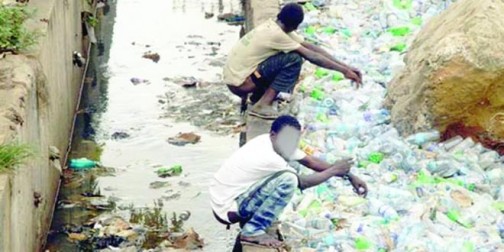
Open defecation in Lagos
A major outcome of the lack of sanitation facilities is open defection

“We want the government to help us, especially on these toilet and water issues. Some women urinate anywhere and get infected; majority of us are having infections and treating infections in hospitals is quite expensive,” says Hannatu Peter, an internally displaced person residing at the New Gongola IDPs camp in the FCT.

Strange as the testimony may sound, this is a typical scenario in several communities, particularly in the Internally Displaced Persons (IDPs) camps across the country, as poor living conditions and dearth of sanitation facilities are peculiar features of such neighbourhoods.

A major outcome of the lack of sanitation facilities is open defection which, according to sanitation experts, usually provokes the outbreak of waterborne diseases such as cholera and dysentery in such communities, particularly among the children.

According to Nigeria Water, Sanitation and Hygiene (WASH) Poverty Diagnostics Report, the country’s sanitation sector is in a critical condition.

The report shows that the economic growth of Nigeria, which has a population of over 183 million, has not translated into rapid poverty reduction.

Therefore, concerned observers insist that country has been lagging behind in the accumulation of physical and human capital, with poor access to WASH services being a key factor.

The Minister of Water Resources, Mr Suleiman Adamu, warned at the National Council on Water Resources meeting, held in Abuja between Nov. 13 and Nov. 15, that if India was able to exit from its number one position in the list of countries with poor sanitation and open defecation by the middle of 2019, it would be a “national shame’’ for Nigeria.

“I was in India recently; the country has been adequately mobilised on issues of sanitation and open defecation. It is, therefore, a civic responsibility for all of us.

“Three years ago, only 40 per cent of Indians were using toilets but now, 95 per cent of Indians are practising full sanitation practices.

“The Indians have not only stopped to defecate in the open, they are also re-cycling their waste into usable products; they have experienced a lot of transformation within three years.

“In the last three years, the Indians have built 80 million toilets; we need this kind of quantum leap in our country.

“By next year, wherever you go in the world, you would hear that Nigeria is number one in open defecation; that is a national shame which we must not allow to happen,” he said.

The minister, however, said that the Federal Government would soon enter a technical cooperation with India to salvage the Nigerian situation.

Truly, the situation appears somewhat grim, as the 2017 WaterAid Report says that over 122 million Nigerians still lack access to basic sanitation facilities and ranks Nigeria as the third worst country with the poor access of its citizens to essential sanitation facilities in rural and urban areas.

It is quite true that the entire sub-Saharan Africa region has limited access to WASH services but Nigeria’s level of access lags far behind those of other peer countries, with 57 million Nigerians living without access to improved water, while 130 million others use unimproved sanitation facilities.

Alarmingly, a large body of evidence suggests that limited or no access to WASH services has a lot of damaging effects on development outcomes, adversely affecting the people’s health, while limiting their access to educational, economic opportunities and productivity.

At the just-concluded National Council of Water Resources, stakeholders underscore the need for the three tiers of government to exhibit huge political commitment towards the provision of WASH facilities for the citizens so as to change the narratives.

The water resources minister said that President Muhammadu Buhari’s recent launch of the National Action Plan for Revitalisation of WASH Sector marked a new beginning for the country in its efforts to achieve an open defecation-free status.

Adamu said that the launch would bring about purposeful collaboration in the sector to facilitate designed efforts to expand the citizens’ access to potable water, sanitation and hygiene, with a renewed commitment toward the achievement open defecation-free society by 2025.

“If this is not done, we stand the chance of taking the centre-stage of open defecation countries when India would have exited the list by mid-2019,” he said.

Some stakeholders in the WASH sector believe that the World Toilet Day is all about initiating pragmatic plans to ensure that everyone has access to safe toilets by 2030.

They add that this is part of the strategies for meeting Goal Six of the Sustainable Development Goals (SDGs), which aims at scaling up the people’s access to improved sanitation and water.

Mr Rolf Luyendijk, the Executive Director, Water Supply and Sanitation Collaborative Council (WSSCC), said that the celebration of the World Toilet Day on Nov. 19 was a reminder for policymakers to take concrete actions to rid the world of more than 800 million open defecators.

He particularly noted that hundreds of millions of schoolchildren had no access to school toilets; with cholera outbreaks resulting in hundreds of thousands of child deaths every year from poor sanitation and hygiene.

Speaking on the Global Water Radio, Luyendijk said that recently in India’s Prime Minister, Mahendra Modi, made sanitation a top national priority under the “Clean India’’ campaign, known as the Swachh Bharat Mission.

He noted that in neighbouring Nepal, after years of concerted efforts, the country was on the verge of declaring itself the first open defecation-free nation.

“Ethiopia, Ghana, Rwanda, Indonesia have really made fantastic strides in sanitation over the past couple of years,’’ he said.

Luyendijk noted that the reason for monitoring sanitation progress and data collected via the Joint Monitoring Programme (JMP) of World Health Organisation and UNICEF was to trigger action.

“So, most monitoring is used for accountability purposes. We gave you some funding and what have you got to show for it?’ The JMP data are used for tracking progress. Did we reach our targets?

“Are we making enough change? Is the change happening rapidly enough? What proportion of the population still defecates in the open? The JMP data can also be used for planning, for targeting and for budget allocation.

“That is to say once the politicians are already convinced that they need to invest in sanitation, the JMP data can tell you where to invest,’’ he added.

The executive director said that apart from considering the data, the call for action from all tiers of government to accelerate progress on sanitation projects globally and nationally was very imperative.

Luyendijk stressed the need to invest in a common matrix and monitoring system across programmes to absorb more funds.

“Instead of us all chasing the numbers — with scattered and relatively small projects and programmes — I really think that we need to pull together and strengthen the system and absorption capacity to scale up and accelerate programming.

“We need to get behind ending open defecation roadmaps, we need to invest in a common matrix and monitoring system across programmes so that we can absorb more money, but we don’t have our own monitoring frameworks.’’

Corroborating the need for sanitation scale-up, Mr Michael Adegbe, the Business Development Leader, Safe Toilets Nigeria, underscored the need to involve the private sector in efforts to scale up sanitation across the country.

He stressed that access to proper sanitation and clean water was vital for the health and safety of the growing populations of rural and urban neighbourhoods.

He, nonetheless, noted with regret that Nigeria was still among the top three countries with a large section of their populations still defecating in the open.

Adegbe said that his outfit was carrying out sanitation marketing to encourage private sector organisations and toilet business owners to invest in cost-effective toilet hardware so as to encourage people to construct and use their toilets.

All the same, Mrs Priscilla Achakpa, the National Coordinator of WSSCC Nigeria, stressed the need to promote sanitation and hygiene in markets and other public places because such campaigns would facilitate efforts to halt the spread of diseases in communities.

She urged the government to give priority attention to efforts to boost the citizens’ access to water and sanitation, while promoting the culture of hand washing at critical times.

Achakpa also urged the states to begin to take the health and wellbeing of their citizens seriously, as poor access to potable water and sanitation would invariably affect the people’s health, wellbeing and economic development.

Sharing similar sentiments, Mr Benson Attah, National Coordinator, Society for Water and Sanitation, bemoaned the apparent apathy of state governments toward improving the people’s access to water and sanitation across the country.

According to him, there is the need for the states to prioritise the provision of WASH facilities, as open defecation is still common across the country.

Attah, however, commended the efforts of the Federal Government to improve the citizens’ access to water and sanitation, adding that pragmatic efforts should, however, be made to tackle the menace of open defecation in a holistic manner.

“Nigeria is presently being shielded by India; India is the number one country in terms of open defecation; once the country moves out from that unenviable position, Nigeria will be exposed to that embarrassment.

“We hope we are able to overtake India before it moves out of that list; it is saddening that Nigeria, as the giant of Africa, is leading Africa with regard to countries with the largest open defecation statistics.

“Globally, Nigeria is the second behind India, in terms of countries with the highest number of people defecating in the open, while in Africa, it ranks first,’’ he said.

The Multiple Indicator Cluster Survey (MICS) 2017 reports reveal that 28.5 per cent of the Nigerian population practise open defecation, while 110 million citizens lack access to improved sanitation.

All in all, sanitation experts believe that the country should move beyond paying lip service to issues of sanitation and hygiene, calling for deliberate policies and programmes to change the poor sanitation and hygiene indices of the country.

By Tosin Kolade, News Agency of Nigeria (NAN)
Group advocates holistic approach to sustainable water resource management

0

The Global Rights, a non-governmental organisation (NGO), has described lack of access to potable water as “the greatest threat” to Nigeria’s security. It has thus called for a holistic approach to water resource management in the country.

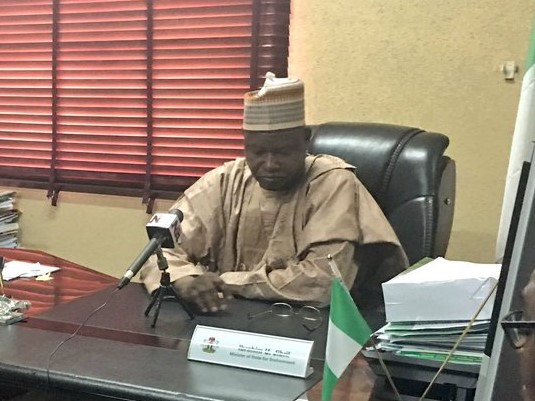
suleiman adamu kazaure
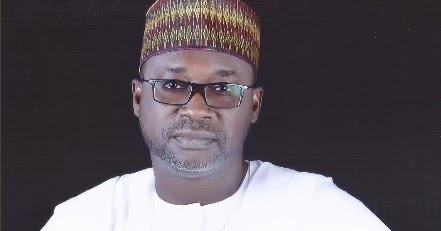
Suleiman Adamu Kazaure, Water Resources Minister

Ms Abiodun Baiyewu, Executive Director of Global Rights, made the assertion at a stakeholders’ engagement dialogue with the theme: “Contextualising Nigeria’s Resource Management in Mining and Energy Policies” held in Abuja.

She said that the call had become necessary because reduction in water levels in the country’s major dams posed a threat to national security.

Baiyewu said: “From all indications, this threat is already tearing at the very fabric of our nationhood with the many conflicts it is facilitating.

“The dramatic shrinking of Lake Chad to one-tenth its size in less than 40 years, shrinking of Goronyo Dam in Sokoto to one-tenth and shrinking of Kaduna River prove this.

“Also, River Niger and even River Benue; the literal overnight disappearance of the Kara market waterfront in Lagos are signs of the fate of this natural resource in Nigeria.”

She expressed concern over the impact of climate change on countries close to the equator including Nigeria, while noting the environmental devastation resulting from mining activities in some communities in Kogi and Gombe states.

The environmental activist identified the effects of climate change on the soil and water bodies in the North to include flooding, erosion and encroachment of the rivers.

She, however, stressed the need for urgent measures to be taken to guard against water pollution.

According to her, if the nation must protect our territorial integrity, she must therefore protect the water bodies.

Also speaking, Mr Musa Ibrahim, the Permanent Secretary, Federal Ministry of Water Resources, assured the participants that the ministry would take appropriate measures to ensure effective management of water resources in the country.

Represented by Mr Peter Nwakpa, an official in the Ministry, Ibrahim emphasised the need to ensure the sustainability of abundant water resources in the country.

According to him, the sustainability is threatened by land degradation, deforestation, rapid population growth, poor investment, as well as climate change.

Ibrahim said: “All of these have placed pressure on water resources of our country.”

According to him, the International Water Management Institute predicts that Nigeria may become water stressed between 2025 and 2050.

“As custodian of this most important national resource of our country, we will continue to ensure that the resources are protected, managed and controlled for the collective benefit of Nigerians.”

Meanwhile, Mr Otayitie Eminefo, Special Adviser on Power and Energy to Kogi State Governor, said that the state government would put measures in place to guard against unlawful mining activities.

According to him, Kogi would continue to do its best to protect water resources within communities of the state.

“We have established a media framework to sensitise mining companies and host communities to understand the dangers of water pollution.

“We will continue to put necessary measures in place to achieve the desired goal,” Eminefo said.

The high-point of the event was the power point presentation on contextualising water resource management in mining and energy policies by Mr Jaye Gaskia.

Global Rights is an international organisation that seeks to promote sustainable justice, human rights capacity-building and also to create awareness on dangers of human rights abuses.

By Fortune Abang

Worry as toxic dioxins found in toys, recycled plastic products

0

A study released on Friday, November 23, 2018 and titled: “Toxic Soup: Dioxins in Plastic Toys” shows high levels of toxic brominated dioxins in eight toys and one hair clip made of recycled plastic stemming from electronic waste.

Toys
Old toys such as Lego blocks are said to contain hazardous materials

Dioxin content in toys from Czechia, Germany, France, Portugal, Argentina, India and Nigeria was comparable to the levels found in previous studies in waste incineration fly ash or other industrial waste.

This information was released to coincide with the meeting of the EU Competent Authorities expert group for Regulation on Persistent Organic Pollutants (POPs), which will discuss rules for recycling and definitions of wastes containing persistent organic pollutants (POPs) such as Polybrominated diphenyl ethers (PBDEs) and dioxins.

“To prevent the presence of highly toxic substances in toys, the EU and its member states have to withdraw their registration for recycling exemptions in the Stockholm Convention and introduce stricter limits for POPs in waste. We also need to get brominated dioxins listed among chemicals regulated under the Stockholm Convention,” explains Jindrich Petrlik, the main author of the study, Executive Director of Arnika – Toxics and Waste Programme, and Co-Chair of IPEN’s Dioxin, PCBs, and Waste Working Group.

Brominated dioxins are highly hazardous chemicals that are known to affect brain development, damage the immune system and unborn children, increase the risk of cancer and risk disruption of thyroid function. They occur as by-products in brominated flame retardants and as a result of incineration of brominated wastes and materials.

“Bioassay analysis of dioxin-like activity has confirmed surprisingly high toxicity of recycled plastics,” said Peter Behnisch, one of the co-authors of the study and the Director of BioDetection Systems, a laboratory based in Amsterdam, Netherlands. “To our knowledge, this is the first publicly available study to show brominated dioxins in children’s products,” added Peter Behnisch.

The consumer products analysed were bought in seven countries on four continents and had been previously analysed for the content of another group of toxic chemicals, PBDEs. The significant contamination of children’s products by dioxins ranged from 56 to 3,800 pg WHO-TEQ/g. In at least one sample from each country, values ​​in the order of hundreds of pg WHO-TEQ/g were found, as is the case with fly ash and bottom ash from waste incinerators. It did not matter whether the toy was obtained in Latin America, South Asia, Africa or the European Union.

Toy samples analysed from Nigeria show two samples with values at 56 and 860 pg TEQ/g of PBDD/Fs.

“None of those samples can be considered safe since brominated dioxins have the similar toxicity as their chlorinated counterparts,” said Dr. Leslie Adogame, Executive Director of SRADev Nigeria. These chemicals are persistent and known to harm the reproductive system and disrupt hormone systems, adversely impacting intelligence, attention, learning and memory.

“Chemicals safety is Human Rights, Children’s Rights. Governments should end this harmful loophole. This problem needs to be addressed globally and nationally,” added Adogame.

“Building a non-toxic environment for children is the absolute health and economic priority of today,” said Genon Jensen, Executive Director of the Health and Environment Alliance (HEAL). “That’s why a circular economy has to contribute to health prevention, meaning hazardous substances have to be taken out of the loop and at the same time no derogation on health standards should be allowed for recycled materials.”

“Chlorinated dioxins released decades ago in the Seveso disaster and Agent Orange have caused severe public health impacts that still continue today. Brominated dioxins are as toxic as their chlorinated cousins and they clearly should not be present in any consumer product, and especially not in children’s products,” said Joe DiGangi, Senior Science and Technical Advisor of IPEN.

Advocates stress that the loophole in the current legislation is not only bad for Europe, it is bad for the developing world as well. Europe now sends 15 to 50% of its e-waste either illegally or as used electronics, with hazardous levels of brominated flame retardants, to less developed countries in Asia and Africa, where it continues to persist and contaminate in the form of recycled plastics.

The research on the “Toxic Soup: Dioxins in Plastic Toys” study was conducted by Arnika, IPEN, BUND and HEAL. Samples were collected in the following UN regions and countries: Czechia, France, Germany, and Portugal (European Union), Argentina (GRULAC), India (Asia Pacific Region) and Nigeria (African region) during the years 2017 and 2018.

Experts seek review of management of African cities

0

A team of experts has underscored the need to revisit urban management strategies of African cities.

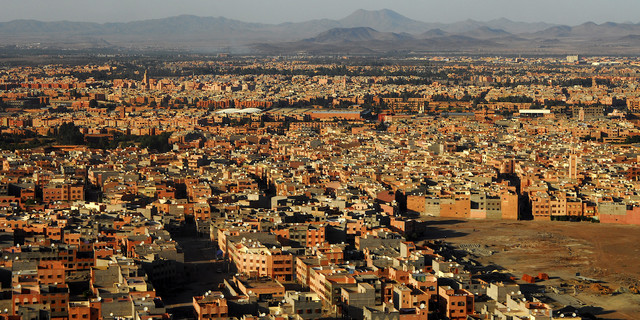
Marrakech
The city of Marrakech in Morocco

At a workshop on “Harmonised Regional Framework for Implementation, Monitoring and Reporting of the New Urban Agenda” on Thursday, November 22, 2018 at the ongoing Africities 8 Summit in Marrakech, Morocco, participants also raised concern about the building the capacity of local communities and of promoting the involvement of all stakeholders in the creation of new integrated and spatially complementary cities.

While recalling the unified African position revealed at the 3rd UN Congress on Housing and Sustainable Urban Development on the implementation of a New Urban Agenda in Africa, they stressed that the implementation of this framework must focus on the management of urban and human development, while considering the expectations of Africans in terms of identity and integration as well as the preservation of the environment.

Participants highlighted the role of local governments in urban management, calling on central governments to provide them with the necessary means and to use the skills of African managers who have a clear vision for Africa’s urban future.

In this context, the president of the Regional Council of Tahoua, Ilo Adamou, laid emphasis on regional planning, urging the regional councils to elaborate a road-map or regional development plans to come up with a clear vision of economic, cultural, social and scientific development.

According to him, these documents make it possible to identify issues relating to urban planning with the aim of implementing the New Urban Agenda.

Lilia Hachem Naass, director of the North Africa office of the United Nations Economic Commission for Africa, said the ECA has developed an implementation framework that helps local officials and mayors to turn the contents of the agenda into reality while focusing on their priorities.

Other speakers discussed themes related to the challenges facing African cities and the importance of improving the living conditions of the population.

Africities 8 has “The Transition to Sustainable Cities and Territories: The Role of Territorial Communities of Africa” as its theme.

The summit is addressing the fundamental issues raised by Africa’s Vision 2063 and takes part in the debate of the African Union Commission for its implementation.

No less than 5,000 participants and 3,000 elected representatives are attending this summit representing cities and local government councils in Africa, as well as their partners from other regions of the world, namely ministers in charge of local government, housing, urban development and civil service.

Adesina named 2019 Sunhak Peace Prize Laureate

0

The Sunhak Peace Prize Committee has named President of the African Development Bank (AfDB) Group, Dr. Akinwumi Adesina, as one of the two 2019 Laureates for the Sunhak Peace Prize. The other is Waris Dirie, 53-year-old supermodel and anti-FGM activist.

Akinwumi Adesina
Dr. Akinwumi Adesina, President of the African Development Bank (AfDB)

As an agricultural economist, Dr. Adesina, 58, has been a leader in agricultural innovation for over 30 years. He has contributed greatly to food security in Africa, aimed at improving the lives of millions currently living in poverty, throughout the African continent. The Sunhak Committee acknowledges Dr. Adesina’s achievements in promoting Good Governance of Africa, which boosts Africa’s capacity to feed itself and transform its total economies for generating wealth for millions of rural and poor African farmers.

Chairman of the Sunhak Peace Prize Committee, Dr. Il Sik Hong, stated: “The Sunhak Peace Prize was established based upon the vision of “One Family Under God.” The 2019 Sunhak Peace Prize gives special attention to peace and human development in Africa.”

Dr. Hong added: “In order for us to build an era of peace and coexistence in the 21st century, we want to encourage continuous development in Africa. Africa is a rising star and its growth will contribute global progress and development throughout the 21st century.”

The Sunhak Peace Prize honors individuals and organisations who have made significant contributions to the peace and the welfare of the future generations. The Sunhak Peace Prize includes a cash prize totaling $1 million. The 2019 Sunhak Peace Prize Award Ceremony will take place in February 2019 in Seoul, Korea.

According to the AfDB, Dr. Adesina, a Nigerian, has been a leader in agricultural innovation in Africa for over 30 years, bringing great improvement to Africa’s food security. contributing to Africa’s dynamic growth. His leadership is building stepping-stones for Africa’s dynamic growth.

Dr. Adesina, adds the AfDB, pioneered major transformations in the agricultural field, including expanding rice production by introducing high yielding technologies, designing and implementing policies to support farmers’ access to technologies at scale, increasing the availability of credit for millions of smallholder farmers, attracting private investments for the agricultural sector, rooting out the corrupt elements in the fertilizer industry, and assisting in establishment of major agricultural policies for Africa’s green revolution.

The “Africa Fertiliser Summit,” which he organised in 2006, is said to be one of the largest high-level meetings in Africa’s history that had a focus on solving Africa’s food issues. During the Summit, Dr. Adesina was instrumental in developing the “Abuja Declaration on Fertiliser for the African Green Revolution,” whereby the participants stated their commitment to the “eradication of hunger in Africa, by 2030.”

Under-fire Solheim quits UNEP

0

UN Environment chief Erik Solheim effectively left his role on Thursday, November 22, 2018 after an audit questioning his huge travel expenses triggered an outcry, UN officials said.

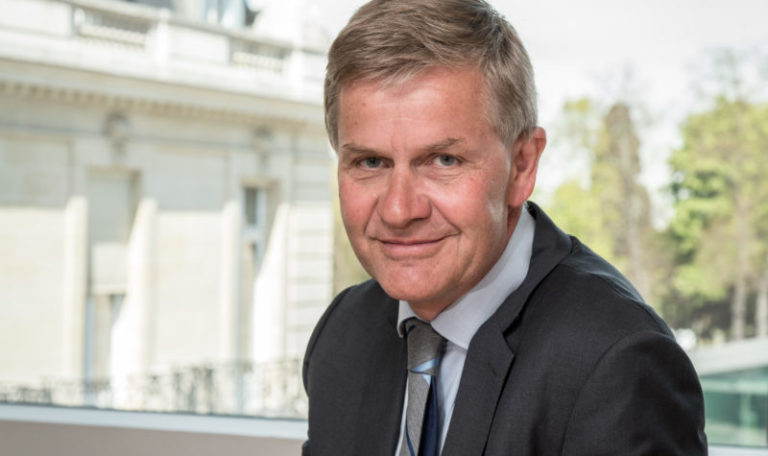
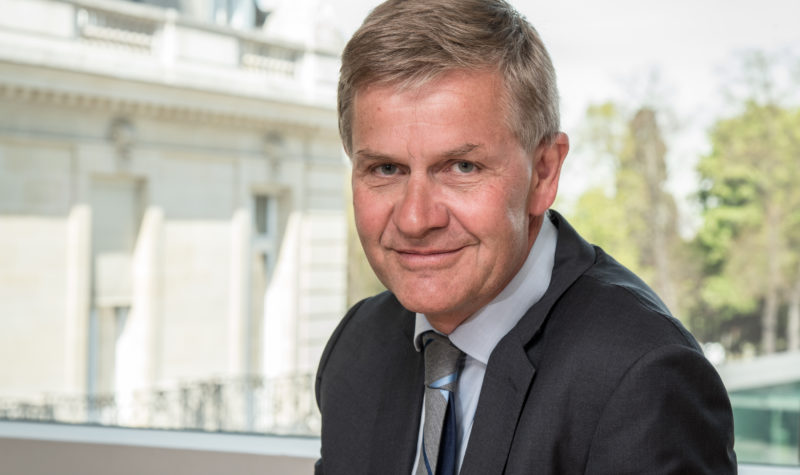
Erik Solheim
Erik Solheim, former Executive Director of the United Nations Environment Programme (UNEP). Photo credit: OECD/Michael Dean

The former environment minister of Norway had been at the helm of the Nairobi-based UN Environment Programme (UNEP) since June 2016.

A UN audit found that Solheim had spent nearly $500,000 on travel and that he claimed unjustified expenses at a time when the world body is struggling with shrinking budgets.

His globe-trotting raised accusations that he showed little regard for the environment and efforts to reduce carbon emissions generated by air travel.

Solheim said in a statement that he had received the final report of the audit of his travel expenses on Saturday and that “after deep reflection” had decided to step down.

“As I have maintained throughout this process – I have been and remain – committed to doing what I believe to be in the best interest of UN Environment and the mission we are here to achieve,” he said.

UN spokesman Stephane Dujarric confirmed that Secretary-General Antonio Guterres had accepted his resignation which was submitted on Tuesday, November 20.

Dujarric said Solheim had been “a leading voice in drawing the world’s attention to critical environmental challenges” but he did not specify that the audit findings had led to his resignation.

“The secretary-general is pleased to see that UNEP is committed to implementing the recommendations that are found in the OIOS report on the travel office,” he said.

The UN’s Office of Internal Oversight Services had questioned the need for such extensive travel by Solheim.

Solheim’s resignation comes ahead of crucial talks opening in Poland on Dec 2 on implementing the Paris climate deal.

UNEP deputy director, Joyce Msuya of Tanzania, has temporarily replaced Solheim while Guterres begins a search for a new environment chief.

Courtesy: The Straits Times

Tanzania develops 16 new drought, disease tolerant banana varieties

0

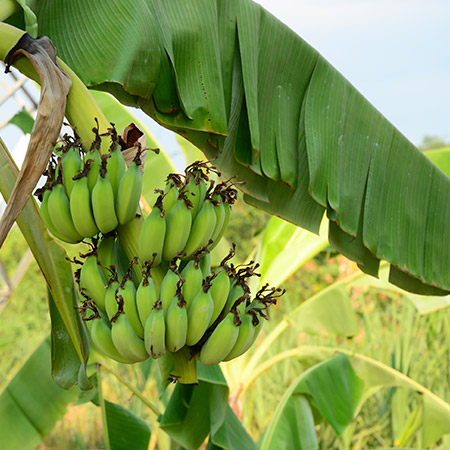
The Tanzania Agricultural Research Institute (TARI) on Thursday, November 22, 2018 said that it had developed 16 new banana varieties, which are resilient to drought and diseases, billed to revolutionise the crop in the east African nation.

Banana tree
Banana tree

Daud Mbongo, a researcher from the Institute of Uyole centre in south-western Tanzania’s region of Mbeya, said that the banana varieties were developed by local researchers in three banana-producing regions of Mbeya, Kilimanjaro and Kagera.

He confirmed that the trait of the 16 varieties is high productivity compared to traditional varieties being planted in various parts of the country.

“The varieties have proved to be resilient to banana diseases and can grow in difficult weather conditions,” he said, when briefing journalists in Mbeya Region.

Ashraf Mgenzi, a researcher from TARI-Maruku Centre in western Tanzania’s region of Kagera, said the study took place in the three research farms owned by TARI in the three predominantly banana-producing regions.

“We have eaten the bananas here to feel the taste; it’s great,” he said.

Tulole Bucheyeki, Director of TARI-Uyole Centre, described the new varieties as a huge relief to farmers because of proven increased yields and resistance to disease and dry weather.

“The varieties have proven to yield bunches weighing between 50 and 60 kilogrammes and that means more food and more money,” Bucheyeki said.

Mariana Cheja from TARI-Uyole, who was among participants, who tasted the new fruits, said farmers in the banana-producing regions in particular and Tanzanians in general have a reason to smile because unlike other crops, banana is both food and cash crop.

“Increased productivity proved in this study plus the resilience to disease and harsh climate, the main setbacks to farmers in the country, mean improved food security and enhanced economies of farmers,” Cheja remarked.


Nigeria set to issue second Green Bond

0

The Federal Government says arrangements have been completed for the issuance of its second Green Bonds in December to facilitate the funding of climate change projects in the country.

Ibrahim Usman Jibril
Ibrahim Usman Jibril, Minister of State for Environment

Alhaji Ibrahim Jubril, the Minister of State for Environment disclosed this in a statement by Alhaji Saghir Mohammed, the Director of Press on Thursday, November 22, 2018 in Abuja.

The minister, who spoke at a two-day retreat in Lagos, noted that the retreat was designed to sensitise and galvanise the active participation of stakeholders in the issuance process.

He said that the event was equally meant to review the grey areas from the first insurance with a view to consolidating and strengthening the process towards a hitch free second phase.

“The issuance of Green Bonds is one of the ways that the country has adopted to meet its obligations to the Paris Agreement as well as fast track the reduction of emissions in line with the Paris Treaty.’’

With the successful first issuance in 2017, Nigeria became the first country in Africa to take such initiative.

By Ebere Agozie

Virtual summit: Countries urged to raise ambition to tackle global warming

0

Countries of the Climate Vulnerable Forum (CVF) reportedly broke new grounds on Thursday, November 22, 2018 by successfully organising the first gathering of Heads of States and governments completely online at www.vitualclimatesummit.org, setting a precedent for a future of low emissions international fora.

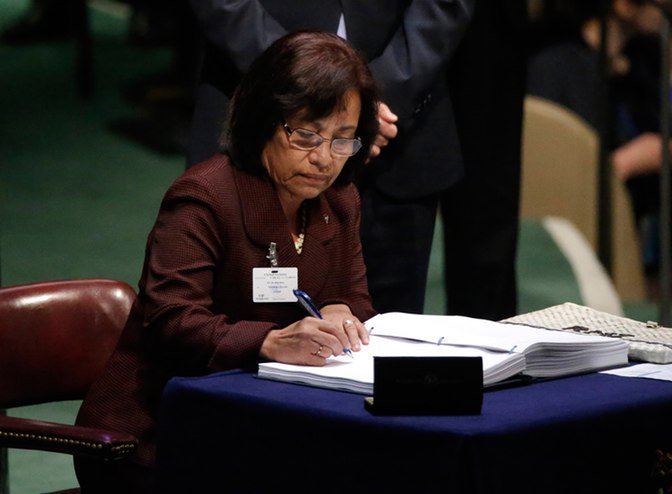
Hilda-Heine
Summit Host, President of the Marshall Islands and Chair of the CVF, Dr. Hilda Heine

The zero-carbon summit, which came as a response to the scientific report by the International Panel on Climate Change (IPCC) released last September, aimed at providing a platform for all leaders to commit to raising climate ambition by 2020 to keep warming below 1.5C degrees as agreed in 2015 in Paris and to safeguard vulnerable communities worldwide from runaway climate change.

Pre-recorded video statements, panels and films were screened over 24 hours engaging various audiences over social media. More than 50 countries participated including Costa Rica, Germany, France, Fiji, Philippines, Mexico, Norway, the Netherlands, New Zealand, Niger, Palau, Finland, Cambodia, Switzerland, Rwanda, Grenada, Lebanon, Kiribati, Ireland, Nepal, Bangladesh, Sweden, Santa Lucia, Barbados, Haïti, Mongolia and others.

The Summit has been described as an important show of leadership by the Marshall Islands and other countries most vulnerable to climate change, which optimised scarce resources to organise the Summit and build a coalition of frontrunners who will act as the driving force for a decision on enhancement at the upcoming UN negotiations (COP24) in Katowice and the UN Secretary General (UNSG) Summit in September 2019.

The Summit Host, President of the Marshall Islands and Chair of the CVF, Dr. Hilda Heine, announced new and ambitious climate targets becoming one of the first along with Fiji to respond to the Paris commitments and setting an example for other countries to follow to secure survival and protection of vulnerable communities worldwide.

The official outcome of the Summit, particularly the “Jumemmej Declaration” (Marshallese for vigilance against threats) will feed into the agreed mechanism to promote enhanced action by all nations party to the Paris Agreement dubbed the “Talanoa Dialogue” and sends a powerful call to arms to all leaders and non-state actors to enhance ambition by 2020 while emphasising the role of the UNSG Summit in 2019. The Declaration also announces that all CVF countries will enhance their own climate contributions by 2020.

CVF countries attempted to lead by example to emphasise that the transition to clean renewable energy and decarbonised economies that will keep warming below 1.5C is feasible and economically productive.

Although the Summit kicked off a snowball for enhanced commitments, which civil society will keep pushing to build up to a significant size during the climate talks in Katowice through to the UNSG Summit in 2019, many countries missed the intended purpose of the online meeting, either by not participating in the Summit or by failing to present new strong and ambitious commitments. As many speakers in the Summit expressed, enhanced commitments are the only way to safeguard vulnerable and other communities from dangerous climate impacts that are threatening their survival and peace and security worldwide.

The IPCC’s special report was clear. To keep the world safe from climate disasters, countries should take unprecedented actions to cut carbon emissions and a complete phase-out of coal by all members of the Organisation for Economic Cooperation and Development by 2030.

The Summit saw the participation of several civil society and organisational leaders including the UN, World Bank, the Global Environment Facility, the Elders, Oxfam, Mission 2020, SEforAll, Greenpeace, the WorldWide Fund for Nature, the World Resources Institute, CARE and others.

Caroline Kende-Robb, Secretary General, CARE International, says: “We will take a giant step towards keeping warming below 1.5C when we realise that women and girls are not only among the most affected but also leading positive change. CARE’s work with communities from Tanzania to Niger and elsewhere proves that climate justice and gender justice go hand in hand as women are initiating income-earning and renewable energy projects that benefit whole communities. A game-changer would be to have locally driven, gender-inclusive humanitarian response with women’s voice at the policy table and the financial means to make their recommendations reality.”

Helen Mountford, WRI Global Director of Economics and Programme Director of the New Climate Economy: “The Climate Vulnerable Forum is an important global moment for leaders to recognise the incredible economic and social opportunities to step-up climate action and achieve together the 1.5oC goal, as well as the mounting risks of delaying action. The latest New Climate Economy report shows that bold climate action can deliver $26 trillion in economic benefits between now and 2030, reduce deaths from air pollution, create jobs, and important new opportunities for women. We need to urgently seize these opportunities. With the announcements they’re making at the summit to enhance their Paris commitments, the CVF countries are providing leadership for the entire world, and as new WRI analysis shows, they can do so in ways that also deliver critical development benefits in energy, transport, and agriculture.”

Josianne Gauthier, Secretary-General, Coopération Internationale pour le Développement et la Solidarité (CIDSE): “The Climate Vulnerable Forum, through its online summit, reiterated a crucial message to the upcoming COP 24: all countries have to step up their climate commitments and urgently make all the possible efforts to limit global warming to 1.5 C. For CIDSE this means engaging society in a real shift in our economies and values to embrace a new system where we can live in balance with nature and in dignity. This requires an ambitious yet possible and needed change in the way we relate to energy, agriculture and to one another. In the panel we have the honor to host within the CVF we will listen to the stories of courageous people during this struggle and our commitment is to walk with them.”

Three endangered black Rhinos die at Kenyan National Park

0

Three endangered black rhinos have died mysteriously this month at Kenya’s Maasai Mara National Reserve, a Senior Government Official said on Thursday, November 22, 2018.

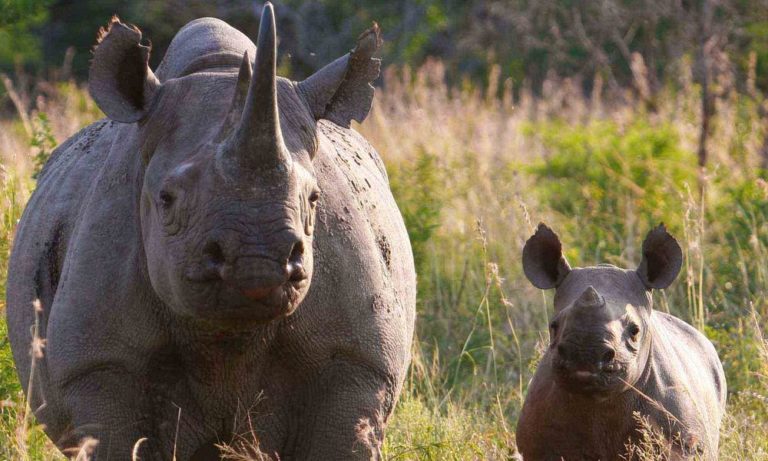
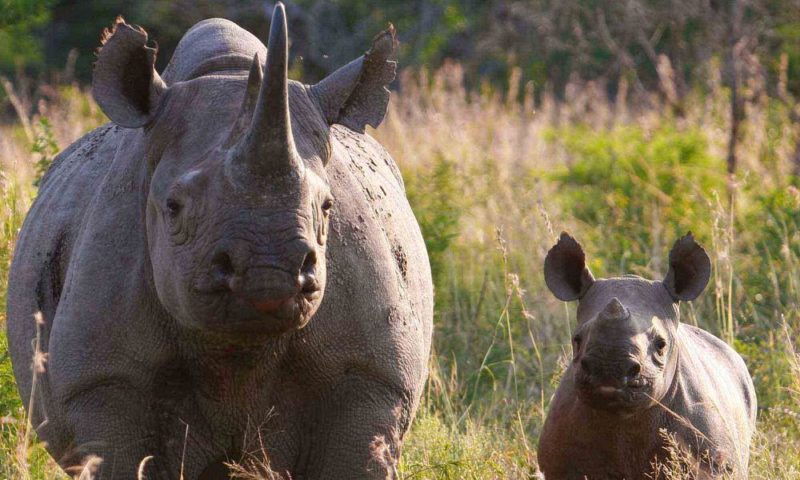
Rhinos
Rhinos

“Veterinary officers have taken samples from the carcasses for further investigations,” Narok county commissioner, George Natembeya, said.

The deaths include a two-year-old rhino, a pregnant 16-year-old, and a 37-year-old.

Natembeya said wildlife officials suspect the deaths could be due to a case of plant poisoning and dismissed reports that the animals could have been poached or poisoned, saying all the rhinos at the park are protected.

The deaths come just months after 11 black rhinos died from dehydration after being moved between Kenyan national parks in July.

Those deaths were attributed to salt poisoning as a result of the animals drinking water of high salinity on arrival in the new environment.

Conservationists say there are about 5,500 black rhinos left in the world.