Home Blog Page 1743

Minister reiterates need for water supply, good sanitation

0

Minister of Water Resources, Mr Suleiman Adamu, on Tuesday, December 11, 2018 called on governments at all levels to ensure access to adequate water supply and sanitation.
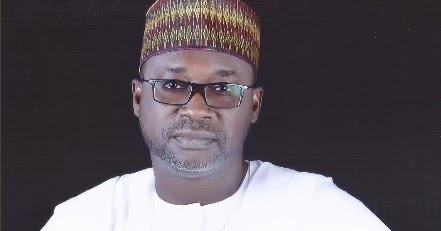
suleiman adamu kazaure
Suleiman Adamu Kazaure, Water Resources Minister

Adamu made the call at the inauguration of the Kamomi Aketi Accelerated Water Scheme at Ogbese in Akure North Local Government in Ondo State.

He explained that the consequences of lack of access to water and sanitation included economic losses, high prevalence of water related diseases, reduced school enrolment and attendance, loss of dignity, increased risks of insecurity and violence against women and children.

Adamu said such consequences should be avoided.

“Water is life and has no substitute. However, our country today still has significant challenges of access to adequate Water supply, Sanitation and Hygiene (Wash).

“Recent statistics from the WASH-NORM (National Outcome Routine Mapping) survey indicate that about 67.9 percent of our population has access to improved water supply from all sources while 41.5 percent have access to basic sanitation facilities.

“Furthermore, about 25 percent of our population practice open defecation and this makes our country number two rank amongst all nations still practicing open defecation in the world,” he said.

The minister further assured that resources would be mobilised from the Federal Government, beginning with 2019 budget and from the development partners, in support of the programme.

“We will also promote the programme delivery modality to other states to give the necessary prominence that Ondo State deserves on Rural Water Supply.

“I will like to encourage the State Government to please include provision of sanitation facilities in the public places in the programme so as to make Ondo State Open Defecation Free (ODF) by 2025 which is the target year for ODF in our country,” he said.

Earlier, Gov. Oluwarotimi Akeredolu of Ondo State said a government must be responsible and responsive to the needs of the people.

“We have been able to do that. We met water supply at four percent. It is not something any government can stand but with all these boreholes rehabilitated, it has really improved,” he said.

He further said Ondo State laws on open defecation would be improved to end open defecation and urged everyone to have toilets in their homes.

“Our minister has challenged us to take along the issue of public toilets so that open defecation will end, and all these water-borne diseases will be a thing of the past,” he said.

The governor also urged the people of Ogbese to utilise the water scheme properly and warned them not to pay anyone money as toll for water.

Also, Mrs Yetunde Adeyanju, chairman, Ondo State Rural Water Supply and Sanitation Agency (RUWASA), said the scheme would optimally utilise underground water unlike the stand-alone motorised and handpump boreholes that would serve a lesser population.

Adeyanju further explained that the scheme was to improve, sustain and expand safe water supply to over 3,000 communities in the state.

“It is designed to have 5km reticulation and distribution network with a storage tank of 50m capacity that would discharge at full capacity twice a day with 100 public standpipes, 200 fetching points while one fetching point will serve 50 people.

“The Scheme is powered with solar energy and two deep boreholes and the Sanitation component is to achieve 100% open defecation free, three months after provision of safe water access in aggressive approach in the benefited community”, she said.

She, however, explained that intervention in Ogbese was necessary because Ogbese had nine handpump boreholes and two solar powered boreholes which were not functioning, hence making it very difficult for the community to have access to improved water source.

By Ayodeji Alabi
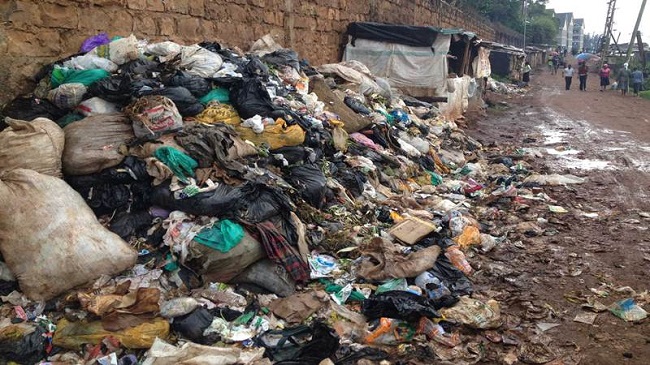
Group inaugurates project to address pollution

0

A not-for-profit organisation, Ecolife Conservation Initiative, says it has inaugurated an environmental sanitation project titled: “Keep Naija Clean, Make Life Better”, and aimed at addressing air, water and land pollution in the country.

waste disposal
Indiscriminate waste disposal

Mr Akubuike Chibuzor, Executive Director of the organisation, told the News Agency of Nigeria (NAN) in Abuja on Tuesday, December 11, 2018 that the project is aimed at sensitising the public on the consequences of indiscriminate waste disposals.

Chibuzor said that the project is also aimed at partnering with religious leaders, traditional rulers, and other relevant stakeholders to take awareness campaign to rural communities, churches, mosques, markets, schools, motor parks and government establishments.

“The specific objective of this project is to bring about an attitudinal change from the culture of indiscriminate dumping of waste in public places to disposing waste properly in waste bins in Nigeria, beginning from the FCT.

“The impact of improper waste disposal can be seen across the country as litter is seen lying around everywhere on our roads, drainages and public places.

“In some instances, litter is seen being thrown out unto our roads from moving vehicles and even pedestrians. These wastes litter the roads, block drainages and cause air, water and land pollution,’’ he said.

The project, according to him, lays emphasis on plastic waste as it is non-biodegradable, “which means it cannot be changed to a harmless natural state by the action of bacteria and will remain in the environment for many years, therefore, damaging the environment”.

“A desk study carried out by the Water and Sanitation Programme (WSP) of the World Bank revealed that the economic impact of poor sanitation costs Nigeria the equivalent of 1.3 per cent of the country’s GDP which is about N455 billion.

“Poor and inadequate sanitation destroys the aesthetics of the environment. It causes air, water and land pollution. It breeds mosquitoes and rodents. It can substantially lead to high level of morbidity.

“Diseases like malaria, cholera, diarrhoea, acute respiratory infections and gastroenteritis could become severe in their onset and lead to an epidemic and eventually high mortality, affecting large numbers of people, especially children.

“Every year, an estimated 124,000 children under the age of five die mainly due to poor sanitation in Nigeria,’’ the executive director said.

Chibuzor, who said that cleanliness prevents illnesses, solicited the cooperation of Nigerians toward achieving the goals of the project aimed at making Nigeria a dirt-free environment.

By Deji Abdulwahab

UN celebrates 70th anniversary of Universal Declaration of Human Rights

0

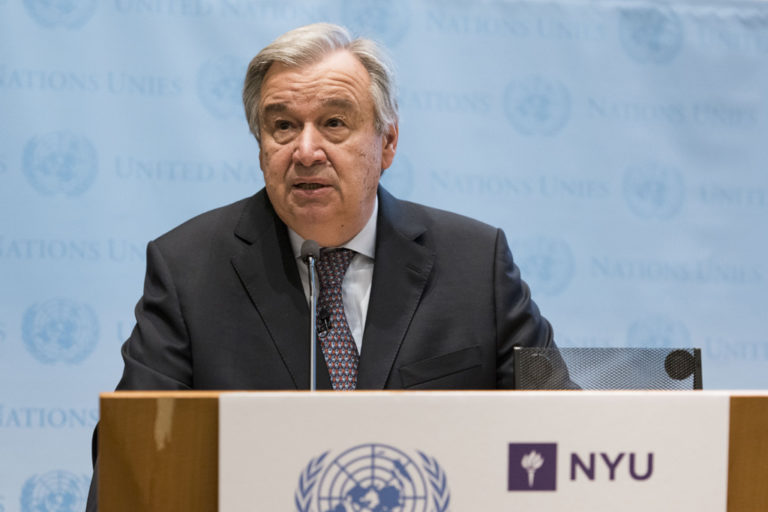
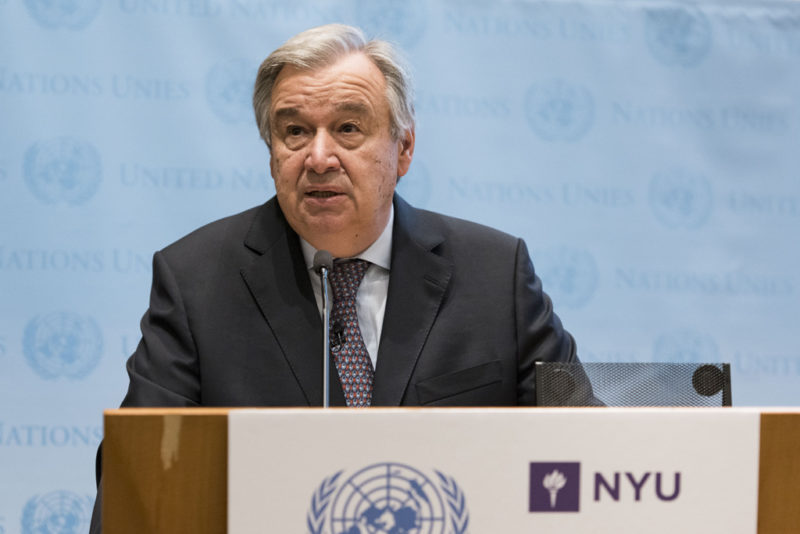
UN Secretary-General, Antonio Guterres, says the Universal Declaration of Human Rights has inspired millions of people to demand their rights and contest the forces of oppression, exploitation, discrimination and injustice.

António Guterres
Secretary-General António Guterres. Photo credit: UN /Mark Garten

Guterres said this on Monday, December 10, 2018 in Marrakech, Morocco, at a special event to mark the 70th anniversary of the Universal Declaration of Human Rights.

The event was organised on the sidelines of the Intergovernmental Conference on Migration during which the Global Compact for migration was unanimously adopted by the participating 164 UN member-states.

He said that the safety articles of the Declaration constitute practical measures for achieving peace and inclusive sustainable development.

He noted that it had given birth to movements of all kinds from indigenous peoples to persons with disabilities.

He, however, observed that 70 years after the declaration, the violation of human rights persisted, ranging from torture, execution, extra-judicial killings, detention without trial, among others.

Guterres said that the solution to societies’ problems lay in “staying bound to our shared commitment to uphold human rights and the inherent dignity and equality of each human being’’.

Also, Mrs Michelle Bachelet, the UN High Commissioner for Human Rights, described the Global Compact for Safe, Orderly and Regular Migration adopted on Monday as a vital human rights document.

Bachelet said the adoption of the Compact demonstrated that multilateral cooperation resulted in better outcomes than isolationism and disdain for others.

According to her, the Compact is a reminder that the human rights of all migrants must be “respected, protected and fulfilled at all times.

“At a time of heightened anxiety and the changing realities of a globalised world, when some view migrants as convenient scapegoats for political gain, the Compact reminds us that the human rights of all migrants must be “respected, protected and fulfilled at all times.

“The Global Compact inspires us to greater international cooperation and collective efforts to end conflicts, reduce inequalities and ensure greater freedom and opportunity for all.’’

She recalled that 70 years ago, the global community recognised, for the first time, that all people had universal human rights and promised to promote and protect those rights.

She listed them as the right to equal protection of the law, right to life, liberty and security of person, the right to education, healthcare, food, shelter and social security.

Others are the right to be free from any form of discrimination, the right to freedom of expression and the right to privacy, the right to freedom of thought, conscience and religion.

On the list also are the right to due process and fair trial; the right to be free from torture, and from unlawful or arbitrary arrest or detention.

According to her, “the force of these and other fundamental rights binds us together as human beings, regardless of sex, race, belief, sexual orientation, nationality, migration status or any other factor.

“We share a common destiny on this planet where we live. We share the core values and principles enshrined in the Universal Declaration, which are essential to the maintenance of our mutual peace, prosperity, and sustainable development.’’

She explained that lessons learnt from the World Wars made it imperative to draft treaties and conventions that would create conditions for more enduring peace.

Bachelet noted that great progress had since been made as women and men had been inspired by the Universal Declaration, to demand their human rights.

According to her, hungry, desperate human beings seeking safety and dignity necessary to life are not a hostile invasion or a catastrophic tidal wave.

“They are victims, not perpetrators; they are people just like us — tired and in need. And they are moving – many of them – because they have no other realistic choice.

“Although no state is bound to accept every person who arrives at its borders, all human beings are bound by the imperative of compassion.

“Blood has one colour. Pain is the same, no matter what language we scream in. We are equal, all of us — regardless of the location of our birth, our gender, our race, ethnicity or belief, our disability status or our possession of specific administrative documents. ‘’

She described the principles of the Universal Declaration of Human Rights as a living document, adding that the universal values contained in it could safeguard the world.

“Universal Declaration is a living document, just as powerful and valid today as it was in the ashes and rubble of global destruction.

“May it guide the world’s nations to greater peace, dignity and justice in the years to come,’’ she said.

By Nkechi Okoronkwo

COP24 urged to step up ambition in response to IPCC report

0

Ministers arriving in Katowice this week for the UN climate talks have been called on to demonstrate their understanding of the current climate emergency through words but more importantly through actions.

Jennifer Morgan
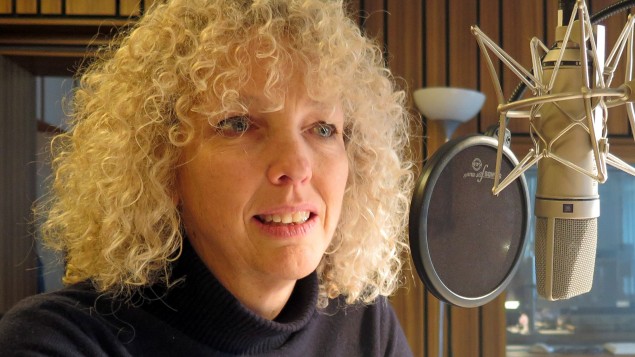
Jennifer Morgan, Executive Director, Greenpeace

Jennifer Morgan, Executive Director, Greenpeace, who made the call on Monday, December 10, 2018, said ministers must anchor messages of the IPCC 1.5 report, ensure that the Paris rulebook drives ambition, and pledge greater financial support to aid the developing world calling on countries like Norway, New Zealand, Australia, Japan, and the EU countries to deliver on financial pledges.

Morgan expressed concern over the present COP Presidency, saying: “There is no working group on ambition. How can you be a COP President of all the countries in the world after the IPCC report and not set up a group to figure out a signal that needs to be sent here on ambition? We call on him to open up such a negotiating group and to get real about what’s happening on climate change.”

Apart from persistently blocking the current negotiations, the United States is said to be hosting a sideshow at COP24 supporting fossil fuels – and reportedly undermining its credibility in the negotiations. Observers expect the American ministers to struggle to find strong footing in the political discussions as a result of their ongoing disruptions of constructive climate dialogue.

However, the USA is also represented through the “We Are Still In Coalition”, which represents half of the domestic population and over $9.4 trillion in economic activity.

“The leadership that you can see at the US Climate Action Centre more accurately reflects the transition that is underway in the United States and should be the symbol that other ministers and the political leaders this week use to guide their own ambition for the future of the Paris Agreement,” said Lou Leonard, Vice President, Climate Change, WWF-US.

Saturday’s failure to acknowledge the IPCC 1.5 report in Subsidiary Body for Scientific and Technological Advice (SBSTA) should send a clear message to the arriving ministers that delivering a full ambition package is crucial in this week’s negotiations.

“Without ambition, without concrete actions to deal with the climate crisis, the most wonderful rulebook in the world wouldn’t make a difference,” said Jennifer Tollmann, Researcher, Climate Diplomacy, E3G.

“With regards to the rulebook we have seen progress being made, but we are now at a crossroads. Ministers may now strengthen it and add ambition as a concrete element or they can water down the rulebook, thus undermining the Paris regime. Today’s start on finance consultations is equally crucial in developing the rulebook groundwork on which ambition can be built. Further, Tollman highlighted the existing loopholes, transparency framework, and loss & damage and land use accounting which could undermine ambition. These need to be addressed in ernest to streamline options before presenting text to Ministers.”

Svitlana Romanko, EECCA Regional Coordinator, 350.org, spoke out against the Polish authorities attempts to silence civil society through arrests, detention and deportation. Several civil society activists have been detained and deported as they tried to reach Katowice for COP24. These events are starkly contrasted by today’s 70th anniversary of the UN’s Declaration of Human Rights. Romanko asked the UN to set clear and strict guidelines for hosts countries to prevent such repression and stop the arbitrary detention of civil society activists.

The first week of negotiations have reportedly failed to develop a backbone for climate finance. Kashmala Kakakhel, Climate Finance Specialist and Advisor, set expectations for week two by describing the four key elements that need to be discussed.

Kakakhel said: “Firstly, we need to acknowledge the rising costs of climate change and the imperative to put the needs of the people in the forefront. Secondly, although there are existing arguments that several hundred billion dollars are already being put into climate related initiatives, we need to consider the net value and the actual assistance seen on the ground.

“Thirdly, developed countries must stop blocking dialogue on post 2025 financial targets. If we ask countries to lay out plans till 2030 how can we not have a discussion on support for post-2025? Lastly, finance is the key driver for ambition and we need to see greater commitments to the Green Climate Fund. Real money will lead to real climate action.”

Africa to need $7b for rice imports by 2020 – FAO

0

The UN Food and Agriculture Organisation (FAO) has predicted that Africa will need a whopping $7 billion for its rice imports annually by 2020.

Abebe Haile-Gabriel
Abebe Haile-Gabriel

Abebe Haile-Gabriel, Officer-In-Charge of the FAO Regional Office for Africa, said this in his message on Monday, December 10, 2018 at the opening of the two-day conference on Sustainable Rice Systems in Sub-Saharan Africa, in Ada in Ghana.

He therefore noted that there was the need for effective leadership and political will coupled with concerted efforts for Africa to achieve self-sufficiency in rice production and end hunger.

The African Rice Project is under the UN South-South Cooperation programme.

China is one of the major development partners supporting the South-South Cooperation programme especially in Africa and Asia.

Official data by FAO indicated that in 2015 alone, African countries had imported about 36 per cent of their rice requirements at the cost of about 4 billion dollars.

“The projection for 2020 does not seem to change that percentage, only that the drain on foreign exchange to foot the import bills are expected to rise to $7 billion annually,” the official said.

Haile-Gabriel urged that rice self-sufficiency for Africa should not only target meeting consumption needs locally but also at the multiplier effect through the re-allocation of the much-needed foreign exchanges.

He also called for investing in the rice value chain development initiatives that would create and expand employment opportunities for youth and women.

Represented at the up-scaling conference were delegates from the ministries of food and agriculture of Ghana, Uganda, Cameroon, Benin, Mali, Cote d’Ivoire, Nigeria, Tanzania, Guinea, Kenya and Senegal.

Nigerians urged to adopt environmental sanitation to reduce malaria

0

The Federal Government on Monday, December 10, 2018 urged Nigerians to adopt environmental sanitation measures to reduce breeding of mosquitoes and prevent malaria.

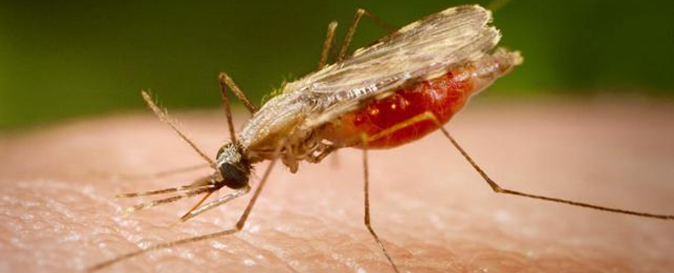
Malaria-anopheles
The malaria-causing anopheles mosquito feeding on a victim

Dr Audu Mohammed, the National Coordinator, National Malaria Elimination Programme (NMEP), gave the advice at the Fourth Quarter Media Chat in Abuja.

Mohammed, who was represented by Mr Chukwu Okoronkwo, Head of Advocacy, Communication and Social Mobilisation, said that malaria was still a major cause of morbidity and mortality in the country.

He said that although malaria was endemic in Nigeria and constitutes a major public health problem; Nigerians must adopt the right health seeking behaviour, for the elimination of malaria.

“About 191 million Nigerians are estimated to be at risk of the disease, based on the 2018 world malaria report by the WHO.

“Estimated number of malaria cases has risen from 52.4 million in 2016 to 53.7 million in 2017.

“Total number of deaths due to malaria has reduced from about 98,378 in 2015 to 81,640 in 2017.

“The first strategic objective of NMEP’s 2014-2020 strategic plan; highlights that at least 80 per cent of Nigerians utilised appropriate preventive measures by 2020,” he said.

Mohammed said that environmental management seeks to reduce the abundance of all mosquitoes as well as targeted malaria vector species.

He added that the government at both federal and state levels have through new construction and renovation of road systems, with good drainage systems, assisted in reducing breeding sites of the vector.

He underscored the need for individuals to maintain environmental sanitation in and around the places they live and work.

Mohammed enjoined the media to educate Nigerians on guidelines for treatment of malaria, which recommended diagnosis, in all suspected cases before administration of treatment.

“Usually, there are two types of tests: Microscopy and Rapid Diagnostic test.

“The test is meant to provide evidence of the malaria parasite in the blood of the patient, before he/she can be treated.

“Our guidelines emphasise the importance of high-quality microscopy and where not feasible or available, quality assured rapid diagnostic tests should be used,” he explained.

By Jessica Onyegbula

UK, IFC mobilise $2b to finance green construction

0

IFC, a member of the World Bank Group, and the government of the United Kingdom announced on Monday, December 10, 2018 a new partnership to help transform construction markets by crowding in as much as $2 billion in public and private sector financing for certified green buildings in emerging markets.

Green building
Green building

The UK-IFC Market Accelerator for Green Construction Programme will be the first UK-IFC partnership in blended concessional finance for climate change mitigation. The U.K. government’s contribution of £105 million will include £80 million for investments and £25 million for advisory services. The funds will be used to incentivise the development of green buildings through certification with IFC’s EDGE and other leading certification systems.

Globally, buildings generate 19 percent of energy-related greenhouse gas emissions and consume 40 percent of electricity. Every year, an additional 5.5 billion square meters of floor space is constructed, mainly in emerging markets where green construction makes up only a small fraction of new buildings. The global built environment is expected to double by 2050, and green construction can secure lower emissions for decades. By accelerating the construction of certified green buildings, the program aims to mobilise $2 billion in investments to help tackle climate change.

“Green buildings represent a powerful opportunity to address climate change in emerging markets,” said Hans Peter Lankes, IFC’s Vice President for Economics and Private Sector Development. “Investments in green buildings certified with EDGE and other standards could represent a $3.4 trillion opportunity over the next decade. Blended finance is a valuable tool to help create new markets for green construction by mobilizing private capital through financial intermediaries.”

“To date the UK has supported 47 million people across the globe cope with the effects of climate change and provided 17 million people with improved access to clean energy, helping to raise $100 billion a year by 2020 and sharing expertise to keep us secure too,” said Claire Perry, Minister of State for Energy and Clean Growth. “One year on from the launch of our modern Industrial Strategy, we are making the most of the economic opportunities that go hand-in-hand with tackling climate change. This exciting new programme will encourage greener construction practices in developing countries to improve energy efficiency and reduce emissions, creating opportunities for UK businesses to invest in new markets,” she concluded.

IFC plays a key role in advancing climate solutions led by the private sector. It has an ambitious commitment to ensure 35 percent of its investments are climate-related by 2030. Since 2005, IFC has invested $22.2 billion in long-term financing from its own account and mobilised another $15.7 billion from investors for climate-related projects. IFC green building commitments were $1.4 billion in fiscal year 2018. EDGE certification is available in 144 countries with more than four million square meters of floor space certified.

IFC’s Blended Finance practice helps unlock private sector capital by using concessional finance to mitigate risks, enabling private investors to undertake high-impact development projects that are on the cusp of commercial viability. In fiscal year 2018, IFC committed more than $218 million of concessional donor funds, catalysing $1.5 billion in private investment.

Flood-hit rice farmers unable to meet loan obligations

0

The Rice Farmers Association of Nigeria (RIFAN) has appealed to the Federal Government to grant farmers affected by recent flooding fresh loans to enable them to engage in dry season farming.

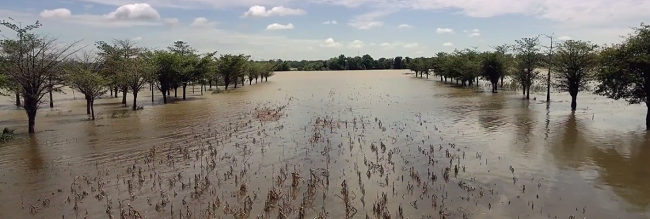
Flooded farmland
A flooded farmland. Photo credit: FAO

The National President of RIFAN, Alhaji Aminu Goroyo, told newsmen in Abuja on Monday, December 10, 2018 that this would also enable the farmers to service their loans.

Goroyo, who decried the plight of its members following the last massive flooding in the country, said that the huge losses resulting from the incident had compounded the difficulty of rice farmers in meeting their loan obligations to lenders.

According to him, no fewer than 360,000 farmers that got loans from the Central Bank of Nigeria through its Anchor Borrowers’ Programme are affected.

“Most of the affected farmers no longer have the capacity for loan repayment, having lost most of their crops to floods,” he said.

Goroyo thanked President Muhammadu Buhari; the Minister of Agriculture and Rural Development, Chief Audu Ogbeh; and the CBN governor, Mr Godwin Emefiele, who worked hardto ensure the success of the Anchor Borrowers’ Programme.

RIFAN’s appeal came days after Buhari assured that farmers affected by the massive rains this year would be compensated.

Buhari gave the assurance at an event to mark the Farmers Day 2018 in Yenagoa, Bayelsa State on Dec. 1, his Special Adviser on Media and Publicity, Mr Femi Adesina, said in a statement.

“I want to assure all flood-affected farmers and fishermen that you will be helped. This government is with you in your time of need.

“As I speak to you now, the modalities for this compensation programme are being finalised and very soon, we shall start implementation,” Adesina quoted him as saying.

In October 2018, Ogbeh also warned that the country might experience rice shortage as a result of the flooding in the states producing rice.

Speaking at a seed exhibition in Abuja, he stated that major rice producing states, including Jigawa, Kebbi, Anambra and Kogi, were badly affected.

The minister had said that government and other stakeholders must find a way to assist the victims to avert the looming scarcity of the staple.

By Philomina Attah

Scientists to test tailor-made vaccine tech to fight flu, Ebola, Rabies

0

A global coalition set up to fight disease epidemics is investing up to $8.4 million to develop a synthetic vaccine system that could be tailor-made to fight multiple pathogens such as flu, Ebola, Marburg and Rabies.

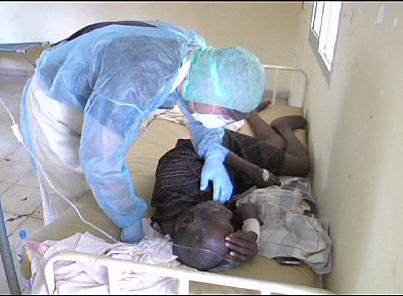
Ebola
An Ebola patient receiving treatment

The deal, between the Coalition for Epidemic Preparedness Innovations (CEPI) and a team of scientists at Britain’s Imperial College London, is aimed at progressing a “vaccine platform” which uses synthetic self-amplifying RNA (saRNA).

A vaccine platform is a system that uses the same basic components as a backbone or framework and can be adapted to immunise against different diseases by inserting new genetic sequences from, for example, the flu or Marburg or rabies virus.

“It could be very transformative. It would change the way people view how to make vaccines,” said Robin Shattock, a specialist in Mucosal Infection and Immunity who leads the Imperial team developing the system, known as RapidVac.

He said there are several years of research and testing ahead but hopes the technology could one day lead to rapid production of “single shot” vaccines against an emerging epidemic, or of “cocktail” vaccines against several different infectious diseases.

The thinking behind the saRNA approach is to harness the body’s own cell machinery to make an antigen – in other words a foreign substance that induces an immune response – rather than injecting the antigen itself directly into the body.

“The other advantage is that it’s very rapid to manufacture because it’s a synthetic process,” Shattock said in a telephone interview.

Infectious disease epidemics such as Ebola outbreaks in Africa or Zika spreading from Brazil, are sporadic, unpredictable and fast-moving. Yet developing vaccines to combat them can currently take up to 10 years or more.

CEPI, which was set up at the start of 2017, aims to dramatically speed up the development of vaccines against new and unknown diseases – collectively known as Disease X.

“We cannot predict where or when Disease X will strike, but by developing these kinds of innovative vaccine technologies we can be ready for it,” said Richard Hatchett, CEPI’s chief executive and a specialist in medical countermeasures.

Under this agreement deal, Shattock’s team will work with German firm BioNTech RNA Pharmaceuticals and use the RapidVac platform to produce vaccines against a flu virus, the Rabies virus, and Marburg virus.

They aim to start safety trials in animal models in the lab early in 2019 and move to early stage clinical trials in humans within two years.

Impacts of human-induced climate change coming earlier than expected, say scientists

0

Many impacts of human-induced climate change, from drought and heat waves to Antarctic ice melting, are coming earlier than expected, scientists have said.

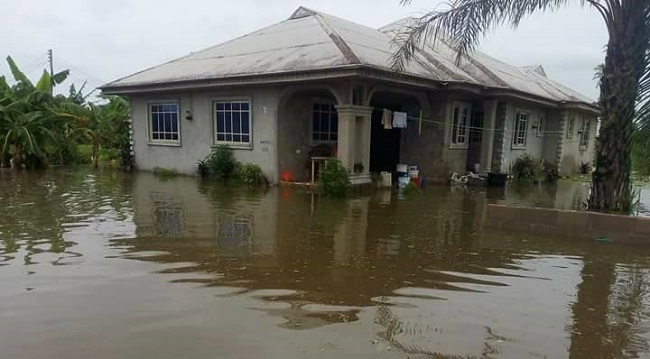
Yenagoa
Flooding in Yenagoa, Bayelsa State

Extreme events, such as recent fires in North America and floods across Asia, can with increased certainty be linked to global warming. Halving global emissions over the next decade is technically achievable and would save the world billions of dollars, the experts said in a new statement to coincide with the UN annual climate talks in Katowice, Poland.

Their warning comes as global emissions are projected to rise for a second consecutive year to a new historical high after three stable years.

Professor Johan Rockström, Co-Chair of Future Earth and Chair of the Earth League, the organisations that produced the statement, says: “Emissions must peak by 2020. The world cannot allow climate catastrophe to unfold when all the solutions to solve this challenge are here in front of us.”

“Our analysis of the most recent research shows that a global transition to clean energy is affordable, achievable, and already underway,” says Future Earth Executive Director Amy Luers. “But to avoid catastrophe, we must ratchet up the pace and move beyond energy. The research shows clearly that we must cut emissions by half across all economic sectors in the next decade, to have a chance of avoiding the worst impacts of the climate crisis.”

The statement, titled “10 New Insights in Climate Science,” will be presented at the United Nations Framework Convention on Climate Change 24th Conference of the Parties, on Monday, December 10, 2018 and distributed to negotiators in Katowice. It is published by Future Earth and the Earth League, two major international organisations representing networks of global sustainability scientists, and summarises recent Earth-system science, policy, public health and economic research.

The 10 new Insights in Climate Science are summarised to include:

Extreme weather events are now clearly attributable to climate change

The frequency and intensity of extreme events, including flooding, heat waves, and drought conditions have been increasing. Until recently, it was difficult to clearly attribute these events to climate change. Now, more accurate observations and progress in modelling has made the link clear.

Growing climate impacts show risks of critical tipping points

Changes have been observed in major Earth systems – like a weakening of the Atlantic overturning circulation, mass mortality of the world’s coral reefs, and the tripling of ice loss from the West Antarctic ice sheet. These and other systems could reach points where they rapidly collapse, or a major, largely unstoppable transformation is initiated. The risks are growing.

Every half degree matters: Large difference in impacts between 1.5°C and 2°C degrees of warming

This year’s Intergovernmental Panel on Climate Change (IPCC) Special Report on 1.5oC has shown that the magnitude and risk of a range of climate change impacts increase significantly between 1.5°C and 2°C.

New understanding of the acceleration of sea level rise and its future

The rate of ice loss from Antarctica is increasing. It is now almost twice as high as projected by the latest IPCC assessment (2014). Limiting warming to 1.5°C instead of 2°C can avoid the inundation of lands currently home to about 5 million people.

Managing plants and soil: a prerequisite for meeting the Paris Agreement

Between 2007 and 2016, land use change was responsible for annual global emissions of, on average, 4.7 billion tons of CO2, which is around 12 percent of CO2 emissions. Natural climate solutions could potentially provide over one-third of the cost-effective climate mitigation needed between now and 2030 to stabilise warming to below 2°C.

Options to remove CO2 from the atmosphere are limited

Scenarios that have recently been assessed by the IPCC show that the world will need to draw down between 100 and 1000 billion tons of CO2 out of the air, so-called Carbon Dioxide Removal (CDR), during this century to achieve the 1.5oC target. But research shows that CDR at the upper end of this scale conflicts with other sustainable development goals.

Major socio-technical transformations needed to meet the 1.5°C target

Globally, approximately halving greenhouse gas emissions by 2030 is consistent with meeting the Paris Agreement goal to stay “well below 2°C.” This is technically feasible, but this scale of emissions reductions requires transformations of full socio-technical systems, across all sectors and scales. There is already considerable momentum in the energy sector that it could see major shifts towards very low emissions, with the right support. However, there is worryingly little progress in reducing emissions from buildings, transport, food systems and industry.

Stronger policy measures would reduce climate risks

Global fossil fuel subsidies remain massive. Phasing out these would reduce global carbon emissions and strengthen public budgets, but reforms should consider acceptance, effects on poverty, and possible adverse effects such as shifts from gas to coal. A portfolio of policies including standards, regulations, incentives, and carbon pricing would effectively support and accelerate a low-carbon transition.

Transformation of food systems needed for global health and reduced greenhouse gas emissions

Decarbonising and building resilience in the world food system is a prerequisite to succeed with the Paris Agreement. Dietary shifts away from unhealthy “Western diets” towards reduced meat and dairy consumption are a significant way to reduce greenhouse gas emissions and improve health.

Benefits for global health by addressing climate change

Climate change is increasing the numbers of injuries, illnesses, and deaths from, for example, extreme weather and climate events, infectious diseases, and undernutrition. Efforts to combat climate change would have significant co-benefits for health, chiefly, saving millions of lives through lower air pollution.