Home Blog Page 1723

Government urged to empower Niger Delta youths

0

The Centre for Environment, Human Rights and Development (CEHRD) on Thursday, December 17, 2019 in Abuja called on the Federal Government to empower youths in the Niger Delta to enable them to contribute more towards nation building.
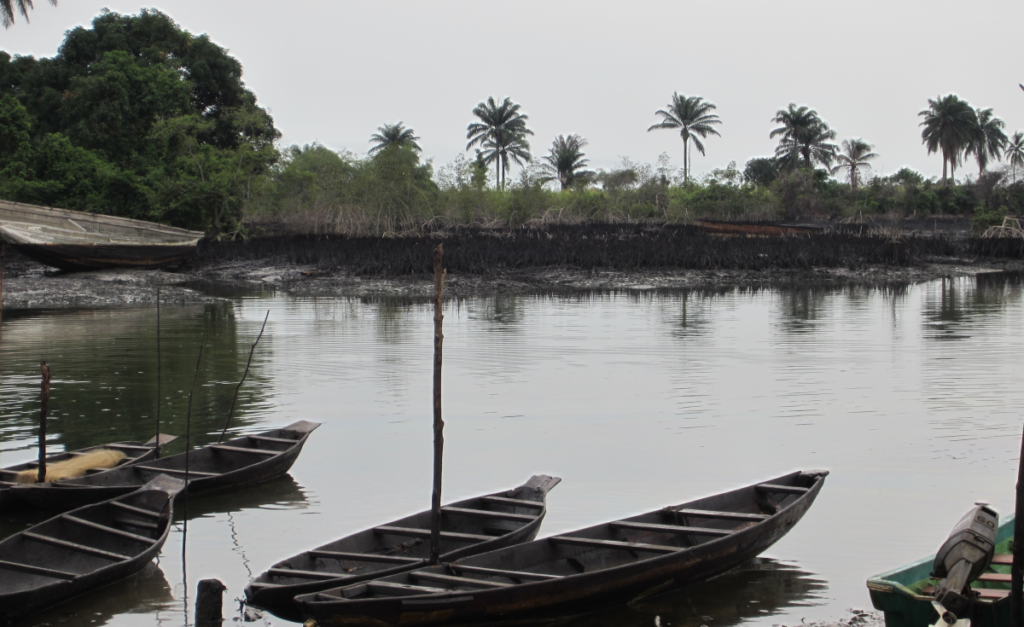
Oil spill pollution
A water body in the Niger Delta polluted by crude oil

Dr Kabari Sam, the Head, Environmental Conservation in the centre, made the call at a news conference/media launch of research on the “Operationalisation of the Emergency Measures and Clean-up of the Niger Delta”.

Sam said that such effort would further reduce crime and poverty in the country.

He further urged government at different levels to collaborate to ensure the provision of basic amenities in local communities.

He said that hydrocarbon sites in the Niger Delta region were common place due to over five decades of oil exploitation.

He said that government ought to partner with international bodies and donor organisations to secure support for the remediation process as well as enact adequate policies and legislation to prevent new spills.

“Government should consider the true independence of Hydrocarbon Pollution Remediation Project (HYPREP) and demonstrate financial and scientific commitment to remediate polluted areas.

“Government should ensure relax procurement processes to enable HYPREP function prompt and effectively, develop and establish fit for the purpose intervention and target values.

“It should also develop a sustainable framework for the deposition of funds in HYPREP`s escrow account to avert paucity of the remediation process and enforce independence of HYPREP to undertake its roles and responsibility.’’

The Nigerian Government re-established HYPREP to undertake the remediation and restoration of pollution sites in Ogoni land and the Niger Delta.

The remediation and restoration exercise in Ogoni land will be completed within 25 to 30 years.

According to him, government needs to facilitate the delineation of government agencies undertaking overlapping roles and responsibilities in the environmental sector.

Mr Monday Osasah, the Acting Executive Director of CEHRD, urged the paramount rulers in Niger Delta to take affirmative action on their subjects involved in artisan refining and pipeline interference to discourage all artisanal refining activities.

He urged the communities in the area to build cordial relationship with remediation contractors in their communities.

“Cooperate with HYPREP officials during further delineation actions on impacted sites and provide with all necessary supports to HYPREP, oil industry operators and the government to implement the UNEP report recommendations.

“Develop internal communal platforms to create awareness and sensitise the local population on the deliverables of the remediation exercise.

“Engineer and partner community-based organisations and faith-based organisations to sensitise deviant youth in the community,” he said.

Osasah called on civil society organisations (CSOs) to lobby relevant stakeholders to demonstrate commitment to the remediation exercise.

According to him, the CSOs should lead advocacy visits to relevant government agencies to ensure remediation of polluted sites in Ogoni land and beyond.

He said that CSOs ought to embark on massive awareness and sensitisation campaigns in the impacted communities and develop platforms for reconciliation of aggrieved stakeholders.

“Develop mechanism for building trust and confidence among stakeholders and focus substantial international aid on the education of stakeholders to increase socio-economic output of the remediation exercise.’’
Global health threats: WHO to implement new strategic plan

0

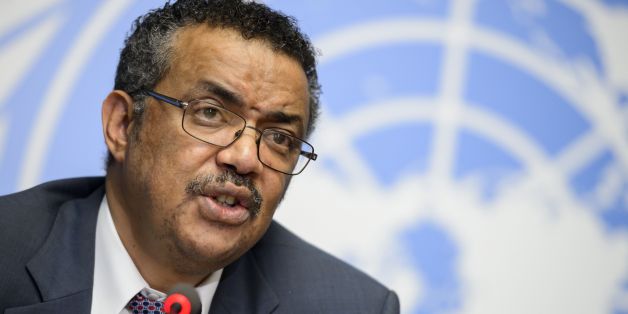
The World Health Organisation (WHO) says it will in 2019 commence the implementation of the organisation’s new five-year strategic plan to address some of the major global health threats.

Dr Tedros Adhanom Ghebreyesus
Dr Tedros Adhanom Ghebreyesus, Director-General of the World Health Organisation (WHO). Photo credit: AFP / FABRICE COFFRINI / Getty Images

The WHO, which disclosed this in its newsletter on Thursday, January 17, 2019, said that the world was currently facing multiple health challenges ranging from outbreaks of vaccine-preventable diseases like measles and diphtheria and growing rates of obesity.

It said that people all over the world were also facing the health impact of environmental pollution, climate change, humanitarian crisis with increasing reports of drug-resistant pathogens.

WHO said that the organisation’s new strategic plan aimed to focus on ensuring one billion more people benefit from access to Universal Health Coverage (UHC).

The plan also targets that one billion more people would be protected from health emergencies and one billion more people would enjoy better health and well-being within the next five years.

WHO said that to achieve this goal, the organisation and its partners would address the health threats from a variety of angles.

“The world is facing multiple health challenges and to address these and other threats, 2019 sees the start of the World Health Organisation’s new 5-year strategic plan.

“This plan focuses on a triple billion target: ensuring 1 billion more people benefit from access to UHC, one billion more people are protected from health emergencies and 1 billion more people enjoy better health and well-being.

“Ten of the major health threats that will demand attention from WHO and health partners in 2019 are: Air pollution and climate change, Non-communicable diseases, Global influenza pandemic and Fragile and vulnerable countries.

“Other health threats include antimicrobial resistance, Ebola and other high threat pathogens, weak primary health care, Vaccine hesitancy, Dengue fever and HIV.

“In 2019, air pollution is considered by WHO as the greatest environmental risk to health. Nine out of 10 people breathe polluted air every day and these microscopic pollutants penetrate respiratory and circulatory systems damaging the lungs, heart and brain.

“This epidemic kills seven million people prematurely every year from diseases such as cancer, stroke, heart and lung disease. Around 90 per cent of these deaths are in low- and middle-income countries,’’ it said.

The organisation said that in 2019, the UN Climate Summit would aim to strengthen climate action and ambition worldwide, urging countries to keep to their commitment of achieving improved air quality.

WHO said that non-communicable diseases such as diabetes, cancer and heart disease were collectively responsible for over 70 per cent of all deaths worldwide with 15 million people aged between 30 and 69 dying prematurely.

It said that this year, the organisation would work with governments to help them meet the global target of reducing physical inactivity by 15 per cent by 2030 through the implementation of the ‘ACTIVE policy toolkit’.

According to the organisation, the world will face another influenza pandemic the only thing we do not know is when it would hit and how severe it would be.

WHO said that the organisation has already set up a unique partnership with all major players to ensure prompt response if a new flu strain develops pandemic potential.

WHO assured that it would continue to work in fragile and vulnerable countries to strengthen health systems to enable them to be better prepared to detect and respond to outbreak and deliver quality services.

The organisation said that it would also in 2019, ramp up work to eliminate cervical cancer worldwide by increasing coverage of the HPV vaccine and other interventions.

By Yashim Katurak

Insecurity hampers open defecation-free target in Benue

0

An NGO, United Purpose has attributed the insecurity and crisis in Benue to the delay in attaining Open Defecation Free (ODF) target in Logo Local Government Area of the state.

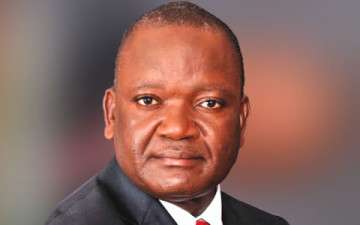
Samuel-Ortom
Benue State governor, Samuel Ortom

Mr Nanpet Chuktu, the Programme Manager of the organisation told the News Agency of Nigeria (NAN) on Thursday, January 17, 2019 in Abuja.

Chuktu said that the situation also affected communities which had hitherto been free from open defecation practice as they had now slipped back to the practice.

He said that having access to the area was difficult due to security concerns, which prevented the organisation and the implementing groups from helping the communities.

“As a result, communities in Logo LGA, Benue State, which have been verified Open Defecation Free or were close to it, started experiencing slippage because pressure on sanitation facilities in host communities and in temporary shelters where facilities were often inadequate.

“As a consequence of the outbreak of armed conflict between herdsmen and farmers in Logo, achieving ODF status has not been successful.

“The conflict resulted in a humanitarian crisis with half the population displaced and dispersed in temporary camps and shelters.”

Chuktu said this trend led the group to facilitate a key stakeholders and chiefs meeting on the Rural Sanitation and Hygiene Promotion in Nigeria (RUSHPIN) programme.

He said that the programme was to consolidate and sustain efforts of the local council toward ending open defecation practice and overall hygiene promotion.

He said that the response also included the establishment of Water Sanitation and Hygiene (WASH) committees to conduct sanitation and hygiene education in the six internally displaced persons camps in Logo with the support of the WASH units.

He expressed hope that Logo was at the verge of making history and becoming the first local government in Benue where the practice of open defecation would end, and the people would be enjoying the benefits of healthy living.

When the Federal Government signed the Memorandum of Understanding with GSF in 2014, the aim was for the global body to provide $5 million for the project implementation.

Benue and Cross River states were expected to commit $2.2 million each toward the project, while incorporating addition three local government areas into its coverage.

Benue government has however paid N50 million as part of its counterpart funds, leaving Cross River, which has not paid anything.

According to the Global Open Defecation Index, Nigeria ranks fifth in the world practicing open defecation, while 868,000 children die or experience stunted growth annually as a result of open defecation.

By Tosin Kolade

Katsina spends N10bn to supply clean water

0

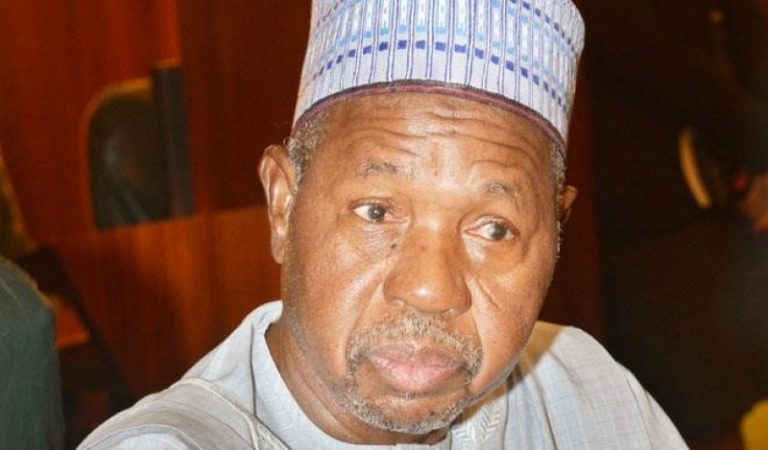
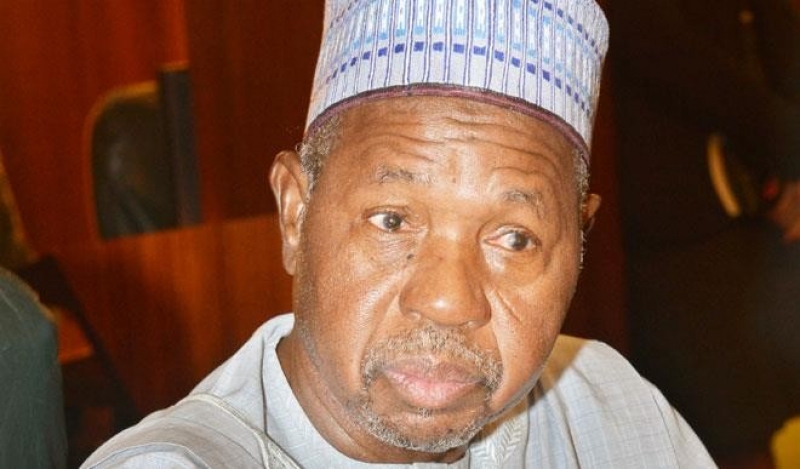
Gov. Aminu Masari of Katsina State says the state government has expended more than N10 billion on provision of potable water to the people of the state.

Alhaji Aminu Bello Masari
Alhaji Aminu Bello Masari, Governor of Katsina State

Masari made this known during his re-election campaign rally in Charanchi Local Government Area of the state on Wednesday, January 16, 2019.

“The state government used the funds to expand existing water sources and establish new ones to satisfy the water needs of its citizens.

“The state government expended over N5 billion to upgrade and rehabilitate Ajiwa Dam water works that provides water to Katsina and environs.

“The Ajiwa Dam was established in 1974 when Katsina was a Local Government under defunct North-Central State.

“Since then, no government had made plans to expand the dam and the dam has failed to satisfy the water demand of Katsina as a state capital.

“The state has spent over N3 billion to rehabilitate Daura and Malumfashi water works.

“We have also pumped over N3 billion to drill over 1,250 motorised boreholes across the state,” he said.

The governor further said that any government that provided potable water had prevented water borne diseases by 75 per cent.

He called on the citizens of the state to protect all water projects in their towns and villages against vandalism.

By Shehu Danjuma

Buhari reiterates commitment to science, technology intervention funds

0

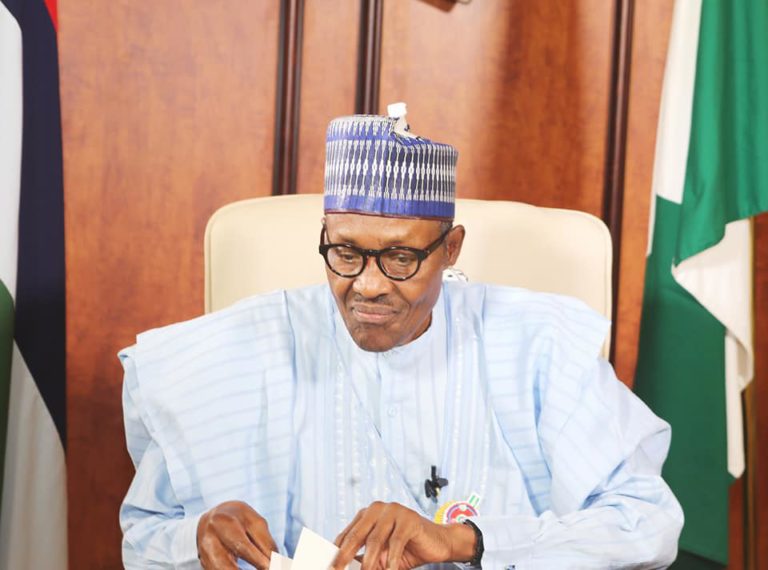
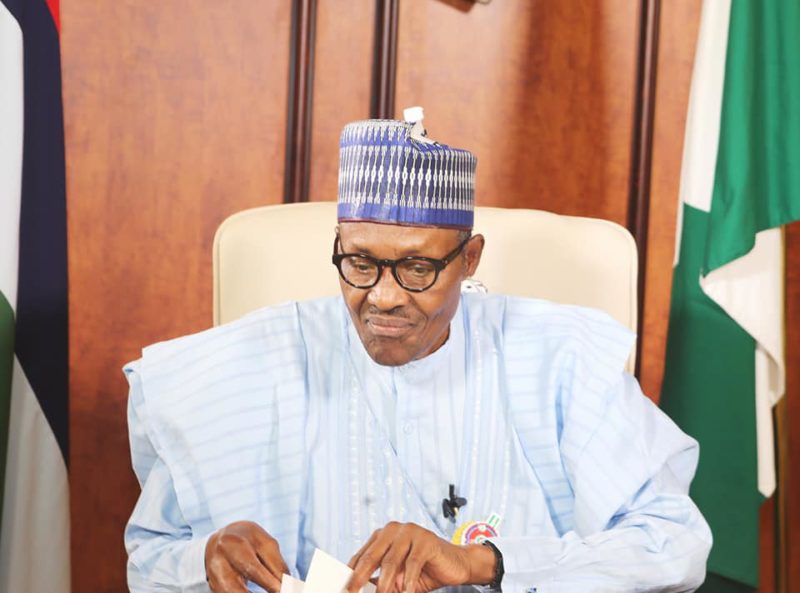
President Muhammadu Buhari has reiterated the commitment of his administration to the creation of an intervention fund to support research in science and technology in the country.

Muhammadu Buhari
President Muhammadu Buhari

Buhari made the pledge on Monday, January 14, 2019 in Enugu while declaring open the 2019 Technology and Innovation Expo organised by the Federal Ministry of Science and Technology.

The expo had “Science, Technology and Innovation for Economic Recovery and Sustainable Growth” as its theme.

The President was represented at the event by the Secretary to the Government of the Federation, Mr Boss Mustapha.

He said that the move was borne out of his conviction that the country needed the application of science and technology to achieve prosperity.

According to him, the importance attached to science and technology has led his administration to apply same in the crystallisation of the country’s growth plan 2017-2030.

Buhari commended efforts so far put up by the ministry in the advancement of technology, which he said had resulted in job creation and capacity development.

The Federal Executive Council has developed key policies in the sector, including a National Strategy for Promoting Competiveness in Raw Materials and Products Development in the country.

Buhari, however, said that efforts by his administration to achieve national growth through science and technology would not materialise without the participation of the private sector.

In a keynote address, the Minister of Science and Technology, Chief Ogbonnaya Onu, said that the event became necessary following the growth in the level of creativity and inventiveness in Nigerians.

Onu said that there were strong indications that science and technology could do for Nigeria what it had done in countries like India, China, South Korea and others.

He said that his optimism drew from the fact that the number of patents obtained by Nigerians in 2018 rose to 55 as against 6 received in 2015.

“Already, the number of patents secured with the assistance of the National Office for Technology Acquisition and Promotion (NOTAP) in 2018 rose significantly,” he said.

The minister said that tremendous progress had been made in the area of commercialisation of research findings.

“Many of our research findings are now products available in the market place for our people to buy and use, because we make sure that our researches focus on urgent national needs,” he said.

Onu said that many of the agencies under the supervision of the ministry had made important contributions to job creation.

“As a result of their research findings aimed at encouraging entrepreneurial development, many start-up businesses have sprung up in different parts of the country,” he said.

He said that with adequate funding, the ministry could help the country create millions of new jobs.

The minister added that the country under Buhari was moving in a new direction aimed at building a knowledge-based economy that is innovation driven.

“In this way, we are deploying science, technology and innovation to convert our numerous natural resources into products that we need and export.

“Every Nigerian is a major player as doing so will reduce poverty in the country.

“Our goal is to ensure that any Nigerian who wants to work is gainfully employed,” Onu said.

Participants at the four-day event were drawn from research institutions, government agencies, private organisations and students. 

Ghana to jump-start ‘year of ambition’ at Africa climate summit

0

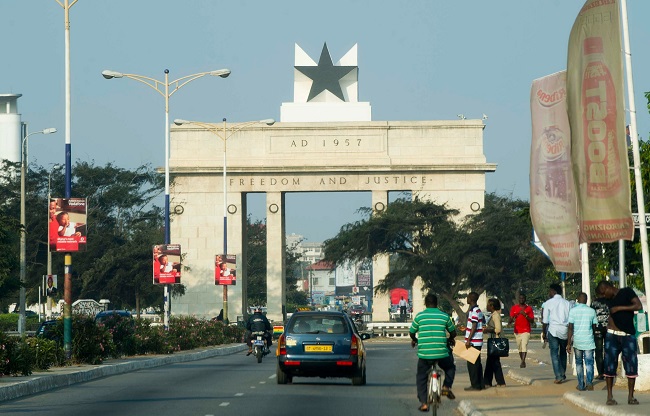
The Africa Climate Week 2019 holds from March 18 to 22 in Accra, Ghana, an event the organisers say will feature a schedule of activities that will demonstrate enhanced ambition across the continent.

Accra
Accra, Ghana is hosting the Africa Climate Summit 2019

The summit arrives in the wake of the COP24 international climate negotiations in Poland in December 2018, which concluded with the finalisation of the “Katowice Climate Package” on December 15 – also known as the Paris Agreement Work Programme. The Africa Climate Week represents the first major climate-orientated event in 2019 that will promote the Programme’s “guidelines” as the underpinning to practically implement the Paris Agreement.

The timely completion of these operational elements – and the ramping-up of national ambition relating to reducing greenhouse gas emissions, adapting to the inevitable impacts of climate change and support for developing countries to take climate action – will be critical to achieving net-zero emissions by 2050 and, ultimately, keeping the global average temperature rise to as close as possible to 1.5°C, according to the UN Climate Change in a statement.

In terms of climate action, 2019 is already being hailed as the year of ambition, since the world has until 2020 for countries to come back to the table to revise their national climate action plans, also known as Nationally Determined Contributions, or “NDCs”. Therefore, United Nations Secretary-General António Guterres is convening a landmark Summit in New York on September 2019 to spur global leaders to pledge stronger commitments to reduce emissions and strengthen resilience.

“In acknowledgment of this Summit as the ‘headline event’ of the year – and recognising that the Regional Climate Weeks are the obvious stages to precipitate momentum in developing countries in the lead-up to September – Africa Climate Week has firmly aligned itself with the New York event – firstly, by matching its overarching theme ‘Climate Action in Africa: A Race We Can Win’ with that of the September Summit and, secondly, by selecting three of the Summit’s six ‘transformational areas’ as the focus of its thematic sessions on 21-22 March: Energy Transition, Nature-Based Solutions, and Cities and Local Action. The other three areas of the New York Summit will be Climate Action and Carbon pricing; Reducing Emissions from Industry and Building Resilience,” disclosed the UN Climate Change.

Meanwhile, the high-level segment, which takes place on Wednesday, March 20, will bring together Ministers and senior leaders – including UN Climate Change Executive Secretary, Patricia Espinosa – and focus on areas such as: visions for Nationally Determined Contributions (NDCs) enhancement and implementation; carbon pricing and markets, as well as the operationalisation of the ambition cycle in the Africa region.

Governments, private sector and other non-Party stakeholders will gather in Accra throughout the Climate Week – which also incorporates two days of affiliated events throughout March 18 to 19 – to promote the critical work under the three transformational areas via the three levers of policy, technology and finance.

The Africa Climate Week is the first of three annual regional climate events this year – the latter two being the Latin America & Caribbean Climate Week and the Asia Pacific Climate Week. The Africa Climate Week is being orchestrated by several core partners, including World Bank Group, African Development Bank, West African Development Bank, CTCN, UNEP, UNEP DTU Partnership, UNDP, IETA, Marrakech Partnership and UN Climate Change.

The collective goal of these Climate Weeks is to support the implementation of countries’ NDCs under the Paris Agreement and climate action to deliver on the Sustainable Development Goals. In so doing, they bring together a diverse array of international stakeholders in the public and private sectors around the common goal of enhancing climate action.

Experts to discuss systems approach to attaining food security in Ghana

0

In recognition of the increasing pressure under which the global food system has fallen, the international community devoted Goal 2 of the Sustainable Development Goals (SDGs) to end hunger, achieve food security, improve food nutrition and promote sustainable agriculture.

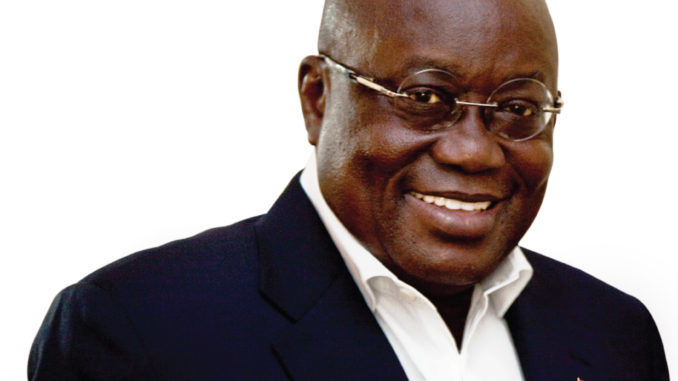
President-Nana-Akuffo-Addo-Ghana
President Nana Addo Danquah Akuffo Addo of Ghana

What prompted this decision was not just about people sleeping on empty stomachs for a night or two, or farmers experiencing crop failure occasionally. It was about the on-going dynamics driving them, and which have turned these seemingly part of ordinary life incidences, into the “new normal” of life requiring urgent attention. The changing climate, ravaging pests, pressure on land and water resources are making life more and more tough for farmers. Then, is the challenge of meeting the food needs of a rapidly rising population, with a growing middle class that is no longer satisfied with basic traditional foods but is craving for more sophisticated meals.

Now, the scenario is no longer two or three people sleeping without food for one night, but thousands of people going without food for many days and nights. Statistics compiled by the Washington DC-based Earth Policy Institute say 27% of families in Nigeria experience foodless days. While in India and Peru, 24% and 14% of families are experiencing foodless days respectively.

But the problem is not just about going foodless, it also has to do with the nutritional contents of the food eaten. The lack of or insufficient nutrients in consumed food is known to be creating severe health issues of malnutrition especially for children and women. Thus, attaining food and nutritional security is a major 21st Century issue.

Ghana is said to be experiencing the double burden of malnutrition, with high prevalence of under nutrition and overweight/obesity. National statistics indicate that almost a fifth of the population of Ghanaian children under five years are stunted – a condition in which a child’s intellectual and physical growth are impaired. Again, more than half of Ghanaian children between six to 59 months are anaemic. The prevalence of overweight and obesity is much higher among Ghanaian women than men with almost half of the population women suffering from the disease, compared to less than one-fifth in men.

Therefore, the National Nutrition Policy (NNP) has the goal to increase the coverage of high-impact nutrition-specific interventions that will ensure optimal nutrition of Ghanaians throughout their lifecycle. The mainly health sector driven interventions include the Essential Nutrition Actions (ENA) integrated maternal and child care programme.

All around the world governments, institutions, organisations and academia are rising to the challenge to arrest this pandemic problem in line with SDG 2. It is focused on getting sustainable solutions to end hunger in all of its forms by 2030 (just 11 years from now) and to achieve food security. The aim is to ensure that everyone everywhere has enough good quality food to lead a healthy life. And to attain this goal will require better access to food and the widespread promotion of agriculture.

Some scientists and researchers are of the view that countries could get long term maximum impacts solutions to the complex food and nutrition challenges by tackling issues at the food systems level.

 In line with this thinking, experts working to improve food and nutritional security in Ghana will dialogue with Dutch international multi-stakeholder Research Groups of the Global Challenges Programme (GCP). The aim is to deepen knowledge on food systems and develop recommendations on how to improve joint strategies for future proof Ghanaian transitional food systems.

The theme for this meeting is: “Future Food Systems for Ghanaian Food Security.” It will take place in Accra on Thursday, January 17, 2019. It is being organised by the NWO-WOTRO Science for Global Development and the Food and Business Knowledge Platform ((F&BKP), based in The Netherlands.

Panelists will try to answer how Ghanaian consumers can sustainably access enough variety of quality food in accordance with their dietary and health needs. They will highlight practical examples for improving quality sustainable inclusive food consumption among Ghanaians. The panelists will additionally reflect on Ghana’s food and nutrition policy and explain how systemic analysis have been translated and applied to interventions on food systems transformation elsewhere.

Most importantly, the dialogue will help create the needed awareness of the inter-linkages within the various components of food systems from growing and harvesting to processing, transporting, marketing, consumption and disposal.

It will establish that food systems outcomes are interlinked with outcomes relating to climate, health and socio-economics. Hence, activities in these areas could result in trade-offs with one another. The dialogue will highlight the importance of careful consideration in decision making, so that the resulting trade-offs will enhance and not worsen the food and nutritional status of the people. Trades-offs is the process of weighing the pros and cons of choices available in any given situation and making a choice that will best meet a particular need, fully aware of the consequences of foregoing the others.

There will also be group discussions on the preferred food systems and how to get policy support for good practices.

As part of the preparatory activities towards the Thursday afternoon event, members of the eight GCP Research teams, who are halfway through their four-year research work are already in Accra, fine tuning their midterm reports to share with participants and feed into the dialogue. Some of their works, which are specifically looking at the Ghanaian context include trying to understand drivers that shape the transitions in the food system that are necessary to improve food availability, access, utilization and stability.

One study for example, is examining the policy environment, with its related institutions at the international, regional, national and local levels. Additionally, the study is looking at the structure of production, sharing and exchange of knowledge and information, through skills, science and technology of various stakeholders.

Over 40 participants are expected at the event. They include researchers from the GCP group, academia in Ghana, The Netherlands and UK. Others are from the Council for Scientific and Industrial Research (CSIR); Forestry Commission, Ghana Health Service; Agro-based Enterprises; Farmer Groups; Solidaridad West Africa, an international NGO; and the Food and Agricultural Organisation.

By Ama Kudom-Agyemang

ERA expresses concern over World Bank infrastructural deal with Lagos

0

The Environmental Rights Action/Friends of the Earth Nigeria (ERA/FoEN) has cautioned the Lagos government from going ahead with any deal with the World Bank’s International Finance Corporation (IFC), which the group says has the potential to mortgage the future of Lagos citizens and yield no positive result.

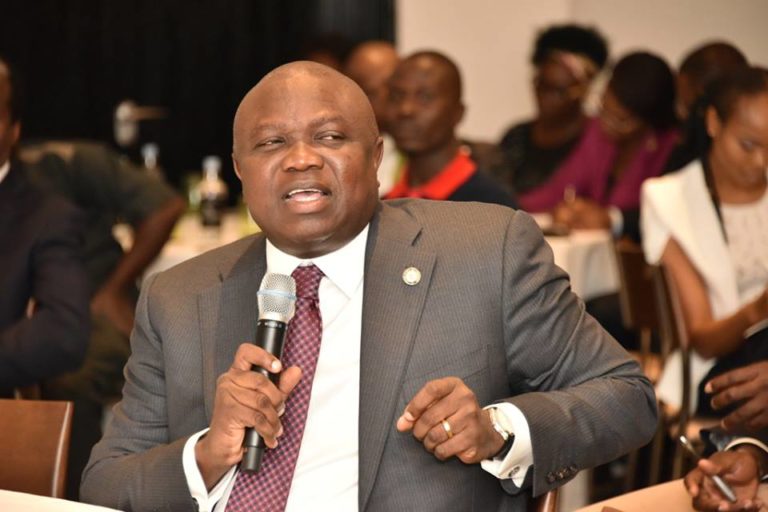
Akinwunmi Ambode
Governor Akinwunmi Ambode of Lagos State

The warning comes on the heels of the announcement on Monday, January 7, 2019 by the IFC and Lagos State Government of a memorandum of understanding (MoU) for the former to provide “advisory services” for infrastructure development across sectors, including power, transportation, municipal waste, health, education and energy efficiency.

IFC Nigeria Country Manager, Eme Essien, said that the announcement “is only a first step in the building of a long-term strategic partnership with the largest municipality in sub-Saharan Africa,” claiming that its (IFC’s) Cities Initiative would improve living conditions, expand and renew its infrastructure and help reinforce Lagos’s position as an attractive investment destination.

ERA/FoEN is, however, wary of the deal and in a statement issued in Lagos on Tuesday, January 15 and made available to EnviroNews raised issues with the timing and the fact that contracts designed by or involving the IFC are most times fraught with booby traps and operate only to serve private interests and maximise private profit.

Accprding to the Benin City-based outfit, a similar advisory arrangement by the IFC in the water sector was primed to open the doors for a Public Private Partnership (PPP) water privatisation scheme but was allegedly abandoned in 2015 due to the resistance of Lagos residents led by the Our Water, Our Right Coalition.

Deputy Executive Director of ERA/FoEN, Akinbode Oluwafemi, said: “It is very disturbing that the Governor Akinwunmi Ambode administration is taking Lagos on this questionable path which will have long term implications even when his administration is ending in a few months’ time. We anticipate the incoming government will review and roll back this deal.

“An agreement which virtually asphyxiates all the sectors in the state will ultimately be extended to a crucial sector such as water going by the IFC description that the deal is ‘the first step’. This is going to be a long windy road. It is unsurprising that this deal between the World Bank and the Ambode administration was done without proper consultation with the people of Lagos, and this is simply unacceptable.”

The new deal is coming less than a year after a delegation of World Bank Executive Directors along with IFC Country Manager visited Governor Ambode.

In the course of that visit, Ambode said that the various budget support initiatives of the World Bank in the water sector in Lagos had resulted in “stronger ties with the institution” and urged it to plough more funds into water and other key sectors in the state.

Oluwafemi pointed out that the IFC conflict of interest in the models it recommends to low- and middle-income countries like Nigeria are well known, listing the water privatisation in Manila as a ready example of how its advice led to two corporations running the city’s water system, yet the arrangement was skewed deliberately to favour only one, which the IFC then invested in.

According to ERA, this type of conflict of interest could become a reality in Lagos, as one corporation being considered for the privatisation of the Adiyan II waterworks – Metito – lists the IFC as a key shareholder. The IFC was also invested in another multinational vying for control of Adiyan II – Veolia – for several years.

“ERA/FoEN therefore raises issues with the fact that while this new deal deliberately omits the mention of water, it is being implemented under the IFC’s ‘Cities Initiative’, which has specifically mentioned its focus on water, among other sectors.

“The IFC serves only private interests and will tie the state and its people down with contracts that will enslave generations. We are asking the incoming administration in Lagos to reject this deal and, instead, channel Lagos’ huge human and financial resources into engendering the transformation its people desire,” Oluwafemi said.

Polluted transportation increases respiratory ailments in Nigeria – Physician

0

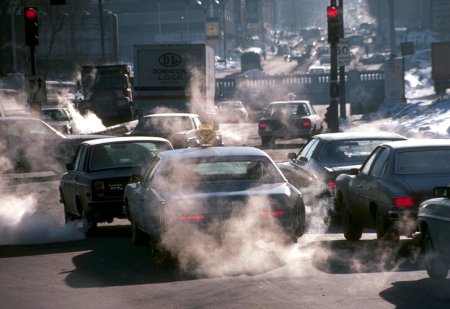
A respiratory physician, Dr Olufunke Adeyeye, says the transportation system in Nigeria has increased fumes and pollution of the air.

Cars-Pollution
Cars cause a lot of air pollution

According to the consultant, the respiratory problems of Nigerians, including cough and difficulty in breathing, are due to pollution from the exhausts of vehicles.

Adeyeye, who works at Lagos University Teaching Hospital, Ikeja, told the News Agency of Nigeria (NAN) on Tuesday, January 15, 2019 in Lagos that large number of vehicles on the road was consequence of poor transportation system in Nigeria.

She explained that the high number of vehicles plying Nigerian roads implied that many hours would be spent in traffic, saying the long stay in traffic has severe adverse effects to individual’s body.

According to her, the increase of these vehicles leads to increase in the emissions of particles that are dangerous to the environment and hazardous to health.

“With a lot of cars, we expect a lot of pollution from the exhausts including carbon monoxide and sulphur dioxide.

“This means there is higher irritants in the atmosphere and these things get into the lungs; carbon monoxide is capable of causing poisoning and has high affinity with haemoglobin (a red protein responsible for transporting oxygen in the blood).

“Sulphur dioxide is associated with worsening of asthma symptoms and people with breathing difficulty find it more difficult to breathe in such situations.

“When inhaled, these particles do not show any symptom, and that is why people die from generator poisoning.

“People who have heart problem can actually get chest pain, because the carbon monoxide has affinity with haemoglobin; so, oxygen will be removed immediately which can cause sudden death or heart attack.

“All these also contribute to the global warming being experienced in the world today,” she said.

The consultant said that individuals, as well as the government, had the responsibility to control traffic situations on the road.

Adeyeye, who is also a staff member of the Lagos State University College of Medicine, said: “There is no reason for everybody to bring out their cars; people can decide to get to their various destinations by public transport.

“Also, people can start to order for electric cars, but we are challenged by inadequate power supply. So, we are incapacitated by the choices we cannot just make.

“It requires a holistic change to bring about improvement. The government should provide good roads that will encourage faster movement of cars on the road.

“The roads should be tarred and watered to reduce the amount of dust. Unfortunately, we cannot control the fumes,” she added.

By Esenvosa Izah

Buhari seeks more commitment on shrinking Lake Chad

0

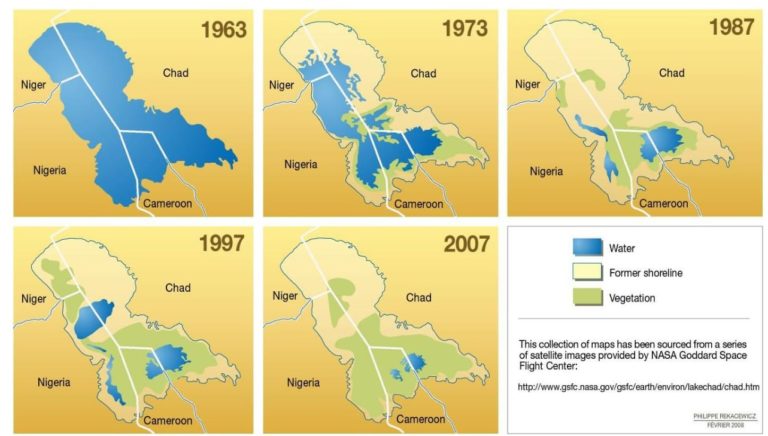
President Muhammadu Buhari has called for more commitment from the international community on redirecting water to the Lake Chad.

Lake Chad
The climate variability impact on Lake Chad has also worsened the abundance and conservation status of biodiversity. Photo credit: UNEP

The president made the call when he received Letters of Credence from the High Commissioner of Canada to Nigeria, Philip Baker, at the Presidential Villa, Abuja, on Monday, January 14, 2019.

According to him, the tragedy of the shrinking Lake Chad will continue to fuel more illegal migrations, banditry and provide willing hands for terrorism since majority of the people have lost their means of livelihood.

He said: “In 1920’s, an academic rightly predicted that except there’s a redirection of water to Lake Chad, it will dry up.

“Now whenever I go for any global meeting or visit a country, I will always draw the world’s attention to the adverse effect of climate change on the lake, and the resulting negative effects.’’

The president urged the Canadian government to support the on-going efforts to divert water from the Congo River to the lake.

“Canada has the capacity to help us. The lake is now less than ten per cent of its normal size. A redirection will help our people from getting into the Mediterranean Sea,’’ he added.

He noted Nigeria and Canada had good relations dating back to the early 60’s when Nigeria gained independence, commending the country for “its vast resource utilisation and solid political background.’’

In his remarks, the Canadian High Commissioner commended Buhari for providing leadership in the country and championing the cause for the replenishing of the Lake Chad Basin.

He noted that the Canadian Governor General, Julie Payette, had presented a picture taken from space of the vanishing lake to the President when she visited recently.

Baker said more than 11,000 Nigerians were studying in Canada, with many residing in the country, assuring the President that majority of the students return to build and invest their knowledge in the development of Nigeria.

The Canadian High Commissioner said he would work towards improving relations between both countries on migration, education, entrepreneurship training, mining, renewable energy and Information Technology.

Also receiving Letters of Credence from the British High Commissioner to Nigeria, Catriona Wendy Campbell Laing, President Buhari said Nigeria remains grateful for the training support for the military in the North Eastern part of the country since it started fighting Boko Haram.

The President congratulated Laing on her posting to the country, pointing out that Nigeria appreciated its relations with the United Kingdom, and would continue to pursue mutual interest in trade and economic issues.

In her remarks, the British High Commissioner said the visits of the Prime Minister, Theresa May and Prince of Wales, Charles Philip Arthur George, to Nigeria last year were to further consolidate relations, and look forward to Nigeria’s support after Brexit.

Laing said Britain would continue to support Nigerian troops in the North East and the people that were affected by the insurgency, assuring President Buhari that more attention would be given to non-oil trade exchange and strengthening of political ties.

President Buhari, who also received Letters of Credence from the Ambassador of Argentina to Nigeria, Maria Del Carmen Squeff, said the vast potentials in trade and agriculture for both countries could be further explored.

In her response, the Ambassador of Argentina noted that both countries must move beyond the level of signing agreements to ensuring that issues of trade, sports, investments and agriculture get practical follow up for mutual benefit.

Carmen Squeff said Argentina and Nigeria also have a lot to share on movie productions, sports like football and Polo, and festivals.

By Ismaila Chafe