Home Blog Page 1723

Finland ranks first in the Good Country Index

0

Finland ranked first in the Good Country Index published on Wednesday, January 23, 2019, Ambassador of Finland to Nigeria, Dr Jyrki Pulkkinen, said in a statement in Abuja.
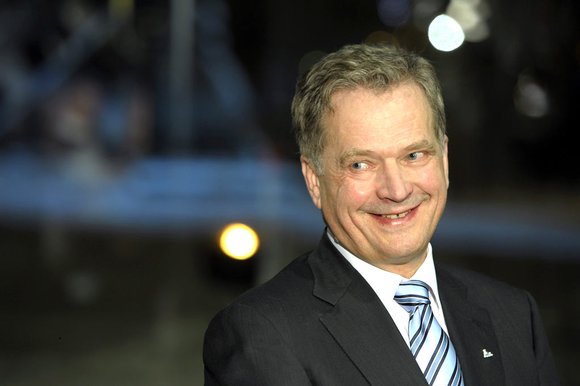
Sauli Niinisto
President of the Republic of Finland, Sauli Niinisto, was one of the first to sign the climate pledge

Pulkkinen said the results of the Index indicated that, relative to its size, Finland contributes more to humanity and burdens the planet less than any other country.

“This is the fourth edition of the Good Country Index, which measures 153 countries’ performance and ranks them based on their overall impact on the planet.

“In the recent Index, Finland rose from fourth place to the top. The other leading countries are Ireland, Sweden, Germany and Denmark,” the envoy said.

He quoted his country Minister for Foreign Affairs, Timo Soini, as saying during recognition at the World Economic Forum in Davos on Wednesday that “this is an excellent recognition.

“Finland is a good, down-to-earth country and we are a reliable partner in international forums.

“Our performance is the result of consistent work and I witness it in my work on an almost daily basis.

“The recognition is good for Finland’s internal discussion and atmosphere. Let’s be proud of ourselves for a moment and let’s continue to pursue even better results.”

The envoy said that the Good Country Index looks at 35 criteria, based on data produced by the United Nations and other international organisations.

According to him, the criteria produce each country’s “balance sheet”, which shows if the country burdens mankind or if it contributes to the common good of humanity.

“Finland, which is now in first place, ranks best in terms of its journal exports, number of patents, freedom of movement, press freedom, cyber security, refugees generated, environmental agreements compliance, open trading, FDI outflows, and food aid.

“The 35 criteria of the Index are divided into contributions to seven categories: Science and Technology, Culture, International Peace and Security, World Order, Planet and Climate, Prosperity and Equality, as well as Health and Wellbeing.

“After the countries have been analysed, each of them will receive scores on each indicator relative to all other countries measured and corrected for the country’s GDP,” he said.

He said that the first edition of the Good Country Index was launched in 2014 in a TED Talk.

The recording of the launch event has been viewed on the internet for over 5.5 million times, and it has been voted the 5th most inspiring TED Talk ever.

By Isaac Aregbesola
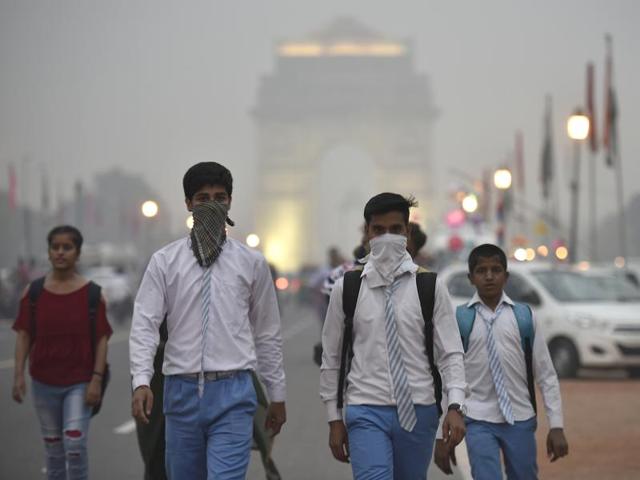
Study to determine source of Delhi’s air pollution launched

0

The Centre for Science and Environment (CSE), in association with the Delhi Pollution Control Committee (DPCC) and the leading instrumentation company Horiba, Ltd has launched a pilot study on real time source apportionment of PM2.5 (particulate matter below 2,5 micron in size) in Delhi-NCR. The objective of the study is to identify the signature of various sources of pollution and carry out source speciation in select hotspots in Delhi-NCR. CSE announced the launch of the study here today at a Round Table Meeting.

New Delhi pollution
New Delhi is ranked among the most polluted cities in the world

The monitoring for the study will begin from January 28, 2019 and continue till April 28, 2019. In these three months, the study will monitor 10-12 specific locations in Delhi-NCR. The study will be carried out using a “Real Time PM and Elemental Analyzer PX-375”, which is a product of HORIBA and gives a continuous analysis of PM2.5 concentration and its elemental composition. The technology used for monitoring PM2.5 is Beta-Ray Attenuation; the elemental analysis would be done using X-Ray Fluorescence technology. The instrument for the study will be co-located with the DPCC’s continuous air pollution monitoring stations.

Speaking at the Meeting, Chandra Bhushan, deputy director general, CSE, said: “The pilot study will come out with signatures to identify the major sources of pollution in real time. Once we have established the signatures for various sources of pollution, the real time elemental analysis will help us identify the source of pollution in an area, which will then help regulators in taking corrective action quickly.”

Anumita Roychowdhury, executive director-research and advocacy, CSE, added: “This is an opportunity to move from static one-time source apportionment to dynamic source identification and real-time mitigation. It can inform the ongoing efforts and processes to implement the Graded Response Action Plan and the Comprehensive Action Plan for a more effective impact. The outcome of this project will help to identify the pathways for adapting new generation pollution assessment methods for more real time assessment and refinement of mitigation strategies in targeted areas as well as on a city-wide and region-wide scale to meet the clean air target.”

India to host 14th UN land degradation summit

0

India will host the next global Conference on desertification, land degradation and drought from October 7 to 8, 2019 at the Vigyan Bhavan conference centre in New Delhi. 

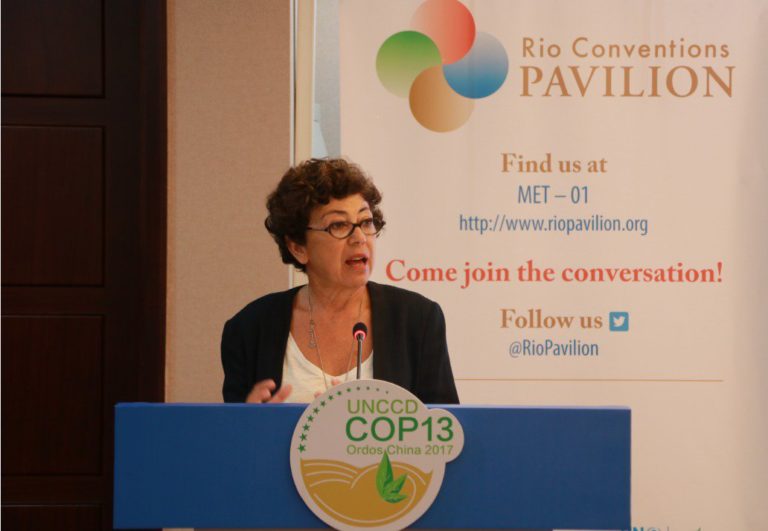
UNCCD COP13 - Monique Barbut
Monique Barbut, Executive Secretary, UNCCD

Participants from 197 Parties to the United Nations Convention to Combat Desertification (UNCCD) will have access, for the first time, to a wealth of vital new scientific data, say the organisers. “They will have access to Earth Observation data on the trends in land degradation dating from 2000, gathered from 120 of the 169 countries affected by desertification. They will also receive the first report on desertification and climate change prepared by the Intergovernmental Panel on Climate Change (IPCC), the global authority on climate change.”

Drawing on this data, the participants attending the fourteenth session of the Conference of the Parties (COP14) to the UNCCD can assess trends in land degradation, desertification and drought more accurately. They will also be in a position to identify associated threats and risks to enable the international community to agree on the best solutions and actions to take over the next 10 years.

“India is one of the countries affected by desertification, and is facing new challenges, among which are recurrent droughts and dust and sand storms. The country has tremendous potential to turn these challenges into opportunities through improved land use and management, and to provide the leadership the world needs to take bold actions,” says Monique Barbut, the Executive Secretary of UNCCD.

“India recognises land rehabilitation as a cost-effective investment that can accelerate the transition to sustainable development globally. With India’s leadership, the international effort towards achieving land degradation neutrality could take huge strides forward. As it assumes the COP Presidency, the Convention’s 197 Parties can create the environment we need for innovative and ingenious solutions to our common goals,” Barbut added.

India’s population is projected to reach 1.7 billion by 2050, and the country was one of the first to commit to the 2030 Sustainable Development Goal target of achieving land degradation neutrality (LDN). LDN is the Sustainable Development Goals’ target aiming to halt the degradation of land by taking three concrete actions. Countries promised to avoid, reduce and reverse land degradation, in that order of priority. Achieving land degradation neutrality can help vulnerable populations to improve their livelihoods, and communities all over the world can strengthen their resilience, especially to natural disasters linked to climate change.

Ahead of COP14, government representatives will gather for a preparatory meeting from January 28 to 30 in Georgetown, Guyana, for the seventeenth session of the Committee for the Review of the Implementation of the UNCCD (CRIC 17). CRIC 17 will take stock of results of the first global assessment of land degradation, based on Earth observation data reported by governments, and agree on most of the recommendations that COP14 will consider.

The Conference of the Parties was established by the Convention as the supreme decision-making body that today consists of 197 governments and a regional economic integration organisation. The Parties have met every two years since 2001 to review progress in the implementation of the Convention. The last Conference of Parties, hosted by the Government of China, was held in October 2017 in Ordos, Inner Mongolia.

Global movement against water privatisation converge on Abuja

0

Global activists, thought leaders, labour unions and human rights advocates will congregate in Abuja from January 29 to 30, 2019 for a national summit that will make advancements on achieving the human right to water in Nigeria and around the world.

Abuja
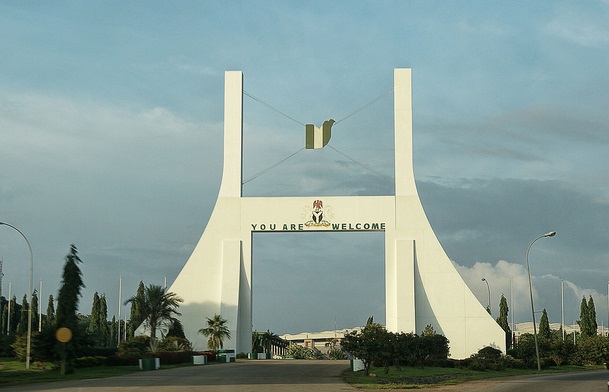
The Abuja city gate

The summit, which has “Nigeria’s Water Emergency: From Resistance to Real Solutions Against Corporate Control” as its theme, is organised by the Environmental Rights Action/Friends of the Earth Nigeria (ERA/FoEN), Corporate Accountability, Public Services International and other groups on the platform of the Our Water Our Right Coalition to set the agenda for rejecting water privatisation and securing universal water access in Nigeria and across the globe.

Participants will come from communities across Nigeria, the United States, India and other cities that have faced harms caused by the private water industry. Impacted people from Flint, Michigan, Pittsburgh and Pennsylvania in US, and Nagpur in India will testify to the harms and human rights abuses they have experienced from water privatising giant Veolia, which is said to be running for a contract to manage water in Lagos, Nigeria’s most populous city.

Members of the US Congress will also participate remotely alongside the UN Special Rapporteur on the Human Right to Water and Sanitation, Leo Heller, and the UN Special Rapporteur on Extreme Poverty, Philip Alston. The Vice President of Nigeria, Professor Yemi Osinbajo; Minister of Water Resources, Alhaji Suleiman Adamu; and members of the National Assembly are also expected.

Among other objectives, the summit will strengthen the solidarity between civil society groups, labour unions, activists, policy makers and the media to resist privatisation in the water sector and advance real solutions to lack of access to water within the realm of public-public partnerships.

Nnimmo Bassey, Chair, Board of the ERA/FoEN, said: “Water is a human right which should not be subject to the whims of privatisers.  This is the key message of the Our Water Our Right Coalition and this is the message that participants in the Abuja summit will reinforce.”

“Water needs to be in the hands of people, not corporations,” said Shayda Naficy, campaign director with Corporate Accountability. “Movements around the world are demanding an end to the corporate control of this vital resource; it’s time for governments and the World Bank to heed our calls and end the promotion of water for profit.”

Advocates are in unanimity that water privatisation, often backed by institutions like the World Bank, has time and again failed communities and often resulted in raised rates, labor abuses and public health crises instead of increased water access.

After the conclusion of the Abuja summit, the Nigerian parliament is set to discuss a precedent-setting water bill that could also reject water privatisation.

The summit will end with a communique that the organisers believe will chart a path forward for the future of access to water for the African continent and millions around the globe.

Japan’s Abe to put trade, climate at centre of G20 agenda

0

Japanese Prime Minister Shinzo Abe on Wednesday, January 23, 2019 said he would seek to use his chairmanship of the Group of 20 leading economies to rebuild trust in the global trade system.

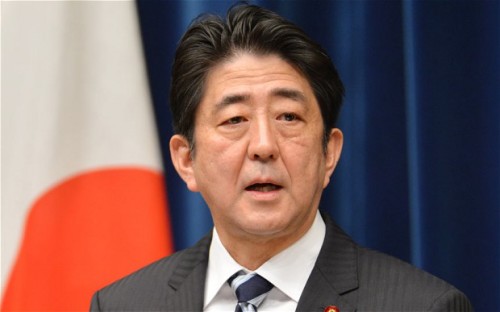
Shinzo Abe
Japanese Prime Minister, Shinzo Abe. Photo credit: telegraph.co.uk

His speech to the World Economic Forum in the Swiss Alps was significant at a time when a bitter Sino-U.S. trade dispute is one of several factors threatening to bring about a sharp slowdown in global growth.

“Japan is determined to preserve and committed to enhancing the free, open, and rules-based international order.

“I call on all of you to rebuild trust toward the system for international trade.

“That should be a system that is fair, transparent, and effective in protecting intellectual property rights and also in such areas as e-commerce and government procurement,” he told delegates.

With the French, British and U.S. leaders cancelling their visits because of more pressing concerns at home, Abe is one of only three Group of Seven leaders attending the annual event in Davos.

Abe said Japan, as chair of this year’s gathering of the Group of 20 (G20), will also seek to spearhead discussions on climate change and ways to facilitate use of digital data while protecting intellectual property.

The comments underscore Japan’s hope to rally support from some of its G20 counterparts in pushing for a multilateral approach in solving trade frictions.

“That could help Tokyo fend off pressure from Washington to open up its politically sensitive agriculture market and take other steps to fix bilateral trade imbalances,’’ analysts say.

Takeshi Niinami, head of brewer Suntory Holdings Ltd (SUNTH.UL) and an economic adviser to Abe, said Japan has to be consistent on the need to promote free trade.

“It should not change this stance even if the United States is always talking about doing a bilateral deal.

“Australia, Singapore and other Trans-Pacific Partnership (TPP) countries could help Japan make free trade a key topic of debate at the G20,” Takeshi told Reuters.

At his previous Davos visit in 2014, Abe pledged to pull the economy out of stagnation with his “Abenomics” mix of fiscal spending, ultra-easy monetary policy and steps to boost Japan’s potential growth via labour market reform and deregulation.

Five years later, the boost to growth from Abenomics is fading, inflation remains far below the Bank of Japan’s target and critics point to a lack of progress on deregulation.

Abe sought to counter such criticism, saying that through job-creating policies he had demolished “a wall of despair and pessimism on Japan” that had existed five years ago.

He said Japan hoped to build a G20 consensus on the need to reduce plastic waste flowing into the oceans and coordinate on global usage of digital data without infringing on personal privacy and intellectual property.

“I must say that spending money for a green earth and a blue ocean, once deemed costly, is now a growth generator,” he said.

“Decarbonisation and profit making can happen in tandem. We policy makers must be held responsible to make it happen, as I will be stressing in Osaka this year.” People close to the premier have said that Abe is keen to use the G20 summit in Osaka, western Japan, in June to boost his poll ratings ahead of an upper house election looming mid-year. 

New Zealand issues alert over toxic shellfish

0

New Zealand Ministry for Primary Industries (MPI) on Wednesday, January 23, 2019 issued a public health warning on the consumption of toxic shellfish from the coastal area of the Bay of Plenty down to Bowentown Heads.

Shellfish
Shellfish

Routine tests on shellfish samples taken from this region in the North Island have shown levels of toxins above the safe limit, said an MPI statement.

MPI added that anyone eating shellfish from this area is potentially at risk of illness.

Cooking shellfish cannot remove the toxin, it said, adding that paua, crab and crayfish might still be eaten if the gut has been completely removed prior to cooking, as toxins accumulate in the gut.

The ministry said it will continue to monitor the toxin levels.

It added that commercially harvested shellfish, sold in shops and supermarkets or exported, is subject to strict water and flesh monitoring programmes by the MPI.

This is to ensure they are safe to eat.

NEMA reviews National Contingency Plan to tackle climate change, complex emergencies

The National Emergency Management Agency (NEMA) says it is currently reviewing the National Contingency Plan (NCP) to effectively tackle issues of climate change and complex emergencies.

Mustapha Maihaja
Mustapha Maihaja, Director General, NEMA

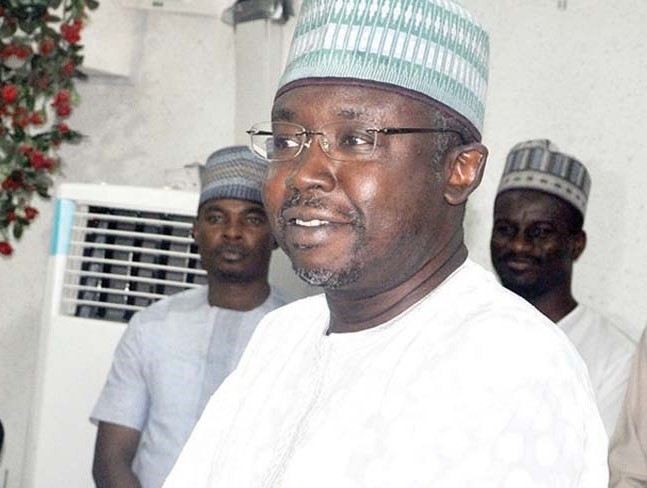
Director General of NEMA, Mr Mustapha Maihaja, said this on Wednesday, January 23, 2019 in Enugu in an address at the national workshop on the review of the NCP.

Maihaja, who was represented Mr Kayode Fagbemi, Director of Planning, Research and Forecasting, said there was a need to update the NCP plan to reflect the current realities on ground.

“In view of the current realities of increases in environmental disasters, complex emergencies and the phenomenon of climate change, and going by the dynamic changes that has occurred in the risk profile of the country, you will agree with me that the time is ripe to update the NCP for the country.

“Basically, we have adopted a multi-hazard model with a focus on hazards with the highest probability of occurrence and severity in Nigeria in the development of the NCP.

“Thus, my expectation is that we review the risks we face and develop a contingency plan that can be activated and operationalised in the event of any humanitarian crises that might occur,’’ he said.

The NEMA boss thanked all the sectors for their contributions during the several meetings to produce the zero draft of the update.

He also thanked partners, the United Nations agencies in Nigeria, especially the UNICEF for your support over the years in capacity building and technical support to NEMA,’’ he said.

Speaking, Nicki Bennett, UNICEF Chief of Emergencies, said that UNICEF had been in the forefront of assisting the Federal Government to achieve its emergency targets and plans as well as help in direct intervention at times.

Bennett, however, said that the government had to do more on provision of clean and potable water and sanitation facilities to effectively check all forms of disease emergencies as well as stop open defecation nationwide.

She also said that government at all levels must be working fast to mitigate conflict triggering issues and developments to forestall emergencies in the first place.

“We are partners in progress, and UNICEF will continue to give all forms of assistance to NEMA and by extension the Federal Government to see that it prepares adequately for emergency responses in any part of the country,’’ he said.

According to her, UNICEF has been effectively working in the North-East; while we also worked with government agencies in states with flood issues some months back.

The idea of developing an NCP was conceived in late 2010 as a coordinated attempt to proactively prepare for response to disasters in Nigeria.

Thereafter, a clean copy of the NCP was produced with inputs from stakeholders in line with international standard and best practices; while the final copy was subsequently presented to stakeholders in July 2012.

The 70 participants of the workshop are drawn from Ministries, Departments and Agencies (MDAs), State Emergency Management Agencies (SEMAs), United Nations Agencies, Development Partners, International and National Non-Governmental Organisations (NGOs), private sector and the media.

The three-day workshop, which started Wednesday, Jan. 23, will end on Friday, Jan. 25. 

By Stanley Nwanosike

WaterAid commits N52m to water project in Bauchi

0

WaterAid Nigeria, in partnership with the Bauchi State Rural Water Supply Agency (RUWASA), said on Wednesday, January 23, 2019 that it would spend about N52 million on provision of potable to 15 communities in Kirfi Local Government Area of the state.

Kaduna community
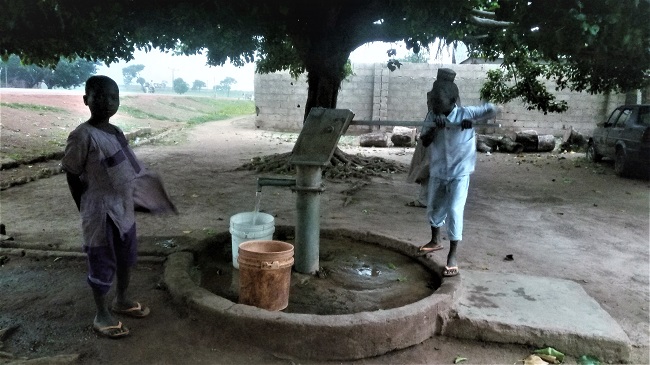
Children of Unguwan Gandu Zuntu, Kubau Local Government Area of Kaduna State fetching water from a handpump borehole provided by SHAWN II Project in the community

Mr Tanko Reubeno, Water Sanitation and Hygiene (WASH) Specialist, gave the figure at the commencement of drilling of boreholes at Kafin-Turaki Village in Kirfi Local Government Area of Bauchi.

He said that the water projects, to be cited in Kafin-Iya and Dewu Districts of the Local Government Area, would comprise of five solar-powered water supply schemes, five hand pump boreholes, and rehabilitation of five other projects that would be converted to solar schemes.

“Under the first phase, WaterAid, with the support of RUWASA, will construct hand pump-fitted boreholes at Kafin-Turaki, Gula, Wuro-Dishi, Wuro-Male and Gadagassol.

“Moreso, some of the existing dysfunctional boreholes will also be converted to solar schemes, for sustainability and ease of maintenance.

“Unlike in the past when such water supply projects often breakdown due to lack of diesel, petrol or gas, the solar scheme will help to eliminate all forms of hiccups as Kirfi LGA is fully blessed with solar energy,” Reubeno said.

The WASH specialist also noted that two health facilities would benefit from the WaterAid project, in view of the importance of water to maternal and child healthcare, adding that the benefiting villages were the most disadvantaged communities in the entire area.

Mr Abdulrazak Salau, the Managing Director of Transtechnic, the firm executing the project, said that the boreholes would be fitted with ‘Afri-development hand Pumps’ because of its long-life span and sustainability.

Salau said his company would complete the projects in less than two months, as three days had been fixed for drilling in each of the benefiting communities.

By Ayinde Olaide Abdulsaheed

Government, Global Fund sign $71.2m agreement to fight TB, others

0

The Federal Government and Global Fund has signed a funding support agreement worth $71,216,215 for the fight against HIV/AIDS, Tuberculosis (TB) and Malaria.

Dr Osagie Ehanire
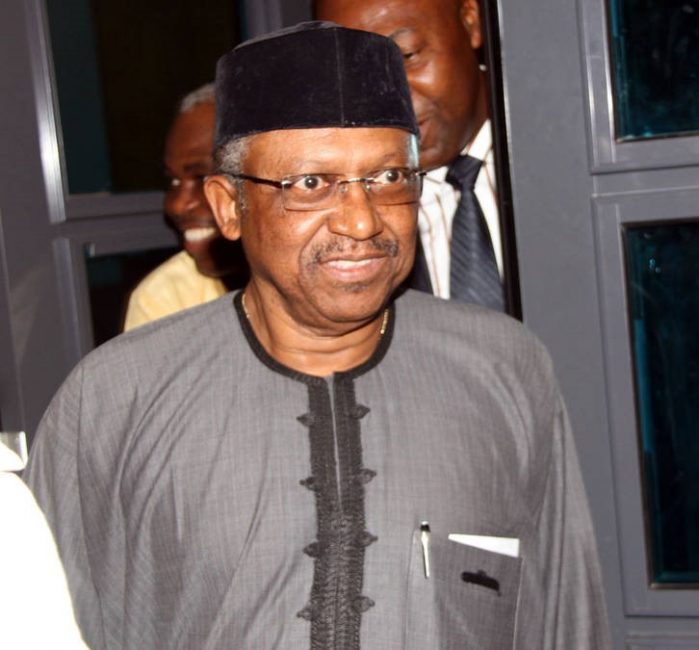
Minister of State for Health, Dr Osagie Ehanire

A statement signed by Mrs Boade Akinola, Director, Media and Public Relations in the Ministry of Health, quoted the Health Minister of State, Dr Osagie Ehanire, as saying that the support agreement covered the period between 2019 and 2020.

It said the essence of the funding support was to increase government’s efforts in controlling TB epidemic in Nigeria.

According to the statement, Global Fund had committed a total of $245,997,701 to TB control response in Nigeria since the inception of its support in 2005.

The statement said that through investment and collaboration with partners, the country had treated more than one million Nigerians with Drug Resistant TB cases.

It said TB still ranks as the ninth leading cause of deaths in the country, adding, “it is a huge threat to any country like ours with high burden of the disease.”

“TB has turned many children to orphans, taken many bread winners away with severe consequences on the economy of families and that of the nation,” the statement added.

It said the federal government remained committed towards ensuring adequate budgetary allocation and release to support the TB programme in the country.

The statement also quoted the Head, Grant Management, Global Fund, Mr Mark Edington, as commending the Federal Government for the prompt release of its 2018 counterpart fund for the programme.

By Mustapha Yauri

UN lauds Kenya for building boat from plastic waste

0

Acting Executive Director of the UN Environment, Joyce Msuya, on Tuesday, January 22, 2019 commended Kenya for developing a homegrown dhow. from plastic waste.

Flipflopi
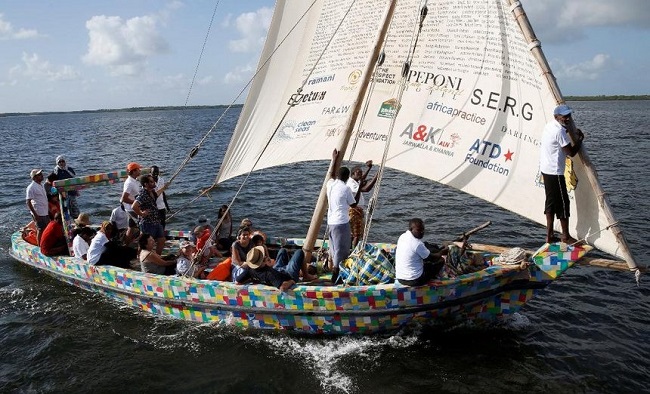
The Flipflopi

The dhow is the generic name of a number of traditional sailing vessels with one or more masts with settee or sometimes lateen sails, used in the Red Sea and Indian Ocean region.

Msuya said this at the unveiling of the world’s first dhow made from plastic waste in Nairobi.

Msuya said the innovation demonstrated that African countries could take the lead in environmental conservation.

“This is a sign that community-driven initiatives can as well offer a solution to long term problems that the world is going through,” Msuya said.

She noted that the initiative showcased progress that Kenya had made since banning the use of plastic carrier bags in 2017.

Msuya said currently, some eight million tonnes of plastic waste flows into the oceans globally every year while only less than nine per cent is recycled.

She called on African governments that are yet to take drastic actions to move with speed to do so, adding that Sub-Saharan Africa currently generates about 170 million tonnes of waste and 12 per cent of them being plastics.

Koleka Mqulwana, South Africa High Commissioner to Kenya and Acting Dean of Africa Diplomatic Corps, urged African governments to develop strategies that could lead to durable solution to plastic waste choking large water bodies.

“We have to help create awareness to help inform communities to take plastic pollution seriously and help remove plastics from the oceans where they have outnumbered fish,” said Mqulwana.

She emphasised that African countries must move beyond sustainable programmes and begin to deal with the waste right from the source.

“Single use plastics are no longer useful in Africa and have to be eradicated forthwith,” Mqulwana noted, calling for the inclusion of private sector in the fight against the use of plastic bags in Africa.

The envoy also urged governments to develop initiatives to benefit communities by helping reduce poverty.

“We have to empower communities to relate with ocean by coming up with innovative ideas,” said Mqulwana.

She requested environmental experts to start simplifying the technical terminology to ensure all citizens understand what they mean to enable them to take necessary actions against plastic bags.

Dipesh Pabari, co-founder of the dhow, said it was created to help solve plastic pollution in the world.

The dhow serves as a call for communities living along the oceans to rise up and help clean up the oceans, said Pabari.

He said that the nine-metre sailing dhow that is made from 10 tonnes of discarded plastics has been built by a team calling for plastic revolution to stem the flow of plastic waste dumped into the world’s ocean.

Pabari said that the dhow has unique components such as life jackets and a radio.

Flipflopi, the world’s first 100 per cent recycled plastic dhow, will be embarking on its 500 kilometre maiden voyage from Lamu, Kenya to Stone Town in Tanzania’s Zanzibar this week, visiting schools, communities and government officials.

The expedition that is supported by the UN Environment’s CleanSeas programme is being used to share solutions and change mindsets along its route before it arrives in time for the upcoming Sauti za Busara music festival in Zanzibar.