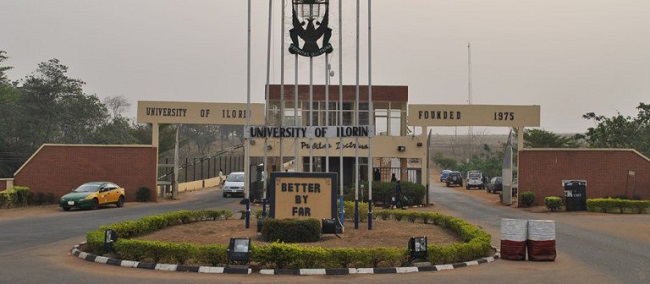
The management of the University of Ilorin in Ilorin, Kwara
State, said that it’s Biotechnology Centre has so far contributed 19 novel
bacteria strains to the World Genomic Bank.
University of Ilorin, Kwara State
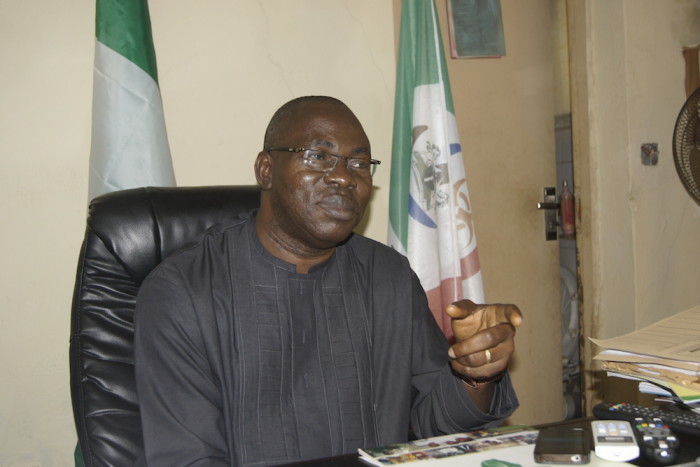
Prof. Matthew Kolawole, Director, Institute of Molecular
Science and Biotechnology (IMSB), made this known in the 2018 Annual Report of
Scientific Breakthroughs of the university made available to newsmen in Ilorin
on Monday, January 7, 2019.
Prof. Kolawole explained that 19 additional novel
biofloculating bacterial strains, which were isolated, had been submitted to
the world genomic bank, otherwise known as the National Centre for
Biotechnology Information, (NCBI), USA.
He said the development led to the issuance of the NCBI’s
unique ascension numbers to the institute which was reported for the first time
across the world.
He said the importance of this discovery might not be fully
appreciated until it was juxtaposed with the water needs of Nigeria.
The Professor of Microbiology quoted the United Nations
International Children’s Emergency Fund, (UNICEF), as saying that over 70
million Nigerians are without potable water
He said Nigeria requires $8 billion per annum to provide
potable water for its citizens.
“The discovery of these strains and local production of
water treatment composite materials which IMSB has been pioneering in the last
one year moves us closer to solving the massive shortage of potable water.
“This outstanding feat has further cemented the institute’s
goal of contributing to the genomic bank,” he said.
Kolawole said that the institution also recorded a
significant breakthrough in biotechnological innovation, with the development
of a “Two-way Trans-illuminator Viewing Documentation System.”
According to him, the instrument has been tested and
confirmed to be very functional and effective in providing wider surface area
for larger genetic material (DNA/RNA) samples with significant qualities that
would address multifarious human needs in the field of medical bio-technology.
He noted that the discovery would facilitate the much-needed
“portability, affordability, low voltage consumption, on-site view of standard
DNA marker and two sources of illumination.”
He said it would further ensure better result presentation
and recording with a third battery operated LED light that would help in
improving health-care delivery.
Kolawole said that the serendipity had since been filed for
patent at the National Office of NOTAPS through the University’s Centre for
Laboratory to Product (LABTOP).
Other scientific breakthroughs attained by the university in 2018, according to Kolawole, are the isolation of Molecular Identification and Evaluation of Bioflocculant-producing Bacteria from Oyun, Asa and Agba Rivers in Ilorin.
He said the discovery would profer a wide range of
indigenous bacteria with flocculants producing potentials and explore ways of
improving bio-flocculating activities and corona virus OC43 and OC229 E/NL63,
discovered for the first time in Nigeria as a cause of respiratory tract
illness in children.
Human activities have encouraged the depletion of wildlife
through deliberate attempts to poach and hunt for profit, progressively making
many of the animals to be extinct and lost forever.
Alhaji Ibrahim Goni, Conservator-General of the National Parks Service
Conservationists estimate that the current rate of
extinction is 1,000 times more than the natural rate, making it necessary for
citizens to imbibe the practice of caring for wildlife for the benefit of all.
According to them, preservation of wildlife should be the
responsibility of everyone as governments at all levels should be encouraged to
create awareness on the need to stop indiscriminate killings of wild animals,
especially for consumption as is the practice in Nigeria.
The menace of poachers killing wildlife for export and
hunters selling animals as “bush meat’’ to citizens have been serious concerns
for stakeholders and conservationists.
However, some Nigerian hunters who engage in illegal hunting
claimed they were not aware that hunting in the farmlands they inherited from
their forefathers was a criminal offence.
Malam Idris Abubakar, a hunter at Nasko, Magama Local
Government Area of Niger State, said: “My forefathers hunted in this land,
farmed and today you are telling me that it is criminal to hunt and eat bush
meat.’’
“This is my source of livelihood so where and what do you
want us to do, go hungry?’’ he wondered.
Mfok Uduak, a farmer and hunter from Ikom town in Ikom Local
Government Area of Cross River State, said he had no other source of livelihood
hence using his hunting skills to support his farming profession had been of
immense help to him.
When asked if he knew that it was illegal to kill animals,
he said, “We have been hunting here for ages; by the way, this is my fatherland
so must I take permission before I hunt in my own land?’’
However, some conservation stakeholders in 2018 did a lot of
sensitisation to the public on the danger of destroying wildlife.
The sensitisation also involved local communities in the
programmes due to the urgent need for conservation and preservation of
biodiversity.
They described conservation as the sustainable use and
management of natural resources including wildlife, water, air, and earth
deposits.
The stakeholders agreed that through hunting, pollution,
habitat destruction, and contribution to global warming, human beings were
speeding up the loss of biodiversity at an alarming rate.
For Alhaji Ibrahim Goni, the Conservator-General, Nigeria
National Park Service, working with the local communities to conserve nature
would address threats such as wildlife poaching, wildfires and environmental
degradation in the country.
“The best community conservation practices will offer
powerful insights that could help save wildlife and inform the process of
forming new conservation in Nigeria.
“The communities see these poachers, sometimes even know
them and aid them to escape from the authorities when chased.
“This therefore calls for increased community involvement in
wildlife conservation and secure livelihoods.’’
According to Goni, people often waste natural resources,
animals are overhunted; forests are cleared exposing land to wind and water
damage.
“All the things we need to survive such as food, water, air,
and shelter come from natural resources.
“Some of these resources like small plants can be replaced
quickly after they are used while others, like large trees, take a long time to
replace.
“If resources are carelessly managed, many will be used up.
If used wisely and efficiently, however, renewable resources will last much
longer,’’ he said.
Goni said that sometimes the need to conserve resources
often conflicted with other needs.
“Some jewelry and medicine industries will encourage
poaching in order to get raw materials for their factories; a timber company
may want to harvest the area’s trees for construction materials.
“All these needs are valid, but sometimes the plants and
animals that live in the areas are forgotten.
“The benefits of development need to be weighed against the
harm to animals that may be forced to find new habitats, and thus the depletion
of resources we may want in the future.”
Goni said that the effects of climate change and hardship in
the country had increased clash with park rangers and poachers.
He, therefore, called for the need to put in place a
socio-economic programme aimed at improving livelihoods of the communities in
and around the park and strengthening the laws.
However, another challenge of depleting the wildlife through
human activities is the migration to habitats that are conducive for them.
To help stem this disturbing trend, stakeholders called for
community participation in the conservation and preservation of these natural
resources since the products and benefits from nature rely on
biodiversity.
Mr Tunde Morakinyo, one of the Directors of Africa Nature
Investors (ANI), an initiative led by African professionals to bring
best-practice in nature conservation to Africa, said that both illegal internal
and international trade in animals also contributed to the depletion of
biodiversity.
“Unfortunately, animals become extinct when they are hunted
to death and their habitats destroyed, so many more animals will become extinct
in Nigeria unless we can get better at protecting our national parks and forest
reserves.
“Pollution could also be a factor since wildlife may not
continue to habitat in places they perceive as being bad for their health, so
they are likely to migrate.
“This is why it has been estimated that the rate of
depletion through man’s activities is about 1000 times more than that caused
through natural means.
“So, ANI has come to encourage the best conservation
practices in Africa in a sustainable way for the betterment of the people of
Africa and the world at large,’’ Morakinyo said.
Mr Michael O’Brien-Onyeka, the Senior Vice President Africa
Field Division of Conservation International (CI) Foundation, said that the
National Park Service’s role should be strengthened to empower people, regulate
ecosystems and protect endangered species.
“For a more sustainable conservation of key reserved areas
for healthy living, the local people of the areas must be empowered otherwise
they will turn to these reserved areas to source for livelihood.
“We need nature to survive, nature does not need us and the
only way to have quality environment for healthy living is to protect the
ecosystem,” he advised.
The stakeholders, therefore, pushed for the review of law
that would stipulate serious punishments for the killing of endangered species
like elephants, gorillas, leopards and other wildlife.
They described the fines being given to offenders presently
as “a tap on the wrist’’ for such grievous offences.
They specifically called on the Federal Government to review
the archaic wildlife laws to come up with effective protection and management
policies for wildlife resources.
According to them, the revised laws will help to avert the
indiscriminate and wanton killing of these species.
The bottom line therefore is that there is a great need for
conservation authorities and host communities to form a synergy.
This synergy will enable them to adopt a much more holistic
approach to finding a lasting solution to this menace that can ultimately
only spell doom for life on earth.
The President of Washington-DC based World Bank, Jim Yong
Kim, on Monday, January 7, 2019 announced his resignation.
World Bank Group President, Jim Yong Kim. Photo credit: static.guim.co.uk
He said he would leave on February 1.
“It has been a great honour to serve as President of this remarkable institution, full of passionate individuals dedicated to the mission of ending extreme poverty in our lifetime.
“The work of the World Bank Group is more important now than
ever as the aspirations of the poor rise all over the world, and problems like
climate change, pandemics, famine and refugees continue to grow in both their
scale and complexity,” Kim said in a statement.
It was not clear why Kim suddenly announced his departure
when he had over three years left in his tenure. He was first elected president
in 2010 and got reelected in 2017 for another five-year term.
Kristalina Georgieva, the chief executive of the World Bank,
will take over as interim president when he departs.
The National Biosafety Management Agency (NBMA) says with
the accreditation of biotechnology in some tertiary institutions, food
security will be enhanced in the country.
Dr Rufus Ebegba, Director-General and CEO of the the National Biosafety Management Agency (NBMA). Photo credit: climatereporters.com
Dr Rufus Ebegba, the Director-General of NBMA, said this in
an interview with the News Agency of Nigeria (NAN) in Abuja on Monday, January
7, 2019.
“Upon meeting the requirements set forth for the
accreditation of institutions, the NBMA accredited some institutions to carry
out biotechnology activities.
“They include the Federal University of Technology (FUTA),
Akure; Institute for Agricultural Research (IAR), Zaria; International
Institute for Tropical Agriculture (IITA), Ibadan and the National
Biotechnology Development Agency (NABDA), Abuja.
“Others are the National Cereals Research Institute (NCRI),
Badeggi, National Root Crops Research Institute (NRCRI), Umudike,” he said.
“We have certified containment facilities for bio-fortified
cassava enhanced with pro-vitamin A at the National Root Crops Research
Institute, Umudike.
He said bio-fortified cassava enhanced with Iron had been
concluded while Genetically Modified Cassava resistant to cassava mosaic
virus was ongoing, adding that brown streak virus had also been
concluded at the institute.
Egbeba said with the establishment of the agency, the
universities and research institutes now had confidence to carry out
biotechnology research expected to increase agricultural productivity as well
as contribute to food security in Nigeria.
“The agency has also granted Permit for Commercial Release
and Importation of GM Crops for Feeds and Food Processing such as Bt. Cotton to
Monsanto Agriculture Nigeria Ltd., (Commercial Release) and Biosafety Permit to
WACOT Nig. Ltd, Biosafety Permit for commercial release of Bt Cotton.
“Nigeria is benefiting from safe modern biotechnology under
a legal framework for economic growth, improved agriculture, job and wealth
creation, industrial growth and sustainable environment.
“These are possible because operators now have confidence in
the sector, risks to human health from modern biotechnology practice and the
use of Genetically Modified Organisms (GMOs) are at their barest minimum,” he
said.
He noted that dumping of unauthorised GMOs in Nigeria is now
at its barest minimum, as avenues are being provided to confirm safety and
harness the potential of modern biotechnology.
“Negative socio-economic consequences of GMOs are being
guarded against, and confidence built in the practice of modern biotechnology,
use and handling of GMOs and GM products.
“Nigeria’s commitment to the principles of International
Agreements and Treaties to Convention on Biological Diversity (CBD) and
Cartagena Protocol on Biosafety (CPB) is reaffirmed.
“We now have proper regulation for imported GM products, so that Nigeria will not be a dumping ground for GMOs,” he added.
Some 57 proposals to amend the lists of species subject to CITES (Convention on International Trade in Endangered Species of Wild Fauna and Flora) regulations were submitted by 90 countries for consideration at the next World Wildlife Conference – the 18th meeting of the Conference of the Parties to the CITES (CoP18), to be held from May 23 to June 3, 2019 in Colombo, Sri Lanka.
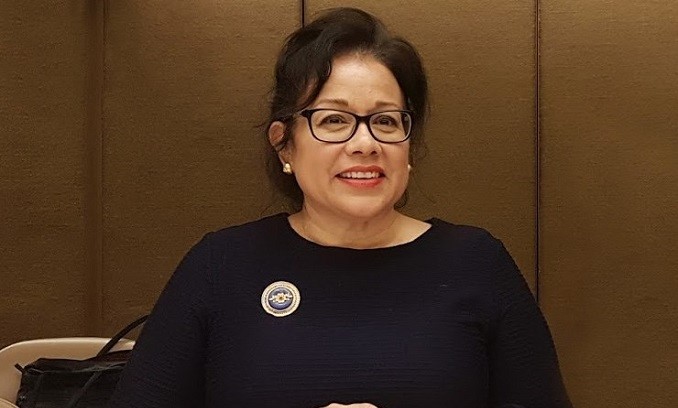
CITES Secretary-General, Ivonne Higuero
In addition, a record 140 documents proposing new measures
and policies on international trade in wild fauna and flora were submitted for
consideration by the Conference.
The proposals to amend the lists of species (i.e. the CITES
Appendices) and other documents will be decided upon at the triennial meeting
of the 183 Parties to CITES (i.e. 182 countries and the European Union).
The proposals are
now available on the CITES website in the languages and formats in which they
were received. Parties have until mid-March 2019 to provide their comments on
these proposals. The CITES Secretariat will also invite comments from relevant
intergovernmental bodies.
“The stakes are high under CITES and robust debates are to be expected. Decisions taken in Colombo will have a real and immediate effect on the legislation, regulation, and operating practices across the globe for international trade in the species concerned. Decisions taken at CoP18 will also alter their conservation and international trade management, and have direct impacts on biodiversity, livelihoods of rural communities and national economies,” said CITES Secretary-General, Ivonne Higuero.
The 57 listing proposals cover a wide range of species, from
mammals, birds, reptiles, amphibians, fish and insects to a variety of plant
species including high value rosewood species. Countries are continuing to use
their Convention for ensuring that timber and marine resources are not
overexploited by proposing new timber and fishery species for inclusion in the
CITES Appendices. For the first time, a proposal has been submitted to include
the giraffe, the world’s tallest land mammal, under CITES. There is also a
proposal to list the mammoth, an extinct species, in CITES Appendix II.
The three proposals on African elephants show the divergence
of opinions among range States of this species on how to deal with
international trade in elephant products: two aim at easing controls on
international trade in African elephant products, and one at prohibiting all
commercial trade. While Namibia is proposing to downlist its population
of white rhinos to Appendix II, to allow only international commercial trade in
live animals and hunting trophies, the proposal from Eswatini seeks to allow
unrestricted international commercial trade in all specimens of its white rhino
population, which is currently included in Appendix II.
CITES is a legally binding agreement which aims to ensure
that international trade in specimens of wild animals and plants does not
threaten their survival. It does so by monitoring, listing and regulating legal
and sustainable wildlife trade and by combating illegal trade in wildlife. It
currently regulates trade in over 36,000 species of wild animals and plants.
CITES determines international rules governing trade in
wildlife. Governments will consider and accept, reject or adjust these
proposals for amending the CITES Appendices at CoP18. Unlike most other
international agreements, CITES Parties decide by vote where consensus is not
possible, with a two thirds majority required.
Higuero recently paid a visit to Sri Lanka, the CoP18 host
country, to discuss preparations for conference, where she met John A. E.
Amaratunga, Minister of Wildlife, Tourism and Christian Religious Affairs.
“I was encouraged by the commitment at the highest levels of decision makers to ensure that the necessary steps will be taken in the next days so that preparations are on track for the next World Wildlife Conference – CITES CoP18. We look forward to facilitating the optimal setting for these discussions for the 183 Parties to CITES, the observers from intergovernmental and non-governmental organisations and the private sector, as well as representatives from rural communities in Colombo in 2019,” added Higuero.
The number of human trafficking victims is
on the rise, while armed groups and terrorists are trafficking women and
children to generate funds and recruit, according to the latest Global
Report on Trafficking in Persons launched on Monday, January 7, 2019
in Vienna, Austria.
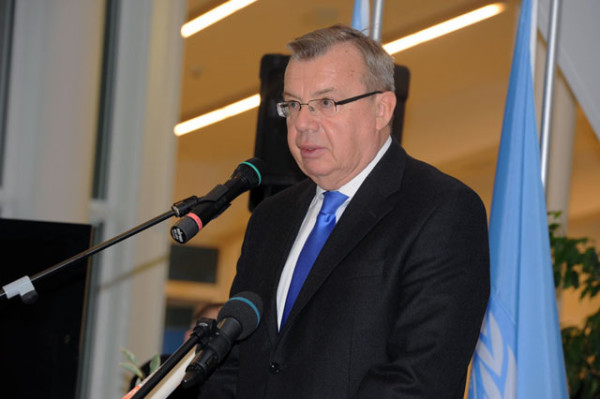
Yury Fedotov, Executive Director, United Nations Office on Drugs and Crime (UNODC)
The report by the United Nations Office on
Drugs and Crime (UNODC) was presented by UNODC Executive Director, Yury Fedotov,
at a special event of the Commission on Crime Prevention and Criminal Justice
(CCPCJ) with Austrian Foreign Minister, Karin Kneissl. Drawing on information
from 142 countries, the report examines trafficking trends and patterns, and
puts the spotlight on human trafficking in armed conflict.
“Child soldiers, forced labour, sexual
slavery – human trafficking has taken on horrific dimensions as armed groups
and terrorists use it to spread fear and gain victims to offer as incentives to
recruit new fighters,” said Mr. Fedotov in his remarks.
“This Report shows that we need to step up
technical assistance and strengthen cooperation, to support all countries to
protect victims and bring criminals to justice and achieve the Sustainable
Development Goals.”
Minister Kneissl highlighted the importance
of the Global Report in supporting UN Member States to devise targeted,
informed responses to this “grave violation of human rights and human dignity”.
“Sound information and a solid base of
evidence for our policies are two of the most important things to fight this
disgusting crime in the most efficient way possible. We simply need to know
what it actually is we are dealing with,” she said.
Globally, countries are detecting and
reporting more victims and convicting more traffickers, according to the
report. It also found a clear increase in the number of children being
trafficked, who now account for 30 per cent of all detected victims, with far
more girls detected than boys. Sexual exploitation continues to be the main
purpose for trafficking, accounting for some 59 per cent.
Ambassador Alena Kupchyna of Belarus, who
chairs the 28th session of the Crime Commission and moderated the event, said
that tackling the global challenge of human trafficking is at the heart of the
Commission’s work.
“Practically every
nation is affected by this crime, whether as a country of origin, transit or
destination of victims,” she said. “Therefore, I take this opportunity to
highlight the crucial role of international cooperation and partnerships to
address this crime effectively. I call the Member States to continue working
together maintaining the topic of trafficking in persons high in the
Commission’s busy agenda.”
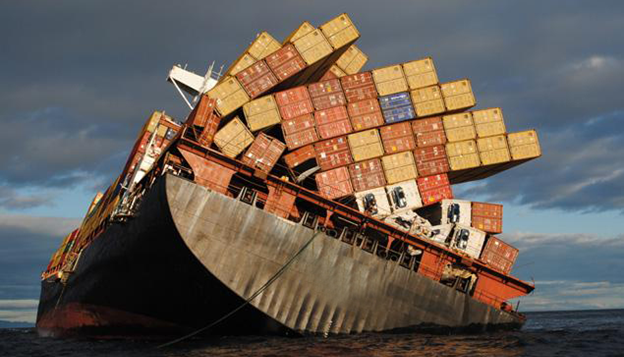
Two of the over 200 lost containers that were knocked from
one of the world’s largest cargo ships hold dangerous materials, it has been
revealed.
Lost shipping containers
One that broke open was transporting 250 sacks of toxic
peroxide in powder form.
Some sacks had washed up on shore.
The other container with dangerous goods, which holds 1,400
kilograms of lithium batteries, is still unaccounted for.
The ministry said it does not present an acute risk for the
marine environment.
Most of the containers have been located on the floor of the
North Sea, Dutch Authorities said on Monday, January 7, 2019.
Using sonar technology, 220 of the 281 containers have been
found, according to the Dutch Ministry of Infrastructure and Water Management.
It said 18 containers washed ashore since they toppled into
the water on Jan. 2 during stormy weather as the MSC Zoe navigated its way
from Antwerp, Belgium, to Bremerhaven, Germany.
Around 40 containers are still missing.
Efforts to recover the containers could take months.
The Swiss shipping company MSC has agreed to take on all
costs for the clean-up and salvage operations.
The incident saw huge amounts of packaging plastic and
household items, including televisions, washed up on coastlines in the
Netherlands and Germany.
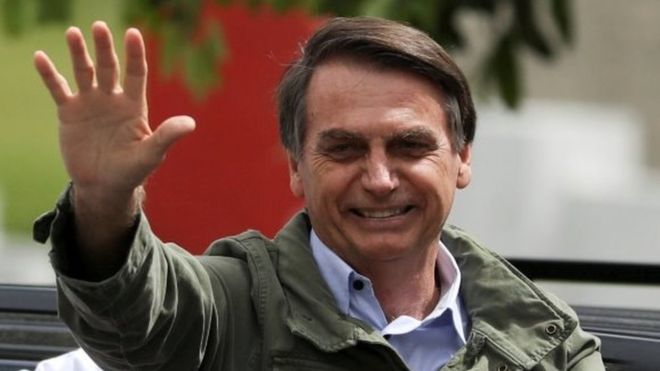
Brazil’s government is increasing oversight over non-governmental organisations (NGOs) working in the country and will control public funds given to such groups.
Jair Bolsonaro, President of Brazil
This was disclosed by Government Secretary Carlos dos Santos
Cruz in a local interview published on Monday, January 7, 2019.
Cruz said the initiative would help determine whether the
organisations were fulfilling their roles of carrying out works that complement
government actions.
His remarks, published on the G1 news portal, came on the
heels of an executive order issued last week.
The order gave the new administration of far-right
President Jair Bolsonaro, potentially far-reaching and restrictive powers over
non-governmental organisations.
“The government’s intention is to optimise the use of public
funds and bring more benefits to the people assisted by the NGOs,” Cruz said.
He denied the intention was to restrict their activity.
“The plan is not to interfere in the life of the
organisations or restrict anything. But it’s public money. There needs to be transparency
and there needs to be results,” Cruz said.
Leaders of NGOs that work in Brazil, such as Jose Miguel
Vivanco, Director of the Americas division of Human Rights Watch, said the
decree on NGOs could be viewed in a positive light, but also expressed concerns.
If the new rules “facilitate a constructive relationship
between international civil society groups and the government,” that is
positive.
But Vivanco said he was also worried about how far the
Bolsonaro government would go in monitoring the groups.
Rules to increase oversight over non-government
organisations was one of the very first acts of Bolsonaro, the right-wing
president sworn-in on Jan. 1.
Bolsonaro’s temporary decree expires after 120 days unless
it is ratified by congress.
It gives Cruz’s office the power to “supervise,
co-ordinate, monitor and accompany the activities and actions of international
organisations and non-governmental organisations in the national territory.”
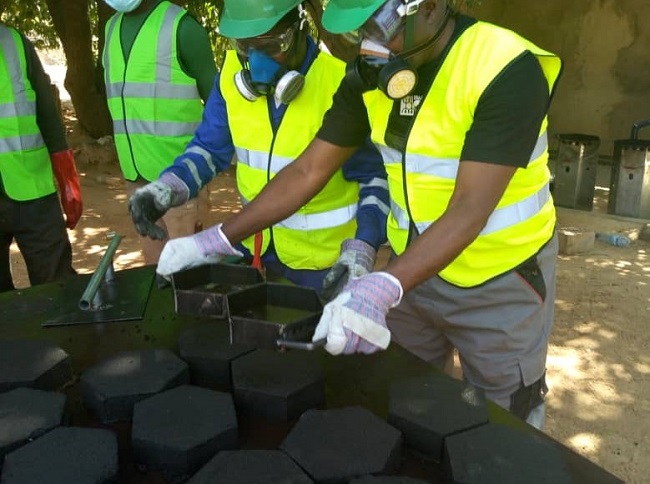
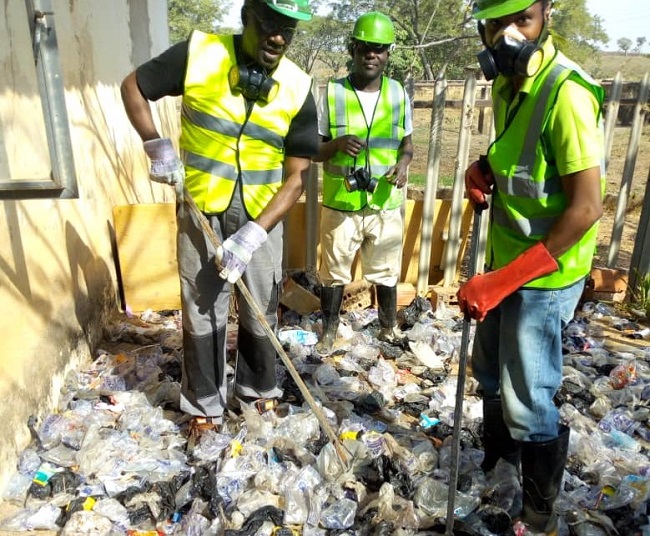
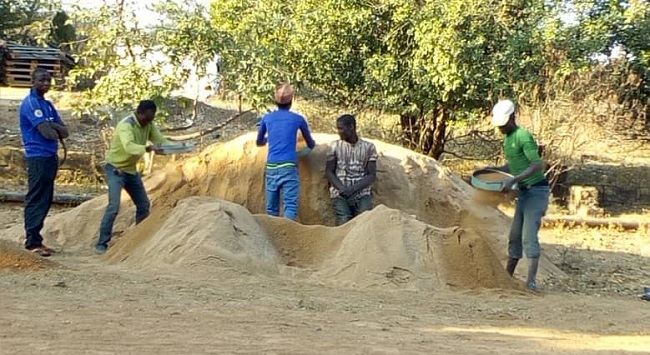
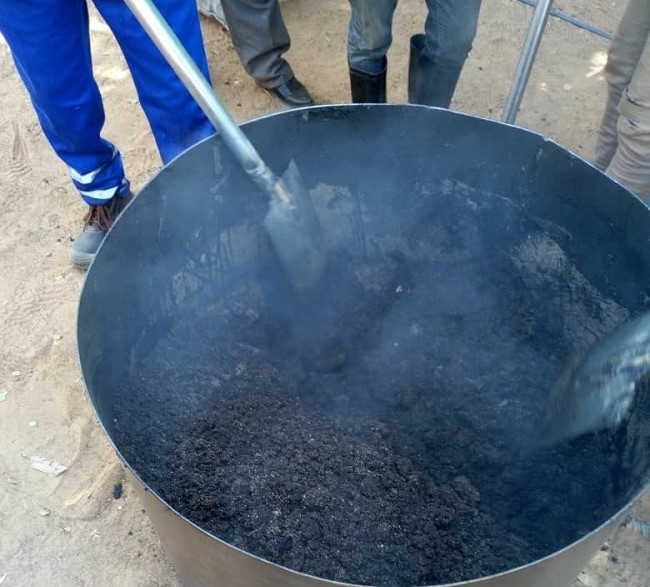
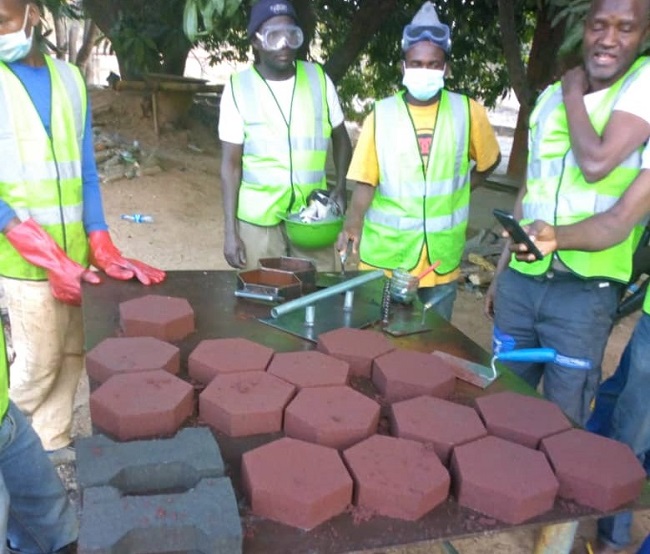
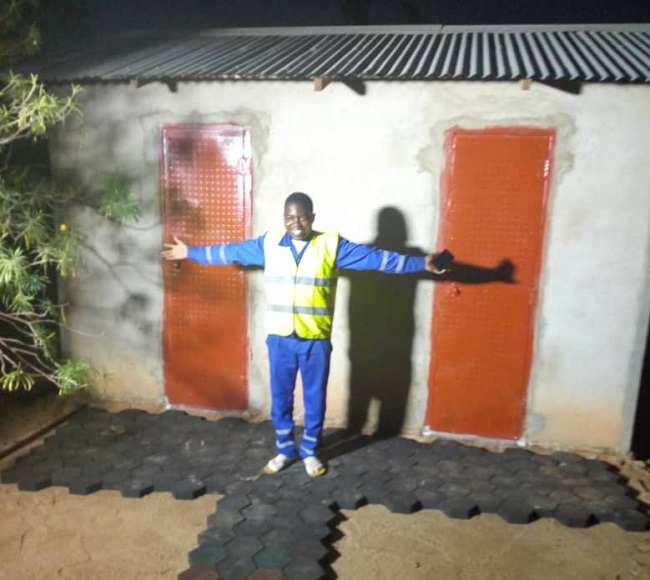
The Developmental Association for Renewable Energy (DARE) has began training youths on how to recycle plastic waste, albeit to make interlocking tiles, blocks, roofing tiles, and to decorate homes.
The Kaduna-based not-for-profit group takes EnviroNews through the process on Sunday, January 6, 2019.
Sorting out the plastic wastes gathered from the communal waste dumpSieving fine sand off larger particles Mixing the sorted plastic waste with fine sharp sand under a temperature of about 500 degree CForming different geometric forms of interlocks and in various coloursBrown interlocksGreen interlocksOne of the trainers seems excited with the practical laying of the first tranche of the interlocks
Efforts to save the human and physical ecologies of Nigeria’s
Niger Delta region has turned out for the better, courtesy of a government
initiative to shield the area from the vagaries of the global changing climate.
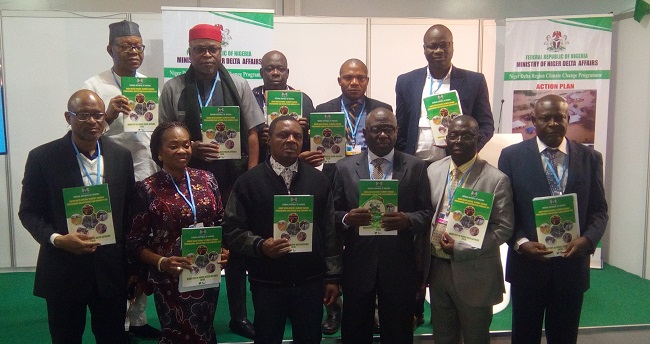
Formal presentation of the Niger Delta Region Climate Change Programme and Action Plan (NDRCCP-AP) at COP24 on Wednesday, December 12, 2018
Supposedly harbouring the largest mangrove swamp in Africa
with numerous species of flora and fauna, the ecologically sensitive region is
however an environmentally notorious spot – courtesy of oil pollution and the
abundance of greenhouse gases from flared associated gas.
Bothered that the existing policies, programmes, actions and
measures are insufficient to address the level of risk posed by climate change
in the region, the Ministry of Niger Delta Affairs has developed the Niger
Delta Region Climate Change Programme and Action Plan (NDRCCP-AP) to address
inherent gaps. The document was presented to delegates at the UN Climate Change
Conference (COP24) held December 2018 in Katowice, Poland.
“Weak technical capacity and lack of appropriate institutional
framework and governance instruments particularly at the national level are
additional challenges pegging climate change response in the Niger Delta region
and are some of the factors for poor participation by Nigeria and particularly the
region in opportunities for addressing climate change issues,” disclosed Dr
Samuel Adejuwon, Nigeria’s erstwhile climate chief and consultant to the Niger
Delta Ministry.
The NDRCCP-AP, according to the ministry, is based on the
principle of social and economic development and poverty eradication are the
first and overriding priorities of developing countries and that a low-carbon
development strategy is indispensable to sustainable development, in line with
the United Nations Framework Convention on Climate Change (UNFCCC).
Besides being in line with the national Policy on
Environment, the NDRCCP-AP is said to complement the nation’s action in
implementing various international conventions, treaties and protocols
especially the principles of the Paris Agreement.
The document aims at guiding the region and other
stakeholders on the implementation of collective measures to address climate
change impacts and causes through adaptation, mitigation and other measures,
while assuring sustainable socio-economic development through harmonised and
coordinated strategies, programmes and actions to combat climate change.
According to the NDRCCP-AP, climate change impacts on nearly
all sectors of the economy in the Niger Delta but mostly on land use and infrastructure,
human health, human settlement, energy, water, agriculture and food security,
biodiversity and ecosystem services, tourism, industry and transport.
While the Department of Environmental Management of the ministry will coordinate and manage the implementation of the Programmes and Action Plan to enhance synergies and minimse duplication of of efforts, it is proposed that the NDRCCP-AP will be reviewed every three years to take into account of emerging issues, challenges and trends on climate change at the local, national, sub-regional, regional and global levels.