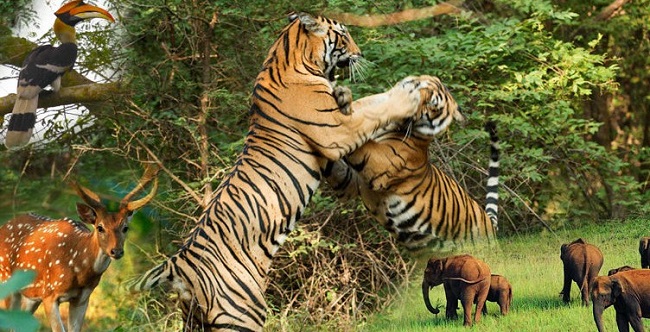
World Wildlife Day has now become the most important global
annual event dedicated to wildlife.
Wildlife
The 2019 World Wildlife Day is being celebrated under the
theme “Life below water: for people and planet”, which aligns with goal 14
of UN Sustainable Development Goals.
The ocean contains nearly 200,000 identified species, but actual numbers may be in the millions. Globally, the market value of marine and coastal resources and industries is estimated at $3 trillion per year, about 5% of global GDP. Over three billion people depend on marine and coastal biodiversity for their livelihoods.
Marine wildlife has sustained human civilization and development for millennia, from providing food and nourishment, to material for handicraft and construction. It has also enriched our lives culturally, spiritually, and recreationally in different ways.
The capacity of life below water to provide these services is severely impacted, as our planet’s oceans and the species that live within it are under assault from an onslaught of threats. As much as 40% of the ocean is now heavily affected by the most significant and direct threat of over exploitation of marine species as well as other threats such as pollution, loss of coastal habitats and climate change.
These threats have a strong impact on the lives and livelihoods of those who depend on marine ecosystem services, particularly women and men in coastal communities.
In a historic 7-1 decision, the U.S. Supreme Court decided on
Wednesday, February 27, 2019 in Jam
v. International Finance Corporation (IFC) that international organisations
like the World Bank Group can be sued in U.S. courts.
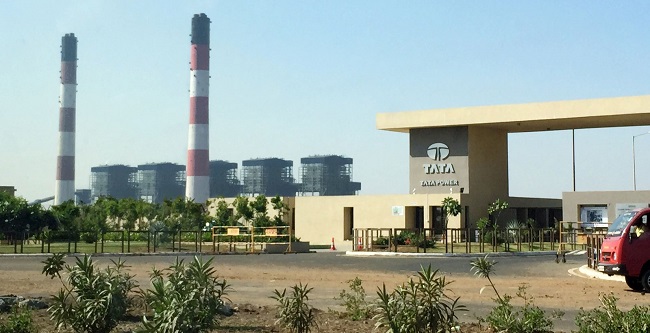
The IFC-financed Tata Mundra Ultra Mega coal-fired power plant in India
The Court’s decision is said to mark a defining moment for the IFC – the arm of the World Bank Group that lends to the private sector. For years, the IFC has operated as if it were “above the law,” at times pursuing questionable lending projects that seem to inflict serious human rights abuses on local communities, and then appearing to leave the communities to fend for themselves.
International organisations like the IFC have long claimed
they are entitled to “absolute” immunity, even as they engage in commercial
activities, like the coal-fired power plant at the heart of this case.
Because the relevant statute only gives the IFC the same
immunity as foreign governments, and foreign governments do not have absolute
immunity in U.S. courts when they engage in commercial activities, the Supreme
Court rejected this position: “The International Finance Corporation is
therefore not absolutely immune from suit.”
The case involves an IFC-financed power plant in Gujarat, India – the Tata Mundra Ultra Mega coal-fired power plant. The plaintiffs are members of local fishing and farming communities whose livelihoods, air quality, and drinking water have allegedly been devastated by the project. They allege that the IFC and the project developers knew about these risks in advance but nevertheless chose to push forward with the project without proper protections in place.
The plaintiffs originally tried to raise their concerns
through the IFC’s internal grievance mechanism, but when the IFC’s leadership
ignored the grievance body’s conclusions, they reluctantly filed suit in the
United States as a last resort. EarthRights International represents the
plaintiffs, along with the Stanford Law School Supreme Court Litigation Clinic.
The IFC is headquartered in Washington, DC, along with the rest of the World Bank Group, because the U.S. government is believed to be the largest shareholder in the organisations. The U.S. government has long supported the plaintiffs’ interpretation of the law: that international organisations can be sued for their commercial activities or for causing injuries in the United States. The U.S. Departments of Justice and State submitted an amicus curiae brief in support of the plaintiffs’ position, as did members of Congress from both parties.
The IFC argued that allowing it to be sued would be disastrous, but the Supreme Court, in an opinion by Chief Justice John Roberts, found these concerns to be “inflated.” The Court noted that, unlike many international organisations, the IFC’s founding members did not grant the organisation absolute immunity in its charter.
The case is Docket No. 17-1011. Justice Brett Kavanaugh
recused himself, because he was on the U.S. Court of Appeals for the D.C.
Circuit when the case was heard there. Justice Stephen Breyer was the sole
dissenter, arguing that a “broad exposure to liability” for international
organisations runs counter to Congress’ original purpose in providing immunity.
Now that the Supreme Court has established that the World
Bank Group can be sued, the case will return to the lower courts for further
litigation.
Another case against the IFC is also expected to proceed in
the U.S. District Court for the State of Delaware. The case, Juana
Doe et al v. IFC, involves IFC projects that have been linked to
murders, torture, and other violence by paramilitary groups and death squads in
Honduras. EarthRights International represents the plaintiffs, whose identities
are kept anonymous to protect them from retaliation.
“We are extremely happy with the decision of the Supreme
Court of US. This is a huge victory for the people of Mundra in particular and
other places in general, where World Bank’s faulty investments are wrecking
communities and environment. This is major step towards holding World Bank
accountable for the negative impacts their investments are causing,” said Dr.
Bharat Patel, the head of fishworkers’ rights group MASS, one of the plaintiffs
in the case.
“We are delighted with this judgment. This is a victory of
all who have fought for a more accountable World Bank since the past many
decades world over and has fought valiant struggles against Bank funded
projects on the ground, exposing the monumental human and environmental costs
of their lending. This judgment will strengthen communities’ efforts to hold
the Bank accountable and is a step in the direction of bringing accountability
in financial institutions,” disclosed Joe Athialy, Executive Director of the
Centre for Financial Accountability, India.
“Immunity from all legal accountability does not further the
development goals of international organisations. It simply leads them to be
careless, which is what happened here. Just like every other institution, from
governments to corporations, the possibility of accountability will encourage
these organisations to protect people and the environment,” stated Marco
Simons, General Counsel, EarthRights International.
“The commercial activities of international organisations
such as the IFC can have a significant impact on lives of Americans and others
around the world. We welcome today’s decision,” said Prof. Jeffrey Fisher,
Co-Director, Stanford Law School Supreme Court Litigation Clinic.
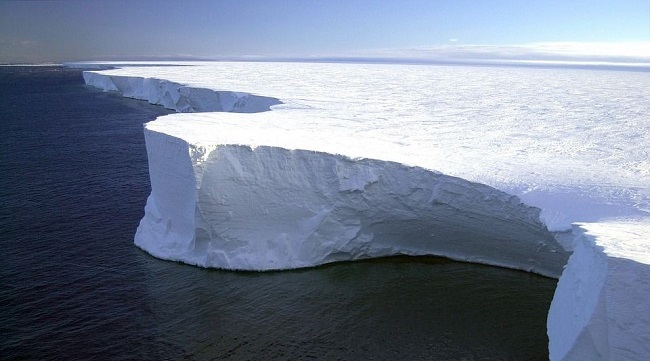
Cracks growing across Antarctica’s Brunt ice shelf are set
to release an iceberg twice the size of New York City.
Antarctic iceberg
NASA Earth Observatory has released before and after images,
taken 30 years apart, showing a massive difference in the Antarctic Brunt ice
shelf.
One crack along part of the ice shelf, which first appeared
in October 2016, has continued to grow eastward.
The images also show a rift, which has previously been
stable for 35 years, has started accelerating northward as fast as 4 kilometres
per year.
Joe MacGregor, a glaciologist at NASA’s Goddard Space Flight
Centre, said: “The near-term future of Brunt Ice Shelf likely depends on where
the existing rifts merge relative to the McDonald Ice Rumples. If they merge
upstream (south) of the McDonald Ice Rumples, then it’s possible that the ice
shelf will be destabilised.”
The growing cracks have prompted safety concerns for people
working on the shelf, particularly researchers at the British Antarctic Survey’s
Halley Station.
Chris Shuman, NASA/UMBC glaciologist, said: “We don’t have a
clear picture of what drives the shelf’s periods of advance and retreat through
calving. The likely future loss of the ice on the other side of the Halloween
Crack suggests that more instability is possible, with associated risk to
Halley VIa.”
This follows a report which
found that Antarctica is losing six times more ice mass annually now than 40
years ago. The study used updated drainage inventory, ice thickness and ice
velocity data for 176 basins draining the Antarctic Ice Sheet from 1979 to
2017.
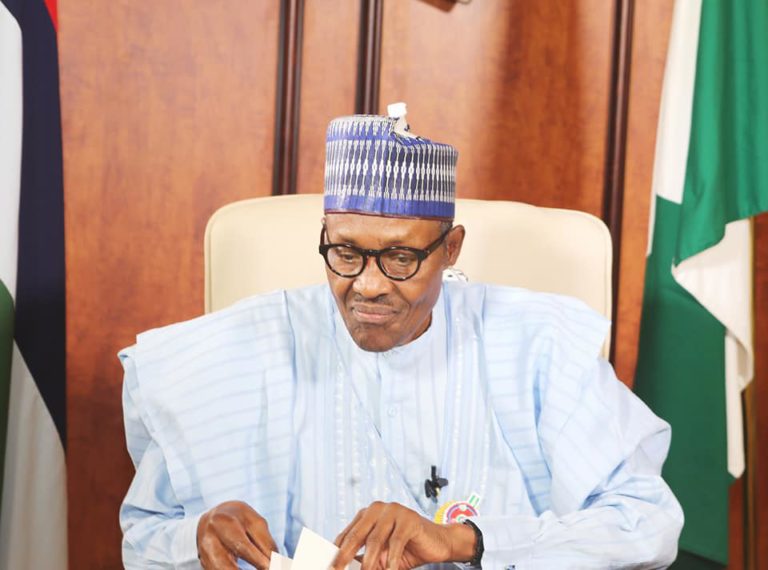
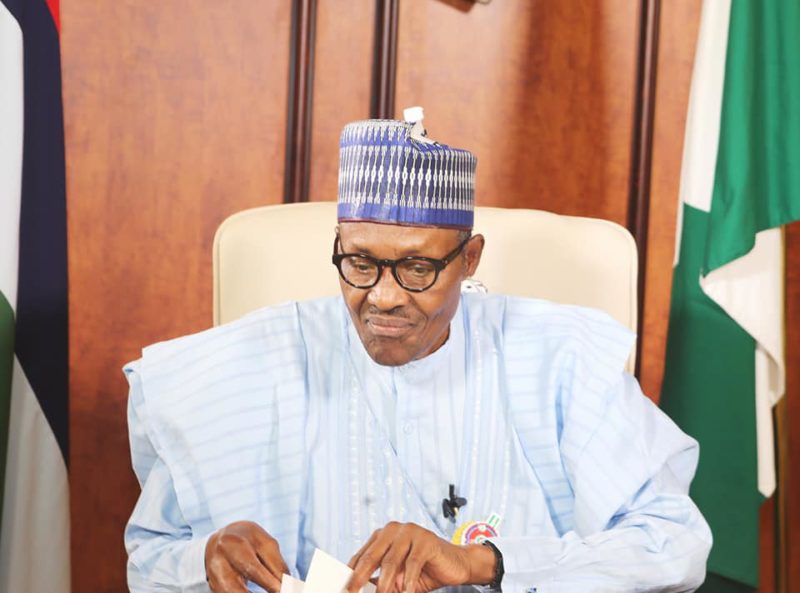
An ecologist, Mr Richard Inyamkume, has advised re-elected
President Muhammadu Buhari to implement low carbon economy to transit from a
largely fossil fuel driven economy to a circular, clean and sustainable economy
by 2023.
President Muhammadu Buhari
Inyamkume, the Executive Director, Ambassadors of Dialogue,
Climate and Reintegration, an NGO, gave the advice in an interview with the
News Agency of Nigeria (NAN) in Abuja on Friday, March 1, 2019.
“President Buhari will have to usher Nigeria into a `Low
Carbon Economy’ that supports transitioning from a largely fossil fuel driven
economy to a circular, clean and sustainable economy by 2023.
“A clean economy will translate to having more green jobs, safer
cities and sustainable food, as well as power production.
“Nigeria needs to go into aggressive reforestation
nationwide, beginning from grassroots to federal levels, to address poor
vegetation cover that is already threatening extinct species and
biodiversity,’’ he said.
The ecologist also urged Buhari to prioritise low and zero
carbon emitting industrial and transport systems, as well as energy for
domestic use.
“Buhari’s administration ought to be watchful about water
and sanitation need sat grassroots, which over time have become issues of
crucial importance and national concern.
“If the new administration of President Muhammadu Buhari can
prioritise low carbon initiatives and green growth, it will be winning the
wrestling against climate change.
“It will also leave behind the highest ecological legacy for
the next generation,’’ he said.
The executive director, who expressed delight over the
re-election of Buhari, described his victory at the polls as well deserved.
“May God continue to give him the wisdom and strength to
lead and conduct the affairs of our great nation in such a dignified and
honourable manner that will take us to the next level.
“We sincerely appreciate the president for his previous
commitments towards fighting climate change, environmental degradation and
resource depletion.
“This was done through various specialised Ministries,
Departments and Agencies of government,’’ he said.
Inyamkume also commended the president’s outstanding roles
in collaborating with international institutions and governments towards
achieving possible climate change reversal, globally.
“As an ecologist and climate advocate, my main concern is
how Nigeria will improve on climate change response approach or strategy that
will better serve adaptation needs of its teeming population of over 170
million citizens.
“These people are directly or indirectly at risk of
extermination if adequate and prompt care is not taken,’’ he said.
According to him, at the moment, a substantial number of
Nigerians have been adversely impacted by climate change mostly women and
children.
“With my experience in the northeast region, particularly
around the Lake Chad Basin, the magnitude of climate impact on people is
intense and exposure is likely to increase in the coming years if nothing is
done to support community and individual adaptation capacity.
“It becomes imperative that the new administration of
President Muhammadu Buhari will continue working to ensure that critical
environmental concerns are addressed with utmost seriousness.
“This will guarantee speedy rehabilitation of environmental
health services nationwide,’’ he said.
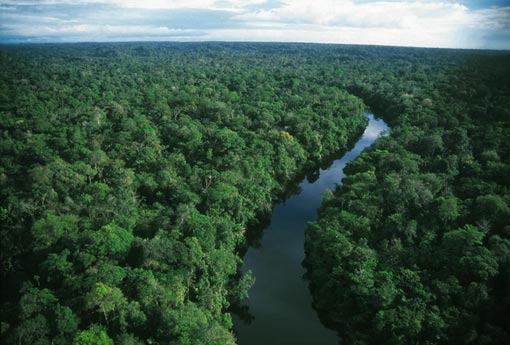
The Amazon rainforest has evolved over millions of years and
even through ice ages. Yet today, human influences and global climate change
put this huge ecosystem at risk of large-scale dieback – with major
consequences for its capability as a global CO2 sink.
The Amazon rainforest
New research published in Nature Geoscience now reveals a key player in shaping the
resilience of the Amazon and finds that regions with generally higher rainfall
variability are more resilient to current and future climate disturbances.
However, despite this “training effect”, the Amazon rainforest might not be
able to keep up with the pace of ongoing climate change, the study shows.
“Considering the vital importance of the Amazon rainforest
for our climate and biodiversity, it is astounding how much we still don’t know
about its ability to adapt to changing environments through the ages,” lead
author Catrin Ciemer from the Potsdam Institute for Climate Impact Research
(PIK) says.
With ongoing global warming there will probably be a higher
frequency of droughts in the Amazon basin, which might increase tree mortality
and fire risks.
“We set to uncover a mechanism that increases the
ecosystem’s resilience. It turns out that regions of the Amazon rainforest that
were exposed to more variable rainfall conditions seem to be equipped with a
higher ability to resist to and recover from climatic disturbances.”
Mapping out more
vulnerable regions by combining nonlinear dynamics analysis with
state-of-the-art observations
Covering about two thirds of South America, the Amazon
rainforest is the largest continuous rainforest on earth, with an unparalleled
biodiversity of plants and animals. Vast amounts of carbon are stored in the
forest’s biomass, making the Amazon rainforest the most important terrestrial
CO2 sink. Based on precipitation and tree cover data in the Brazilian
Amazon basin, the researchers constructed so-called potential landscapes to characterise
the rainfall regimes where the ecosystems remain stable and identify critical
thresholds beyond which vegetation might switch from forest to savanna.
“The detection of this so far hidden dynamic stability
behaviour was mainly based on combining modern techniques of nonlinear dynamics
analysis with state-of-the-art observations,” says Jürgen Kurths, co-author and
co-chair of the PIK research department for Complexity Science.
“We develop and apply advanced mathematical approaches to
investigate real-world problems that have tremendous impacts on people all over
the planet – the Amazon rainforest is of great relevance for global carbon and
water cycles and interacts with a number of other critical elements of the
Earth system,” explains co-author Marina Hirota from the Federal University of
Santa Catarina in Brazil.
“Our approach allows us to map out which regions are
comparably more vulnerable to future precipitation changes,” says co-author
Ricarda Winkelmann, co-leader of PIK FutureLab on “Earth Resilience in the
Anthropocene”. Less “trained” regions which aren’t used to frequent changes in
rainfall will be especially affected.
“Our analysis shows that in a business-as-usual greenhouse
gas emission scenario, a large coherent region in the southern Amazon might be
at risk of transitioning from forest to savanna.”
The question is, how much change can the Amazon forest cope
with? It turns out that while the Amazon is an ancient ecosystem with the
ability to adapt over long time-scales, it might not be able to keep up with
the pace of ongoing climate change.
Current forest policy
of Brazil can make resilience obsolete: “No way to adapt to a chainsaw”
Climate change is not the only major stressor of the Amazon
rainforest. “Humans interfere on a yet more immediate level with the Amazon,”
says Niklas Boers, coauthor of the study.
Large-scale forest clearance, primarily to convert land into
pasture for cattle and cropland, is already a serious threat to the rainforest.
Even if some regions in the Amazon are better equipped to cope with climate
change due to the training effect, the current forest policies of Brazil and
other countries can make any resilience capability of the rainforest obsolete.
“With or without resilience to climate disturbances, there
is no way to adapt to a chainsaw,” adds Boers.
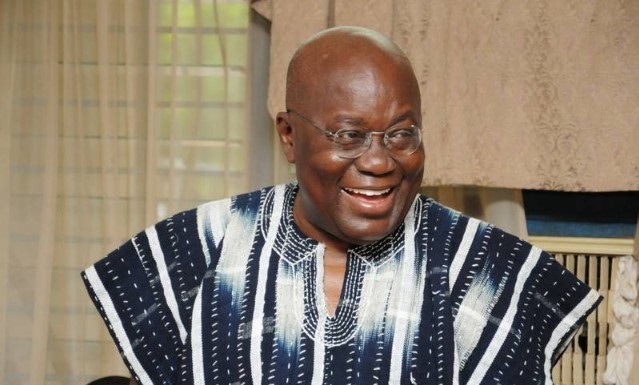
President of Ghana, Nana Akufo-Addo, Ghanaian actress and
television personality, Joselyn Dumas, as well as COP24 President, Michał
Kurtyka, are scheduled to formally open the Africa Climate Week on Wednesday, March
20, 2019 in Accra.
President Nana Akufo-Addo of Ghana
The curtain-raising ceremony will introduce a series of discussions
throughout the course of the day that will feature prominent leaders, seeking
to unlock barriers around enhanced national climate ambition, as well as issues
relating to carbon pricing and markets.
The event is said to have so far attracted upwards of 1,500
registrations – far surpassing previous attendance figures and hinting at the
renewed significance of the Climate Weeks in relation to driving regional
action to implement the Paris Agreement.
The Climate Week will attract Ministers, policymakers, and
non-Party stakeholders from businesses, community initiatives, financial
institutions, and city municipalities across the African continent, disclosed
the UN Climate Change Secretariat.
The UN body adds that the Accra event will act as a focal
point for actors to showcase groundbreaking solutions to climate change. For
example, a Pitch Hub and Knowledge Corner – located in the heart of the
Convention Center – will provide a stage for specialists from non-governmental organisations
(NGOs) and climate change initiatives to share ideas with attendees.
Meanwhile, the youth will enjoy a strong presence at the
Climate Week – leading on several side events to highlight youth-led initiatives
and will also convene a climate march to coincide with Wednesday’s high-level
segment.
Africa is being severely impacted by climate change. From
floods in the Lake Victoria basin to drought in Somalia, to environmental
degradation in the Sahel region, climate change is a threat to continued
economic growth and to livelihoods of vulnerable populations across the
continent, says the UN body. However, while Africa is one of the lowest
contributors to global emissions, it is leading the way by mitigating and
adapting to climate impacts through climate action initiatives – examples of
which will be displayed at the conference centre.
The upcoming Africa Climate Week in Accra is said to be the
first “Regional Climate Week” to be hosted in 2019. It will be followed by the
Latin America and the Caribbean and Asia-Pacific Climate Weeks. Collectively,
these Climate Weeks will serve as critical stepping stones in the lead-up to
the UN Secretary-General’s Climate Action Summit in New York in September 2019.
Africa Climate Week is being co-convened by UN Climate
Change, UN Environment, the West African Development Bank, UN Development
Programme, World Bank Group, African Development Bank Group, and International
Renewable Energy Agency, in collaboration with Climate Technology Centre &
Network, UN Food and Agriculture, United Nations Economic Commission for
Africa, West African Alliance, Adaptation Fund and Climate and Clean Air
Coalition. Other participating organizations include UN Global Climate
Action, IRENA, UN Global Compact, WBCSD, ICLEI, Climate Resilience Network,
CDP, SLOCAT, Global Covenant of Mayors for Climate & Energy, UN-Habitat,
Nature4Climate, ICC, Global ABC, CIFOR, UCLG Africa, CIAT-CCAFS, ECREEE, and UN
Volunteers.
The names of seven Indigenous Peoples’ representatives from
all regions of the world were on Thursday, February 28, 2019 submitted to the
United Nations Framework Convention on Climate Change (UNFCCC) to serve as
members of the Facilitative Working Group for the Local Communities and
Indigenous Peoples Platform. The Platform will focus on the role of Traditional
Knowledge in mitigating Climate Change.
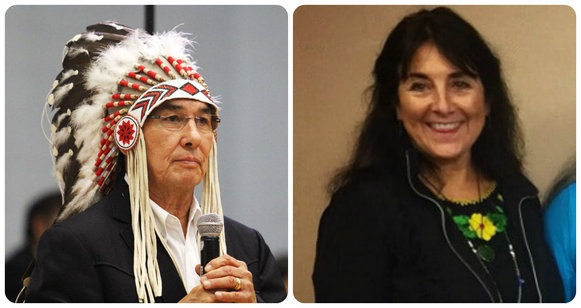
Grand Chief Wilton Littlechild and Andrea Carmen
Andrea Carmen, Yaqui Nation, Executive Director of the
International Indian Treaty Council was the representative selected by
consensus of the Tribal Nations and Indigenous Peoples organisations from North
America (US and Canada) involved in work on Climate Change at the UN. Grand
Chief Wilton “Willie” Littlechild, Ermineskin Cree Nation, Treaty 6 Territory,
was selected by consensus as her alternate.
The Facilitative Working Group (FWG) was established by the UNFCCC 24th Conference of the Parties of the UN Framework Convention on Climate Change (UNFCCC COP24) on December 15, 2018 in Katowice, Poland after three years of intensive debate among Indigenous Peoples and State Parties. Its role will be to develop a structure and work plan for the Local Communities and Indigenous Peoples Platform (LCIPP or “The Platform”). This was hailed by Indigenous Peoples as a historic advance for the recognition of their rights, traditional knowledge, and participation in the UNFCCC and the global discussions on climate change.
The Platform is intended to implement operative paragraph
135 of the Paris Decision, adopted in December 2015 at COP 21, which
“Recognises the need to strengthen knowledge, technologies, practices and
efforts of local communities and indigenous peoples related to addressing and
responding to climate change, and establishes a platform for exchange of
experiences and sharing of best practices on mitigation and adaptation in a
holistic and integrated manner.”
The Parties decided on the establishment of a Facilitative
Working Group (FWG) comprised of seven Indigenous Peoples representatives and
seven representatives selected by States (Countries). Three or more seats will
be held open for representatives of “local communities” when they seek to
engage in this body. The FWG is mandated to develop the work plan for the
Platform according to its three functions outlined in Decision 2/CP.23: (1)
strengthening and sharing of traditional knowledge; (2) supporting Parties and
Indigenous Peoples capacity and engagement in the UNFCCC; and (3) climate
change policies and actions.
Each of the seven geo-cultural regions of Indigenous Peoples
were charged with selecting and submitting the names of one representative and
one alternate. Indigenous Peoples’ Nations, organisations and Networks from
North America that have been engaged in the UNFCCC process formed a selection
committee made up of the following members: National Congress of American
Indians (NCAI), International Indian Treaty Council (IITC), Indigenous
Environmental Network (IEN), Native American Rights Fund (NARF), Haudenosaunee
External Relations Committee, Dene Nation, Assembly of First Nations (AFN),
Indigenous Peoples Major Group on Sustainable Development, and Indigenous
Climate Action (ICA).
Andrea Carmen has over 30 years of direct experience working
in the international arena, including at the United Nations, Organisation of
American States (OAS) and the UNFCCC. During this time, she has consistently
worked to defend the rights of Indigenous Peoples from all regions, working
within the UN and with Indigenous communities. Her comprehensive application
package included nominations and support letters from Indigenous Peoples’
organisations, Treaty Councils, cultural leaders, Tribal Nation governments and
student organisations and clearly spoke to her extensive expertise and ability
to carry out the tasks required for the advancement of the FWG.
Grand Chief Wilton Littlechild of Treaty 6 in Western
Canada, and International Chief of Treaty 6, 7, and 8, also brings a wealth of
expertise, skills, and wisdom to the Facilitative Working Group. His background
includes serving as the Rapporteur and North America Indigenous expert for the
first six years of the UN Permanent Forum and serving as the Chairperson for
two sessions and Vice Chair for four years on the UN Expert Mechanism on the
Rights of Indigenous Peoples among many other notable accomplishments. He is
currently working with an Indigenous Wisdom Advisory Panel which meets with a
Scientific Advisory Panel that advises the Minister of the Environment in
Alberta, Canada.
In the development of a proposed work plan for this process,
the North America Indigenous participants stressed the importance of providing
adequate financing for the participation of traditional knowledge holders and
practitioners in the Platform, as well as ensuring a strong rights framework
for the protection of traditional knowledge and practices.
The first activities of the Platform will take place in 2019
beginning with the first meeting of the Facilitative Working Group scheduled
for June 2019 in Bonn, Germany, and will include a thematic discussion on
enhancing the participation of Local Communities and Indigenous Peoples.
An ecologist, Mr David Michael, has urged the Federal
Government not to implement coal power generation policy because it is against
Nationally Determined Contributions (NDCs) efforts on emissions reduction.
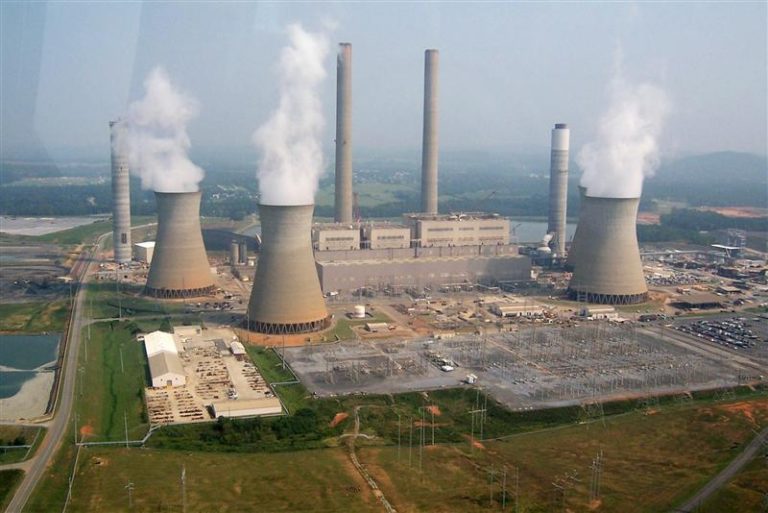
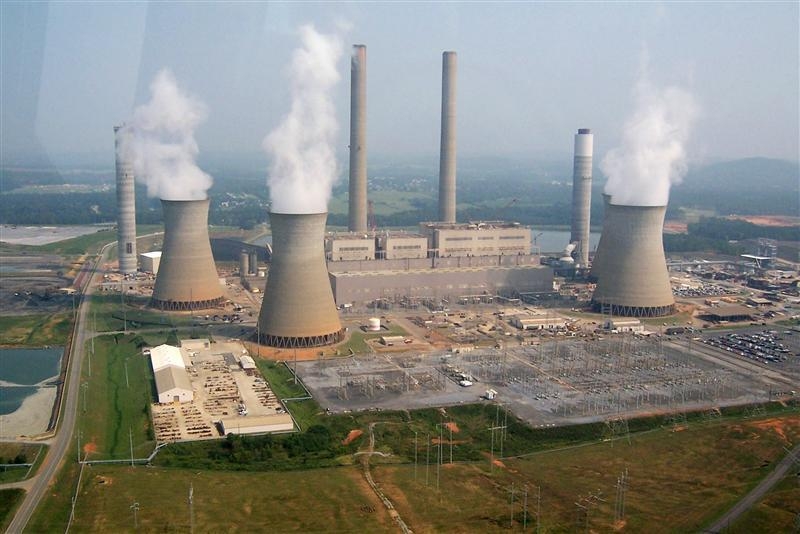
A power plant fired by coal
Michael, the Executive Director, Global Initiative for Food
Security and Ecosystem Preservation, an NGO, gave the advice in an interview
with the News Agency of Nigeria (NAN) in Abuja on Friday, March 1, 2019.
Nationally Determined Contributions (NDCs) are at the heart
of the Paris Agreement on Climate Change and the achievement of these long-term
goals.
NDCs embody efforts by each country to reduce national
emissions and adapt to the impacts of climate change.
The executive director said that the Ministry of Power,
Works and Housing must jettison the idea of coal power generation as “this is
going against the Nationally Determined Contributions.’’
“However, the solution to our energy poverty especially in
rural areas remains through solar and other forms of renewable energy,’’ he
said.
“Global Initiative for Food Security and Ecosystem
Preservation congratulates President Muhammadu Buhari on his victory at the
polls. We also sincerely appreciate the commitment shown so far by Mr President
to the ratification of the Paris Agreement.
“As an organisation that is concerned about the adverse
effects of climate change on our populace, we entreat Mr President to intensify
the implementation strategies and policies of government to achieve the targets
of 2030,’’ Michael said.
He urged government to implement policies that would build
resilience of farmers to respond to climate change challenges by ensuring
climate insurance and climate smart agriculture.
According to him, it should work towards total removal of
fuel subsidy and implementation of a carbon fee and dividend policy in the
country.
Some residents of Abuja have raised alarm over the damage
caused by flooding after the first rainfall on Friday, March 1, 2019.
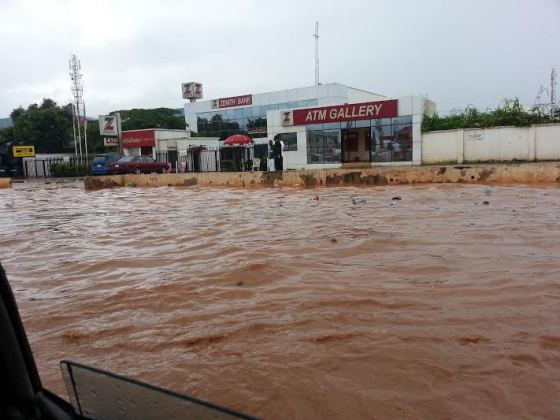
A flooded road in Abuja after a heavy downpour
After the first rainfall in Abuja, some residents of the
Federal Housing (FHA) in Lugbe woke up to find their roads and homes flooded
with their property floating.
A resident, Miss Chika Okeke, who narrated her ordeal, said
that she had been rendered homeless.
“The rain started around 3 a.m. and before I knew, it my
whole house was flooded.
“I was still mopping up the water in the bedroom only for me
to enter the sitting room and the kitchen to find my property floating on
water.
“My property has been destroyed now and I don’t know what to
do.
“The rain caught everybody unawares and all the houses in my
area were affected,’’ she added.
Also, in Lugbe, other residents complained about the poor
maintenance of refuse disposal system in the area thereby blocking the
drainage resulting to flooding.
They called for proper waste disposal system to tackle the
problem when the rainy season fully sets in.
Mrs Chioma Ejekwu, another resident, said, “Everywhere you
look there is waste because people throw rubbish on the roads and in the
drainage.’’
“The rain water then carries the waste into the streets,
blocking people’s paths and drainages.
“We have environmental workers who burn the dumping sites
every two weeks which is too long because the dustbins would have already too
full.’’
Ibrahim Usman, a waste disposal official, said that some
residents, who do not want to pay the waste disposal agency, usually threw the
waste inside drainages.
“Some people still throw their waste anywhere they feel like
and that is the reason we have so much waste on the road after the rains.”
Mr Joshua Ayodele, a civil servant, however called on the
government to institute harsher punishment for those who do not dispose their
waste properly and provide a better waste disposal system.
“If they don’t burn the waste every day, rains will continue
to push it out and people will be stepping on waste as they walk.
“The government needs to provide a proper system for
disposing waste in the area the way it is done in the city centre.
“Those who also dispose of waste indiscriminately should be fined or punished to act as a deterrent to others who want to do the same,’’ he added.
A Sino-U.S. joint research project has enhanced the vision
of mice by using nanotechnology to make them see infrared light and visible
light, which could lead to applications for humans to have infrared vision in
the future.
Infrared vision. Photo credit: National Geographic Society
The research was led by Xue Tian and Bao Jin of the
University of Science and Technology of China and Han Gang of the University of
Massachusetts Medical School.
The results were published in the international science
journal of Cell.
According to Jin, humans and other mammals are limited to
seeing a visible light range, but infrared radiation with wavelengths shorter
or longer than the range of visible light cannot be perceived by human eyes.
The scientists injected nanoparticles into mice’s eyes,
giving them infrared vision for up to 10 weeks, as the nanoparticles can absorb
infrared light and convert it into green coloured visible light.
Jin said the researchers believe they can fine tune the
bio-integrated technology so that it suits human eyes, and the injection
process has little side effects.
The technology can not only generate super vision but also
provide a therapeutic solution in human red colour vision deficits.
Currently, infrared technology relies on detectors and
cameras with outside power sources to obtain infrared images, as people,
animals and objects emit infrared light as they give off heat.
The new nanotechnology has potential application in a number
of fields including security and military operations, according to the
scientists.