

Nigeria is to a host dialogue on mainstreaming climate change adaptation into state development plans, focusing on enhancing climate resilience and fostering private sector participation.
This is contained in a statement issued by Mr. Ibrahim Haruna, the Director of Press, Ministry of Environment, on Friday, May 1, 2026, in Abuja.
He said that the dialogue would also focus on focusing on climate resilience and fostering private sector participation.
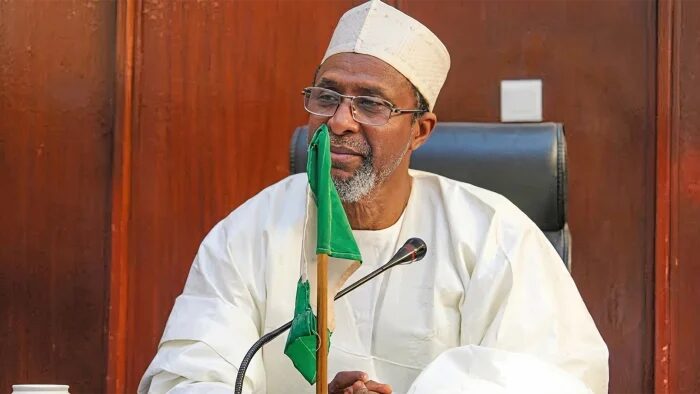
“The Technical Dialogues is scheduled to take place in Abuja, Nigeria, from May 5 to May 7 and is co-hosted by the National Adaptation Plan (NAP) Global Network, Canada and Nigeria, bringing together government representatives from across Africa.
“Participants from Burkina Faso, Cameroon, Central African Republic, Chad, Liberia, Somalia, and South Sudan are taking part in the three-day peer learning event in Abuja.
“The event is focused on strengthening national responses to their unique climate change vulnerabilities and risks and identifying adaptation measures that reduce conflict and actively promote peace.”
According to him, the peer learning event, supported by the NAP Global Network, housed at the International Institute for Sustainable Development (IISD), is unpacking opportunities and challenges on how countries can align their adaptation priorities and actions with peacebuilding frameworks.
“As we grapple with the impacts of climate change, linking adaptation and peacebuilding efforts are high on Nigeria’s climate agenda.”
Also, Dr Iniobong Abiola-Awe, the Director, Department of Climate Change in the Ministry, said that in spite of the challenges, the ministry recognises the urgent need to design conflict-sensitive national adaptation plans.
She added that the plan would align with peacebuilding and development objectives.
“This event represents an opportunity for peer-to-peer learning and exchange to leverage national adaptation plan processes for policy dialogue, trust, and peacebuilding.
“Conflict-affected states and communities, which are acutely vulnerable to the impacts of climate change, might find it challenging to prioritise climate change adaptation while grappling with immediate needs, such as ensuring security, restoring public services, or delivering clean water.
“Inspite of the fragmented responses in conflict-affected settings, several countries are striving to integrate conflict and peacebuilding considerations into adaptation priorities through their NAP processes: a key vehicle to put adaptation at the heart of decision-making.”
Abiola-Awe said that studies have shown that inclusive and effective NAP processes offer an opportunity to integrate conflict dynamics and support peacebuilding objectives into adaptation efforts.
“Many conflict-affected states are also among the most vulnerable to climate change,” she said.
Anne Hammil, the Associate Vice-President for Resilience at the IISD which hosts the NAP Global Network Secretariat, said that the NAP process can help to break this cycle of climate change on conflict-affected states.
“Through this peer learning event, we are aiming to foster open and honest discussions among participants on leveraging the NAP process for peacebuilding.
“The NAP Global Network helps accelerate climate change adaptation efforts around the world by supporting partner countries in advancing their NAP processes.
“Peer learning is a key pillar of the NAP Global Network’s support to countries on NAP processes, and it has engaged more than 1,000 adaptation planners from 84 countries to participate in peer learning.”
The dialogue would include peer learning event with funding from the government of Ireland.
Nigeria’s National Adaptation Plan (NAP) Framework, led by the Federal Ministry of Environment, established a structural, sectoral approach to mitigate climate change impacts across key sectors like agriculture, water and health.
It addresses medium- to long-term adaptation needs, aiming to reduce vulnerability and align with national development goals, such as the Economic Recovery Growth Plan.
By Abigael Joshua