

The Elephant Protection Initiative (EPI Foundation’s Friend of the Month is Dan Yessa, an artist and documentary filmmaker based in Goma, in the eastern Democratic Republic of Congo. His work focuses on telling human and environmental stories through film, art, and immersive media, particularly around conservation, resilience, and the complex realities of living in regions affected by human conflict
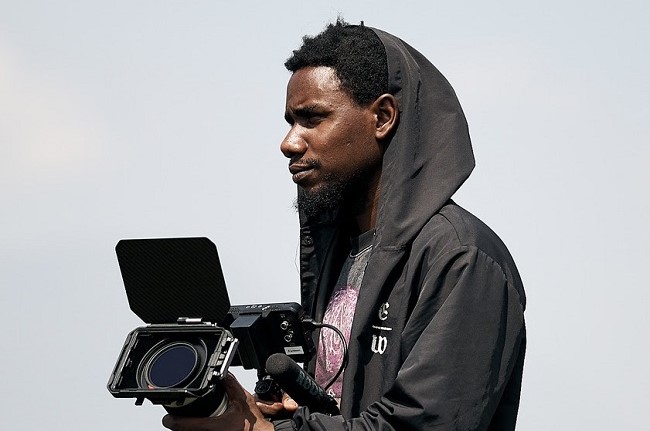
Tell us a bit about how you grew up, especially when your passion for nature and wildlife conservation started.
I grew up in Goma, in a large family where life became challenging quite early, especially after losing both my parents at sixteen. That period forced me to become independent quickly and to explore different creative paths to move forward. Living so close to extraordinary natural landscapes like Virunga National Park, I was always aware of the beauty of our environment, but my deeper connection to nature and wildlife conservation developed later through storytelling.
As I started working in art and then in film, I became more and more interested in the stories of rangers, communities, and animals that are in danger of extinction. That’s when I realised that conservation was not just about protecting wildlife but also about people, resilience, and identity, and that I could use my creative skills to document and amplify those stories.
How did you become involved in conservation?
As an artist and later a filmmaker, I was initially focused on visual creation, but that shifted when I began working on projects that brought me closer to the field, especially around Virunga National Park. Meeting rangers, researchers, and local communities exposed me to the realities behind conservation: the risks, the dedication, and the deep connection between people and nature.
A turning point came when I participated in workshops and collaborations, including those supported by organisations like the Pulitzer Center, which helped me understand the broader environmental and climate context of the stories I was telling. From there, conservation became central to my work. I began making documentaries and visual projects that show how important biodiversity is, the problems that protected areas face, and the people who live there. Today, I see my role as a bridge, using storytelling to connect audiences to conservation issues and inspire engagement, especially among young Africans.
What was the inspiration behind your becoming a co-founder of Congo Youth and Wildlife?
Congo Youth and Wildlife was created to address a critical challenge, giving young Congolese access to conservation stories in order to ignite their interest in protecting the incredible biodiversity of the DRC. We do this by producing content specifically for youth, while also equipping them with the tools, skills, and opportunities to tell their own stories about Congo’s conservation landscape. The goal is to foster a sense of ownership, break the cycle of poaching that has been passed down through generations, and showcase Congolese biodiversity to the world, empowering the next generation to become both storytellers and guardians of their natural heritage.
Do you feel that the media has been winning the battles for the hearts and minds of the communities you work with?
The media has made progress, but I wouldn’t say it’s fully winning the battle yet, especially in the communities I work with. In many cases, conservation messaging still feels distant or abstract compared to the immediate realities people face, like insecurity, unemployment, or access to basic needs. When the media is disconnected from those lived experiences, there is a struggle in resonance.
That said, I’ve seen how powerful media can be when it’s done right, when stories are local, human-centred, and told in a language and format people relate to. In those moments, the media contributes to the communal building of pride, shifting perceptions, and creating a sense of ownership around conservation. We need more stories that come from within the communities themselves, not just about them. That’s where I believe the real impact lies, and that’s the direction I’m committed to pushing through my work.
What about the youth in DRC? Do you feel attitudes towards the environment are changing in your country?
Among the youth in the DRC, I do see a shift happening, but it’s gradual and still fragile. There’s a growing awareness around environmental issues, especially in urban centres like Goma, where young people are increasingly exposed to global conversations on climate change, biodiversity, and sustainability. You now find more youth-led initiatives, creatives, and activists using art, social media, and community projects to speak about the environment in ways that feel relevant to their generation.
However, this change exists alongside very real economic and social pressures. For many young people, survival comes first, so environmental concerns can feel secondary unless they are directly connected to livelihoods or daily life. That’s why the most effective shift in attitudes happens when conservation is framed not just as protection of nature but as an opportunity for employment, innovation, identity, and future stability.
So yes, attitudes are evolving, but the key is to keep making conservation tangible and accessible. If young people can see themselves in the solution, not just as beneficiaries but as actors, then that change becomes much more durable and impactful.
If I were lucky enough to visit the DRC, what would you recommend as sights that have to be seen?
The DRC is a true jewel, with an immense diversity of landscapes and experiences to explore. But if I had to choose one place, one that could profoundly reshape how you see both nature and Congo, I would invite you into the heart of the equatorial forest, somewhere like Salonga National Park.
There, you encounter a level of wilderness that is increasingly rare in the world: vast, intact ecosystems where nature still operates on its own terms. It’s not just about what you see, but also what you feel, stepping into an environment where human presence has barely altered the balance and witnessing how wildlife exists and evolves without outside intervention.