

UN Climate Change’s Regional Collaboration Centres (RCCs) strengthened country-driven climate action in 2025, supporting governments across regions to translate national climate plans into practical actions, according to the newly released RCCs Annual Report 2025.
In 2025, RCCs focused on mitigation, adaptation, carbon markets and carbon pricing, providing tailored technical and advisory support to help countries develop and implement their Nationally Determined Contributions (NDCs), long-term strategies, National Adaptation Plans (NAPs) and Article 6 readiness.
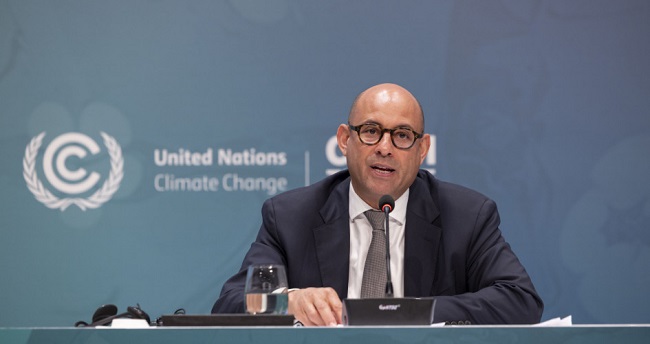
“In the era of implementation, RCCs are essential across all of UN Climate Change’s core mandates, whether as convenor bringing more partners together, as custodian of the Paris Agreement, or as catalysts supporting governments and others to boost their climate actions,” said Simon Stiell, Executive Secretary of UN Climate Change. “RCCs are supporting countries in every region to realize their climate ambitions and bring the immense benefits of climate action to many millions of people across the globe.”
“In 2025 they sharpened their offer, focusing on nations’ individual needs and priorities,” added Stiell. “And they’ll continue that approach in the coming year, as they work with countries to turn plans into projects and secure finance. In doing so, RCCs are helping connect the COP process to stronger real-world outcomes at local, national and regional levels.”
RCCs directly supported 83 countries across six regions in 2025, delivering technical assistance, convening partners, and strengthening institutional capacity. Throughout the year, they contributed to global events, including Climate Weeks and NDC Clinics, regional technical dialogues, and national workshops, helping connect global negotiations with country-level implementation.
The report also highlights RCCs’ growing role in supporting access to finance, strengthening coordination across the UN system, and facilitating collaboration with development banks, regional organizations, and private sector partners to accelerate delivery of climate action.
The report highlights a shift from broad regional engagement to a more targeted, country-driven support, informed by a comprehensive needs assessment conducted throughout the year.
The report notes that the RCCs are a bridge between global climate agreements and real-world implementation, underscoring their support in building national capacity, coordinating stakeholders, and supporting countries in turning commitments into projects and investment-ready pipelines.
Looking ahead, RCCs will continue to prioritize implementation support in 2026, with a strong focus on helping countries turn NDCs and NAPs into investable projects, improving access to climate finance, and strengthening capacity for countries to participate fully in UNFCCC processes.
Operating in partnership with regional host institutions, the RCCs support 143 countries across six regions, providing capacity-building, technical, policy and coordination support, aligned with UN Climate Change mandates.