Country Coordinator, Ecological Organic Agriculture (EOA), Dr Olugbenga Adeoluwa, says the EOA is collaborating with stakeholders for effective development of the value chain for organic produce.
Minister of Agriculture and Rural Development, Chief Audu Ogbeh
Adeoluwa, who said this on Friday, June 1, 2018 in Abuja, pointed out said that the EOA, in conjunction with the Association of Organic Agriculture Practitioners of Nigeria, would organise the 2018 National Organic Agriculture Business Summit (NAOBS) to create more awareness on organic farming systems.
“The summit at Lagos Airport Hotel, which starts on July 10 and ends on July 13, will serve as a platform for organic agriculture farmers, consumers and interested members of the public to exchange ideas and services for job creation.
“The value chain strategy will strengthen enterprises, business relationships, services, market structures and the business environment, so that they can channel more benefits to the poor, while creating more and better jobs for the people,’’ he said.
Adeoluwa said that the summit would address issues pertaining to retailing networks, quality control, value chain development and appropriate packaging for agricultural produce.
He, however, underscored the need to promote organic agriculture, right from primary schools to higher institutions of learning, so as improve the health of the people and the environment.
“We will continue to work with schools, hotels, health givers, tourism practitioners and other stakeholders to make Nigerians live healthy life,’’ he said.
Adeoluwa urged Nigerian farmers to embrace organic farming to enable them to reap all the advantages of the farming system.
“Some of the benefits include improved health and nutrition. Organic farming causes little damage to the environment and less costs for the society, while reducing loss of micronutrients in soils as well as erosion.
“Organic farming facilitates better water management, low use of non-renewable resources, safer working conditions and less risk of contamination.
“It makes efficient use of solar energy; it promotes production of biological systems, maintains and improves soil fertility, while maximising re-circulation of plant nutrients and organic matter,’’ he said.
Adeoluwa said that the products of organic farming were all appropriately guided by organic standards.
“Pure organic farming practice maintains its standards by the use of microbial preparations for pest management, as well as the use of high-yielding but disease-resistant breeds of crops and animals,’’ he added.
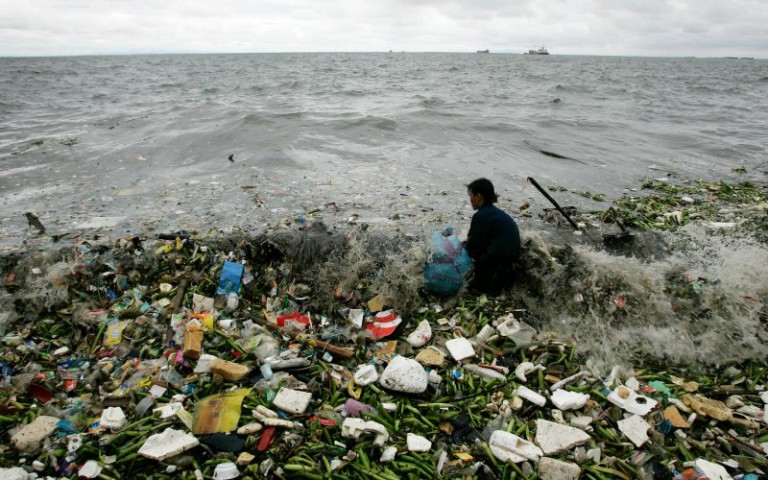
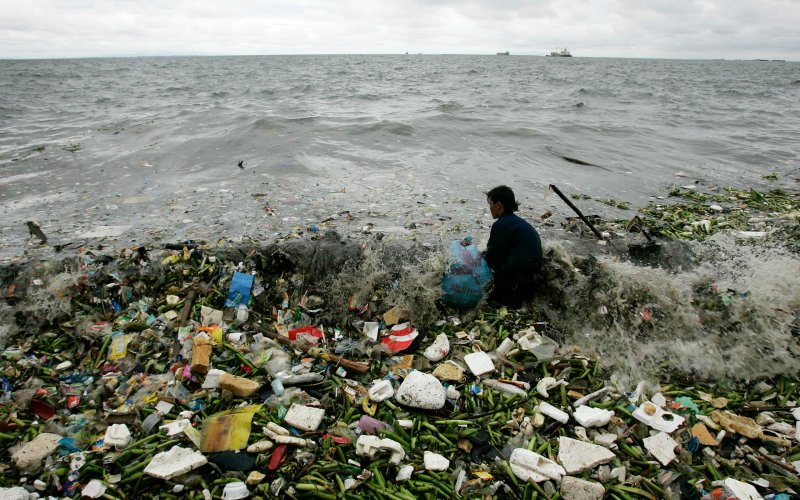
Some environmentalists have called for action against plastic pollution ahead of the commemoration of the 2018 United Nations (UN) World Environmental Day (WED) on June 5.
A water body littered with plastic and other waste product. Photo credit: Cheryl Ravelo/Reuters
The environmentalists, in separate interviews in Lagos and Abuja, advocated the importance of recycling of plastic products to create wealth and protect the environment.
The WED, which began in 1974, is a day set aside by the UN to encourage worldwide awareness and action for the protection of the environment.
Mr Gafar Odubote of Let’s Do It Nigeria, a non-governmental organisation (NGO), said environmentalists in Nigeria would commemorate the day by taking a stand against single plastic use.
“Let’s Do it Nigeria and partners are taking a stand against single-use plastic with series of campaigns all over Nigeria to commemorate the UN World Environment Day holding June 5 with the theme: #BeatPlasticPollution.
“WED will be an opportunity to further emphasise the need to bring people’s attention to the increasing rate of plastic pollution in Nigeria,” said Odubote.
According to him, WED had often served as an opportunity to task the Federal Government on the need to enact policies and laws to fight plastic pollution.
“World Environment Day is a call to action for all of us to come together to combat one of the great environmental challenges of our time.
“While many countries around the world have already banned plastic bags and bottles, Nigeria is yet to do anything about its usage, which is growing uncontrollably in the cities.
“People discard plastic water bottles and shopping bags indiscriminately because the government is yet to address the issue with a proper institutional framework and infrastructure required,” Odubote noted.
He said the harm caused by plastic pollution was enormous and capable of causing negative impacts on the nation’s environment in the nearest future.
“In Nigeria, water sachets and pet bottles are not properly disposed. The plastic ends up in drainages, landfills and oceans with only a few recycled.
“The manufacturers keep producing plastics without a robust plan for recycling; the people’s lifestyle and consumption patterns further escalate the uncontrollable spread of single-use plastics.
“The world is currently at the risk of losing both its land and oceans to plastic,” Odubote warned.
Also, Ms Gloria Bulus, the founder of “Bridge that Gap Initiative,” an advocacy group said WED would help sensitise Nigerians against plastic pollution.
He said, “Enough emphasis has not been placed on WED. Nigerians need to understand how important our environment is to us, and the future generation.
“We need more environmental advocates and publicity to sensitise Nigerians on the adverse effect of plastic pollution,” explained Bulus.
She stated that WED would also build awareness on the immense benefits of recycling.
“Asides sensitisation and awareness, we want people to understand the importance of reuse and recycling in Nigeria and how they can create wealth from recycling.
“We want Nigerians to come up with solutions to beat plastic pollution and not rely on government for solutions,” she said.
An environmentalist, Mr Richard Inyamkume, called on the government and other stakeholders to intensify campaign to change public attitude and behaviour towards the use and disposal of plastics.
Inyamkume, the Senior Programme Officer, Climate Change Mitigation and Adaptation Initiative (CCMAI), said: “There are many ways of addressing environmental issues of this nature. One way is to raise advocacy that will change public attitudes and behaviour towards the use and disposal of plastics.”
Inyamkume said that other methods of tackling the environmental issue involved public activism and legislation.
“I believe in change of attitude as it can increase public consciousness about the impact of plastics on the environment, while prompting alternative considerations for the use of plastics in the country.
“A campaign against improper plastic waste disposal can begin in the home setting before going into the streets; it should make high impact and encourage plastics reuse, recycling and substitution,’’ he said.
Inyamkume, however, underscored the need for the citizens to understand their specific roles in the campaign for a plastics-free environment, adding that they should also be encouraged to organise regular community cleanup activities to clear plastic waste.
“Besides, government and policymakers ought to review national legislation and policies so as to discourage the production of single-use disposable plastic materials, while encouraging the production and importation of environmentally friendly products.
“The 2018 World Environmental Day will somewhat be celebrated in a unique way, as it sets to address plastic pollution which has been a serious environmental concern, among other issues.
“Plastic pollution occurs where plastic materials are indiscriminately dumped in an area in such a way that it begins to impact negatively on the ecosystem,’’ he said.
He said that the global community was planning to achieve clean, sustainable and pollution-free cities by 2030 and as such, efforts were underway to address plastic pollution.
“In Nigeria, plastic pollution has increased over time due to the proliferation of plastics producing factories and a corresponding increase in the demand for plastic materials by the public.
“These increases have come with attendant environmental consequences such as plastic pollution, mostly in urban and commercial areas, and there has not been enough public awareness or sensitisation on the proper methods of disposing plastics.
“What usually constitutes plastic pollution includes but is not limited to single-use plastics. These are plastic bags, water bottles, straws, cups, utensils, dry cleaning bags, take-away containers or disposable plastic materials,’’ he said.
The environmentalist said that if not properly managed, plastic waste could affect life on land and in oceans or rivers.
“As a concerned environmentalist, I think there is need for concerted efforts to address plastic pollution globally,’’ he said.
Inyamkume said that Nigeria should to join the global crusade to end plastic pollution because of its hazards to the environment.
Mr John Ekoko, the former Chairman of the Lagos Island chapter of Nigerian Environmental Society, called for increased research on biodegradable materials to replace plastic packaging materials.
Ekoko stressed that plastic materials were not biodegradable and they were, therefore, not environmental friendly.
“The 2018 World Environment Day is creating awareness of the environmental pollution caused by plastics and the need to curb the menace.
“This requires the involvement of all tiers of government, organisations manufacturing plastics products and related materials as well as individuals — the end users of the products.
“The government should champion the gradual phase-out of the use of plastics materials for product packaging by organisations.
“It should also encourage the recycling of plastic products, while ensuring that the citizens imbibe proper ways of disposing plastic packages,” he said.
Ekoko noted that there was a lot of plastic pollution going on across the world, as plastic waste often competed for space in oceans and on land.
He said that the plastics had some harmful micro-organisms which could contaminate underground water, adding that whenever people drank the contaminated water, they were prone to contracting water-borne diseases.
The environmentalist said that many big firms had now resorted to using paper products as alternative packaging materials, adding that other companies should be made to emulate such firms.
Ekoko said that the government should also regulate the use of plastics for product packaging, while promoting the use of biodegradable materials as an alternative.
By Mercy Okhiade, Chidinma Agu and By Deji Abdulwahab
In commemoration of the World Environment Day and the World Oceans Day 2018, Nnimmo Bassey, Director, Health of Mother Earth Foundation (HOMEF), describes the plastic pollution menace as a haunting reminder of the harm that mankind is doing to the environment
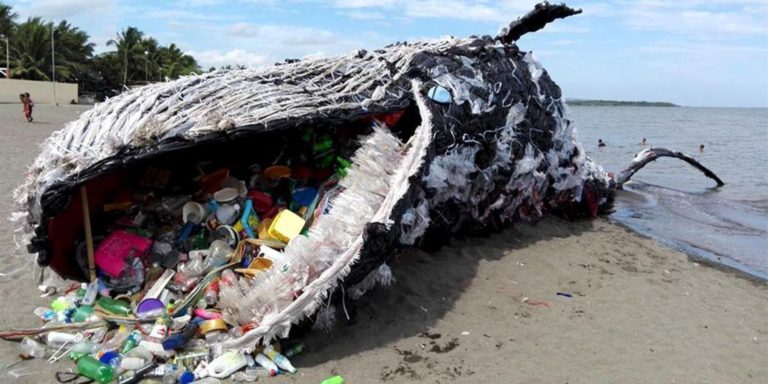
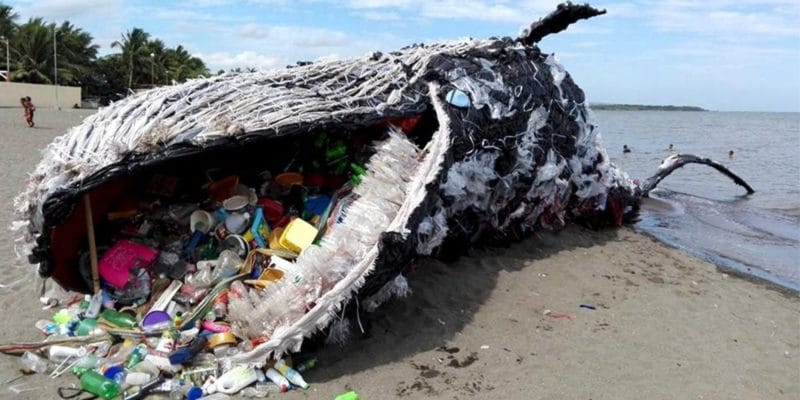
The giant “Dead Whale” is a reminder of the massive plastic Pollution Problem
It was a surreal feeling for me to literally step into the belly of a whale in December 2017. It was an unforgettable experience, to say the least. One could not but imagine what would have been the fate of biblical Jonah if he had found himself in the belly of a whale like the one I encountered.
My encounter was with a Cuvier’s beaked whale. An adult male Cuvier’s beaked whale can weigh up to 3,000 kilogrammes and measure 5 to 7 metres in length. These whales usually have just two visible teeth at the tip of their short beak. Lacking much in terms of teeth, they feed by suction. They hunt by echolocation and can be injured or confused by noises generated by humans, including noise from seismic exploration for fossil fuel resources.
Encountering them is not easy, so Jonah would probably not have been given a hike by this specie. Why? They live where there is no light, at about 2,000 metres way down in the ocean. Plus, they feed on fish, crustaceans and mostly deep-sea squid. This appetite for squid may be one of the key problems that modern man now poses to these deep-sea creatures.
Scientists suspect that the Cuvier’s beaked whales get attracted to floating plastics, mistaking them for squids or ingest them while hunting for other species that may seek hiding places in floating plastics materials. Plastics in the seas are a huge threat to the Cuvier whales and other sea creatures.
Ending a Plastic Civilisation
The World Environment Day 2018 presents a challenge and an instigation. The theme, “Beat Plastic Pollution”, challenges us to take action and the notion that plastics pollution can be beaten should inspire actions. The World Oceans Day equally urges action against plastic pollution.
Beating plastics pollution is a huge challenge when we consider the perverse culture of current disposable economy. Fifty percent of plastics in use are disposable or single-use type. Globally, we buy one million plastic bottles every minute and use up to 5 trillion plastic bags every year. The least anyone can do is to pause and think before grabbing that plastic bottle of so-called soft drinks. We should learn to refuse plastics and not just aim to reduce, reuse or recycle them. It is time to tackle this menace at source. Packaging is said to account for 40 percent of all plastics in use. It is time to terminate this plastic civilisation.
Sadly, many folks think that the story of their plastic bags or wraps end once they toss them into the trash bin. In a bid to appear hygienic, we cover or wrap foods with plastics – in both restaurants and homes. However, plastics out of sight are not plastics out of life. Tons of these materials end up in the gutters, rivers and the oceans. Some 15 tons of plastics are said to end up in the ocean every minute with more than 8 million tons being dumped into the oceans every year. An incredible 1 million seabirds and 100,000 marine mammals lose their lives to plastic pollution every year.
Reports by Ocean Conservancy suggest that there will be more plastics than fish in the oceans by 2050. Already, plastics have been found in over 60 percent of all seabirds and in all sea turtles species that mistake plastic for food. We must beat plastics, for our survival and for the survival of other species. We need fish, not plastics.
Floating on the waves
It is interesting when we consider how long it takes for some of the plastics that end up in the oceans to decompose. Tissue papers decompose in two to four weeks. Cigarettes decompose in five years. The plastic cups in which coffee is served at cafes and fast food shops float around for 50 years. Plastic bottles will swirl about for 450 years. And, wait for it, the plastic in baby diapers will equally hang around for 450 years – long after the babies who wore them would have become ancestors. Even the balloons that are used as decorative items – when released to float around for a few minutes or hours end up taking years to degrade in the oceans and water ways.
And, so, there was I in the belly of the Plastic Whale Museum, a museum set up at the University of Bergen, Norway, to serve as a poignant reminder of the harm that plastics pose to our oceans and to marine life in particular. This museum hosts displays of the plastics recovered from the belly of the whale that was stranded on the Sotra Island, west of Bergen, on 28th January 2017. The whale had more than 30 plastic bags and a large quantity of microplastics in its belly.
As we gathered in the museum to discuss plastics, oil pollution and the threat to our communities as well as to marine ecosystems, the plastic backdrop was a haunting reminder of the harm that we are doing to our environment. When we eat fish that feeds on plastics, it is reasonable to say that we are actually eating plastics.
On that day, I ended my talk with a rendition of my poem: We Thought it Was Oil, but It Was Blood. Perhaps I should have changed that to read: We Thought it Was Fish, but It Was Plastic. We simply have to beat plastic pollution.
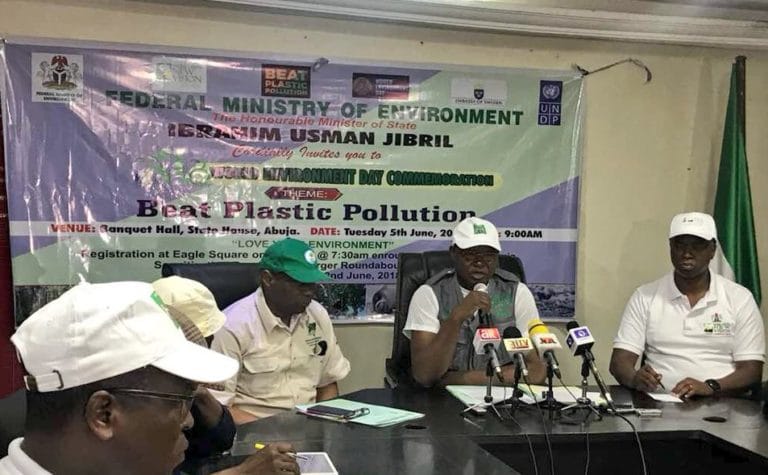
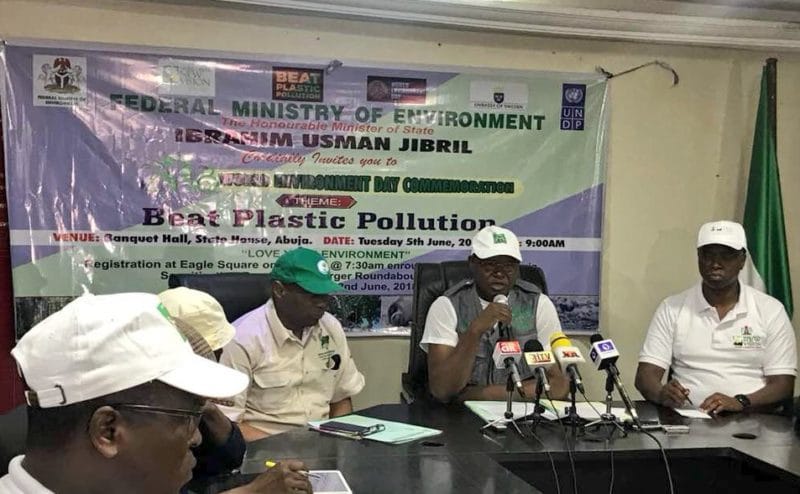
The Minister of State for Environment, Alhaji Ibrahim Jibril, says the Federal Government is working on a national policy on plastic waste management to regulate use and disposal of plastic waste in the country.
Minister of State for Environment, Alhaji Ibrahim Jibril, briefing the press
Jibril made the announcement on Saturday, May 2, 2018 in Abuja at a news conference to begin the commemoration of the 2018 World Environment Day (WED), to be celebrated on Tuesday, June 5.
The theme of this year’s celebration is “Beat Plastic Pollution’’.
The minister said that the present administration attached much importance to the development of the environment.
“It is for this reason that this year’s WED celebration main event of June 5 will be personally graced by Vice-President Yemi Osinbajo as the special guest of honour,” he said.
The minister said that the Federal Ministry of Environment, in collaboration with critical stakeholders, had developed a national strategy for the phase-out of plastics, which are non-bio gradable.
According to him, the ministry is also developing a national plastic waste recycling programme, as well as establishing plastic waste recycling plants across the country in partnership with state governments.
“At present, a total of eight plants have already been completed and handed over to the states while 18 others are at various stages of completion.
“In addition, the Federal Government is also collaborating with State Governments to establish plastic waste recycling plants under the community-based waste management programme in the ministry.
“Therefore, two plants have been completed in Ilorin, Kwara State, one in Lokoja, Kogi State, while work on another is ongoing in Karu Local Government Area of Nasarawa State.’’
He listed other locations of the plants as Bola Jari in Gombe State and Leda Jari in Kano State.
Jibril said the establishment of the plants would assist to turn waste to wealth and ensure the sustainability of the environment.
The minister solicited the support of the media to educate Nigerians on the effects of plastic pollution and the need to reduce, reuse and recycle plastics.
He said that the Federal Government had rolled out a timetable for the Ogoniland clean-up, adding that 140 out of the over 400 contractors that bided for the clean-up were pre-qualified.
“We have developed a robust programme for Ogoniland clean-up. We have rolled out the time table.
“We are hoping that by the end of August and early September, we would have finished all the procurement processes for contractors to move to site and start the actual remediation and cleaning exercise.
“The advertisement was done in April. We had more than 400 contractors who indicated interest.
“The preliminary figure is giving out a figure of about 140 contractors that are pre-qualified. These are the ones that when we finally get the figure, we will give them or invite them to submit their financial base.’’
The minister noted that the process would be continuing throughout the months of June and July.
He expressed hope that by August, it should be able to get to the Federal Executive Council for approval for any remediation consultancy that would be awarded.
According to him, development partners and joint venture oil companies are now at the last stage of populating their accounts with funds that will be used for the cleaning.
“So, we are on track and we expect to do what we can within the framework of what we are doing now.
“I am glad to announce that we were awarded a prize in UK for our initiative on the Green Bond. This is the first green bond to be issued in Africa.
“We are making moves to list it in the Nigerian Stock Exchange and in a couple of weeks, it will be listed.
“The implication of this listing is that people, who are not privileged at the first issuance in December, 2017 can now go through third party and access the bond and trade in it.
“This means that there is investors’ confidence with what we are doing,’’ Jibril added.
The UN Environment (UNEP) on Sunday, June 3, 2018 designated actor and singer, Aidan Gallagher, as a Goodwill Ambassador for North America at the Ocean Heroes Bootcamp youth summit being held in New Orleans in the lead up to World Environment Day on June 5.
Aidan Gallagher
At only 14, Gallagher is said to be the youngest Goodwill Ambassador ever to be designated in the United Nations system. Besides his work as an actor and singer-musician starring in Netflix’s highly anticipated series The Umbrella Academy, Aidan has long been an environmental activist.
Gallagher was nominated for two Kid’s Choice Awards, Favorite Male TV Star (2016, 2017) for his starring role as “Nicky” on Nickelodeon’s Emmy-winning comedy hit Nicky, Ricky, Dicky and Dawn. Airing in 110 countries, to 900 million viewers, the show was nominated for two Kid’s Choice Awards, Favorite TV Show, Kids (2015, 2017).
“Aidan has been an important voice for change and what it means to be environmentally conscious and active. By inspiring others, he’s a great example of what can be achieved when young people are engaged, and how young people need to make their voices heard,” said Erik Solheim, the UN Environment Executive Director.
“I believe that if today’s youth work together raising our collective voice, we can effect the positive environmental change that Planet Earth needs so desperately. I am committed to lending my voice and participating in action campaigns to support the UN Sustainable Development Goals that must be achieved by 2030. I hope to be a source of change and inspiration to my peers, empowering them to reach out and take action that will ensure the healthy survival of all of our species and ecosystems,” said Gallagher.
Gallagher’s goal is to use his celebrity status, and true passion for the cause, to help save the world’s oceans and species by raising awareness of critical environmental issues.
He is also a youth advocate for The Waterkeeper Alliance, WildAid, Oceanic Preservation Society (OPS) and Vulcan Productions.
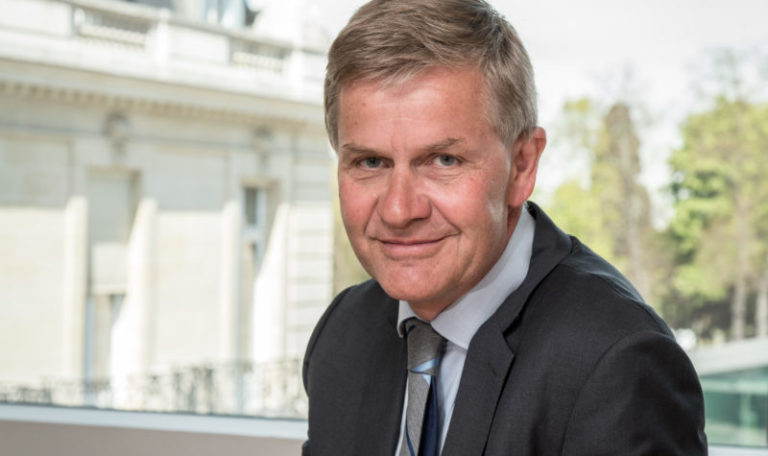
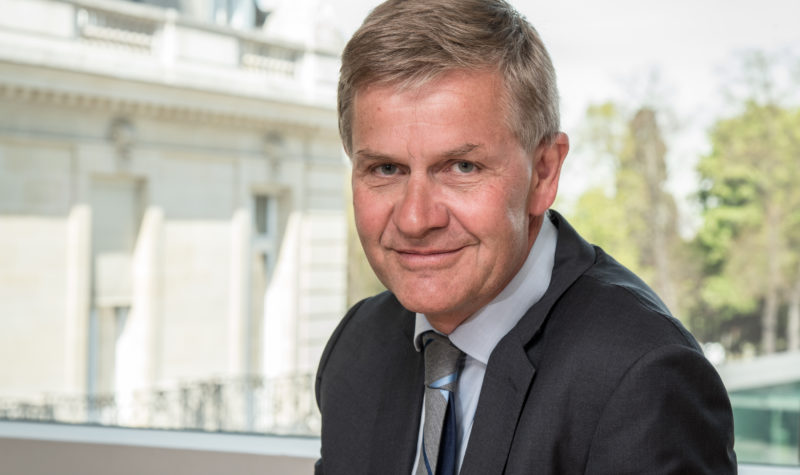
Executive Director, UN Environment (UNEP), Eric Solheim, has urged governments to mobilise citizens to beat plastic pollution by avoiding, replacing, and recycling plastic products.
Erik Solheim, Executive Director of the UNations Environment (UNEP). Photo credit: OECD/Michael Dean
Solheim made the submission during the opening of the First Meeting of the Ad Hoc Open-ended Expert Group on Marine Litter and Microplastics that held from May 29 to 31, 2018 in Nairobi, Kenya.
He underlined the importance of the statement: “Beat Plastic Pollution”, which is the theme of 2018 World Environment Day that will be observed on Tuesday, June 5.
Mette Løyche Wilkie, Director, UNEP Ecosystems Division, emphasised that robust international cooperation is required to tackle marine litter, even as he outlined progress made in managing marine plastic pollution, including the Global Programme of Action for the Protection of the Marine Environment from Land-based Activities (GPA).and its Global Programme on Marine Litter; and SDG Target 14.1 to, by 2025, prevent and significantly reduce marine pollution of all kinds, which includes marine litter.
Geoffrey Wahungu, National Environment Management Authority, Kenya, shared the country’s experiences in instituting and implementing the ban on plastic carrier bags. He highlighted several challenges including resistance by manufacturers, and pointed to potential further action on plastic bottles.
Ad Hoc Open-ended Expert Group on Marine Litter and Microplastics meeting was preceded by a preparatory meeting of major groups and stakeholders. Some 270 delegates attended the meeting, representing governments, non-governmental organisations, academia and intergovernmental organisations.
At this meeting, delegates:
exchanged views on the barriers to combatting marine litter and microplastics, discussing the need to prioritise the most significant barriers;
considered the work of existing mechanisms addressing this issue, including a new global governance structure;
examined the feasibility and effectiveness of response options in the short-, medium, and long-term,; and
agreed to hold a second meeting in November 2018.
They agreed to finalise the Co-Chairs’ summary, the main output of the meeting, within two weeks of the closure of this first meeting in order to allow delegations to provide meaningful feedback.
Delegates also exchanged views on the structure, topics for, and date and venue of the second meeting of the Expert Group, with some discussion on whether to hold the meeting in Geneva to facilitate greater input from organisations conducting work related to marine litter and microplastics.
The meeting concluded on the understanding that the meeting report, including the Co-Chairs summary, would provide further guidance on the next steps for the Expert Group.
The Ad Hoc Open-ended Expert Group was established in 2017 under resolution 3/7 of the third UN Environment Assembly (UNEA 3) on marine litter and microplastics. The resolution recalled two previous UNEA resolutions on marine plastic debris and microplastics (1/6) and marine plastic litter and microplastics (2/11), and mandated the Expert Group to meet not more than twice before the next UNEA in order to:
explore all barriers to combating marine litter and microplastics, including challenges related to resources in developing countries;
identify the range of national, regional and international response options, including actions and innovative approaches, and voluntary and legally binding governance strategies and approaches;
identify environmental, social and economic costs and benefits of different response options;
examine the feasibility and effectiveness of different response options; and
identify potential options for continued work for consideration by UNEA.
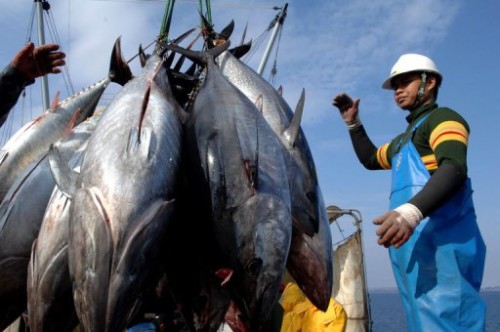
As the world observes the World Environment Day on Tuesday, June 5, 2018, the UN is also beaming the touch same day on illegal fishing as it commemorates the International Day for the Fight against Illegal, Unreported and Unregulated Fishing.
Fishing
Fisheries provide a vital source of food, employment, recreation, trade and economic well-being for people throughout the world. In a world of growing population and persistent hunger, fish has emerged as an important commodity for the achievement of food security. However, efforts by the international community to ensure the sustainability of fisheries are being seriously compromised by illegal, unreported and unregulated fishing activities.
According to the UN Food and Agriculture Organisation (FAO) illegal, unreported and unregulated fishing activities are responsible for the loss of 11 to 26 million tonnes of fish each year, which is estimated to have an economic value of US$10 to 23 billion.
To curtail this impact, Target 4 of Goal 14 of the Sustainable Development Agenda adopted in 2015 by the UN General Assembly, specifically urges the international community to “effectively regulate harvesting and end overfishing, illegal, unreported and unregulated fishing and destructive fishing practices” by 2020.
Meeting the ambitious target, says the UN, requires strong awareness-raising efforts to draw the attention of the general public to the negative impacts of illegal, unreported and unregulated fishing activities, an activity in which FAO has been actively engaged.
To promote long-term conservation and sustainable use of fisheries resources, the 1995 FAO Conference adopted the FAO Code of Conduct for Responsible Fisheries. The Code is voluntary and sets out principles and international standards of behaviour for responsible practices with a view to ensuring the effective conservation, management and development of living aquatic resources, with due respect for the ecosystem and biodiversity.
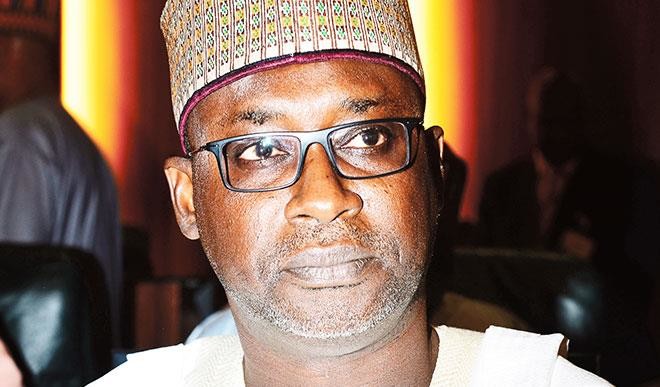
The Minister of Water Resources, Mr Suleiman Adamu, has expressed concern over the delay by state governments in keying into completed dam projects by the Federal Government towards improving water supply in the country.
Suleiman Adamu, Minister of Water Resources
Adamu told the News Agency of Nigeria (NAN) in Abuja, that it was sad to note that previous collaborative efforts between the federal and states government had failed to work.
According to him, it is expected that when the federal government constructs dams to impound bulk water, the states would key in, to construct treatment plants and conveyances pipelines to distribute the water to the end users.
“From the visits, I made to numerous states, I have seen colossal waste of resources through such efforts, one of the major challenges is that many of the states are not keying into the completed dam projects.
“Many water supply facilities constructed by the federal government that are supposed to be complemented with construction of transmission and distribution networks have been left unattended to in many states.
“This is another cause for concern as it is either that the states are not serious on provision of potable water to the people, or that the model simply needed to be reworked,” he said.
Adamu said it was the obligation of all citizens to lay emphasis on the obvious fact that water is one of the world’s most valuable resources, saying it is a basic necessity of life for both plants and animals.
He said the demand for water in national development is astronomically increasing due to rapid population growth and urbanisation, adding that human beings cannot survive without water as the body is made up of about 70 percent water.
“Water, as we all know is very important for the attainment of national food security, hydropower generation, domestic and industrial use.
“The availability of a reliable and clean supply of water is one of the most important determinants of our health,” he said.
Adamu, while quoting a World Health Organisation (WHO) report said water borne diseases represented a major burden to human health.
He said the present administration, placed high premium on the provision of water and sanitation to the citizens in an affordable and sustainable manner, towards the attainment of Sustainable Development Goal (SDG) number six.
Speaking on the Kashimbilla Dam Project, Mr Lawal Muhammad, the Acting Director, Dams and Reservoir Operations in the ministry, said the delay in the connection of power transmission lines to the national grid was responsible for non-completion of the multipurpose dam in Taraba.
Muhammad said the dam and the power generating components of the project had been completed.
He said the outstanding aspect of the project was the erection of power transmission lines that would convey electricity to the national grid.
Muhammad, however, said that this is the responsibility of the Federal Ministry of Power, Works, and Housing.
He said work on water supply component of the dam had gone far, while work on the reticulation network had also reached an advanced stage.
A new report from the World Health Organisation (WHO) Independent High-Level Commission on Non- Communicable Diseases (NCDs) has called for urgent action by political leaders to address chronic diseases and mental disorder.
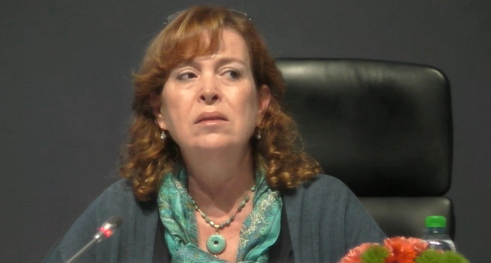
Dr Nedret Emiroglu, Director of the Division of Health Emergencies and Communicable Diseases at WHO/Europe
The report, released by the organisation on Saturday, June 2, 2018, said only political commitment at all levels and immediate scaling up of actions can address the epidemic of NCDs, the world’s leading causes of death and ill health.
It said that, collectively, cancer, diabetes, lung and heart diseases kill 41 million people annually accounting for 71 per cent of all deaths globally.
According to the report, 15 million of these deaths occur among people between the ages of 30 and 70 years.
It therefore urged world leaders to redouble efforts at meeting the Sustainable Development Goals (SDGs) target 3.4, which is to reduce premature deaths from NCDs by one-third and promote mental health and well-being by 2030.
The report said that progress can only be accelerated to achieve this target when financing for NCDs was increased and stakeholders held responsible for delivering on their promises.
“Despite the many proven interventions and commitment to combat NCDs, progress has been slow and uneven globally.
“The NCDs epidemic has exploded in low and middle-income countries over the last two decades therefore we need to move quickly to save lives, prevent needless suffering and keep the fragile health system from collapsing.
“Preserving and improving people’s quality of life is a way of enhancing human dignity in order to make progress in economic growth, social justice and human coexistence.
“The commission is therefore making the following six recommendations: Heads of State and Government should take responsibility for the NCD agenda rather than delegating it to ministers of health alone as it requires collaboration and cooperation across many sectors.
“Governments should identify and implement a specific set of priorities within the overall NCD and mental health agenda based on public health needs.
“Governments should reorient health systems to include NCDs prevention and control, and mental health services in their Universal Health Coverage (UHC) policies and plans.
“Governments should increase effective regulation, appropriate engagement with the private sector, academia, civil society and communities.”
The commission also recommended that governments and the international community develop a new economic paradigm for funding actions on NCDs and mental health.
It recommended that governments strengthen accountability to their citizens for action on NCDs and simplify existing international accountability mechanisms.
The commission reiterated that fulfilling the promise of UHC to ensure all people everywhere could access quality health services without suffering financial hardship was one of WHO’s top priorities.
It said that the report would therefore help guide countries as they make progress towards health for all and tackle both NCDs and infectious killers.
The commission was convened by the WHO Director-General, Dr Tedros Ghebreyesus, in October 2017, to advise him on how countries can accelerate progress towards achieving SDG target 3.4.
The commission’s Co-chairs include the Presidents of Finland, Sri Lanka and Uruguay, Minister of Healthcare of the Russian Federation and Dr Sania Nishtar, a former Minister of Health from Pakistan who is also a leading NCDs expert and advocate.
The commission also comprises other health and development leaders from governments, civil society and the private sector.
NCDs include cardiovascular diseases, cancer, diabetes, chronic respiratory diseases and mental disorders.
Tobacco use, physical inactivity, harmful use of alcohol, unhealthy diets and air pollution all increase the risk of dying from NCDs.
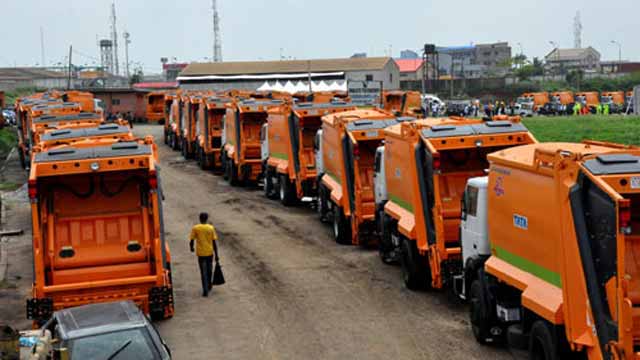
The Lagos State Government says it is prepared to sanction owners of broken down waste compactors, which usually cause delay at dumpsites.
Waste compactors
The state Commissioner for the Environment, Mr Babatunde Durosinmi-Etti, gave the warning in a statement on Saturday, June 2, 2018 after he paid what seemed like an unscheduled visit to the Soulus Dumpsite.
Durosinmi-Etti said that such vehicles would be made to go through re-certification process before they could use any dumpsite in the state.
He decried a situation in which compactors broke down incessantly at dumpsites, causing unnecessary delay and loss of man-hour.
The commissioner said that such inefficiency was capable of bringing hardship to Lagos residents and jeopardise government efforts to achieve a cleaner and sustainable environment.
He urged all waste collection operators to put their compactors in order.
“Owners of dysfunctional compactors will no longer be allowed to dump refuse at dumpsites across Lagos State until they put their vehicles in order.
“They will have to obtain government recertification, to avoid delay at dumpsites,” Durosinmi-Etti said.
He said that the same measures would be applied to owners of waste compactors left aimlessly on the roads.
The commissioner said that compactors left indiscriminately on the roads, road medians or street corners would be treated as abandoned vehicles.
He said that such vehicles would be handed over to the Lagos State Abandoned Vehicles Committee, if the owners would not repair and remove them from the roads fast.
According to him, all waste collection operators should ascertain the condition of their compactors and effect repairs where necessary.
“They should ensure removal of unserviceable ones from the points of their abandonment within two weeks to avoid stringent measures from the government.
“It is in the good interest of the state that more waste compactors are functional to ease movement in and out of dumpsites.
“This will improve the turn-around time of compactors to boost the achievement of a cleaner, healthier and sustainable environment,” he said.