The Women in Energy Network (WIEN), an advocate for gender balance in energy sector leadership, has commended President Bola Ahmed Tinubu for appointing Oritsemeyiwa Eyesan as Chief Executive of the Nigerian Upstream Petroleum Regulatory Commission (NUPRC).
In a statement congratulating Eyesan, WIEN President, Mrs. Eyono Fatayi-Williams, said the appointment is both inspiring and historic, noting that it aligns with the organisation’s mission to advance female leadership and expand opportunities for women across the energy value chain.
She described the appointment as a strong signal of inclusive and forward-looking leadership, stressing that Eyesan’s professional credentials and track record make her well suited for the role.
Mrs. Oritsemeyiwa Amanorisewo Eyesan
WIEN noted that Eyesan is the first woman in Nigeria’s history to lead the country’s upstream petroleum regulatory agency, calling the development a significant milestone for gender representation in the energy sector.
Eyesan is an Economics graduate of the University of Benin (UNIBEN) with over three decades of experience at the Nigerian National Petroleum Company (NNPC) and its subsidiaries. She retired in November 2024 after serving as Executive Vice President, Upstream, where she provided strategic oversight of Nigeria’s upstream petroleum operations.
Her career spans key leadership roles including Chief Strategy and Sustainability Officer and Group General Manager, Corporate Planning and Strategy. In these positions, she led the development of NNPC Limited’s Sustainability Framework, strengthened financial discipline, improved cost efficiency, guided mergers and acquisitions policy, and coordinated long-term corporate strategy, budgeting, and capital allocation. She also played a central role in engaging government institutions on capital budgets and national development plans.
One of her notable achievements was leading the commercial dispute resolution of the Escravos Gas-to-Liquid (EGTL) project, which resolved legacy cost issues and secured multi-million-dollar revenues for NNPC and Nigeria.
Mrs. Fatayi-Williams said Eyesan’s appointment reflects the federal government’s commitment to stronger governance, inclusive leadership, and a more diverse executive pipeline. She added that appointing a technocrat of Eyesan’s calibre demonstrates a clear resolve to build a modern, resilient regulatory framework for the petroleum industry.
She expressed confidence that Eyesan’s depth of experience would support the government’s drive for transparency, efficiency, and excellence in upstream petroleum regulation, while pledging WIEN’s continued support for women in energy leadership.
Also reacting, WIEN’s Executive Secretary, Asanimo Omezi, described the appointment as a major step forward for gender inclusion and future-ready leadership in Nigeria’s energy sector.
“Eyesan’s appointment is a clear commitment to building a more diverse and inclusive leadership structure,” Omezi said. “We are proud of what this represents for women across the industry and remain committed to ensuring they have the support, visibility, and opportunities needed to rise.”
Managing Director/CEO, Arthur Stevens Asset Management Limited, Mr. Olatunde Amolegbe, has projected that Nigeria’s digital economy revenue will reach $18.30 billion by 2026, as against $5.09 billion in 2019 and $9.97 billion in 2021.
Delivering the keynote paper at the Business Journal Annual Lecture 2025 in Lagos, Amolegbe said: “Nigeria’s digital economy is undergoing rapid transformation, positioning the country as one of Africa’s leading technology-driven markets. Global trends show the digital economy accounted for $11.5 trillion (15.5% of global GDP) in 2016, with projections to reach 25% by 2026. Aligned with this momentum, the Digital Economy for Africa (DE4A) initiative, anchored on inclusivity, homegrown innovation, collaboration and transformational scale, supports Africa’s vision of achieving full digital enablement by 2030.”
L-R: Garba Kurfi, Managing Director/CEO, APT Securities and Funds Limited; Prince Cookey, Publisher/Editor-in-Chief, Business Journal Media Group; Olatunde Amolegbe, Managing Director/CEO, Arthur Stevens Asset Management Limited and Keynote Speaker; Prof. Anthony Kila, Pro- Chancellor, Michael and Cecilia Ibru University/Chairman of the Occasion; Tony Epelle, Managing Consultant/CEO, Samuelson Advisory Partners Limited and Dotun Oladipo, Managing Editor, The Eagle Online, during the Business Journal Annual Lecture 2025 on the theme: ‘AI & Digital Economy: Projecting the Future of Economic Growth in Nigeria’ in Lagos
Amolegbe added that Nigeria leads Africa in start-up investment and hosts five unicorns: Interswitch, Flutterwave, OPay, Andela and Moniepoint, reflecting robust private-sector innovation, while Internet penetration reached 107 million users in early 2025, driven by mobile-first access, which now accounts for over 90% of connectivity nationwide.
He said key sectors such as telecommunications already contribute significantly, with 9.20% added to real Gross Domestic Product (GDP) in Q2 2025 while Fintech and digital payments are expanding rapidly, powered by the NIP network, forward-leaning regulations and increased consumer adoption across banking channels.
Speaking on the theme: “AI & Digital Economy: Projecting the Future of Economic Growth in Nigeria”, Amolegbe insisted that disruptive technologies, social media, streaming platforms, blockchain and Artificial Intelligence (AI) are reshaping Nigeria’s socio-economic landscape.
“Nigeria has demonstrated early adoption, including the launch of its central bank digital currency, the eNaira in 2021.”
The keynote speaker said major economic opportunities exist in agriculture, health, education, infrastructure and energy; sectors still lagging in technological innovation.
“AI can improve yields, strengthen healthcare delivery, expand digital learning, support smarter infrastructure planning and accelerate Nigeria’s transition to smarter and cleaner energy systems. Nigeria’s path to AI-driven digital growth is supported by strong demographics, emerging policy interventions such as NITDA’s AI Strategy and expanding connectivity through eight submarine cables totaling over 40 Tbps in capacity.”
He warned, however, that to fully unlock the economic value in AI and digital economy, Nigeria must strengthen governance, talent pipelines, digital infrastructure and regional collaboration.
Key Gaps:
Infrastructure Deficit in Rural Regions
As of August 2025, Nigeria’s broadband penetration stands at about 48.81%, well below the 70% target of the National Broadband Plan (2020–2025). Although over 45% of the population lives in rural areas, only around 23% of rural communities have internet access, highlighting a significant digital divide and widespread exclusion from digital opportunities.
Slow Policy Harmonisation and Regulatory Bottlenecks
Despite a 2020 agreement to cap Right-of-Way (RoW) fees at ₦145 per meter, some states now charge as much as ₦9,477 per meter (e.g., Ogun State), raising operating costs for telecom firms to a record ₦5.85 trillion in 2024 – a key factor slowing infrastructure rollout and AI adoption.
Low Adoption of Automation in Manufacturing, Agriculture and Public Services
In Nigeria’s manufacturing industry, only about 18% of firms have fully implemented AI or automation tools, while around 43% of surveyed companies report having no automation at all. In agriculture, less than 1% of farming households own tractors, and only 6% of arable land is irrigated, indicating a very low level of mechanisation and automation adoption.
Enablers of AI-driven Digital Growth in Nigeria:
Demographics
220M+ population (Over 50% smartphone penetration by 2025); diaspora remittances fueling tech.
Policy
NITDA’s AI Strategy – NITDA has established itself as a link connecting local innovators with global technology influencers. A recent instance is the NITDA–Google AI Fund, which assists ten Nigerian startups with funding and technical support.
Infrastructure
Nigeria is home to eight active submarine cables, which provide over 40 terabits per second (Tbps) of international connectivity capacity landing at its shores.
Private Sector
Nigeria is home to eight active submarine cables, which provide over 40 terabits per second (Tbps) of international connectivity capacity landing at its shores.
“Nigeria stands at a pivotal moment where digital transformation, powered by AI and disruptive technologies can accelerate long-term economic growth and global competitiveness. The foundations for this transformation, including youthful demographics, expanding connectivity, vibrant private-sector innovation and emerging regulatory frameworks are already established.
“Realising this potential requires a co-ordinated, ethical and investment-driven national strategy that aligns public-sector policy with private-sector innovation. Strengthening talent development, building digital infrastructure, promoting responsible AI governance and fostering regional collaboration will be critical. With the right investments and policy direction, Nigeria can scale its digital economy, enhance productivity across key sectors, create millions of jobs and position itself as a continental leader in the AI-powered global digital economy.”
The Global Environment Facility (GEF) has announced the approval of more than $372 million in new funding to implement 36 innovative programmes and projects aimed at addressing urgent environmental challenges across Africa, Asia, Europe, and Latin America and the Caribbean.
These projects span the GEF Trust Fund, the Least Developed Countries Fund (LDCF), the Special Climate Change Fund (SCCF), and the Global Biodiversity Framework Fund (GBFF).
The new initiatives approved at the funds’ Council meetings are designed to protect and manage hundreds of millions of hectares of critical ecosystems, mitigate greenhouse gas emissions, and empower civil society and Indigenous Peoples to deliver sustainable, inclusive environmental solutions.
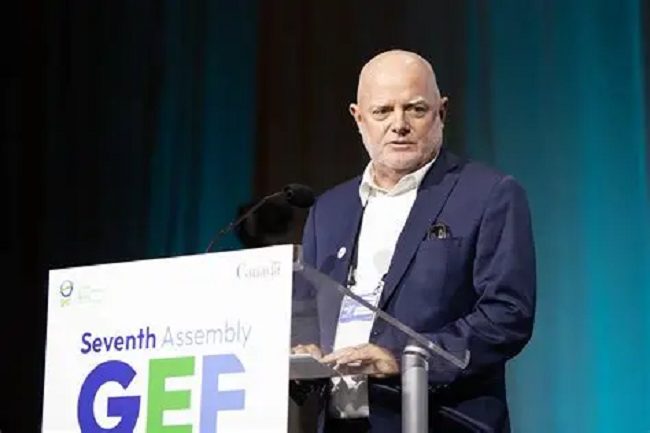
Claude Gascon, Interim CEO and Director of Strategy and Operations, GEF
The funding package allocates $291 million from the GEF Trust Fund, $49 million from the LDCF, $3 million from the SCCF, and $29 million from the GBFF.
These investments will support integrated responses to biodiversity loss, climate change, and pollution, with a special focus on illegal, unreported, and unregulated fishing; protection and sustainable management of marine habitats; reduction of mercury and persistent organic pollutants; and the advancement of regenerative agriculture and landscape restoration. The initiatives will also foster policy coherence and integrated planning across government, promoting improved environmental outcomes.
The projects approved since July 2022 are expected to mobilise $8.50 in co-finance for every GEF dollar overall, including $8.1 billion from private sources. Blended finance operations are set to achieve a 19-to-1 co-financing ratio, highlighting the catalytic role of GEF grant resources in mobilizing public and private capital at scale.
The Council meetings this week emphasised the central role of civil society organisations and Indigenous Peoples and local communities in shaping initiatives and delivering results on the ground, particularly through GBFF programming that incorporates community stewardship, sustainable livelihoods, and rights-based approaches. Projects funded by the LDCF and SCCF showcase how ecosystem restoration, inclusive governance, and community empowerment can build resilience in highly vulnerable Least Developed Countries and Small Island Developing States.
The GEF Council also announced the departure of GEF Chief Executive Officer and Chairperson, Carlos Manuel Rodríguez, following his notification that he will step down from GEF leadership effective immediately. The GEF Council has appointed Claude Gascon, GEF Director of Strategy and Operations, as interim CEO.
During the LDCF/SCCF Council, contributors announced new pledges totaling nearly $39 million in additional support for the funds, reflecting continued donor confidence in the GEF’s adaptation financing. Contributions from Belgium (EUR 5.95 million), Germany (EUR 10 million), Ireland (EUR 5 million), and Sweden (SEK 130 million) will help scale country-driven resilience solutions in the world’s most vulnerable countries.
Representatives of the GEF’s 186 member countries reviewed progress toward 2022-2026 targets, focusing on delivery, efficiency, and inclusive partnerships. According to the latest Monitoring Report, in the past four years, the GEF has cumulatively:
Mitigated over one billion tonnes of greenhouse gas emissions – equivalent to taking about 217 million cars off the road for a year.
Supported conservation and sustainable management of 118 million hectares of protected areas on land, an area twice the size of Kenya.
Placed 15 million hectares of land and ecosystems under restoration and brought 44 million hectares of production landscapes under sustainable land management.
Eliminated 60,000 tonnes of chemicals of global concern that pose a major risk to human health.
“The progress made towards achieving our targets reflects an unprecedented record of delivery, scale, and ambition,” said Claude Gascon, GEF Director of Strategy and Operations. “The GEF’s demonstrated efficiency, effectiveness and ambitious modernisation efforts position us to be the preferred vehicle to scale up funding and impact.”
Looking ahead to the next funding cycle (GEF-9), set to begin in July 2026, the meeting highlighted proposals aimed at making the process even more streamlined and effective. The efforts are part of a larger push to boost efficiency, fairness, flexibility, and accessibility throughout the GEF partnership.
These initiatives are currently under discussion among donor countries and partners as part of the ongoing GEF replenishment negotiations for GEF-9. The current four-year cycle (GEF-8) totaling $5.3 billion for grants and blended finance ends in June 2026. The next round of negotiations will take place January 19-20 in Bonn, Germany.
The process will culminate at the Eighth GEF Assembly in Uzbekistan in June 2026, where stakeholders will take stock of progress and set the direction to 2030. The Assembly will showcase how the new funding will accelerate progress on biodiversity conservation, land restoration, reduction of chemical pollution, and climate resilience by transforming key economic systems to achieve sustainable and lasting results at scale.
The 20th meeting of the Conference of the Parties to the Convention on International Trade in Endangered Species of Wild Fauna and Flora (CoP20) took place in Samarkand, Uzbekistan, from November 24 to December 5, 2025. CoP20 marked a significant moment for global wildlife conservation and international cooperation.
Bringing together governments, enforcement authorities, technical experts, and conservation organisations, it served as a major platform for shaping the future of wildlife trade regulation.
Over three consecutive days, the International Consortium on Combating Wildlife Crime (ICCWC) and its partners hosted thematic side events in the margins of CoP20. These events were designed to highlight different dimensions of the Consortium’s global response to wildlife crime: impact, data, and forensics.
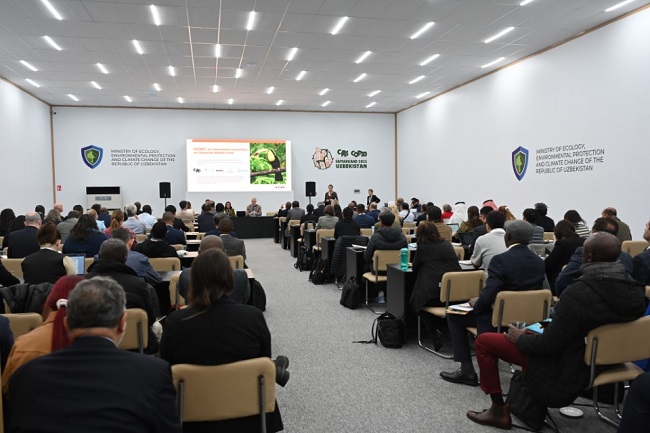
ICCWC side event at CITES CoP20
This year also marked 15 years of ICCWC, a milestone anniversary that gave special significance to the Consortium’s presence at this 20th World Wildlife Conference. The side events served not only to highlight current initiatives, but also to reflect on how far ICCWC has come, working with and supporting Parties in strengthening global enforcement capacity since 2010. This included the evolution of ICCWC’s tools, partnerships and achievements and reinforces the commitment of its partner organisations to continue supporting Parties in their efforts to combat wildlife crime.
The three side events drew strong engagement from Parties and observers, reflecting broad interest in ICCWC’s work aiding governments with enhancing their criminal justice systems to tackle wildlife crime.
CITES Secretary-General, Ivonne Higuero, said: “The ICCWC events at CITES CoP20 offered a valuable moment to highlight how Parties are making real, measurable progress in tackling wildlife crime. They showed the strength that comes from working together, sharing information, and building on reliable data to guide enforcement efforts- all of which directly support the goals of the CITES Strategic Vision. With continued support from ICCWC, Parties are increasingly equipped to confront the sophisticated criminal networks that threaten wildlife. This collective effort will remain essential as we work to stop these crimes worldwide.”
ICCWC’s Impact: Showcasing Global Successes
The first ICCWC side event showcased the real-world impact of ICCWC’s support and Parties efforts at national level, specifically by Madagascar, Mexico, New Zealand, Nigeria and South Africa. Representatives from Mexico, New Zealand and South Africa jointly presented their coordinated efforts that led to the arrest of an internationally wanted wildlife trafficker.
Tapua Hori, Principal Compliance Officer – Wildlife, Department of Conservation, New Zealand, noted: “Disrupting wildlife trafficking networks is not the work of one nation but of many united in purpose; persistent offenders will not relent but neither shall we; through intelligence, cooperation, and unwavering resolve we shall safeguard life’s diversity for generations yet to come.”
Through showcasing the achievements of the 2025 Wildlife Inter-Regional Enforcement (WIRE) Forum and those of Operation Thunder 2025, ICCWC partners examined how the Consortium’s tools, capacity-building activities, and strategic guidance have helped countries strengthen their cooperation to solve wildlife crime cases, dismantle trafficking networks, and promote long-term institutional resilience.
Discussions emphasised the importance of integrated enforcement approaches, bringing together customs, police, environmental authorities, and judicial actors, and showcased the breadth of ICCWC’s work across governance strengthening, inter-agency collaboration, and intelligence-led operations.
Data for Enforcement: Value, Sources, Experiences and Tools
This second side event focused on the central role of data in detecting, understanding, and effectively responding to wildlife crime. Participants explored how high-quality data, whether from seizures, research, online monitoring, or intelligence, can be transformed into meaningful insights that can guide enforcement action and policy decisions. The session highlighted the importance of consistent reporting to continuously expand the CITES Illegal Trade Database and demonstrated how data analyses can reveal trafficking routes, species under pressure, and emerging criminal methodologies.
The discussion underscored how data-driven enforcement enables earlier interventions, more strategic resource allocation, and stronger international cooperation. Representatives from Namibia and New Zealand, alongside ICCWC partner agencies contributed case examples showing how data that is reported under CITES is being used to shape enforcement priorities and strengthen national and transboundary responses.
Forensics – A CITES Tool: Wildlife Forensic Techniques Supporting Law Enforcement and CITES Compliance
The third side event highlighted the rapidly expanding field of wildlife forensics and its essential role in supporting both law enforcement and CITES implementation. The session demonstrated how forensic methods, such as DNA analysis for species identification and origin determination, provide the scientific evidence needed to build strong cases for court, trace trafficking networks, and verify the legality of wildlife and timber in trade.
Participants discussed the growing importance of accessible forensic capacity, including new portable tools that enable frontline officers to gather reliable evidence even in resource-limited settings. The event also showcased how forensic data contributes to broader intelligence efforts, offering insights into criminal supply chains, helping authorities target high-risk areas and contributing to bringing criminals involved to justice.
Contributions came from national laboratories, research institutions, non-governmental organisations and ICCWC partner organisations. It illustrated the collective progress being made to expand global forensic capability.
Ross McEwing, United Nations Office on Drugs and Crime Programme Officer and Wildlife Forensics Lead, said: “Countries can learn from the phased approach taken by Uganda to build sustainable wildlife DNA forensic capacity to tackle wildlife and forest crime. The laboratory started undertaking casework in 2022 and has since supported more than 150 wildlife investigations.”
ICCWC Document 16.4 at CoP20
In addition to the three side events, on 25 November, CITES Parties discussed document CoP20 Doc. 16.4 on the International Consortium on Combating Wildlife Crime, which highlighted progress made by Parties to combat wildlife crime with ICCWC support and provided reporting on the implementation of CITES Decisions 19.26 and 19.27.
Parties also considered further decisions related to ICCWC, including calling for additional feedback to ensure ICCWC support continues to be targeted where it is most needed and encouraging further financial support to the Consortium to continue its engagement with Parties up to 2030. This will be done through the 2027–2030 ICCWC Strategic Action Plan, which contributes to implementing the ICCWC Vision 2030.
A Strong Presence and a Unified Message
Through its side events, ICCWC demonstrated that tangible progress is being made in the fight against wildlife crime, but also that continued investment and coordinated action will be key to conserving the world’s most vulnerable species in the years ahead. ICCWC’s presence at CITES CoP20 underscored a unified message: collaboration, science, data and evidence-based enforcement remain essential to working towards a world free of wildlife crime.
Minister of State for Health and Social Welfare, Dr Iziaq Salako, has said that about 47.1 million Nigerians no longer require treatment for lymphatic filariasis (elephantiasis) and onchocerciasis (river blindness).
Salako made the disclosure on Thursday, December 18, 2025, in Abuja at the close-out ceremony of the BLON Project, which delivered Nigeria’s largest-ever assessments for the two diseases across 13 states.
According to the minister, the project was designed to close a major gap in Nigeria’s elimination roadmap for lymphatic filariasis and onchocerciasis and received $4.9 million in funding from the Gates Foundation.
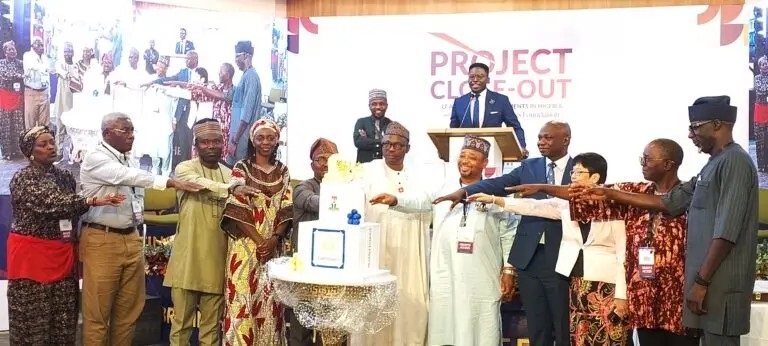
Dignitaries at the close-out ceremony of the BLON Project, in Abuja
“Nigeria has exceeded its disease-control targets for these two neglected tropical diseases and conducted significantly more assessments than originally planned,” Salako said.
He explained that although many implementation units had met World Health Organisation thresholds for stopping mass drug administration, they lacked resources to carry out the required disease-specific assessments.
“Previous partner-led efforts were fragmented and costly, making nationwide scale-up difficult,” he added.
Salako said the challenge prompted a partnership between the Federal Ministry of Health and Social Welfare, Sightsavers, Christian Blind Mission International, Helen Keller International, and MITOSATH to implement a coordinated and cost-effective assessment programme.
“The initiative was aimed at generating evidence to support the cessation of mass drug administration, strengthening health systems, and introducing replicable models that enhance efficiency and sustainability,” he said.
The minister noted that although the project began in 2022 as a 17-month intervention, it was extended at no additional cost and concluded in Sept. 2025 to ensure lasting impact.
“Nigeria has delivered beyond its targets.
“About 31.1 million people no longer require treatment for lymphatic filariasis, while 16 million people no longer need treatment for onchocerciasis, compared to the initial target of 27 million.
“We conducted 46 Pre-TAS, 116 TAS 1 and 3 epidemiological surveys, and one breeding-site assessment. By implication, Nigeria achieved 148 per cent of LF assessments and 150 per cent of onchocerciasis assessments,” Salako said.
Salako also said the project strengthened the health system by upgrading and building capacity in four laboratories – UniOsun, TCC Lab, NIMR Lab, and ABU Lab – leading to ISO 15189 accreditation.
“Sixty-five laboratory technicians were trained on standardised blood collection, while more than 300 personnel were trained as card readers, data recorders, and field sample collectors,” he said.
In addition, he noted that staff were trained on sample transportation using certified third-party logistics, while annual work-plan harmonisation meetings and filariasis transmission survey quantification were conducted.
Sightsavers Nigeria Country Director, Prof. Joy Shuaibu, said the programme’s achievement went beyond healthcare cost savings.
“The remarkable achievement is that 31 million Nigerians will no longer be required to take medication to prevent blindness,” she said.
“This allows people to live productive lives and engage in economic activities. It is not just about stopping ivermectin treatment, but about empowering communities.”
On sustainability, Shuaibu said partners were seeking additional funding to expand the programme nationwide.
Fatai Oyediran, National Coordinator for Neglected Tropical Diseases at the ministry, said the project strengthened laboratory capacity, data management, and disease assessment.
“Some of the achievements that will remain our legacy are the standard operating procedures we have adopted for future assessments.
“Four laboratories have been accredited to international ISO 15189 standards, and policies on sample retention and disposal have been developed to guide future implementation,” Oyediran said.
Oyediran appealed for an extension of the project, saying, “We want another series of these projects and more laboratories brought on board.”
The close-out ceremony also featured panel discussions on ov/lf assessments, Nigeria’s elimination roadmap, and awards to individuals and organisations for their support in project implementation.
The Director General of Nigerian Conservation Foundation (NCF), Dr Joseph Onoja, on Friday, December 19, 2025, said COP30’s key outcomes could steer Nigeria and Africa’s climate roadmap forward.
Onoja said this in a statement made available in Lagos.
COP30, held in Belém, Brazil, drew leaders, negotiators, civil society, youth, and scientific communities to a pivotal moment in climate diplomacy.
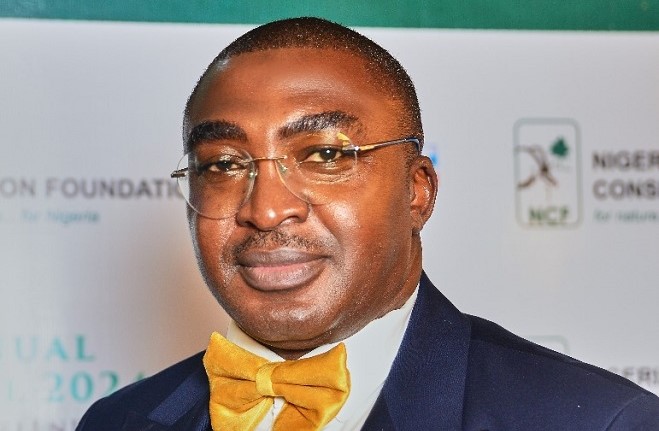
Director-General of the Nigerian Conservation Foundation (NCF), Dr. Joseph Onoja
Onoja described COP30 as a turning point in global climate action, marking a shift from years of negotiation to implementation.
He said that the conference saw nations agree to increase and triple climate finance by 2030, to reach $1.3 billion for developing countries by 2035.
“Finance is the oxygen of climate action, and nature-based solutions are the lungs.
“Africa needs increased adaptation financing.
“The Tropical Forest Forever Facility presents a major opportunity for Nigeria’s forest conservation efforts.
“The NCF’s Green Recovery Nigeria programme provides a strong platform to mobilise funds and strengthen forest conservation,” he said.
He said that Nigeria needed a well-curated national database to drive climate planning and strengthen its negotiating position.
“The NCF is working with partners to implement the Capacity Building Transparency Initiative, which will help five greenhouse-gas-emitting sectors report accurate data,” he said.
Onoja called for synergy among the three Rio Conventions to ensure climate action does not harm biodiversity or land.
“The NCF is positioned to support Nigeria’s climate action through its Green Recovery Nigeria programme, technical advice, and implementation of climate projects on the ground.
“Environmental conservation is human conservation, people must be at the heart of climate action,” Onoja said.
He praised Nigeria’s negotiators for improved preparation and clarity on national priorities.
“I hope to see more young negotiators equipped with knowledge and energy to transform agreements into action.”
Chairperson of the Wood & Wood Products/Furniture Sectoral Group of the Manufacturers Association of Nigeria (MAN), Mrs. Ngozi Oyewole, has commended the Federal Government’s nationwide ban on the export of wood and allied products.
In a statement on Friday, December 19, 2025, in Abuja, Oyewole described the ban as “excellent and timely news for Nigeria’s furniture manufacturing sector,” noting that it would significantly benefit local producers.
She said the policy represented a major boost for local manufacturers and a clear signal of the Federal Government’s commitment to sustainable industrial growth, value addition, and environmental protection.
Mrs. Ngozi Oyewole, Chairperson of the Wood & Wood Products/Furniture Sectoral Group of the Manufacturers Association of Nigeria (MAN)
Oyewole, who also serves as Vice Chair of the Governing Council of the Industrial Training Fund (ITF), expressed pleasure at the Executive Order and its potential impact on the sector.
She specifically commended the Minister of Environment, Malam Balarabe Lawal, and hailed President Bola Tinubu’s leadership for the decisive and forward-looking intervention in industrial and environmental policy.
“This policy reflects strong political will and a deep understanding of the critical link between environmental protection, industrial value addition, and national economic development,” Oyewole stated.
She explained that the export ban would retain wood resources within the country, improving access to raw materials for local processors, stabilising costs, and reducing price volatility driven by export pressures.
Oyewole added that the decision promoted local value addition rather than raw material exports, supported job creation, boosted SME growth, and drove industrial expansion across the wood and furniture value chain.
She further stressed that the policy would enhance the competitiveness of Nigerian-made furniture domestically and position finished products more strongly for export markets abroad.
Beyond industrial benefits, she noted that the ban would strengthen sustainable forestry practices by curbing illegal logging and deforestation, aligning economic growth with environmental sustainability objectives.
“This Executive Order is a strong statement that Nigeria is serious about industrialisation, environmental sustainability, and long-term economic resilience,” Oyewole said.
She reaffirmed the readiness of manufacturers to partner with the Federal Government and relevant agencies to ensure effective implementation, full compliance, and responsible use of the nation’s forest resources.
“Indeed, this is a turning point for the wood and furniture manufacturing sector—leadership that listens, acts, and delivers,” Oyewole said.
The Minister of Environment announced the ban, issued by President Tinubu, at the 18th Meeting of the National Council on Environment in Katsina State on Dec. 17.
By implication, the ban also revoked all previously issued licences and permits, stressing that the move aims to strengthen Nigeria’s response to climate change and halt rapid forest depletion.
The Pan Niger Delta Forum (PANDEF) has expressed strong support for ongoing reforms in Nigeria’s oil and gas sector.
The group described recent regulatory leadership changes as decisive steps to reposition the industry for growth, stability, and global competitiveness.
National Chairman of PANDEF, Godknows Igali, speaking at a news conference in Abuja on Friday, December 19, 2025, hailed President Bola Tinubu for making bold, well-considered appointments in the petroleum sector, particularly in regulatory institutions.
National Chairman of PANDEF, Godknows Igali
He lauded the appointment of Mrs. Oritsemeyiwa Eyesan as Chief Executive Officer of the Nigerian Upstream Petroleum Regulatory Commission (NUPRC), describing it as “putting a square peg in a square hole.”
According to Igali, Eyesan’s extensive experience and proven competence place her in a strong position to drive far-reaching reforms in the upstream petroleum sector, enhancing efficiency and governance.
He highlighted her credentials as an accomplished economist and former Executive Vice President (Upstream) at the Nigerian National Petroleum Corporation (NNPC), noting her diligence, professionalism, and impactful leadership.
Igali said Eyesan’s appointment not only demonstrated the administration’s commitment to merit-based governance but also served as an inspiration for women in the oil and gas industry.
In the same vein, PANDEF commended the appointment of Saidu Mohammed as CEO of the Nigerian Midstream and Downstream Petroleum Regulatory Authority, emphasising competent leadership across all segments of the sector.
The forum said the emergence of capable leaders in upstream, midstream, and downstream segments reflected a deliberate presidential strategy to reposition the industry for a “quantum leap” into the future.
Igali expressed optimism that the reforms would be comprehensive and sustained, noting that consistent policy direction and leadership were critical for Nigeria’s oil and gas sector to maintain its central role in the economy.
However, PANDEF renewed its demand for greater inclusion of Niger Delta professionals in strategic leadership positions across the petroleum industry, particularly within the NNPC and its subsidiaries.
The group stressed that the Niger Delta, as the hub of Nigeria’s oil production, had the highest concentration of seasoned professionals and deserved adequate representation at the highest decision-making levels.
Beyond appointments, PANDEF urged the Federal Government to intensify efforts to address environmental degradation in the Niger Delta, insisting remediation must go beyond the ongoing Ogoni clean-up.
The forum called for a comprehensive and sustained environmental restoration programme, supported by annual budgetary allocations, to tackle decades of pollution and ecological damage in oil-producing communities across the region.
The Senate has confirmed the appointment of Saidu Mohammed and Oritsemeyiwa Eyesan as chief executive officers of Nigeria’s key petroleum regulatory agencies.
While Eyesan was confirmed as the Chief Executive Officer of Nigerian Upstream Petroleum Regulatory Commission (NUPRC), Saidu Mohammed was confirmed as the Chief Executive Officer of Nigerian Midstream and Downstream Petroleum Regulatory Authority (NMDPRA).
The confirmations followed the consideration and adoption of the report by the Senate Joint Committee on Petroleum (Upstream, Downstream and Gas), which conducted the screening of the nominees.
The Senate has approved the appointment of Mrs. Oritsemeyiwa Amanorisewo Eyesan (top) as NUPRC Chief Executive and Mr. Saidu Aliyu Mohammed as NMDPRA Chief Executive
The Senate acted on a request transmitted by President Bola Tinubu seeking legislative approval for the appointments, in accordance with the Petroleum Industry Act (PIA), 2021.
Chairman of the joint committee, Sen. Kawu Sumaila, who presented the report, explained that the nominations were referred to the relevant committees following plenary on Dec. 18, 2025.
He noted that Sections 2 and 29 of the Petroleum Industry Act, 2021 establish NUPRC and NMDPRA respectively, while Sections 11(3) and 34(3) of the Act empower the president to appoint their chief executives, subject to Senate confirmation, for a renewable five-year term.
Sumaila said that the joint committee conducted an extensive screening exercise, which included interactive sessions with the nominees to assess their qualifications, professional competence and responses to questions from lawmakers.
“The joint committee, having screened the nominees and being satisfied with their qualifications, expertise and responses to the questions asked, hereby recommends that the senate confirms their nominations,” he said.
The Senate consequently dissolved into the Committee of the Whole to consider the report.
Following voice votes, the lawmakers unanimously approved the confirmation of both nominees and adopted the committee’s recommendations at plenary.
Presiding over the session, Deputy Senate President, Jibrin Barau, commended the joint committee for what he described as a thorough and timely exercise in spite of the limited time available
Barau congratulated the confirmed chief executives and urged them to see their appointments as a call to national service.
“You have been called to serve our nation. We expect you to discharge your duties diligently in a manner that will promote the interests of Nigeria and strengthen the petroleum sector,” he said.
Barau expressed appreciation to the leadership and members of the joint committee, noting that their work would enhance regulatory efficiency and oversight in the country’s oil and gas industry.
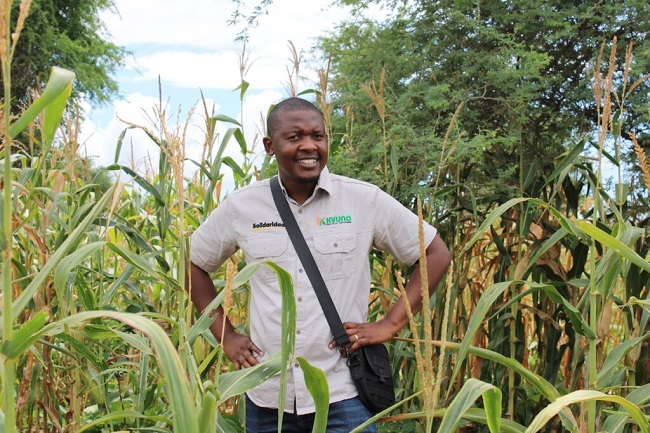
Livestock production is a major contributor to climate change. The world desperately needed to reduce its impact, but not all livestock production is the equal. Talentus Mthunzi, Head of Programme Quality & Impact at Solidaridad Southern Africa, shares his perspective the link between livestock and climate change, and makes the call for climate justice
As an African, the ongoing debates surrounding the production of livestock and its role in climate change are deeply personal. Across the globe, the prevailing narrative is that reducing livestock production – particularly cattle – is essential for mitigating climate change. But when this argument is applied to Africa, it overlooks one fundamental issue: climate justice.
Talentus Mthunzi
The African continent emits the lowest volume of greenhouse gases, yet we bear the brunt of the climate crisis, a crisis exacerbated by industrialised nations that have historically been the largest emitters of greenhouse gases. The question is: why should Africa sacrifice one of our most vital adaptive assets, livestock, when the very countries that contributed most to climate change continue to avoid their responsibility?
The Current Climate Debates on Livestock Production
The conversation about livestock and climate change often revolves around its role in greenhouse gas (GHG) emissions, specifically methane, a potent greenhouse gas. Livestock farming, especially cattle, is frequently targeted for its methane emissions from enteric fermentation and manure management.
While these emissions are indeed a concern, it is important to question whether livestock is truly the major culprit in the global context, or whether other sectors, such as fossil fuel industries, deforestation and industrial agriculture, are responsible for far larger emissions. In our discussions, it is essential to recognise that livestock production should not be demonized in isolation, especially when compared to the disproportionate environmental harm caused by the industrialised countries historically responsible for the largest share of emissions.
Africa’s Contribution to Greenhouse Gas Emissions
Africa is bearing the brunt of climate change impacts. However, it is crucial to highlight that the continent contributes just 4% of global greenhouse gas emissions, far less than the industrialised nations that have built their economies on fossil fuel-intensive industries for centuries. The debate on livestock production in Africa must therefore be placed within the context of climate justice.
While livestock farming does contribute to emissions, it is essential to understand that the extent of Africa’s role in global emissions is minimal compared to the historical pollution of wealthier nations. Climate change disproportionately affects African nations, yet we are the least responsible. The world needs to hold major polluters accountable, not ask Africa to bear the burden of mitigation efforts that will only make our communities more vulnerable.
Livestock as a Key Adaptive Asset
For smallholder farmers in Africa, livestock is not just a commodity; it is a critical tool for adapting to climate change. Removing livestock from the equation would only increase the vulnerability of millions of African farmers. Livestock is a source of food, income and resilience in the face of climate shocks. Asking African farmers to reduce their herds without providing viable alternatives is not just environmentally unjust, it is also economically and socially unjust.
1. Livestock as a Food Source and By-products In Africa, livestock is a primary source of protein. Beyond meat, livestock provides milk, eggs and a range of other by-products that sustain families. These resources are especially important in times of drought or when crops fail due to erratic weather patterns. The idea of reducing livestock production ignores the simple truth: many African farmers rely on livestock to feed their families, particularly in regions where crops are highly vulnerable to changing climate conditions.
2. Livestock as a Source of Finance Livestock also plays an indispensable role as a financial asset (mobile bank). Smallholder farmers in Africa are often excluded from formal financial systems. As a result, livestock acts as an emergency fund that can be sold or traded when financial difficulties arise. In times of crisis, whether induced by climate impacts like droughts or floods or broader economic shocks, livestock is often the only financial cushion available to these farmers. By restricting livestock production, we would essentially be taking away this critical financial safety net, further marginalising smallholder farmers and denying them a way to weather the increasing number of climate shocks we are facing.
3. Cost-effectiveness and Resilience Compared to crops, livestock is a more resilient and cost-effective commodity to produce for vulnerable communities. Unlike crops, which require significant water, fertilisers and labour inputs, livestock can be raised in a variety of environments, from arid to semi-arid lands. Given the water scarcity and unpredictable rainfall in many parts of Africa, livestock offers a more reliable source of food and income. While crop production is highly dependent on irrigation and intensive labour, livestock can be a more sustainable option for communities living on the margins, facing climate-induced hardships.
4. Indigenous Regenerative Practices Many African pastoralist communities have developed indigenous, regenerative livestock production practices that have been honed over centuries. These practices help maintain soil fertility, improve biodiversity and even sequester carbon. Such systems, rooted in deep traditional knowledge, provide valuable insights into how livestock farming can be part of the solution to climate change.
These practices are often more sustainable than conventional industrial agriculture and could contribute significantly to global efforts to reduce emissions, yet they are often overlooked in favour of more conventional, industrialised solutions. The environmental benefits of these practices should be recognised and supported, rather than stifled.
5. Cultural Identity and Livestock For many African communities, livestock is not only an economic asset but also a cornerstone of cultural identity. From the Maasai in East Africa to the Fulani in West Africa, the Nguni’s in Southern Africa livestock, particularly cattle, holds profound cultural and spiritual significance. Livestock is tied to social structures, inheritance practices and traditional ceremonies. Reducing livestock production, or discouraging it in the name of climate action, risks undermining the cultural rights of millions of Africans.
It is an attempt to strip away an essential part of our identity, in the guise of global environmental policy. Climate justice demands that the rights and traditions of local communities be respected, not sacrificed for global agendas that fail to account for the unique circumstances in which we live.
Acknowledging the nuances and taking action The debate over livestock production in Africa cannot be divorced from the broader context of climate justice. Africa’s contribution to global emissions is minimal, and yet we bear the greatest burden of climate impacts. Livestock is not the problem, it is part of the solution. It provides food, income, resilience and cultural identity for millions of smallholder farmers across the continent.
The solution lies not in curbing livestock production but in supporting sustainable livestock practices that enhance the resilience of African farmers while addressing the larger issues of climate change mitigation and adaptation. We cannot allow the actions of historically high-emitting countries to dictate the future of African smallholder farmers. In the name of climate justice, it is time for the world to recognize that context matters; our survival depends on it.