The Edo State Government on Monday, December 22, 2025, reaffirmed its commitment to repositioning the state’s housing sector to ensue delivery of affordable houses to workers.
Commissioner for Lands and Housing, Mr. Yakubu Musa, disclosed this during an inspection tour of the de-reserved 250 hectares of land, at the Ogba Forest Reserve in Ugogogin community, Oredo Local Government Area of the state.
Musa said that the goal is to ensure delivery of affordable housing for low-income earners, as well as civil and public servants.
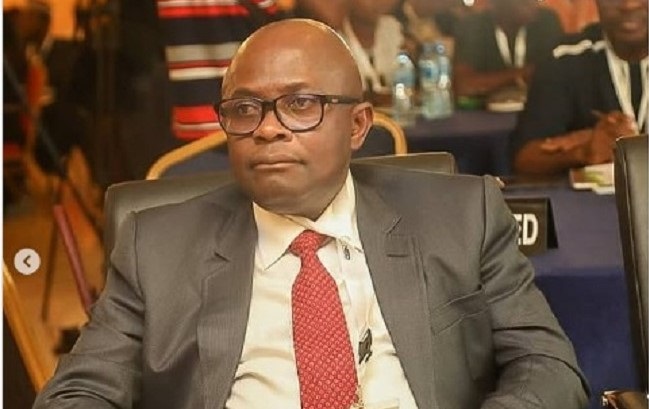
Gov. Monday Okpebholo of Edo State
According to him, the sites, strategically located among Evbuodia, Ulemon, Okua, and Umegbe communities, were being considered for housing development
Musa noted that the project would involve collaboration with the Ministry of Works, to provide road access and other critical infrastructure.
The inspection team also visited Emotan Gardens Phases I and II, a housing project comprising 68 housing units on approximately 69 hectares of land.
The Commissioner observed that a significant portion of the land remained underutilised, and assured that the government would review the situation as well as issues relating to property ownership and effective land management.
Musa further emphasised that the state government is prioritising housing development as a key component of improving the welfare of Edo citizens.
He stated that the government would continue to work closely with relevant stakeholders to implement policies and programmes that guarantee decent and affordable housing.
Those present during the inspection tour included: Valerie Daubry, Federal Controller, Edo Field Headquarters, and Federal Ministry of Lands and Housing.
Others are the Surveyor-General of the state; Directors from the Ministry of Lands and Housing; and officials of the Edo State Development and Property Corporation, among others.
The Federal Government of Nigeria has vowed strict enforcement of environmental regulations in Ogoniland as it steps up efforts to address the oil spill at Yorla Well 14 in the Kpean community, Rivers State.
Director-General and Chief Executive of National Oil Spill Detection and Response Agency (NOSDRA), Chukwuemeka Woke, stated this on Monday, December 22, 2025, during an inspection visit to the spill site, where he led a high-powered federal delegation to assess environmental damage and ongoing remediation efforts.
Woke stressed that oil operators must act swiftly to contain and remediate spills, while host communities must cooperate with authorities to prevent further environmental harm.
Director-General, National Oil Spillage Detection and Response Agency (NOSDRA), Chief Chukwuemeka Woke
“NOSDRA will not compromise on the enforcement of environmental regulations. Operators are expected to respond promptly to oil spill incidents, and host communities must also play their part by allowing access to facilities to avoid worsening environmental damage,” he said.
According to the NOSDRA boss, findings from the site showed that the spill at Yorla Well 14 persisted beyond the Joint Investigation Visit (JIV) concluded on August 8, 2025.
He explained that although the source of the spill was identified, initial denial of access to the facility by the host community delayed repairs by the operator, Nigeria Exploration and Production Limited (NEPL), resulting in a secondary spill and necessitating urgent federal intervention.
Woke noted that sustained community engagement remains critical to achieving lasting solutions to oil spill challenges in Ogoniland and the wider Niger Delta.
He added that the inspection visit underscored NOSDRA’s statutory responsibility to respond promptly to oil spill incidents and ensure that polluted environments are fully restored to their pristine state.
Engr Woke assured residents of Ogoniland that NOSDRA would continue to diligently discharge its mandate, working with all stakeholders to ensure accountability, timely remediation, and long-term environmental protection in the region.
Also speaking during the visit, the National Security Adviser, Mallam Nuhu Ribadu, warned against a recurrence of such incidents, calling for improved surveillance and enhanced protection of critical oil assets and infrastructure across Ogoniland.
He stressed that safeguarding oil facilities is essential to preventing environmental degradation and associated economic losses.
In his remarks, the Group Managing Director of NNPC Limited, Bashir Ojulari, reaffirmed the company’s commitment to a comprehensive cleanup and remediation of the affected area, assuring that all necessary technical assessments would be carried out to ensure full environmental restoration.
The inspection team also included the Minister of Environment, Mallam Balarabe Abbas Lawal, and the Project Coordinator of the Hydrocarbon Pollution Remediation Project (HYPREP), Prof. Nenibarini Zabbey, reflecting the Federal Government’s coordinated approach to tackling environmental pollution in the Niger Delta.
The Leadership of the Niger Delta Youth Council Worldwide (NDYC-W) at a stakeholders’ engagement meeting on Monday, December 22, 2025, pledged to collaborate with Pipeline Infrastructure Nigeria Limited (PINL) in safeguarding oil assets.
The meeting focused on enhancing security in the Niger Delta region.
In a communique, signed and issued by Jator Abido, National Coordinator of NDYC-W, the group commended the leadership of Niger Delta Development Commission and the board, led by Chiedu Ebie and Dr Samuel Ogbuku, for their efforts in regional development.
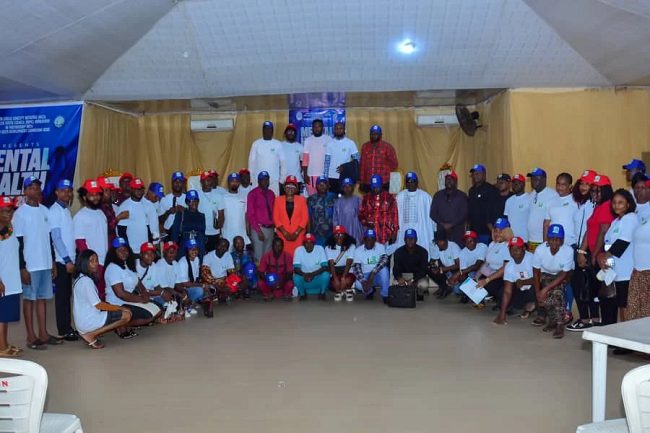
NDYC-W members and guests at the stakeholders’ engagement meeting
He said that the meeting is focusing on enhancing security in the Niger Delta region.
The communique also commended President Bola Tinubu, for appointing a new Minister of Defence.
According to the group: “We call on all youths to support security agencies in safeguarding the region.
“We as a Council equally condole with Bayelsa State Government on the passing of the Deputy Governor.
“The NDYC-W commended Pipeline Infrastructure Nigeria Limited for community engagement programs and pledged partnership to protect critical oil infrastructure.”
Abido warned non-indigenous groups perpetuating violence (herdsmen, bandits, cult groups) that their activities won’t be tolerated in the region.
The council urged all groups to embrace peace and coexist with Niger Delta communities in this Yuletide season.
Also, the NDYC-W launched its maiden edition of the Niger Delta Chronicle newspaper, a monthly publication aimed at being the leading voice of the Region’s media.
The African Development Bank Group and Nedbank Group have signed a landmark deal to boost access to affordable housing in South Africa and strengthen trade across the continent.
The financing package comprises two components: a ZAR 2.5 billion social bond investment in Nedbank Group Limited and a $60 million trade finance Risk Participation Agreement with Nedbank Limited of South Africa.
Together, the initiatives aim to narrow Africa’s trade finance gap, accelerate intra-African trade, and improve access to housing – two essential drivers of inclusive economic growth.
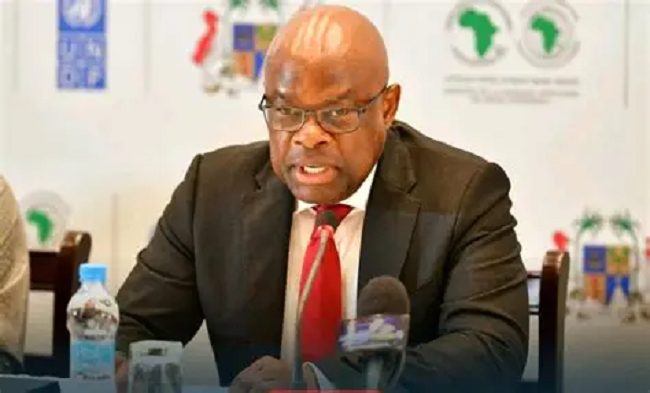
Kennedy Mbekeani, African Development Bank’s Director General for Southern Africa
The social bond is listed on the Johannesburg Stock Exchange, with proceeds channeled through Nedbank’s Sustainable Finance Fundraising Framework. Funding will prioritise affordable housing for women and first-time homeowners, as well as green-certified units, reinforcing the Bank and Nedbank’s shared commitment to gender equality, climate resilience, and financial inclusion. The bond will contribute to achieving the African Development Bank’s vision for inclusive growth.
“This partnership builds on our shared commitment to drive financial access for underserved communities and transform living conditions across South Africa,” said Kennedy Mbekeani, African Development Bank’s Director General for Southern Africa. “It marks a significant milestone in our nearly two-decade relationship with Nedbank Group, unlocking critical financing where it’s needed most while strengthening our financial system’s resilience.”
The $60 million trade finance Risk Participation Agreement will provide crucial credit risk cover for Nedbank’s partnership with local banks issuing documentary letters of credit and similar trade instruments across the continent, including in Low-Income Countries and Transition States. This mechanism will help close the continent’s trade finance gap and accelerate intra-African trade.
“This landmark partnership with the African Development Bank Group represents a pivotal step in our drive to deliver real impact for communities across South Africa and the continent. By mobilising funding for affordable housing, especially for women and first-time buyers, and supporting trade finance for local banks, we are helping to unlock opportunities for inclusive growth and sustainable development,” said Jason Quinn, Chief Executive, Nedbank Group. “It underscores our commitment to enabling financial access, fostering climate resilience, and driving economic transformation through innovative, purpose-driven sustainable financing.”
Ahmed Attout, the African Development Bank’s Director for the Financial Sector Development Department, said: “We are proud of our shared commitment to sustainable financing, particularly through local debt capital markets. This intervention builds on our previous support in 2020, when we invested in Nedbank’s inaugural green bond to support renewable energy access in South Africa. It also demonstrates the African Development Bank’s leading role in bridging the continent’s trade finance gap.”
The initiative aligns with the African Development Bank’s Ten-Year Strategy (2024 – 2033) to transform African economies through industrialisation, regional integration, and improved quality of life for all Africans. By combining innovative housing finance with trade facilitation, the agreement advances inclusive, sustainable economic development across Africa.
Some residents of the Federal Capital Territory (FCT) have continued to brave rising transport fares and security concerns to travel home for the Christmas celebration.
The travellers said on Monday, December 22, 2025, in Bwari, Abuja, that Christmas represented family identity and was a non-negotiable tradition.
At the Peace Mass Transit Park, Mr. Mathew Okah, said that in spite of financial pressure and security fears, he would still travel to celebrate with his family in the South-East.
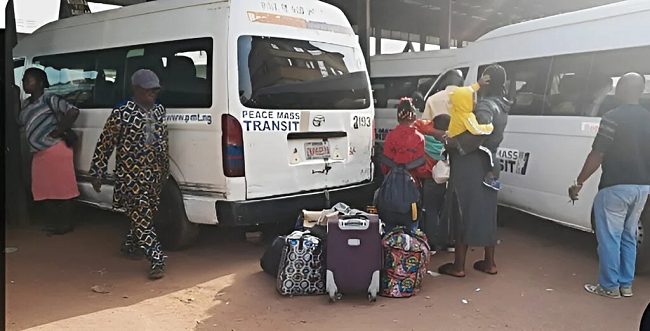
Passengers at a motor park in Bwari Area Council, FCT
“I go home for Christmas every year because my family is in the East and I have been working in Abuja throughout the year.
“I travel not just to see them, but also to rest. There is no place like home.
“Family time is sacred for some of us; you get to see your aged parents, take home something to celebrate with them, and reunite with extended family members,” he said.
Okah added that travelling home also gave him the opportunity to fulfil cultural and communal obligations.
Another traveller, Mrs. Victoria Jacob, who was travelling with her children, described Christmas travel as a necessity.
“I always feel like I am missing a part of life if I stay back in Abuja during the festivities,” she said.
Although she described the cost of transportation as painful, Jacob said people accepted the doubling or tripling of fares because it was a yearly sacrifice.
On security concerns, she said: “We have survived worse situations. God will protect us. We just have to avoid night travel and unsafe routes while we pray and trust God for safety.”
Meanwhile, a resident of Bwari, Mr. Kelechi John, said travelling home every Christmas was not a necessity for him.
He cited insecurity, financial strain, and work commitments as reasons for staying back, adding that some people travelled due to cultural pressure or fear of being judged for “forgetting home.”
This, he said, often led people to travel even when they could not afford it, resulting in avoidable discomfort.
“We’ll stay back this year. Let’s stay alive first; the village will still be there. We will plan when fares drop and the rush is less,” he said.
A correspondent observed that commercial bus fares from Bwari to the southern and eastern parts of the country ranged from N60,000 to N80,000 per passenger.
Meanwhile fares to Kaduna and other neighbouring northern towns ranged between N8,000 and N10,000.
The Director-General of the World Trade Organisation (WTO), Dr Ngozi Okonjo-Iweala, has commended the Abia State Government for introducing electric buses to tackle pollution and climate change.
Okonjo-Iweala gave the commendation on Monday, December 22, 2025, during the launch of the first phase of Abia Green Shuttle Electric Bus Service with 20 electric buses at the International Conference Centre, Umuahia.
She described the initiative as a bold and forward-looking step, noting that climate change and environmental pollution remained among the world’s most pressing challenges.
According to her, although Africa contributes only about three per cent of global carbon emissions, the continent must still play its part in promoting a cleaner and more sustainable environment.
The WTO boss said Abia’s decision to deploy electric buses demonstrated leadership and commitment to global climate responsibility.
The onetime Finance Minister praised Abia government and other stakeholders for driving the initiative, which she said, would help improve air quality in the state.
Okonjo-Iweala expressed optimism that the project would mark the beginning of broader environmentally friendly transport reforms in Abia.
She congratulated the state government on the achievement and urged it to sustain the momentum in climate-smart development initiatives.
In his speech, Gov. Alex Otti of Abia described the introduction of electric buses in the state as a strategic move towards net-zero emissions and sustainable urban transportation.
Otti said that the initiative marked a significant transition from the Compressed Natural Gas (CNG) buses to fully electric vehicles in line with global climate targets.
He said that although CNG buses were cleaner, they still produced emissions, prompting the state to adopt electric buses as a long-term solution.
Otti explained that the procurement process was reviewed to ensure the buses were compliant with the needs of Persons with Disabilities (PWDs).
“We are starting small so maybe not all the 20 will be on the road at the same time but at least you will see a sizable number.
“And as we learn, as we use them, we learn and correct, so we are not going to promise you heaven on earth.
“I am pleased to announce that all 20 electric buses commissioned today are fully PWD-compliant,” he said.
Otti said that the project faced initial logistical challenges following delays in the delivery of charging stations due to a maritime accident, but the state devised alternative solutions.
He said that the charging stations were already operational in Umuahia, with additional installations planned for Aba, Ohafia and other parts of the state.
Otti said that the buses would begin scheduled operations from Tuesday, noting that deployment would be gradual to allow learning and system adjustments.
He said that the buses could travel between 400kilometres and 450 kilometres on a full charge, depending on usage conditions.
The governor said that the electric buses would operate free of charge for residents from Tuesday until January to familiarise commuters with the new system.
He added that surveillance cameras had been installed in the buses to ensure safety and order, warning that misconduct would attract prosecution.
Otti said Abia recently emerged as the state with the lowest public transportation costs in Nigeria, adding that the electric buses would further reduce transport expenses.
He expressed appreciation to the state’s transport and power commissioners and technical partners for working round the clock to deliver the project.
The governor urged residents to maintain orderly conduct at bus stations and give priority to persons living with disabilities.
The President of Coscharis Group, Dr Cosmos Maduka, said that Abia had provided national leadership by becoming Nigeria’s first state to officially launch electric buses for public transportation.
Maduka said that the launch marked Abia as the first state to deploy electric buses, expressing confidence that other states would soon follow the initiative.
He disclosed that Coscharis initially proposed compressed natural gas buses but commended the governor for insisting on electric-powered vehicles.
Maduka said that the governor maintained that electrification was non-negotiable, noting that the project had moved from vision to reality.
He highlighted features of the buses, including air-conditioning, surveillance cameras and onboard charging ports, saying the service was designed for residents across social classes.
He predicted the buses would reduce dependence on tricycles and motorcycles in urban centres, assuring commuters of comfort under the Abia Green Shuttle Bus Service.
Earlier, the Commissioner for Transport, Mr. Chimezie Ukaegbu, described the launch as a historic milestone in Abia’s transport evolution.
Ukaegbu attributed the achievement to Gov. Otti’s leadership and forward-thinking agenda to reposition the state for innovation, sustainability and inclusive development.
He said the electric bus programme would deliver environmental and long-term economic benefits, including job creation and skills development.
The commissioner assured residents of continued expansion of the scheme in collaboration with transport unions and stakeholders to ensure a smooth transition.
The buses are expected to ply major routes in the state including Umuahia, Aba, Umunneochi, Ohafia, and Ukwa West.
The event featured a test ride around the city of Umuahia to signal the official commencement of the Abia Green Shuttle Electric Bus Service.
A material engineering expert and researcher, Dr Kazeem Abubakar, says the potential and opportunities existing in Compressed Natural Gas (CNG) can be harnessed if the government provides policy support and required infrastructure.
Abubakar, also Assistant Director of Research at the National Centre for Technology Management (NACETEM), said this in an interview in Abuja on Monday, December 22, 2025.
He said that with infrastructure development and public engagement, CNG had the potential to not only reduce transport costs and emissions, but also to contribute meaningfully to Nigeria’s progress towards SDGs.
CNG station
He said it was important to note that delivering cleaner air, new jobs, economic growth, and a more sustainable future for Nigerians was not negotiable.
“Nigeria’s pivot toward CNG, backed by renewed policy focus and private investment, represents a strategic and timely effort to harness the country’s abundant natural gas for sustainable mobility and energy security.
“Although the current adoption is still small relative to potential, the gain, to date, is that over 100,000 vehicles have been converted, hundreds of conversion centers and refuelling points, rising investment flows.
“This demonstrates that CNG can become a cornerstone of Nigeria’s clean-energy transition,’’ he said.
Abubakar argued that to scale and deliver on the potentials and opportunities in converting gasoline/diesel cars to CNG, coordinated action is needed on multiple fronts.
He said those to include accelerating infrastructure deployment, expanding refuelling stations, compression hubs, and certified conversion centres nationwide.
He further advocated scaling up conversion incentives, which could come through subsidies or support for conversion kits, especially for low-income vehicle owners and commercial operators.
“Awareness and safety campaigns, policy consistency and regulation, linking CNG with broader gas utilisation policy are important in the project,’’ he said.
Abubakar said lower emissions from CNG vehicles contribute to Nigeria’s emissions-reduction targets and help its climate-change mitigation efforts.
“The expansion of gas-distribution networks, refuelling stations, and conversion infrastructure support industrialisation and modern energy system development initiatives,” he added.
A firm of developers, Jingle Bells Corporate Services Ltd., has called on the government to provide more support and tax incentives for developers to boost affordable housing delivery and reduce rising house rents across the country.
Dr Peter Orobor, Managing Director and Chief Executive Officer, made the call in Abuja at an event in honour of the company’s clients for the year.
According to Orobor, private developers are playing a critical role in bridging the housing gap by creating flexible ownership models that allow Nigerians to own land and build homes at their own pace.
Officials of Jingle Bells Corporate Services Ltd
He said several challenges confronting real estate developers in Nigeria included: high cost of land, limited access to funding, multiple taxation, court-related disputes, and cumbersome approval processes involving numerous regulatory agencies.
According to him, in many parts of the world, governments play an active role in housing development by partnering with private developers, providing land at little or no cost, and offering access to low-interest financing.
“Governments in other parts of the world invest a lot in the housing sector, ensuring that they partner with real estate developers to build affordable housing
“This is by way of giving lands free, while the developers build on it or give them loans that have very little interest rate so that they could sell at affordable rate to the citizens.
“But here in Nigeria, we don’t have that often coming; and then those that often come are politicised.It is for a few. So, the estate developer has to source for lands and use it to develop these houses and sell to low income earners.”
Orobor said that another challenge was double taxation, adding that developers were faced with all manner of taxes from all manner of agencies.
He said getting approvals, cost of lands and funding were other challenges affecting developers.
He, therefore, said that with the right policies in place, developers would be better positioned to deliver affordable, accessible, and sustainable housing, while easing the pressure of high rent on Nigerians.
In spite of these hurdles, Orobor noted that the Federal Capital Territory Administration (FCTA) has made progress in addressing land grabbing, double taxation and overlapping approvals, adding that estate developers remain partners in progress in the development of Abuja.
Orobor encouraged both existing and prospective clients to see real estate as a long-term and secure investment, stressing that early investment yields significant appreciation over time.
According to him, Jingle Bells adopts a structure that enables clients to purchase land within estates and develop gradually, a model that has helped many people achieve home ownership they never imagined possible.
He disclosed that the company offers land at varying prices, starting from as low as N500,000 to N3 million, in order to accommodate different income categories.
“We ensure that all classes of income earners are captured in our housing plan,” he added.
The Chairman of the occasion, Dr Fidelix Okparaoha, noted that improved infrastructure would reduce housing pressure in city centres and make home ownership more accessible to low-income earners.
Okparaoha further advocated stronger use of mortgage systems, including the Federal Mortgage Bank framework, to enable workers and private individuals access long-term repayment plans tied to their income.
He described Jingle Bells leadership as credible and trustworthy, saying that “From documentation to delivery, integrity is key. I can confidently advise the public to invest with this company,” he said.
Also speaking, Abdullahi Indah, the General Manager of Jingle Bells Corporate Services Ltd., explained that the company was introducing an “Adashi contribution” housing model .
This, Indah said, was to help low-income earners own homes through daily, weekly or monthly savings, depending on their earning capacity.
“Our goal is to make everyone a landlord of themselves. People should not wait for government alone; with discipline and the right platform, they can secure their future,” Indah said.
Addressing public concerns about trust in the real estate sector, Indah assured clients of transparency and security in all transactions, noting that payments are bank-backed and properly documented.
The highlight of the event was the presentation of awards to clients for their outstanding support.
Among the awardees was Mrs. Julian Adetinuyo, Managing Director and Founder of News Scope Africa, who received the award for the most outstanding media coordinator.
The Human and Environmental Development Agenda (HEDA Resource Centre) has commended the Federal Government for imposing an immediate nationwide ban on the export of wood and allied products and for revoking all previously issued licences and permits.
Reacting to the announcement, HEDA’s Executive Secretary, Sulaimon Arigbabu, described the decision as a long-overdue return to wisdom and responsibility in environmental governance. According to him, the directive signals a renewed commitment by the Federal Government to protecting Nigeria’s rapidly shrinking forest resources and addressing the growing threats of climate change.
Executive Secretary of HEDA, Sulaimon Arigbabu
Arigbabu noted that Nigeria has for too long lived in painful contradictions. “We cry about droughts, floods, extreme heat and desertification, yet we have turned the trees that God blessed us as our first line of defence against extreme weather events into a thriving export business. This hypocrisy has come at a huge environmental and social cost,” he said.
While applauding the policy, HEDA warned that the challenge runs far deeper than a single executive pronouncement. The organisation stressed that illegal logging and deforestation will not disappear without strong political will, firm enforcement of the law, and accountability across federal and state institutions.
“Without strict enforcement, this ban risks becoming another well-written policy that fails at the implementation stage,” Arigbabu cautioned.
HEDA further urged the Federal Government not to limit its focus to local firewood and charcoal syndicates alone. According to Arigbabu, “There is a more dangerous dimension to this crisis — foreign criminal networks, particularly some Chinese nationals masquerading as investors, who are raping Nigeria’s forests and carting away highly valuable species such as Rosewood, which is already listed as endangered under the Convention on International Trade in Endangered Species (CITES).”
He described the situation as especially disturbing because “these activities are often carried out under the protection of armed policemen, making the crime more sinister, organised and menacing.”
The civil society organisation also reminded government that the ban must not ignore the domestic drivers of deforestation. HEDA noted that local dependence on firewood and charcoal is largely driven by energy poverty and widespread lack of economic opportunities, especially in rural and peri-urban communities.
“Criminalising survival without addressing its root causes will only worsen hardship and fuel resistance,” Arigbabu said.
Consequently, HEDA called on the Federal Government to urgently prioritise affordable, accessible and sustainable energy alternatives, particularly for poor and vulnerable households. In addition, the organisation urged that communities currently dependent on charcoal and firewood trade should be trained, sensitised and supported to transition to alternative, sustainable livelihoods.
“Protecting our forests is not just about bans and arrests; it is about justice, equity and sustainable development. If Nigeria gets this right, this policy could mark a turning point in our fight against environmental degradation and climate change,” Arigbabu concluded.
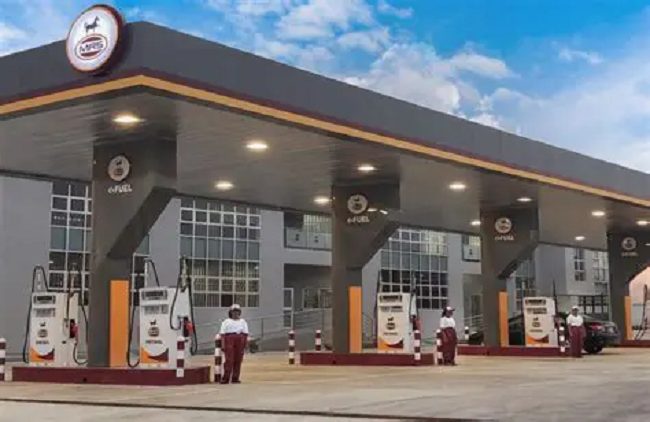
Dangote Petroleum Refinery has commenced nationwide sales of Premium Motor Spirit (PMS) at a pump price of N739 per litre across all MRS Oil Nigeria Plc filling stations. This move, disclosed the group, represents a significant milestone in the refinery’s mission to deliver affordable fuel to Nigerians and stabilise the downstream petroleum market.
With over 2,000 MRS stations nationwide, the new pricing is expected to be implemented across all outlets, ensuring that the benefits of this reduction reach consumers nationwide. In its statement, the refinery commended marketers who have embraced the new pricing regime and urged others to follow suit in the interest of national economic recovery.
“We commend MRS and other marketers who have demonstrated patriotism by reflecting the reduced price at the pump. We call on others to join this effort as a show of support for Nigeria’s economic recovery,” the refinery stated.
MRS Oil Nigeria Plc filling station
Historically, the festive season has been associated with fuel scarcity and sharp price hikes. However, Dangote Refinery appears to have delivered a decisive market intervention – crashing pump prices at a time when Nigerians typically brace for hardship. Backed by a guaranteed daily supply of 50 million litres, this initiative fundamentally alters the supply dynamics during the holiday period.
By refining locally at scale, the refinery is reducing Nigeria’s exposure to volatile global markets, conserving foreign exchange, stabilising the Naira, and strengthening energy security. This sustained price cut and steady supply are providing relief to households, businesses, and transport operators nationwide.
The refinery also issued a stern warning against attempts by unscrupulous operators to create artificial scarcity in response to the price reduction, calling on government agencies to act decisively.
“Any attempt to create artificial scarcity or manipulate supply to frustrate recent price reductions is unpatriotic and unacceptable. We urge regulatory authorities to remain vigilant and take firm action against such practices, especially during this critical festive period,” the statement added.
Consumers were advised to resist purchasing fuel at inflated prices when cheaper, high-quality alternatives are readily available.
“We encourage Nigerians to avoid buying PMS at excessively high prices when they can access locally refined fuel at N739 per litre from over 2,000 MRS stations nationwide. Report any MRS station selling above N739 per litre by calling 0800 123 5264,” the refinery said.
“We also call on other petrol station operators to patronize our products so that the benefits of this price reduction can be passed on to Nigerians across all outlets, ensuring broad-based relief and a more stable downstream market.”
Dangote Petroleum Refinery reaffirmed its commitment to steady supply, price moderation, and energy security, emphasising that its operations are anchored on long-term national interest rather than short-term market pressures.
“Our objective remains clear: to ensure consistent supply of high-quality petroleum products at affordable prices for Nigerians, while supporting economic stability and reducing dependence on imports,” the refinery concluded.