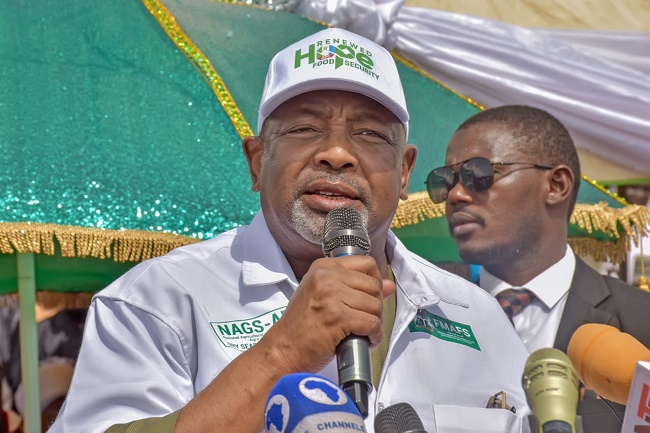
The Petroleum and Natural Gas Senior Staff Association of Nigeria (PENGASSAN) says Nigeria risks massive brain drain in the oil and gas sector due to poor remuneration.
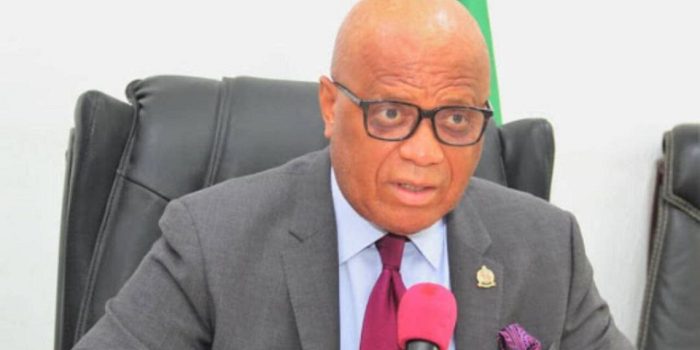
Mr. Festus Osifo, President of PENGASSAN, said this while briefing newsmen at the end of the National Executive Council (NEC) meeting of the union on Thursday, December 4, 2025, in Abuja.
He said the sector was facing challenges arising from Naira devaluation and inflation, noting that oil and gas skills remained globally competitive.
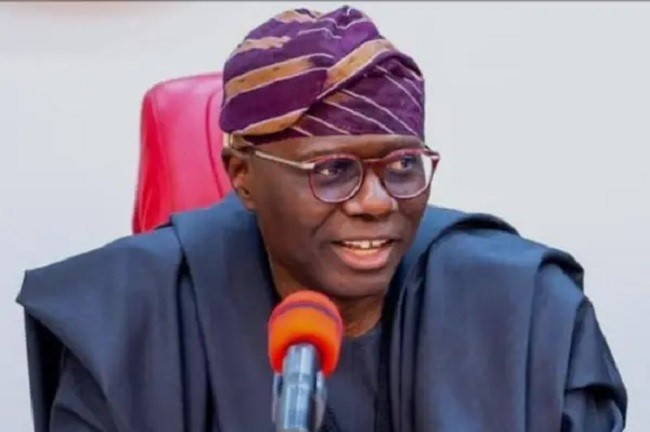
Mr. Festus Osifo, PENGASSAN’s President
“A drilling engineer in Nigeria does the same job as one in the U.S. or Abu Dhabi,” he said.
Osifo said the union must take steps to bridge the wage gap to prevent members from leaving the country for better opportunities abroad.
“If we don’t act, the brain drain seen in other sectors will be child’s play,” he said.
He said PENGASSAN had recorded significant gains through collective bargaining across oil and gas branches.
“We signed numerous agreements across government agencies, IOCs, service and marketing sectors,” he said.
He said the agreements brought relief to members facing rising costs of living, adding that the association’s duty is to protect members’ jobs and enhance their pay.
Osifo urged companies delaying salary reviews and those foot-dragging as a result of the prevailing economic realities to do the needful.
He said the industry employed some of the nation’s best talents, making competitive pay critical to retaining skilled workers.
“This industry recruits the best. Companies must provide the best conditions,” he said.
On insecurity, Osifo urged government to take decisive action against terrorism and kidnappings across the country.
“We are tired of condemnations. government must expose sponsors and protect citizens,” he said.
He urged government at all levels to prioritise tackling insecurity through better funding and equipment for security agencies.
Osifo said PENGASSAN supported calls for state police to improve local security response, adding that decentralising policing will protect citizens better than rhetoric.
He also said economic indicators meant little, if food prices remained high and farmers could not return to farms due to insecurity.
“Nigerians want to see food on the table, not macroeconomic figures,” he said.
He urged government to coordinate fiscal and monetary policies to ensure economic gains reach households.
“Translate macro results to food on the table,” he said.
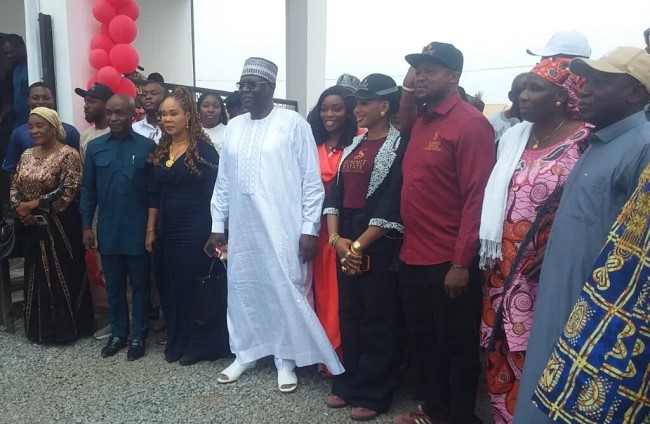
Natural Eco Capital has announced the successful validation of the No‑Objection Procedure (NOP) Manual for Green Climate Fund (GCF) projects at a two‑day capacity building and validation workshop held in Kano from December 2 to 3, 2025.
Prepared by Dr. Eugene Itua and the Natural Eco Capital team, the NOP Manual represents a milestone in Nigeria’s climate finance architecture, providing a transparent, predictable, and inclusive framework for accessing GCF resources.
The workshop, convened by the National Council on Climate Change (NCCC), brought together participants from government agencies, civil society organisations, private sector actors, academia, traditional institutions, and international partners.
Dr Eugene Itua
In her opening remarks, Teni Majekodunmi, Director‑General of the NCCC, represented by Benny Ejiofor, explained that the NOP Manual is Nigeria’s gateway to the GCF, ensuring compliance with international fiduciary, environmental, and social safeguards.
Commissioner for Environment and Climate Change, Kano State, Dr. Dahiru Muhammad Hashim, in his welcome address, showcased Kano’s progress in climate finance readiness, including the establishment of a State Platform on Climate Finance with support from the PACE–FCDO programme.
Managing Director/CEO of NIRSAL Plc, Mr. Babajide Arowosafe, represented by Abubakar Ahmed, emphasised the importance of strengthening the NOP to deliver bankable, compliant proposals, particularly in climate‑smart agriculture and rural infrastructure.
Key Outcomes
Validation of the Manual’s strategic alignment with Nigeria’s NDC 3.0 and LT‑LEDS, while noting the need for stronger mapping and quantitative GHG reduction estimates.
Endorsement of the step‑by‑step review cycle, service standards (80 days for standard projects, 100 days for high‑risk projects), and digital submission portal.
Confirmation of the 100‑point scoring matrix and the “Fatal Flaw Clause” to uphold environmental and social safeguards.
Recognition of the Manual’s emphasis on stakeholder inclusivity, with recommendations to strengthen accessibility for women, youth, persons with disabilities, and traditional institutions.
Agreement on biennial reviews of the Manual to ensure continuous improvement.
Recommendations
Participants called for:
Stronger alignment of Manual actions with NDC 3.0 and LT‑LEDS pathways.
Enhanced inclusivity and accessibility in grievance redress mechanisms.
Improved sectoral integration and institutional coordination.
Strengthened monitoring, evaluation, and learning frameworks with SMART indicators.
Nationwide training and capacity building, scaled to subnational levels and Local Government Areas (LGAs), to ensure uniform understanding and effective implementation of the NOP Manual.
Institutional support for Direct Access Entities, including sustainability reporting frameworks and risk management strategies.
Consensus
The workshop validated the NOP Manual as Nigeria’s bridge to the Green Climate Fund, providing confidence to investors, predictability to partners, and credibility to Nigeria’s climate finance architecture. Stakeholders reaffirmed their collective commitment to transparency, accountability, inclusivity, and nationwide capacity building.
The United Nations (UN) on Thursday, December 4, 2025, recognised three new World Restoration Flagships in Australia, Canada and South Africa, anchored in Indigenous Peoples and local knowledge. Announced ahead of the seventh session of the UN Environment Assembly (UNEA-7), the new initiatives support agrifood systems, biodiversity and climate goals.
Jointly led by the UN Environment Programme (UNEP) and the Food and Agriculture Organisation of the United Nations (FAO), the awards are announced under the UN Decade on Ecosystem Restoration (2021–2030). The World Restoration Flagships represent some of the most ambitious, science-based, and inclusive examples of restoration in action.
Australian oyster reef. Photo credit: Simon Branigan
“One hectare at a time, governments, communities and partners are restoring forests, grasslands, shrublands, coastlines and marine environments,” said Inger Andersen, Executive Director of UNEP. “By combining lessons from Indigenous Peoples with modern science, we are restoring damaged ecosystems. One hectare at a time.”
“Real ecosystem restoration is accomplished from the ground up,” said FAO Director-General, QU Dongyu. “With Indigenous Peoples and local communities at the center, these new Flagships demonstrate the power of partnerships that bridge ancient wisdom with modern innovation, while strengthening agrifood systems, biodiversity and food diversity, and climate resilience.”
Australia’s once-abundant shellfish reefs – comprising oysters and mussels – have become critically endangered by overharvesting, sedimentation and pollution, among others. Between 2021 and 2023, The Nature Conservancy and the Australian Government embarked on the Reef Builder programme to rebuild these vital coastal ecosystems at 13 locations around the southern coastline, in partnership with local communities. The Nature Conservancy continues this partnership-based work to restore native shellfish reefs across 30 percent of their original locations around Australia’s expansive coast by 2030.
“Shellfish reefs are natural solutions to some of our greatest conservation challenges, and Reef Builder has shown that restoring them at a national scale is not only possible – it’s transformative,” said Australia’s Minister for the Environment and Water, Senator Murray Watt. “This recognition as a UN World Restoration Flagship highlights Australia’s leadership in marine ecosystem recovery. Reef Builder is delivering real benefits for nature and communities alike; supporting local jobs, strengthening coastal resilience, and revitalising biodiversity along our shorelines.”
Shellfish reefs serve as natural ecosystem engineers, purifying water and providing habitat for hundreds of marine species. Since the initiative’s launch, it has helped remove nearly 15 tonnes of nutrient pollution, boost fish stocks, and has achieved significant biodiversity gains. The restoration project has generated over 425 jobs and $10 million by supporting over 50 small and medium sized businesses, which helps to reconnect coastal communities with nature and promote stewardship of the marine environment. This project involves the deep collaboration of many different groups, including Indigenous Traditional owners, fishers, restaurants, scientists and local communities.
Many salmon populations are in peril in Canada, with significant economic and cultural consequences – salmon hold profound spiritual value in the country, particularly for Indigenous communities. Since 2010, Parks Canada has collaborated with Indigenous Peoples and local communities on the Respectful Returns initiative, which focuses on restoring damaged rivers and streams in seven national parks along Canada’s Pacific and Atlantic coasts.
“Canada is honoured that Parks Canada’s salmon restoration initiative has been named a World Restoration Flagship by the United Nations Environment Programme. This global recognition shows what’s possible when we act boldly and work together,” said Julie Dabrusin, Minister of the Environment, Climate Change and Nature.
“Guided by Indigenous knowledge and science, Respectful Returns demonstrates the power of collaboration to restore ecosystems and renew relationships with Indigenous communities whose cultures and livelihoods are tied to salmon. More than a project, it is a blueprint for restoration worldwide – where reconciliation with Indigenous Peoples through shared stewardship and conservation go hand in hand to protect biodiversity and strengthen communities,” Dabrusin added.
By using new tools, sharing knowledge, and working together, the project has helped restore over 65,000 hectares of land and 228 kilometers of waterways. Respectful Returns has also created more than 100 jobs, supported research at three universities, and built strong partnerships with 32 organisations and communities.
The goal is to protect salmon and their habitats while strengthening the connection between people and nature. This work is helping both the environment and communities heal and grow together. In six out of the seven sites, salmon numbers have already increased.
One of South Africa’s most biodiverse yet neglected ecosystems is the native subtropical thicket. Thicket Restoration in South Africa unites over 60 initiatives across Eastern and Western Cape. The initiative aims to restore 800,000 ha by 2030.
Restoring thicket makes the soil more resilient, stores carbon and serves as fodder storage for large livestock and other large mammals during droughts, a high priority for a region that has experienced its worst drought in 100 years in 2023/24. It also provides a safe habitat for various native browser species, including black rhinos and African elephants, responding to long-term threats
Planting native species, clearing invasive plants and training communities in restoration is expected to create more than 1,000 rural jobs, improving the livelihoods of around two million people. The thicket’s revival also sequesters up to eight million tonnes of CO₂ annually, offsetting emissions equivalent to about 20 gas-fired power plants.
“The efforts that have been put into spekboom restoration will benefit future generations. We are banking for the long term,” said Luyanda Luthuli, a landscape practitioner of Living Lands, one of the organisations forming the initiative. “I am excited and hopeful for the future and for seeing the fruits of our labour towards restoring ecosystems, restoring resilience.”
Restoring ecosystems – restoring resilience
These three new World Restoration Flagships add to a growing portfolio of already 27 recognised flagships, collectively restoring over 18 million ha of diverse ecosystems worldwide, with plans to restore a total of more than 68 million ha.
The success of multiple ecosystem restoration initiatives highlights a central message of UNEA-7: restoring ecosystems is an essential pathway to strengthen resilience for people and nature, ensuring they thrive in tandem.
Stretching from the drylands of Latin America and Africa to the steppes of Central Asia, rangelands underpin food security, climate stability and centuries-old pastoral cultures. These vast landscapes, covering half the planet, store significant carbon, buffer climate extremes, and regulate water in some of the world’s driest regions.
Yet, despite their immense value, rangelands remain one of the planet’s most overlooked ecosystems. In several regions, they are now deteriorating faster than rainforests – with serious implications for food security, climate resilience, and rural livelihoods.
Rangeland
Restoring rangelands delivers some of the strongest returns of any ecosystem investment, with benefits reaching up to $35 for every dollar invested. These new preliminary findings of a global cost–benefit analysis conducted by the Economics of Land Degradation (ELD) Initiative were presented on Thursday, December 4, 2025, at this year’s UN Convention to Combat Desertification (UNCCD) meeting underway in Panama – the 23rd session of the Committee for the Review of the Implementation of the Convention (CRIC23).
UNCCD Chief Scientist. Barron Joseph Orr, explains: “The analysis confirms what many pastoralist communities have long known: rangelands are strategic ecological and economic assets, not marginal lands. These gains come from higher vegetation productivity, deeper carbon storage, stronger water retention, and avoided degradation.”
“The urgency is evident. Between 25 and 50 per cent of the world’s rangelands are degraded or at risk, weakening water cycles, livestock productivity, biodiversity and rural livelihoods. In regions such as the Sahel, Central Asia and parts of South America, climate pressures are already shrinking productivity and restricting pastoralist mobility – with knock-on effects for food security,” Orr said.
Mark Schauer, Senior Programme Officer with the German Development Cooperation (Deutsche Gesellschaft für Internationale Zusammenarbeit, GIZ), which coordinates the ELD Initiative, said: “Rangeland restoration makes economic and ecological sense. By strengthening the evidence base and partnering with pastoralist communities, we can help countries design investments that unlock long-term resilience.”
For more than a decade, the ELD Initiative has equipped governments with evidence on the real economic value of healthy land – and the steep losses caused by degradation. Its new discussion paper, The Business Case for Investment in Rangeland Restoration, presented at CRIC23, will be followed by a full assessment at UNCCD COP17 in Mongolia next August.
“A growing body of evidence confirms that rangelands – long dismissed as marginal or ‘empty’ spaces – are in fact central to climate action, food and water security and sustainable rural development. With the full economic assessment expected ahead of COP17, CRIC23 has strengthened the technical and political foundations needed to scale up investment in these vast, life-sustaining landscapes,” adds Schauer.
Experts stressed that effective rangeland restoration does not depend on costly engineering. It requires secure land and water rights, community-led governance and sustainable, mobility-based grazing. When pastoralists can move with seasonal conditions, vegetation rebounds faster, soils hold more moisture and carbon stocks remain stable. This approach also strengthens the resilience of Indigenous Peoples, women, youth and others whose livelihoods and cultural identities are deeply tied to rangelands.
CRIC23 takes place as countries prepare for the International Year of Rangelands and Pastoralists (IYRP) 2026, declared by the United Nations General Assembly. The IYRP is expected to bring unprecedented visibility to rangelands, pastoralists and their knowledge systems.
“Pastoralists have cared for these lands for generations. Their knowledge, mobility and stewardship are essential for restoring rangelands and building resilience. As the world prepares for the International Year of Rangelands and Pastoralists, we must ensure that pastoralist communities are not only heard but also supported as partners in climate and environmental sustainability actions,” said Enrique Michaud, Co-Chair of the IYRP Global Alliance.
“Mongolia is a nation shaped by rangelands and pastoral traditions. We know from experience that when rangelands thrive, communities thrive. As we prepare to host COP17, our one of high priorities is to elevate rangelands on the global agenda and ensure that countries have the evidence, partnerships and investment needed to restore these vital ecosystems at scale.” notes Ariuntuya Dorjsuren, Director General for International Cooperation Division of the Ministry of Environment and Climate change, NFP of Mongolia.
UNCCD is contributing to IYRP through its Rangeland Flagship Initiative and the Silk Road campaign planned for 2026, which will showcase rangeland landscapes and pastoralist cultures across the 6,000-kilometre journey spanning 10 countries. These efforts build on political momentum from COP16 in Riyadh to COP17 in Ulaanbaatar, aligning recent and upcoming COP Presidencies around elevating rangelands as a global climate and livelihood priority.
The Million Lives Collective (MLC), in partnership with the Judith Neilson Foundation (JNF), has launched a new initiative aimed at unlocking African innovation and shaping the future of urban living across West Africa. The African Cities Innovation Fund (ACIF) is set to provide catalytic support to innovators developing collaborative solutions that promote smart, healthy, equitable, and climate-resilient cities.
The initiative was announced during the closing plenary of the International Development Innovation Alliance (IDIA) Global Summit in Nairobi, where it was confirmed that applications for the Fund will open in Spring 2026. Through ACIF, pairs of African innovators will be eligible for flexible grants of up to $75,000 to jointly design, test, and scale solutions to pressing urban challenges.
Participants at IDIA Summit in Nairobi
“African cities are growing at a dramatic pace, creating huge opportunity, challenge and change. Ensuring that cities are places where people can thrive calls for imagination, ambition, innovation and collaboration,” said Abi Taylor, Innovation Lead at the Judith Neilson Foundation. “We’re delighted to partner with the Million Lives Collective to help innovators experiment with new partnerships and generate impact for those who need it most.”
In cities such as Accra, major urban innovations – among them master-planned communities like Appolonia City and Hope City, as well as sustainable development efforts like the Greening and Beautification Project – stand to benefit from the new Fund. Initiatives such as Abuja’s Urban Lab, which drives collaborative solutions for waste management, and Fresh Direct’s use of vertical farming in shipping containers to enhance food production and improve public spaces, also represent the types of projects that could be strengthened.
Community-driven efforts like the Participatory Slum Upgrading Programme, which supports residents in improving infrastructure in informal settlements, similarly align with the Fund’s focus.
Beyond grants, ACIF awardees will receive tailored technical assistance, including expert coaching, support in building partnerships, and opportunities to engage with global development leaders through IDIA’s Collaboration Lab, the Collaborative Scaling for Exponential Impact programme.
As the Fund prepares to launch, MLC is building a strong pipeline of proven, scale-ready innovations that can help reshape African cities. An open call for new African members is expected in January 2026.
“Across Africa, innovators, community leaders, entrepreneurs, artists, and public institutions are already reshaping urban systems—from improving transport and access to essential services to strengthening local economies and climate resilience,” said Jite Phido, Senior Programme Manager at MLC and Results for Development. “Our call for innovations aims to elevate these efforts and unlock new pathways for exponential impact through collaborative problem-solving.”
Since 2019, the MLC – drawing inspiration from IDIA member agencies – has worked to advance proven solutions to key development challenges. Collaboration grants piloted since 2022, with support from the Bayer Foundation and the Gates Foundation, have demonstrated the power of partnership in accelerating progress in areas such as health and women’s economic empowerment. ACIF builds on this foundation, offering a model for driving transformative urban change at a time of shrinking aid budgets and increasingly complex global needs.
Highlighting the relevance of the Fund, Edwin Muroki of 4Life Solutions Kenya, an alumnus of the MLC collaboration-grant program, said: “The African Cities Innovation Fund is significant because it promotes the kind of collaboration required for real urban impact. Partnerships with trusted local actors boost community trust, enable local logistics, reinforce behaviour change, and sustain quality as solutions scale across diverse African contexts. This Fund gives innovators the runway they need to expand confidently into new cities.”
African innovators working on circular production, climate-resilient infrastructure, youth mobility, digital inclusion, and community wellbeing are encouraged to register their interest on the MLC website for upcoming announcements.
Africa’s forest hornbills face growing threats from unregulated trade and habitat loss. A new CITES proposal approved on Thursday, December 3, 2025, is an important step towards better regulation and monitoring of international trade
Across the forests of West and Central Africa, hornbills play a vital role in keeping ecosystems alive. They feast on fruit and then disperse the seeds, sometimes many kilometres from where they fed, helping forests regenerate and keeping landscapes healthy. But today, a long-overdue moment of change has come to finally address a growing threat to these distinctive birds.
The African Hornbill
For years, many Asian hornbill species have been listed under the Convention on International Trade in Endangered Species of Wild Fauna and Flora (CITES). This has put limitations on the trade of these birds across international borders, helping to curb poaching. Yet no African hornbill has ever been listed, despite mounting evidence of unregulated international trade. That gap has left some of Africa’s most iconic forest hornbills increasingly vulnerable.
This year, a coalition of African countries put forward a proposal to change that. The newly adopted proposal at the CITES Conference of the Parties (CoP20) in Uzbekistan means that every species in the genera Ceratogymna and Bycanistes will now be listed in Appendix II of the convention, a step that strictly monitors and regulates international trade to ensure this threat does not jeopardise its survival.
Alex Berryman, Senior Red List Officer at BirdLife International, says that “Listing African hornbills in CITES Appendix II is a decisive step toward safeguarding these iconic birds, many of which are increasingly threatened by international trade and habitat loss. The recent 2025 uplisting of Black-casqued Hornbill from Least Concern to Near Threatened underscores the urgency of action required. This measure will enhance trade monitoring and marks a meaningful commitment by countries to the long-term conservation of Africa’s hornbills.”
Why this moment matters
In recent years, demand for hornbill skulls and casques has surged. New data shows a clear rise in online listings and international shipments, with hunters in some regions reporting that foreign buyers are now influencing local hunting. Without CITES regulation, there are no global safeguards to ensure such trade is traceable or sustainable.
At the same time, African hornbills’ reproductive methods make them exceptionally sensitive to exploitation. Females seal themselves in nest cavities for months while they raise their young, relying entirely on the male for food. When a male bird is hunted, it can mean the loss of an entire brood.
The Black-casqued Hornbill, which recently moved from Least Concern to Near Threatened on the IUCN Red List, reflects these pressures clearly. While still found across parts of West and Central Africa, its population is decreasing, with habitat loss and trade emerging as major threats. Its story has become a symbol of why stronger international protection is urgently needed for African hornbills.
A global approach for protection
The adoption of this proposal does not prevent international trade, but it will introduce vital checks and reporting requirements. It will also close a loophole that complicates the enforcement of trade in Asian hornbills: African hornbill skulls and feathers often resemble those of already-protected Asian species, making illegal trade harder to detect.
And that’s where BirdLife’s global work comes in. Across Asia, many hornbill species already benefit from CITES listings, but legal protection is only one part of the solution. Through Safe Havens, BirdLife and our national Partners work with Indigenous Peoples and local communities to safeguard nest trees, monitor breeding pairs and protect key forest habitats. This long-term approach has become one of the most effective ways to secure Asian hornbills’ future.
This CITES decision marks a turning point. It aligns global protection for many hornbills across continents and gives African countries stronger tools to monitor and manage trade. We now have an opportunity to create a safer future for hornbills across Africa and to strengthen the global efforts already underway to protect them. Most importantly, this decision will help ensure that these extraordinary birds continue to thrive.
The African Energy Chamber condemns the UK’s withdrawal of $1.15 billion from Mozambique Liquefied Natural Gas (LNG), highlighting how Western climate agendas undermine Africa’s urgent need for energy security and economic growth
The UK government’s recent decision to withdraw $1.15 billion in support from the TotalEnergies-led Mozambique LNG project is a concerning example of Western policy priorities undermining Africa’s development. Announced on Monday, December 1, 2025, the decision comes at a moment when global energy markets face unprecedented pressure. Yet, the UK appears more focused on ideological signaling rather than practical solutions to persistent energy poverty.
President Daniel Chapo of Mozambique
The Mozambique LNG project is far more than another fossil fuel venture. It represents a transformative opportunity for the continent, with the potential to deliver 13 million tons of LNG annually – powering industries, fueling domestic growth and supporting economic development in a region where millions still live without reliable electricity.
By withdrawing support, the UK has chosen to prioritise its green and “woke” agenda over African progress, focusing on counting emissions rather than taking into consideration African energy poverty and the need to prioritise energy security, affordability and sovereignty.
Security challenges in northern Cabo Delgado forced TotalEnergies to suspend operations in 2021. Since then, improved conditions have allowed the company to lift the suspension and resume planning, contingent on government approval for a revised development roadmap. Rather than recognize this progress, UK Export Finance cited ‘risks’ as justification for withdrawal – a rationale that reflects priorities driven more by political optics than by Africa’s urgent energy needs.
The same risk has been evaluated by the US, with the US Export-Import Bank moving to reapprove a loan earlier in 2025 in recognition of the improved situation on the ground. The decision to withdraw financing reflects a broader trend by the UK to follow an anti-fossil fuels agenda, one that has already put North Sea production in great decline.
The African Energy Chamber (AEC) condemns the decision to withdraw, deeming the decision as not only a setback for Mozambique but for the entire continent. The withdrawal undermines African energy security, industrial ambitions and efforts to lift millions from energy poverty. This pattern has repeated across the continent: projects delayed or blocked, investments withheld, all justified in the name of climate or security concerns, while energy poverty persists.
Africa does not need moral instruction on climate from nations that consume energy at levels far beyond the continent’s needs. What is essential are partnerships that respect African priorities, timelines and the sovereign right to develop sustainably.
“Withdrawing support from Mozambique LNG is a betrayal of Africa’s right to energy security and a slap in the face of progress for the continent’s millions living without reliable power. This moment should serve as a call to action: it serves as a stark reminder that Africa’s energy future cannot rely solely on foreign financing or conditional support.
Mozambique LNG, and projects like it across the continent, must be championed by Africans for Africans, with a focus on responsible development, job creation and the eradication of energy poverty,” states NJ Ayuk, Executive Chairman of the AEC.
The Mozambique LNG project highlights what African energy development should look like: ambitious, transformative and responsible. Gas‑liquefaction projects in Cabo Delgado are expected to create at least 10,000 direct jobs by 2025, focusing on local populations and supporting young graduates with SME development. Construction of the Mozambique LNG facility alone has been estimated to create around 5,000 jobs.
Beyond employment, LNG production and exports have already generated rising government revenues – with state LNG‑related earnings increasing by over 20% last year. Once fully operational and supported by stable financing, Mozambique LNG could deliver the energy, revenue and human capital needed to power industry, boost public services and lift communities out of energy poverty.
Africa is rich in natural resources – including its 620 trillion cubic feet of natural gas – yet these resources are too often treated by Western governments as tools of influence rather than drivers of growth. The UK’s withdrawal underscores the urgent need for Africa to develop independent financing mechanisms, attract investors who respect its priorities and strengthen regional cooperation to protect critical energy projects.
Mozambique LNG exemplifies how African energy development can create jobs, drive industrial growth and reinforce economic sovereignty. Energy security cannot be dictated by shifting foreign political priorities. Led by Africans with a focus on responsible development, projects like Mozambique LNG can deliver tangible benefits, empower communities and help eradicate energy poverty across the continent.
If African nations can collectively support upstream scalability, midstream connectivity, and downstream certainty, gas production will not merely surge – it will transform the entire continent for the better, writes NJ Ayuk, Executive Chairman, African Energy Chamber
Natural gas will be a pivotal component of Africa’s energy future as it is uniquely poised for growth despite the move toward a surplus liquefied natural gas (LNG) supply in the global gas cycle.
Tanzania Liquefied Natural Gas (LNG) project
As detailed in the African Energy Chamber’s 2026 Outlook Report, “The State of African Energy,” African demand for gas is forecast to rise 60% by 2050. In fact, gas is the only fossil fuel expected to expand its share of primary energy demand globally. Furthermore, as North Africa’s dominance in the sector diminishes, the report expects sub-Saharan Africa to drive this gas surge as the region holds over 70% of the continent’s remaining recoverable resources.
Export revenues and domestic use are the two avenues down which Africa will find the transformative benefits that gas offers, but actually getting there depends on successfully navigating infrastructure gaps, pricing disputes, and the transition from associated to non-associated gas.
The Next Gas Epicentre
Two-thirds of gas production on the continent takes place in North Africa with Algeria, Egypt, and Libya holding the top spots as leading producers with high gas penetration in their own power mixes. However, we expect North Africa’s share of total continental production to decrease to below 40% by 2035 as output from other regional producers accelerates. While sub-Saharan production currently accounts for the remaining third of current gross output, the region will dominate future growth.
With the 2021 launch of its “Decade of Gas,” a government initiative to develop gas resources and aid in the transition to cleaner energy, Nigeria will likely lead this expansion, as it already produces more than half of the region’s commercialised gas. Emerging producers like Mozambique, Tanzania, Senegal, Mauritania, and Angola are set to follow. Notably, Mozambique’s Coral Sul project, Senegal-Mauritania’s Greater Tortue project, and Congo LNG have all added new export streams since 2022.
Our 2026 Outlook Report also forecasts that total African gross gas demand will have climbed steadily from roughly 55 billion cubic metres (Bcm) per year in 2020 to over 90 Bcm by 2050. Residential, industrial, and other power sectors are anticipated to drive the growth.
With sub-Saharan Africa holding more than 400 trillion cubic feet (Tcf) of recoverable gas resources, which amount to 70% of the continent’s total reserves, the region is poised to meet that demand.
Also, unlike North Africa’s mature, pipeline-linked markets, sub-Saharan gas is increasingly non-associated or “dry,” meaning it is not found alongside crude oil in reserves. While non-associated gas is more expensive per million British thermal unit (MMBtu), the fact that it is not cross-subsidised by oil essentially frees it from the operational and pricing constraints of oil-centric projects, making the gas available to new domestic, regional, or export pathways to monetisation.
Transformative Avenues: Exports and Domestic Industrialisation
As our report explains, gas development can transform host government economies through two primary channels: exports and in-country value creation.
Exports: Last year, Africa supplied 34.7 million metric tonnes (MMt) of LNG (8.5% of the global supply). Sub-Saharan volumes in 2024 reached 26.9 MMt, with 60% destined for Asia and 25% for Europe. Adding Tanzania to the export roster, the 2026 Outlook Report projects a quadrupling of the sub-Saharan supply by 2050.
Furthermore, as west and southwest African LNG producers are in proximity to both Atlantic and Indian Ocean markets, producers in these regions specifically can function as swing suppliers, taking advantage of fluctuations in European and Asian LNG spot prices or global supply disruptions.
Also, where gas export projects have domestic market obligations (DMOs), like in Nigeria, Senegal-Mauritania, Angola, and Cameroon, growth in exports grows the gas supply for domestic use. For example, Senegal has plans of achieving 3 gigawatts (GW) of gas-fired power by 2050, largely fed by DMOs from the Greater Tortue LNG project and the Yakaar-Teranga LNG project.
Domestic Monetisation and Industrialisation: In addition to the revenue collected from exports, gas can empower a producing nation by fueling transport, powering industry, and electrifying homes all within its borders.
Although only a few sub-Saharan countries currently have power mixes that include gas, generation from natural gas has shown a steady increase across the region over the last decade. As detailed in our report, Nigeria’s gas-fired capacity is at 12.6 GW, and installations in Ghana and Mozambique are at 2.9 GW and 1.1 GW, respectively. Tanzania, Senegal, Angola, Côte d’Ivoire, and South Africa are also home to smaller gas power plants. In countries such as Senegal and Ghana, that have coastal demand centers, floating power ships operating on natural gas are in place to satisfy demand.
What’s more, Nigeria, South Africa, Senegal, Angola, Ghana, Tanzania, and Mozambique all have stated ambitions of developing or furthering gas-to-power infrastructure. Our report also sees a coming increase in demand for gas-derived products such as fertilisers and petrochemicals, as well as for implementation in industrial applications like metals processing.
Angola’s recently approved National Gas Plan targets these sectors with a focus on curbing import reliance, while Nigeria’s push for compressed natural gas (CNG) vehicles under the 2020 National Gas Expansion Programme officially commenced in March 2022. These are just two examples of how sub-Saharan Africa’s gas sector is poised to deliver an economic one-two punch through exports and in-country monetisation that would enable nations to cut down on imports, grow their revenues, and provide energy access to their people for decades to come.
Challenges to Realising Africa’s Gas Potential
Africa holds both abundant gas resources and significant unrealised potential. In fact, Africa ranks second in the world behind only Russia for discovered yet undeveloped gas resources. In two examples, the Rovuma basin, off the coasts of southern Tanzania and northern Mozambique, holds 129 Tcf, and the Niger Delta basin along the Nigerian coast holds 113 Tcf, but these basins remain largely untapped.
There are numerous obstacles between Africa’s current position and the economic transformation that gas development could deliver. Our 2026 Outlook Report identifies four essential success factors that Africa must manage if it is to navigate those obstacles: upstream economics, market access and offtake, adequate infrastructure, and country risk/fiscal terms.
As international majors have been known to exit discoveries due to a lack of integration of these factors, support from governments and regulators is critical to finding alignment between them.
Upstream Economics: Currently, over 50% of sub-Saharan production is tied to associated gas, which carries very low production costs. This has contributed heavily to regional gas sector expansion as seen in Nigeria and Angola. By contrast, non-associated gas – though not constrained by oil production rates, enhanced oil recovery reinjection requirements, or oil price fluctuations – demands a competitive dollar-per-MMBtu price to justify future investment and infrastructure development.
Market Access and Offtake: To ensure transparent pricing, adequate returns, and reliable long-term demand all while maximising domestic benefits, success with this factor will require long-term contracts with creditworthy offtakers (buyers held to specified purchase amounts through long-term agreements), predictable consumption patterns, and government-backed incentives that encourage producers to sell and consumers to buy.
Adequate Infrastructure: Linking supply hubs to demand centres requires LNG facilities and pipelines. With this factor, the “chicken-and-egg paradox” emerges: Investors who can provide the necessary infrastructure expect guaranteed demand yet demand only grows once that infrastructure is in place. This dynamic is why governments must put in place predictable regulatory and pricing frameworks that attract investment while advancing national economic and energy priorities.
Country Risk and Fiscal Terms: To keep gas production projects attractive to investors, national governments must find the correct balance of royalties, production sharing terms, taxation, DMOs, and local content requirements. Governments must also align their export and domestic priorities to satisfy operator needs and achieve their own local supply or revenue ambitions. Maintaining overall political stability to ensure long-term investor confidence is another critical component of this success factor.
Seizing the Surplus
The 2026 Outlook frames gas as Africa’s bridge fuel: cleaner than coal or oil, versatile for power generation and industrial applications, and increasingly competitive as global prices decrease in the coming years.
Sub-Saharan Africa’s anticipated non-associated gas production surge can deliver energy security, export revenues, and new industrial jobs. Success in this effort will require a resolution of the infrastructure-demand paradox through reliable contracts, transparent pricing, and balanced fiscal policies.
If African nations can collectively support upstream scalability, midstream connectivity, and downstream certainty, gas production will not merely surge – it will transform the entire continent for the better.
The Lagos State Waste Management Agency (LAWMA) is to acquire 500 mobile tricycle compactors in 2026 to tackle the rising waste challenge in the state.
LAWMA’s Managing Director/Chief Executive Officer, Dr Muyiwa Gbadegesin, disclosed this at a media parley on Wednesday, December 3, 2025, in Lagos.
Gbadegesin said the mobile tricycle compactors already in hard-to-reach areas, such as Ibeju Lekki, would be extended to other parts of the state for effective waste management.
LAWMA
He said that Lagos State would need a minimum of 2,000 compactors to tackle the rising waste issue caused by humans and infrastructure challenges.
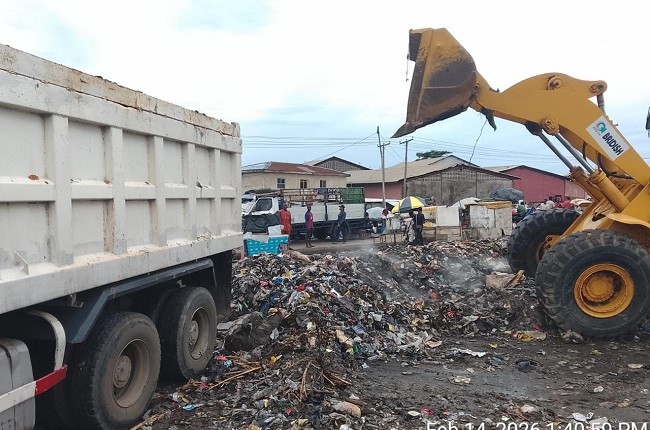
Gbadegesin said the state, comprising four million households, generated between 13,000 and 15,000 tonnes of waste daily to be collected by 450 Private Sector Partnership (PSP) operators.
He disclosed that the PSP operators had the capacity to collect only between 4,000 tonnes and 5,000 tonnes daily out of the 13,000 tonnes generated daily.
“The balance is going into the drains, canals, lagoons and wetlands, among others.
“We have about 12 per cent of wetlands in Lagos, and people have been dumping waste on the wetlands,” he said.
Gbadegesin urged Lagos residents to embrace the state government’s waste-to-wealth initiative and avoid littering the environment with refuse.
According to the managing director, about 90 per cent of waste generated in the state has value.
He said that the state has a limited space to open up new landfill sites because of its aquatic nature.
Gbadegesin added that the state was moving from a linear waste management system to a proper waste management system.
“We are moving from a linear waste management system to a proper waste management system that is environmentally friendly and sustainable, in a way that waste is now seen as a resource.
“The quantum and the quantity of waste that will end up in the landfills will be to the barest minimum.
“The biggest issue right now in waste management is the infrastructure.
“When I talk of infrastructure, I am talking about the equipment and facilities that we will use to collect, transport, treat and dispose of the 13,000 tonnes of waste generated daily in the state.
“The infrastructure includes the whole logistics chain from the bins. Risk management begins from the containerisation, the households, business and the industry.
“We don’t have enough bins. Right now, we have 80,000 smart bins that we are rolling out, and we need a lot more.
“We have four million Lagos households,” he said.
He appealed to the residents to ensure regular payment of their bills to enable PSP operators to function more effectively.
Gbadegesin disclosed that 22 PSP operators had been axed and had their slots withdrawn and given to other companies for failure to discharge their duties effectively.
He said that LAWMA would continue to work with local government chairmen to ensure a cleaner Lagos.
He called on the chairmen to take charge of their communities in terms of waste management and street trading.
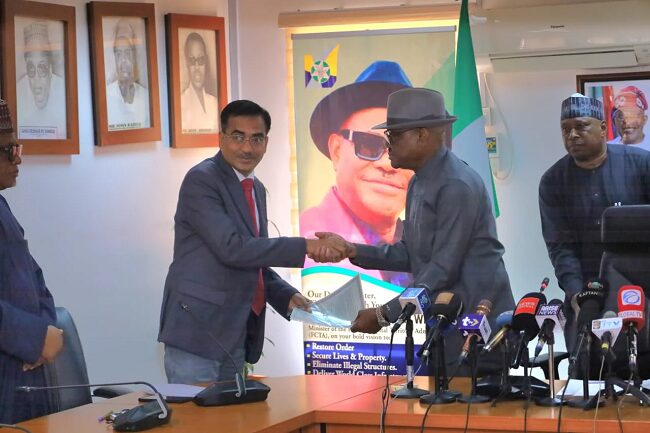
The Nigerian Content Development and Monitoring Board (NCDMB) has won the Presidential Enabling Business Environment Council (PEBEC) Transparency and Efficiency Champion Award for the fourth consecutive year. The Board topped the Ease of Doing Business rankings in 2022, 2023, 2024, and 2025.
The award was presented on December 2, 2025, at the State House in Abuja. Executive Secretary, Felix Omatsola Ogbe, was represented by Acting Director, Monitoring and Evaluation, Mr. Omomehin Ajimijaye, who highlighted the Board’s alignment with policy reforms and commitment to management goals.
The recognition reportedly underscores the Board’s operational excellence, teamwork, and consistent engagement with partners and industry stakeholders. It reflects NCDMB’s focus on efficiency, transparency, and quality service delivery.
NCDMB’s Acting Director, Monitoring and Evaluation, Mr. Omomehin Ajimijaye, recieved that award on behalf of the Executive Secretary, Felix Omatsola Ogbe
The PEBEC Awards and Gala Night celebrated public service reforms. The event was chaired by Vice President, Senator Kashim Shettima, while PEBEC Director General, Princess Zarah Audu, commended the Board for automating processes to minimize human interference, urging other agencies to adopt similar approaches.
The Board also received the Reform Champion Award, presented to Cityfaith Baribor Zorasi for exceptional performance as NCDMB’s liaison to PEBEC.
NCDMB says it remains committed to strengthening service delivery and institutional performance, advancing local industry growth under the NOGICD Act of 2010, and raising standards in the years ahead.
“The Board thanks PEBEC for the recognition and appreciates its staff for their dedication and hard work. Congratulations to the entire NCDMB team,” stated the organisation.