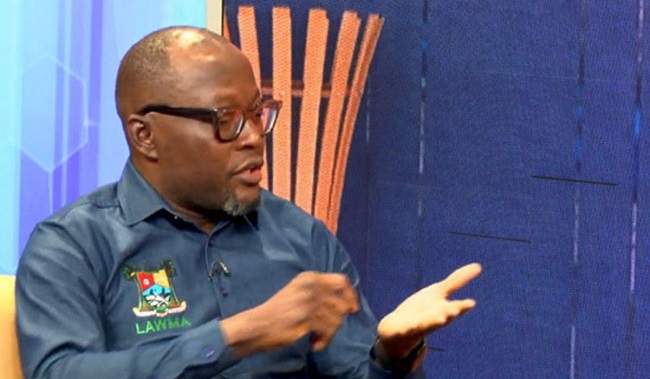
The Lagos State Waste Management Authority (LAWMA) has warned members of the public against attacking, harassing or obstructing its enforcement officers while carrying out lawful duties across the state.
This is contained in a statement issued by its Managing Director, Dr Muyiwa Gbadegesin, on Thursday, January 29, 2026, in Lagos.
Gbadegesin expressed concern over recent incidents in which its enforcement personnel were threatened or assaulted in the course of enforcing environmental sanitation laws.
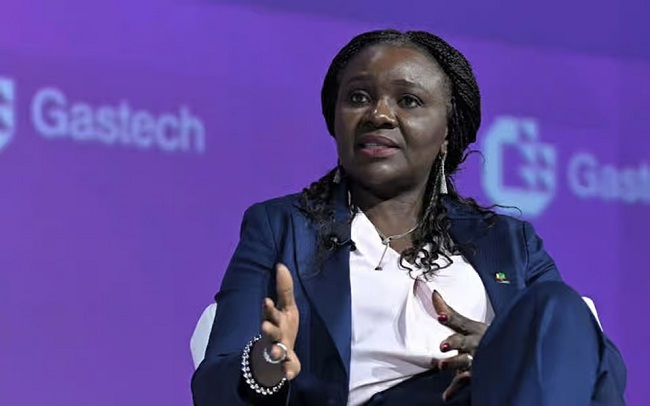
Managing Director/Chief Executive Officer of the Lagos State Waste Management Authority (LAWMA), Dr. Muyiwa Gbadegesin
He described such actions as unacceptable.
He noted that enforcement officers were deployed to protect public health, ensure compliance with waste management regulations and keep Lagos clean.
Gbadegesin stressed that any form of violence or intimidation against LAWMA officials would be met with the full weight of the law.
He said the authority’s enforcement activities were backed by the Lagos State Environmental Management and Protection Law, 2017.
The LAWMA boss urged residents to cooperate with enforcement officers, comply with approved waste disposal guidelines and report environmental infractions through appropriate channels rather than resorting to confrontation.
He reaffirmed the authority’s commitment to firm but fair enforcement, public engagement and the protection of its personnel.
Gbadegesin also called on community leaders, market associations and transport unions to support efforts aimed at promoting order, safety and environmental responsibility across the state.
According to him, LAWMA remains resolute in its mandate to deliver a cleaner, healthier and more liveable city for all residents.
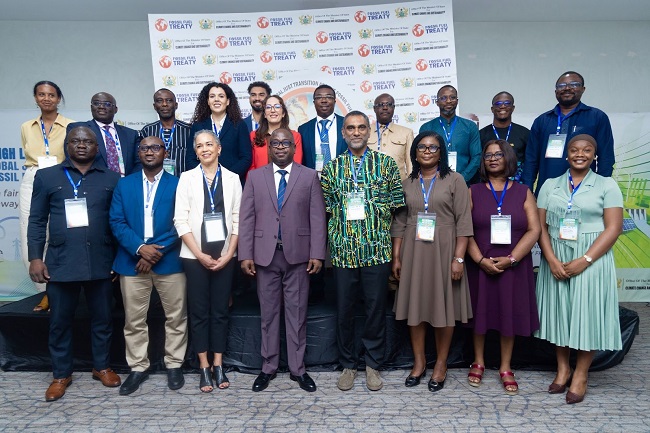
Ghana’s Ministry of Climate Change and Sustainability, led by the Minister Seidu Issifu, on Thursday, January 29, 2026, hosted a High-Level Dialogue in Accra, bringing together government officials, industry leaders and representatives across financial institutions and academia to explore how the country could both shape and benefit from emerging global frameworks for a just transition away from fossil fuels to equitable renewable energy systems, including a Fossil Fuel Treaty.
The convening marked a significant national moment to examine pathways for a fair, fast and financed transition and support the development of a coordinated engagement strategy and consultative process among sectors of Ghana’s society. The dialogue took place as the proposal for a Fossil Fuel Treaty, a mechanism to foster international cooperation for a managed and equitable global transition, continues to gain momentum globally.
Participants at the High-Level Dialogue in Accra
In particular, as nations across the globe prepare for the First International Conference on Transitioning Away from Fossil Fuels, hosted by the governments of Colombia and The Netherlands in April 2026.
Ghana’s position at the intersection of deepening climate vulnerability and debt crisis highlights the growing urgency for a Fossil Fuel Treaty that would facilitate finance, technical support, pathways for economic diversification and debt relief for nations that are disproportionately burdened.
While 18 nations from the Pacific, Caribbean, Latin America and South East Asia are currently involved in discussions to advance the proposed Treaty, Ghana’s decision to host this high-level engagement signals its intent to actively contribute to the global conversation and to ensure that African priorities and realities are reflected in just transition frameworks.
Seidu Issifu, Minister of State for Climate Change and Sustainability, Republic of Ghana, said: “Ghana welcomes the idea of a Fossil Fuel Treaty and recognises the efforts of the growing bloc of nations already engaging in discussions across the Pacific, Latin America, the Caribbean, and Southeast Asia. As momentum builds, it is time for more African nations to join this bloc so that the terms of any future agreement prioritise Africa’s development needs, secure transition finance, unlock technology transfer, support debt relief, and ensure that no one is left behind.
“We see the proposed Treaty as a key piece of the puzzle, a framework that can help unlock finance, support debt relief, and create a fair global pathway to transition away from fossil fuels in line with the 1.5-degree goal. The global just transition will not be delivered by slogans. It will be delivered through patient diplomacy, credible finance, institutional reform, and political courage.”
Kumi Naidoo, President, Fossil Fuel Treaty Initiative, said:“This High-Level Dialogue is a vital step in ensuring that African voices and priorities shape both the Fossil Fuel Treaty process and the broader global transition away from fossil fuels. At a moment when the world needs solutions grounded in justice and equity, Ghana’s leadership shows that African nations refuse to be sidelined in defining the future of the transition and are ready to co-create the solutions.
“This engagement is essential to build an understanding that addresses the needs of the people first and foremost and contribute to a global framework that addresses the needs of other climate-vulnerable nations and accelerates meaningful action.”
Hubert Zan, Lead Mitigation Negotiator for Ghana, said: “A Fossil Fuel Treaty is doable. There are a few countries that have supported the proposal for a Treaty thus far, but there is a clear framework in which we can believe, and we hope that we will be able to adapt it. The objectives are ending the expansion of fossil fuels, managing the decline of existing production, and supporting the transition for workers and communities.
“It’s our shared responsibility to promote this proposal, in order to have more nations on board that identify with what we are trying to do. We need to provide a legal framework and finance and ensure that the pathways for the just transition are clear. Our collective actions will make sure that we are able to keep global warming under 1.5 degrees.”
The proposal for a Fossil Fuel Treaty is anchored in three pillars – a global just transition away from fossil fuels, where wealthy nations provide technical support and finance for developing nations to transition and equitably expand renewable energy access, diversify their economies and harness alternative development pathways; an end to the expansion of new fossil fuel projects; and an equitable phase out, which would require wealthy nations to phase out existing fossil fuel extraction first and fastest while providing support to fossil fuel dependent developing nations for the transition.
The Lagos State Government, with the support of WaterAid Nigeria, has reaffirmed its commitment to improved Water, Sanitation and Hygiene (WASH) service delivery with the unveiling of its WASH Management Information System (LAWMIS).
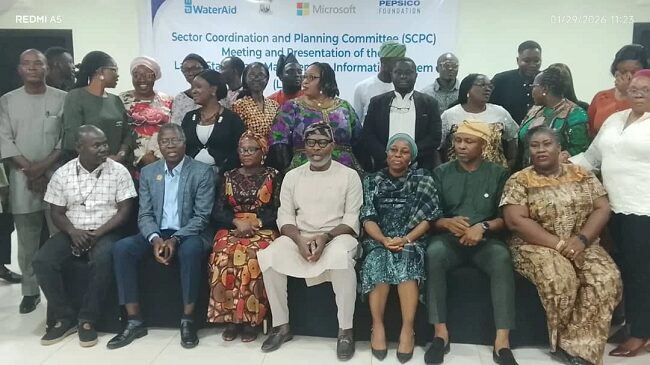
The platform was presented on Thursday, January 29, 2026, at the Sector Coordination and Planning Committee (SCPC) meeting of the WASH sector held at Amber Residence, Ikeja.
Speaking at the meeting, Mr. Mahmood Adegbite, Permanent Secretary, Office of Drainage Services and Water Resources, said the adoption of the Lagos State WASH Policy and the SCPC’s inauguration had provided a renewed mandate to harmonise interventions and accelerate service delivery across the state.
Participants at the Sector Coordination and Planning Committee (SCPC) meeting of the WASH sector
Adegbite said the meeting aimed at reviewing sector activities for 2025, aligning work plans for 2026, and identifying concrete deliverables toward achieving universal and sustainable WASH services.
According to him, effective coordination among Ministries, Departments and Agencies (MDAs), local governments, development partners and the private sector remains critical to eliminating duplication, improving accountability and ensuring efficient service delivery.
He noted that LAWMIS would strengthen planning, monitoring and reporting by providing reliable, real-time data to guide evidence-based decision-making in the sector.
In his presentation, the Lagos Project Lead, WaterAid Nigeria, Dr Adebayo Alao, underscored the importance of sector coordination as provided in the Lagos State WASH Policy.
Alao explained that while the Ministry of the Environment and Water Resources and its agencies formed the core of the WASH sector, effective service delivery depended on collaboration with other MDAs.
He listed other MDAs for collaboration as including Health, Education, Works, Physical Planning and local governments.
Alao said the Sector Coordination and Planning Committee served as a platform for aligning policies, investments and interventions.
He noted that challenges such as WASH in schools, cholera response, groundwater management and infrastructure protection required inter-agency collaboration.
Alao added that the overall goal of sector coordination was to build a vibrant, efficient and effective WASH sector in Lagos State, driven by policy, adequate financing and reliable data.
He also stressed the need for inclusive WASH infrastructure that catered for women, children, persons with disabilities and other vulnerable groups.
WaterAid Nigeria said its support for the coordination meeting aligned with its systems-strengthening objectives to improve governance, planning and coordination in the WASH sector.
The meeting also reviewed sector activities for the last quarter of 2025 and discussed plans for 2026, in line with the state’s approved budget and WASH policy implementation roadmap.
Stakeholders at the meeting agreed on the need for regular quarterly coordination meetings to sustain momentum and ensure effective implementation of sector plans.
The Government of Japan and UNESCO have signed an Arrangement Letter to implement a $50,000 flood resilience project in Niger State.
The project aims at strengthening long-term societal stability and reducing the impact of climate-induced flooding.
The signing ceremony for the project titled: “Strengthening Flood Resilience in Nigeria to Foster Long-Term Societal Stability with Focus on Niger State”, took place on Wednesday, January 28, 2026, in Abuja.
Gov. Mohammed Umar Bago of Niger State
The ceremony marked the formal launch of a 12-month window for implementation in Mokwa Local Government Area of Niger.
The Ambassador of Japan to Nigeria, Mr. Hideo Suzuki, said the project reflected a shared commitment to turning vulnerabilities into strength and crisis into opportunities.
He recalled that, in 2025, flooding claimed over 500 lives and displaced over 1,000 persons in Niger State, hence the need to prepare against such disasters in the future.
“Last year, particularly Mokwa area, over 500 lives were lost, over 1,000 displaced, critical infrastructure and vast farmlands were ravaged, so much and these are not mere statistics, but human stories of loss and hardship.
“This is why the Government of Japan is about to support this UNESCO project with approximately $50,000, and over the next 12 months we will shift from reactive disaster response to proactive climate resilient development.
“We will ensure capacity building, strengthened early warning systems, nuclear production and innovative climate risk, informed decision analysis methodology towards the project.”
According to him, the project aligns with Japan’s development priorities under the Tokyo International Conference on African Development (TICAD) and supports key Sustainable Development Goals, particularly SDG 11 and SDG 13.
In his remarks, Dr John-Paul Abiaga, UNESCO Head of Office in Nigeria, said the 2025 floods exposed the urgent need to move from emergency response to preparedness and coordinated action.
“The impact of the 2025 flood in Niger State showed us the urgent need to move from reacting to disasters, to preparing for them.
“We need to move from fragmented efforts to coordinated action and from short term relief to lasting resilience,” he said.
Abiaga described the project as a science-driven and community-focused intervention.
“This project is about preparing community for early action, about improving coordination in climate informed decision making, and also in training experts, Nigerian experts,” he said.
He expressed UNESCO’s appreciation to the Government of Japan and other stakeholders for their support, describing the Arrangement Letter as a promise to protect lives and livelihoods.
Dr Aisha Ndayako, Permanent Secretary, Ecological Project Office, said the office remained fully committed to the successful implementation of the project.
According to her, the Ecological Project Office has the statutory responsibility for coordinating national efforts aimed at providing sustainable solutions to Nigeria’s ecological challenges.
“These realities underscore the urgent need to move beyond emergency response and adopt proactive, community-centered and climate resilient solution.”
Ndayako assured that the project’s lessons and best practices would serve as a model for other flood-prone communities across the country.
Dr Hajo Sani, Ambassador and Permanent Delegate of Nigeria to UNESCO, said that although the project focused on Niger State, it had strong potential for replication nationwide.
“While the immediate focus is on Niger State, we see this project as a strong foundation, one that can generate practical lessons, test models and their momentum for replication in other flood prone region of Nigeria,” she said.
Earlier, Dr Enang Moma, National Professional Officer, Natural Science Sector, UNESCO, explained that the project was developed in response to the Japanese Supplementary Budget’s call for proposals.
She said the initiative aimed at strengthening national and community capacities for flood preparedness through improved institutional coordination, climate-risk-informed decision-making and targeted capacity development.
According to her, the Arrangement Letter signing ceremony formalises the partnership between UNESCO and the Government of Japan and officially launches the project to support flood resilience and long-term stability in Nigeria.
The project objectives included formalising the partnership, raising public awareness, demonstrating Japan’s commitment to climate-resilient development.
The objectives also include reaffirming long-standing cooperation between Japan and UNESCO in Nigeria.
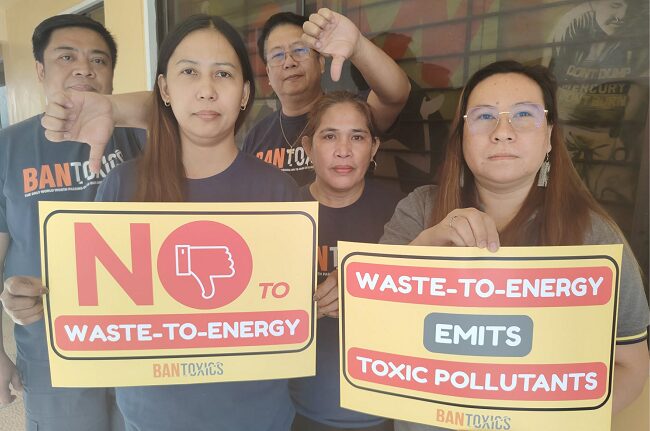
As International Zero Waste Month draws to a close, environmental NGO, BAN Toxics, has urged the Philippine government to abandon plans to pursue waste-to-energy (WTE) as a solution to the country’s escalating waste problem.
The call came after Congresswoman Gloria Macapagal-Arroyo announced during the 25th anniversary of RA 9003, or the Ecological Solid Waste Management Act of 2000, that she intends to file a bill amending said law to allow the use of WTE technology for waste disposal. RA 9003 was the first law she signed as president.
BAN Toxics urges the Philippine government to abandon plans to pursue waste-to-energy (WTE)
According to the group, the government should first focus on effectively implementing RA 9003 and addressing persistent gaps, noting that improper waste disposal, insufficient infrastructure, and lack of public awareness remain widespread. BAN Toxics emphasised that the law has yet to be fully realised, even after 25 years.
The 2023 Commission on Audit (COA) report shows that only a fraction of barangays have operational Materials Recovery Facilities (MRFs), with just 39 percent of barangays (16,418 of 42,046) served by MRFs in 2021. Many local government units also lack adequate sanitary landfills, with only 29.25 percent (478 of 1,634 LGUs) having access to SLFs, leaving much of the country’s waste improperly managed or sent to dumpsites instead of environmentally sound facilities.
Under RA 9003, LGUs are mandated to divert at least 25 percent of their solid waste through reuse, recycling, composting, and other resource recovery activities, with targets increasing every three years. However, official assessments show that many LGUs have struggled to meet these diversion requirements in practice, with much waste still unmanaged or improperly disposed.
The Department of Environment and Natural Resources (DENR) has also acknowledged a lack of recycling infrastructure and waste processing facilities as a key barrier to effective implementation, adding that waste segregation at the source remains inconsistent across local governments.
“We should first conduct a comprehensive assessment of RA 9003, and invest our efforts and resources in improving its implementation before considering waste-to-energy or other burn technologies,” said Jam Lorenzo, BAN Toxics Deputy Executive Director and Head of Policy Development and Research.
According to Lorenzo, WTE is not clean energy, as it produces a wide range of toxic chemicals, including persistent organic pollutants (POPs) that remain in the environment for a long time. Citing a biomonitoring study by Zero Waste Europe from 2023–2024, Lorenzo said that even the most advanced waste incineration technologies emit unintentionally produced POPs, such as dioxins and furans.
He also noted that WTE facilities prefer dry, inorganic waste such as plastics due to its high energy content. “WTE is often framed as a solution to plastic pollution, but burning plastics creates new environmental and health risks by releasing toxic pollutants. Instead of reducing plastic waste, it only encourages continued virgin plastic production derived from fossil fuels, reinforcing dependence on extractive industries that drive pollution and climate change.”
The DENR estimates that the Philippines produces about 61,000 metric tons of solid waste every day, 12 to 24 percent of which is plastic. This translates to around 163 million plastic sachet packets, 48 million shopping bags, and 45 million thin-film bags used daily.
BAN Toxics is advocating for a Zero Waste framework to address the waste crisis, calling for decisive action to reduce or eliminate waste at the source by cutting reliance on plastics, especially single-use plastics, and ensuring accountability from producers and corporations for the full lifecycle of their products.
The approach emphasises designing products and systems that prevent waste from being generated, while promoting reusable and refillable packaging, community-based recycling and composting, and behavioral change among consumers to adopt more sustainable habits.
“Waste-to-energy may promise an easy solution, but it is a false one. Easy fixes rarely solve systemic problems. Lasting change comes from investing in systems and infrastructure needed to properly implement our waste management laws and reduce waste at the source,” Lorenzo said.
BAN Toxics stresses the need for a fundamental shift from fragmented, “end-of-pipe” waste disposal to integrated, sustainable, and holistic approaches. The group notes that current siloed efforts by the government can be inefficient, costly, and environmentally harmful. It advocates for a systems approach that coordinates technologies, policies, and community actions to achieve more sustainable waste management outcomes.
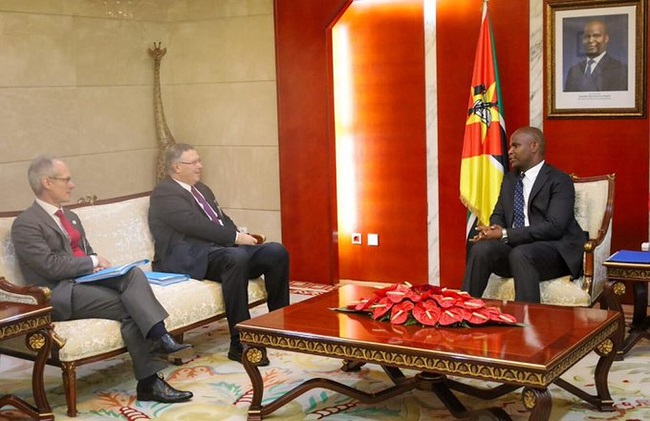
Chairman and CEO of TotalEnergies, Patrick Pouyanné, met on Thursday, January 29, 2026, in Afungi with President of the Republic of Mozambique, Daniel Chapo, and have announced together the full restart of Mozambique LNG project activities.
This restart of project activities onshore and offshore follows the decision made on November 7, 2025, by Mozambique LNG consortium to lift the Force Majeure that was declared in 2021 and resume project activities.
Daniel Chapo, President of the Republic of Mozambique, meets with Patrick Pouyanné, Chairman and CEO of TotalEnergies, in Maputo to revive Mozambique’s gas project
During the meeting, the government of Mozambique confirmed its commitment to work together with Mozambique LNG to support the restart of project activities and address the consequences of the Force Majeure period. In particular, the Government confirmed all measures taken to address the security and the continued cooperation with Rwanda.
Construction activities have now restarted both offshore and onshore at Afungi site, with over 4,000 workers currently mobilised of which over 3,000 are Mozambican nationals. First LNG is expected in 2029 as the project progress is currently at 40% – almost all engineering and procurement of main equipments have been executed during the force majeure period.
The Mozambique LNG project will bring significant economic benefits to Mozambique during its development phase, notably through an ambitious local content plan. The project will provide up to 7,000 direct jobs for Mozambicans during construction, and contracts awarded to Mozambican compagnies are expected to amount to more than USD 4 billion.
In addition, Mozambique LNG has launched a large-scale socio-economic development programme to support local communities in Cabo Delgado province. The Mozambique LNG Foundation, established in 2023 and endowed with a budget of $200 million, has already delivered tangible results, with over 8,000 jobs created and 7,000 farmers and fishermen supported by the Foundation in Cabo Delgado province.
“The full restart of project activities marks a major milestone for Mozambique LNG and the country. I want to thank President Chapo and all Mozambican authorities for their commitment to the project. We are now working together to make this project a great success for the people of Mozambique,” said Pouyanné.
“This landmark project will position Mozambique as a major LNG exporter. With its strong local content, it will also bring lasting economic benefits to Mozambican people,” added Pouyanné.
“The resumption of the project represents a significant milestone for the national economy and reaffirms the confidence of international partners in Mozambique’s energy, institutional and human potential. It will have a direct and significant impact on job creation, both in construction phase and in the operational phase, stimulating the national labor market and promoting the capacity-building of Mozambican manpower.
“At the same time, it consolidates Mozambique’s positioning as a regional energy hub and reaffirms the country as a credible and relevant actor in the global Liquefied Natural Gas market, strengthening its geostrategic position and its role in global energy security,” said President Chapo.
The Mozambique LNG is a joint venture composed of TotalEnergies EP Mozambique Area 1 (26.5%, operator), Mitsui E&P Mozambique Area 1 (20%), ENH Rovuma Área Um (15%), ONGC Videsh Rovuma (10%), Beas Rovuma Energy Mozambique (10%), BPRL Ventures Mozambique (10%) and PTTEP Mozambique Area 1 (8.5%).
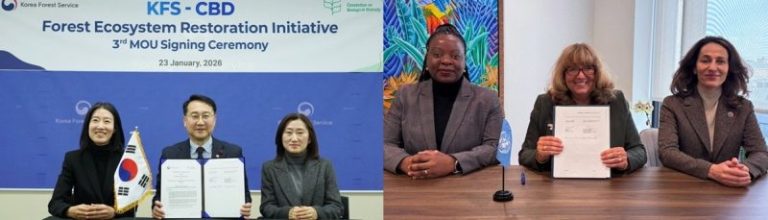
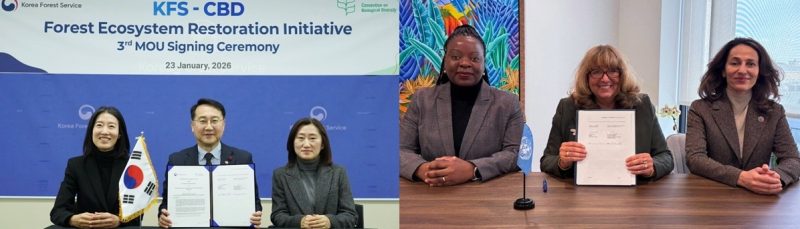
The Korea Forest Service (KFS) and the Secretariat of the Convention on Biological Diversity (CBD) on Friday, January 23, 2026, signed a Memorandum of Understanding (MoU) on the implementation of the third phase of the Forest Ecosystem Restoration Initiative (FERI).
Since its inception in 2014, FERI has underpinned national efforts in many parts of the world, supporting countries to develop and implement restoration projects, strengthening capacity, promoting South-South cooperation and mobilising knowledge and best practices.
Under the freshly signed MoU, the KFS is committing 700 million Korean Won yearly from 2026 to 2028 for the implementation of the Initiative, with a view to extend further financial support until 2030.
Signing of a Memorandum of Understanding (MoU) on the implementation of the third phase of the Forest Ecosystem Restoration Initiative (FERI)
“We at the Secretariat of the CBD are grateful to the Republic of Korea for demonstrating leadership and commitment to international cooperation at a time when they are sorely needed to address the environmental crises afflicting our planet,” said Astrid Schomaker, Executive Secretary of the CBD.
“The generous Korean support to this third phase of FERI will bring welcome impetus in the global race to halt and reverse biodiversity loss in the world’s forests and across connected ecosystems,” added Schomaker.
Kim In-ho, Minister of the KFS, said, “Thanks to the enduring partnership between the KFS and the Secretariat of the CBD under FERI, the Republic of Korea has been able to play a constructive role in advancing forest restoration globally.”
He added: “The KFS will remain committed to contributing to biodiversity conservation and a sustainable future.”
The third phase of FERI will contribute to accelerating the implementation of the Kunming-Montreal Global Biodiversity Framework (KMGBF), notably by underpinning the pursuit of forest-related commitments articulated in the National Biodiversity Strategies and Actions Plans (NBSAPs).
Under this new MoU, the Initiative will continue to foster the participation of a wide range of actors, including indigenous peoples and local communities, the custodians of a sizeable portion of the planet’s biodiversity. The range of planned activities includes developing capacity, mobilising resources, and promoting the exchange of knowledge and best practices.
In this way, FERI-supported activities will yield benefits across many of the targets of the KMGBF, including Target 2, pertaining to the restoration of 30 per cent of the world’s degraded ecosystems by 2030.
The Cross River State House of Assembly (CRHA) has intervened in the dispute between Ekuri forest community and timber company, Ezemac International (Nig.) Limited, following allegations of unsustainable and unauthorised logging activities in the community forest.
The Ekuri community had accused the company of operating in its forest without due process, including the absence of Environmental Impact Assessment (EIA) and community consent, while allegedly deploying security agencies to intimidate residents.
In response, the House Committee on Agriculture and Natural Resources convened a stakeholders’ meeting on Tuesday, January 27, 2026, bringing together representatives of Ekuri community (Old and New), Ezemac International, the Forestry Commission and other relevant stakeholders.
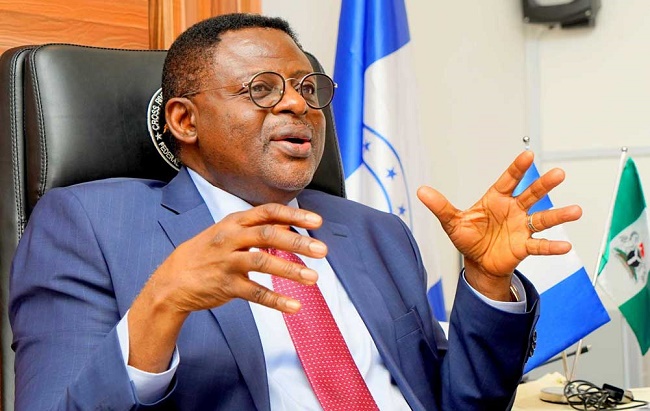
Governor Prince Bassey Edet Otu of Cross River State
Addressing the committee, community leader, Dr. Martins Egot, said the dispute highlights broader concerns around community forest governance and environmental protection.
He alleged that large-scale logging was ongoing in Ekuri forest without the required approvals, warning that intimidation and weak regulatory oversight undermine conservation efforts and community rights.
Several lawmakers expressed concern over the environmental implications of heavy logging activities. Egbe Egbe Abeng (Obubra II) criticised the alleged use of bulldozers in the forest and described the financial arrangement with the community as exploitative, while Linus Etim (Akamkpa II) stressed that host communities retain the right to protect their forests where agreements are breached or have expired.
Okon Owuna (Akamkpa I) disclosed that documents before the House indicated Ezemac was licensed to operate in government forest reserves, not community forests, warning that mechanised logging poses a serious threat to forest sustainability in Akamkpa axis.
Responding, Ezemac International, represented by its manager, Mr. Steven Asuwac, acknowledged a previous encroachment into Ekuri forest in 2023, for which compensation was paid.
He denied claims of destructive logging practices, insisting that chainsaws, not bulldozers, were used for timber extraction and that the company had engaged the community and employed local youths.
Chairman of the State Forestry Commission, Dr. George Oben-Etchi, confirmed that while Ezemac holds a valid permit to operate in government reserves, logging in community forests requires both regulatory approval and negotiations with host communities.
Ruling on the matter, Chairman of the House Committee, Bette Obi, faulted gaps in forest monitoring and revenue tracking, noting discrepancies between timber extracted and official forestry records.
He directed Ezemac to suspend all actions capable of escalating tension, withdraw security involvement, and engage the Ekuri community in line with environmental laws and due process.
The committee also asked the Ekuri community to submit a unified position, as the Assembly continues efforts to safeguard environmental sustainability, community rights and lawful investment in the state’s forest sector.
The Nigerian Upstream Petroleum Regulatory Commission (NUPRC) has provided further clarification for the ongoing licensing round, especially for bidders interested in the 50 oil and gas blocks on offer.
According to the Commission’s Chief Executive, Mrs. Oritsemeyiwa Eysan, only applicants with strong technical and financial credentials will proceed to the critical stage of the bidding process.
Eyesan said this at the 2025 licensing round pre-bid webinar on Wednesday, January 28, 2026.
Mrs. Oritsemeyiwa Amanorisewo Eyesan, the Commission’s Chief Executive, NUPRC
She said, “The process follows five steps: registration and pre-qualification, data acquisition, technical bid submission, evaluation, and a commercial bid conference.
“Only candidates with strong technical and financial credentials, professionalism, and credible plans move forward. Winners are chosen through a transparent, merit-based procedure.”
The NUPRC boss noted that with the approval of President Bola Ahmed Tinubu, signature bonuses for the 2025 licensing round are now set within a value range that reduces entry barriers and places greater weight on what truly matters: technical capability, credible work programs, financial strength, and the ability to deliver production within the shortest possible time.
“This has been done to increase competitiveness and in response to capital mobility,” the CCE stated.
Eyesan described the licensing round as an open call for committed partners; those ready to invest capital, bring technical excellence, and accelerate Nigeria’s assets from license award to exploration, appraisal, and ultimately, full production.
The NUPRC boss restated the Commission’s commitment to a transparent licensing round, insisting that Nigeria is “ready to be the beautiful bride to capital and playroom for advanced technological deployment for hydrocarbon recovery.”
She added, “In this licensing round, 50 oil and gas blocks across Nigeria are available, allowing investors to access the country’s key basins and create long-term value.”
Eyesan further assured the public that the bid process will comply with the Petroleum Industry Act, promote the use of digital tools for smooth data access and remain open to public and institutional scrutiny through the Nigeria Extractive Industries Transparency Initiative (NEITI) and other oversight agencies.
“Let me emphasise that the Nigeria 2025 Licensing Round is not merely a bidding exercise. It is a clear signal of a re-imagined upstream sector, anchored in the rule of law, driven by data, aligned with global investment realities, and focused on long-term value creation,” the NUPRC boss said.
During the webinar, subject matter experts from the NUPRC explained the guidelines, model contracts, bid parameters, and evaluation criteria in order to help investors navigate uncertainty and operate within a framework that is transparent, predictable, and deliberately designed to inspire confidence.
Corporate Accountability and Public Participation Africa (CAPPA) has condemned what it described as the violent, unlawful, and reprehensible actions of the Lagos State Government and the Nigerian Police Force against hundreds of peaceful victims of illegal demolitions, assault, and killings who gathered at the Lagos State House of Assembly on Wednesday, January 28, 2026.
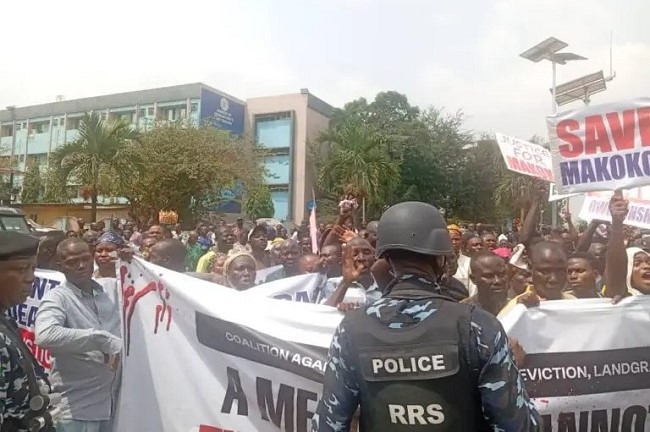
In a statement issued after the incident, CAPPA said security operatives led by the Lagos State Commissioner of Police, Jimoh Moshood, attacked hundreds of displaced residents who had gathered at the Assembly complex to express their grievances over the ongoing demolitions and forced evictions across waterfronts and low-income communities in the state.
Police confront Makoko demolition protesters
CAPPA demanded the immediate and unconditional release of Comrade Hassan Taiwo Soweto, a member of the #EndBadGovernance Movement in Lagos State, alongside other demonstrators arrested during the protest.
The organisation said Soweto, alongside several peaceful protesters including Comrade Jacob Akiri and Evangelist Isaac Doosuga, a septuagenarian from Makoko, were forcibly seized by police officers after the Commissioner of Police ordered the use of tear gas on the crowd.
CAPPA described the incident as a flagrant violation of constitutional rights and a continuation of what it called the Babajide Sanwo-Olu-led administration’s pattern of repression, lawlessness, and cruelty against poor and displaced communities. It said the actions of the state authorities showed a shocking disregard for human dignity, the rule of law, and democratic norms.
This violent behaviour by the state, the organisation added, has reportedly led to the deaths of 12 persons in Makoko, including a five-day-old baby, as well as many others across demolished communities.
Speaking further on the events that unfolded at the State House of Assembly, CAPPA noted that the protest was entirely peaceful. It said that displaced residents, including elderly men and women whose homes and livelihoods had been destroyed, had marched for hours peacefully from Ikeja Under-Bridge to the State House of Assembly to formally present their grievances to lawmakers.
“Unfortunately, lawmakers who briefly came out to address the protesters, including Ogundipe Stephen Olukayode, Chairman of the House Committee on Information, Strategy and Security, refused to allow the protesters access to the Assembly premises or the amphitheatre, a public civic space meant for citizen engagement. Exhausted protesters, including elderly persons, were denied seats and even the most basic courtesies,” the CAPPA statement noted
The organisation said that despite the refusal, the protesters remained calm and orderly, insisting only on their right to be heard while proceeding to sit on the grounds outside under the hot sun. It stated that the situation escalated only after security agents deployed tear gas and violent force without provocation.
CAPPA said police officers fired tear gas canisters directly at unarmed protesters, with lawmakers fully aware of the situation, triggering injuries and panic. It reported that a community member, Kafayat Muftaudeen, was struck on the leg by a tear gas canister and remains hospitalised, with surgery being considered.
It added that another victim, a journalist covering the protest, Oluwaferanmi Oladipupo of Daily Family, was severely affected by tear gas exposure and placed on oxygen, alongside other victims, including Jennifer Rita Obiora, a medical professional and member of the #EndBadGovernance Lagos State chapter, who was also brutalised and rushed to the hospital.
The organisation further said several protesters reported the forceful seizure and theft of personal belongings and work tools by police officers, describing the actions as unacceptable, criminal, and dangerous to press freedom and civic space.
Responding to claims by the Lagos State House of Assembly that unruly behaviour by Soweto allegedly escalated the situation, CAPPA dismissed the assertion as false and misleading. The organisation said Soweto repeatedly urged protesters to remain peaceful and encouraged them to sit calmly outside the Assembly complex after lawmakers refused them entry. It added that this account is clearly verifiable in all available video recordings of the incident.
CAPPA stated that the Commissioner of Police appeared to have taken personal offence at Soweto’s public criticism of the continued use of brute force by police officers against displaced communities, which the organisation said had resulted in deaths, including those of infants, during demolition exercises.
According to the organisation, the police action against Soweto was deliberate and targeted. It said the Commissioner of Police advised some protesters to move away and disassociate themselves from him at the Assembly ground, forcibly seized him, and deployed tear gas against the crowd, leaving several protesters disoriented.
The organisation also rejected claims that the Lagos State House of Assembly had earlier committed to intervening in the demolitions during a previous engagement with protesters on January 15. It said demolitions continued after that meeting and that affected residents were later informed by some other lawmakers, during a private meeting, that there was no possibility of definitive intervention because their entire land had been sold off. It added that the lawmakers advised community members to prepare for eventual eviction within five years.
CAPPA said the latest incident demonstrated what it described as the Lagos State Government’s insensitivity and the active role of the Commissioner of Police in aggravating the suffering of displaced residents. It said the conduct of the police leadership showed vindictiveness and a lack of restraint expected of public officeholders.
Quoting its Executive Director, Akinbode Oluwafemi, the organisation said the rights to freedom of expression, association, and peaceful protest were guaranteed under the Constitution of the Federal Republic of Nigeria and protected under international human rights law.
Oluwafemi was quoted as saying there was no legal, moral, or political justification for the use of tear gas or force against unarmed citizens and journalists exercising their rights. He added that the incident reflected a growing pattern of responding to civic dissent with repression rather than dialogue, particularly when protests exposed failures around demolitions and forced evictions carried out without adequate notice, compensation, or humane resettlement.
CAPPA demanded the immediate and unconditional release of all protesters detained during the protest.
The organisation also called on the Lagos State Government to immediately suspend the Lagos State Commissioner of Police, Jimoh Moshood, over what it described as his central role in destabilising a peaceful protest, ordering the use of force against unarmed citizens, and falsely claiming that no protester was injured.
CAPPA further demanded the immediate return of all personal belongings, work tools, and electronic devices allegedly seized or stolen from protesters and journalists by police officers during the crackdown, including a music van with speakers, as well as personal handbags and other property belonging to protesters.
In addition, the organisation called for the immediate suspension of all demolition and forced eviction operations across Lagos State and demanded independent investigations into reported killings in Makoko, Owode, Oworonshoki, and other affected communities, as well as the excessive use of force against protesters, with all those responsible held accountable.
CAPPA urged the Nigerian Police Force to end what it described as its routine use of violence against peaceful demonstrators, Lagosians, and journalists and called on the Speaker and members of the Lagos State House of Assembly to engage affected communities in good faith rather than endorsing or enabling state violence.
The organisation warned that it would not hesitate to mobilise civil society, affected communities, and the wider public against what it described as escalating state injustice if its demands were not met.