Home Blog Page 2162

Australia: Meeting sustainability targets comes with trade-offs – Study

0

The world’s countries will face tough choices if they want to achieve several different targets for sustainability, such as reducing their fossil fuel footprints and conserving water, at once.
Brett-Bryan
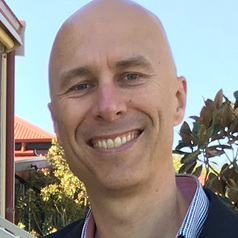
Brett Bryan, Professor at Deakin University in Melbourne

That is the conclusion of a new study that explored the different options that Australia has for meeting the United Nations Sustainable Development Goals (SDGs) – a set of 17 goals that almost 200 nations have signed on to work toward by 2030. The study examined how Australia could meet these goals through changes to its farmlands and livestock ranges. And, researchers discovered, chasing after multiple targets for sustainability can be a precarious affair: In some cases, making progress on one goal, such as storing large volumes of carbon dioxide in biomass and soils, means working against others, such as reducing water use.

To get to the bottom of those trade-offs, the researchers considered a series of possible futures for Australia’s land sector, which includes large swathes of wheat fields and cattle pastures. Based on their calculations, the country met two sustainability goals simultaneously in about one quarter of those pathways and met three goals in only 10% of the options.

The team published its findings on Thursday, April 13, 2017 in Nature. The results suggest that individual sectors of society, like agriculture, can’t achieve sustainability on their own – this complex pursuit requires buy-in from all parts of a nation, from cities to the energy industry.

“We really have to be smart about this,” says Brett Bryan, formerly of the Commonwealth Scientific and Industrial Research Organisation (CSIRO) in Australia and now a Professor at Deakin University in Melbourne. “If we want to achieve multiple aspects of sustainability, then we need a new kind of science where we take an integrated and detailed look across the whole of the environment and economy. We need to work out across that spectrum how we can actually achieve multiple sustainability targets.”

This research contributes to the work of the Global Land Programme, a global research project of Future Earth.

The Sustainable Development Goals don’t lack in ambition, according to the study. These goals, part of the United Nations’ 2030 Agenda for Sustainable Development, cover many aspects of sustainability. They include “End hunger, achieve food security and improved nutrition and promote sustainable agriculture” (Goal 2) and “Sustainably manage forests, combat desertification, halt and reverse land degradation, halt biodiversity loss” (Goal 15).

But the goals are vague and don’t spell out how the world can realistically meet them, says Bryan, the joint-lead author of the new study. That means that the hard work, coming up with concrete paths for achieving all 17 goals at once, is left to individual nations. In the new study, he and his colleague Lei Gao of CSIRO in Adelaide, Australia, decided to probe what sort of options might be open to Australia.

To do that, the pair turned to a massive computer simulation, or model, called Land-Use and Trade-Offs (LUTO). LUTO considers a number of factors that could shape Australia’s landscape in the coming decades. “These might be changing climate policies or crop prices,” Bryan says. “We then characterised how patterns of land use might change based on human behaviour – what people do and where on the land.”

In other words, under a certain scenario, would wheat fields fueled by irrigation expand in southern Australia, or would people convert croplands into forests? Today, the country’s agricultural lands spread over about 85 million hectares. Farmers, in turn, produced around $34 billion in crops, meat and other exports in 2015. In all, the researchers tallied 648 possible futures for this part of Australia and looked at how they stacked up against the aspirations of the Sustainable Development Goals.

They found that, by 2030, achieving many different goals in Australia’s land sector would be a difficult task. Achieving five goals at once only happened in six, or less than 1%, of the possible futures. In part, that’s because sustainable development comes with a lot of surprises. “If you improve one thing in the land system by changing land use or land management, you could worsen others,” Bryan says. “There are all these trade-offs.”

He gives the example of storing carbon dioxide: If farmers shifted to growing trees instead of crops, that would up the amount of carbon dioxide that plants pull out of the air and put into the ground, a phenomenon called carbon sequestration. But it would also stress the country’s water reserves. Forests, Bryan explains, need more water to flourish than wheat fields.

Other goals, however, seemed to go together well. They included simultaneously achieving targets around growing adequate amounts of food, conserving water and producing biofuels. Australia met this trifecta in 6.5% of possible futures – a relatively high success rate.

The results show why nations shouldn’t rush into sustainable development without a plan – one that considers the various clashes that could exist in the future. Bryan adds that it’s critical for parts of society, such as agricultural lands, to focus on achieving a few priorities in sustainability, rather than try to tackle all goals at once. In the case of the land sector, that may include slowing the loss of the country’s natural habitats, a goal that few other areas of Australian society can make progress on.

“In the land sector, we need to address those things that are critical for the land sector to do: producing food and reversing land degradation” Bryan says. “While land can help with the other goals, we really need to leave things like carbon sequestration and energy production other sectors of the economy. Other parts of Australia need to do some heavy lifting, too.”
Need for effective management of peatlands, forest fires

0

According to scientists, protecting peat from forest fires and restoring degraded peatlands are complex processes that require solid science

Peatland, Indonesia
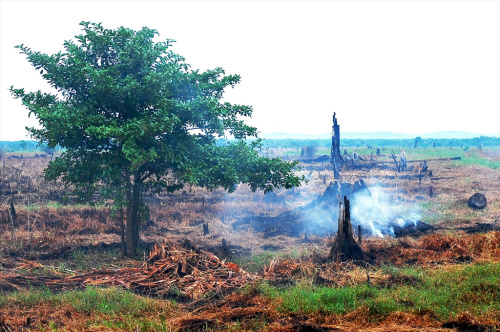
Land clearing on peatland, Indonesia. Photo credit: Ryan Woo/CIFOR

Experts from the Centre for International Forestry Research (CIFOR) and the Research, Development and Innovation Agency of the Indonesian Ministry of Environment and Forestry (FOERDIA) in an event held in Bogor, Indonesia, on Wednesday, April 12, 2017 shared their knowledge related to the management of peatlands and forest fires.

Both research institutions analysed the effectiveness of policies and implementation following the fire and haze event in 2015. Looking forward, CIFOR and FOERDIA discussed how to advance science that supports policy for peatland protection and restoration in Indonesia.

In particular, they debated how to monitor progress on peatland restoration; how to reconcile the differing figures and maps for peatlands; and how to measure the effectiveness of existing regulations, such as presidential decree PP 57/2016 on sustainable peat management.

The multiple dimensions of peatlands protection and restoration are part of the areas of research of CIFOR and FOERDIA. Both institutions have collaborated since 1997 and will continue to work together to connect research with policymaking and implementation in a way that triggers action.


Bringing peatlands to the fore

This discussion comes ahead of the second Partners Meeting of the Global Peatlands Initiative meeting and the Global Landscapes Forum: Peatlands Matter event. These two global events related to peatlands will take place in Indonesia in May.

Peatlands are important carbon sinks and stocks, estimated to hold more than 600 Gt of carbon. When drained, they are especially susceptible to fires. At the same time, millions of farmers derive their livelihoods from unsustainable agricultural practices on these lands.

The fire and haze event in Indonesia in 2015, which produced 15% of the world’s carbon emissions that year over several weeks, was said to have caused billions of dollars in economic losses and created a public health crisis, bringing these conflicting issues to the forefront of global attention.

Lagos State University surgeons perform first local open-heart surgery

0

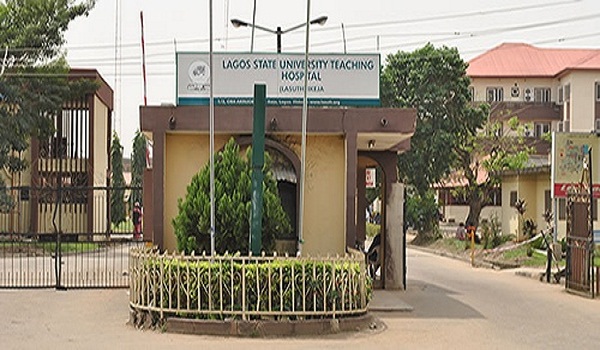
The Lagos State University Teaching Hospital (LASUTH) in Ikeja has said that its indigenous cardiac surgery team performed its first open-heart surgery on a 22-year-old patient, Kehinde Soyinka.

Lasuth
The Lagos State University Teaching Hospital (LASUTH), Ikeja

LASUTH’s Chief Medical Director, Dr. Adewale Oke, made the disclosure at a news conference in Lagos on Wednesday, April 12, 2017.

Dr. Oke said: “The essence of this conference is to show that we have developed the capacity and we are able now with our team to conduct safe, cost-effective cardiac surgery in LASUTH.

“This is one of the dreams of the Lagos State Government which wants to limit medical tourism to its barest minimum.

“We have improved our skills so that we can accommodate this and cut down the cost of these surgeries.”

Oke said the surgery cost N2.5 million in LASUTH.

He said: “We have looked at our books and we are thinking that a minimum amount of about N2.5 million will adequately cover the cost of surgery and admission.

“Of course, follow up will depend on what the patient needs from time to time or the degree and the kind of surgery.

“If you do it here in Nigeria, you are at home, you are likely to heal better among relations and in a friendly environment and above all, the cost will be driven to the barest minimum.”

Oke said the burden of structural heart disease requiring surgical intervention was on the rise in the country.

He added that the hospital would continue to deploy frontline technology to tackle congenital heart disease.

He said: “We hope to do our best to bring respite to this kind of patients through proper and careful use of both human and material resources at our disposal.”

The chief medical director said that the hospital had in the past carried out cardiac surgeries through medical missions.

Oke said: “The first open-heart surgery was carried out in 2004 and has carried out about 54 surgeries since then till date.

“We were able to conduct those surgeries through the use of medical missions, bringing in surgeons from abroad to assist us and build capacity.”

Also, the team lead Cardiac Surgeon, Dr Bode Falase, said that the way forward was to create the awareness that open-heart surgery was available locally.

Dr. Falase said: “The success story and real progress is that we now have the cardiac team available locally to meet the needs of patients who require surgery.

“Let us build on this success; we need to do more surgeries locally and at a lower cost.

“The main challenges in performing surgeries have already been addressed by the hospital; we cannot have surgeries in a vacuum.

“We need the right facilities, we must have a good intensive care, consistent power, blood bank; so all these facilities are in place.

“The human resources and material resources are available.”

Another member of the team, a Consultant Cardiologist, Dr Folashade Daniels, said that fund was a huge challenge for most patients who required surgery.

Daniels said: “We need the support of the government and the public to ensure that these surgeries are carried out locally.

“This will enable more people to get the treatment they need and do not have to go too far to get it done.”

The patient, Soyinka, who expressed gratitude to the hospital management, said that she was very fit and healthy.

Soyinka said: “I am grateful that the doctors stood by me throughout the surgery; I never thought I would be able to afford the surgery.

“But, at a lower cost at the hospital and with support from my husband, I am able to get the surgery done.”

Government approves ratification of Minamata Convention on Mercury

0

Nigeria’s Federal Executive Council (FEC) on Wednesday, April 12, 2017 approved the ratification of the Minamata Convention for the control of mercury poisoning.

INC7-MCM
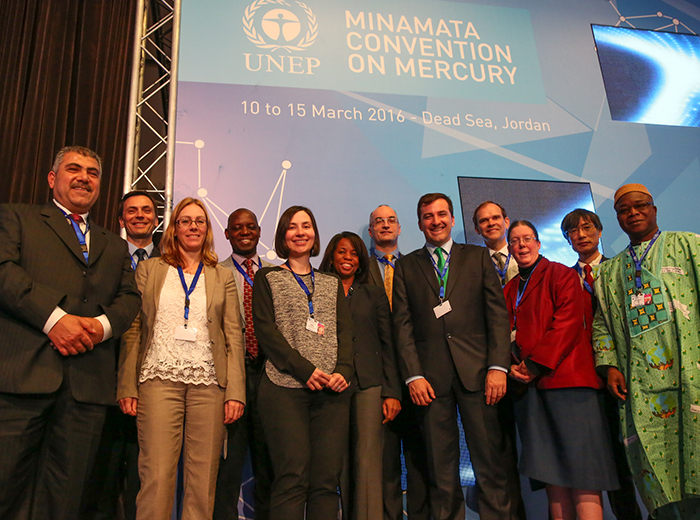
Flashback: Participants at the Seventh Session of the Intergovernmental Negotiating Committee on Mercury (INC7) held in the Dead Sea Area in Jordan, March 10 to 15, 2016

Minister of State for the Environment, Ibrahim Jibril, while briefing State House correspondents, said the ratification followed the memo submitted to the council by his ministry.

Jibril said: “There are so many gains to this. By signing and ratifying this convention, Nigeria will be in a position to benefit technically from funds that may be made available to the international community.

“We will also benefit from training on issues that are related to Mercury poisoning. In collaboration with the Ministry of Health and Ministry of Mines and Solid Minerals Development, there will be an inter-ministerial committee to work out the modalities on how to access this funding from international donors.”

The Minamata Convention on Mercury is a global treaty to protect human health and the environment from the adverse effects of mercury.

Jibril said it could cause heart, kidney, respiratory and memory diseases as well as affect unborn children. He also said that about 40 countries, including 18 African countries, had ratified the convention as at today.

The minister also said that the issue of the Green Bond was on course, adding that since it was intended to be a Sovereign Green Bond, it would go through the national budget.

According to him, the ministry is working in collaboration with the Ministry of Finance and the Debt Management Office in respect of the process.

He said: “We have got the CBN to open an account for the proceeds but since it is sovereign, the National Assembly has to pass the budget first before we can do the launch; that is what is holding it a little.

“There are three projects that will benefit from the green bond if it is issued.”

He said one of the projects was the renewable energy that would make solar power available to citizens.

The minister said the other project was the 100 FCT commuter buses projects that aim to reduce emissions from cars plying between Kubwa and Suleja corridor to mitigate climate change.

He mentioned the afforestation programme as the third project that would involve relevant agencies in part of the financing.

On the Ogoni clean up, Jibril said that after setting up a governance structure, a project director was appointed. He added that a meeting of the governing board and the trustees would be held by the end of April to approve roadmap for operations.

Abidjan Convention partners aim to strengthen collaboration

0

Representatives of 11 technical and financial partners of the Abidjan Convention met on Saturday, April 1, 2017 in Abidjan with a view to arriving at an enhanced awareness and coordination of their respective actions, sharing experiences and lessons learned and, eventually, putting together a roadmap for their collaboration.

Abou Bamba
Abou Bamba, Executive Secretary, Abidjan Convention

They decided to draw up a proposed matrix and timetable for their activities with the Convention, to be filled in by the participating organisations, along with a calendar of their meetings.

The meeting came on the heels of the 12th Conference of Parties (COP12) to the Abidjan Convention, held from March 27 to 31, 2017. Issues discussed included the possibility for the secretariat of the Convention to provide technical support to the Technical Assistance in the Management of West African Coastal Areas (WACA) programme, more commonly known as the WACA Programme.

Financed by the World Bank, the WACA Programme covers eight West African countries and the April 1 meeting discussed its extension to other countries through the development of a regional action plan.


Collaboration on transborder waters

Other prospects for collaboration on existing or upcoming projects were also explored by the Convention’s partners. In this regard, Grid-Arendal, a Norwegian foundation, the MAVA Foundation, a private Swiss Institution, and the WABiCC Project, financed by the US Agency for International Development, are thinking of collaborating on a project on trans-border waterways in Africa.

WABiCC, which is aimed at helping coastal communities in West Africa to strengthen their resilience to climate change and at protecting and preserving biodiversity, provides support to the Abidjan Convention Secretariat, including in the fight against invasive species and wildlife trafficking.

The creation and management of protected marine areas is the area in which the Regional Network of Protected Marine Areas, RAMPAO, WABiCC, Birdlife International and Grid-Arendal hope to work together. The drawing up of an additional protocol to the Abidjan Convention on protected marine areas was also proposed at the meeting. Collaboration in this regard would link the Convention secretariat and the Regional Programme for the Conservation of the Coastal and Marine Area in West Africa.

The regional programme is a joint initiative of the International Union for the Conservation of Nature, World Wildlife Fund, Wetlands International and the International Foundation of the Arguin Bank in partnership with the Sub-regional Fisheries Commission.


Protection of endangered aquatic species

For its part, the U.S. Africa Command, USAFRICOM, and the Abidjan Convention plan on collaborating on the protection and conservation of endangered aquatic species. The two institutions have already been collaborating over the past five years on environmental security.

Portsmouth University in the United Kingdom, which has been working on assessing the value of ecosystems and the Sargasso weed, is thinking of contributing to a project to evaluate ecosystem services in the Abidjan Convention area, while the Economic Development Bank of Central Africa, BDEAC, could help the Convention with regard to mobilising resources and financing activities.

Also represented at the encounter was the Mano River Union, an inter-state organisation that brings together Côte d’Ivoire, Guinea, Liberia and Sierra Leone, and which constitutes the world’s third most important ecosystem

Relocate Benue dry season farmers to riverside – IFAD/VCDP

0

The State Programme Coordinator IFAD/VCDP Benue State, Emmanuel Igbaukum, has made a case for harmonising and relocating dry season farmers in Iye-Uvir in Guma Local Government of the state to a central point to be served by the Ake Lake to enhance cost effectiveness and productivity.

Samuel-Ortom
Benue State governor, Samuel Ortom

Mr Igbaukum, who made this known in a chat with news men shortly after a visit to the Dooshima Hemba MPCS Pilot Rice Irrigation Scheme at Iye Uvir on Tuesday, April 11, 2017 to access the success stories of the programme, lamented that the farmers spend about 10 to 15 litres of fuel to pump water weekly for the rice farm, making it less cost effective.

He noted that harmonising and utilising the Lower Benue River Basin Development Authority’s infrastructure, as it is done in the sister agency in Niger State where only N500 is spent by rice irrigation farmers to water their rice per hectare for a season, the cost of production in Iye Uvir and other irrigation farms in Benue will be improved.

According to Mr Igbaukum, the FGN/IFAD Value Chain Development Programme has already contracted a consultant to draw up a survey for dredging a canal for Ake Lake to enhance the harmonising of the farm spread which is over 4,000 hectares.

He opined that, with an enabling environment created for them by government and with their farmers more willing to embrace irrigation farming, even without available dams, they expect that IFAD will provide infrastructure before the end of 2017 but mostly with government’s support.

Earlier, a member of the Dooshima Hemba Multipurpose Cooperative Society, Mrs Ladi Ngbea, narrated that dry season rice farming is good because one is in control of water.

“Impact of irrigation farming on our livelihood is great as it has really improved our farmers livelihood. As we sell, we get money to put back recurrently and farming is a business so we are no longer stopping farming but farm all year long,” she stated.

By Damian Daga

Health risks related to climate change rising – UN

0

A new UN report says that health risks related to climate change are on the rise worldwide. At the same time, coordinated international responses can help prevent some of the worst impacts of climate change on health.

Youssef-Nassef
Youssef Nassef, Director of the Adaptation Programme of the UNFCCC secretariat

Youssef Nassef, Director of the Adaptation Programme of the UNFCCC secretariat, says: “The report clearly highlights the need for the UN and partners to continuously strengthen their actions to support governments to build climate resilience, including measures to protect human health.”

The report will be presented to governments during the next round of climate change negotiations to be held in Bonn from May 8 to 18, 2017.

It was prepared in collaboration with countries, the World Health Organisation (WHO) and other relevant expert organisations, under the Nairobi work programme − UN Knowledge-for-Action Climate Resilience Network. Below follows an overview of the report’s main findings.

The report shares at least five major insights:

  1. Certain groups have higher susceptibility to climate-sensitive health impacts owing to their age (children and elderly), gender (particularly pregnant women), social marginalisation (associated in some areas with indigenous populations, poverty or migration status), or other health conditions like HIV. The socioeconomic costs of health problems caused by climate change are considerable.
  2. Many infectious diseases, including water-borne ones, are highly sensitive to climate conditions.  A main concern in both developed and developing countries was the increase in and increased geographical spread of diarrhoeal diseases, the report found.
  3. Climate change lengthens the transmission season and expands the geographical range of many diseaseslike malaria and dengue. For example, the conditions for dengue transmission are likely to expand significantly across the globe
  4. Climate change will bring new and emerging health issues, including heatwaves and other extreme events. Heat stress can make working conditions unbearable and increase the risk of cardiovascular, respiratory and renal diseases. Additionally, it is estimated that 22.5 million people are displaced annually by climate or weather-related disasters, and these figures are expected to increase in the future. Climate-induced human mobility has a socioeconomic cost and can affect mental and physical health.
  5. Malnutrition and undernutrition were highlighted as a concern for a number of developing countries in Africa, Asia and Latin America, which discussed the impacts of climate change on food security, particularly in relation to floods and drought.

The report highlights inspiring examples of adaptation solutions for health worldwide:

  • The Climate Adaptation Management and Innovation Initiative of the Word Food Programme develops climate-induced food insecurity analyses and practices to inform programming and decision-making. The initiative focuses on16 countries across Asia, the Middle East, and Eastern, Central and Northern Africa.
  • In France, the Tiger Mosquito Surveillance Network monitors the tiger mosquito’s movements.
  • The Smart Health Facilities Initiative and Smart Hospitals Toolkit is being implemented through the Pan American Health Organisation in the Caribbean with the aim of supporting the governments of the selected countries to assess and prioritise vulnerability reduction investments in their health facilities.
  • Some countries integrate health into their national adaptation plans (NAPs) and programmes. For example, Macedonia and six additional countries are part of an initiative of WHO and the German Federal Ministry for the Environment, Nature Conservation, Building and Nuclear Safety that brings health into adaptation plans.
  • There are also a number of training and awareness-raising activities, including the Self-Learning Course on Climate Change and Health, developed by Mexico’s National Institute of Public Health in line with the joint Pan American Health Organisation/WHO Strategy and Plan for Action on Climate Change. The training aims at raising awareness and improving knowledge on the health effects of climate change among the general public and other sectors.

Dangote Flour Mills posts N12bn profit

0

Dangote Flour Mills has posted a profit before tax of N11.82 billion for its financial year ended December 31, 2016. According to the results released on the floor of the Nigerian Stock Exchange (NSE), the company has returned to profitability after four years of losses.

Thabo-Mabe
Thabo Mabe, Chief Executive Officer of Dangote Flour Mills

Review of the results indicated that the group’s operating profit went up to N16 billion compared to a loss of N8.6 billion posted at the preceding year. Profit after tax went up to N10.6 billion in contrast to a loss of N12.5 billion in 2015.

Revenue went up by 120 percent from N48 billion to N105 billion, while gross profit increased by 556.8 percent to N29 billion compared to N4 billion in 2016. Capital market analysts described the company’s performance as heartwarming given that the company had recorded losses in the past.

Dangote Flour Mills consist of Dangote Flour, Dangote Pasta, and Dangote Noodles. It was sold to Tiger Branded Consumer Goods, but later reacquired and re-positioned for good results.

Having reacquired the flour mills, the new board of directors and management started a restructuring process.

Speaking on the repositioning, the chairman, Dangote Flour Mills, Ighodalo Asue, said, “We bought back Dangote Flour Mill from Tiger Branded Consumer Goods and, by this move, it means we have a stronger, better, sophisticated and more focused Dangote Flour Mills.

“Since the takeover, we have taken a lot of steps to reposition the company through expansion to drive growth. We are also using this medium to restate our commitment to increasing our shareholders.”

The group chief executive officer, Dangote Flour Mills, Thabo Mabe, attributed the return to profitability to several strategies adopted by the company to increase market share and create value for shareholders.

He noted that the Dangote Flour Mills was driven by the vision of putting its products on the table of every Nigerian.

Tunisian NAMA proposal secures funding

0

The NAMA Facility has pre-selected the Tunisian Building NAMA proposal “Scaling-up Renewable Energy and Energy Efficiency in the Building Sector” to receive funding for the Detailed Preparation Phase as its part of its 4th call for projects funding.

Tunisia
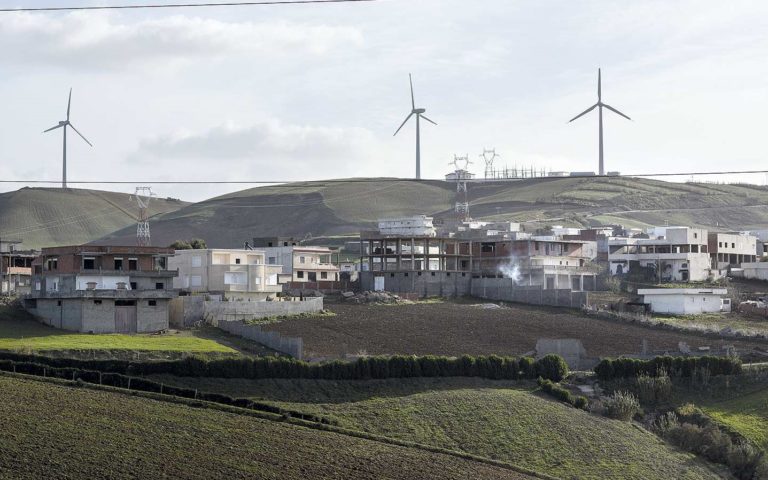
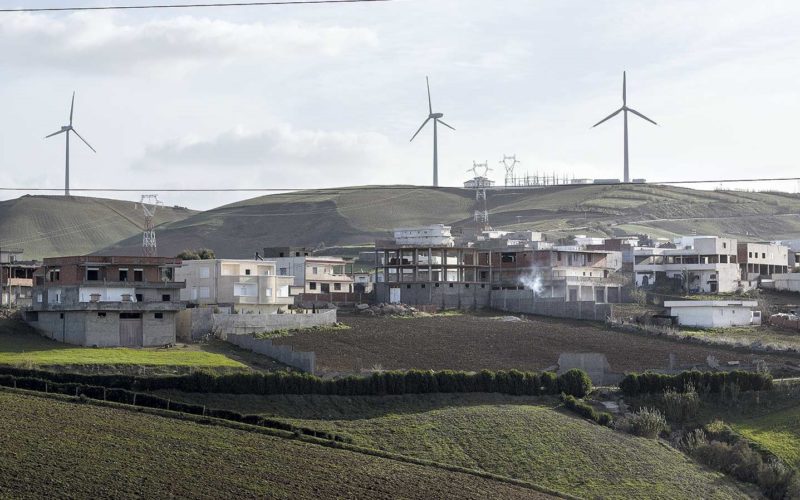
The proposed Tunisian NAMA aims to increase the uptake of energy efficiency and renewable energy measures across the building sector

The Nationally Appropriate Mitigation Action (NAMA) proposal was developed by Ecofys for the Tunisian Agency for Energy Conservation (ANME). Ecofys developed the detailed proposal, financed by the International Climate Initiative (IKI) of the German government and GIZ, in collaboration with local partner Alcor.

NAMAs refer to any action that reduces greenhouse gas emissions in developing countries, implemented in the context of sustainable development. They can be policies directed at transformational change within an economic sector, or actions across sectors for a broader national focus.

The NAMA Facility supports developing countries and emerging economies in tackling climate change by funding the implementation of ambitious country-led NAMAs. The proposed Tunisian NAMA aims to increase the uptake of energy efficiency and renewable energy measures across the building sector. The NAMA will address barriers such as insufficient access to capital, insufficient technical and institutional capacities and low awareness of energy efficient options.

The NAMA support project is expected to leverage direct funding of at least EUR 154 million of additional private financing in the form of commercial loans which could rise to 166 million when including customer investments. A further EUR 36 million of public funds will be leveraged through a government investment subsidy, which will be phased out gradually.

The NAMA support project will result in the installation of 134 MW additional PV in the building sector and the reduction of greenhouse gas emissions by 390,500 tCO2e over the implementation period (2019-2023) below business-as-usual levels.

By Noémie Klein, Ecofys

UNFCCC seeks partnerships for COP23

0

The secretariat of the United Nations Framework Convention on Climate Change (UNFCCC) has said that it is seeking partnerships with all stakeholders, including the private sector, in support of the upcoming UN Climate Change Conference (COP23) to be held in Bonn, Germany, on November 6-17, 2017.

Espinosa-05
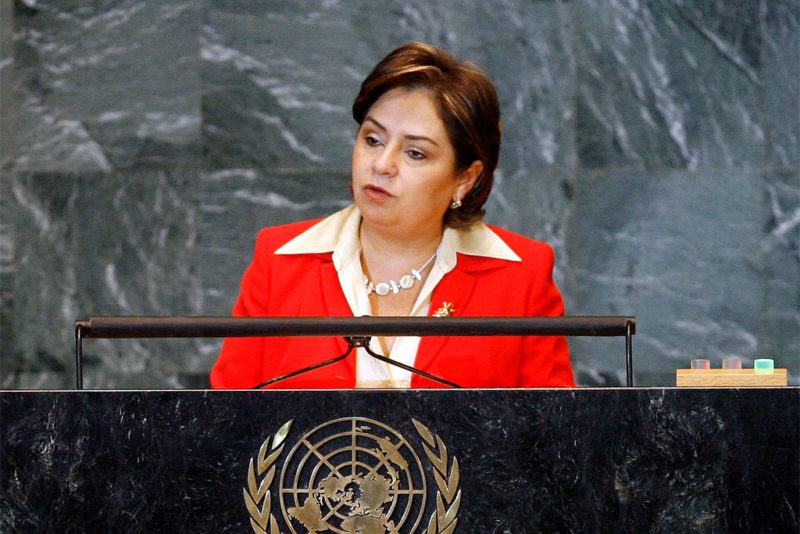
Patricia Espinosa, Executive Secretary of the United Nations Framework Convention on Climate Change (UNFCCC)

“During these two weeks of November, the world’s eyes will be on Bonn, where thousands of government delegates and leaders from all sectors of society will gather to move forward on implementing the Paris Agreement and to increase ambition for successfully achieving sustainable development for all,” says the UN body.

As host of COP23, the secretariat is organising the conference in close collaboration with the Government of Fiji, who will serve as the President of the COP, the Government of Germany, as the host country of the secretariat, along with the City of Bonn and the State of North Rhine-Westphalia.

“This is an exciting opportunity to join forces with the secretariat as partnerships will be formally recognised and given high visibility through the UNFCCC’s websites and social media channels, conference branding, and media engagement activities, among many other opportunities to reach a global audience,” the UNFCCC adds.

The UN Climate Change secretariat is seeking to establish partnership under the following categories:


General public outreach

  • Public outreach activities to support the conference branding, marketing campaigns and issue-driven competitions.
  • Production of marketing materials from flyers and posters to public advertisements and TV spots.
  • Media partnerships, including collaborations to promote content via TV programming and social media networks, as well as tools to analyse media content.


Enhanced stakeholder engagement

  • Financial support to ensure the presence of non-Party stakeholders such as civil society from developing countries.


Virtual participation

  • Increasing or facilitating virtual participation through any technology that could help those who will not be at the conference to follow the UNFCCC sessions and meetings remotely; projects comprising but not limited to, making information accessible to people with disabilities including auditory, cognitive, neurological, physical, speech, and visual disabilities.


Sustainability

  • Measuring and reducing the climate and overall environmental footprint of the conference: any technology or initiative that can help measure and reduce the event’s footprint.


Other in-kind and or financial contributions

  • Proposals for partnerships outside of the categories indicated above can also be addressed by interested stakeholders.


A new, more comprehensive framework for partnering with the secretariat, including new guidelines for partnerships, is also now in place and accessible on the UNFCCC website: http://unfccc.int/secretariat/partnerships/items/10110.php