27.2 C
Lagos
Sunday, March 1, 2026
Home Blog Page 1969

Why we involved pupils in tree planting campaigns, by NCF

0

The Nigerian Conservation Foundation (NCF) has explained the reason behind its involvement of school children in its tree planting campaigns.
NCF
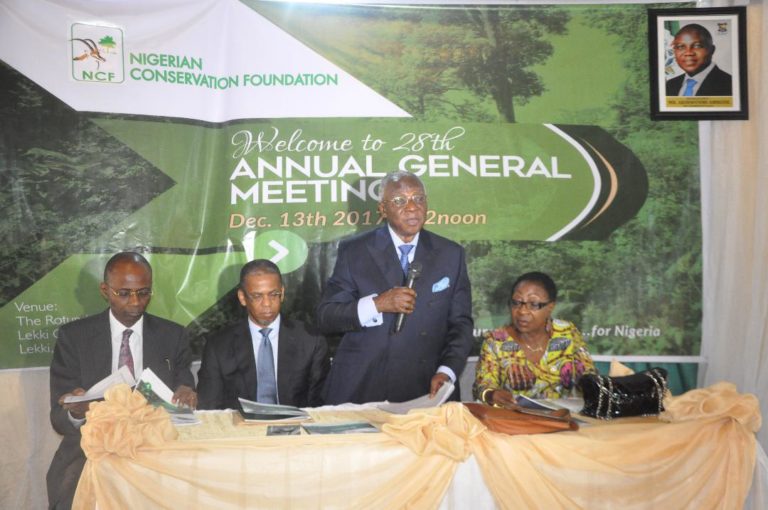
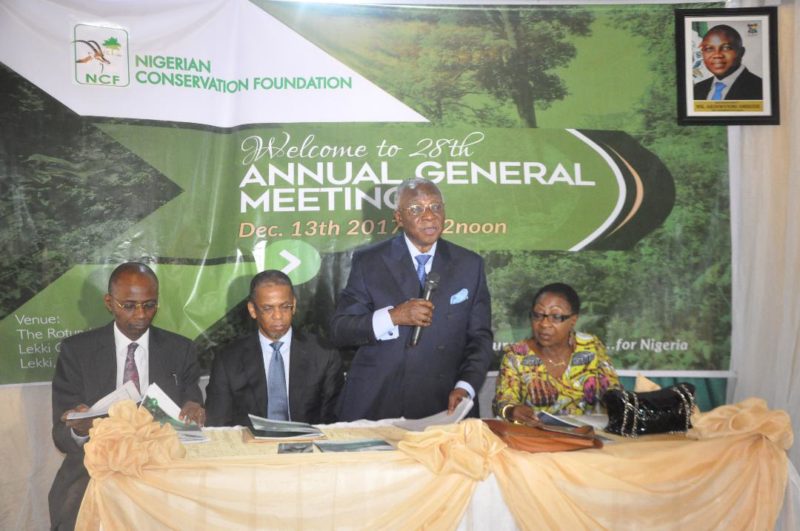
L-R: Mr. Adeniyi Karunwi, NCF DG; Chief Ede Dafinone, Chairman NEC; Philip Asiodu, President BoT; and Mrs. Yetunde Emanuel, BoT member, during the 28th NCF AGM at Lekki Conservation Centre, Lagos on Wednesday, December 13, 2017

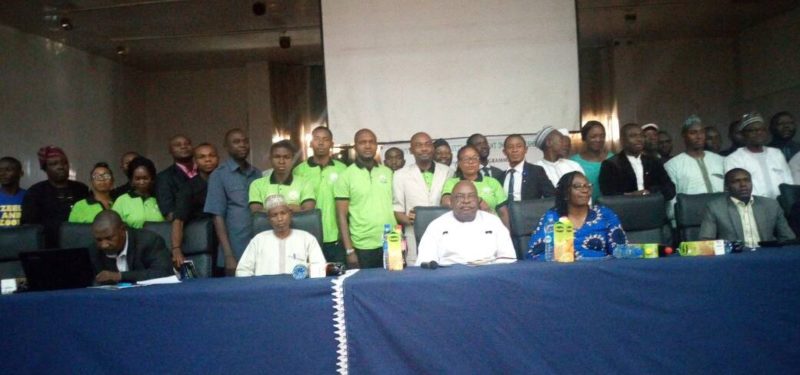
Ede Dafinone, Chairman, National Executive Council (NEC) of NCF, during the 28th Annual General Meeting (AGM) of NCF held at the Lekki Conservation Centre (LCC) on Wednesday, December 13, 2017 said: “We chose to involve school children in the tree planting exercises across the three states to inculcate in them, as leaders of tomorrow, a sense of care for the environment.”

As a further demonstration of NCF’s commitment to enhance Nigeria’s forest cover, the foundation, according to Dafinone, partnered with First Bank to carry out tree planting exercises in select schools in Lagos, Ogun and Edo states.

“This was part of the foundation’s efforts at stimulating and promoting local actions in response to the global call by the Food and Agriculture Organisation (FAO) that each country should strive to have 25 per cent of its total land area under forest cover.”

In his speech, the chairman also enumerated some of NCF’s projects.

According to him, NCF implemented a project in select communities of Boki Local Government Area, Cross River State, on Saving Biodiversity and Building Farmers’ Resilience on Climate Change Impacts Through Intensive Agriculture and Sustainable Livelihoods.

This was made possible by a grant provided by the Global Environment Facility/Small Grants Programme (GEF-SGP).

NCF, as the technical partner to the Nigeria LNG (NLNG) Limited on the management of the Finima Nature Park, Bonny Island, Rivers State, he said, conducted carbon stock assessment to determine the volume of carbon the forest is helping to sequester to promote NLNG’s carbon footprints reduction.

On how the foundation recorded success in those projects, he said: “We interacted with policy makers at all levels to influence enabling policies to govern sustainable management of Nigeria’s environmental resources. We organised outdoor programmes to raise the level of awareness on the state of Nigeria’s environment in collaboration with relevant organs of the government.

“As a membership-based organisation, we engaged our esteemed members by sharing reports and information on our activities and interventions as well as through regular involvement in our key programmes.”

Director-general of NCF, Adeniyi Karunwi, in his report, said the foundation collaborated more with the Federal Ministry of Environment and the National Park Service on environment issues.

“The foundation also strengthened its collaboration with partners and sponsors, translating to institutional strengthening,” he said, disclosing that the foundation’s membership figure marginally rose by over 15 per cent with more corporate organisations to drive programmes.

“The membership unit established the online registration platforms and made use of social media platforms to reach out to the public.

“A lot more still needs to be done to attract more members to register with NCF, with particular emphasis on children and youth population.”

Dafinone added: “We are convinced of the need to do more for nature, for our people and for Nigeria.

“But we equally realise that we cannot do it alone. I therefore seize this opportunity to call for your continued support and I assure you that we are determined not to rest on our accomplishments as we collectively address the environmental challenges that confront us and our nation.”
Shell rewards energy entrepreneurs at Accelerator event

0

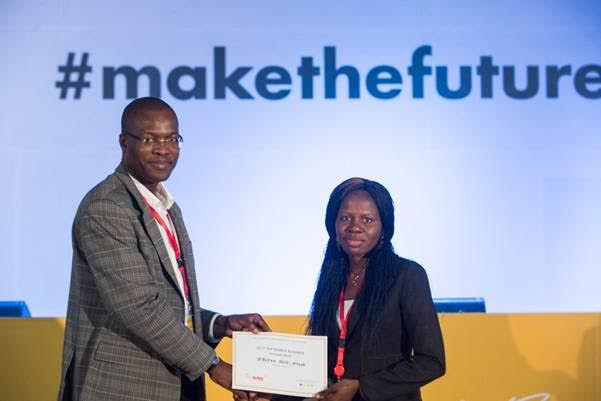
A Shell  Nigeria LiveWIRE, Ngozi Deborah Atalor, entrepreneur has emerged winner of the pitching competition for young Nigerian entrepreneurs in alternative energy business as part of the #makethefuture Accelerator event held in Port Harcourt, River State, taking home N1 million prize money to boost her business.

Shell Accelerator
General Manager External Relations of Shell Petroleum Development Company, Mr. Igo Weli, presenting the prize for the best pitch to Mrs. Ngozi Atolor at the Shell LiveWIRE #makethefuture Accelerator event in Port Harcourt, River State

This is coming barely a month after she won a $5,000 merit category prize in the Shell LiveWIRE top 10 innovators competition, a global contest open to beneficiaries of Shell LiveWIRE, and aimed at rewarding shining cases of innovation in businesses supported by the programme.

Judges at the event assessed Atalor’s presentation on how to light up all homes in Nigeria as the most convincing and realisable, to place the young Managing Director of De-Rahbs Energy Services, a firm that specialises in solar panel construction, installation and maintenance ahead of the first and second runners-up, Prince Ledee Basi and Ibiere Gilbert David respectively. The two runners up received N500,000 each for their efforts.

All three of them are startups from the LiveWIRE entrepreneurial programme for Niger Delta youths. They all set up businesses that deliver energy solutions to customers in the Niger Delta and beyond. While Basi’s Basiled Energy Ventures offers renewable energy, safety wears, and sensitisation services on the use of solar products, David’s Ibdav Resources firm provides bio-fuel clean cook stoves.

In addition to the cash prizes, the three entrepreneurs will also receive coaching support from Co-creation Hub, a leading innovation hub in Nigeria.

“There is energy transition as we speak and things are changing towards cleaner energy. Nigeria should be part of those solutions that would sustain the globe going forward. What we have done with the #makethefuture campaign Accelerator event here in Port Harcourt is to provide the platform for young Nigerian energy entrepreneurs to share their ideas on how they can be part of providing power solutions,” said Igo Weli, the General Manager External Relations of the Shell Petroleum Development Company (SPDC).

He said that the event was remarkable as the first initiative of its kind in energy solution initiative in Nigeria, with the fusion of strengths of telling Shell’s energy story and the flagship entrepreneurial programme,  LiveWIRE, which has produced 6,580 Niger Delta entrepreneurs since 2003.

Chief Executive Officer All-on Partnership for Energy Access, a firm supporting and investing in energy solutions providers, Dr. Wiebe Boer, and other alternative energy experts led discussion sessions with the young entrepreneurs.

Stakeholders explore avenues to curb flooding

0

Stakeholders have proposed practicable solutions of preventing further occurrence of floods in the country.

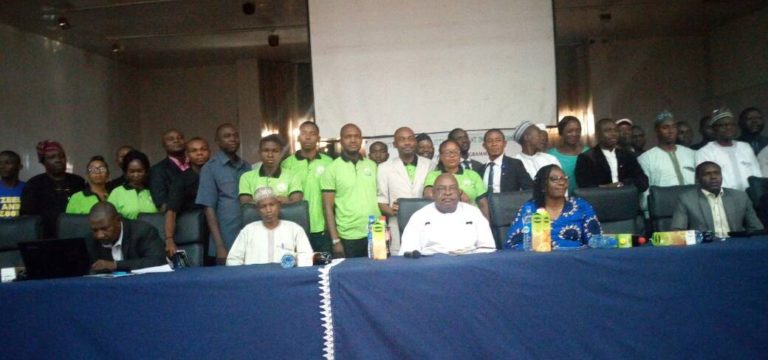
Stakeholders Discussion on Flood Disaster Prevention and Management
Participants at the National Strategic Stakeholders Discussion on Flood Disaster Prevention and Management

These solutions were proposed during the National Strategic Stakeholders Discussion on Flood Prevention and Management, organised by the Environment and Safety Management Institute (ESMI) in collaboration with Women Environmental Programme (WEP), in Abuja on Tuesday, December 12, 2017.

The Strategic Stakeholders Discussion brought together relevant stakeholders from ministries and agencies of government at the federal and state levels, academic and research institutions, private sector, civil society and the media.

Declaring the event open, the Senior Special Assistant to the Benue State Governor on Emergency Matters, Princess Henrietta Akaaka, expressed her hopefulness for “a useful outcome that will effectively prevent further damaging effects of flood on our economy,” as she charged stakeholders to come out with practical ways of preventing the flood menace. She recalled the flood incidents that hit several states of the federation so hard on two different occasions in 2012 and early 2017, and stated that the National Strategic Stakeholders Discussion on Flood Prevention and Management was timely.

According to Hon. Henrietta, “Benue was one of the states severely hit by flood this year where over 110,000 people were displaced in 24 communities in the state, and over 1,000 households submerged.”

Speaking earlier, the Director General, ESMI, Benedict Utile, who was represented by Professor Peter Ortese, and the Executive Director, WEP, Dr. Priscilla Achakpa, in their separate messages noted the damaging effects of flood on agriculture and other sectors of the country’s economy, and its impacts on vulnerable populations like women and children, and called on all concerned stakeholders to act in order to prevent a repeat of the ugly incidents of flood in the country.

Three Discussants laid the background for deliberations to begin. The keynote speaker, Professor Nasiru Idris, Head of Geography Department, Nasarawa State University in Keffi, who was represented by Dr. Ahmad Halilu Abba, Deputy Dean of Faculty of Environmental Sciences, Nasarawa State University, spoke on “Practical ways of handling flood disaster in Nigeria.”

Mr. Mage Johnson of Benue State University Makurdi spoke on “Nigeria flood menace in a warming climate; a workable solution,” while Mrs. Comfort Kanshio of WEP spoke on the “vulnerabilities imposed on women by flood.”

The discussants highlighted the causes of flood, its impacts and strategies of preventing or managing flood disaster.

After intense deliberations, stakeholders resolved as follows:

  • That the country should develop a holistic flood prevention and management plan with timelines, with different government institutions, private sector and the civil society working together.
  • States should identify flood-prone areas and come up with costed action plans to relocate and resettle the populations living in vulnerable areas.
  • States should take seriously rainfall predictions released annually by Nigeria Meteorological Agency and take all the necessary preventive steps where necessary to prevent occurrence of flood. States Emergency Management Agency should mobilize and coordinate stakeholders in the states to work more to prevent flood than allow it to occur before embarking on post disaster management.
  • Rivers Niger and Benue should be rechanneled at their upper course in the north to serve the drought prone areas of the north with water for agriculture and domestic purposes. More drainage channels should be created in states that experience regular flood incidents, while Rivers Benue and Niger be dredged to accommodate high water volume and to effectively serve as inland waterways.
  • State agencies responsible for town planning and management should avoid approving building plans on water ways.
  • States should adopt effective solid waste management strategies to rid their environment of waste, and turn waste management into a business that transforms waste to wealth as this will place the states on the path to green economy.
  • Citizens needs to change their attitudes regarding indiscriminate disposal of wastes in drainage channels which is the cause of urban flood and adapt environmentally conscious lifestyle.
  • Agencies responsible for enforcing compliance to environmental regulations should wake up to their responsibilities and ensure environmental standards are maintained.
  • States should make environmental management and specifically flood prevention a priority and appropriately fund implementation of environmental policies and programmes from states budgets. Where the cost of projects are higher than can be funded by the states, states can come up with concrete proposals to access grants or loans or receive assistance from Ecological Fund of the federation.

Before the National Strategic Stakeholders Discussion came to the end, one of the organisers of the forum, ESMI, conferred on Mr. Ukan Kurugh, a “Safety Ambassador Award.” Speaking before the award was presented to him by the Chairman of the Board of ESMI, Professor David Ker, Mr. Martins Iorsamber, ESMI National President, stated that Mr. Ukan Kurugh has distinguished himself as he has used social media to address environmental challenges and has brought succor to victims of flood disaster that hit Benue state in the last few months. Mr. Ukan Kurugh was said to have used social media to mobilise finance and relief materials for flood victims in Benue State.

The Strategic Stakeholders Discussion came to the end after Mnena Rachel Kogi, Registrar of ESMI, presented 51 candidates who had undergone intensive training with ESMI across different states of the country and were certified as Environment and Safety Managers.

By John Baaki Terzungwe, Abuja

Climate change beliefs decline among GOP voters, bipartisan support for clean energy policies remains strong

0

Substantial changes in climate change beliefs, bipartisan support for a variety of climate and clean energy policies, demand for action by companies, citizens, and governments, and individual willingness to get politically involved are findings from a report released by the Centre for Climate Change Communication, George Mason University, USA on Thursday, December 14, 2017.

The report is titled: “Politics & Global Warming”.


Climate Change Beliefs

The Trump administration has taken numerous actions to reverse the climate policies of the Obama administration. Some of these actions have received substantial media coverage, like the decision to withdraw from the Paris Climate Agreement and stop the Clean Power Plan. These attacks on climate science and policy appear to be having an effect on Republican registered voters:

global warming
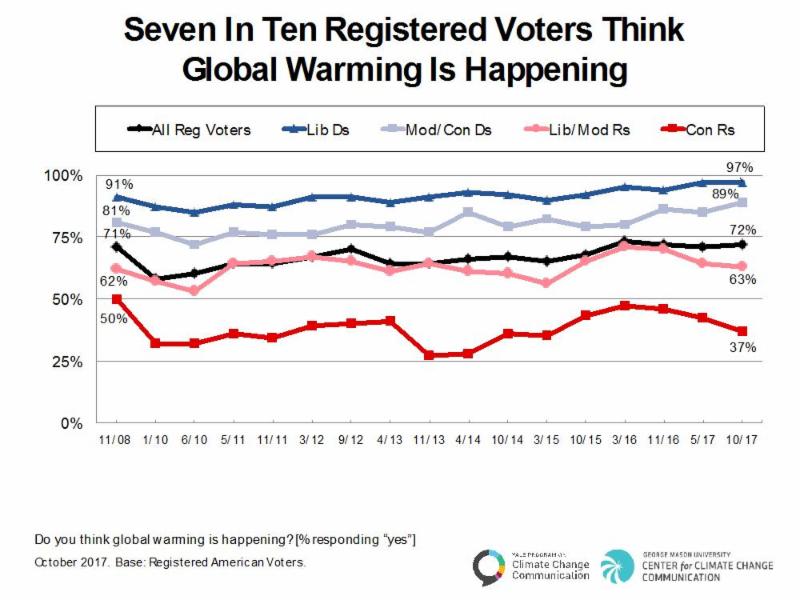
Seven in 10 voters think global warming is happen
  • 72% of registered voters think global warming is happening, but this belief has declined 7 percentage points among Republicans since the 2016 election.
  • Only 54% of registered voters think global warming is mostly human caused, and this belief has declined 8 percentage points among Republicans since the 2016 election.
  • A record number of registered voters are now worried about global warming (63%, 8 points higher than May of 2017. Among Republicans, worry levels declined from the fall election to May of 2017, but then increased over the summer and early fall almost back up to their 2016 levels.


Climate Change and Clean Energy Policies

Despite the changes in climate change beliefs, public support for a variety of climate and clean energy policies remains strong and bipartisan. Large majorities of registered voters support:

  • Funding more research on renewable energy (87% support), including 96% of Democrats, 82% of Independents, and 76% of Republicans.
  • Generating renewable energy on public lands (86% support), including 91% of Democrats, 81% of Independents, and 81% of Republicans.
  • Providing tax rebates to people who purchase energy-efficient vehicles or solar panels (83% support), including 94% of Democrats, 74% of Independents, and 71% of Republicans.
  • Regulating carbon dioxide as a pollutant (77% support), including 92% of Democrats, 72% of Independents, and 61% of Republicans.
  • Setting strict carbon dioxide emission limits on existing coal-fired power plants to reduce global warming and improve public health, even if the cost of electricity to consumers and companies would likely increase (70% support), including 90% of Democrats, 61% of Independents, and 47% of Republicans.
  • Requiring fossil fuel companies to pay a carbon tax and using the money to reduce other taxes (such as income tax) by an equal amount (69% support), including 87% of Democrats, 59% of Independents, and 49% of Republicans.

The tax bills currently being considered by Congress include a provision allowing drilling for oil and gas in the Arctic National Wildlife Refuge. A large majority of registered voters (69%) oppose drilling in the Arctic National Wildlife Refuge. Those strongly opposed outnumber those who strongly support the policy by more than four to one.

George Mason University
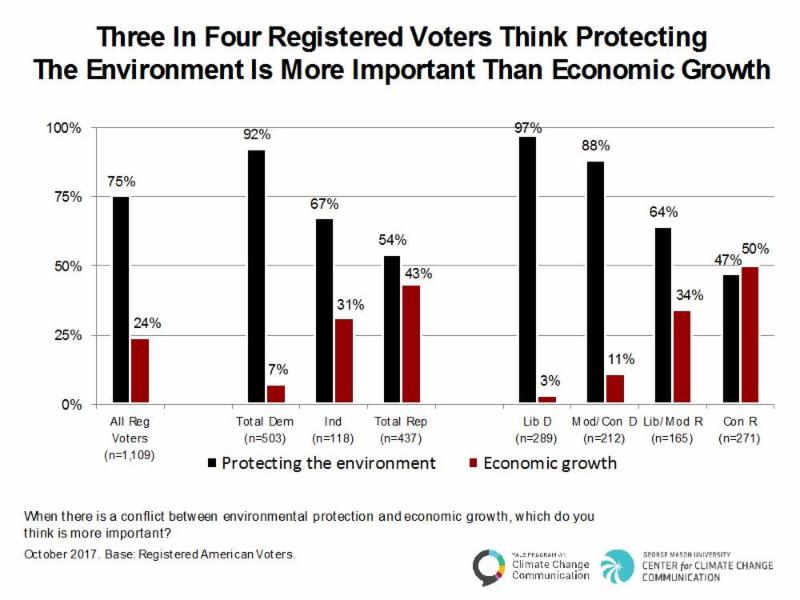
Three in four registered voters think protection the environment is more important than economic growth

The Trump administration has proposed to dramatically cut funding for climate change research and programmes at the EPA, yet a large majority of registered voters think the budget for the EPA’s work on global warming should be increased (54%) or kept the same (28%). Only 16% think the budget should be reduced.

Opponents of environmental policies often argue that environmental protections will harm the economy, yet a large majority of registered voters (62%) think that protecting the environment actually improves economic growth and provides new jobs. An additional 21% think protecting the environment has no effect on economic growth or jobs. By contrast, only 16% think protecting the environment reduces growth and costs jobs.

Further, when there is a conflict between environmental protection and economic growth, a large majority of registered voters (75%) prefer to protect the environment, including 92% of Democrats, 67% of Independents, and 54% of Republicans.

Flu-triggered respiratory diseases kill 650,000 each year – WHO

0

The World Health Organisation (WHO) said up to 650,000 deaths annually were associated with respiratory diseases from seasonal influenza, a report revealed on Thursday, December 14, 2017.

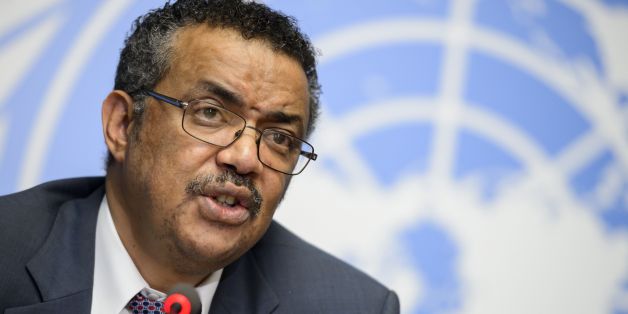
Dr Tedros Adhanom Ghebreyesus
Dr Tedros Adhanom Ghebreyesus, Director-General of the World Health Organisation (WHO). Photo credit: AFP / FABRICE COFFRINI / Getty Images

WHO urged all countries to work together to control influenza outbreaks.

Seasonal influenza is an acute viral infection that spreads easily from person to person and circulates worldwide.

Common respiratory diseases related to seasonal influenza that can cause death include pneumonia and bronchitis.

According to new estimates by the U.S. Centres for Disease Control and Prevention (US-CDC), WHO and global health partners, the latest death toll has marked an increase on the previous global estimate of 250,000 to 500,000, which dates from over 10 years ago.

The new figures of 290,000 to 650,000 deaths, including influenza-related deaths such as cardiovascular disease and diabetes, are based on more recent data from a larger, more diverse group of countries.

According to Dr Peter Salama, Executive Director of the WHO’s Health Emergencies Programme, these countries include lower middle income countries, and exclude deaths from non-respiratory diseases.

“These figures indicate the high burden of influenza and its substantial social and economic cost to the world.

“They highlight the importance of influenza prevention for seasonal epidemics, as well as preparedness for pandemics,’’ Salama said.

According to U.S.-CDC, most deaths occur among people aged over 75 years and in the world’s poorest regions.

Sub-Saharan Africa accounts for the world’s greatest flu mortality risk, followed closely by the Eastern Mediterranean and Southeast Asia.

Almost all deaths among children under five with influenza-related lower respiratory tract infections occur in developing countries, but the effects of seasonal influenza epidemics on the world’s poorest are not fully known.

“All countries, rich and poor, large and small, must work together to control influenza outbreaks before the arrival of the next pandemic.

“This includes building capacity to detect and respond to outbreaks, and strengthening health systems to improve the health of the most vulnerable and those most at risk,’’ said Dr. Salama.

Kenya seeks to end use of biomass fuel

0

Kenya’s Energy Regulator said it has embarked on initiatives aimed at reducing biomass fuel use in the country, the Energy Regulatory Commission (ERC) said on Thursday, December 14, 2017.

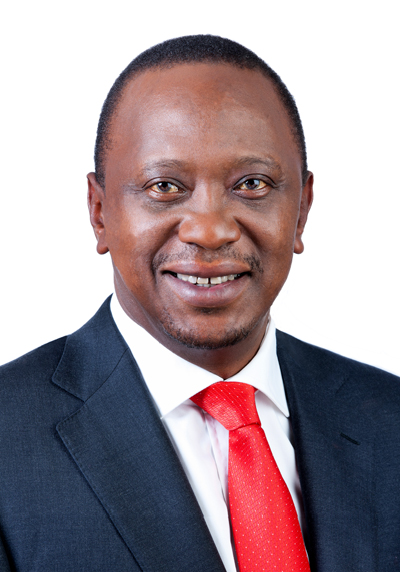
Uhuru_Kenyatta_Official
Uhuru Kenyatta, the President of Kenya

The commission’s acting Director for Petroleum, Mr Edward Kinyua, said plans were underway to introduce purchase of Liquid Petroleum Gas (LPG) through mobile phones.

Kinyua said ERC would also present the introduction of 500 grammes gas cylinder for use by low income earners.

“We intend to contribute to the citizen’s wellbeing by ensuring that they use clean energy while cooking as opposed to firewood and kerosene that contribute to death of women and children,’’ Kinyua said.

He said that purchase of LPG would be operational once the smart meters were installed by a team of consultants that included scientists from Colorado University, currently running trials in the informal settlements in Nairobi.

Kinyua said that the technology will enable people to purchase LPG through prepaid token depending on the amount of money one had from their mobile phones anytime as was the case with mobile shopping.

“This will help to increase penetration of gas cylinders.

“It will also help to have access to clean energy to consumers and contribute to the reduction of indoor pollution that is blamed for death of many people in the country,’’ he added.

Kinyua also announced that additional gas cylinder weighing 500 grammes would be introduced to cater for people in the informal settlements and far-flung villages to reduce cutting of trees for fuel.

Report says in Kenya, LPG is sold in one, three, six and 13 kilogrammes unit, at a price that is far above low income earners who mainly depend on fuel wood and charcoal for cooking and heating their houses.

Air pollution is a major contributor to respiratory diseases in Kenya. It kills 14,300 Kenyans annually while the number of people with respiratory diseases increased by 63 per cent over a four-year period from 12.2 million in 2012 to 19.9 million in 2016.

Kinyua said that a number of people were victims because they used traditional fuels and kerosene for cooking and heating.

Air pollution from indoor and outdoor sources remains a major environmental and health issue, and a policy challenge, especially in Kenya that is rapidly urbanising.

NIGCOMSAT to drive broadband access to every part of Nigeria

0

The Managing Director, Nigerian  Communication  Satellite Ltd. (NIGCOMSAT), Ms Abimbola Alale, says  the company will ensure that internet broadband gets to every part of  country.

NigcomSat-1R
The NigcomSat-1R

Alale, represented by  Mr Kazzem Raji ,the Executive Director, Engineering Services, said this at the First NIGCOMSAT Channel Partners Awards and Dinner Night in Abuja on Wednesday, December 13, 2017.

She said that NIGCOMSAT would ensure that broadband access would not only be in the urban areas but would also get to the rural communities, the served and under-served areas.

“We believe that majority of our people live in rural areas and we want to provide broadband services to the last village in Nigeria so that the people will appreciate their government more.”

Alale said that the award night was to celebrate the achievements of collaborative effort of the company and re-sellers in a bid to achieve outstanding levels of business excellence.

“This is of utmost importance as NIGCOMSAT gears towards the next phase of its economic development by our commitment to drive the market frontiers to the next level.

“Our economic environment in the communication satellite  industry  is being reshaped by industry and technological trend , which are disrupting business models.

“As more terrestrial networks are landing the shores of the country and more are penetrating the hinterlands.

“ Future growth and competitiveness will be anchored on redesigning new business models, innovation by ways of tailoring Value Added Services (VAS) to suit specific business needs in contrast to the traditional mode of service delivery.

“Jointly, we must expand our business frontiers aggressively to rake in clients from diverse industries and NIGCOMSAT will be well positioned as a company of the future to partner with in business delivery.

Mr Samson Osagie,  the Executive Director, Marketing and Business Development, NIGCOMSAT said that the gathering was to appreciate their partners for their contributions on the achievement recorded in 2017.

Osagie said that the company’s  strength lies in the continued partnership with its channel partners and re-sellers.

“We achieved a  successful test transmission of over 50 channels as well as commercialisation of  Direct to Home  (DHT) services.

“ And this has led to the new signing on of a new partner in Botswana thereby expanding our market reach on that platform beyond the shores of Nigeria.

“This expansion has also led us to signing on new re-sellers to lead us into  new playing fields.

“The year 2018, we believe holds greater opportunities  for us as we continue to negotiate with investors on the launch of two additional satellites for business expansions and reach to increase revenue for both our wallets and yours.

Speaking on behalf of the re-sellers, Mr Brian Mitchel, the Managing Director, Content Oasis commended NIGCOMSAT for honouring the awardees.

Mitchel said that the re-sellers would do more in 2018 to move the company forward,

The News Agency of Nigeria (NAN) reports that the Best Re-seller Highest Revenue generated revenue award went to Content Oasis while Best Re-seller – Higher number of sites activated went to Nalot Multi Systems Ltd.

The award of Best Innovating Re-seller (Adding Value) went to Trefol Networks, Best New Re-seller 2017 award went to Nalot Multisystems and Content Oasis also got the award of Longest Standing Active Re-seller,

By Constance Athekame

Ecologist urges governments to sanitise Lagos Lagoon

0

The Director, Quality Assurance and SERVICOM, University of Lagos, Prof. Lucian Chukwu, on Tuesday, December 12, 2017 urged the Federal Government and Lagos State Government to begin the sanitisation of the Lagos Lagoon.

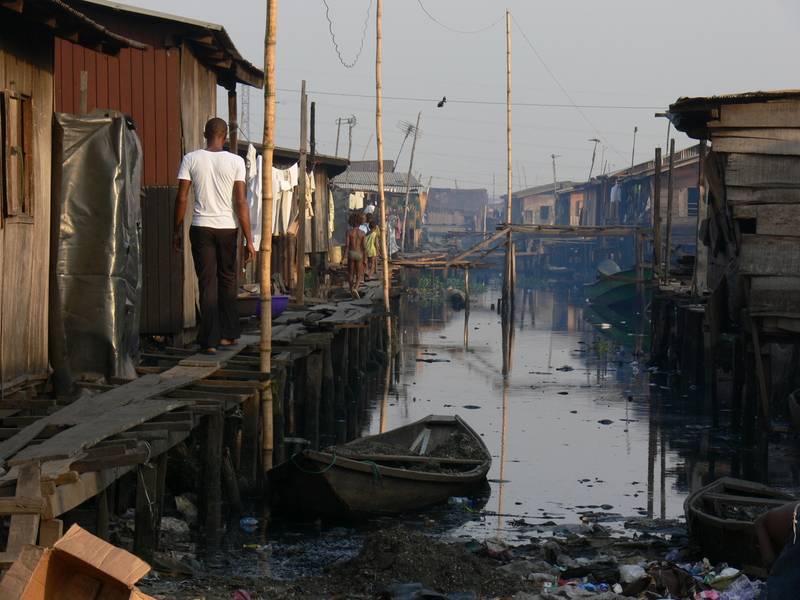
Makoko
Pollution of the Lagos Lagoon at Makoko

Chukwu made this appeal in Lagos at a workshop organised by the Lagos Island chapter of Nigerian Environmental Society (NES) on the Pollution Status of Lagos Lagoon.

He said that the pollution of the Lagos Lagoon was at its highest level, while almost all the marine creatures, especially the fishes, in the lagoon were highly polluted with contaminants.

“There is a need to start the clean-up of the Lagos Lagoon from surface and sediment contamination, which is at the highest level.

“Most of this contamination is coming from unregulated human activities at the lagoon as well as heavy presence of municipal waste.

“Part of the proposed sanitisation project calls for the strict enforcement of waste management laws, especially at the Oko-Baba hub of the lagoon,’’ he said.

Chukwu, who was the former Head of Department of Marine Sciences, University of Lagos (UNILAG), Akoka, said that the lagoon pollution was affecting the ecosystem and biodiversity.

He said that fishes from the Lagos Lagoon had been found to be contaminated with heavy metals, ranging from lead to copper.

Also speaking, Mr Victor Irevbore, the chapter Chairman of NES, said that the pollution of the Lagos Lagoon had continued unabated.

Irevbore said that it was time to stop the pollution and cleanse the lagoon to enable it to retain its usefulness to different categories of people.

Dr Paul Uyimadu, a chemist at the Nigerian Institute of Oceanography and Marine Research (NIOMR), said that the pH (potential of Hydrogen) of the Lagos Lagoon had been dropping because of emission of carbon monoxide.

“The dropping pH level of the lagoon is having negative effect on shell forming organism.

“Continuous analysis of the heavy metal content in the fishes at the lagoon showed that the level of contaminants in almost 20 fish samples exceeded the ratio permitted by the World Health Organisation,’’ Uyimadu added.

By Chidinma Agu

CDHR flays controversial NGO bill

0

The Committee for the Defence of Human Rights (CDHR) has maintained that the Bill for an Act for the Establishment of the Non-Governmental Organisations Regulatory Commission, proposed by the House of Representatives, to regulate non-governmental organisations (NGOs), is apparently orchestrated to repress the voice of the people and subjugate civil society groups in Nigeria.

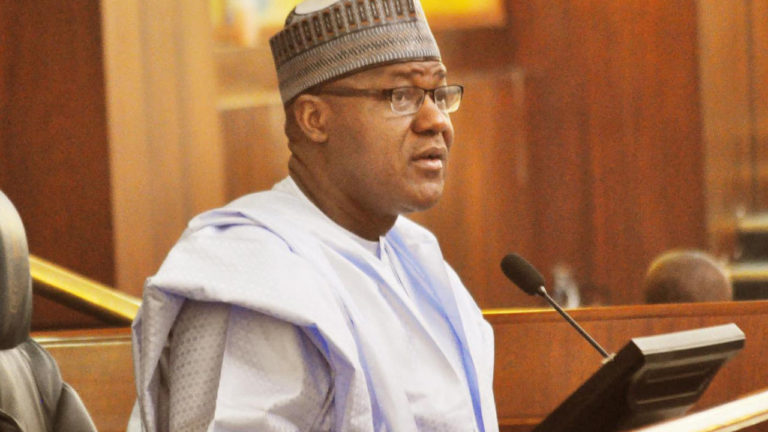
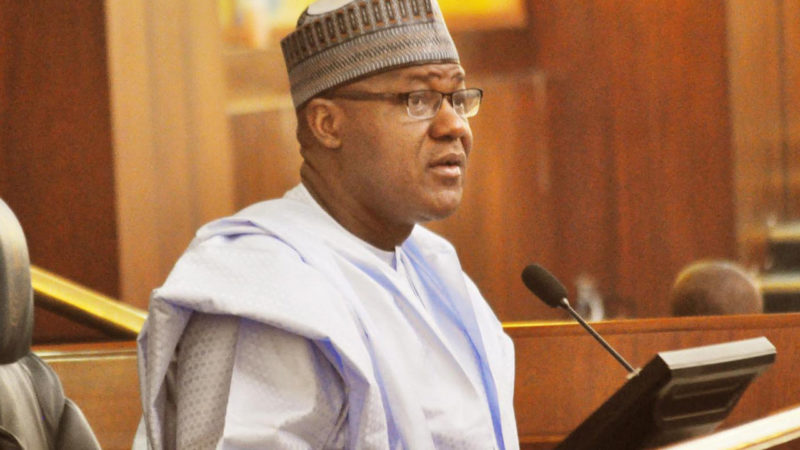
Yakubu Dogara
Speaker of the House of Representatives, Yakubu Dogara

According to the CDHR, the bill is unnecessary, serves no public interest and so must not be passed. The organisation adds that the right of Nigerians to a democratic society with fundamental freedoms remains inalienable, and that any attempt to subjugate that right must be resisted.

“CDHR rejects the bill,” the body declared, adding: “Contributions by civil society organisations (CSOs) have always positively impacted on our democracy and development for several decades; CSOs have remained the beacon of peace, development, security, humanitarian services and Human Rights assessment in Nigeria; NGOs/CSOs form a critical platform that guarantees freedom, equality and Rights of all persons. Unnecessary Government interference is utterly inconceivable.”

In a statement issued on Wednesday, December 13, 2017 and endorsed by its National Publicity Secretary, Henry Peter Ekine, and made available to the media, CDHR warned that the said bill, if allowed to become law, has the potential to threaten democratic ideals. Ekine emphasised that democracy succeeds on the principles of fundamental freedoms and citizens’ participation, adding that there are already sufficient provisions and legal frameworks in the nation’s body of laws that regulate the formation, registration, operations and finances of NGOs/CSOs.

CDHR charged Nigerians to compel the National Assembly to rather focus on making laws that will improve the welfare of citizens as ultimate priority; promote good-governance, eradicate all forms of servitude, stop the violation of the constitutional rights of citizens, especially economic and social rights, not undermining civil, political, as well as cultural rights.

“The National Assembly must make laws that demonstrate real commitment, concern and value for the lives of Nigerians anywhere and at all times, failure of which the collective capacity of citizens to enforce their inalienable rights will be activated.”

According to the CDHR, the civil and political rights of citizens (the first generation rights) as well as the social, economic and cultural rights (the second generation rights) must be seen to be protected. It noted that the Constitution of the Federal Republic of Nigeria, 1999, as amended, provides for the civil and political rights under Chapter IV as the Fundamental Human Rights.

“These rights are connected to the social, economic and cultural rights provided in the Constitution under Chapter II as the Fundamental Objectives and Directive Principles of State Policy. The National Assembly must make only laws that improve security, safety and welfare as well as protect the rights of citizens.”

The human rights group, under the leadership of its President, Malachy Ugwummadu, therefore called on the National Assembly to immediately heed the views of Nigerians as represented at the public hearing on the bill. In line with the theme for the International Human Rights Day, 2017, CDHR also enjoined Nigerians and all persons of conscience to #StandUp4HumanRights and speak out in condemnation of the bill; remain firm and demand an immediate end to this Bill; and ensure that it is never passed to law.

Retail stores asked to formalise dealings in GM food, products

0

The National Biosafety Management Agency (NBMA) has warned retail stores across the country which are importing or trading in products that contain genetically modified organisms (GMOs) to urgently formalise such dealings with it.

Retail store
A retail store

Earlier in the year, NBMA directed all stores to declare all GM products in their stores, as part of an ongoing survey to document all imported GM foods/products across the country with a view to confirming their safe status and compliance with the NBMA Act.

Director General/CEO of the Agency, Dr. Rufus Ebegba, in what appears to be a renewed warning, urged all retail stores to comply with the NBMA Act 2015 to avoid disruption of their businesses.

The NBMA Act Part VII (22) directs that “no person, institution or body shall import, export, transit or commercialize any genetically modified organism or a product intended for direct use as food or feed, or for processing without the approval or permit of the Agency”.

The DG said that the agency was not interested in disrupting the business of the trading points stores but to ensure that they comply with the NBMA Act 2015 and ensure the safety of the health of Nigerians.

“The agency is prepared to work with super stores to formalise their GM products across the country in order to analyse and ascertain the genes of insert, and their safety to human health,” was quoted in a statement made available to EnviroNews on Wednesday, December 13, 2017.

He reiterated the agency’s commitment to ensuring proper regulation of modern biotechnology and its products, adding that the NBMA, as an unbiased umpire, would not compromise the health and safety of Nigerians.

×