The Green Climate Fund (GCF) is now receiving concept notes and funding proposals in response to its pilot programme for REDD+ results-based payments.
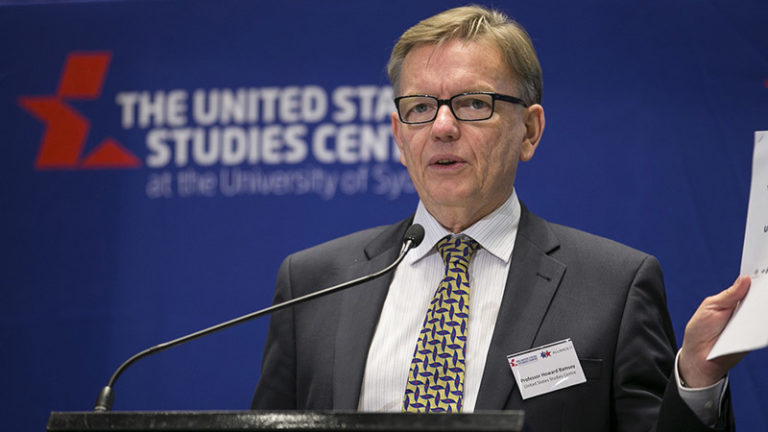
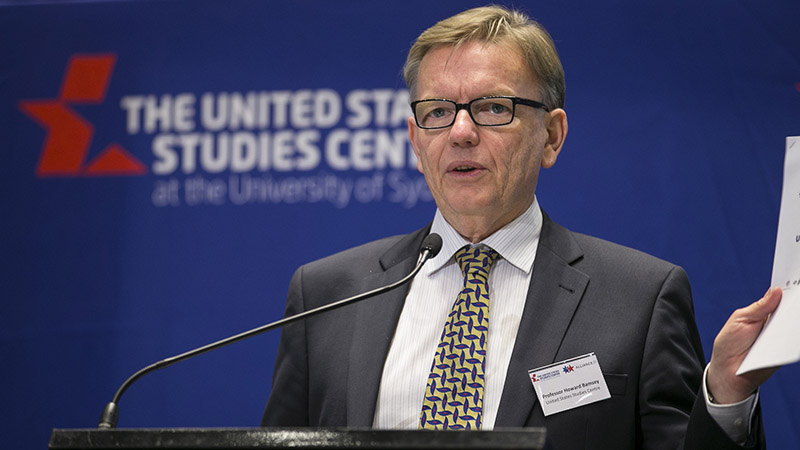
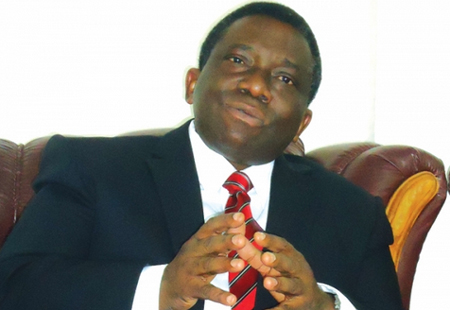
Executive Director, Green Climate Fund (GCF), Howard Bamsey
This follows a decision at the 18th GCF Board meeting in October to pilot REDD+ results-based payments, consistent with the Warsaw Framework for REDD+ and other REDD+ decisions under the United Nations Framework Convention on Climate Change (UNFCCC).
The five-year pilot, says GCF, marks a major milestone for the Fund’s support of REDD+. This is a UNFCCC funding mechanism which supports developing countries’ efforts to reduce emissions from deforestation and forest degradation, and foster conservation, sustainable management of forests, and enhancement of forest carbon stocks (known in shorthand as REDD+).
The GCF says it will continue developing additional material to support the preparation of the pilot concept notes and funding proposals during the following weeks.
At least half of the world’s population cannot obtain essential health services, according to a new report from the World Bank and WHO. And each year, large numbers of households are being pushed into poverty because they must pay for health care out of their own pockets.
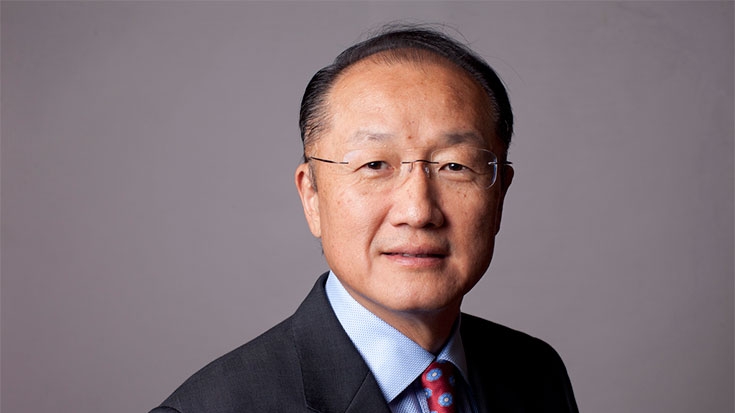
World Bank Group President, Jim Yong Kim
Currently, 800 million people spend at least 10 percent of their household budgets on health expenses for themselves, a sick child or other family member. For almost 100 million people these expenses are high enough to push them into extreme poverty, forcing them to survive on just $1.90 or less a day. The findings, released on Wednesday, December 13, 2017 in Tracking Universal Health Coverage: 2017 Global Monitoring Report, have been simultaneously published in Lancet Global Health.
“It is completely unacceptable that half the world still lacks coverage for the most essential health services,” said Dr Tedros Adhanom Ghebreyesus, Director-General of WHO. “And it is unnecessary. A solution exists: universal health coverage (UHC) allows everyone to obtain the health services they need, when and where they need them, without facing financial hardship.”
“The report makes clear that if we are serious – not just about better health outcomes, but also about ending poverty – we must urgently scale up our efforts on universal health coverage,” said World Bank Group President, Dr. Jim Yong Kim. “Investments in health, and more generally investments in people, are critical to build human capital and enable sustainable and inclusive economic growth. But the system is broken: we need a fundamental shift in the way we mobilize resources for health and human capital, especially at the country level. We are working on many fronts to help countries spend more and more effectively on people, and increase their progress towards universal health coverage.”
There is some good news: The report shows that the 21st century has seen an increase in the number of people able to obtain some key health services, such as immunization and family planning, as well as antiretroviral treatment for HIV and insecticide-treated bed nets to prevent malaria. In addition, fewer people are now being tipped into extreme poverty than at the turn of the century.
Progress, however, is very uneven.
There are wide gaps in the availability of services in Sub-Saharan Africa and Southern Asia. In other regions, basic health care services such as family planning and infant immunization are becoming more available, but lack of financial protection means increasing financial distress for families as they pay for these services out of their own pockets. This is even a challenge in more affluent regions such as Eastern Asia, Latin America and Europe, where a growing number of people are spending at least 10 percent of their household budgets on out-of-pocket health expenses. Inequalities in health services are seen not just between, but also within countries: national averages can mask low levels of health service coverage in disadvantaged population groups. For example, only 17 percent of mothers and children in the poorest fifth of households in low- and lower-middle income countries received at least six of seven basic maternal and child health interventions, compared to 74 percent for the wealthiest fifth of households.
The report is a key point of discussion at the global Universal Health Coverage Forum 2017, currently taking place in Tokyo, Japan. Convened by the Government of Japan, a leading supporter of UHC domestically and globally, the Forum is cosponsored by the Japan International Cooperation Agency (JICA), UHC2030, the leading global movement advocating for UHC, UNICEF, the World Bank, and WHO. Japanese Prime Minister Shinzo Abe, UN Secretary-General Antonio Guterres, World Bank President Kim, WHO Director-General Tedros and UNICEF Executive Director Anthony Lake will all be in attendance, in addition to heads of state and ministers from over 30 countries.
“Past experiences taught us that designing a robust health financing mechanism that protects each individual vulnerable person from financial hardship, as well as developing health care facilities and a workforce including doctors to provide necessary health services wherever people live, are critically important in achieving ‘Health for All,'” said Mr. Katsunobu Kato, Minister of Health, Labour and Welfare, Japan. “I firmly believe that these early-stage investments for UHC by the whole government were an important enabling factor in Japan’s rapid economic development later on.”
The Forum is the culmination of events in over 100 countries, which began on Dec. 12 – Universal Health Coverage Day – to highlight the growing global momentum on UHC. It seeks to showcase the strong high-level political commitment to UHC at global and country levels, highlight the experiences of countries that have been pathfinders on UHC progress, and add to the knowledge base on how to strengthen health systems and effectively promote UHC.
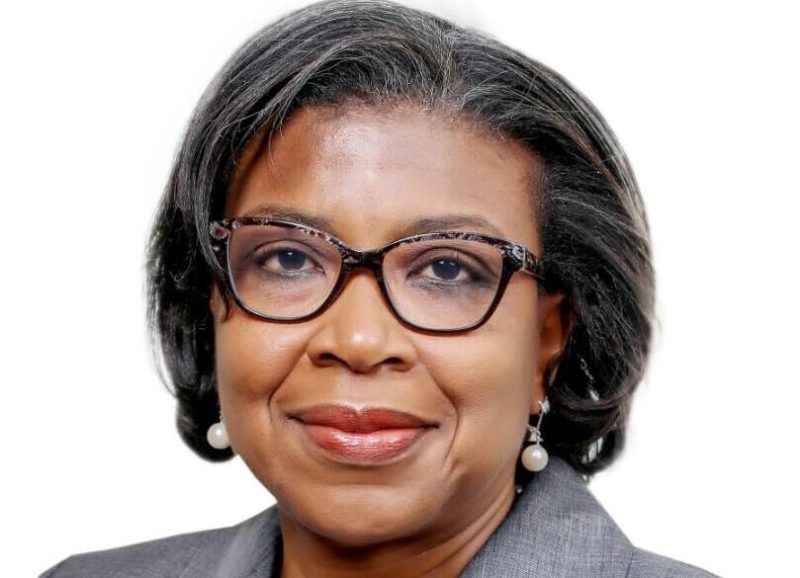
Debt Management Office (DMO) on Friday, December 15, 2017 said Federal Government’s maiden N10.69 billion Green Bond, when concluded, would be listed on the Nigerian Stock Exchange (NSE).
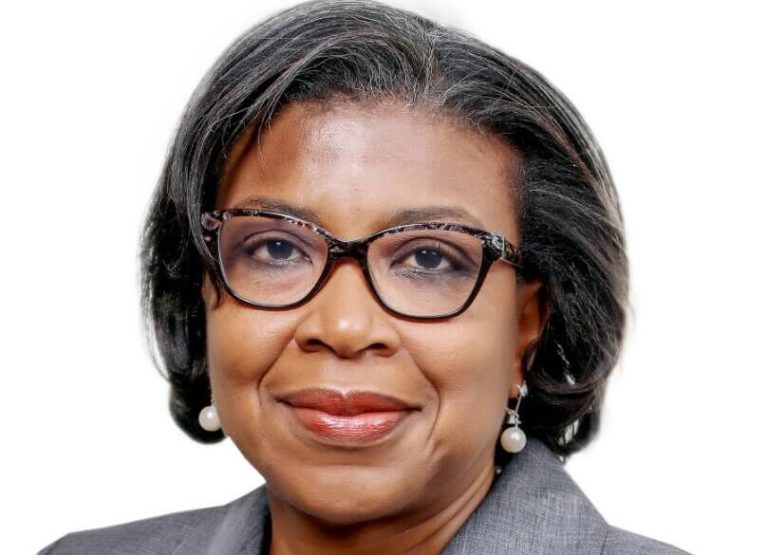
Ms. Patience Oniha, DG, Debt Management Office
Bonds are debt instruments issued by government or a company which represents a fixed sum of money that is borrowed.
Green Bonds are debt instruments tied to environmental projects to address climate change.
Ms Patience Oniha, the DMO Director-General said at the Green Bond Investors Forum in Lagos for market participants and investing public that the issue would also be listed on FMDQ OTC Securities Exchange platform.
She said the listing would be in January at the completion of the first tranche of the bond, which would open for subscription on Dec. 18 by book building and close on Dec. 22.
Oniha said the Federal Ministry of Environment would introduce green bond to support the private sector which may also want to issue the product to support financial inclusion.
She explained that DMO was not only to borrow but also support the development of the market.
She added that the bond issuance benefits were huge, ranging from poverty alleviation, jobs creation, economic and environmental benefits.
The DMO boss said green bond could also be issued by corporate organisations , aside
government.
She expressed optimisim that government would raise over N10.67 billion from the issue, noting that road shows were ongoing to sensitise investors.
She explained that the issuance of the Green Bond followed Federal Government’s endorsement of the Paris Agreement on Climate Change on Sept. 21, 2016.
Proceeds from the Green Bond, she said, would be used to finance projects in this
year’s budget that had been certified as green because of their positive effects on the environment.
Projects to be financed with the proceeds included renewable energy, micro utilities and afforestation programmes of government.
Hajiya Halima Bwari, the Deputy Director, Department of Climate Change, said
the bond became necessary to tackle climate change experienced in Nigeria and the world.
Bwari said that climate change could become a big issue if left unchecked because of its effect on the environment and social wellbeing.
She said that the country’s target was to reduce emission by 20 per cent by 2030.
Mr Muhammad Mamman-Daura of Chapel Hill Denham Advisory Ltd., said Nigeria’s N10.69 billion debut sovereign green bonds due for issuance on Dec. 18, would be priced in reference to Federal Government bonds of similar tenor.
Mamman-Daura said that the bond, the first in Nigeria and West Africa, second in emerging markets and fourth in the world, was a five-year tenored instrument being issued to raise funds for specific green projects across the country.
He said listing the bond on NSE and FMDQ would boost its liquidity and investor confidence.
He added that the proceed would be used to provide green electricity to communities that had been in darkness, energise education and support government afforestation initiative.
President of the Association of Town Planning Consultants of Nigeria (ATOPCON), Mr Olaide Afolabi, on Friday, December 15, 2017 called for an improvement on the electronic method of processing building plan approvals in Lagos State.
President of the Association of Town Planning Consultants of Nigeria (ATOPCON), Mr Olaide Afolabi
Afolabi told the News Agency of Nigeria (NAN) in Lagos that the electronic approach has yet make an appreciable impact on the process.
He said that the electronic pattern was supposed to make the process less cumbersome and faster, but building plan approvals seemed to be more rigorous when processed electronically in the state.
“Normally, it is not supposed to exceed three working days for an applicant to obtain building plan approvals, especially when it is being processed online.
“But the process still consumes the same quantity of money and time. Sometimes, the manual method even seems to be preferable,’’ he said.
Afolabi called on the relevant authorities to do the needful by taking the necessary steps to make the process efficient and reliable.
The association president said there was also a need for more public awareness on the electronic method, to encourage people to embrace the approach.
Afolabi suggested a review of the requirements for obtaining the building plan approvals, saying that documents like Certificate of Ownership (C-of-O) could be excluded.
According to him, it is usually stated explicitly on the certificate that the approved building plan document does not guarantee ownership of the land.
“This implies that the title document has no input in the building plan approval process.
“Exclusion of the C-of-O from the requirements will help to fasten the process, considering the delays encountered in the process of getting the C-of-O,” he said.
Nigeria had the second largest HIV epidemic in 2016, with over 196,000 adolescents representing 10 per cent of the global burden said to be living with HIV/AIDS, according to a World Health Report.
HIV-AIDS
The report was given by Mrs Esther Samuel, The Chief Matron, Lagos State Ministry of Health, at a programme by a non-governmental organisation (NGO), Lisa Demi Project, in Lagos.
The News Agency of Nigeria (NAN) reports that Lisa Demi Project, initiated in the U.K., seeks address the sexual health issues through Talks, Counselling and Entertainment among others.
The programme, held at the Teslim Balogun Stadium Surulere, Lagos on Thursday, and title “ Let’s Talk about Our Sexual Health’’, is targeted at teenagers between the ages 14 to 24.
Speaking on the dangers of unrestrained sexual activities among the youths, Samuel said the statistics from the health sector remained a concern.
“Nigeria has the second largest HIV epidemic. About 3.2 million people Nigerians were living with HIV in 2016.
“In Nigeria, over 196,000 adolescents, representing 10 percent of the global burden, are said to be living with HIV/AIDS.
“Also. 230,000 babies were born by girls aged 15 to 19 in 2015. This is a frightening report. However, 1 million STIs are acquired every day,’’ she said.
Relaying the statistics further, Samuel said that the world was groaning under the heavy burden of sexually transmitted diseases.
“Each year, there are estimated 357 million new infections, while globally more than 2 million 10 to 19-year-olds are living with HIV.
“About one in seven of all new HIV infections occur during adolescence. In the U.S., 21 per cent of the adolescents had drunk alcohol or used drugs before last sexual intercourse.
“About 85 per cent of these youths live in developing countries, while we also have 32 per cent of Nigerian population as youths which half (48.6 per cent) of adolescents aged 15 to 19 are sexually active.
“About one in five of sexually active females and one in 12 sexually active males had already engaged in sexual intercourse by the age of 15,’’ she said.
Samuel said that the alarming statistics should call for urgent action so as not to lose the bulk of the productive population to untreatable diseases such as STDs and STIs.
“These are real figures which should bring something to our mind and it is no other thing than fear, and a call to action, especially among our youths.
“Our youths must be cautioned to refrain and advise. They all need to be guided not to waste their lives on what is worth waiting for.
“The youths should start to avoid something they call a little thing that does not matter but are sexual behaviours such as kissing, keeping secret friendships and others.
“We should focus on health education and STI prevention through school seminars, clubs, social media, parents, peer groups and proper counseling when STDs are detected early,’’ she said.
NAN reports that the event has in attendance over 1,000 students drawn from schools in Lagos.
A consultant physiotherapist, Dr Chris Okafor, says the incidence of stroke has increased in the country due to the dwindling economy and the state of healthcare delivery.
Minister of Health, Professor Isaac Adewole. He will chair the National Council on Health
Okafor, who is a senior lecturer at the Department of Physiotherapy, University of Lagos, Akoka, spoke in an interview with the News Agency of Nigeria (NAN) on Friday in Lagos.
The lecturer said that lack of awareness was also a contributory factor to the high incidence of stroke in the country.
According to the World Health Organisation (WHO), stroke accounts for 10.8 per cent mortality and 3.1 per cent of disease burden worldwide.
It has also been projected that by the year 2030, about 80 per cent of all stroke cases will occur in low and middle income countries of the world.
“A lot of people, both young and old, now come down with stroke due to poverty, lack of quality healthcare and awareness.
“We are not creating enough awareness for people to know that hypertension and diabetes, causes of stroke, are killer diseases,“ Okafor said.
He also identified poor environment, industrialisation, poor habits and attitudes as factors contributing to a lot of people not exercising regularly.
“Our environment does not encourage people to cultivate the habit of exercising.
“As a physiotherapist, when I see the elderly during clinics, I always advise them to be physically active and engage in daily walks.
“However, when you look at the environment, it does not encourage exercise, and so a lot of the elderly in the society are discouraged to walk.
“Also, habit is a challenge; many people are unable to practise, because we are in a society where, over the years, people have become lazy.
“Due to industrialisation and urbanisation, it is now difficult for people to exercise, and rather depend on buses and taxis to take them to different locations,‘’ he said.
The consultant urged the elderly in the society to maintain avoid sedentary lifestyle and high salt and sugar intake.
He appealed to stakeholders, including the government and healthcare practitioners, to continue to sensitise people to cultivate the attitude of being active.
“Exercise and being active is key to improved health; adequate sleep of eight to 10 hours daily is also advisable for the elderly people.
“Also, they should check their blood pressures and blood sugar regularly to prevent hypertension and diabetes.
“If they have problems, they should see a doctor who will refer them appropriately, “ Okafor said.
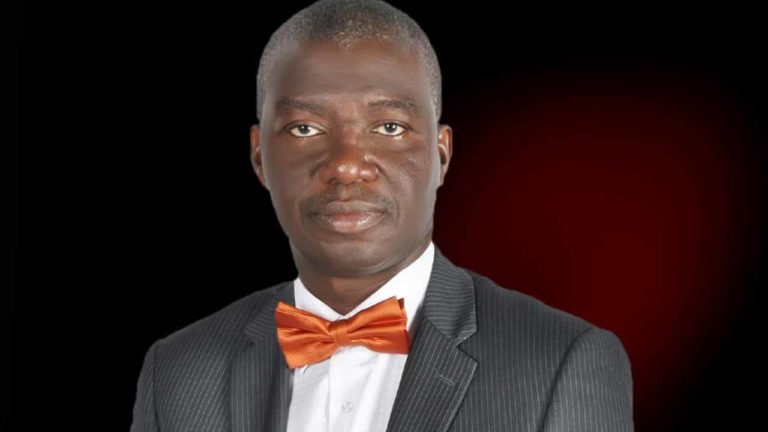
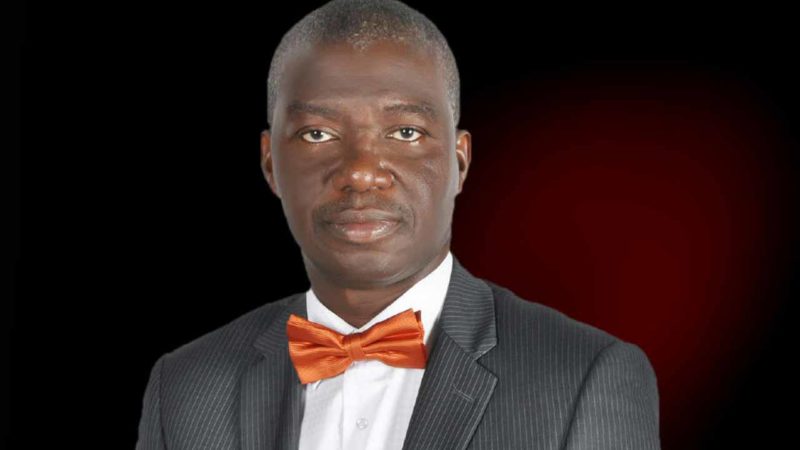
The World Bank has called on states benefitting from the FADAMA programme to pay their own counterpart funds to enable them to benefit maximally from the programme.
Dr Adetunji Oredipe, World Bank Task Team Leader for the FADAMA III Programme,
Dr Adetunji Oredipe, World Bank Task Team Leader for the FADAMA III Programme, made the called on Friday, December 15, 2017 in Abuja during the concluding meeting of the FADAMA supervision mission.
He said that World Bank, through the FADAMA programme, would not like to work with states that were not meeting their obligations to complement its efforts toward the success of the programme.
“The request is enormous and the needs at the community level are huge; the resources we have at the project level are limited.
“It is just a reasonable decision to work with the states that have paid their counterpart funds.
“We want to use this opportunity to thank those states that paid their counterpart funds to ensure that their farmers benefit fully from the project,’’ he said.
The team leader rated the performance of the FADAMA III project across the states as 70 per cent, judging from the number of states that had fulfilled their obligations.
“We are sending the clear message, which means that we may not be able to continue doing anything with those states that are not meeting their own counterpart fund obligations.
“Counterpart funds are the funds required to complement some of the things we do at the state level,’’ he said.
Oredipe noted that the FADAMA III programme was initially designed to end in December 2017, adding that the conclusion of the programme had been shifted to December 2019.
He said that the extension of the programme was particularly designed to enable the north-eastern part of the country, which was hitherto plagued by the Boko Haram insurgency, to benefit from it, while restoring the livelihoods of the people.
“We are leveraging on that and we have a two-year grace to complete what we have started.
“Our emphasis now is on how to complete all the projects we have started because by December 2019, we will not want to see any uncompleted project under this programme,’’ he said.
Also speaking, Mr Tayo Adewumi, National Programme Coordinator of FADAMA, said that the programme was able to attain 70-per-cent achievement because some states paid their counterpart funds for the project.
“The counterpart fund at the state level is like matching grant because there are some activities in the state level like monitoring, payment of staff allowance, among others, that need to be funded.
“The World Bank fund is already hooked down to support farmers, based on their capacities in the four value chains of rice, cassava, sorghum and horticulture,’’ he said.
Adewumi said that the states had over-sensitised the farmers to the sustainability of the programme, and based on the available funds, the project had only 30 per cent of the funds remaining for disbursement.
“We need to prioritise our activities; so the state counterpart funds were used to fund those activities we could not fund and used to sustain the project thereafter.
“Even at this mission, we have been able to support up to 200,000 farmers across the states in the four value chains we are operating in.
“We have a platform that is supporting the farmers directly using the World Bank funds.
“The only group of farmers that would not benefit are those who are supposed to pay beneficiary contributions, either in cash or kind,’’ he said.
Minister of Science and Technology, Dr Ogbonnaya Onu, has said that the Federal Government is committed to investing N180 billion to ensure successful implementation of the National Science, Technology and Innovation Roadmap (NSTIR) 2030.
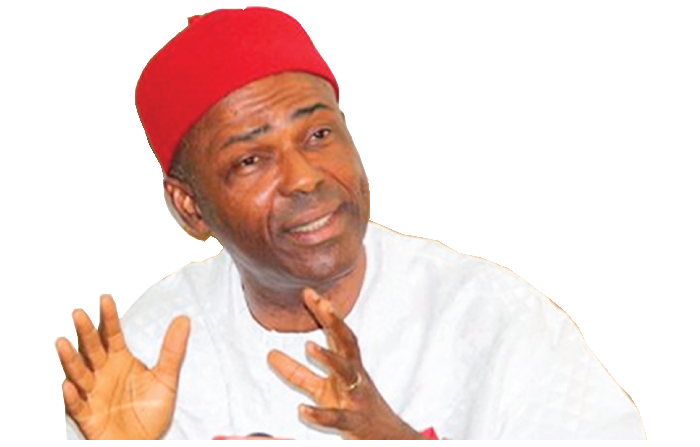
Dr. Ogbonnaya Onu, Minister of Science and Technology
Onu said this at the ongoing 15th meeting of the National Council on Science and Technology in Benin City, Edo State.
He said the amount, which will be disbursed over a period of three budget years, would be in the short term basis of the roadmap.
Onu said the ministry was keen on implementing the roadmap, in collaboration with wide variety of stakeholders, including public and private research development centres.
He expressed optimism that the implementation of the planned NSTIR 2030 programmes and increased investment in Science, Technology and Innovation (STI) would help actualise Nigeria’s dream to join the top 20 of technologically advanced countries in the world.
Onu noted that though the country was yet to reach its full potentials in the deployment of STI deliverables into projects and programmes due to some identified challenges, it had been able to attain some mileage within the past few years.
He also said that the Economic Recovery and Growth Plan (ERGP) 2017 to 2020 recently launched by the present administration, focused on macroeconomic policy improvement, economic diversification, competitiveness, improvement, social inclusion and job creation.
The Minister said that the ERGP targeted that the Nigerian economy would recover strongly with a GDP growth of seven per cent, driven by non oil sector growth of 7.2 per cent by 2020.
This, he said, would also help in the steady expansion of the agriculture, manufacturing and services sectors, adding that approximately 15 million net jobs would be created with poverty reduction from 61 per cent to 50-55 per cent by 2020.
Onu said the ministry was committed to playing its required role in ensuring that the ERGP strategies were STI driven and successfully implemented.
He said that the theme of the meeting “Nigerian Economy Driven by Science and Innovation”, was apt and captured the new direction the country had resolved to follow, in the quest to revive and strengthen the economy.
Onu explained that it was aimed at “helping to strengthen and diversify the economy in a sustainable manner by encouraging the harnessing and application of STI apparatus in the Nation’s development process’’.
The Director-General, Nigerian Maritime Administration and Safety Agency (NIMASA), Dr Dakuku Peterside, said the Minister of Transportation, Mr Rotimi Amaechi, has initiated plans to create a National Policy on Blue Economy.
tThe National Policy on Blue Economy will address issues bordering on aquatics, marine space and all aspects of the nation’s economy as it affects the seas and oceans
Peterside said this in Lagos on Thursday, December 14, 2017 during an enlightenment workshop organised for directors of Nigerian Shippers’ Council (NSC).
According to him, the National Policy on Blue Economy would address issues bordering on aquatics, marine space and all aspects of the nation’s economy as it affects the seas and oceans.
Peterside said that Africa remained underdeveloped in spite of the numerous geographical advantages as well as other natural resources in the region.
He said that the continent’s inability to unlock the inherent potential in the seas and oceans stifled its economic growth over the years.
Peterside said: “There is a relationship between the seas and oceans and wealth creation.
“The problem with Africa is that it still relies on natural resources to a large extent but the top 10 countries in terms of rapid economic growth are actively involved in the blue economy,” the director-general said.
The NIMASA boss said that Africa’s wrong impression about piracy was responsible for the continent’s absence on the list of top shipping nations in the world.
Peterside also noted that climate vulnerability, poor infrastructure, terrorism and legislative vacuum were the challenges militating against development of Africa’s blue economy.
The News Agency of Nigeria (NAN) reports that the Blue Economy covers both aquatic and marine spaces including oceans, sea, coasts, lakes, rivers and underground waters.
Peterside said that there is need to create an institutional framework or structure for coordinating the inter-ministerial commission for seabed resources to achieve the potentials of Blue Economy
The NIMASA boss urged Nigerians to exploit opportunities within the Blue Economy.
He said that there should be commitment by African nations toward providing investments to support and improve governance.
“There is need for cooperation between African countries to effectively deal with threats.
” For the Blue Economy to flourish, we need to achieve and maintain peace and security, which are paramount as well as technological innovations to shape the blue economy.
“Protection, conservation, preservation and sustainable use of aquatic biodiversity must be at the center stage
“Harmonised development of the various sectors of the Blue Economy must be prioritised in order to solve existing and potential conflicts within and between sector,” Peterside said.
According to him, 70 per cent of the Earth is covered by water because water is the starting point of life.
He further explained that half of the world’s population lived within 60km of the sea and 75 per cent of all large cities were located along the coast.
The NIMASA boss said that 38 of 54 African nations were coastal and Inland states, while 90 per cent of Africa’s imports and exports were conducted by sea.
He said there were 63 trans-boundary river basins covering 64 per cent of the continent’s land area, providing home to 77 per cent of the region’s population.
The Executive Secretary of Nigerian Shippers’ Council (NSC), Mr Hassan Bello in his address said that NIMASA was critical to several germane regulatory issues such as setting the benchmark for freight rates and implementation of Advanced Cargo Tracking Notes,, among other issues.
Bello said; “We are delighted to host the director l-general of NIMASA.
“I am pleased because NIMASA is a worthy partner in our quest to realise an efficient Nigerian economy.
“The current director- general of NIMASA has turned the agency from what it is used to be to the apex of shipping in Nigeria and we must commend him for that,” he said.
“On the blue economy, Bello said that it was pertinent and instructive to note that shipping was making direct impact on the nation’s economy.
He also called for more collaboration between the Council and NIMASA on the Advanced Cargo Tracking Note l, which the Council is set to implement.
“We have so many issues we would like to work with NIMASA on. We have the issue of the collaboration with them on the modern cargo tracking processes which we want to implement and NIMASA is key to the successful implementation.
“We also have the issue of shipping companies providing holding bays for containers in Apapa which we also want to work with NIMASA,” the executive secretary said.
The Director-General, Debt Management Office (DMO), Ms. Patience Oniha, says the Federal Government is planning to issue N10.6 billion green bonds to finance renewable energy projects to protect the environment.
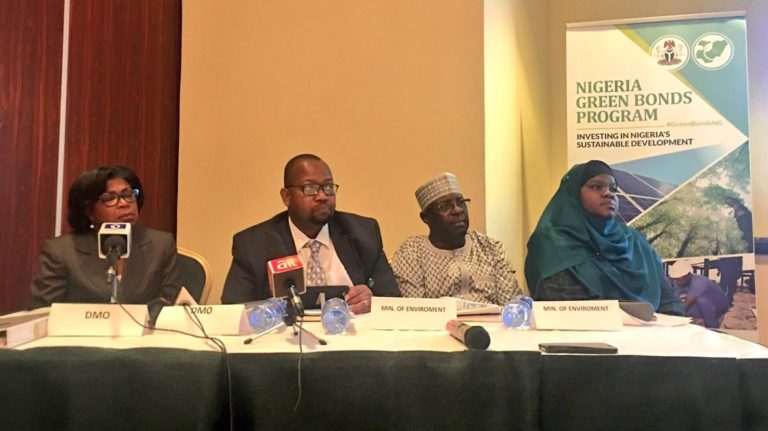
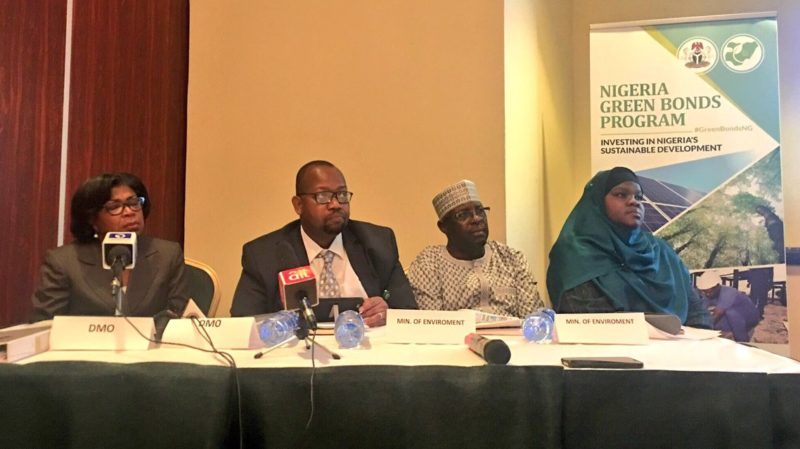
Officials of the Debt Management Office (DMO) as well as Federal Ministries of Environment and Finance at the Nigeria Green Bond Investors Forum in Abuja on Thursday, December 14, 2017
Oniha said this in Abuja on Thursday, December 14, 2017 at the Nigeria Green Bond Investors Forum, organised by the Federal Ministries of Environment and Finance, in collaboration with Green Bond Advisory Group.
She said that the forum was to educate prospective investors in the Green Bond programme to know the benefits of investing in green bond projects.
The director-general said the Federal Government acted to borrow the N10.6 billion, in line with its borrowing agenda contained in the 2017 budget.
According to her, more funds will be allocated to finance green bond projects in the subsequent budgets.
Oniha said that the bonds would be used to finance three renewable energy projects, which were Renewable Energy Micro-Utilities Programme, Re-energising Education Programme and Afforestation Programme.
Also speaking, Alhaja Halimat Bwari, the Deputy Director, Department of Climate Change, Federal Ministry of Environment, said that N142 billion would be required to finance renewable energy projects in the country.
Bwari said that the ministry decided to issue the Green Bond as alternative source of funding because of the huge capital outlay required to finance the nation’s renewable energy projects.
She noted that the bond would boost the nation’s economy and protect the environment. Besides, Bwari said that the ministry had inaugurated five low-carbon growth projects.
She listed the projects as the Rural Energy Access, the Great Green Wall Programme, the National Clean Stoves Scheme, the Clean Energy Transportation Scheme and the Nigerian Erosion and Watershed Management Project.
She said that the projects would go a long way to reduce carbon emissions in Nigeria, while facilitating the country’s efforts to meet its commitments in the Paris Agreement on Climate Change.
News Agency of Nigeria (NAN) reports that stakeholders that participated in the forum include Pension Funds Administrators (PFAs), Federal Ministry of Finance, Inter-ministerial Committee on Climate Change and Nigerian Stock Exchange (NSE).
Others are DMO, Central Bank of Nigeria (CBN), Securities and Exchange Commission (SEC), the World Bank and Chapel Hill Denham as well as representatives of private sector organisations.