Home Blog Page 1931

Global Recycling Day: Stakeholders collaborate to raise awareness

0

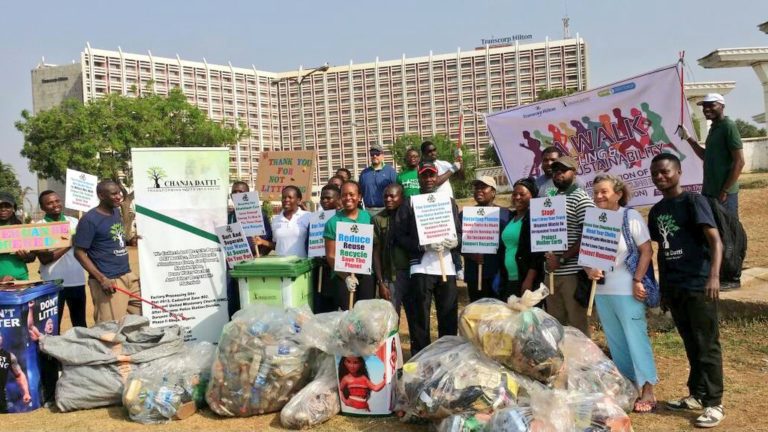
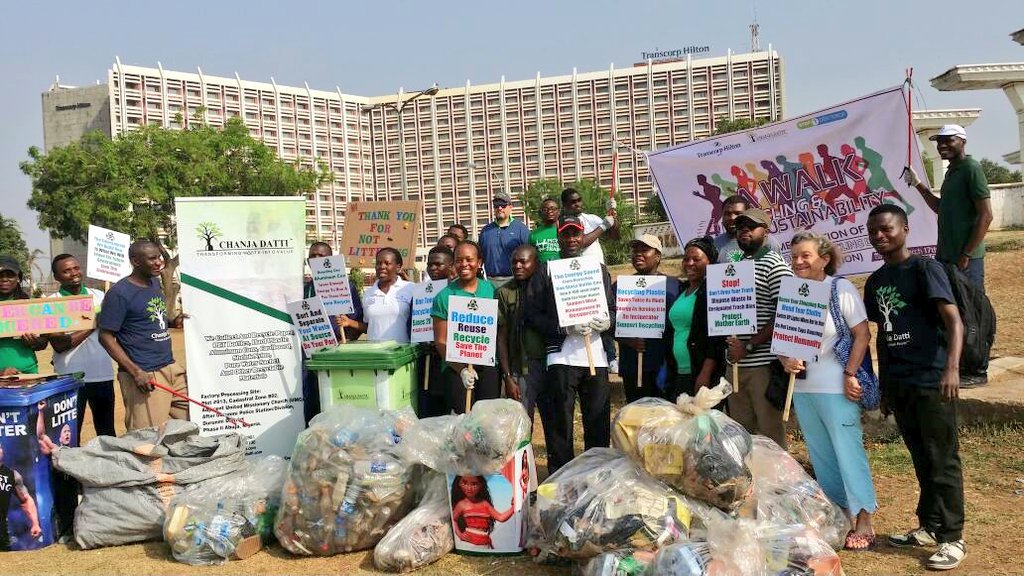
Environmental enthusiasts in Nigeria on Saturday, March 17, 2018 joined other folks across the world to mark the inaugural Global Recycling Day with an event “A Walk for Sustainability and Recycling” in Abuja.
GlobalRecyclingDay
Participants at the Global Recycling Day event in Abuja

The walk was put together by a leading recycling company in Nigeria, Chanja Datti Recycling, in collaboration with Transcorp Hilton, #PickThatTrash initiative, and “Stop Don’t Drop”.

Participants engaged in a two-hour long roadside walk from the Transcorp Hilton gate, through the Federal Secretariat, to the Eagle Square and back to the Unity Fountain, beside the Transcorp Hilton. A total of 112 kilogram of recyclables were gathered at the close of the event.

The Global Recycling Day was initiated by Brussels-based Bureau of International Recycling (BIR) and has called on the United Nations to annually recognise March 18 as Global Recycling Day in its roster of awareness days. The aim of Global Recycling Day is to unite people across the world, highlighting the need to conserve the six primary resources (water, air, coal, oil, natural gas, and minerals) and celebrating what is described as ‘the seventh resource’ – the materials recycled every day.

In Johannesburg, South Africa, Global Recycling Day’s manifesto was launched along with a public clean-up campaign with the help of the Catholic Diocese and the City of Johannesburg. While at the head office of the Australian Packaging Covenant Organisation (APCO) in Sydney, over 50 academics and industry experts gathered to recognise Global Recycling Day and discuss cross-sector collaborations.

In Nigeria, there has been constant urge by relevant stakeholders for the Federal Government to keenly strengthen recycling startups and companies in the country. Hundreds of Nigerians who are aware of the Global Recycling Day have also pledged to cultivate a recycling habit and further educate other people within their respective communities and through their different online platforms.

By ‘Seyifunmi Adebote, Abuja
Atmospheric centre expresses readiness to deploy facilities to forecast air quality

0

The Centre for Atmospheric Research of the National Space Research and Development Agency (CAR-NASRDA) on Monday, March 19, 2018 expressed readiness to deploy facilities to six institutions in the country for air quality forecasting.

Babatunde Rabiu
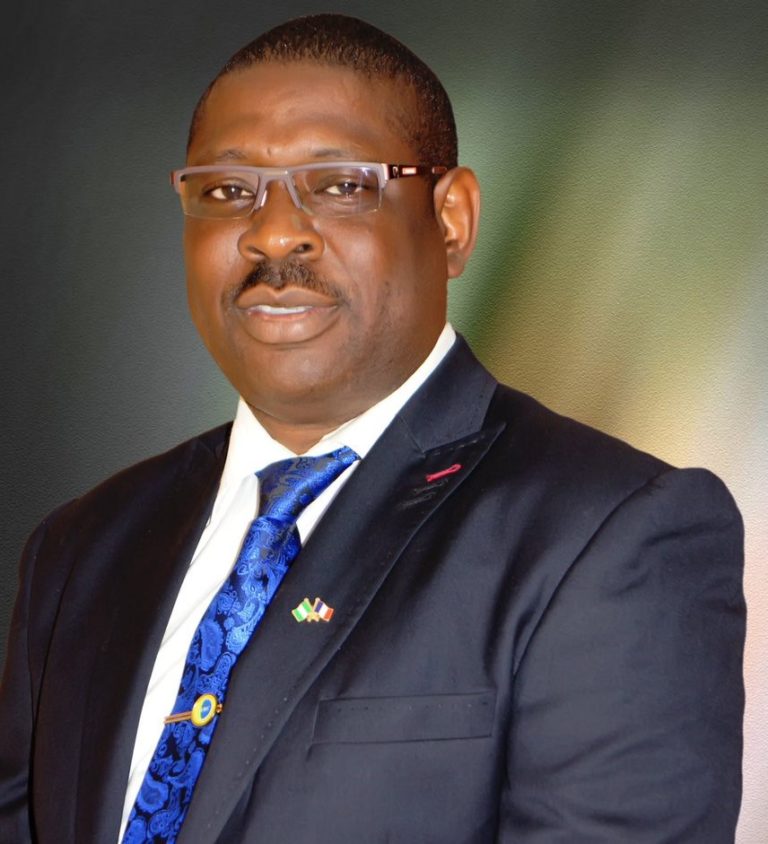
Prof. Babatunde Rabiu, the Director, Centre for Atmospheric Research

Prof. Babatunde Rabiu, the Director CAR, disclosed this in an interview with the News Agency of Nigeria (NAN) in Abuja.

“Last year, we acquired the first ozone monitor in the network of ground ozone monitors which we intend to build over Nigeria.

“We also have a set of indigenously developed six automatic hybrid weather and air quality systems waiting for deployment.

“They have been acquired when the capital fund was released last year. We have six locations where these equipment are going to stay.

“The locations are Federal University Oye-Ekiti,(FUOYE), Osun State University, the Environment Space Research Lab Abuja within the NASRDA complex.

“Other locations are University of Benin, Abia State University Uturu and Rufus Giwa Polythecnic Owo,” he said.

Rabiu said the host institutions were ready to accept the equipment, adding that they would provide security and internet services.

“The institutions have expressed their readiness to host these facilities, to provide security for them, Wi-Fi services because they transmit data at real time.

“The equipment will be taking measurements in remote locations who have access to the data and anybody all over the world can use the data for research purpose.”

The director, however, said that the equipment was waiting to be deployed owing to lack of funds to install the equipments.

According to him, once funds are available the equipment will be deployed.

He also said the centre had other facilities to be distributed for space weather.

Rabiu said air quality forecast needed good observational facilities on ground which required network of stations that monitors air quality parameters.

Rabiu said alternatively satellite data could be used to forecast air quality but ground data needed to be used to validate satellite data.

He added that infrastructures, high performance computing systems to run data and regular power supply was required to measure air quality continuously.

“You also need the modeling, the software and these things are readily available in the society, we just need to pull them together.

“We need a political will to pull these things together because it is only the political will that can generate the fund that you need,” Rabiu said.

He expressed hope that if air quality was forecasted accurately in the country, it would combat health issues caused by air pollution.

By Ijeoma Ndubisi

Ekiti establishes Water Regulatory Unit

0

The Ekiti State Government has established Water Regulatory Unit in the state as part of initiatives to ensure efficient and sustainable potable water supply, Chief Tunde Ogunleye, the Commissioner for Public Utilities, has said.

Ayodele-Fayose
Governor Ayodele Fayose of Ekiti State

Ogunleye said while inaugurating the unit in Ado Ekiti, the state capital, on Monday, March 19, 2018 that it was aimed at regulating the production, distribution, supply and usage of water.

According to him, the unit will also promote the quality of service and charges payable to guarantee the viability of the sector.

The commissioner added that the formation of the unit was a prelude to setting up of a full-fledged Water Development Agency.

He noted that the unit would also regulate the activities of water service providers such as Ekiti State Water Corporation (EKSWC), Ekiti State Small Towns Water Supply and Sanitation Unit (STOWU).

The unit would check the activities of Ekiti State Small Rural Water Supply and Sanitation Agency (EKRUWASSA), Water Consumers Association (WCAs) as well as private operators of underground water in the state, Ogunleye added.

According to him, the regulatory unit would control water distribution to guarantee quality of water, reduce waste and promote access to basic water supplies regardless of location.

The commissioner said the unit would also handle dispute resolutions and ensure prompt response to consumers’ complaints.

He said it would protect the interest of vulnerable consumers in addition to managing tariff and taking cognisance of affordability, cost recovery and returns on investment.

The commissioner expressed gratitude to development partners such as World Bank and the European Union (EU) for assistance in developing water projects in the state.

Ogunleye said the state had benefitted from the expertise of consultants from the Third National Urban Water Sector Reform Programme (NUWSRP-3), EU-WSSSRP III and UNICEF.

He pointed out that developing partners shared experiences with the state government and added value to the state’s water sector.

Mr Osalade Ayodele, the Director, Planning Research and Statistics, Ministry of Public Utilities is the Chairman of the Water Regulatory Unit.

Other members are Mr Sulaiman Olalekan, Ministry of Justice; Mrs Bakare Caroline, Ministry of Health; Mr Oni Joseph, Accountant General’s office and Mr Abosede Festus, Ministry of Information.

By Ariwodola Idowu

Stakeholders task states on open defecation

0

Participants at the Conference on Community-Led Total Sanitation (CLTS) on Monday, March 19, 2018 urged state governments to develop programmes that would meet the Open Defecation Road Map and overall hygiene promotion in the country.

suleiman adamu kazaure
Suleiman Adamu Kazaure, Water Resources Minister

They gave the advice in a communiqué issued in Abuja at the end of the conference by Mr Emmanuel Awe, Director, Water Quality Control and Sanitation, Federal Ministry of Water Resources.

They also called for improved funding as a veritable tool to meeting the policies and programmes that would promote the implementation of hygiene.

This, they added, was central if the country was to meet the roadmap by 2025.

“CLTS has proven to be effective in encouraging behavior change towards attaining a disease free society as four local governments in Nigeria have been declared open defecation free.

“Obalinku and Yakurr Local Governments in Cross River, Dass and Warji Local Governments in Bauchi have been declared open defecation free,” the participants said.

They recommended that complimentary strategies such as sanitation marketing, financing and media campaigns be incorporated into supports to meet the Sustainable Development Goals (SDGs) 6 on improved access to water and sanitation.

They also recommended that the State Task Group on Sanitation be strengthened to include advocacy in their roles to influence policy makers to increase budget for the sanitation sub-sector.

According to the National Road Map on Making Nigeria Open-Defecation-Free by 2025, Nigeria is among the nations in the world with the highest number of people practicing open defecation, estimated at over 46 million people.

This initiative, tagged “Making Nigeria Open Defecation Free by 2025: A National Roadmap”, was developed by the Federal Ministry of Water Resources with support from key sector players.

In 2016, the National Council on Water Resources endorsed the roadmap as a guide toward achieving an open defecation free country using different approaches.

NAN reports that the objective of the sixth National Conference on CLTS was to sensitise relevant stakeholders on progress made and what steps could be taken to improve sanitation and hygiene in the country.

By Tosin Kolade

Government told to distance Nigeria from Ugandan position on ILO partnerships with tobacco industry

0

The Environmental Rights Action/Friends of the Earth Nigeria (ERA/FoEN) has called on the Minister of Labour and Employment, Dr. Chris Ngige, and other delegates attending the meeting of the governing body of the International Labour Organisation (ILO) to support calls for the ILO to cut ties with Big Tobacco.

Dr. Chris Ngige
Labour & Employment Minister, Dr. Chris Ngige

ERA/FoEN said that Nigeria has to declare its stand unequivocally in view of the Ugandan position last week that African bloc of nations still support that the agency continues its partnership with the Eliminating Child Labour in Tobacco Growing Foundation, a nonprofit funded by tobacco companies since 2002.

The environmental justice group, in a statement issued by Head, Media and Campaigns, Philip Jakpor, said the Ugandan position is not the true position of Africans, insisting that partnership with the tobacco industry by the ILO represents a conflict of interest in the United Nations (UN) system.

The call to the Nigerian delegation is coming as the governing body of the UN entity which met last week failed to come up with a unified position on shuttering one of the tobacco industry’s last-remaining avenues of interference in the UN. A vote is proposed this week.

Director-General of the UN, Michael Moller, issued a report three weeks ago calling on the ILO governing body to end its public-partnerships with Big Tobacco. Over 150 public health and labour leaders had also called on the ILO to cut ties with the industry and as the Secretariat of the World Health Organisation Framework Convention on Tobacco Control (WHO-FCTC) is demanding the ILO sever ties.

“Nigeria’s delegation and that of other countries currently under tobacco industry assault should distance themselves from the Ugandan position. ILO and Big Tobacco’s split is long past-due: The ILO must join other U.N. agencies in casting this deadly industry out for good,” said Akinbode Oluwafemi, deputy executive director of ERA/FoEN.

“Big Tobacco has no place in any U.N. space. This month, the ILO has the opportunity to stand on the right side of history and show Big Tobacco the door.”

To date, the ILO has received more than $15 million from tobacco corporations for joint programmes, including more than $10 million from Japan Tobacco International (JTI) for an effort to curb child labour in tobacco farming. The Director-General’s report finds, however, that the focused initiatives do little to curb child labour in tobacco fields because they do not shift the tobacco industry-driven cycle of poverty for tobacco farmers that forces children into the fields.

The tobacco industry commonly promotes programmes like these to boost its public image and maintain influence in policymaking spaces. In the same vein as JTI’s effort, Philip Morris International recently launched a Foundation for a Smoke-Free World, to which it will give nearly $1 billion over the next decade.

“Despite Big Tobacco’s abusive labour practices and its membership violating a core tenet of the Global Tobacco Treaty, its influence still runs deep in the ILO: In November 2017, the Governing Body failed to come to a decision on whether or not to end its private-public partnerships with tobacco corporations.

“In Nigeria just as in other African countries, the tobacco industry has been identified with monopolistic practices that have made farmers go the extra mile to meet their demands, including forcing their kids as young as five years of age to work 24/7 on tobacco farms.

Also, British America Tobacco Nigeria (BATN) is yet to wriggle from anti-labour practices leveled against it by some ex-workers, some of whom now have debilitating illnesses due to poor factory conditions and exposure to tobacco dust,” said Oluwafemi.

Nigeria has overcome problem of electricity generation, says Fashola

0

The Minister of Power, Works and Housing, Mr Babatunde Fashola, says that the country has overcome the problem of electricity generation and now only needs to grapple with challenges associated with distribution.

Gov-Babatunde-Fashola3
Minister of Power, Works and Housing, Babatunde Raji Fashola (SAN)

Fashola, who was responding to questions on the News Agency of Nigeria (NAN) Forum in Abuja, said: “Today the March 14, the report I got was that yesterday’s peak energy was 4,822 for distribution, so we are well over that problem of supply, what we are now dealing with is a new problem of distribution.

“Two years ago the distribution companies were saying they did not have enough power to sell, but today the story has changed.

“It is not as painful as it was two years ago, people are now using their generators for a shorter periods, buying smaller quantities of fuel for the purposes to power their generator.

“We are getting longer periods of energy supply, you will see on the diesel purchasing index that the country‘s total use of diesel is coming down,’’ the minister said.

The erstwhile Lagos State governor pointed out that the country now has the capacity to generate not less than 7,000 Megawatts (MW) of electricity. He said that the transmission chain had also developed capacity to transmit the same megawatts.

“Today, we have the capacity to generate over 7,000MW, we can transmit also over 7,000 MW but we cannot distribute more than 5,200MW now.

“So if there is no distribution demand, you don’t load on your 7,000 because your supply is informed by your demand.

“But its there, so it is like goods that you keep in your warehouse, except that power you cannot store it.

“So what we are actually doing is that some of the GENCOs that have a capacity to produce 100, control centre is telling them put only 60.

“So that is how we are managing it, because of the real demand at final end based on insufficient distribution capacity.”

Global Recycling Day: Contemplate resource, not waste

0

The first ever “Global Recycling Day” was observed on Sunday, March 18, 2018, with a call by the Bureau of International Recycling (BIR) for all to not only reduce waste and increase recycling, but also to view recyclables as a resource, and not waste.

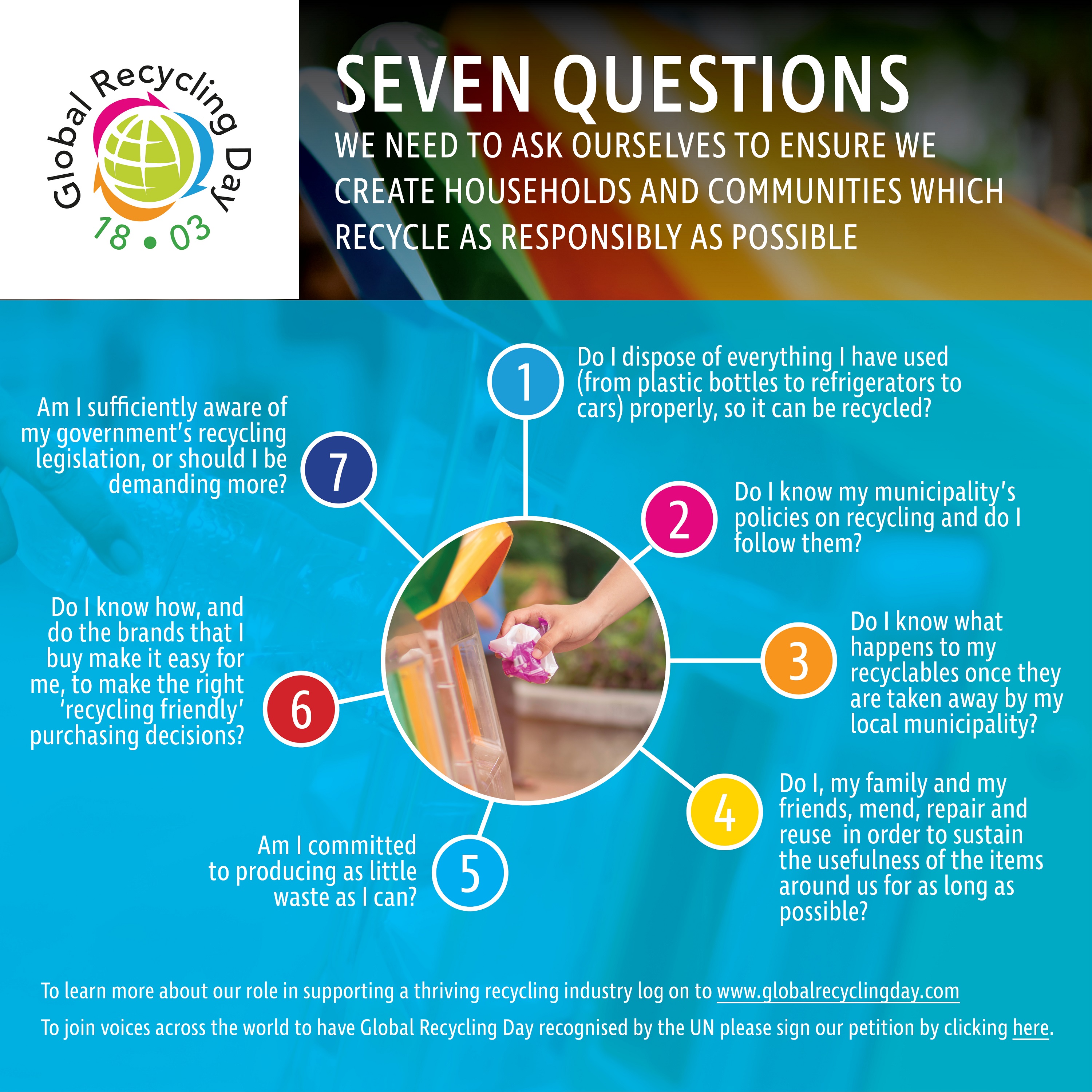
Recycling Day infographic
A Global Recycling Day infographic

The aim of the Global Recycling Day, which coincides with the BIR’s 70th anniversary, is to unite people across the world, highlight he need to conserve the six primary resources (water, air, coal, oil, natural gas and minerals) and celebrate what is described as “the Seventh Resource” – the materials man recycle every day.

Ranjit Baxi, president of the BIR, says: “The goal for Global Recycling Day is to show the world that there is a Seventh Resource, as economically viable as, and more sustainable than, the six key primary resources: air, water, oil, natural gas, minerals and coal. Recycling is a global issue, the environment is a global issue and this day celebrates that and pushes us all – wherever we live – to do more.”

The contribution that recycling offers the world is immense, according to Baxi, as, according to him, the industry provides two million jobs, saves 700 million tons of carbon emissions annually, reduces waste, promotes health and hygiene and is projected to add $400 billion to the global gross domestic product by 2025.

He believes that recycling plays such a crucial role in the preservation of the planet, which informs the industry coming together on Global Recycling Day to showcase the work it’s already doing and discuss what else can be done.

“March 18, 2018, marks the 70th anniversary of BIR, making 2018 a landmark year to create a day that recognises the vital role recycling and the industry plays in protecting the planet,” comments Baxi.

In addition to being a day for encouraging and promoting recycling, Global Recycling Day also served as a day of action, according to the BIR. On March 18, world leaders, international businesses, communities and individuals made clear commitments in their approach to recycling, and consumers asked to answer key questions about recycling, allowing them to think of recycling in a new way.

“We want Global Recycling Day itself to be a day of celebration, championship and change – a celebration of the food and materials around us, a championship of the good recycling can do and a change in our attitudes and practices toward our own waste and recycling habits,” states Baxi.

Several official and unofficial events held to celebrate the Global Recycling Day, including speeches, conferences, tea mornings and football games.

On Saturday, March 18, the Chanja Datti Recycling Co. in Nigeria had a 7 a.m. walk at the Eagle Square in Abuja to push advocacy for recycling. Participants at the walk wore a touch of green. Chanja Datti is also running an upcycling contest, where people can create an artistic people or artwork from only recyclable materials and post about it on social media using the hashtag #GRDupcyclingCompetition.

Visionscape Sanitation Solutions Limited, operators of the Cleaner Lagos Initiative, ran a number of awareness raising messages via its Twitter account. Why some highlighted the benefits of recycling and the seven main categories of materials that can be recycled, others announced the occasion.

In a Twitter message, the United Nations Industrial development Organisation (UNIDO), says: “Recycling plays a key role in achieving a more sustainable production and consumption model. It’s about action and taking better stewardship of the goods created, used and disposed off everyday.”

Shell debunks Amnesty allegations on spills management in Niger Delta

0

The Shell Petroleum Development Company of Nigeria Ltd (SPDC) has denied allegations of environmental mismanagement in the Niger Delta levelled against it at the weekend by Amnesty International, reiterating its commitment to swift response to oil spill incidents as much as access and security conditions permit teams to mobilise and deploy to spill sites to investigate, clean up and remediate such areas. This is in addition to deploying technology and best practice to make it more difficult for unauthorised persons to break pipelines and steal crude oil from its facilities.

OIL SPILL AT IBUU CREEK OKWUZI
Ibuu Creek polluted by an oil spill, in Okwuzi Community in Rivers State. Photo credit: Dandy Mgbenwa

“SPDC, in collaboration with government regulators, responds swiftly to spill incidents as quickly as it can and cleans up spills from its facilities regardless of the cause,” said General Manager, External Relations, Igo Weli. “We regularly test our emergency spill response procedures and capability to ensure staff and contractors can respond rapidly to an incident. However, response to spills, clean-up and remediation depend on access to the spill site and ultimately on the security of personnel and equipment while work is ongoing.”

He said Amnesty International’s allegations are false, without merit and fail to recognise the complex environment in which the company operates where security, a sole prerogative of Government, remains a major concern with persisting incidents of criminality, kidnapping, vandalism, threats from self-described militant groups, etc.

Mr. Weli said the transparency in the online reporting of spill incidents by SPDC in its areas of since 2011, which Amnesty International itself acknowledged, demonstrates its commitment to creating awareness and enhancing collaboration with key stakeholders on oil spill response and clean-up processes and deepening understanding of the complex and challenging operating environment. “SPDC reiterates its commitment to carrying out operations in line with best practice in a responsible and environment-friendly manner,” he added.

Over the years, SPDC, the operator of a joint venture between the government-owned Nigerian National Petroleum Corporation – NNPC, SPDC, Total E&P Nigeria Ltd and the ENI subsidiary Nigerian Agip Oil Company Limited, sustained air and ground surveillance as well as anti-theft mechanisms on equipment and pipelines to mitigate third-party interference and ensure that spills are detected and responded to as quickly as possible. The company conducts daily over-flights of its pipeline network to identify any new spill incidents or illegal activities, and installed state-of-the-art high definition camera to a specialised helicopter that greatly improves the surveillance of our assets.

Weli added: “SPDC also works diligently to develop new hardware barriers and technologies to detect and prevent oil theft, sabotage, criminality and other types of third party interference that cause environmental damage, participating in industrial organisations in Nigeria as well as internationally to share best practices. Regrettably, despite these and other efforts, criminals still target oil and gas infrastructure, causing spills, and the company is continuing to focus attention on the detrimental impact of these activities on people, the economy and environment in engagements with the media, government officials, diplomats and community people.”

Japan grants UN-Habitat $10m to rebuild Marawi

0

The Government of Japan and the United Nations Human Settlements Programme (UN-Habitat) have exchanged notes  to signify their partnership on a post-conflict shelter rehabilitation project, with financial support of $10 million from Japan.

UN-Habitat
UN-Habitat Philippines Habitat Programme Manager, Christopher Rollo, and Ambassador of Japan to the Philippines, Mr. Koji Haneda, present the signed exchange-of-notes

The Marawi Peacebuilding Through Shelter Recovery Project, focusing on peacebuilding through community-driven shelter and livelihood recovery, aims to support people displaced by the Marawi conflict, which took place from May to October 2017, in the recovery of shelter and community infrastructure. To contribute to the peacebuilding process and sustainable development, the housing and infrastructure components will be supplemented by peace-promotive capacity development and livelihood support.

The Marawi conflict in the Philippines was a five-month-long armed conflict in MarawiLanao del Sur, that started on May 23, 2017, between Philippine government security forces and militants affiliated with the Islamic State of Iraq and the Levant (ISIL), including the Maute and Abu Sayyaf Salafi jihadist groups. The battle also became the longest urban battle in the modern history of the Philippines.

During the conflict, the Maute group militants attacked Camp Ranao and occupied several buildings in the city, including Marawi City Hall, Mindanao State University, a hospital and the city jail. They also occupied the main street and set fire to Saint Mary’s Cathedral, Ninoy Aquino School and Dansalan College, run by the United Church of Christ in the Philippines(UCCP). The militants also took a priest and several churchgoers hostage.

The shelter recovery project, according to the promoters, will be implemented using a community-driven approach to empower households whose homes have been destroyed, by providing training that helps them become active actors in rebuilding their homes and communities.

Shelter reconstruction support will be provided for 1,500 affected households that will be organised under the Community Mortgage Programme (CMP) of the national government through the Social Housing Finance Corporation (SHFC). Transcending this community-focused approach is the development of a city-level recovery and reconstruction plan, including the local shelter plan, that will situate the role of the families and communities in the overall rebuilding of the city.

Complementing shelter recovery, the project will also provide livelihood support by training households in construction, small-scale enterprise development, and other similar skills. Capacity-building for communities will also be at play as they get training on project, business, financial management, with a strong mindfulness for gender balance, peace building, and social development mainstreamed into the training.

The project endeavours to ensure that all related activities are carried out in a manner that helps strengthen or rehabilitate the social fabric and promote peacebuilding among families and communities in relation to the wider community of Marawi and the region.

While shelter reconstruction will directly benefit 1,500 families, the project collectively targets a broader range of stakeholders, about 4,000 households, who will benefit from complementary activities like the construction or improvement of community infrastructure (water, sanitation, road, multipurpose centres), community development support, livelihood assistance, and peace and development initiatives.

The project, slated to run for a year, will be implemented by UN-Habitat in collaboration with partners on several fronts: with national government agencies and offices such as the Department of Social Welfare and Development, Housing and Urban Development Coordinating Council and the Social Housing Finance Corporation, the Office of Civil Defense, and the Task Force Bangon Marawi; with the local government of Marawi; and with the homeowners’ associations in participating communities.

FAO underlines need to prioritise farmers’ protection from climate impacts

0

A new report from the Food and Agriculture Organisation of the United Nations (FAO) has said that, between 2005 and 2015, natural disasters cost the agricultural sectors of developing country economies $96 billion in damaged or lost crop and livestock production. Almost all of these disasters have been directly caused or exacerbated by climate change.

josé-graziano-da-silva
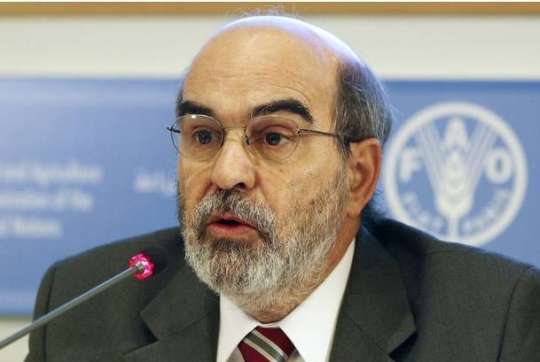
Jose Graziano da Silva, Director General of the FAO

Half of that damage – $48 billion worth – occurred in Asia, says the report, titled: “The impacts of disaster and crisis on agriculture and food security 2017, and presented at a conference in Hanoi convened by Viet Nam’s government in collaboration with the FAO.

FAO Director-General, José Graziano da Silva, said the impacts of climate change had become the “new normal” and because of this, protecting agriculture from extreme weather and climate change must become a priority.

“Disaster risk reduction and management must therefore become an integral part of modern agriculture. Building a more holistic and ambitious disaster-resilience framework for agriculture is crucial to ensuring sustainable development – which is a cornerstone for peace and the basis for adaptation to climate change,”  he said.

Over the past four decades, disaster losses in Asia and the Pacific increased 16 times in terms of financial damage. Agriculture in Asia is particularly vulnerable as it is heavily dependent on climate and natural resources, therefore climate change only intensifies these risks. The Sendai Framework for Disaster Risk Reduction (2015-2030) calls for substantial reduction of disaster risk. Adapting to climate change is critical to reduce disaster losses, prevent and reduce risk.

Also for Africa and Latin America and the Caribbean, drought is the costliest type of disaster – causing crop and livestock losses of $10.7 and $13 billion in those regions, respectively, between 2005 and 2015.

Crop pests and animal diseases were also among the most expense-inducing disasters for African farmers, notching up $6+ billion in losses in that same period.

And across the globe, Small Island Developing States (SIDS) are particularly vulnerable to natural disasters, in particular tsunamis, earthquakes, storms and floods. Economic losses in SIDS stemming from disasters jumped from $8.8 billion for the period 2000-2007 to over $14 billion between 2008 and 2015, the report shows.

“We must take actions to revert this trend. With 2.5 billion people on the planet relying on agriculture for livelihoods, this level of damage and loss jeopardises our efforts to end hunger and poverty,” said Kundhavi Kadiresan, FAO Assistant Director-General and Regional Representative.

FAO works with countries to enhance access of vulnerable smallholder farmers to climate information and disaster risk warning, using this information to adjust their production, diversify livelihoods and take early actions to be better prepared when emergencies happen.