26.6 C
Lagos
Monday, February 23, 2026
Home Blog Page 1927

African leaders commit to elevate nutrition as driver for economic growth

0

African leaders on Monday, January 29, 2018 made a landmark commitment to remove nutrition-related barriers that prevent children and societies from realising their full potential.

AU-AfDB
The leaders have agreed to jointly overcome malnutrition and elevate nutrition as driver for economic growth and sustainable development

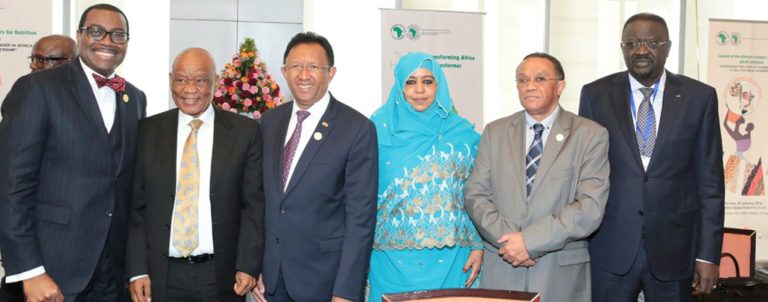
The leaders made the commitments at the launch of African Leaders for Nutrition (ALN) − an initiative championed by the African Development Bank (AfDB) and the African Union Commission (AUC) – in Addis Ababa, where they agreed to jointly overcome malnutrition and elevate nutrition as driver for economic growth and sustainable development.

According to the President of the AfDB, Akinwumi Adesina, stunted children today will lead to stunted economies tomorrow. The impact of stunting is irreversible, but preventable.

Poor nutrition is responsible for stunting children’s growth, harming children’s educational development and future economic prospects. In 2016, 59 million African children suffered from stunting and 14 million suffered from wasting. Combined together, this is more than the population of France, more than the population of South Africa and seven times the population of Switzerland, Adesina warned.

“There’s every reason to care: poor nutrition is the main cause of death for millions of children under five. Indeed, three million children die every year in Africa from malnutrition. If current trends continue to 2030, Africa will have lost a mind boggling 36 million children because they didn’t have enough to eat or to eat well enough.”

The African Union has endorsed the African Leaders for Nutrition initiative and encouraged its champions to continue to dialogue and strengthen advocacy efforts in support of improved nutrition.

The Prime Minister of Lesotho, Motsoahae Thomas Thabane, read the resolution of African leaders on the ALN initiative, where they agreed that food security without improved nutrition will not deliver the desired inclusive socio-economic outcomes − especially as the number of those affected by hunger and malnutrition has not decreased over the past few years.

The declaration commended Member States who have made progress in ending child stunting and addressing underweight children and encouraged others to do the same.

“Nutrition is at the heart of our continental agenda and is a developmental issue. Nutrition security remains critical to all ongoing programmes and has a positive impact on development. Working together, we can make a difference,” said the Chair of the African Union Commission, Moussa Faki Mahamat, in a statement at the event.

President Adesina described Africa as the only region where the number of stunted children has increased, from 47 million in 1990 to 59 million in 2016.

“There is both a moral and economic obligation on us to resolve this utterly preventable African disaster. Africa can defeat stunting and malnutrition if its leaders align and leverage their combined will,” he told African leaders.

“So, today, I speak for the victims of the silent killer of life: malnutrition. God did not create kids’ stomachs to be empty. Nothing breaks our hearts more than a mother unable to calm the rumbling, hollow stomach of her hungry baby. A proverb in my Yoruba language says, ‘Elders cannot be in the marketplace and watch the heads of babies hang lose when strapped to the mothers back’.”

To the leaders, he said: “You are the elders. You cannot watch as three million babies die from malnutrition on the backs of equally malnourished mothers. We all need to hear the voices of these mothers and children and act without delay!”

He described ‘grey matter infrastructure’ as Africa’s most important infrastructure and stressed the determination of the African Development Bank to help Africa feed itself and become self-sufficient in food: nutritious food.

“The African Leaders for Nutrition initiative will keep a report card, an Africa Nutrition Accountability Score Card, which will rate countries scientifically on their progress in addressing malnutrition and building grey matter infrastructure. This policy innovation will build incentive to complement and strengthen the commitment. To achieve greater impacts on nutrition, governments should prioritise nutritional investments, through Nutrition-Sensitive Budgeting.”

The President of Madagascar, Hery Rajaonarimampianina, who presented an African Union Commission’s study on the Cost of Hunger in Africa (COHA), described malnutrition as one of the main barriers that prevent children and societies from realising their full potential.

“Stunted children fall ill more frequently – generating high health costs to families and the economy equivalent to between 1-30% of the total public budget allocated to health, or 3% of GDP. If we reduce current stunting rates by 50% by 2025, we can expect a saving of $21.7 billion; if we achieve the AU Malabo goal of reducing stunting to 10% and underweight children to 5% by 2025, we can expect a saving of up to $39.3 billion,” he said.
High levels of antibiotic resistance found worldwide

0

The first release of surveillance data on antibiotic resistance by the World Health Organisation (WHO) reveals high levels of resistance to a number of serious bacterial infections in both high- and low-income countries.

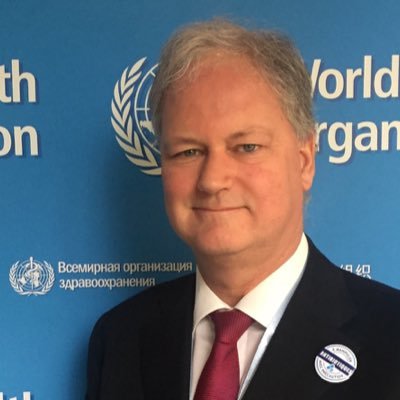
Dr Marc Sprenger
Dr Marc Sprenger, director of WHO’s Antimicrobial Resistance Secretariat

WHO’s new Global Antimicrobial Surveillance System (GLASS) reveals widespread occurrence of antibiotic resistance among 500,000 people with suspected bacterial infections across 22 countries.

The most commonly reported resistant bacteria were Escherichia coli, Klebsiella pneumoniae, Staphylococcus aureus, and Streptococcus pneumoniae, followed by Salmonella spp. The system does not include data on resistance of Mycobacterium tuberculosis, which causes tuberculosis (TB), as WHO has been tracking it since 1994 and providing annual updates in the “Global tuberculosis” report.

Among patients with suspected bloodstream infection, the proportion that had bacteria resistant to at least one of the most commonly used antibiotics ranged tremendously between different countries – from zero to 82%. Resistance to penicillin – the medicine used for decades worldwide to treat pneumonia – ranged from zero to 51% among reporting countries. And between 8% to 65% of E. coli associated with urinary tract infections presented resistance to ciprofloxacin, an antibiotic commonly used to treat this condition.

“The report confirms the serious situation of antibiotic resistance worldwide,” says Dr Marc Sprenger, director of WHO’s Antimicrobial Resistance Secretariat.

“Some of the world’s most common – and potentially most dangerous – infections are proving drug-resistant,” adds Sprenger. “And most worrying of all, pathogens don’t respect national borders. That’s why WHO is encouraging all countries to set up good surveillance systems for detecting drug resistance that can provide data to this global system.”

To date, 52 countries (25 high-income, 20 middle-income and seven low-income countries) are enrolled in WHO’s Global Antimicrobial Surveillance System. For the first report, 40 countries provided information about their national surveillance systems and 22 countries also provided data on levels of antibiotic resistance.

“The report is a vital first step towards improving our understanding of the extent of antimicrobial resistance. Surveillance is in its infancy, but it is vital to develop it if we are to anticipate and tackle one of the biggest threats to global public health,” says Dr Carmem Pessoa-Silva, who coordinates the new surveillance system at WHO.

Data presented in this first GLASS report vary widely in quality and completeness. Some countries face major challenges in building their national surveillance systems, including a lack of personnel, funds and infrastructure.

However, WHO is supporting more countries to set up national antimicrobial resistance surveillance systems that can produce reliable, meaningful data. GLASS is helping to standardise the way that countries collect data and enable a more complete picture about antimicrobial resistance patterns and trends.

Solid drug resistance surveillance programmes in TB, HIV and malaria have been functioning for many years and have helped estimate disease burden, plan diagnostic and treatment services, monitor the effectiveness of control interventions, and design effective treatment regimens to address and prevent future resistance. GLASS is expected to perform a similar function for common bacterial pathogens.

The rollout of GLASS is already making a difference in many countries. For example, Kenya has enhanced the development of its national antimicrobial resistance system; Tunisia started to aggregate data on antimicrobial resistance at national level; the Republic of Korea completely revised its national surveillance system to align with the GLASS methodology, providing data of very high quality and completeness; and countries such as Afghanistan or Cambodia that face major structural challenges have enrolled in the system and are using the GLASS framework as an opportunity for strengthening their AMR surveillance capacities. In general, national participation in GLASS is seen as a sign of growing political commitment to support global efforts to control antimicrobial resistance.

The need for a global surveillance system was highlighted by WHO in 2014 in the “Antimicrobial resistance global report on surveillance”.

In October 2015, WHO launched the Global Antimicrobial Surveillance System (GLASS) working closely with WHO Collaborating Centres and existing antimicrobial resistance surveillance networks and based on the experience of other WHO surveillance programmes. For example, TB drug resistance surveillance has been implemented in 188 countries over the past 24 years. HIV drug resistance surveillance started in 2005 and by 2017, over 50 countries had reported data on pretreatment and acquired resistance using standardised survey methods.

Any country, at any stage of the development of its national antimicrobial resistance surveillance system, can enrol in GLASS. Countries are encouraged to implement the surveillance standards and indicators gradually, based on their national priorities and available resources.

GLASS will eventually incorporate information from other surveillance systems related to antimicrobial resistance in humans, such as in the food chain, monitoring of antimicrobial consumption, targeted surveillance projects, and other related data.

Expert seeks massive climate change awareness campaign

0

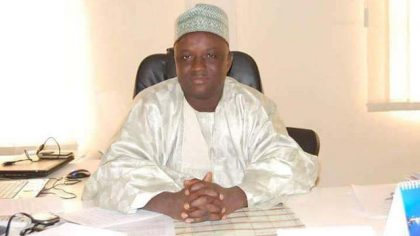
Professor of Geography with the Kaduna State University (KASU), Prof. Bala Dogo, on Monday, January 29, 2018 called for massive awareness campaign to enlighten the public on the negative impact of climate change.

Dr-Peter-Tarfa-DCC
Dr Peter Tarfa, Director, Department of Climate Change (DCC) in the Federal Ministry of Environment

Dogo, who made the call in an interview with the News Agency of Nigeria (NAN) in Kaduna, said that the awareness campaign was crucial to mitigating the impact of climate change.

He called on relevant government agencies, nongovernmental organisations and other stakeholders to focus more on awareness creation, particularly in rural areas to efficiently manage climate change.

According to him, human activities in the environment to a great deal, impact negatively on the climate, as such people should be mobilized to stop activities that may lead to climate change.

He identified human activities like, deforestation, bush burning, building of houses and felling of tress for firewood among factors contributing to climate change.

“The impact of climate change is very visible from drying up rivers, to desertification and changes in weather condition with adverse effect on agricultural production and human health.

“As you might have noticed, rivers and streams of yesterday are either dry or have become ponds, speeding desert encroachment, particularly in Northern part of the country and gully erosion in Southern part of the country.

“Not only that, climate change affects grazing of cattle due to the disappearance of grasses and forest due to shortage of rainfall and human activity,’’ he said.

Dogo called on people to have a change of attitude toward the environment by planting trees and reducing the use of firewood for cooking.

“We can positively impact on our environment if we can change our attitude from cutting down trees to planting of trees and using the right energy like solar energy that is not toxic to the environment.

“The Government must also play its role of instituting environmental friendly policies, particularly restricting gas flaring and other industrial emissions to help manage the ongoing changes in the climate,’’ the professor said.

By Aisha Gambo and Philip Yatai

NiMet increases weather stations from 53 to100

0

The Director-General, Nigerian Meteorological Agency (NiMet), Prof. Sani Mashi, says the agency increased the number of its weather stations from 53 to 100 in 2017 through collaboration with some Nigerian universities.

Sani Marshi
Director-General/Chief Executive Officer of NiMet, Prof. Sani Mashi

Mashi, in an interview with the News Agency of Nigeria (NAN) in Abuja on Sunday, January 28, 2018, said that NiMet also overhauled and upgraded about 36 weather stations belonging to those universities.

According to him, the major interests of the universities are teaching and research while the interest of NiMet is generating data that will facilitate national assignment.

“We took the option of partnering with institutions so that instead of going for brand new stations, we collaborated with educational institutions that already have these stations but are in poor shape.

“When we entered into partnership with the institutions, we completely overhaul and upgrade those stations and now we have established a joint ownership between NiMet and those universities.

“They are posting their staff and we can jointly manage those stations and any data we get we can adjust the data after subjecting it to certain processes.

“Through that way we have established a total of 36 brand new stations within the country which means our stations have now increased to 100 from 52.

“This is phase one and we are moving to the phase two because we have over 100 universities in the country.

“Our target is that we will cover all the universities after which we will go to polytechnics, then Colleges of Education and then to all Senior Secondary Schools,’’ he said.

On internally generated revenue (IGR), Mashi said that it had always been the traditional source of funding for the agency, which according to him has been affected by recession.

“Like you know the main source of our funding are usually from the ticket sale, landing charges and then the other charges over data that NiMet is producing.

“The actual sources have really gone down, it means effectively that revenue has also gone down but we have aggressively improved our system of selling data within the agency.

“What we have done is to increase the tempo because, before it takes time to respond to request for data by users but now it has been made very effective.

“We have given it like a presidential order that any request that comes must be responded to within one or two weeks.

“Through that way we have been able to satisfy the needs of customers and it has significantly increased our revenue earning from the sale of data to those that are interested in it,’’ he said.

Mashi said that NiMet had decided to improve on its infrastructure in 2018 through private investors’ involvement as well as diversifying into other sectors of the economy other than aviation.

On the use of mobile phone to broadcast weather information, Mashi said the agency had already secured approval from the Nigerian Communications Commission (NCC) and contacted telecom operators.

He said that NiMet could not commence the mobile met application because it lacked the infrastructure to transmit directly to mobile phone users.

According to the D-G, the agency has concluded the feasibility study on potential users based on the advice of the operators who it is expected to enter into partnership with.

NAN recalls that NiMet had in 2017 announced its plan to allow weather information get to a large number of Nigerians through mobile as part of its efforts to enhance its revenue base.

By Sumaila Ogbaje

World Leprosy Day: Cleric cautions against stigmatisation

0

The Catholic Bishop of Awka Diocese, Most Rev. Paulinus Ezeokafor, has called for an end to stigmatisation and discrimination against victims of leprosy.

Most Rev. Paulinus Ezeokafor
Catholic Bishop of Awka Diocese, Most Rev. Paulinus Ezeokafor

Ezeokafor made the call while presenting some items to victims of leprosy as part of activities to mark the 2018 World Leprosy Day at the Leprosy Settlement, Oji-River in Enugu State on Sunday, January 28, 2018.

Some of the items donated include bags of rice, mattresses, mats, cartons of noodles, tubers of yam and crutches.

The cleric, who described stigmatisation and discrimination against leprosy victims as “unfortunate” also urged the Enugu State Government to resettle victims cured of the disease with their families.

“It is unfortunate that in spite of recent developments in medicine and health education about leprosy, people still do not understand that they can be cured of the disease permanently and be integrated into the society.

“They see the external signs and think it is not over. Leprosy can be cured and once cured, it is cured.

“This question of their continuous stay here as a result of stigmatisation makes no meaning of life,” the bishop said.

Ezeokafor, who noted that the children of the leprosy victims were free from the disease called for more support to fund their education.

In his remark, Mr Emmanuel Omeke of the Tuberculosis, Buruli Ulcer and Leprosy Unit of General Hospital, Oji-River said the settlement was still faced with challenges of routine drugs.

“It is true that German Leprosy and Tuberculosis Relief Association supply free leprosy drugs, but other routine drugs for treatment of malaria and other ailments are lacking for treatment of the victims,” he said.

Responding, the Chairman of the Leprosy Settlement, Mr Benjamin Udenze, commended the Catholic Bishop for the gesture, noting that the centre currently had over 140 members.

Udenze also commended the bishop for sustaining a scholarship scheme for 22 children of the settlement for15 years.

The chairman said the donations from the cleric as well as from other donors would go a long way to relieve them of their sufferings.

The News Agency of Nigeria (NAN) reports that other donors were Obijackson Foundation, Omex Global, the Anglican Church, Enugu Diocese and other individuals also made separate presentations to the victims.

By Peter Okolie

Researchers develop new way to make computers function like human brain

0

Researchers at the U.S. National Institute of Standards and Technology (NIST) in Colorado have developed a superconducting switch that “learns” like its biological counterpart.

Living-computers
The new computer operates like the human brain

The switch, called a synapse, could connect processors and store memories within future computers operating like the human brain.

According to the study, the NIST switch supplies a missing piece for so-called neuromorphic computers.

Envisioned as a new type of artificial intelligence, such computers could boost perception and decision-making for applications such as self-driving cars and cancer diagnosis.

Biological synapse is a connection or switch between two brain cells.

NIST’s artificial synapse, a squat metallic cylinder 10 micrometers in diameter, is a connecting switch between incoming electrical spikes and the signals being output.

It works in the same way that a human synapse quickly switches between two brain cells.

According to the study, NIST’s synapse would be used in neuromorphic computers made of superconducting components, which can transmit electricity without resistance, and therefore, would be more efficient than other designs based on semiconductors or software.

Data would be transmitted, processed and stored in units of magnetic flux.

“The NIST synapse has lower energy needs than the human synapse, and we don’t know of any other artificial synapse that uses less energy,” NIST physicist Mike Schneider was quoted as saying in a news release.

Compared to a brain cell’s 50 times per second, NIST synapse is capable of firing one billion times per second.

The more firing between cells or processors, the stronger the connection.

Both the real and artificial synapses can thus maintain old circuits and create new ones.

The new synapse would be used to make neuromorphic computers, computers that function like the human brain, a reality.

These conceptual machines are made of superconducting components, which can transmit electricity without resistance, and therefore, would be more efficient than other designs based on semiconductors or software.

Data would be transmitted, processed and stored in units of magnetic flux.

Other superconducting devices mimicking the human brain cells and transmission have been developed in the past, but efficient synapses have been missing.

And NIST’s synapse now could be the crucial invention that would essentially tie them all together.

Crucially, the synapses can also be stacked in three dimensions (3-D) to make large systems that could be used for computing.

NIST researchers created a circuit model to simulate how such a system would operate.

Scientists use microbes to convert human waste into space food

0

Scientists have found a potential food source for astronauts, using microbes to convert human waste into Marmite-like food, local media have reported.

Christopher House
Christopher House

This is contained in their study published in the quarterly scientific journal Life Sciences in Space Research by Professor of Geosciences, Christopher House, and Director of the Penn State Astrobiology Research Centre.

According to British online newspaper, The Independent, researchers at Pennsylvania State University outlined a method to break down solid and liquid waste for producing protein and fat-rich substance from human waste.

“We envisioned and tested the concept of simultaneously treating astronauts’ waste with microbes while producing a biomass that is edible either directly or indirectly, depending on safety concerns,” they said.

“It’s a little strange, but the concept would be a little bit like Marmite or Vegemite, where you’re eating a smear of microbial goo,” the professor added.

Food supply is a major hurdle when planning lengthy space flights.

Recycling waste into nutritious food is one solution to this problem.

According to House and his colleagues, the method involves anaerobic digestion, a process that refers to the breakdown of materials in the absence of oxygen.

It is considered an efficient way of breaking down biodegradable matter.

The researcher said while their method is not ready for application yet, it provides a new model for creating food on board spacecraft.

“Imagine if someone were to fine-tune our system so that you could get 85 per cent of the carbon and nitrogen back from waste into protein without having to use hydroponics or artificial light,” said House.

World Leprosy Day: Global focus on ending transmission among children

0

The World Health Organisation (WHO) says national programmes should boost active case-finding, strengthen surveillance, improve contact-tracing and focus more on early detection of leprosy cases among children to ensure achievement of the global target of zero child infection by 2020.

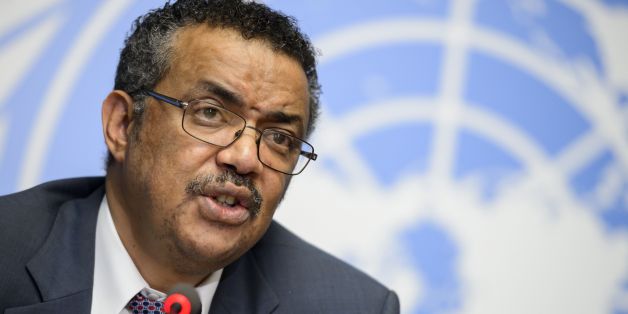
Dr Tedros Adhanom Ghebreyesus
Dr Tedros Adhanom Ghebreyesus, Director-General of the World Health Organisation (WHO). Photo credit: AFP / FABRICE COFFRINI / Getty Images

The call comes as the world observes World Leprosy Day on Sunday, January 28, 2018 to mark the suffering of people affected by this preventable and curable disease that appears to have eluded defeat.

Leprosy was globally declared to have been “eliminated as a public health problem” 18 years ago. However, pockets of endemicity have continued in many countries. India and Brazil report the highest number of cases annually.

Some of the children who have recently been diagnosed already showed signs of disability. This strongly calls for early case detection and surveillance, says the WHO.

Leprosy is caused by infection with the bacillus Mycobacterium leprae, which multiplies very slowly in the human body. The bacterium has a long incubation period (on average five years or longer). The disease affects nerve endings and destroys the body’s ability to feel pain and injury.

Data published by WHO in 2017 show that although the overall number of cases is slowly declining, that of new cases does not align with global efforts and resources deployed to interrupt transmission.

Reports from 145 countries of WHO’s six regions show that, of the total of 216,108 newly diagnosed cases of leprosy during 2016, 18,472 involved children, representing almost 9% of all new cases reported annually.

Leprosy is curable and treatment provided in the early stages averts disability.

Multidrug therapy is made available free of charge through WHO and has been donated to all patients wordwide by Novartis since 2000 (and earlier by The Nippon Foundation since 1995). It provides a simple yet highly effective cure for all types of leprosy.


Discrimination

Despite global efforts to repeal laws that discriminate against those affected by leprosy, adults still face crippling social barriers and children are deprived of education or subject to bullying and rejection due to stigma associated with the disease.

Besides elimination, WHO’s new global strategy focuses on working with governments and partners to end the discrimination and stigma associated with the disease and ensure that all legislation that allows for discrimination on the basis of leprosy is overturned.

Continued discrimination against people affected by leprosy has deterred people from coming forward for diagnosis and treatment and encouraged cases to remain hidden, indirectly contributing to transmission.

Social stigma also facilitates transmission among vulnerable groups, including migrant populations, displaced communities, and the ultra-poor and hard-to-reach populations. Combating stigma and ensuring early diagnosis through active case-finding, which the new strategy emphasises, is critical to making progress.

How Davos 2018 revisited environmental concerns

0

From the pace of climate action to saving the oceans, world leaders had plenty to say about the environment during the World Economic Forum’s Annual Meeting 2018 in Davos. Jahda Swanborough, Lead, Environment Initiatives, World Economic Forum, recalls the key moments from the week-long forum, which held from January 23 to 26, 2018 in Davos-Klosters, Switzerland

Davos 2018
Participants during a session at Davos 2018

The greatest threat to civilisation

As leader of the fastest growing major economy in the world – as well as the world’s largest democracy – Indian Prime Minister Narendra Modi started the week by telling the Davos audience that climate change is the greatest threat to civilisation.

His comments were consistent with the 2018 edition of the Global Risks Report, released the week before Davos – it showed that environmental concerns now dominate the most dangerous risks facing the world. Worse, they are now affecting our health and prosperity.

He was followed on the Davos stage by a week-long call to action by government, business, civil society, and youth leaders.


2018: A year to step up climate action

Risalat Khan, a young climate campaigner, said: “The previous generation of decision-makers have failed us, have failed our generation. I’m not sugar coating this. I think you have already failed us through the inaction from the previous generation. And the next three years, from 2018 to 2020, that’s the time that you have to redeem yourselves.

“That is the message to the previous generation of decision makers.”

Greenpeace’s Jennifer Morgan issued a plea to every leader at Davos to “connect the dots” on climate change and recognize that incremental change will not be enough. Leaders needed to catch up with their citizens, customers, and employees in connecting the dots and increasing the pace and scale of climate action.

Leading the charge in setting new climate commitments, French President Emmanuel Macron announced France would shut down all coal-fired power stations by 2021 and would make climate action one of five pillars in his plans to reform the economy.

Anand Mahindra, Chairman of Mahindra Group, described efforts to address climate change as the century’s biggest business opportunity. For his part, he announced that all Mahindra Group companies would commit to the goals of the Paris Agreement on climate change by setting science-based targets for reducing their greenhouse gas emissions. He called on his peers in business to “step up” and align their business strategies with the Paris Agreement.

The head of global insurance giant AXA told participants that climate change had become a reality for the insurance industry. Thomas Buberl said a global warming scenario of 3-4C degrees would not be insurable. As a consequence he announced that AXA would no longer insure coal projects and was also divesting from coal.


A one-man parade?

Governor of Washington, Jay Inslee, said President Trump was out on his own on climate change. “There is only one man in this parade. And no one has followed him in this regard.” He said that 15 states had joined the United States Climate Alliance, which was committed to the Paris agreement and represented 40% of the US economy.


An ocean of opportunity

To date, the world has relied on the oceans to mitigate climate change. They have absorbed 90% of the excess heat humanity has produced and around 30% of our CO2 emissions. But our oceans are under threat from plastics, over-fishing, global warming, and acidification.

An ambitious new global partnership to save life in the ocean was launched by the United Nations Secretary-General’s Special Envoy for the Ocean, Peter Thomson, and Isabella Lövin, Deputy Prime Minister of Sweden, with funding from Marc Benioff and his wife Lynne Benioff through the Benioff Ocean Initiative.

The Friends of Ocean Action partnership will comprise leaders from science, technology, business and non-governmental groups – around 40 of the world’s most committed and influential ocean activists and thought leaders – who will leverage their collective network to scale and accelerate action to meet Sustainable Development Goal 14, which is on oceans.


A window of opportunity

However, despite the commitments and strong words used throughout the week, there was also strong agreement that the environmental challenges facing humanity and our planet are urgent and cannot be ignored. We have a narrow window of opportunity to reverse course before it is too late and 2018 must be the year leaders step up to meet the challenge.

France to phase out coal-fired power stations

0

France will shut down all coal-fired power stations by 2021, President Emmanuel Macron said in an energetic speech to participants at Davos.

Emmanuel Macron
President Emmanuel Macron says a green strategy could create jobs. Photo credit: REUTERS/Jean-Paul Pelissier

President Macron said he wanted to “make France a model in the fight against climate change,” as one of five pillars in his plans to reform the economy.

“That is a huge advantage in terms of attractiveness and competitiveness. Talent will come where it is good to live. We can create a lot of jobs with such a strategy,” he said.

Across the European Union, the economic tide is already turning against coal power: more than half of the bloc’s 619 coal-powered plants are losing money, according to a report. A combination of rapidly falling prices for renewables and air pollution laws are pushing them out of business.

President Macron also called for the EU, which already opened the world’s first carbon trading market, to “go a little bit further and create a floor price for CO2.” Carbon markets work by providing a financial incentive to pollute less; many experts have called for a minimum price on carbon to boost progress.

Not long returned from a meeting with China’s President Xi Jinping, President Macron acknowledged the Chinese leader’s commitment to the Paris Agreement.

Looking ahead to the gargantuan infrastructure project set to link China with Europe, Macron said:

“The new Silk Road has to be a green road. We cannot have a coal-based route.”

Whether silken or green, it will still be a bumpy road ahead to keep warming within the 2°C
targeted by the Paris agreement.

“On climate change, we’re losing the battle,” Macron said, adding that the world needed concrete action and results by 2020.

×