Home Blog Page 1921

CHOGM: Vanuatu counts costs of cyclone Pam disaster

0

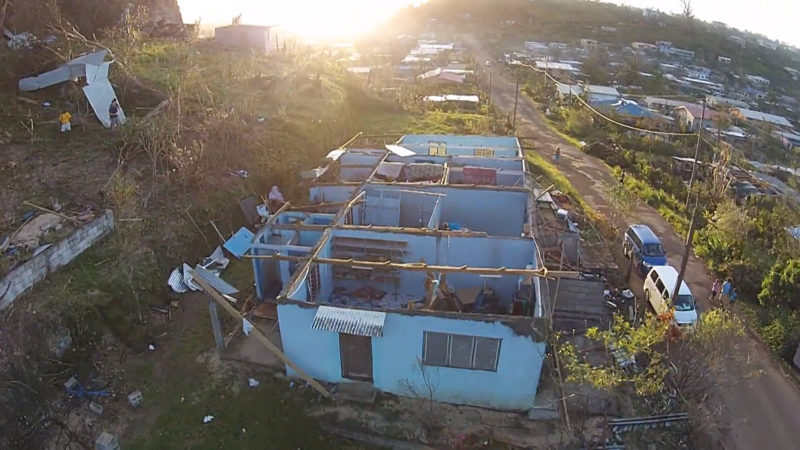
About three years after it was hit by a devastating cyclone, Vanuatu is yet to recover from the tragedy.
Vanuatu
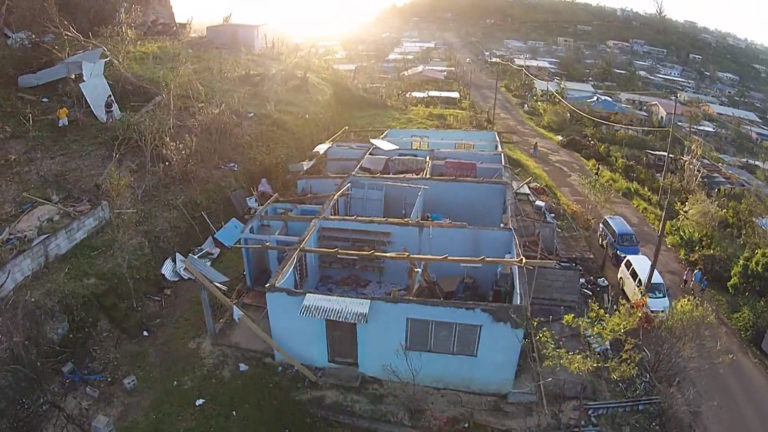
A drone footage of Vanuatu after Cyclone Pam struck

The Commonwealth and Heads of Governments Meeting (CHOGM) that held in London from Monday April 16 to Wednesday, April 18, 2018 should have taken place in Vanuatu. But a Category 5 Tropical Cyclone Pam that hit the South Pacific Ocean nation in 2015 put paid to that ambition.

Ralph Regenvanu, Vanuatu’s Foreign Minister, said: “This CHOGM was supposed to be held in Vanuatu. In March 2015, we experienced Category 5 tropical cyclone Pam and it caused an estimated damage of $450 million. For Vanuatu, classed by the UN as Least Developing Country (LDC), the cost of that cyclone is almost 70% of our GDP. It just meant there was no way we were going to be able to host this meeting. We are still in the process of rehabilitation and recovery.

“For Vanuatu, climate change is very real and it is something we factor into anything we do to try to develop our country.”

Regenvanu was among the five speakers on Monday at a forum courtesy of the Climate Action Network (CAN) that attempted to set expectations from leaders gathered in London for the CHOGM. They stressed the need for the biennial forum to deliver on climate change and oceans.

Other speakers are: Camilla Born (E3G Senior Policy Advisor, Climate Diplomacy), Luke Daunivalu (Fiji’s Chief Climate Negotiator and Deputy Permanent Representative to the United Nations), Philip Williamson (global oceans expert, University of East Anglia) and Mohamed Adow, Christian Aid (Global Climate Policy Lead).

Regenvanu added: “The integration of climate change, particularly response to disasters, is something we now have to mainstream in all the work we do because it is an ever present reality in everyone’s lives.

“When you are in a situation where you are an LDC and having to spend over 50% of your GDP responding to climate change events like tropical cyclones, sea level rise, change in weather patterns. We have now a cyclone season that is over six months in a year. This year alone, we’ve already had four tropical cyclones.

“The very development of the country, in terms of delivering basic services to people, is challenged by climate change.

“The UN ranks Vanuatu as the number one disaster prone country and we have held this rank for five years. There is only one thing we are champions of in the world and that’s being the champions of disasters.

“We come to CHOGM to tell the developed countries like the United Kingdom, Canada, Australia, New Zealand, the countries of the first world that there needs to be recognition of loss and damage suffered by countries like ourselves. We were contributing 0.001 percent of carbon emissions yet the effects on us are greater than for any country proportionally. It is the result of the industrialization of countries in the West.

“It really needs large economies like the UK to step up.

“It’s past time to take action. We in Vanuatu we are experiencing something that will come to all of us eventually if we don’t stop the current path we are on. We have to restructure our whole economy to be on a disaster footing all year long.”

Philip Williamson stated: “Small changes in ocean temperature can have serious effect weather patterns, marine life, distribution of fisheries, coral bleaching. Warmer temperature means less oxygen for fish and carbon dioxide means ocean acidification. Combined additional effect are occurring in the ocean, whatever we do they will get worse for a while. Now is the time for urgent action.

“I would like to emphasize net zero emissions as the core of the Paris Agreement because that is the commitment to stop putting out greenhouse gases in the atmosphere. It is will take time to have that transition, it not impossible but it is challenging.”

Mohamed Adow: “In the latest climate risk index report released by Germanwatch, it is striking that the top five most impacted countries are all Commonwealth nations including Mozambique, Dominica, Malawi, India, and Vanuatu. So this year 2018 is an important year for making progress towards the full implementation of the Paris Agreement but also more importantly for accelerating climate ambition.

“CHOGM presents a golden opportunity for the group to prove its reputation for climate leadership. This year coincides with a series important international events and processes like Talanoa Dialogue, the IPCC 1.5C report and the Global Climate Action Summit in California in September. CHOGM can support and enhance these international processes by affirming the Paris Agreement and any international; agreement related to climate change.

“CHOGM provides a unique opportunity to show that our leaders are committed to the global fight to tackle climate change and seriously engage in the climate process with commitment and integrity. The breadth of membership and spread of geopolitical experience makes the Commonwealth uniquely placed to tackle humanity’s most pressing existential threat, climate change.”

Camilla Born: “The Commonwealth Heads of Governments Meeting (CHOGM) is particularly interesting because it is largest leaders’ Summit in 2018. This is likely to be the largest leaders’ summit where there is a prominent feature on climate before the United Nations Secretary General Summit in September 2019.

“The other interesting feature about CHOGM is that it is a cooperative forum where small islands and climate vulnerable countries are the majority group. Specifically, 25 of the 53 of the Commonwealth are recognised as small island developing states.

“We see it time and time again that the vulnerable states within the commonwealth being hit by extreme weather and we see collaboration between all commonwealth states to respond to that. So it’s never one country working alone, there is much that countries cooperate on in terms of trade and economic development, which has a climate and clean and modern angle to it but there is a lot of cooperation on the impact side.”

Luke Daunivalu: “Our Presidency team is here in London in the immediate aftermath of two cyclones that have struck Fiji in the space of a few days and caused loss of life and significant economic damage. We recognise that the increasingly regular appearance of these storms is indeed an urgent reminder for us to act and we want to maximise the opportunity here in London to do exactly that.

“COP23 President Prime Minister Frank Bainimarama has come to London to urge commonwealth leaders who represent 2.4 billion of the 7.5 billion people on earth to embrace the Talanoa Dialogue and spearhead the fight for more ambitious climate action. Fiji is using its COP Presidency to press for the most ambitious target of the Paris Agreement, which is to limit the increase global warming to 1.5C above pre-industrial age. This will require net zero emissions of carbon pollution by 2050. The method chosen to reach that objective is Nationally Determined Contributions (NDCs).

“From what we have from the current commitments, they are woefully inadequate. With the current commitments, we are committing ourselves to a world in which the average global temperature is 3C degrees higher by century’s end. We are asking the Commonwealth nations to support us through the process of the Talanoa Dialogue, in our effort to increase collective ambition of NDCs and put the world on a new course.”
UK to announce new £50m malaria programme for Nigeria

0

The United Kingdom (UK) says it will announce a new malaria programme worth £50 million in Nigeria that will run until 2024.

Theresa May
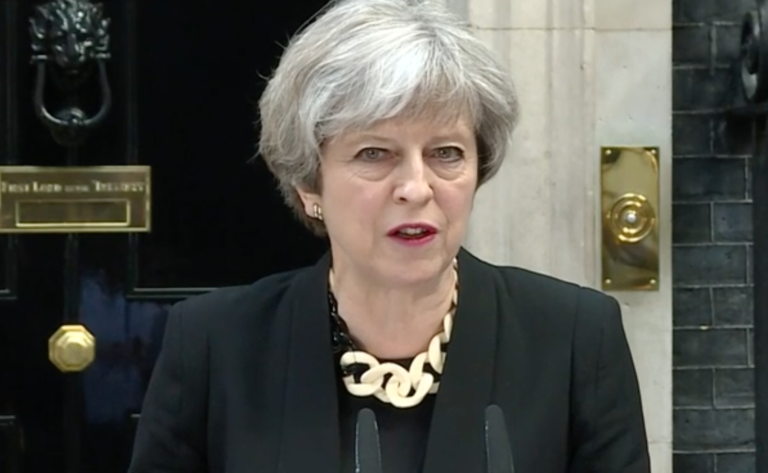
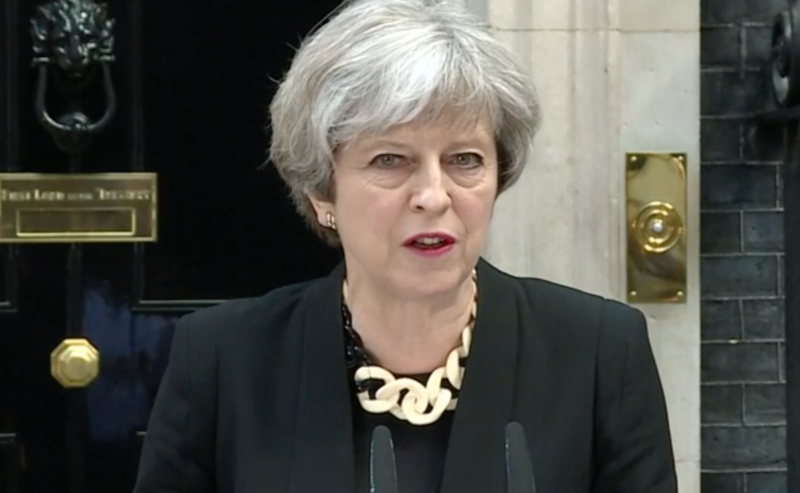
Theresa May, Prime Minister of the United Kingdom

The UK said it would also provide a £9.2 million of new research funds to develop new triple artemisinin combination treatments.

A statement issued by Ready to Beat Malaria, an NGO, said the UK Government had re-affirmed its commitment to spend £500 million a year on malaria through to 2020-21.

The statement said that the UK would also announce additional £100 million match fund commitment to the Global Fund to match new contributions from private donors pound for pound.

It said the funds were part of the Britain’s renewed commitment to accelerate progress against malaria.

The statement said the UK government would make this known at the Malaria Summit London 2018, co-hosted by the UK Government, and the Heads of State of Rwanda and Swaziland.

It said 15 Heads of State and Government from across the Commonwealth were to attend the Malaria Summit together with senior ministerial attendance and leaders from the world of business, science, civil society and international organisations.

It said the Global Fund to Fight AIDS, Tuberculosis and Malaria would also announce commitments totalling $2 billion from 46 countries affected by malaria between 2018 and 20.

According to the statement, the Bill and Melinda Gates Foundation will extend its investments in malaria by an additional $1 billion (£700 million) through to 2023.

It said the $1 billion investment was to reduce the burden of the disease towards ending malaria for good.

The statement however noted that most effective tools in the fight against malaria such as nets, sprays and treatments are under threat from drug and insecticide resistance.

“The malaria parasite and the mosquitoes that carry it are evolving resistance to existing interventions – malaria is fighting back.

“The Malaria Summit call for new tools to stay ahead of the disease, announcing commitments to invest in future innovations,’’ it said.

It said GSK is committing to invest a further $175 million in its research and development efforts against malaria.

The statement added that Novartis would invest more than $100 million through 2023 to advance research and development of next-generation treatments to combat emerging anti-malarial drug resistance.

It quoted Ms Theresa May, Prime Minister of United Kingdom, as saying: “UK is a proud leader in the fight against malaria, which has seen deaths cut by 60 per cent and saved seven million lives since 2000.

“We have made a major contribution to that progress, including investing 500million dollars each year over the next three years, developing new drugs and technologies and making life-saving solutions available to millions at risk from malaria.

“But the job is not yet done. Today there are millions still at risk, economies held back and a child’s life needlessly taken every two minutes from this disease.

“This is why I am championing a new Commonwealth commitment to halve malaria across member countries by 2023.

Bill Gates, Co-chair of the Bill and Melinda Gates Foundation who are co-convening the Malaria Summit, said: “History has shown that with malaria there is no standing still – we move forward or risk resurgence.’’

He added that the commitments made today, from the UK, country leadership and the private sector, show that the world is ready to beat malaria.

By Mustapha Yauri

About 95% of world population breathes unsafe air – Research

0

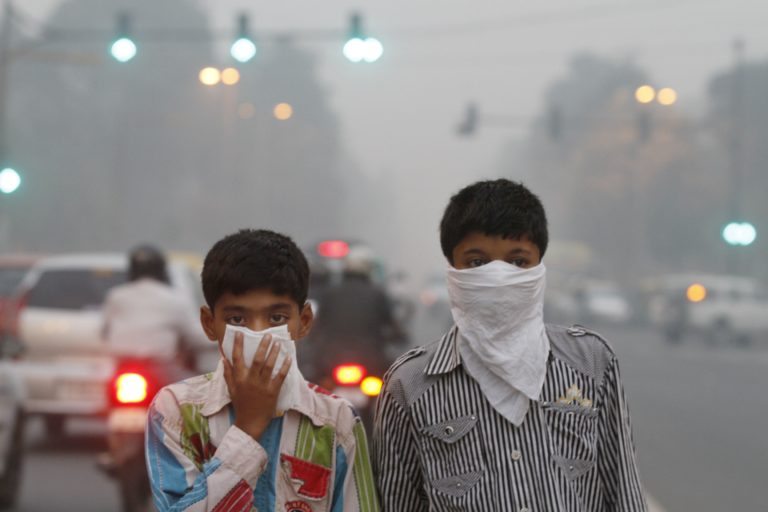
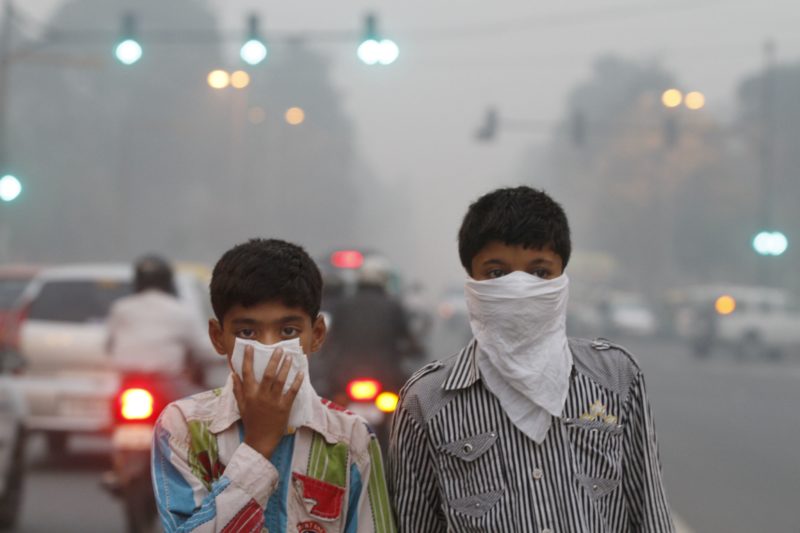
Ninety-five per cent of the world’s population breathe air polluted above the levels that the World Health Organisation (WHO) deemed safe.

air-pollution
Children exposed to air pollution. The WHO says that more than one in four deaths of children under five years of age are attributable to unhealthy environments

The report of a research by the Moscow-based Health Effects Institute stated on Tuesday, April 17, 2018 that the air pollution contributed to millions of deaths in 2016.

“Based on these data and knowledge of the populations in each country for 2016, 95 per cent of the world’s population lived in areas that exceeded the WHO Guideline for PM2.5, the State of Global Air report read.

PM2.5 means particulate matter less than or equal to 2.5 micrometres in aerodynamic diameter.

Worldwide exposure to ambient PM2.5 air pollution contributed to 4.1 million deaths from heart disease and stroke, lung cancer, chronic lung disease, and respiratory infections in 2016, according to the report.

Additionally, 2.6 million deaths were attributed to household air pollution.

The report also indicated that the gap between the most and least polluted air was widening, with emerging economies falling behind developed countries that had been making progress in cleaning up the air.

FOTE, others urge policy makers to enforce laws protecting environment

0

A not-for-profit group, Friends of the Environment (FOTE), and some stakeholders on Wednesday, April 18, 2018 urged policy makers to enforce tree felling and planting laws for a safer, cleaner and protected environment.

Joanne Maduka
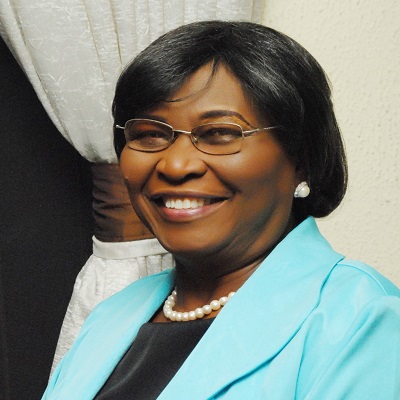
Mrs Joanne Maduka, Chairperson of FOTE

The stakeholders made the call at the FOTE stakeholders’ forum on “Popularising the Use of Liquefied Petroleum Gas (LPG)’’ as an alternative source of energy held in Abeokuta, Ogun State.

They said that the use of charcoal and firewood was harmful to women and the environment as a result of felling of trees for the purpose local fuelling.

The Ogun Commissioner for Agriculture, Mrs Adepelu Adebajo, said the ministry was totally against felling of trees without permission from the Ministry of Forestry.

Adebajo was represented by Mrs Ranmilowo Abel, a Deputy Director in the ministry under the Department of Tree Crops and Rural Development.

Dr Temitope Olaifa, from the Department of Communication and General Studies, Federal University of Agriculture, Abeokuta (FUNAAB), said that LPG usage was an apt response to climate change impact.

Olaifa said: “Ogun and others states were suffering flooding and other environmental challenges because of the indiscriminate felling of trees for firewood.

“Women should consider transiting from local methods of sourcing energy to the use of LPG for a cleaner and safer environment.’’

Prof. Helen Bodunde, Head of Communication and General Studies Department, FUNAAB, said that the drive for LPG usage was in line with the Sustainable Development Goals.

Bodunde said: “The Millennium Development Goals tried to address these areas of cleaner environment, but did not achieve 100 per cent that is why the SDG is seriously addressing it.

“It is a good thing that FOTE is aligning with the drive for a cleaner environment in line with the SDGs.

“This sensitisation is timely as majority of people in sub-Saharan Africa, majority of women live in rural areas and are not exposed to modern facilities,’’ she said.

The National Coordinator, Green Economy of Nigeria, Dr Moses Oyatokun, said at the forum that biodegradable waste would also help in the drive for alternative sourcing of fuel.

Oyatokun said LPG was environmentally friendly, cleaner and conducive and that Ogun was ready to work with FOTE as Lagos State had done.

Prof. Olubunmi Ashimolowo, Chairperson, Gender Development Initiative, an NGO, representing other NGOs at the event, said there should be proper regulation for saw millers and women who processed wood to charcoal.

Ashimolowo said: “I commend FOTE for taking the step to drive the LPG campaign.

“It is necessary to sensitise the women who process wood to charcoal and saw millers. There should be more commitment from government to enforce laws for maintenance of the environment,’’ she said.

In a paper, Ms Eseoghene Onojafe, a member of FOTE on the overview of FOTE activities on LPG and importance of tree planting, said that the campaign was on the sustainability of LPG usage.

The convener, Mrs Joanne Maduka, Chairperson of FOTE, said that plans were underway to partner with investors to mount gas plants or mini gas retail stores in these communities for the sustainability of the project.

Maduka, an engineer, said that FOTE was ready to work with government and ministries in the drive for a safer, cleaner, healthier, convenient and affordable source of cooking energy.

The News Agency of Nigeria (NAN) reports that government agencies and ministries, like the Ogun State Fire Service, Ministry of Forestry, Women Affairs and Social Development, and NGOs among others were present at the forum.

Dr Emmanuel Elege, Chairman, Prison Fellowship in Ogun, on behalf of the participants, called on the government to regulate, monitor and enforce laws against bush burning.

By Itohan Abara-Laserian

Lagos to award Fourth Mainland Bridge contract in June

0

The Lagos State Government will in June award contract for the construction of the Fourth Mainland Bridge, an official said on Wednesday, April 18, 2018.

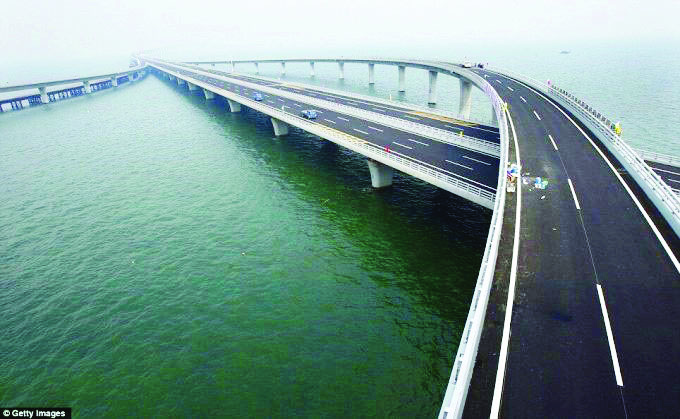
Fourth Mainland Bridge
An impression of the Fourth Mainland Bridge

The state Commissioner for Works and Infrastructure, Mr Ade Akinsanya, gave the assurance at a ministerial press briefing at Alausa, Ikeja.

He said that the state was collating technical proposals and evaluating costs toward awarding contract.

Akinsanya said that committees had been set up to shop for quality contractors on the project.

“I do hope that before the end of May or June, we will announce the preferred bidder for the project.

“We are working very hard to select the appropriate and responsible contractor or partners that will execute the project.

“Before the end of the year, the project will commence,” he said.

The official said that the ministry was ready to partner with the Nigerian Society of Engineers (NSE) to ensure quality project execution in the state.

He also said that the Oshodi-Abule Egba Bus Rapid Transit (BRT) lane construction on the Lagos-Abeokuta Expressway was 55 per cent completed.

Akinsanya said that the project would be completed by October.

“The contractor is working day and night even at weekends to achieve this target.

“Bear with us, if there are inconveniences on the way; we are trying to minimise the inconveniences to accelerate the work,’’ he said.

The commissioner said that the state government was committed to quality project delivery and would address concerns of some badly constructed walkways.

“On the issue of the walkway from Cement Bus Stop, I will go and check.

“We will talk to the contractor and we will go there ourselves and verify.

“No shoddy work will be allowed; there is a specification; the contractor is required to adhere to the specification,” he said.

Mr Tobun Abiodun, Chairman, Committee on Works and Infrastructure, Lagos State House of Assembly, said that the ministry had done well in road, bridge and other constructions.

“Lagosians appreciate what the ministry is doing because they have witnessed good governance in the state,” he said.

By Grace Alegba and Oku Offiong

Innovative solutions, technology showcased as Berlin energy transition dialogue begins

0

Delegates from 95 countries comprising energy experts, government leaders, entrepreneurs and civil society have underlined the importance of deploying innovative solutions and technologies to fast-track the global energy transition.

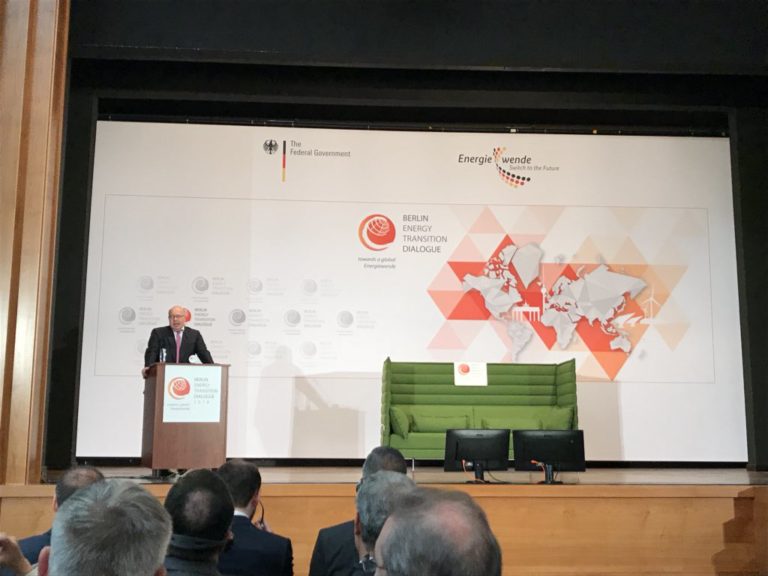
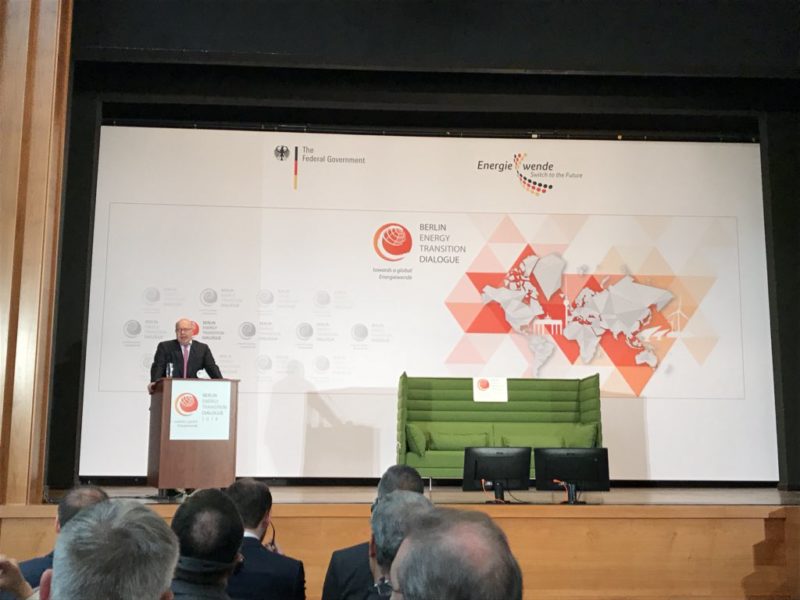
Peter Altmaier
German Minister for Economic Affairs Peter Altmaier opens the Berlin Energy Transition Dialogue

This came out strongly as the Berlin Energy Transition Dialogue kicked off on Tuesday, April 17, 2018 in the German capital. In an opening address at the 4th edition of the dialogue, popularly dubbed Energiewende (energy transition in German), Heiko Maas, German Foreign Minister, reiterated the German determination to achieve the sustainable development goals through continuous and sustained transition to renewable energies which according to him, “are plentiful and almost everywhere.”

“We regard energy policy as a platform for cooperation, dialogue and international exchange. and the Berlin Energy Transition Dialogue is an ideal example of this,” he said. “The rigourous implementation of the Energiewende remains a major priority for us.”

Maas however warned that failure to implement the Paris Agreement and the 2030 agenda for sustainable development would leave the world in a very precarious situation with greater threats to stability and peace.

To the German Economic Affairs and Energy minister, Peter Altmaier, the 4th Berlin Energy Transition Dialogue is enough proof that that Energiewende has become a global phenomenon.

Energiewende, Altmaier said, “gives us the opportunity to produce more energy without polluting the environment as wind and solar power are more than ever before, cheaply available.”

According to the energy minister, “many countries in the world are radically transforming their energy supply but to achieve this fully, they have to overcome challenges similar to those being faced in Germany.”

“We therefore look forward to engaging in discussions with our guests and partners on innovative business models and technologically advanced solution which will accelerate the global energy transition and make it more economically and socially attractive for all us,” Altmaier added.

In a similar vein, the EU Vice President in charge of the commission on energy union, Maros Sefcovic, affirmed that Energiewende is no longer a German concept as it has been successfully exported across Europe. Sefcovic said that the fact that the top 10 jobs of today never existed 10 years ago underscores the need for evolving strategies that will create more access to energy, provide jobs and accelerate global energy transition.

Also in an address to the delegates, Lucia Bakulumpagi-Wamala, CEO of the start-up Bakulu Power in Uganda, highlighted the important role women can play in upscaling energy transition.

“If we want more women in the sector, we need to show them the opportunities they can leverage on to fast track the energy transition,” Lucia added.

Hosted by the government of Germany, the two-day Berlin Energy Transition Dialogue is at the core of the Berlin Energy Week holding from 16th to 20th April 2018 and incorporating the Start-Up Energy Transition Initiative Tech Festival, EventHorizon, Global Summit on Blockchain Technology in the energy sector, and the Urban Energy Forum.

This year’s dialogue, with the theme “Towards a global Energiewende,” brings together ministers and high-ranking delegations from 40 countries and around 2,000 delegates from 95 countries.

The delegates are expected to develop strategies for the intelligent transformation of the global energy system, the transport sector and the heating supply.

Courtesy: PAMACC News Agency

Role of media sought to tackle climate change, desertification scourge

0

The Coordinator of African Union’s Semi-Arid Food Grain Research and Development (AU-SAFGRAD) has disclosed that climate change and desertification play a significant role in destabilising the already human development gains, and therefore called for a holistic mobilisation of communicators and media practitioners in curbing the long ailing environmental menace that entangle the continent’s sustainable development potential.

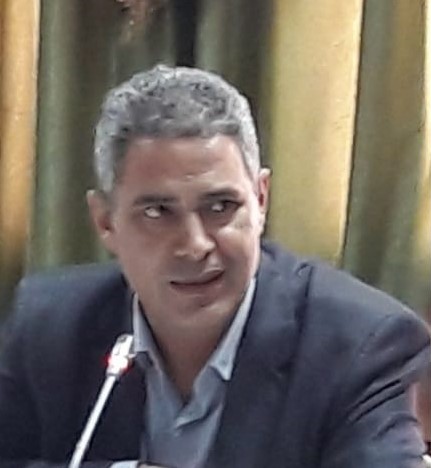
Dr. Ahmed Elmekass
Dr. Ahmed Elmekass

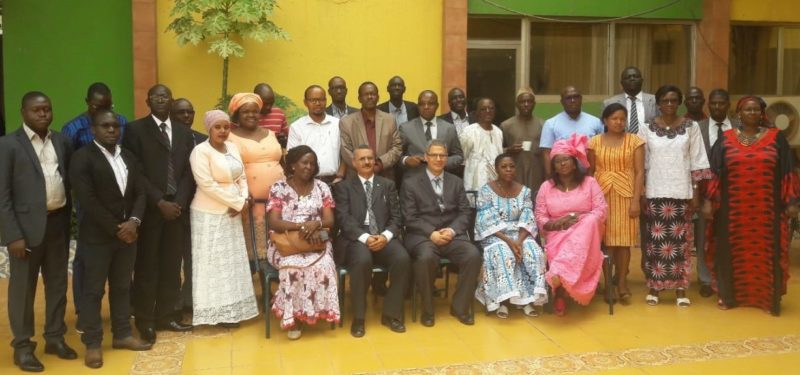
Dr. Ahmed Elmekass was speaking at the official opening ceremony of a two-day consultative regional workshop themed “Strengthening the Role of Communication and Media in Building Resilience of Rural Livelihoods through Adaptation and Mitigation to Climate Change and Combating Desertification” in Ouagadougou, Burkina Faso.

Climate change and desertification, Dr Elmekass noted, play a significant role in human history, contributing to the collapse of several large empires, as well as causing displacement and relocation of local populations. He adduced that it is also the cause of most conflicts arising from natural resources use with loss of lives and properties and large scale emigration. Great social and economic losses have been linked to climate change and desertification, he pointed out.

Adding on, he disclosed that African Union through a number of resolutions and decisions made by the Heads of State and Governments has always put land degradation, desertification and climate change in front of its development agenda, among which is the Comprehensive Africa Agriculture Development Programme (CAADP), that made of sustainable land management and reliable water control systems as a priority and a component closely linked to eradicate hunger.

The AU-SAFGRAD boss said the Malabo Declaration in Equatorial Guinea was where African Heads of State and Governments committed themselves to enhance resilience of livelihoods and production systems to climate variability and other related risks. The African Union Agenda 2063 and its 10 years Action Plan “Africa we want” indicated aspiration as “a prosperous Africa based on inclusive growth and sustainable development”.

He described the Great Green Wall for the Sahara and the Sahel Initiative (GGWSSI) as a pan-African programme launched in 2007 by the African Union (AU) with the objective to reverse land degradation and desertification in the Sahel and Sahara, boost food security and support local communities to adapt to climate change.

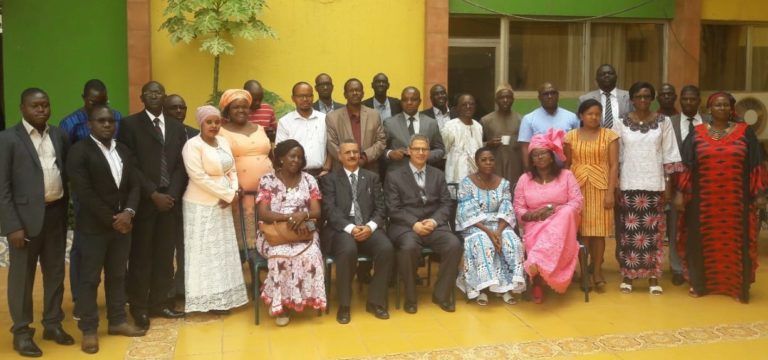
Consultative regional workshop
Participants at the consultative regional workshop

The theme of this year’s dialogue spans beyond just the role of communication in building resilience issues, he stressed, even as he thanked the communicators and media executives for playing an important role in awareness and transferring the political and technical messages from the decision makers and scientists to the local communities at the receiving end. Moreover, he said, the impact of those messages should reach the decision makers through the media, among others. He emphasised that transferred messages built on experience on the field and target group will have appropriate solution in contributing significantly in solving many challenges being faced in Africa.

“Therefore, you the communicators and media, your role is crucial in transforming Africa and achieving our target ‘Africa we want’,” Elmekass said.

He added: “Arable land is vital for Africa, both as a key assets for farmers and, together with vegetation, help store carbon that would otherwise be emitted into the atmosphere and contribute to climate change. Two decades ago, the first ‘Earth Summit’ in Rio, Brazil in 1992 gave birth to three conventions, including the UN Convention to Combat Desertification (UNCCD).

“It must be borne in mind that combating desertification is a collective responsibility as the causes are cumulative and often unobserved with loud and devastating effects. Therefore, all hands must be on deck to stop this great scourge that seeks to consume entire population and the continent. Policy and decision makers at all levels, scientists, farmers, development planners, women, youths, religious leaders and children must all be involved.”

By Sheikh Alkinky Sanyang in Ouagadougou

Board pledges support to biosafety agency

0

The Chairman and board members of the National Biosafety Management Agency (NBMA) have assured staff of the preparedness of the board to work with the agency to ensure that it attains its mandate.

Dasuki Nakande
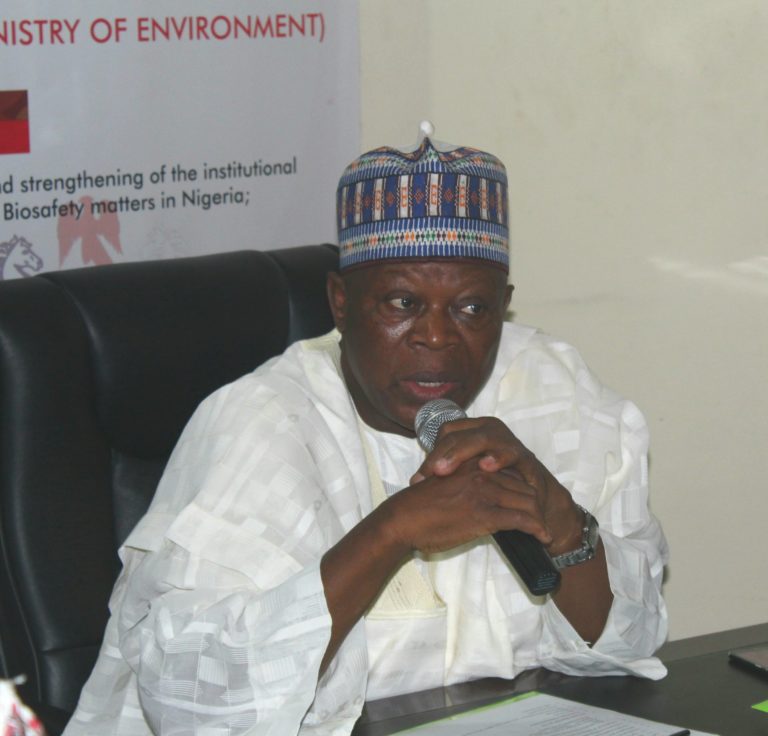
Dasuki Nakande, Chairman of the NBMA board

Dasuki Nakande, Chairman of the board, said at the inaugural meeting which held on Tuesday, April 17, 2018 in Abuja, that the board recognised the fact that the agency was established to regulate a very controversial and volatile sector of the economy.

“As soon as my name was announced as the Chairman of the board, I started getting petitions from members of the public. This is to show that the agency is working. If you are not working nobody bothers about you. The fact that people are petitioning the agency alone shows that you are making progress,” he said.

He said that the board was constituted to ensure that the agency functions effectively without hindrance and distraction, acknowledging that since he was sworn in as chairman of the board he has undertaken some measures to address the immediate challenges facing the agency especially the issue of accommodation.

He charged the management and staffs of the agency to be above board in their dealings and ensure that the health and safety of Nigerians remained paramount in the discharge their duties.

Prof. Ben Ubi, a member of the board, also commended the agency for its doggedness in the regulation of genetically modified organisms (GMOs) in the country. “Having gone through the GMO Detection and Analysis Laboratory and seen the kind of work that is being carried out, I feel proud to be associated with the agency,” he said.

The board assured that it would work with relevant organs of government to provide the political support needed by the NBMA to actualise its mandate.

Financial sector reform delivers private finance for sustainability

0

Huge progress on reforming the global financial system over the last four years has started to deliver desperately needed financing for sustainability and set up the next wave of action, according to a new United Nations report released on Tuesday, April 17, 2018.

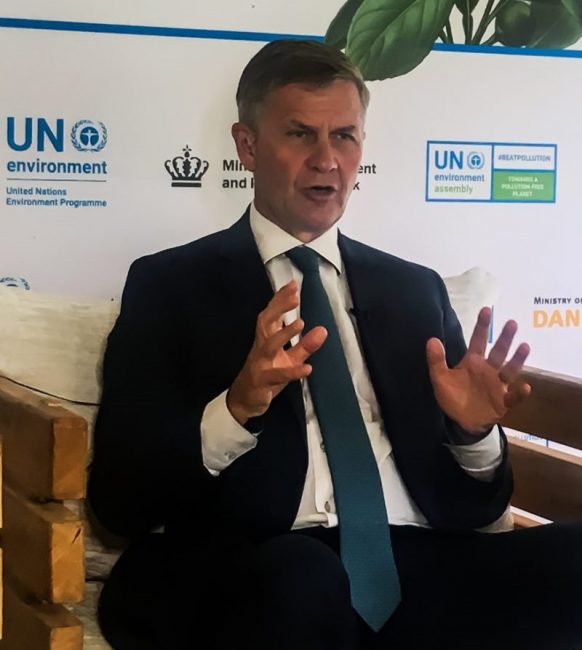
Erik Solheim
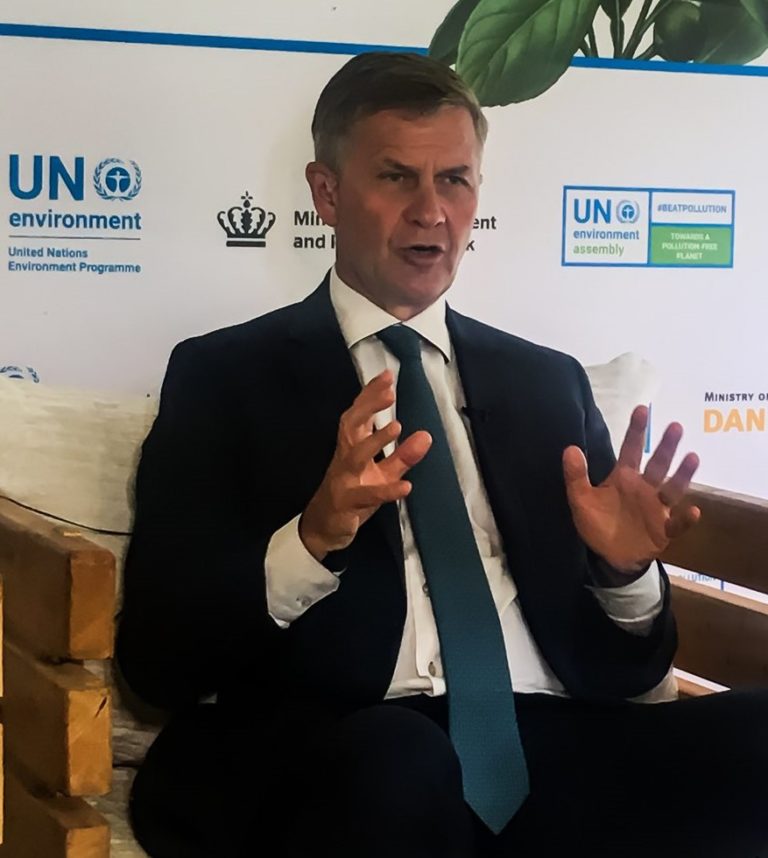
Head of the UN Environment, Erik Solheim

However, the final report of the UN Environment Inquiry into the Design of a Sustainable Financial System cautions that current financial flows are still nowhere near enough to deliver the trillions of dollars needed each year to finance the Sustainable Development Goals (SDGs) and the Paris Agreement.

“Over the four years of the Inquiry’s operations, we have seen reform of the global financial system gather pace as banks, investors and regulators realize they must step up – not just to protect people and the planet, but their bottom lines,” said Erik Solheim, head of UN Environment.

“This is hugely encouraging, but we now have to turn widespread acknowledgement of the need for change into a global movement that delivers the finance we require to provide a better future for everyone.”


Evidence of change

The Inquiry, which completed its four-year mandate in March 2018, worked with policymakers, international organisations, financial institutions and civil society to help put sustainable finance at the heart of the development debate.

Its final report, “Making Waves: Aligning the Financial System with Sustainable Development”, finds that sustainability is now becoming part of routine practice within financial institutions and regulatory bodies.

Green bond issuance grew from $11 billion in 2013 to $155 billion in 2017. Key to this growth has been the market-creating role of public authorities, including key development banks. Yet such progress needs to be set against the scale of the global bond market of around $100 trillion.

Divestments in carbon-intensive assets reached an estimated $5 trillion in 2016, set against investments in coal, oil and gas over the same period of around $710 billion.

National action is critical, and there are a growing number of ambitious roadmaps on sustainable finance. Each is important, but some catalyse broader international action. For example, China’s new Guidelines for Establishing a Green Financial System are the world’s most comprehensive set of national commitments, covering priorities across banking, capital markets and insurance.

The number and range of policy measures to advance sustainable finance has increased. At the end of 2013, 139 policy and regulatory measures were in place across 44 jurisdictions. Four years on, the number of measures has risen to 300 in 54 jurisdictions, with a substantial rise in system-level initiatives.

There has been a striking growth in international initiatives, such as the G20 Green Finance Study Group (GFSG), co-chaired by China and the UK, with UN Environment serving as its Secretariat. The GFSG continued under the German G20 Presidency in 2017 and is operating as the Sustainable Finance Study Group under the Argentinian G20 Presidency in 2018.


Getting the financial system we need

Although the report finds that capital is beginning to flow to the new economy, it cautions that far more is continuing to support the old economy.

“Making Waves shows that systemic change is possible, in this case in how global finance aligns to sustainable development,” said Simon Zadek, Co-Director of the Inquiry. “It also reminds us that this is unfinished business – we need more waves of action to deliver the timely scale of changes needed to get the job done.”

However, the engagement of increasingly influential players, the growth of powerful coalitions that support collaborative action, the shifting focus towards areas such as digital finance, the roles of rating agencies, and key policy platforms such as the G20 all point to further action.

“Most of the initiatives that are now underway to accelerate sustainable finance, whether by central banks, pension funds, credit rating agencies or insurance companies, would have been simply unthinkable when the Inquiry started back in 2014,” said Nick Robins, Co-Director of the Inquiry. “This should us give us confidence that we can achieve the alignment of the financial system with sustainable development.”

The next phase in sustainable finance will be about making the shift from acknowledgement to alignment. It will be multidimensional and non-linear. It will involve new, better ways of doing finance. It will require new performance metrics for the financial system, ones that measure the extent to which sustainability is really part of the process of finance as well as its outcomes.

Although the Inquiry’s mandate is fulfilled, its work to catalyse change will continue through UN Environment, Sustainable Finance at the G20, coalitions for actions such as the Network of Financial Centres for Sustainability, the Sustainable Digital Finance Alliance and the Sustainable Insurance Forum.

Similarly, country-specific work will increasingly involve other parts of the United Nations system, partly catalysed by the support provided by the Inquiry to the UN Secretary-General’s leadership in championing sustainable finance.

WaterAid backs government declaration of state of emergency in WASH sector

0

WaterAid Nigeria has commended the Federal Government for it describes as a “bold step” in declaring a state of emergency in the water, sanitation and hygiene (WASH). The organisation said that the action was informed by its calls as well as those from other members of the sector, demanding action to tackle the water and sanitation crisis in the country.

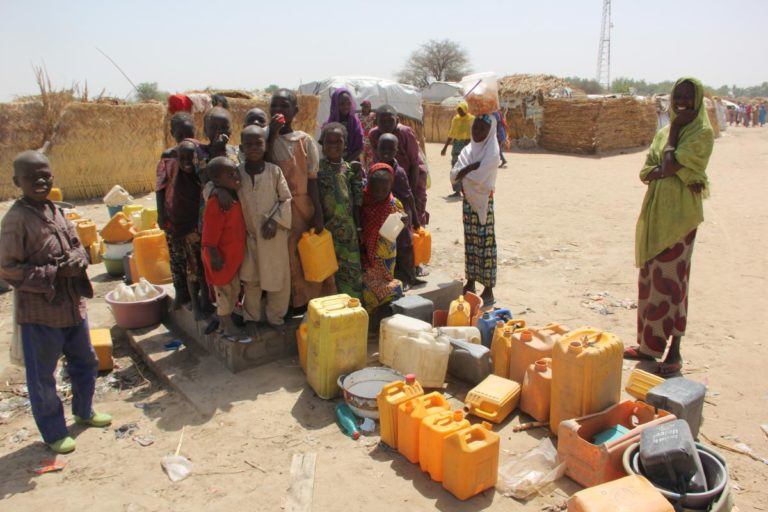
WHO IDP camp
Only 30 percent of the poorest people in Nigeria have access to clean water, compared to 89 percent of the richest. Photo credit: WHO/CE.Onuekwe

WaterAid, an international charity dedicated to changing lives by improving access to water, sanitation and hygiene for the poorest and most marginalised communities, advocated for a state of emergency to ensure that the Sustainable Development Goal of access to water and sanitation for everyone, everywhere by 2030 would be achieved.

Although Nigeria is oil-rich and has sub-Saharan Africa’s largest income, it has nonetheless struggled to deliver clean water and sanitation to its people. The country appears to have remarkable progress in reaching people with water: seven in 10 people now have clean water to drink. But a gap between poor and rich persists, as only 30 percent of the poorest people have access to clean water, compared to 89 percent of the richest, says WaterAid.

It adds that, with fewer than three in 10 people having a decent toilet, the country has a big task ahead to achieve the Sustainable Development Goal targets for water and sanitation access.

On 2018 World Water Day, WaterAid Nigeria urged the Federal Government to declare a state of emergency in the water and sanitation sector. WaterAid Nigeria also called on the Federal Government to set up a presidential taskforce empowered to lead, coordinate and deliver on providing water and sanitation for all Nigerians.

In its declaration of the state of emergency in WASH, the Nigerian government states that the WASH sector in Nigeria is in crisis and that urgent action is required for its revitalisation. The government announced the development of a National WASH Action Plan that will set out a 13-year strategy for the WASH sector, including an 18-month emergency phase. It includes the establishment of a National WASH Fund for increased financial investment for WASH.

WaterAid Nigeria Country Director, Dr ChiChi Aniagolu-Okoye, said: “I am utterly delighted that the Federal Government has declared a State of Emergency in WASH, following our campaign demands during World Water Day and beyond. We hope that, with this declaration, more attention will be focused on the sector. This is a significant step towards achieving clean water, sanitation and hygiene for everyone, everywhere by 2030.

“WaterAid urges all governments to take action ahead of the UN’s High Level Political Forum in New York in July, where Goal 6 of clean water, sanitation and hygiene for everyone, everywhere by 2030 will come under review. Without water, decent sanitation and good hygiene, other Sustainable Development Goals, including those on gender equality, education, health, reducing inequalities and nutrition, cannot be achieved.”

While commending the increased prioritisation for WASH that this new declaration indicates, WaterAid Nigeria continues to call for:

  • Government backing of this declaration with significant investment and raise the financing needed to assure sustainable and affordable WASH services for all.
  • The Federal Government to ensure that the National Healthcare Act which requires 1% of the Consolidated Revenue Fund to be channelled to healthcare is implemented with clear inclusion of WASH in healthcare priorities.
  • Multi-sectoral coordination and clarity of institutional arrangements, the lack of which is hampering the development of needed policies (such as the national sanitation policy) and hindering robust sector plans and policies with critical inputs of sector actors and sufficient ownership by allied sectors.
  • A harmonised monitoring and supervision platform for the sector. Those that exist are duplicative, non-inclusive, unreliable and not owned by all key sector actors. Gaps in Nigeria’s monitoring frameworks for the sector sabotages sector planning and make it difficult to measure the impact of WASH interventions and track progress of WASH access.
  • States and local governments to take advantage of the state of emergency by launching the same in their respective states