32 C
Lagos
Saturday, March 7, 2026
Home Blog Page 1911

World Wildlife Day: How AfDB is protecting continent’s fauna

0

The African Development Bank (AfDB) Group has joined the international community to commemorate World Wildlife Day on Saturday, March 3, 2018. AfDB’s Director of Climate Change and Green Growth, Anthony Nyong, speaks on what the institution is doing to protect one of the continent’s most precious resources – its wildlife. Excerpts:
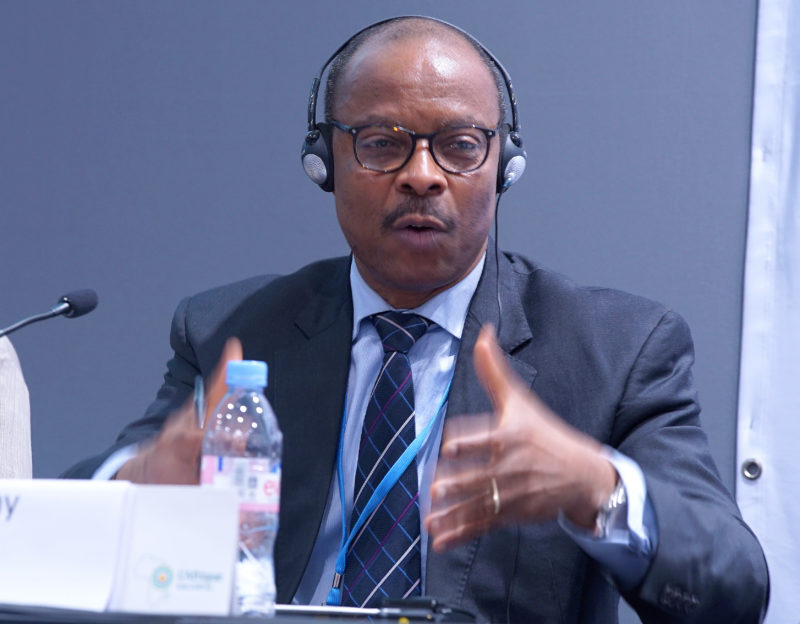
Anthony Nyong
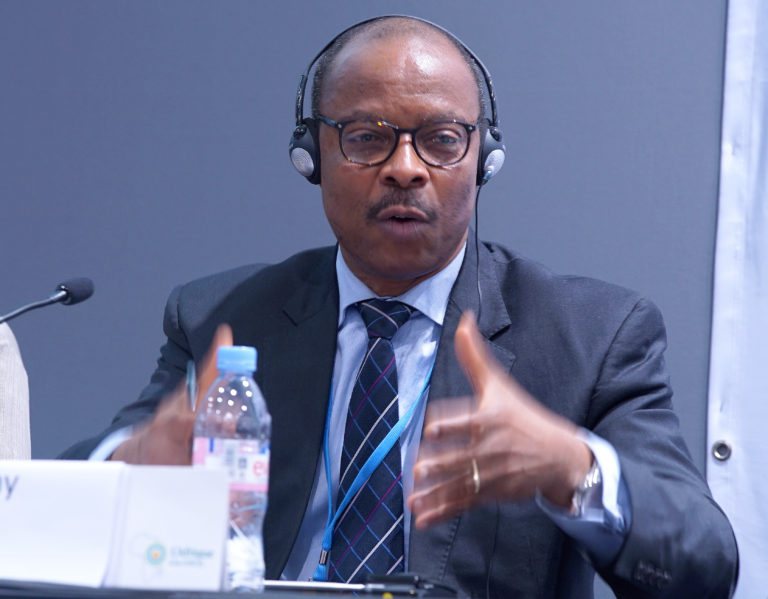
Dr. Anthony Nyong, Director, Climate Change and Green Growth, African Development Bank (AfDB)

The AfDB and the World Wide Fund for Nature (WWF) have partnered since 2011 on issues such as climate adaptation, mitigation, biodiversity and ecosystems. In what way has the bank concretely benefited from this partnership?

Combating illegal wildlife trafficking is important to the AfDB. Illegal wildlife trafficking undermines legal trade, deprives many governments of revenues and taxes and threatens national and regional stabilities. The degree and extent of violence perpetrated by the criminal networks that run the trade threatens peace and the rule of law and undermines Africa’s potential for development. In many African countries wildlife tourism plays a very important role in local and national economies and a decline in wildlife numbers threatens not only the livelihoods of vulnerable communities who are dependent on this sector but also the sustainability of national economies.

Wildlife trafficking impedes efforts by African governments to halt other illicit trades, such as arms and drugs. It fuels organised crime, corruption, undermines the rule of law and compromises regional security. The AfDB calls for global support to end this criminal menace not just in Africa but all over the world.

The threat that illicit wildlife trafficking posed to the development achievements that Africa has made in the last few decades, led the AfDB in partnership with WWF to organise a high-level side event at its Annual Meetings in 2013. The event brought together key players – including professional organisations and policy-makers – to adopt the Marrakech Declaration that supports actions to build a global consensus on and strengthen wildlife protection; penalise wildlife crime to the full extent of the law; and curb demand.

Recently, the AfDB has partnered with WWF and other institutions to develop and launch the Africa Hub to support African countries to successfully implement their Nationally Determined Contributions (NDCs) to the Paris Agreement. The implementation of these NDCs is critical in ensuring that the African continent joins the rest of the world on a low-carbon and climate-resilient development trajectory.

The AfDB and WWF have benefitted from this partnership as the bank has been able to access WWF’s networks to draw global attention to Africa’s issues. Overall, the partnership with WWF is a proof that the AfDB appreciates the value that non-governmental organisations bring to the table and that the bank is committed to working with these organisations to achieve common goals.


The bank’s work is intimately linked to management of natural resources, such as forests, building resilience and adaptation to climate change impacts, as well as how to help value and protect Africa’s incomparable natural and biodiversity heritage. What are the major achievements within the framework of this partnership?

The AfDB’s partnership with WWF has specifically placed environmental protection and climate change as critical elements for sustainable development in Africa. In 2012, the AfDB and WWF produced the Africa Ecological Footprint Report that drew attention to the rapidly declining stock of Africa’s natural resources. This was a wakeup call to Africa’s leadership to adopt a more sustainable growth pathway. That report contributed immensely to the development of the AfDB’s Ten-Year Strategy with its twin objectives of inclusive and green growth.

Not satisfied with just presenting the state of Africa’s ecological footprint, the two organisations got together in 2015 to produce the Africa Ecological Futures Report that provided a roadmap to how Africa can sustainably harness its ecological resources to achieve sustainable development. The AfDB and WWF are currently working together to develop the second phase of the Africa’s Ecological Future Report this year.

The AfDB has also partnered with WWF to address issues of sustainability in the implementation of our projects through the China-Africa Environmental Sustainability Programme where Chinese investors and contractors have adopted the AfDB’s safeguards policies to guide their operation in Africa. The success of this programme has fueled the development of similar initiatives in other regions.


Climate change and poaching are among the most alarming challenges faced by Africa’s wildlife today. How does the bank work with African governments to fight poaching and trafficking of wildlife, currently the most immediate threat to many species?

The AfDB’s Integrated Safeguard System adopted in 2013 gives a special attention to the major threats to biodiversity and ecosystem services, including natural habitat loss, the capturing of wild animals and wildlife poaching. To complement the bank’s Integrated Safeguards System (ISS), the bank has also developed a comprehensive Climate Safeguards System (CSS) that provides the bank with decision-making tools to screen all its projects for climate risks and provide recommendations for adaptation measures to be included into each project.

Through this process, the AfDB ensures that all its forestry projects contribute to wildlife protection, through a well-thought management plan that takes into consideration the principles of Sustainable Forest Management. The AfDB identifies Sustainable Forest Management as an integrated framework which can be used to assist with both adaptation and mitigation in the Forestry Sector, particularly in addressing wildlife poaching and trafficking, as well as animal pests and diseases.

The bank has created awareness and sensitised African leaders on the dangers of poaching, and has provided resources to strengthen wildlife protection in some African countries.


To what extent has the bank’s partnership with the WWF helped to transition Africa towards green, eco-friendly, economic growth?

The AfDB’s investments aim at supporting Africa’s transition to green growth. WWF has provided substantial support in this aspect. For instance, WWF and the bank jointly supported the development of Mozambique’s green economy strategy that is poised to set the country as a leader in the transition to a green economy.

The AfDB and WWF have jointly organised several capacity-building programmes for the bank’s regional member countries on the opportunities and pathways for a green economy. In partnership with WWF, the AfDB is developing knowledge products that inform the transition of African countries to green growth.

Green growth is a cross-cutting issue within the bank. The recent establishment of the Climate Change and Green Growth Directorate constitutes an important step towards scaling up Africa’s transition to green growth. The Climate Change and Green Growth Department is working internally with other relevant departments and with external partners such WWF to promote actions towards achieving green growth in Africa, including biodiversity protection. The Bank is strengthening its partnership with WWF, with the view to ensuring that Africa takes full advantage of its huge natural capital to develop in a more sustainable way.
Nigerian digital media strategist for SDGC/A 2018 health forum

0

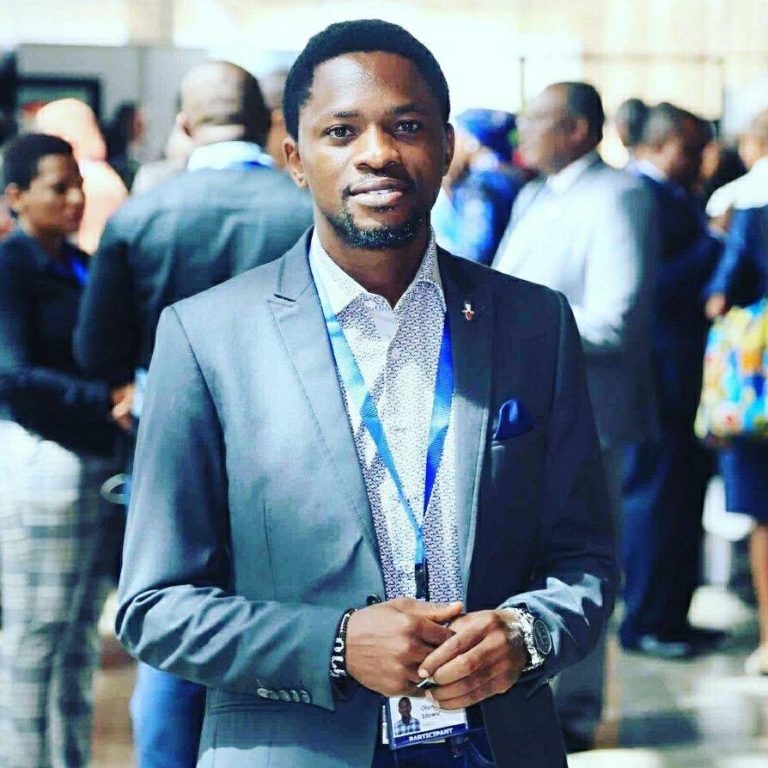
Social media and communications functions during the upcoming forum on “Building and Strengthening Accountability in African Health Systems” conference will be handled by Nigerian youth campaigner and digital media expert, Olumide Idowu.

Olumide Idowu
Olumide Idowu

Organised by the Sustainable Development Goals Centre for Africa (SDGC/A), the event will hold from March 8 to 9, 2018 in Kigali, Rwanda.

The conference aims to galvanise greater accountability and push governments and health professions to deliver by:

  • calling for commitments and actions by all political and government actors and other leaders in the healthcare sector to enact and enforce a standard regulatory system that facilitates and ensures true accountability in the health system;
  • placing ethical standards at the centre of the quality of care offering;
  • creating greater awareness in the public of their inherent human right to health and along with that, the right they have to hold health officials and practitioners, at all levels, accountable.

Following the opening panel discussion, three thematic sessions will be held on themes of accountability:

  • Defining the accountability framework necessary to achieve SDG 3 in Africa;
  • Examining how data, research and development engender greater, stronger, long-lasting accountability systems and mechanisms in health in African nations; and
  • Establishing appropriate remedies and other accountability mechanisms to ensure proper functioning of a healthcare system.

Idowu has over 10 years’ working experience on social media, environment, climate change, monitoring & evaluation and sustainable development issues.

A youth climate change policy expert and trainer, he has represented Nigeria and Africa at over 10 high-level global governance meetings on sustainable development.

He is co-founder of Climate Wednesday, a not-for-profit outfit that seeks to identify key climate-based issues affecting developments in Nigeria in particular and Africa in general.

Besides leading the youth advocacy efforts on environment, climate change and sustainable development in Africa, Idowu serves as Senior Communication Officer for African Youth Initiative on Climate Change, and Technical Assistant to Save the Children Nigeria on advocacy and campaign.

Clean Mobility Week to address Africa’s increasing vehicular pollution

0

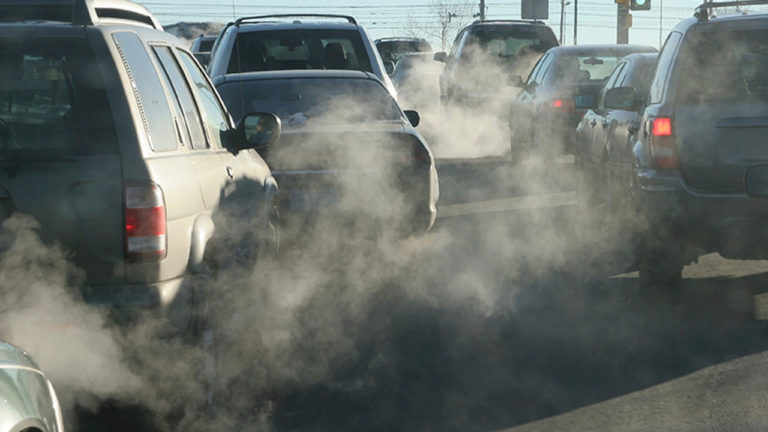
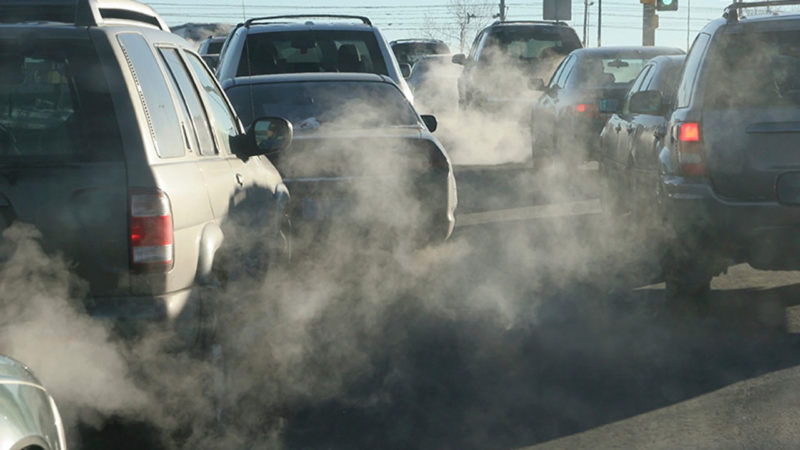
Strategies to promote the import of cleaner, more fuel efficient vehicles while developing a roadmap for clean mobility on the continent are expected to be devised as stakeholders gather from Monday, March 12 to Friday, March 16, 2018 for the Africa Clean Mobility Week.

vehicular pollution
Vehicular pollution

At the weeklong event scheduled to hold in Nairobi, Kenya, tools to assess fuel economy policy impacts will be disseminated, and examples of regional and international experiences in implementing fuel economy policies shared.

As the world has commenced a shift to low and no emissions transport, Africa’s role is believed to be crucial, both to meet the targets of the Paris Climate Agreement and to address the increasing air pollution in cities.

According to the UN Environment, African countries have among the highest urbanisation and vehicles fleet growth rates in the world. African countries and cities are said to be introducing new mobility plans that combine increased public transport and active transport – walking and cycling – with cleaner vehicles.

“So now is the time to put in place policies and incentives that will see African countries and cities leapfrog to affordable clean mobility,” says Rob de Jong, Head, Air Quality and Mobility Unit at the UN Environment.

In 2014 African Ministers and experts met in Nairobi, Kenya to develop a sustainable transport roadmap for Africa during the African Sustainable Transport Forum. Governments, private sector and civil society are meeting at the Africa Clean Mobility Week to build on this and develop a road map for Africa and African countries to move to cleaner mobility.

The meeting, adds de Jong, will look at issues such as cleaner vehicles standards, the introduction of electric vehicles in Africa, used vehicles imports, new approaches to introducing shared transport models, and sharing of good experiences and case studies from within and outside of the region.

Content of the week’s discussions include:

  • Barriers and opportunities to leapfrogging to electric motorcycles, electric vehicles and electric buses.
  • Mechanisms to regulate import of cleaner used vehicles.
  • South-South cooperation on sustainable transport management will be promoted as well as the role of media in supporting a sustainable transport agenda.
  • Case studies of inclusive transport programmes mainly through investment in non-motorised transport and public transport infrastructure will be shared.
  • Opportunities to finance cleaner mobility.

World Wildlife Day: Eco-tourism potentials of Nigeria’s wildlife

0

“Prevention is better than cure.” This is a widely-used phrase which means it’s easier to stop something from happening than to repair the damages. In some cases, like wildlife, the damage could be beyond repair.

Ibrahim Goni
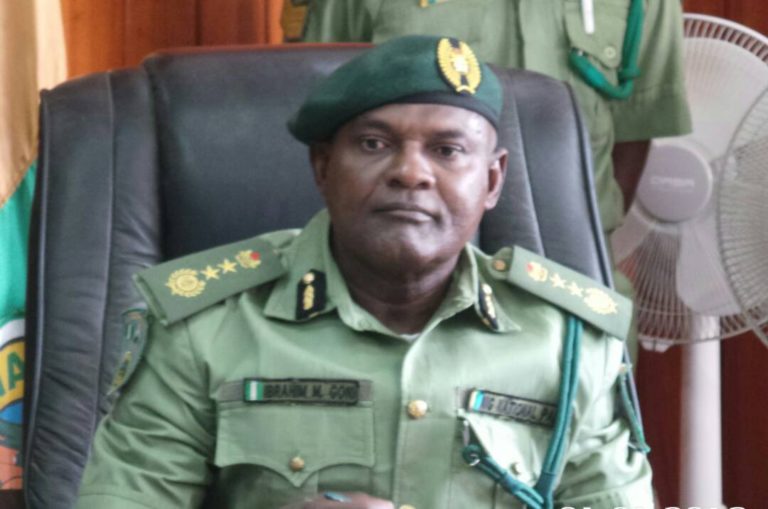
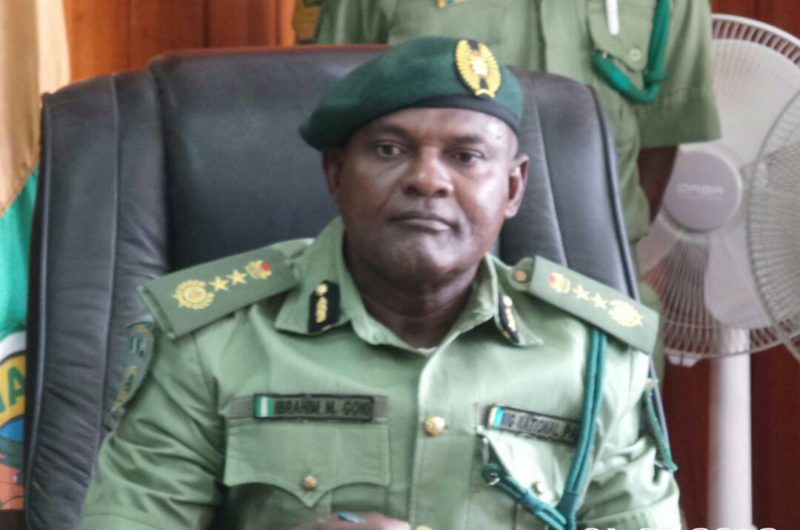
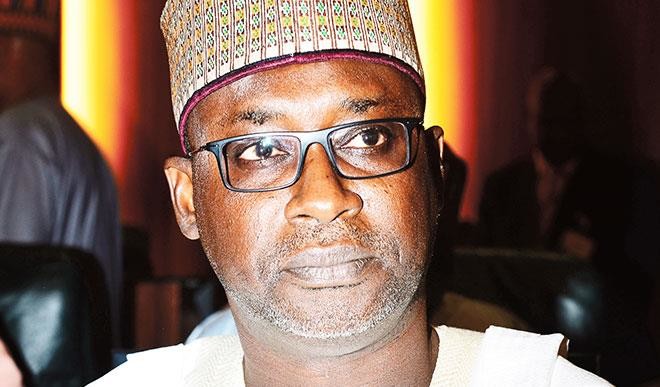
Alhaji Ibrahim Goni, Conservator-General of the National Parks Service

As the world annually dedicate March 3 to celebrate the relevance of wildlife resources, this year’s World Wildlife Day brings us the opportunity to principally understand that “prevention (of wildlife) is better than the loss.” Hence the need to join stakeholders to educate and engage the public on the apropos need to save our wild – flora and fauna, with 2018 focus on the “Big Cats.”

Large predatory cats like the lion, tiger, leopard, jaguar, cheetah, puma and snow leopard are collectively categorised as “Big Cats”. The consistent decline in the number of these unique creatures from the wild has given rise to the need for urgent and feasible actions to prevent the extinction of these “Big Cats”.

A century ago, records confirm the abundance of the tropical “Big Cats” in their thousands across Nigeria and the African continent, at large. Today, despite lots of censuses, trap cameras, and field research, the presence of these unique creatures is scarcely seen in some hitherto predominant areas, let alone having a figure we can be proud of. So, what happened? Poaching, habitat loss, desertification, bush burning, deforestation, and human-animal conflict.

Like the World Wildlife Day 2018 theme heralds, “Big Cats: Predators Under Threat,” the threat of our big cats being extinct is real. However, hope isn’t lost. In Nigeria, National Parks like Kainji Lake, Yankari, and Cross River can still boast of very few species. The recent discoveries in Gashaka Gumti National Park have birth more prospects to promote efforts in nature conservation, management, and ecotourism.

Beyond Nigeria, other African countries like Tanzania, Botswana, Kenya, Rwanda and South Africa display worthy examples of the possibility of generating massive foreign exchange consistently through their multi-billion-dollar ecotourism industries. Proper management of parks and conservation areas also provides exciting employment to millions of people across the sphere of hospitality, exhibitions, group visits, tours, and research.

To address the recent obnoxious environmental attitude seen in Nigeria, as in other countries, there is an increased need for awareness, advocacy, local engagement and enforcement programs to end (or least control) threat while ensuring a rich wildlife for posterity.

More of Nigeria’s vast scenery enriched and endowed with wildlife should be gazetted and wildlife laws enforced therein. Efforts should be made for Nigerians to adopt a positive lifestyle to enhance and tap into nature by growing enthusiasm for science, research, and innovation. More stringent punishments should be passed and upheld to curb the illegal, massive capturing and trafficking of wildlife resources across the world.

The legendary conservationist, Gerald Durrell, puts it in proper perspective when he said: “Thousands (of animals) are liable to vanish from the earth unless mankind stops being a predator and becomes a protector… (Animals) have nobody to speak for them except us, the human beings who share the world with them but do not own it.”

By Udo-Azugo Somtochukwu, Lagos; somtochukwu.chilo@gmail.com

SDGs: Presidential aide canvasses zero discrimination, equality

0

The Senior Special Assistant to the President on Sustainable Development Goals, (SSAP-SDGs), Princess Adejoke Orelope-Adefulire, has advocated for a general stakeholders’ commitment in the quest to ensure zero discrimination across all strata of the society.

Adejoke Orelope-Adefulire
Princess Adejoke Orelope-Adefulire

Orelope-Adefulire, in a statement issued by her Media Assistant, Desmond Utomwen, noted that the provision of Goal 16 Target (b) in the Sustainable Development Goals (SDGs) framework enjoins nations to promote and enforce non-discriminatory laws and policies for sustainable development.

“As we join the United Nations and other International Organisations to mark the Zero Discrimination Day, it is my honour to encourage everyone to continue to contribute and support the efforts aimed at eradicating all forms of discrimination.” Orelope-Adefulire stated, while calling for the adoption of policies, especially fiscal, wage and social protection policies, among other efforts to progressively achieve greater equality.

The SSAP-SDGs, while maintaining that the Nigerian government is doing its utmost to tackle the challenges of inequality and discrimination, just as it has made significant strides towards lifting people out of poverty, further noted that the government will continue to address all forms of inequality, disparities noticed in access to health and education services and other assets.

She opined that there is growing consensus that economic growth is not sufficient to reduce poverty if it is not inclusive and if it does not involve the three dimensions of sustainable development – economic, social and environmental.

To reduce discrimination and inequality therefore, she stated that policies should be universal in principle paying attention to the needs of disadvantaged and marginalised populations.

The Presidential aide called for support of all stakeholders, including the private sector, civil society organisations (CSOs) and development partners in the entrenchment of mechanisms that will help empower and promote the social, economic and political inclusion of all, irrespective of age, sex, disability, race, ethnicity, origin, religion, economic and other status.

Latin America, Caribbean adopt ‘historic’ environmental justice treaty

0

After a six-year negotiation process, 24 countries have adopted the Regional Agreement on Access to Information, Public Participation and Access to Justice in Environmental Matters in Latin America and the Caribbean, known as LAC P10.

Carole Excell
Carole Excell

The agreement is Latin America and the Caribbean’s first ever legally binding agreement on environmental rights, designed to protect environmental defenders, improve access to environmental information, extend public participation in environmental decision-making processes, and more. It requires governments to set new standards to achieve Principle 10, the environmental democracy principle of the Rio Declaration on Environment and Development.

In a reaction, Carole Excell, Acting Director, Environmental Democracy Practice, World Resources Institute (WRI) and “Member of the Public” Negotiator for LAC P10, said: “Countries and civil society groups across Latin America and the Caribbean have taken a historic stand to safeguard the backbone of environmental protection: people. Violence against environmental defenders is on the rise, and Latin America is the most dangerous region in the world for them. By adopting LAC P10, governments in the region have agreed to legally binding provisions that will help prevent and punish threats and attacks against environmental defenders.

“I cannot understate how critical it is for communities to have access to environmental information, like data on local water pollution or nearby mining concessions. LAC P10 is designed not only to protect environmental defenders, but also to make it easier for people to get information, participate in decision-making that will affect their lives and hold powerful interests to account. Hopefully LAC P10 will mean fewer natural resources exploited and communities at risk.

“The agreement could impact up to 500 million people and demonstrates global leadership from the region. LAC P10 is only the world’s second regional agreement on environmental rights, and is the first for Latin America and the Caribbean. Chile, Costa Rica and Panama have been determined, innovative drivers of the negotiations, and their continued leadership will be critical in the implementation process to come.

“LAC P10 is a major step forward, but the work has only just begun. Governments must move quickly to sign and ratify the agreement, and then ensure robust compliance and implementation once it enters into force.

“One more person dying to protect the environment is too much. It’s time for countries to defend the defenders.”

SERAP wonders why Nigerians still drink contaminated water despite budgetary allocations

1

The Socio-Economic Rights and Accountability Project (SERAP) has requested Suleiman Adamu, the Minister of Water Resources, to “explain why Nigeria’s water and sanitation infrastructure has continued to deteriorate and millions of Nigerians have to resort to drinking water from contaminated sources with deadly health consequences, despite the authorities claiming to have spent trillions of naira of budgetary allocations on the sector since the return of democracy in 1999.”

Suleiman Adamu
Suleiman Adamu, Minister of Water Resources

In a statement made available to EnviroNews, the organisation said: “Many toilets in public offices are out of order because of lack of water while millions of Nigerians remain desperate for water in their homes, often resorting to contaminated sources and drilling their own boreholes that can become easily mixed with sewage, with negative environmental impacts, and devastating for people’s health.”

The group therefore requested Adamu, an engineer, to “use his leadership position to provide within 14 days of the receipt and/or publication of this letter detailed information on the spending on specific water and sanitation projects and their locations carried out by the Ministry of Water Resources and Rural Development for the following years: 1999, 2000, 2001, 2002, 2003, 2004, 2005, 2006, 2007, 2008, 2009, 2010, 2011, 2012, 2013, 2014, 2015, and 2016 (1999-2016); as well as details of allocations to the 36 states of the federation.”

The organisation said: “Should Engr. Adamu fail to provide the information within 14 days, SERAP would take all appropriate legal actions to compel the government to act on this matter.”

In an open letter dated March 2, 2018, and signed by SERAP’s deputy director, Timothy Adewale, the group expressed “serious concern that millions of Nigerians do not have access to clean and potable water and adequate sanitation. There is no water to show for the huge budgetary allocations and purported spending and investment in the sector since the return of democracy in 1999. Successive governments have failed to improve affordability of water for millions of low-income Nigerians, thereby denying them access to water.”

The letter reads in part: “Contractors handling water projects are reportedly engaging in schemes like the deliberate use of substandard pipes, among others, to make profit, leading to loss of water. This dearth of water also affects sanitation. The large number of broken down water facilities across the country has hindered effective water supply to the citizens.

“Millions of Nigerians (mostly children) lie sick, bodies ravaged by cholera, typhoid fever, dysentery among other diseases. An estimated 194,000 Nigerian children under the age of 5 die annually from these preventable diseases. There is almost no state and/or local government in Nigeria without abandoned water projects or one whose construction has gone on forever, creating a veritable opening for fraud and assuring the continued suffering of many.

“The Federal Ministry of Water Resources is responsible for large water resources development projects and water allocation between states. The right to water is a human right, which places certain responsibilities upon the government including your Ministry to ensure that people can enjoy sufficient, safe, accessible and affordable water, without discrimination.

“Nigeria has received donations running into several billions of dollars from the African Development Bank, the European Union, UNICEF, USAID, World Bank among others to implement water projects without any feasible improvement on access to water. The African Development Bank has invested over $905 million in the sector since 1971. Nigeria is currently investing over N85 billion in the water sector, yet millions of Nigerians do not have access to portable water, and have resorted to drilling of boreholes, with negative environmental impacts.

“SERAP is seriously concerned that alleged stealing or mismanagement of these large sums may be responsible for the lack of access of millions of Nigerians to clean and portable water, with its attendant consequences. Due to inadequate maintenance of water facilities, Nigerians have contacted various water-borne diseases like typhoid fever, cholera, diarrhoea, hookworm, infection and Hepatitis A; some others have died because of these diseases.

“The disclosure of the information requested will provide SERAP and the public with clarity on how funds allocated to the Ministry have been spent on specific projects, with details of locations of water and sanitation projects across the country; the possible challenges the Ministry might be facing and engender robust conversations on possible solutions to better the conditions of Nigerians and improve access to clean and portable water, especially for those living in extreme poverty.

“Considering the impacts of water on other sectors of the economy and its impact on the realisation of other human rights, the judicious spending of the money approved to the water sector will go a long way to preserve the nations underground and surface water sources and prevent the environmental disaster that may result from concurrent drilling of boreholes by several Nigerians, due to lack of access to clean and portable water.

“SERAP believes that as a matter of public interest, the citizenry is entitled to know how its wealth is being used, managed and administered in a democratic setting, as this affects the commonwealth of the society. SERAP firmly believes that the request falls within the Nigerian citizens’ right to know as guaranteed under the Nigerian Constitution of 1999 (as amended), the African Charter on Human and Peoples’ Rights to which Nigeria is a state party, and the Freedom of Information Act, 2011.

“By virtue of Section 1 (1) of the Freedom of Information (FOI) Act 2011, SERAP is entitled as of right to request for or gain access to information, including information on the details of the expenditure and budgetary spending of the Ministry of Water Resources and Rural Development for the preceeding years: 1999, 2000, 2001, 2002, 2003, 2004, 2005, 2006, 2007, 2008, 2009, 2010, 2011, 2012, 2013, 2014, 2015, and 2016 (1999-2016).

“Also, by virtue of Section 4 (a) of the FOI Act when a person makes a request for information from a public official, institution or agency, the public official, institution or urgency to whom the application is directed is under a binding legal obligation to provide the applicant with the information requested for, except as otherwise provided by the Act, within 7 days after the application is received.

“The information being requested does not come within the purview of the types of information exempted from disclosure by the provisions of the FOI Act. The information requested for, apart from not being exempted from disclosure under the FOI Act, bothers on an issue of national interest,public welfare, public peace and concern, interest of human rights, social justice, good governance, transparency and accountability.”

New Lagos waste initiative will soon be perfected, says government

0

The Lagos State Government has said that teething challenges being experienced by its new Cleaner Lagos Initiative (CLI) will soon be a thing of the past.

Cleaner Lagos
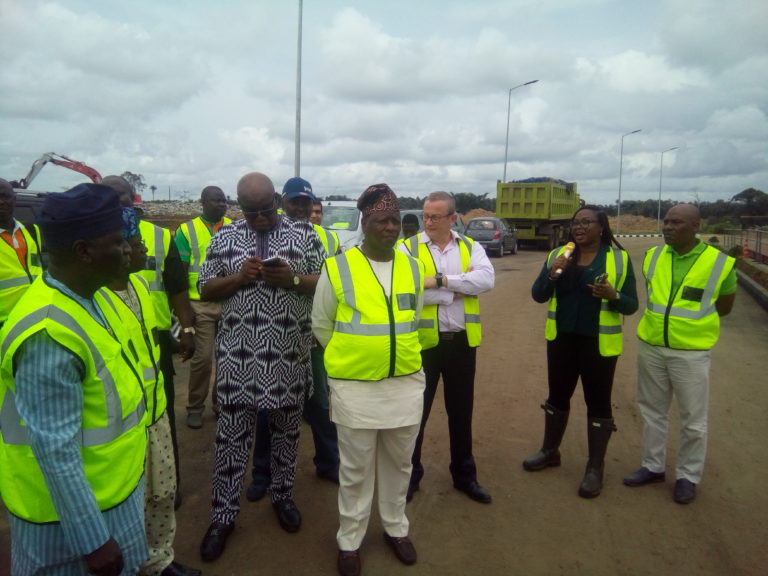
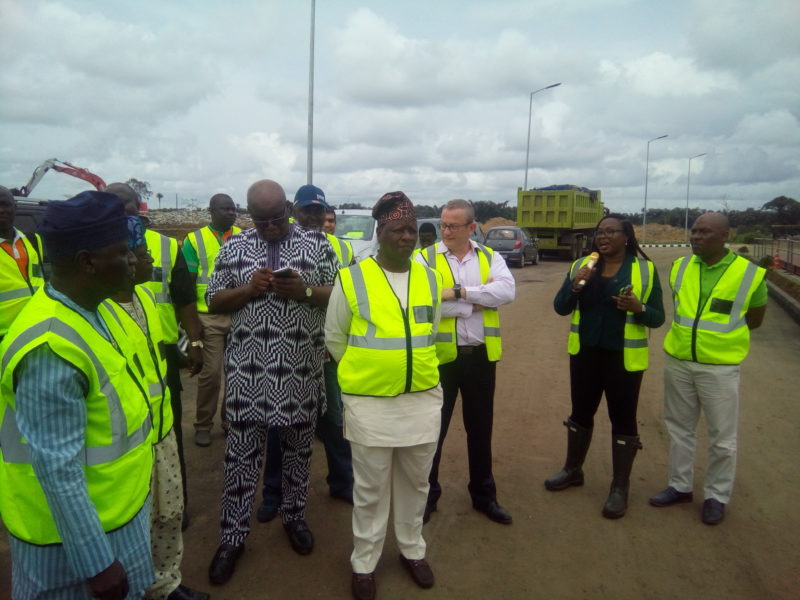
Environment Commissioner, Babatunde Durosinmi Etti, in the company of Commissioner for Information & Strategy, Kehinde Bamgbetan, and state as well as Visionscape Sanitation Solutions officials during the facility tour

Environment Commissioner, Babatunde Durosinmi Etti, who made the assertion during a facility tour of the Epe Landfill and Eco Park on Thursday, March 1, 2018, explained that the CLI is geared towards meeting the current and future solid waste, waterwaste and sanitation demands of the state.

“The CLI is already up and running and needs just a little bit of tweaking here and there to get it right,” he said, adding that, apart from making Lagos cleaner, safer and healthier for all residents, CLI would create over 27,000 direct jobs and a further 400,000 indirect jobs, thereby “contributing to improving socio-economic status and bettering the lives of the people”.

Commissioner for Information & Strategy, Kehinde Bamgbetan, shed some light on the process of waste management, even as he called for fair media coverage of inherent issues.

Cleaner Lagos
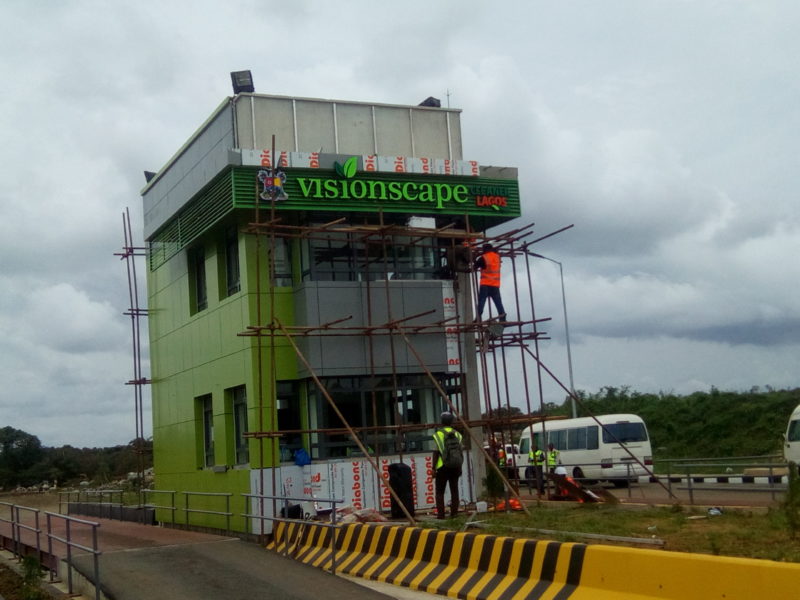
Finishing touches being put on the weighing areas at the Epe Landfill and Eco Park

His words: “Waste management does not end at waste collection. Waste management is about a consortium of bodies coming together to look for a value chain. And the emphasis in this case is on recycling, which will be a noteable feature here.”

Chief Operating Officer of Visionscape Sanitation Solutions, Thomas Forgacs, disclosed that the Epe Landfill and Eco Park is being built on 880,00sq.m stretch of land, and entails the excavation, transportation and re-landfilling of existing solid waste, and construction of an ecopark.

Also operating in India, South Africa and the United Kingdom, Visionscape is an environmental utility group managing the CLI.

According to Forgacs, the first phase of the project, which is the construction of weighing areas and roadways, is almost completed. He lists other phases to include: leachate collection pond and sediment pond, engineered cell, and materials recovery facilities.

The Eco Park also features a vehicle maintenance facility that includes truck bays for repair work and vehicles inspections, fueling bays, as well as wash bays for cleaning vehicles and equipment. Forgacs stated that extensive renovation work is ongoing on transfer loading stations (TLS) at Agege, Oshodi and Tapa to compliment the operations of the Epe Landfill.

His words: “The Agege TLS handles municipal solid waste in smaller loads from collection vehicles and are consolidated into larger transfer trailers and hauled to the landfill in Epe for further processing or final disposal therby reducing haulage cost, pollution, traffic congestion and collection vehicle maintenance.

“The Oshodi TLS serves as a central drop-off location for waste haulers who collect refuse, certain recyclable materials and construction/demolition of waste within the state and then loaded into transfer trailers and transported to the landfill for further processing.”

Nasarawa varsity students advocate construction of liquid waste treatment plants

0

Some postgraduate students of Department of Geography, Nasarawa State University, Keffi have advocated the construction of more liquid waste treatment plants across the country to enhance environmental sustainability.

Nasarawa State University
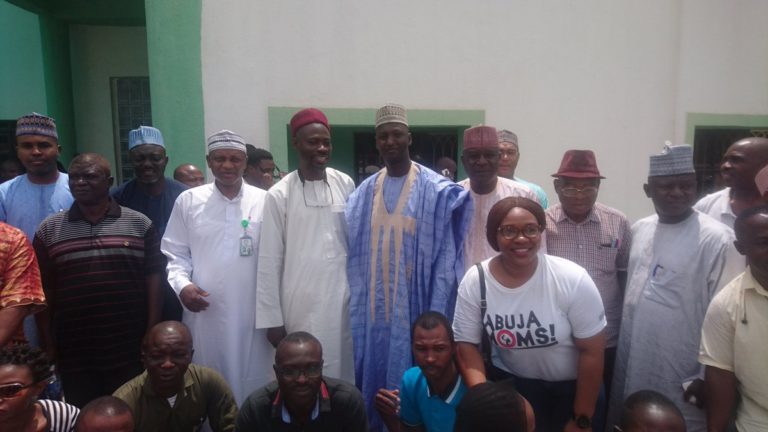
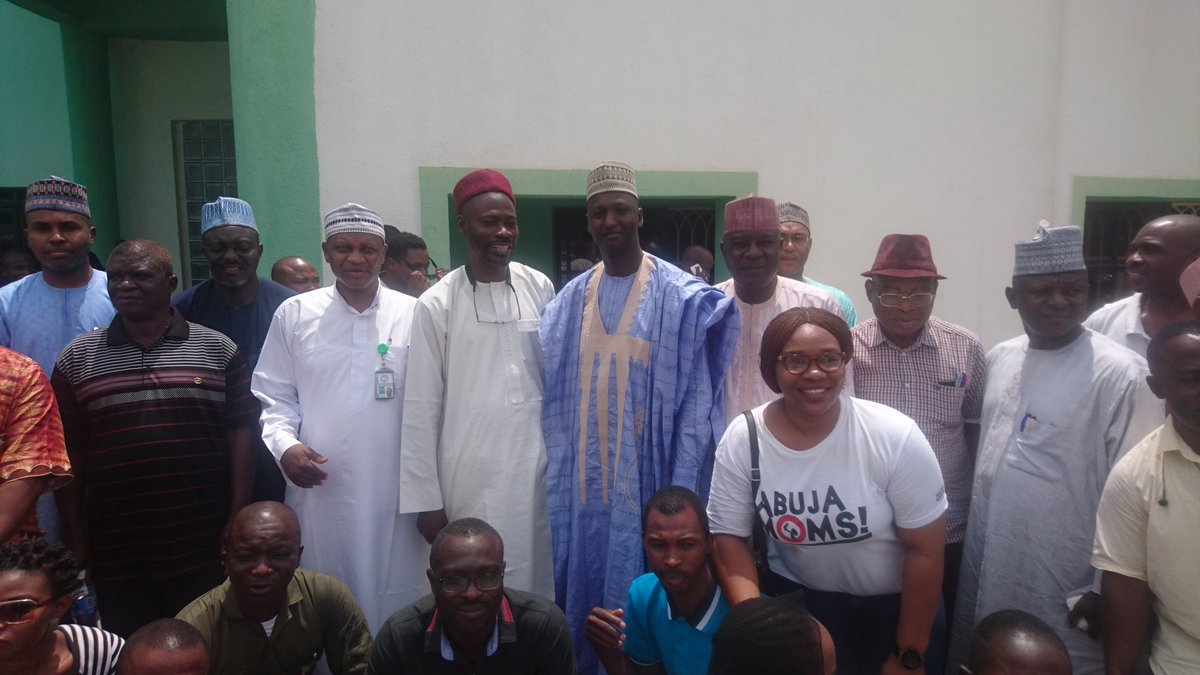
Prof Nasiru Idrisu (in blue native attire) with his students and officials of the National Space Research and Development Agency in Abuja during the excursion

The students made the call in an interview with the News Agency of Nigeria (NAN) at Wupa Treatment Plant on Saturday, March 3, 2018 in Abuja.

NAN reports that their visit to the plant rounded-up a three-day field trip to the FCT.

They also called on the Federal Government to fund the maintenance of water treatment plants, liquid waste treatment plants and solid waste dump sites in the country.

The students on the first day of the field trip visited Usman Dam, Bwari, the National Space Research and Development Agency (NASRDA) on the second day and Wupa Treatment Plant and Gossa Waste Dump Site on the third day.

Mr Adamu Maina, a student doing his Masters in Environmental Resources Management in the department, urged the Federal Government to build more water treatment and liquid waste treatment plants in the FCT and the country.

According to him, it is very important to have such facilities because of population growth.

He, however, said he would like do a research on how ecofriendly water mix with natural water converging in Lower Usman Dam would be properly treated and send to end users.

The student said it was very important to understand the processes of the treatment of water and liquid waste to enhance their sustainability.

“In environment, we don’t look at those things as challenge, we look at reducing the impact of environmental challenges, reducing that impact to a certain level that is acceptable.

“ If we look at the liquid waste coming from phase I, II and III of Abuja to Wupa, it goes mechanical, biological and at the end, it passes through the “DNA’’ of water .

“The process would have reduced the hazard of the liquid waste water before discharging it to the environment,’’ he said.

Similarly, Ms Patience Uche, a Post Graduate Diploma student of Environmental Resources Management in the department, appealed to the Federal Capital Territory Administration (FCTA) and the Federal Government to budget enough money to maintain the facilities.

Uche said that she noticed that some of the equipment at Lower Usman Dam and Wupa Treatment Plants were not maintained very well due to lack of funding, according to the officials.

Also speaking, Mr Ayeni Folusho, the Head of Quality Control Laboratory at Wupa Treatment Plant said they treat an average of 1,000 cubic meter per hour for quality, while the quantity was about 98 per cent efficient.

“The water we are treating here is a liquid waste (domestic waste water) from Abuja, we discharge it to the environment (Wupa River) after treatment because that is the concept of waste water treatment.

“Waste water must not be discharged directly to the environment, it will cause epidemic.

“The water we are discharging from the plant is ecofriendly, you can as well do certain things with the water, maybe installing hydro power plant to generate electricity,’’ he said.

Folusho, however, appealed to the authority to find solution to the erratic power supply in the plant, saying “we need dedicated line to the plant.’’

“We have been using generator for the past 11 years to function optimally in the station.’’

In his remarks, Prof. Nasiru Idris, the Head, Department of Geography in the university, said that the department had not missed a year without visiting World Class Facility since 2012.

“Wupa is the final resting place for liquid waste in Abuja, and the process is purely mechanical and it is still not operating at full capacity.

“We are here today with our Postgraduate students (PGD, MSC and PhD) and our primary aim of visiting your facility today is to compliment theories with practice.

“However, you may wish also to note that the field trip is an integral part of the Post Graduate programme (PG) and many of the PG courses have component of the practical aspect of fieldwork and its a core in geography,’’ he said.

Idris said that the students would be carrying out their own fieldwork in groups, which would enable them suggest measures to the president environmental problems.

NAN reports that the theme of the three days field trip is “Environmental Sustainability in the FCT and its Environs”.

By Cecilia Ologunagba

SDGs: Women2030 coalition builds partners’ media capacity

0

In an apparent bid to realise the Sustainable Development Goals (SDGs), a coalition of global and regional women and gender civil society organisations has set out to equip members with media skills to assist them in their advocacy programmes.

Women2030
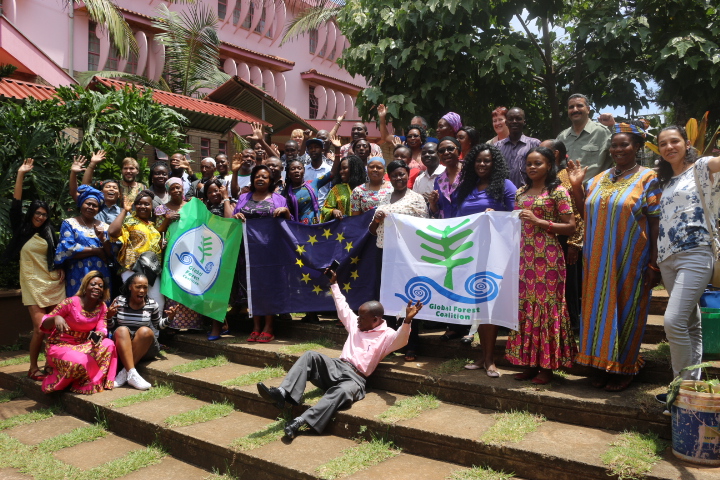
Members of the Women2030 coalition in a group photograph. Photo credit: John Baaki

The Women2030, at a media training for partners in the African region held from February 28 to March 2, 2018 in Nairobi, Kenya, took over 50 participants through different media skills such as launching social media campaigns, writing press releases, activist photography, and video editing, amongst other skills.

The forum was organised by one of the five Women2030 partners, the Global Forest Coalition (GFC). Other Women2030 partners, which are basically global and regional women’s networks, are: Women in Europe for a Common Future (WECF), Women Environmental Programme (WEP), Gender and Water Alliance (GWA) and Asia Pacific Forum on Women, Law and Development (APWLD).

The Women2030, which works towards the realisation of the SDGs across different regions of the world, is a five-year partnership project funded by the Department of Development Cooperation of the European Commission.

The strategic objectives of Women2030 are to:

  • Build capacity of women’s and gender-focused civil society organisations on planning, monitoring and implementation of the SDGs/post 2015 agenda and the climate agreement.
  • Create awareness at all levels of gender-equitable best practices and progress of national post-2015 SDG plans.
  • Ensure more gender-responsive SDGs/post 2015 plans with participation of women and women’s organisations.

By John Baaki Terzungwe, Nairobi, Kenya

×