Home Blog Page 1905

World Bank, FAO on appraisal mission to additional funding-seeking NEWMAP

0

A three-day joint World Bank/FAO Appraisal Mission to the Nigeria Erosion and Watershed Project (NEWMAP) for Additional Financing (AF) commenced on Thursday, April 26, 2018 in Abuja. The mission is to ascertain readiness for implementation, agree on a clear implementation timeline and prepare for negotiations.
NEWMAP
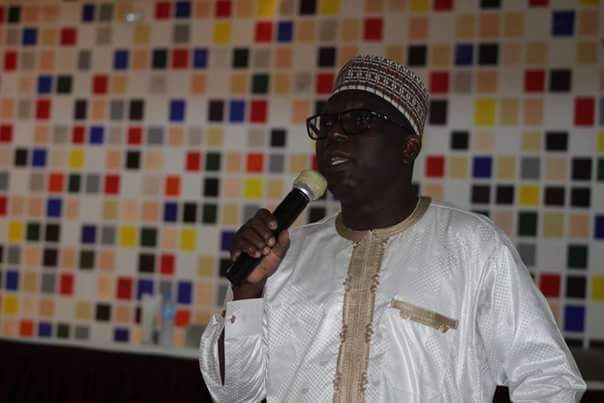
Salisu Dahiru, National Project Coordinator of NEWMAP, speaking during the event

Some 19 NEWMAP participating states and Environment Commissioners in such states, state Newmap Project Coordinators and their key personnel are in Abuja working with the Supervising Ministry of Environment and Federal Project Management Unit (FPMU) on the modalities and specific project activity plans for the additional financing.

The multi-sectoral and multi-scale programme having the Project Development Objective (PDO) to reduce vulnerability to soil erosion in targeted sub-watersheds came into effectiveness in September 2013 with an initial seven south-eastern states of Abia, Anambra, Cross River, Ebonyi, Edo, Enugu and Imo (now referred to as first mover states) with acute gully erosion  challenges. The project addressed 21 active gully sites across the first mover states for remediation.

The progress recorded by these initial seven states led to the attraction of other states and, in September 2015, additional seven states – Delta, Gombe, Kogi, Kano, Plateau, Oyo and Sokoto – joined the project having met the necessary selection criteria.

The third batch of states includes Akwa Ibom, Borno, Katsina, Nasarawa, and Niger, thus making a total number of 19 states in the project.

Five years thereafter, the 21 sites intervention is about 85 percent completion and about 682 hectares (ha) of targeted land treated for erosion with selected measures in targeted sub-watershed have been recovered. New sites have been prioritised and ranked based on risk to human life, catchment area, ease of maintenance, current structural defects, and proximity to vital infrastructure (major road, water, gas, electricity, etc.).

Alhaji Ibrahim Usman Jibril Minister of State for Environment, said: “The project is doing very well. It’s a flagship project with significant impact across the country.”

“For a Project designed not to exceed 11 states in its lifetime now having 19 states and still under pressure by other states, the project must be doing something right,” stated Salisu Dahiru, the National Project Coordinator.

He added: “In few years of NEWMAP, 14 sub-catchment management plans have been developed in Abia, Anambra and Cross-River States. Approximately 582 hectares (ha) have been rehabilitated in the seven initial project States.

“Also, one of the newer states (Kano) has already re-vegetated about 100 ha of degraded land, while under Income Generating Activities (IGA), grants have been disbursed to 5,137 members of communities. Beneficiaries are now engaged in businesses such as livestock farming, honey production, trading (small shops), horticulture, etc. Also, about 2,035 Project Affected Persons (PAPs) have been compensated (58 percent female) and with nearly half of the approved funding for sub-grants now disbursed.”

“Truly, the project has achieved great milestones,” acknowledges Ambassador Fidel Ayogu, Michael Okonkwo and Donatus Njoku, who are participating states commissioners in Enugu, Anambra and Ebonyi respectively. They all believed that this category “A” project has achieved evidence based results mostly across the first seven states.

Speaking on the appraisal mission Dr. Amos Abu, the Task Team Leader of NEWMAP, enjoined participants to look at the cost and agree on what is realistic and obtainable. He commended the team for preparing NEWMAP Additional Financing and stressed that NEWMAP is a flagship project and has achieved appreciable milestones.

NEWMAP is predicated on an eight-year Strategic Investment Loan (SIL) of $508.59 million, consisting of a $500 million International Development Association (IDA) concessional loan, blended with Global Environment Facility (GEF) Trust Fund, and Special Climate Change Fund (SCCF) grants totalling $8.59 million. The Government of Nigeria’s contribution would amount to approximately $150 million (the Federal Government 60% and participating states 40%).
Government completes timetable for Ogoni clean-up – Minister

0

The Federal Government says it has completed timetable for the clean-up of hydrocarbon impacted communities in four local government areas of Ogoni land in Rivers State.

HYPREP
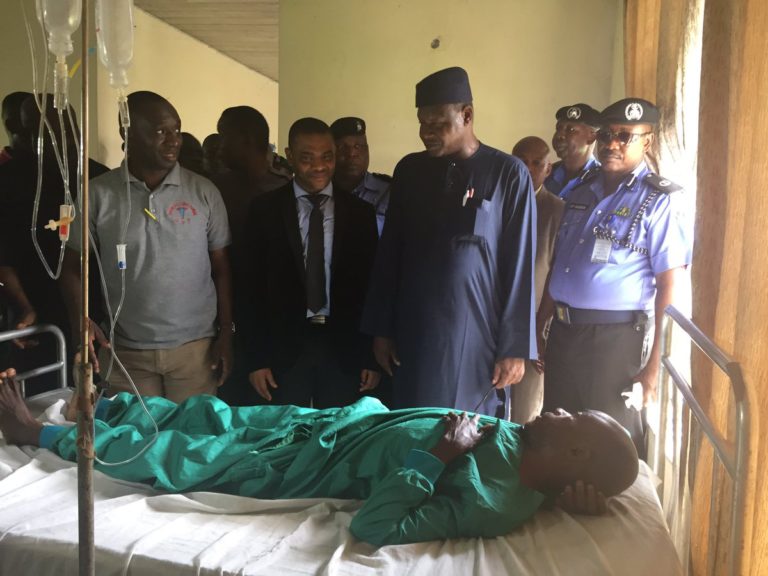
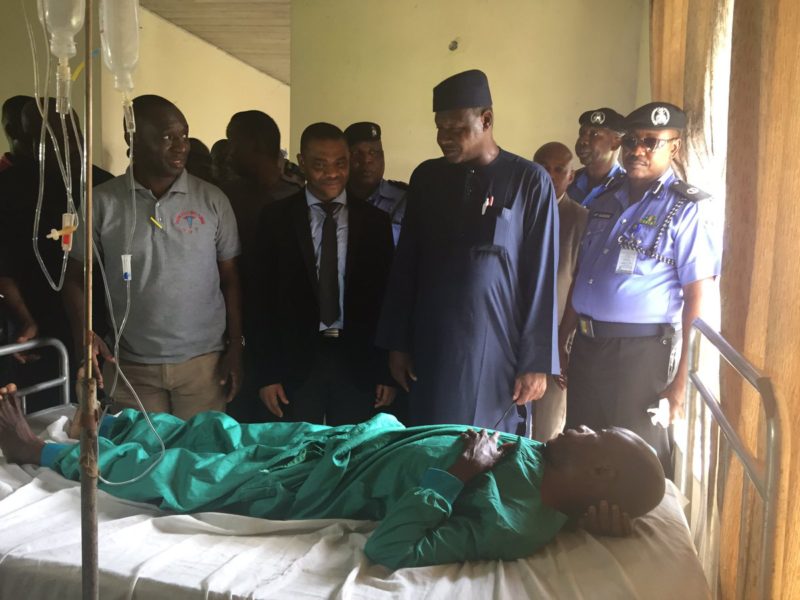
Minister of State for Environment, Ibrahim Jibril, during a visit to the General Hospital Terabor, one of the venues for the HYPREP Medical Outreach

Minister of State for Environment, Malam Ibrahim Jibril, made this known on Friday, April 27, 2018 while inspecting the medical outreach in Terabor General Hospital, Gokana Local Government Area of the state.

The News Agency of Nigeria (NAN) reports that the exercise was organised by the Hydrocarbon Pollution and Remediation Project (HYPREP) for indigent Ogonis.

Jibril said that submission of documents for bidding of contracts for the clean-up would end on April 30.

“The Federal Government is working sequentially to ensure that there is no mistake and that whatever is started would be irreversible, even when President Buhari is out of office.

“We have a complete timetable of our programme now. We have also done advertisement for people to see what we intend to do.

The minister said that the ministry would go through all the procurement processes and evaluation, and approval of the award of contracts before commencement of the exercise.

“I am sure that people who have interest, capability and capacity to do this clean-up job have submitted their documents.

“The tender of documents will close by Monday, April 30, and thereafter, we will start the evaluation of the expression of interest,’’ he said.

Jibril said that the Federal Government had also put in place a solid foundation that would ensure the success of the remediation of hydrocarbon impacted communities.

The minister said that his visit to the Ogoniland was to check status of projects on ground, and to assure the people of government commitment to the exercise.

He also said that the modular refinery project would soon come on stream, and urged Ogoni youths to desist from acts capable of causing more pollution in the area.

“I felt it was necessary to come to a signature project like HYPREP and see the second phase of the health intervention that was approved by President Muhammadu Buhari.

“Dr Marvin Dekil, Coordinator of HYPREP, is doing a good job in Ogoniland and, as such, it is our responsibility to back him up.’’

By Desmond Ejibas

College of Fisheries starts freshwater cage culture

0

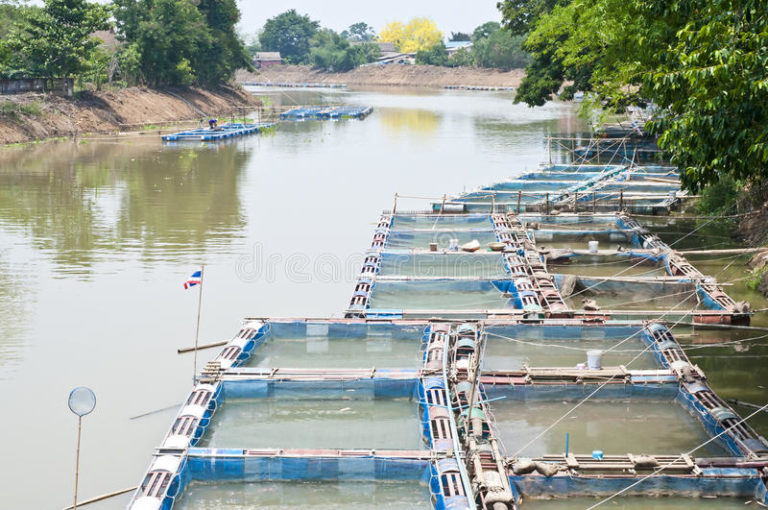
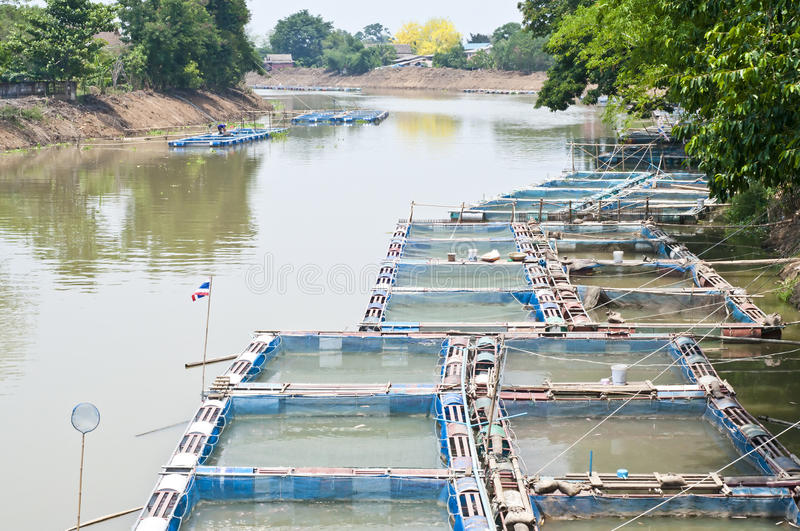
The Provost of Federal College of Fisheries and Marine Technology (FCFMT), Capt. Abiodun Sule, on Friday, April 27, 2018 said that the college had started freshwater cage culture at its permanent site at Igbolomi in Ibeju-Lekki Local Government area of Lagos State.

freshwater cage culture
Freshwater cage culture

Sule said this at the matriculation ceremony of students for the 2017/2018 academic session in Lagos.

According to him, the freshwater cage culture will help to cushion the stress of its students sourcing for practical placements in the industry.

“The cage culture is not in isolation of the existing ponds.

“In the infrastructure upgrades, the college has vessels for training and other training equipment for both ship-handling and practical.

“There are also the sonar and acoustic systems for fish detection, tracking and harvesting, among others,” he said.

Sule said that the school had also acquired Global and Maritime Distress and Safety System (GMDSS) and Electronic Chart Display Indication Simulator (ECDIS).

He said that students now had at their disposal complete boat/shore facilities, comprising various satellite and navigational equipment, marine engines for stripping and coupling for students’ practical.

The provost said that there was also swimming pool for sea training by the students.

He enjoined the students to maintain and keep the infrastructure well “as it is their own and for their development.”
Sule said that all the courses offered by the school were fully accredited by the National Board for Technical Education (NBTE).

He said that the college now had marine and fisheries professionals, most of who were old students, to handle the various courses.

Alhaji Abdulmalik Usman, the Chairman, NIOMR/FCFMT Governing Board, urged the students to take the opportunity of the facilities and experienced manpower to achieve their goals.

He said that this would make them to be useful to themselves and the society.

Usman advised the students to keep away from all vices that could be detrimental to them and the nation’s development.

The chairman said that the students, after successfully completing their programmes, would be contributing to the policy of government in area of food security.

The News Agency of Nigeria (NAN) reports that no fewer 350 students were involved in the matriculation, out of which three students had Higher National Diploma programme in Fisheries Technology.

The college offers courses in Fisheries Technology, Nautical Science, Marine Engineering, Marine Transport and Business Studies.

By Chidinma Agu

Tinubu wades into waste managers, Lagos rift

0

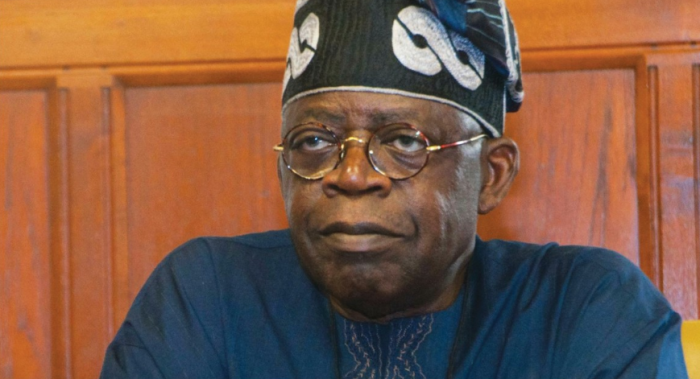
National Leader of the All Progressives Congress (APC), Sen. Bola Tinubu, says the lingering issue of waste management in Lagos State will soon be resolved.

Bola-Tinubu
Bola Tinubu

Tinubu gave the assurance on Friday, April 27, 2018 in Lagos during a meeting with the Association of Waste Managers of Nigeria (AWAM), otherwise known as PSP.

He said that there was the need to resolve the issue because of the immense contributions of the PSP operators to waste management in the state.

Tinubu assured that he would reconcile all the stakeholders in his capacity as Grand Patron of AWAM to promote the business interests of waste managers and wellbeing of Lagosians.

”It is disappointing and sad that at this stage of our development, the matter should result into petition. It should have been continuity and progress.

”Whatever is the shortcoming, we will correct it. This will get to the governor latest by Monday, April 30.

”It is sad to see Olusosun dumpsite in dangerous smoke. As a grand patron of AWAM, I am concerned driving around Lagos and seeing built up refuse.

”I must say it is a challenge that is coming back and we will not allow that to happen.

”The government and governor is trying and responsive but the complexity of Lagos is compounding by the day,” he said.

The former governor of Lagos State noted that AWAM members travelled abroad to learn international best practices in waste management and applied such in the state.

He assured that Ambode’s government would evolve the best solution that would work for the larger population.

”I challenge you to go and be ready in your various communities and lines and get ready to work. I appeal to you to maintain peace.

”The House of Assembly, the Government and the party will work together to promote your business interests.

”The only thing we can do is to encourage this kind of small scale business to grow. The governor might have been experimenting and it is not a shame to reverse to the former,” Tinubu said.

Earlier, the Chairman of AWAM, Mr Ola Egbeyemi, said that the waste crisis had become unprecedented, with increased volume of waste on Lagos streets, roads, highways and medians.

Egbeyemi, who was represented AWAM spokesman, Gbenga Adebola, said that the situation had taken Lagos back to pre-1999, when waste was competing with vehicular and pedestrian movements.

He appealed to the APC national leader to ensure that the PSP operators continued with the collection and transportation of both domestic and commercial waste.

According to him, the disposal facilities currently badly managed can be put into optimal use, where waste are sorted out in different waste components for recycling, composting and waste-to-energy activities.

”The government should provide enabling environment for us and any other investor by providing more waste infrastructure.

“These include Material Recovery Facilities, Recycling, Waste treatment facilities, Marine Waste management, Landfill management and other value chain, among others.

”Government should provide enforcement of environmental sanitation practices and ensure that the payment for services rendered by the PSP operators are promptly paid, adopting the current franchise system.

”Government should provide guarantees and other incentives to us to enable us invest more into the industry.

”Sir, you have done this before and we believe you can do this again.

”It was your love and belief in us, that made you invest in the Private Sector Participant (PSP) programme, adopting Small and Medium Enterprise (SME) development model,” he said.

He described t the SME model as a poverty eradication tool to overcome the once insurmountable challenge of waste.

”The State has received several accolades and awards both locally and internationally and a clean Lagos had been a major electoral campaign achievements for past administrations.

”Since your Excellency established the PSP programme and after several reform programmes, so many achievements have been recorded, albeit there is still room for continuous improvement,” he said.

By Florence Onuegbu

Nations brace up for fresh rounds of negotiations at 2018 Bonn climate talks

0

Recording an estimated $300 billion of climate change damages, 2017 went down as the costliest year as well as the third hottest on record. Large tracts of the world’s oceans are being suffocated, and according to World Bank estimates, hundreds of millions of people are at risk of being displaced in the coming decades.

patricia-espinosa
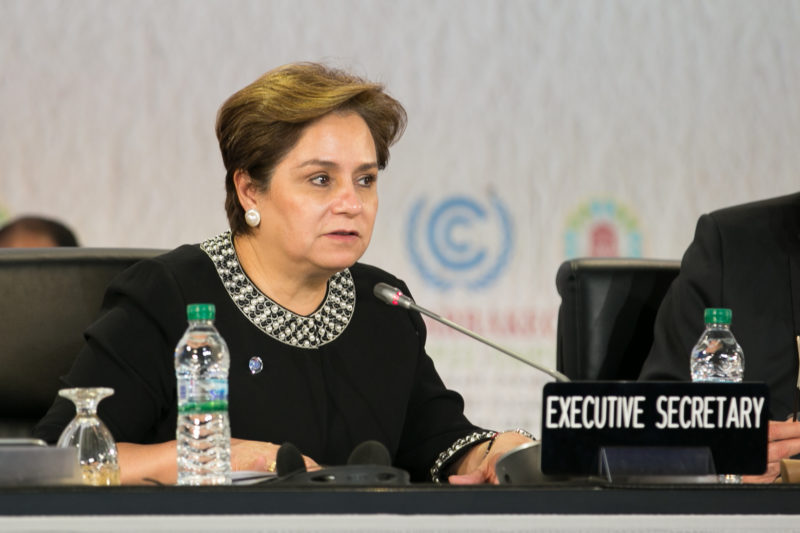
Patricia Espinosa, executive secretary of the UNFCCC

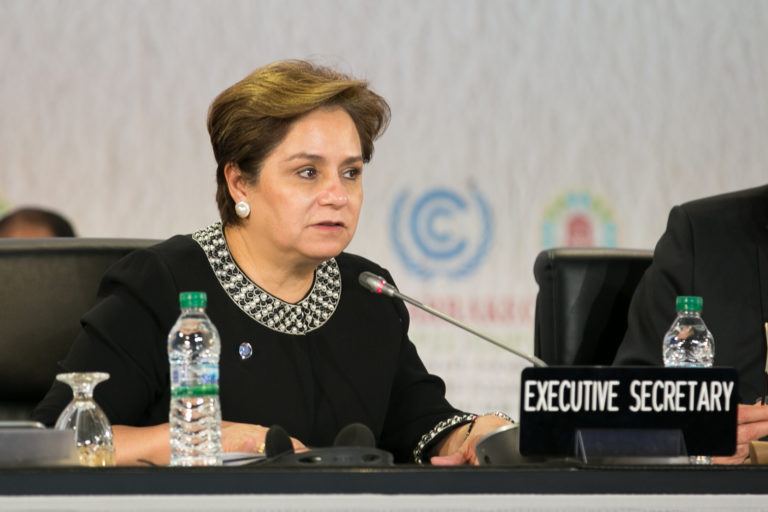
It is against this background that negotiators from the world’s governments gather in Bonn from April 30 to May 10, 2018 for three simultaneous meetings under the United Nations Framework Convention on Climate Change (UNFCCC). Their aim as ever is to figure out how to further implement the many agreements they have made over the past 28 years, and crucially how to put the 2015 Paris Agreement into practice. Their self-imposed deadline to finish this work is the end of this year at the 24th Conference of the Parties (COP24) to be held in Katowice, Poland. However some key questions have to be resolved before this can happen, including:

  • Will countries step-up their contributions in this critical window for climate action?
  • Will countries stick with the plan to deliver comprehensive national contributions?
  • Will real progress be seen on finance—the key enabling condition for climate action?
  • How can the process itself advance given the role of the US and polluting corporations?

With the window to avoid breaching the Paris Agreement’s 1.5°C threshold closing fast – by some estimates less than four years remain – and with the nationally determined contributions (NDCs) projected to result in 3°C warming, countries know they must radically step up their efforts in the immediate-term as well as the long-term.


Will the Talanoa Dialogue increase ambition?

The Paris Agreement set up a process by which Parties could review the adequacy of their NDCs and increase their ambition accordingly. Though not a legal obligation, there is building political pressure around this so-called ratchet mechanism, and the Fijian Presidency has taken on the task of running what they have dubbed the “Talanoa Dialogue.”

The Dialogue is organised around three questions: 1) where are we; 2) where do we want to go; and 3) how do we get there? The Presidency invited both Parties and civil society to submit their inputs which the UNFCCC Secretariat will compile into materials used during the April/May meeting.

Previous dialogues of this nature, such as the 2016 Facilitative Dialogue on pre-2020 action, have seen Parties largely ignore the input from civil society experts and fail to revise up their commitments, so expectations are tempered for the Talanoa Dialogue. However, there is a determination among both developing countries and global civil society to use the Talanoa Dialogue to have a meaningful conversation can take place around what constitutes fair and adequate efforts, and to translate this into a badly needed concrete increase in ambition.

Having fought so hard in at COP23 in Bonn for attention to be paid to pre-2020 climate actions, developing countries are expected to maintain their strong call for more ambition in this period. Countries did agree in Bonn to submit progress reports on their pre-2020 actions for all to see but whether or not there is any kind of meaningful review of the adequacy of these critical near-term efforts is not guaranteed.


Will the scope of the NDCs be comprehensive?

A major point of contention within the negotiations continues to be the “scope” of the NDCs which Parties have made as part of their efforts to meet the objective of the Paris Agreement to limit temperature rise to below 1.5°C.

This highly political debate has seen developing countries fighting to maintain a holistic approach to the NDCs – as enshrined in the Paris Agreement – and the differentiation between developing and developed countries. On the other side, many developed countries would like to see the focus limited to emissions reductions only, with no clear differentiation, and without meaningful conversation about the financial support they have put forward.


Will there be progress on finance?

Finance, an eternal sticking point within the talks, has recently become much stickier with the withdrawal of $2 billion by the U.S. under Trump’s administration. A high-level segment on finance is slotted for COP24, but with the U.S. delegation adamant that they do not want to discuss finance at all, it remains unclear how the item can advance unless other developed countries such as the European Union find some more margin to revise their approach to climate finance. Without a clear roadmap for delivering $100 billion per year by 2020, as pledged by developed countries since 2009, developing countries are hindered in their ability to carry out their own mitigation and adaptation actions.


How will the process advance?

Parties are also expected to continue negotiations on how to best address conflicts of interest in business groups, especially those that represent the fossil fuel industry’s interests. Developed countries, where most fossil fuel corporations are based, have continually tried to block these negotiations but their efforts have been largely overpowered by negotiators from Latin America and Africa who have championed the issue.

The Co-Chairs of the Paris Work Programme track of the negotiations (the “APA” for short) have outlined a process to conclude negotiations which involves picking up the same streams of work, with the same facilitators, as their previous sessions. Notably, the US – which has indicated its intention to withdraw from the Paris Agreement – is facilitating talks on the issue of transparency which may raise some concerns among other countries and civil society.

Negotiators will be working to narrow down the textual proposals in order to arrive at a negotiating text well before COP24 in Katowice, Poland, this December. The actual shape of the outcome on the Paris Work Programme remains undecided, with developing countries in favour of a single decision to ensure coherence between all the issues and avoid the severing of any links between issues being taken forward in the APA and related issues being advanced in the other negotiating bodies, the SBI and SBSTA, which also meet next week.

Benue lauds Fidelity Bank for corporate social responsibility presence

0

Benue State Commissioner for Women Affairs and Social Development, Mrs Ladi Isigbe, has commended Fidelity Bank Plc. for its corporate social responsibility presence in Makurdi, the state capital.

Fidelity Bank
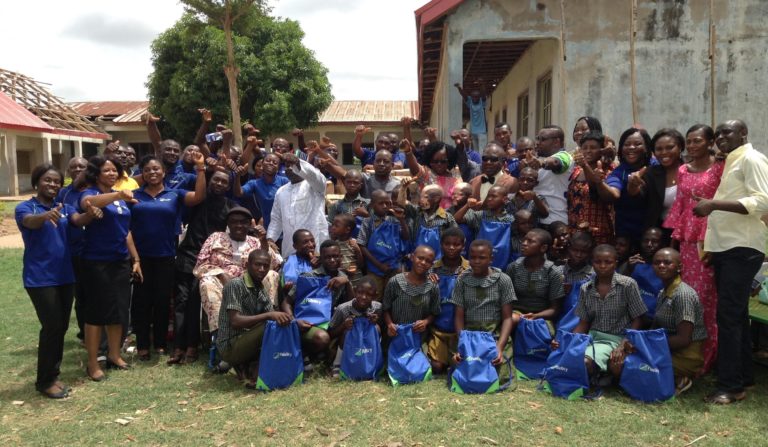
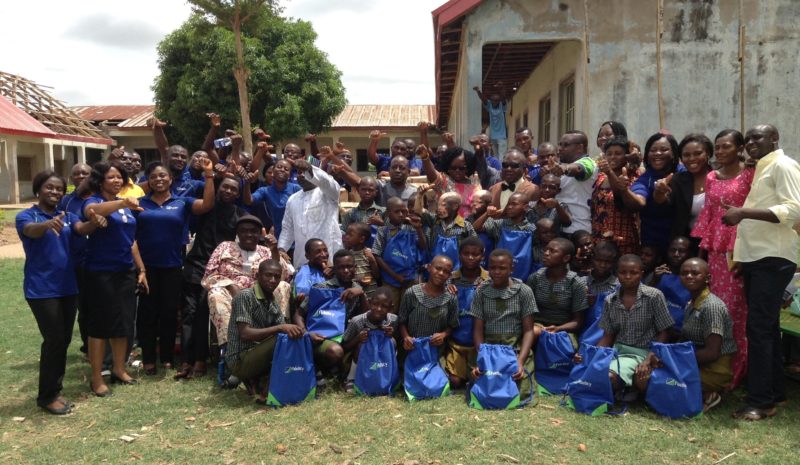
Group photo of special needs children with Fidelity Bank staffers and other dignitaries

The commissioner, who spoke on Thursday, 26th April, 2018 at Benue State Rehabilitation Centre, Apir-Makurdi when Fidelity Bank Plc., under the auspices of their Corporate Social Responsibility’s “Helping Hands Programme” donated various items to special children resident in the Centre, stated that she has seen various indelible marks of the bank’s CSR in Makurdi.

The commissioner, who was represented by the Director, Administration and Supply, Benue State Ministry of Women Affairs and Social Development, Mr Elijah Dogoh, charged other institutions in the state to emulate Fidelity Bank in carrying out worthy corporate social responsibility projects to benefit the society, adding that the donation would greatly impact on the lives of the special children.

In his remark, Fidelity Bank’s Regional Bank Head North-Central, Mr Sadi Zawua, who spoke through Fidelity’s Head, Benue State University Branch, Annette Gyem, stated that the bank is poised to touch lives of the special needs children in honouring the bank’s corporate social responsibility.

He noted that the children needed the public’s help and, to that end, Fidelity stepped in to provide its little token and identify with its host community.

Also speaking, Fidelity Bank’s Head, Corporate Social Responsibility, Mr Chris Nnakwe, stated that the CRS programme, tagged “Back to School Project”, was a way for them to appreciate the special children with its token and encourage them to study.

According to him, the bank takes its corporate social responsibility serious and reaches out to communities everywhere it operates, adding that the bank is proud to be a part of the special children’s story.

Earlier, the Executive Secretary, Benue State Rehabilitation Board, Apir-Makurdi, Mrs Hembadoon Gum, said she appreciated Fidelity Bank for its support to the cause of the special children, adding that she was overwhelmed as they do not even bank with Fidelity.

In their separate remarks, Kindred Head of Mbagban, Chief Samuel Kwambe, and Senior Special Assistant to the Benue State Governor on Special Needs, Mr Charles Sati, who both commended the bank for donating items to the Board for the special children, reiterated that other banks, organisations and public spirited individuals should emulate Fidelity Bank, in order to support vulnerable children.

Donated items include: packs of tissue paper, bags of rice, bags of salt, mattresses, manual typewriters, branded school bags, branded note-books, cartons of noodles, cartons of soap, gallons of groundnut oil and cartons of seasoning.

Others include bags of milk, cartons of cabin biscuits, cartons of washing soap, bags of garri, bags of beans, and packets of pencils, among others.

By Damian Daga, Makurdi

Group wants Enugu to emulate Anambra’s anti-smoking law

0

The New Life Community Care Initiative (NELCCI) has commended the Anambra State House of Assembly for enacting a law to regulate smoking in public places, saying there is need for law makers in Enugu State to enact a similar law.

Cigarette-smoking
According to scientists, tobacco smoking is dangerous to health

Ikem Uzoezie of Aguata 2 state constituency in Anambra State presented the bill for a law on regulation of smoking in public places, which was read for the first time last week during plenary.

The bill, if passed into law, would curtail indiscriminate smoking of any kind in open places.

In a statement issued in Enugu, NELCCI Executive Director, Florence Ifeanyi-Aneke, said that the bold step taken by the lawmakers in Anambra is the first attempt to curtail the epidemic of tobacco in eastern Nigeria and should be replicated in Enugu and other eastern states.

Ifeanyi-Aneke said the importance of having such a law in Enugu is necessitated by a recent report by the Environmental Rights Action and Nigeria Tobacco Control Research Group (NTCRG) which listed Enugu among states targeted by tobacco companies to market tobacco to kids.

She explained, “Big Tobacco, Tiny Targets Nigeria Report noted that school age children are exposed to cigarettes sold side by side candies and of course, this is a ploy to lure them into procuring the colorful cigarettes after which they remain hooked for life.”

She cautioned that if laws are not put in place to check the trend, the next generation of tobacco addicts was already being groomed and would pose a threat to economic growth when they start coming down with tobacco-induced illnesses.

The activist also asked the Consumer Protection Council (CPC) and other relevant agencies of government to begin enforcing the nine provisions of the National Tobacco Control (NTC) Act which does not require any law to be operationalised.

The nine provisions include a ban selling of tobacco to persons below the age of 18 years, prohibition of sale of tobacco in certain public places and sale of cigarettes in single sticks, among others.

Sanitation, personal hygiene can control malaria, say health officers

0

There will not be the need for the Federal Government to commit $300 million to eliminating malaria if the citizens can ensure sanitation and personal hygiene, the Environmental Health Officers Association of Nigeria (EHOAN) said in Lagos on Friday, April 27, 2018.

Isaac Adewole
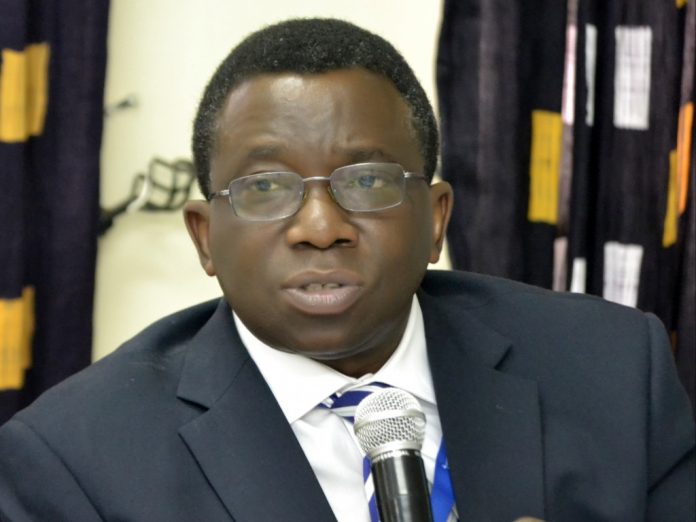
Minister of Health, Isaac Adewole

National President of EHOAN, Mr Samuel Akingbehin, who spoke to the News Agency of Nigeria (NAN), said that environmental health was essential to eliminating malaria.

“It was in the news few days ago that the Federal Government earmarked $300 million for elimination of malaria.

”Such money should be used for other capital projects because environmental health – sanitation and personal hygiene – is capable of reducing the burden of malaria.

”Every individual, every government should embrace it because what you throw to the environment, the environment will throw back at you,” he said.

The EHOAN president said that there was correlation between waste in the environment and malaria, hence, the need for environmental sanitation and personal hygiene.

According to him, waste comprises miscellaneous articles, rubbish, bottles, water retaining items and others.

He said that when waste retained water, it would breed malaria, noting that malaria-causing mosquitoes – female anopheles mosquitoes – developed rapidly in such a condition.

”Apart from water retaining items, refuse blocking our drains also results in stagnant water. When that happens, it creates a veritable avenue for breeding of mosquitoes, and these mosquitoes will transmit malaria to man.

”Malaria can be controlled through effective environmental sanitation.

“If our water bodies are made free-flowing, the vector which is mosquito will not breed there, and when the vector is eliminated or reduced drastically, it translates to reduction of malaria and malaria burden.

”If living rooms or houses are spread with net in the windows, mosquitoes will be prevented from coming in contact with human blood,” Akingbehin explained.

He also advocated the use of insecticide-treated mosquito nets to  prevent mosquitoes from having contact with man.

The EHOAN president advised that flowers  in the environment should be regularly trimmed to avoid mosquitoes.

He said that water-retaining plants such as like banana, plantain and cocoyam should be removed from the immediate environment to reduce breeding of mosquitoes.

According to him, another veritable action is chemical control of mosquitoes – the use of mosquito repellents and insecticides to reduce mosquitoes.

”It is the duty of every individual to make sure that water does not stagnate in his premises.

”People should fill up lowline portions of their compounds to ensure that drainage systems are flowing free.

”People should make sure that wells are covered and that refuse within the compounds are closed in a tight-fitting receptacle to avoid breeding of mosquitoes so that, together, we can chase malaria out,” he said.

NAN reports that the 2018 World Malaria Day was celebrated on Wednesday with the theme: “Ready To Beat Malaria”.

The Federal Government had on April 22 committed to securing $300 million from the World Bank, Islamic Development Bank and African Development Bank to eliminate malaria.

By Florence Onuegbu

427,000 affected by heavy flooding across Somalia since April – UN

0

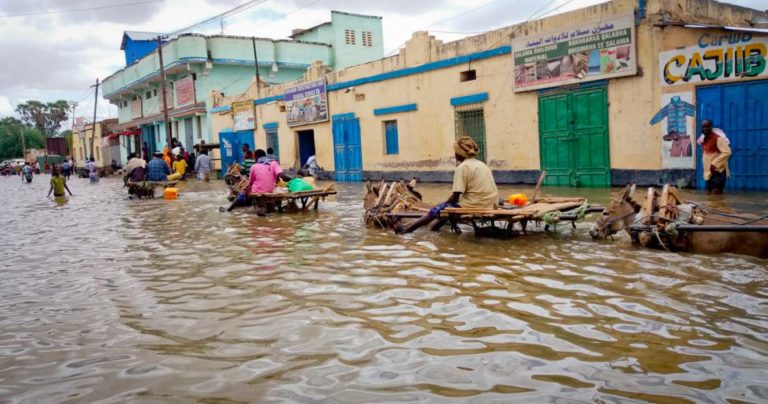
The UN said no fewer than 427,000 people have been affected by heavy flooding across Somalia since April, 2018.

Somali flood
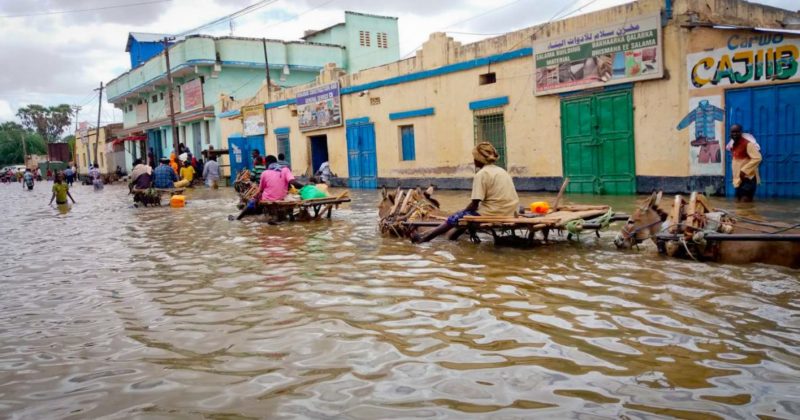
Flooded street in Beledweyne, Somalia. Photo credit: ICRC

The UN Office for Coordination of Humanitarian Affairs (OCHA) said nearly 175,000 out of the 427,000 have been displaced as a result of the flash and river flooding in Hirshabelle, South West and Jubaland states as well as Banadir region.

The UN agency said in its latest flooding update released on Thursday (April 26, 2018) night that rainfall has been above average over broad areas of Somalia, adding that short-term forecasts suggest heavy rainfall is likely to continue over the coming week both inside Somalia and within the Ethiopian highlands.

“Other central and northern parts of the country are expected to receive moderate to high rains in the coming week with regions of Puntland being the exception,” said OCHA.

The UN agency said the projection for heavy rains coupled with the high river levels mean that riverine flooding will continue in the Juba and Shabelle river basins in the coming week.

In Jubaland, the number of displaced people spiked from an estimated 28,200 on April 22 to 42,300 people who are part of the 165,000 people affected in the state with the worst affected areas of Bu’aale, Garbahaarey, Ceel Waaq, Luuq, Baardheere and Saakow.

The Horn of Africa nation’s local authorities have called on the federal government and humanitarian agencies to help those who are in very critical conditions.

In Baidoa town alone, about 174,000 people have been affected by flooding, said the UN, adding that over half of their existing shelters cannot withstand heavy rains, and many have already been washed away.

Many community latrines have been destroyed or filled with flood water. Forecasts predict more heavy rains in the coming week.

“In Hiraan region, the Shabelle River has already burst its banks, displacing over 122,000 people in Belet Weyne town and nearby riverine villages,” said the UN.

The UN agency said some 54,000 people in makeshift shelters in the Mogadishu area have been affected in settlements for the displaced.

More flooded communities are reported in the Galgadud, Gedo and Middle Shabelle regions.

Dead Sea flash flood death toll rises to 10 as questions loom

0

The death toll from this week’s Southern Israeli flash floods rose to 10 on Friday, April 27, 2018 after another teenage hiker was found dead in the area, local media reported.

Flood
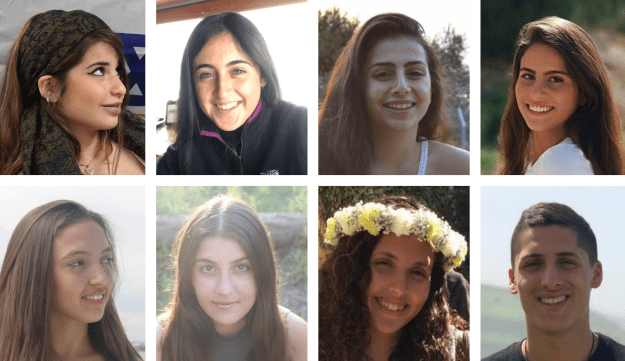
Ella Or, Gali Balel, Agam Levi, Shani Samir, Adi Ra’anan, Yael Sadan, Maayan Barhum, Romi Cohen and Tzur Alfi were killed in a flash flood April 27, 2018

The toll now includes nine females and one male aged 17 and 18.

The teens were among a group of 25 young hikers hit by flash floods in Nahal Tzafit, a riverbed near the Dead Sea on Thursday.

The group was part of the Bnei Zion pre-military academy, which had approved the expedition, despite repeated warnings about adverse weather conditions.

Local media reported that two staff members at the academy, including its head, had been detained and questioned by police and that a third was placed under house arrest.

Several days of heavy rain in Israel have caused flooding throughout the country.

On Tuesday, a 17-year-old Palestinian girl near Bethlehem and an Israeli-Arab teenager in southern Israel were killed in flash floods.